
Skip to content
Amazonia Mag

Amazonia Mag

  • Privacy Policy
  • About Amazonia Mag
  • Contact
  • Home

Anne Silva

Anne Silva is the editor of Amazonia Mag, the English-language edition of Revista Amazônia. She curates, translates and adapts the outlet's science and environment coverage for an international audience, reporting on Amazon wildlife, flora, rivers, climate and research. Every story she edits is grounded in peer-reviewed studies, official data and on-the-ground reporting from the Revista Amazônia newsroom in Belém, Pará, Brazil.

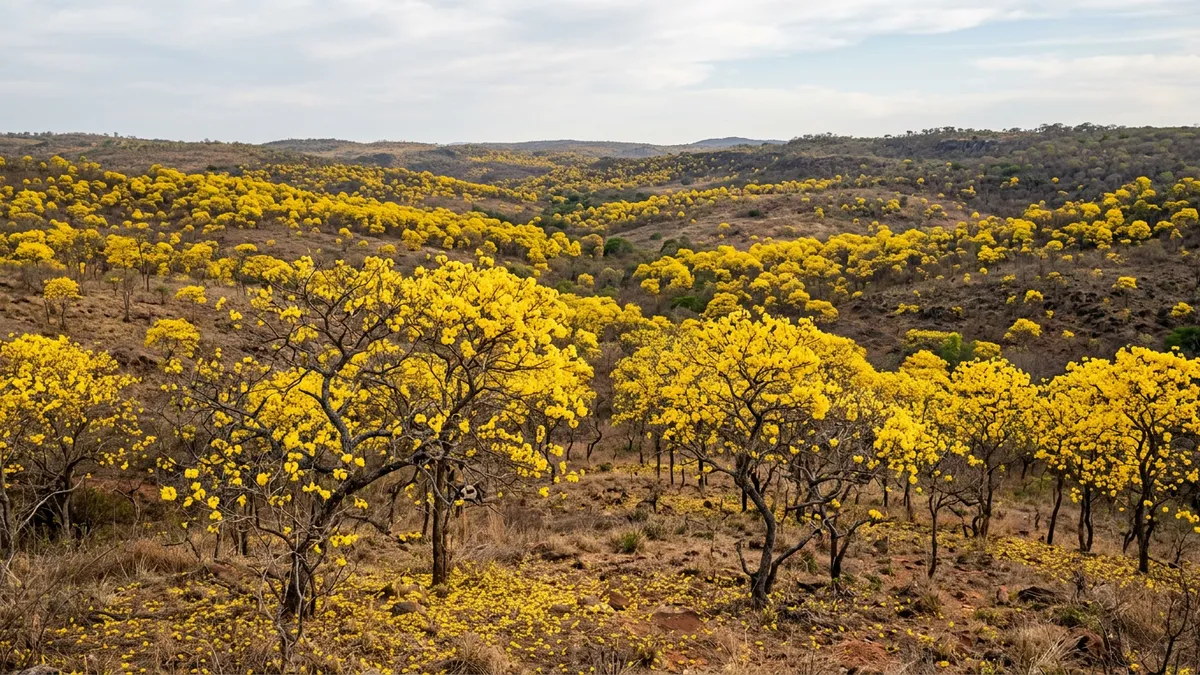
Ipê Trees Drop Every Leaf After a Dry Spell, Then Bloom Together to Draw Pollinators
October 15, 2026 by Anne Silva
Ipês perdem 100% das folhas após 1 período seco e florescem em sincronia para atrair polinizadores, com diferenças entre espécies

The yellow bloom of ipê trees does not follow a fixed date. It starts after a dry period, when each tree loses all its foliage and many flower in step.
Categories Flora Leave a comment

Rhodoliths: Two Beds of Living Stones in Brazil Hold More Than 450 Species and Possible New Algae

October 15, 2026 by Anne Silva
Rodolitos ocupam 20 mil km² no Brasil e escondem até 1% da vida marinha global em pedras vivas

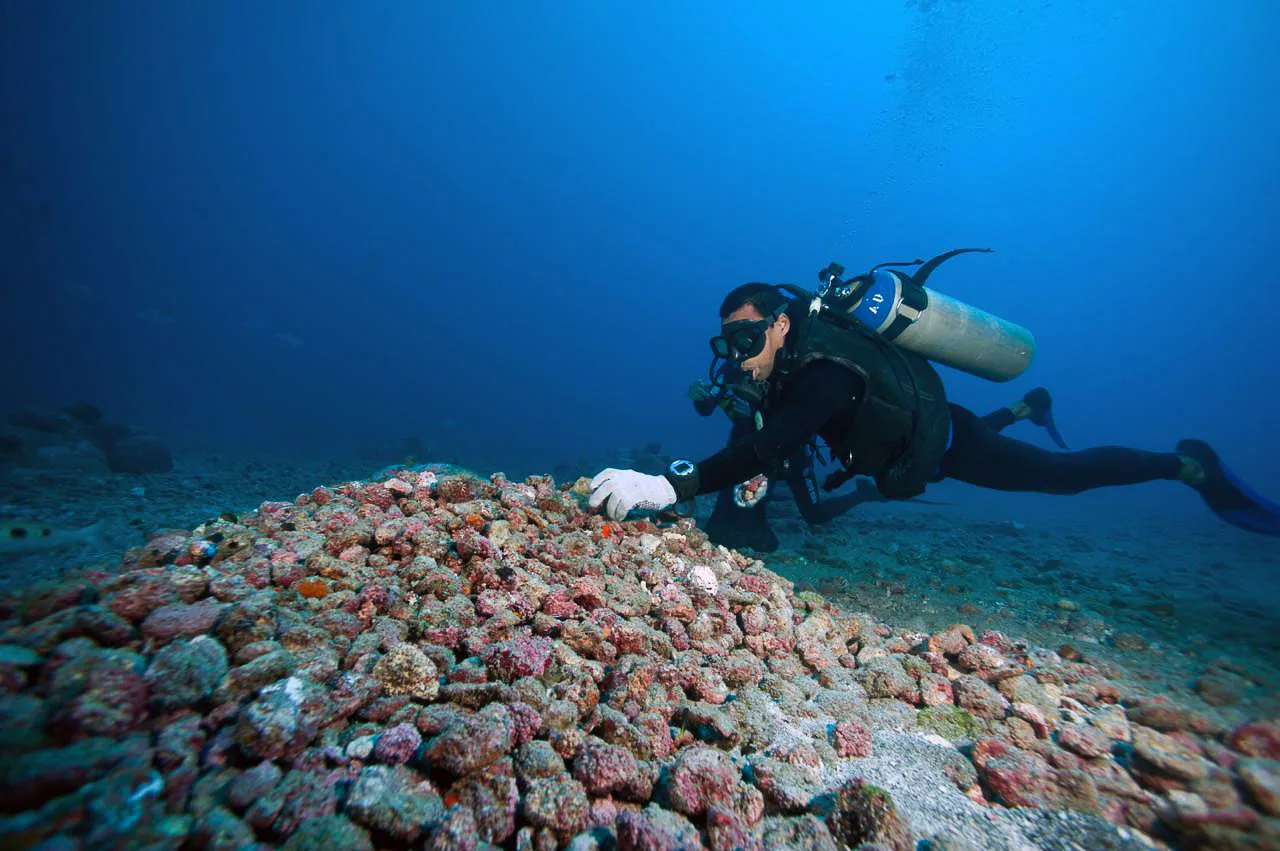
A study of samples from Abrolhos and Queimada Grande Island found more than 450 species in beds of calcareous algae and estimated they hold between 0.2% and 1% of known marine life.

Categories Environment Leave a comment

Octopuses Sleep in Two States and May Dream for Seconds, a Study in Brazil Finds

October 14, 2026 by Anne Silva
Polvos dormem em dois estados e podem ter sonhos de segundos, revela estudo feito no litoral do Brasil

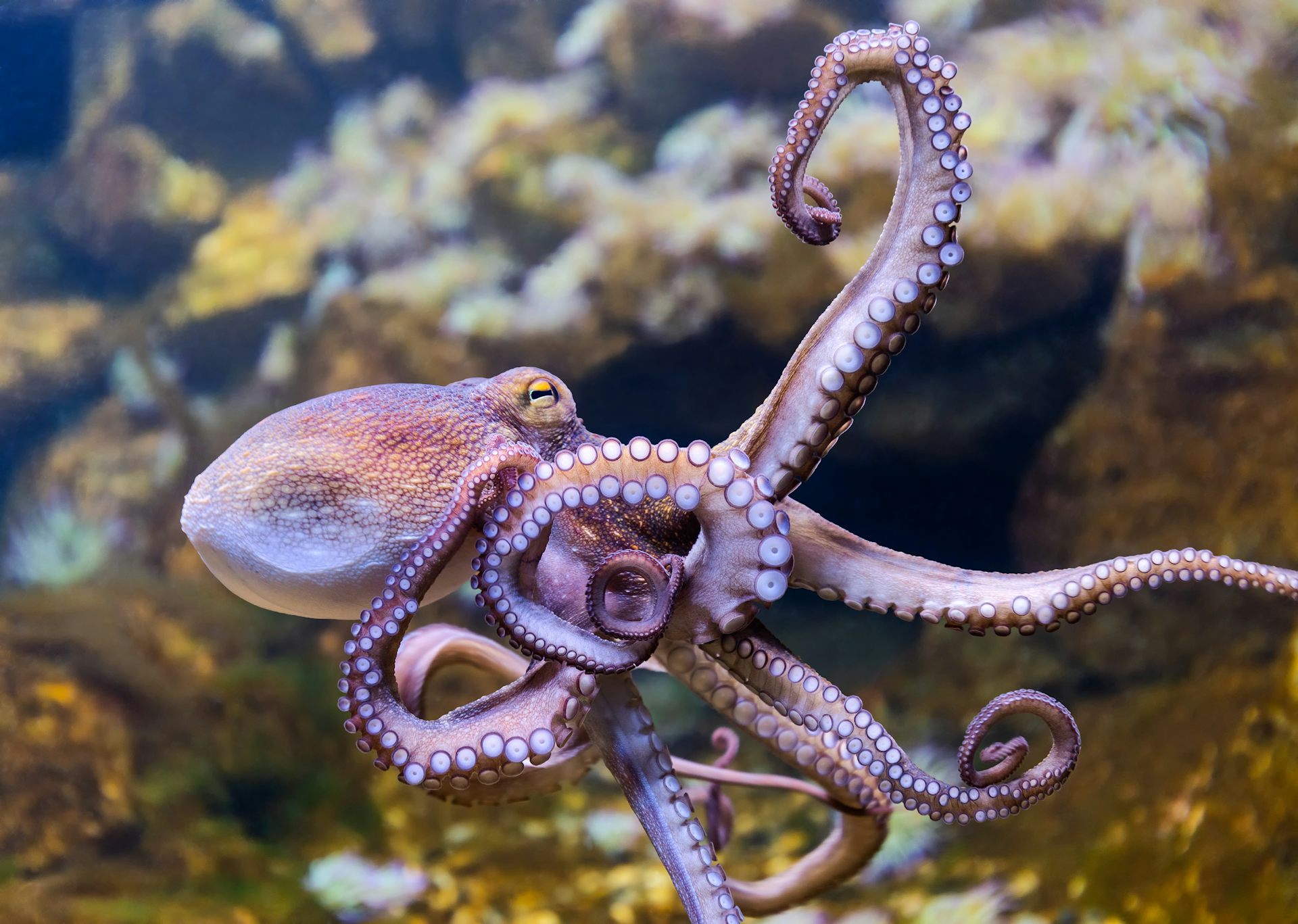
Four wild octopuses alternated between quiet and active sleep, with color changes and eye and arm movements. Scientists still cannot say they dream.

Categories Wildlife Leave a comment

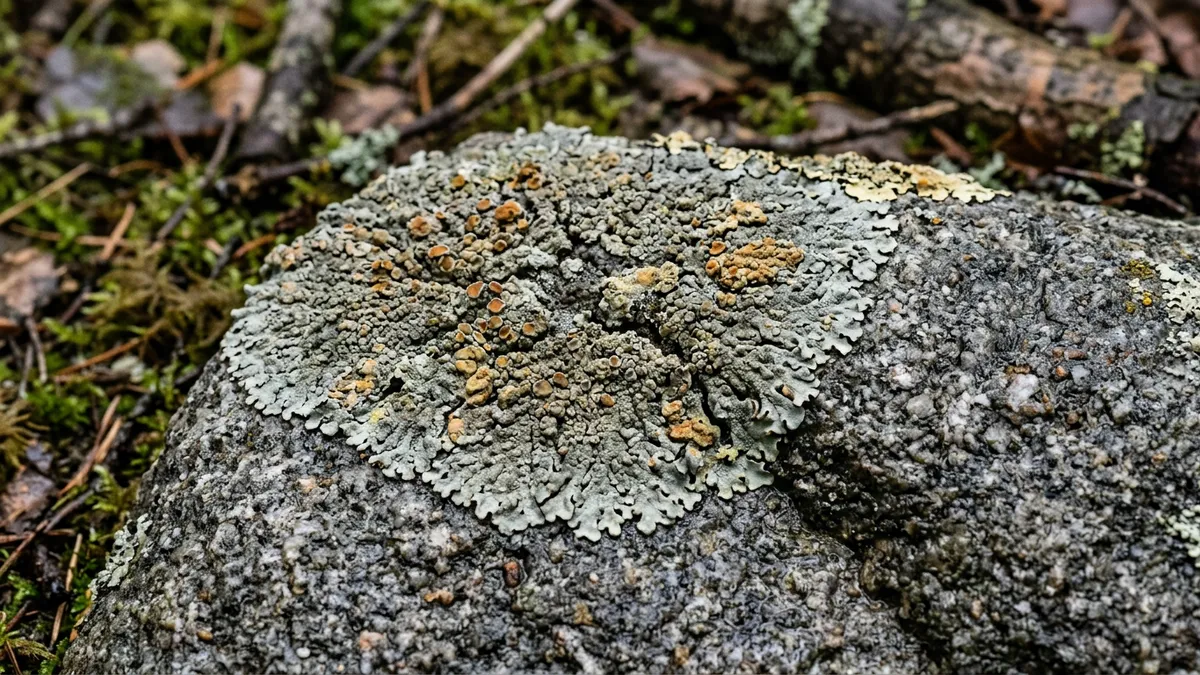
Lichens Pair Two Organisms, Grow About 0.04 Inches a Year and Record Air Quality on Bare Rock

October 14, 2026 by Anne Silva
Líquen reúne 2 seres, cresce cerca de 1 milímetro por ano na rocha nua e registra a qualidade do ar enquanto inicia a formação do solo

A lichen is a lasting partnership between a fungus and an alga or cyanobacterium. It grows slowly on bare rock, starts the first layer of soil and keeps a record of the air it has lived in.

Categories Environment Leave a comment

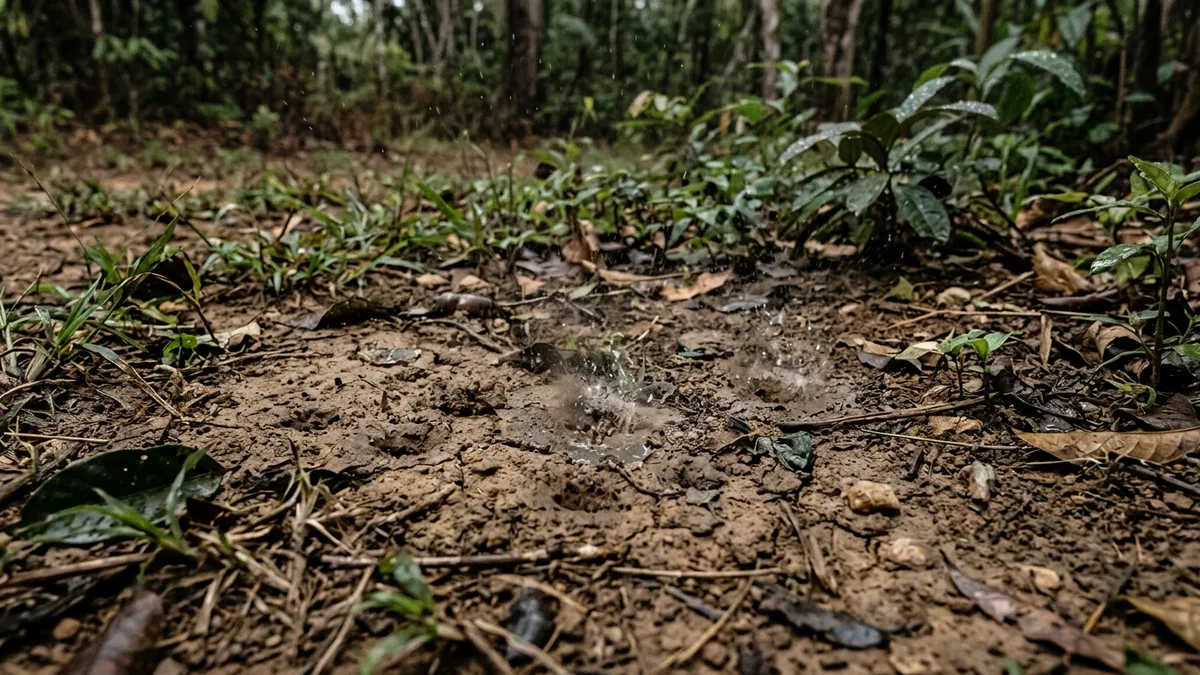
The Smell of Rain Comes From Soil Bacteria, and Noses Detect It at 5 Nanograms per Liter

October 14, 2026 by Anne Silva
Uma actinobactéria do solo libera geosmina após a chuva, e o nariz humano detecta cerca de 5 nanogramas por litro

The earthy smell after rain comes in large part from geosmin, a compound made by soil actinobacteria. The human nose is so sensitive that about 5 nanograms per liter can be enough to notice it.

Categories Science Leave a comment

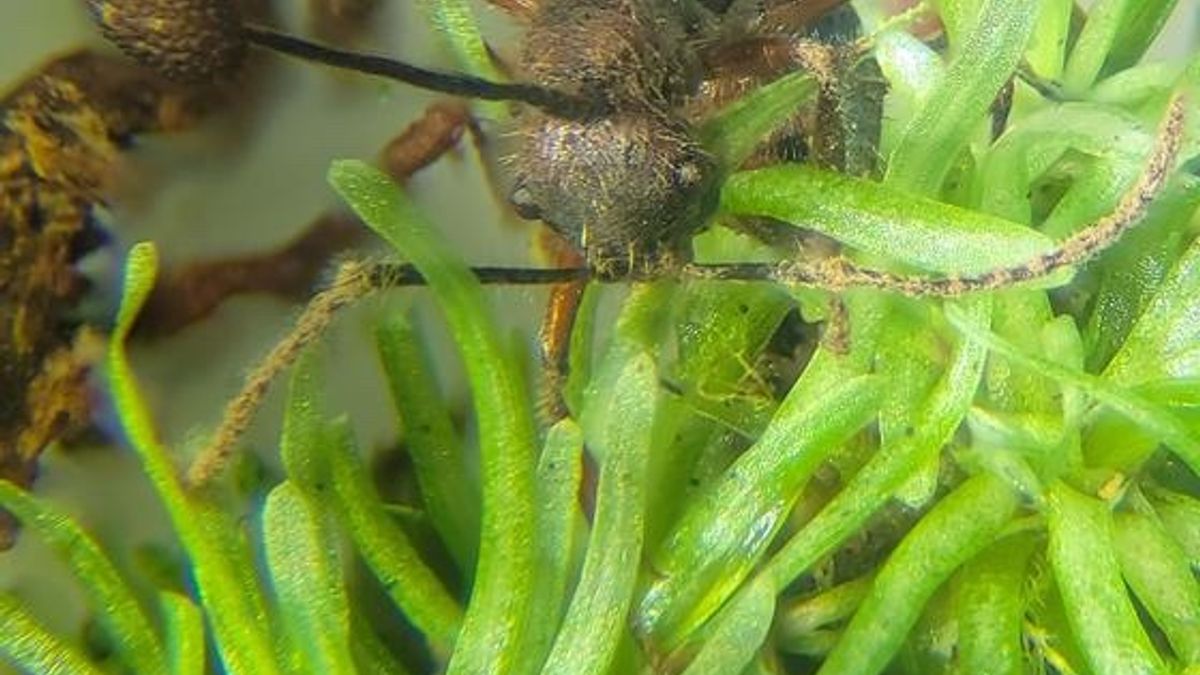
Zombie-Ant Fungus Found Hiding Inside Amazon Mosses, Brazilian Study Suggests

October 14, 2026 by Anne Silva
Fungo zumbificador é encontrado em musgos da Amazônia e pode revelar nova rota de infecção em formigas

Researchers at Brazil’s INPA detected DNA of the fungus behind zombie ants in mosses of a forest reserve near Manaus. It points to a silent, plant-dwelling stage of its life cycle.

Categories Science Leave a comment

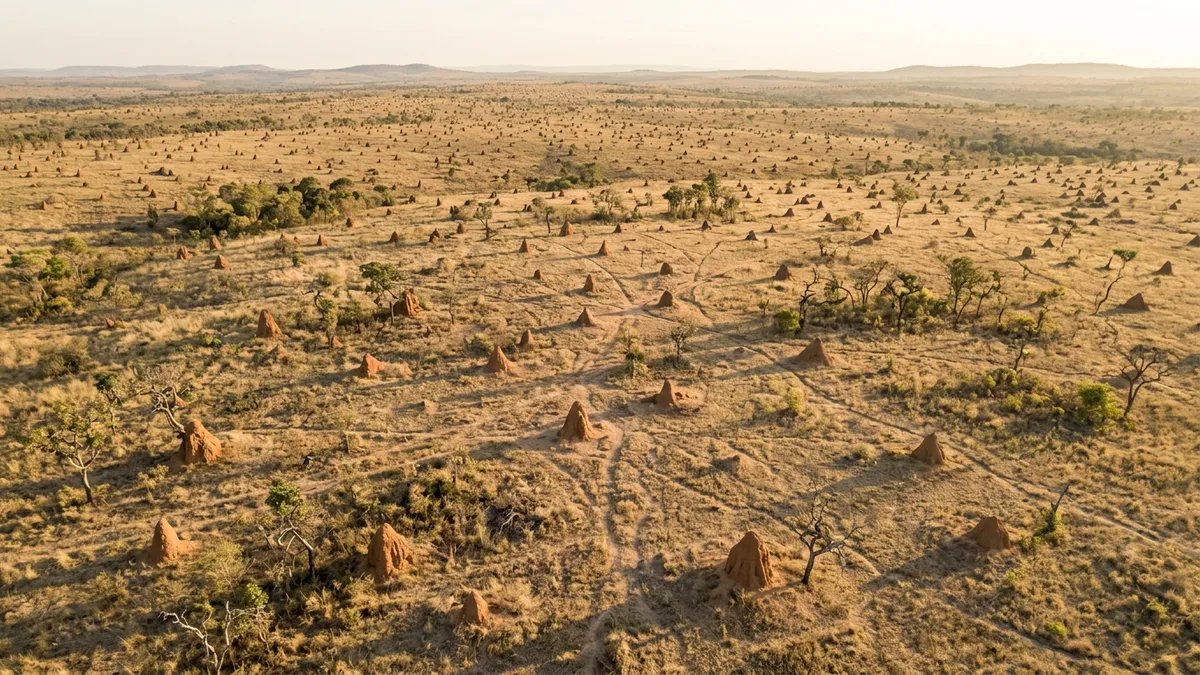
A Brazilian Termite Mound Field Visible From Space Took About 4,000 Years to Build

October 14, 2026 by Anne Silva
Campo de cupinzeiros brasileiro visível do espaço mantém túneis ativos após 4 mil anos e revela uma obra coletiva fora de escala

Millions of earthen mounds built by termites, Syntermes dirus, form a landscape that satellites can see. Generations of workers kept a network of tunnels going for about four thousand years.

Categories Wildlife Leave a comment

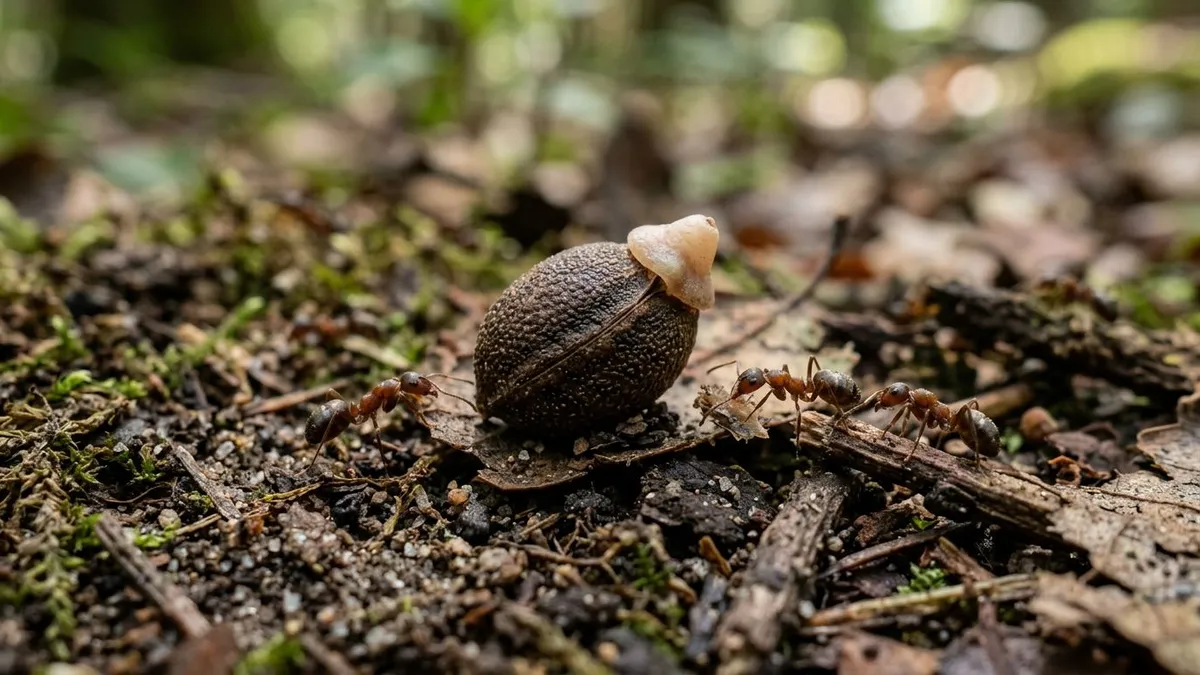
Stick Insect Eggs Pose as Seeds So Ants Carry Them Underground, Away From Parasitic Wasps

October 14, 2026 by Anne Silva
Bicho-pau deposita ovos com estrutura idêntica a sementes para atrair formigas e proteger filhotes contra vespas

Female stick insects lay eggs that copy the look and the food reward of plant seeds. Ants haul them into underground nests, where wasps cannot reach the developing embryos.

Categories Wildlife Leave a comment

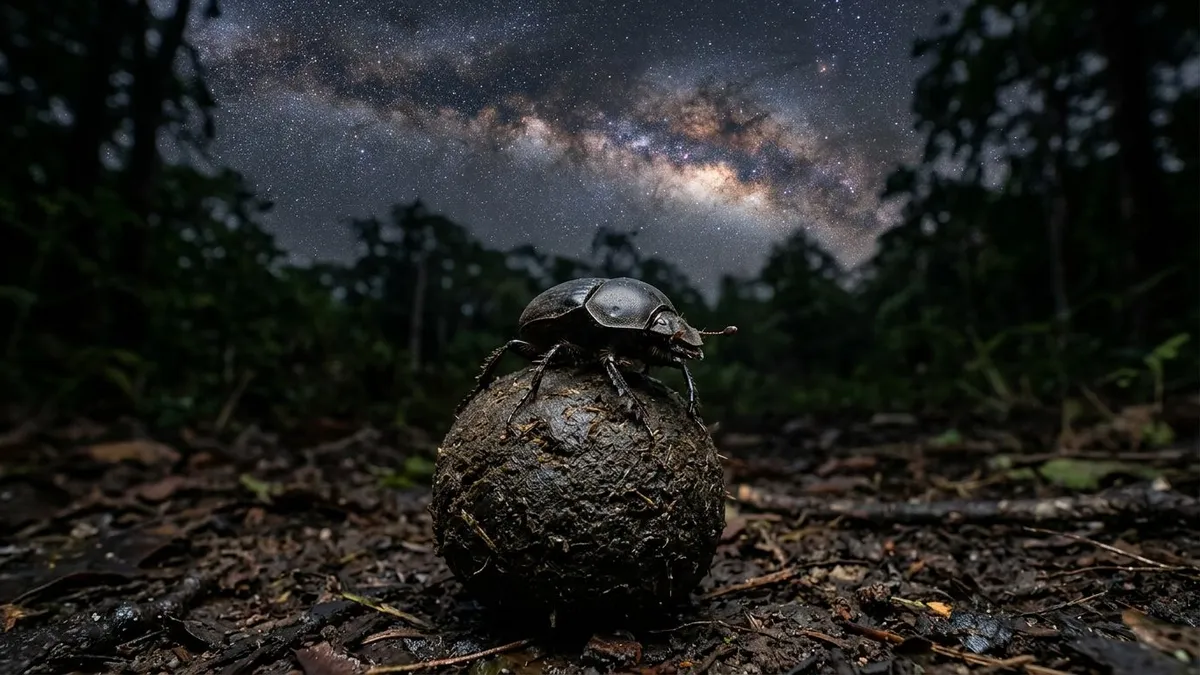
Dung Beetles Steer Straight by the Milky Way, Rolling Their Dung Balls Away From Thieves

October 13, 2026 by Anne Silva
Besouro rola-bosta utiliza a luz da Via Láctea para guiar esferas de alimento em linha reta no solo

Dung beetles read the faint band of the Milky Way as a night compass. It keeps their dung balls moving in a straight line, away from rivals that would steal them.

Categories Wildlife Leave a comment

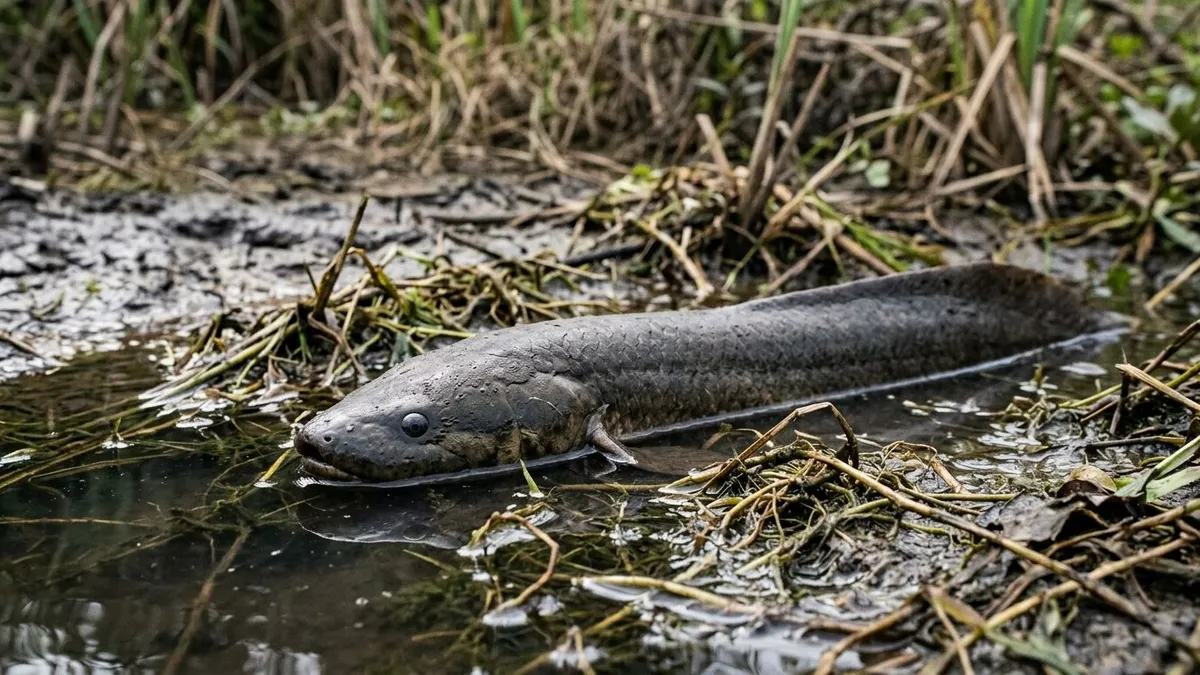
Apple Snail Breathes With Lung and Gills, Reaches the Surface by Siphon and Survives Drought

October 13, 2026 by Anne Silva
Aruá respira com pulmão e brânquias, usa sifão até a superfície e sobrevive à seca

The apple snail, known in Brazil as aruá, pairs gills with a lung and a siphon to breathe water and air, and lays its eggs out of reach of aquatic predators.

Categories Wildlife Leave a comment
Older posts
Newer posts
← Previous Page1 … Page10 Page11 Page12 … Page46 Next →

Recent Posts

  • Why the jabuticaba tree flowers on its trunk, and where the buds come from, according to USP
  • Pinheirão, a 500-year-old araucária, fell unseen in Brazil and scientists rushed to clone it
  • Albino veado-campeiro, a pure white pampas deer, spotted in Brazil’s Pantanal grasslands
  • Alagoas curassow, the mutum-de-alagoas, returns to Brazil’s Atlantic Forest after 40 years
  • Chaco eagle (águia-cinzenta) is one of Brazil’s largest raptors and almost nobody has ever seen one
About · Contact · Privacy Policy
© 2026 Amazonia Mag · International edition of Revista Amazônia · Published by Editora Círios, Belém, PA, Brazil