Skip to content
Amazonia Mag

Amazonia Mag

  • Privacy Policy
  • About Amazonia Mag
  • Contact
  • Home

Anne Silva

Anne Silva is the editor of Amazonia Mag, the English-language edition of Revista Amazônia. She curates, translates and adapts the outlet's science and environment coverage for an international audience, reporting on Amazon wildlife, flora, rivers, climate and research. Every story she edits is grounded in peer-reviewed studies, official data and on-the-ground reporting from the Revista Amazônia newsroom in Belém, Pará, Brazil.

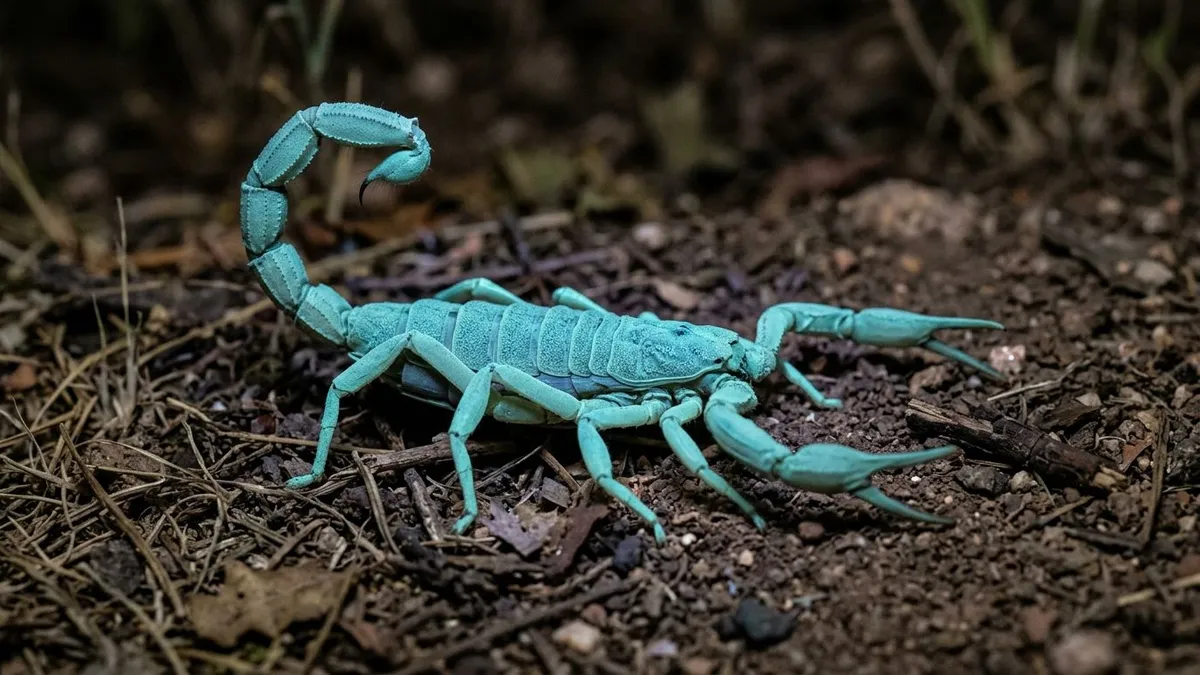
Scorpions Glow Under UV Light and Carry Their Young on the Back, but Science Still Debates Why
October 13, 2026 by Anne Silva
Escorpião brilha sob luz ultravioleta, carrega filhotes no dorso e mantém em aberto três hipóteses para a fluorescência

The scorpion’s cuticle turns ultraviolet light into visible glow, yet no one has settled what the glow is for. Three hypotheses remain open.

Categories Wildlife Leave a comment

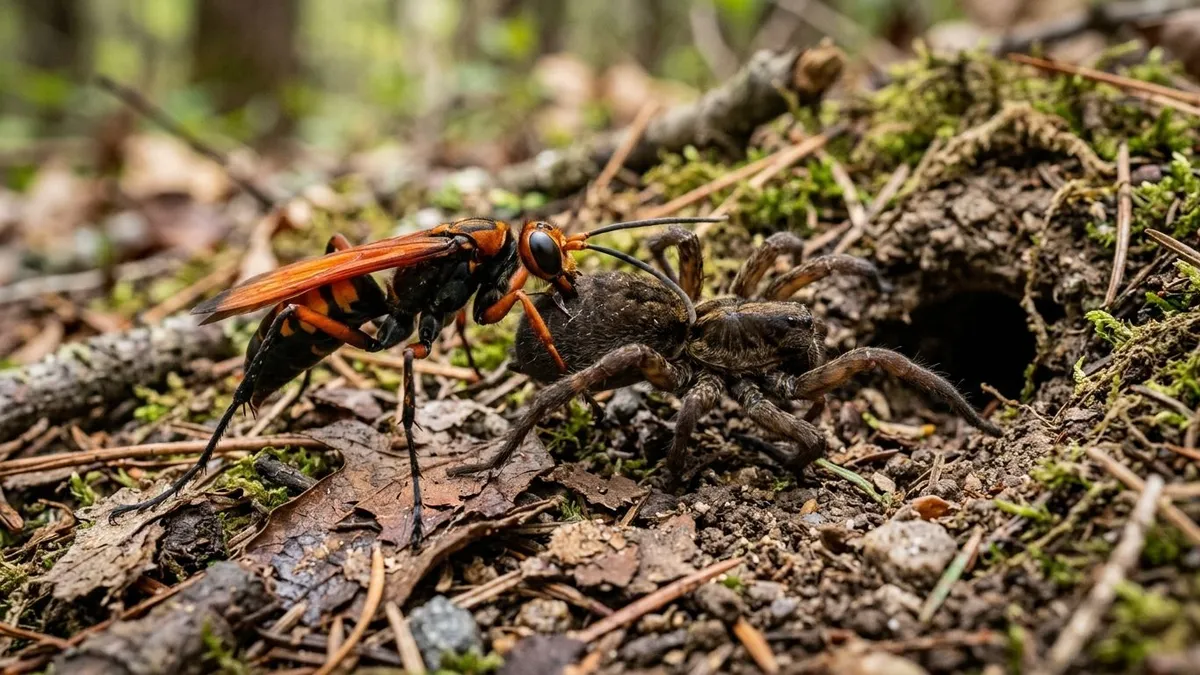
Spider Wasp Paralyzes a Spider Bigger Than Itself, Drags It Alive to a Burrow and Lays One Egg

October 13, 2026 by Anne Silva
Vespa-caçadora paralisa aranha maior que ela, arrasta o corpo vivo até a toca e deixa um único ovo

A single sting stops the spider without killing it, giving a spider wasp fresh food for one larva growing in a sheltered burrow.
Categories Wildlife Leave a comment

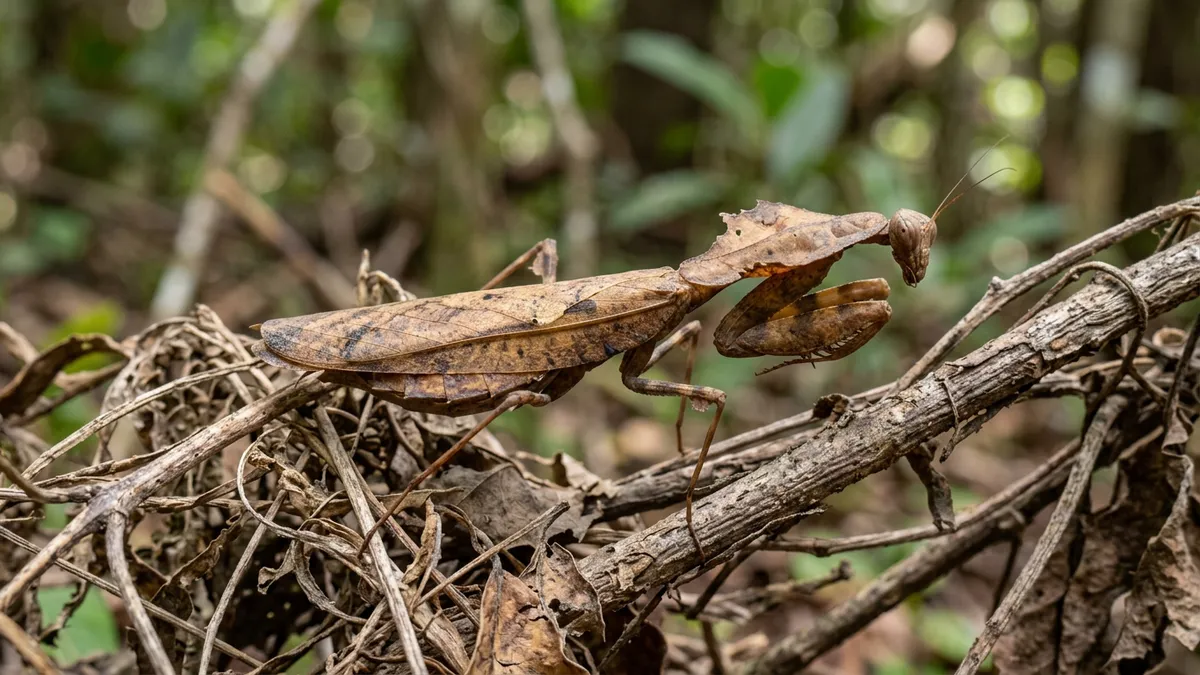
Leaf-Mimic Mantis Copies Two Dead-Leaf Details, Freezes, Then Strikes in Under a Second

October 13, 2026 by Anne Silva
Louva-a-deus copia 2 detalhes de folha seca, fica imóvel e captura a presa em menos de 1 segundo a poucos centímetros

A mantis that looks like a dry leaf waits motionless, judges distance with both eyes and snaps its forelegs shut once prey comes within a few centimeters.
Categories Wildlife Leave a comment

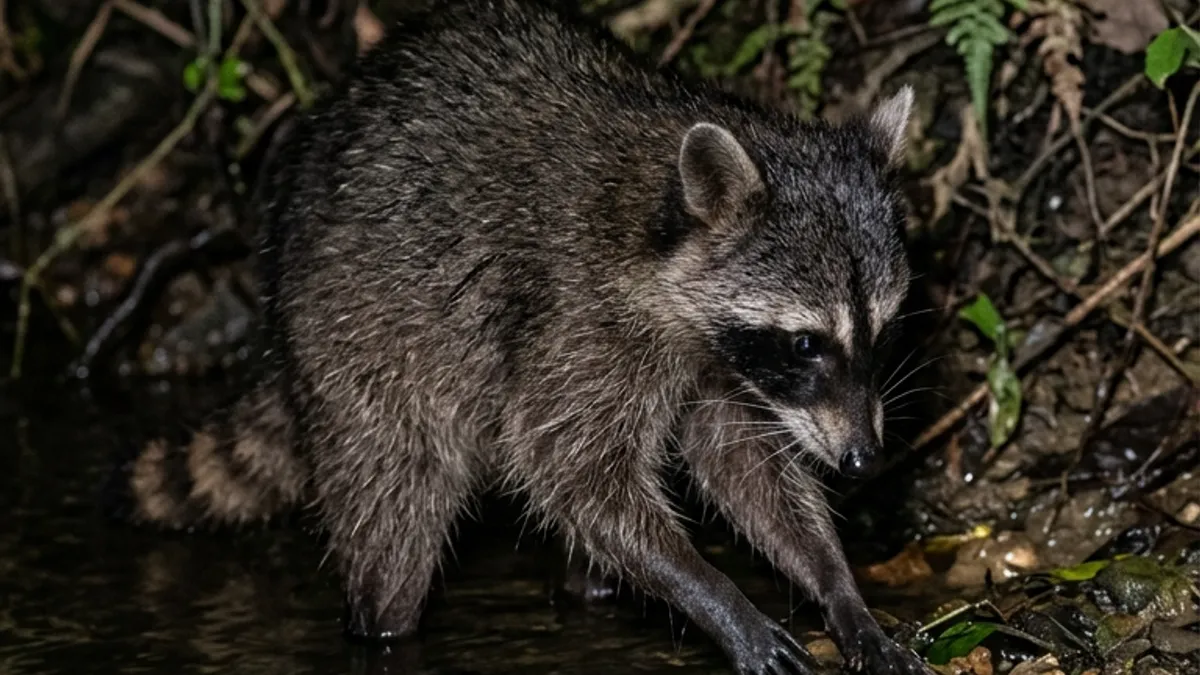
Crab-Eating Raccoon Reads the Riverbed by Touch With Its Sensitive Forepaws

October 13, 2026 by Anne Silva
Mão-pelada usa patas dianteiras sensíveis para remexer alimento na água durante a busca noturna

The crab-eating raccoon rummages through shallow water because its forepaws are packed with touch receptors, not because it is washing its food.
Categories Wildlife Leave a comment

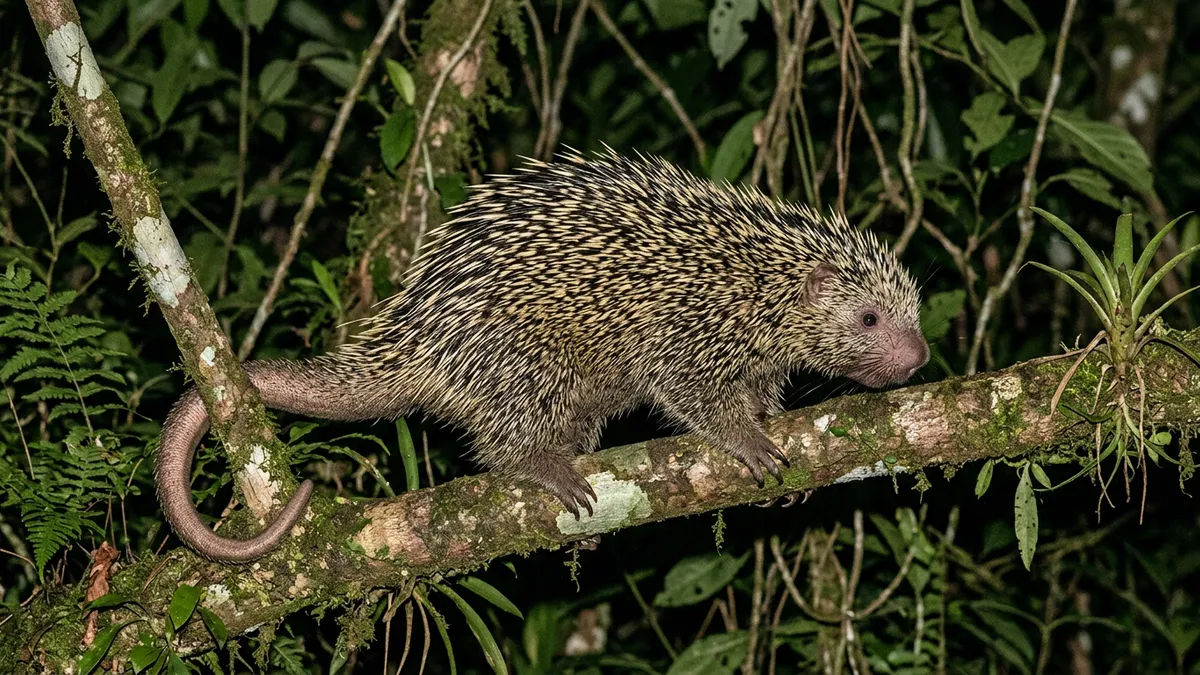
The Brazilian porcupine does not shoot its quills: tiny barbs and a grasping tail do the work

October 12, 2026 by Anne Silva
O ouriço-cacheiro usa microfaras nos espinhos e a cauda preênsil como quinto membro à noite

The Brazilian porcupine cannot throw its quills. Tiny barbs make them hard to remove on contact, while a bare-tipped prehensile tail serves as a fifth limb in the trees at night.
Categories Wildlife Leave a comment

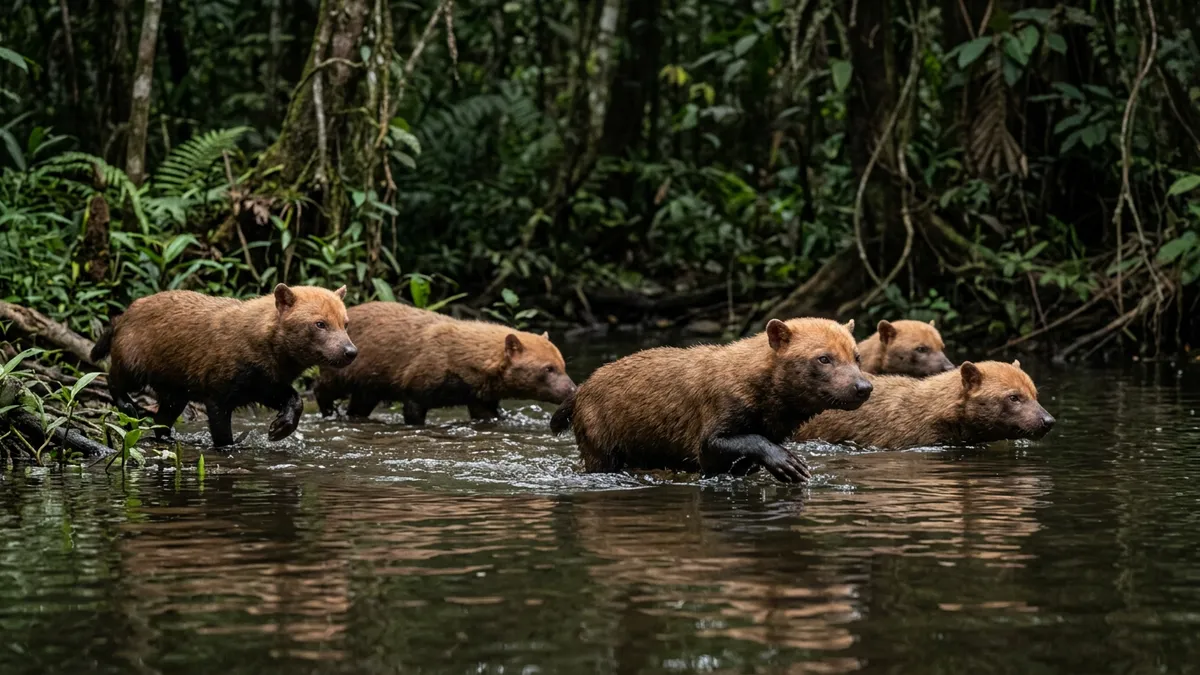
The bush dog hunts in a pack and uses webbed toes to chase prey into the water

October 12, 2026 by Anne Silva
Cachorro-vinagre usa membrana entre os dedos para caçar em matilha dentro da água e derrubar presas maiores

The bush dog has partly webbed toes that help it swim, and it hunts cooperatively with its pack, keeping in touch through high-pitched calls in dense forest.
Categories Wildlife Leave a comment

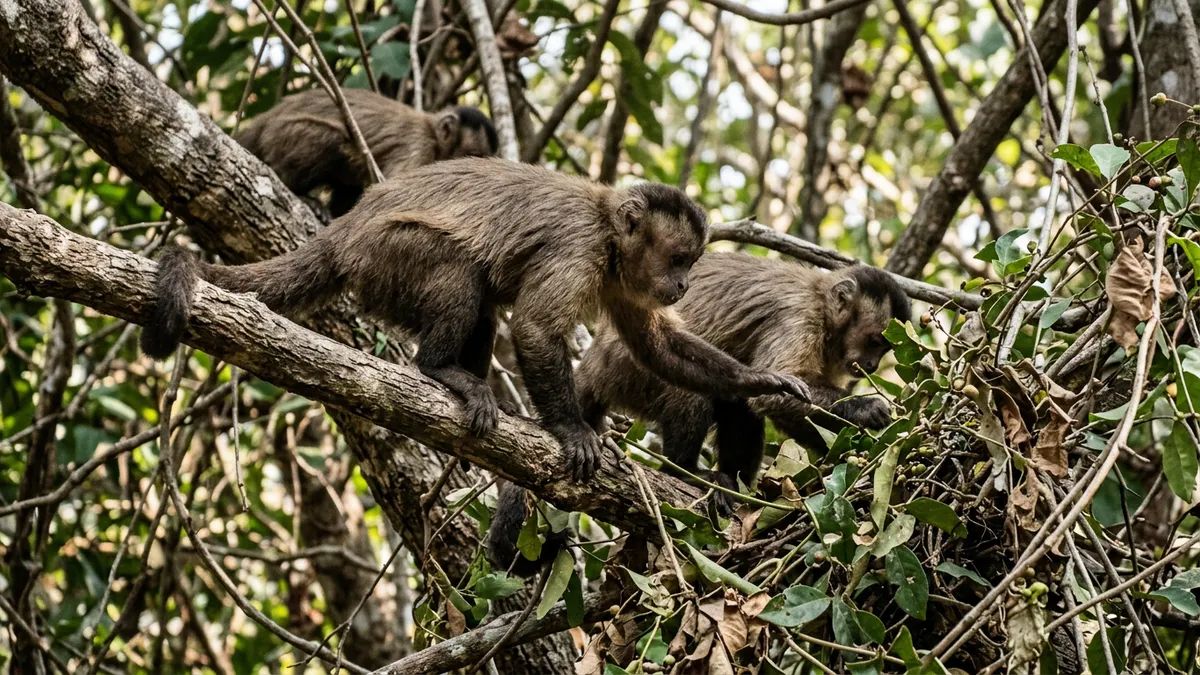
When fruit runs short, capuchin monkeys hunt lizards and snakes, a 45-month study finds

October 12, 2026 by Anne Silva
Frutas escassas fazem macacos-prego caçar lagartos e cobras, e estudo reabre pista sobre a dieta humana

Two groups of bearded capuchins in Brazil were recorded eating small vertebrates 446 times over 45 months, mostly when fruit was scarce. Researchers say it offers a clue about early human diets.
Categories Science Leave a comment

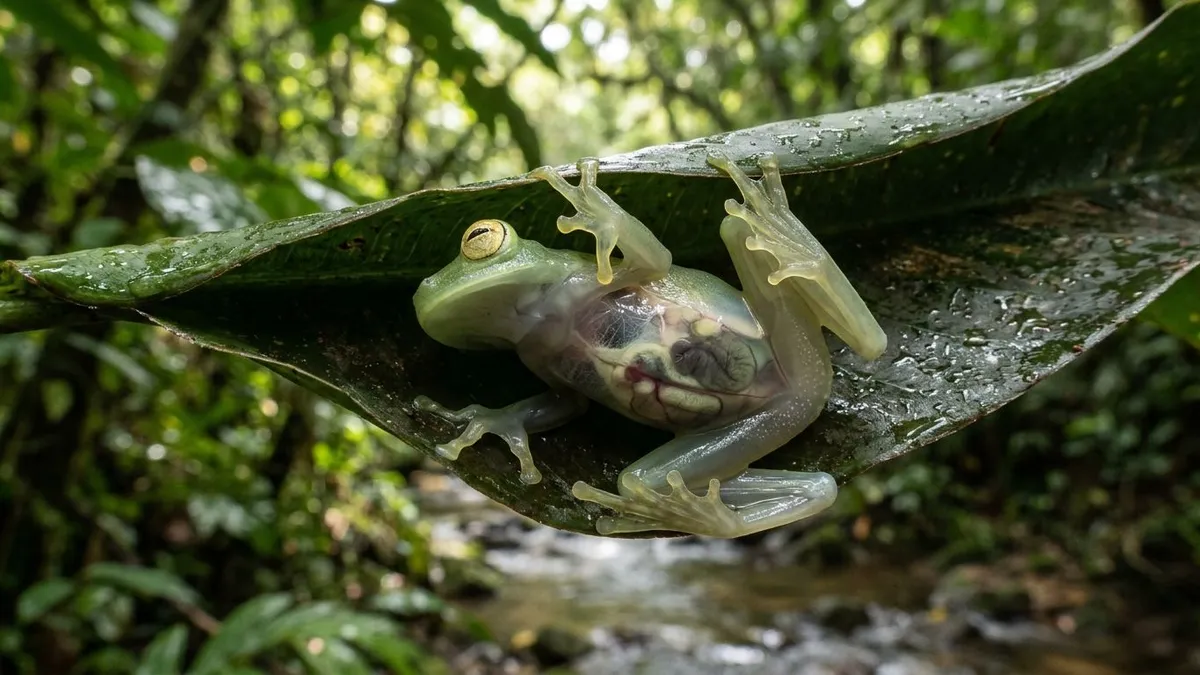
The glass frog’s translucent belly shows its beating heart and helps it blend into a leaf

October 12, 2026 by Anne Silva
Perereca-de-vidro usa pele ventral translúcida para suavizar contornos corporais e ocultar órgãos nos riachos da Mata Atlântica

The glass frog has a see-through belly that exposes its heart, gut and eggs, while its green back matches the leaves where it rests above Atlantic Forest streams.
Categories Wildlife Leave a comment

The blacksmith tree frog builds a mud pool on the riverbank so its tadpoles grow up away from fish

October 12, 2026 by Anne Silva
Sapo-martelo ergue bacia de lama na margem do rio e a fêmea só desova quando a estrutura protege os girinos

The male blacksmith tree frog molds a circular mud basin beside the river, apart from the current. The female spawns only when the structure shelters the eggs and tadpoles.
Categories Wildlife Leave a comment

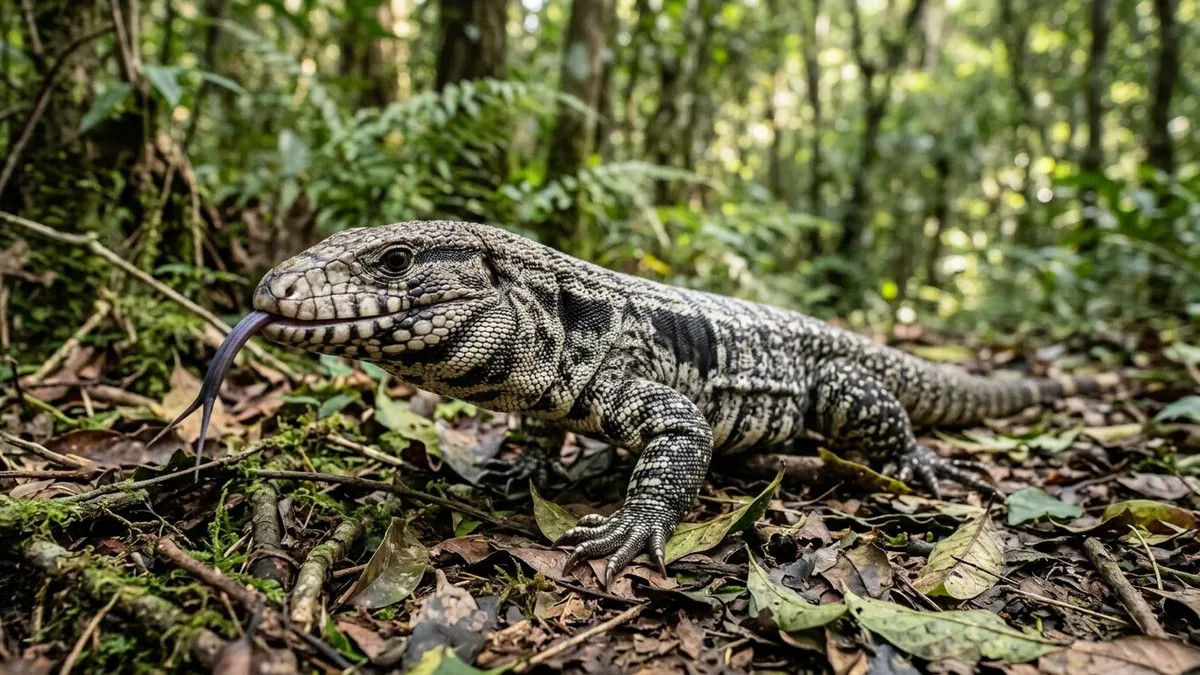
Tegu Lizard Flicks a Forked Tongue to Collect Chemical Traces and Track Prey on the Ground

October 12, 2026 by Anne Silva
Teiú utiliza língua bífida e órgão vomeronasal para capturar partículas químicas no ar e rastrear presas no solo

The tegu keeps flicking its forked tongue to pick up chemical particles from air and ground, then delivers them to the vomeronasal organ in the roof of its mouth. That scent map guides it to food and warns it of danger.

Categories Wildlife Leave a comment
Older posts
Newer posts
← Previous Page1 … Page11 Page12 Page13 … Page46 Next →

Recent Posts

  • Why the jabuticaba tree flowers on its trunk, and where the buds come from, according to USP
  • Pinheirão, a 500-year-old araucária, fell unseen in Brazil and scientists rushed to clone it
  • Albino veado-campeiro, a pure white pampas deer, spotted in Brazil’s Pantanal grasslands
  • Alagoas curassow, the mutum-de-alagoas, returns to Brazil’s Atlantic Forest after 40 years
  • Chaco eagle (águia-cinzenta) is one of Brazil’s largest raptors and almost nobody has ever seen one
About · Contact · Privacy Policy
© 2026 Amazonia Mag · International edition of Revista Amazônia · Published by Editora Círios, Belém, PA, Brazil