
Skip to content
Amazonia Mag

Amazonia Mag

  • Privacy Policy
  • About Amazonia Mag
  • Contact
  • Home

Science

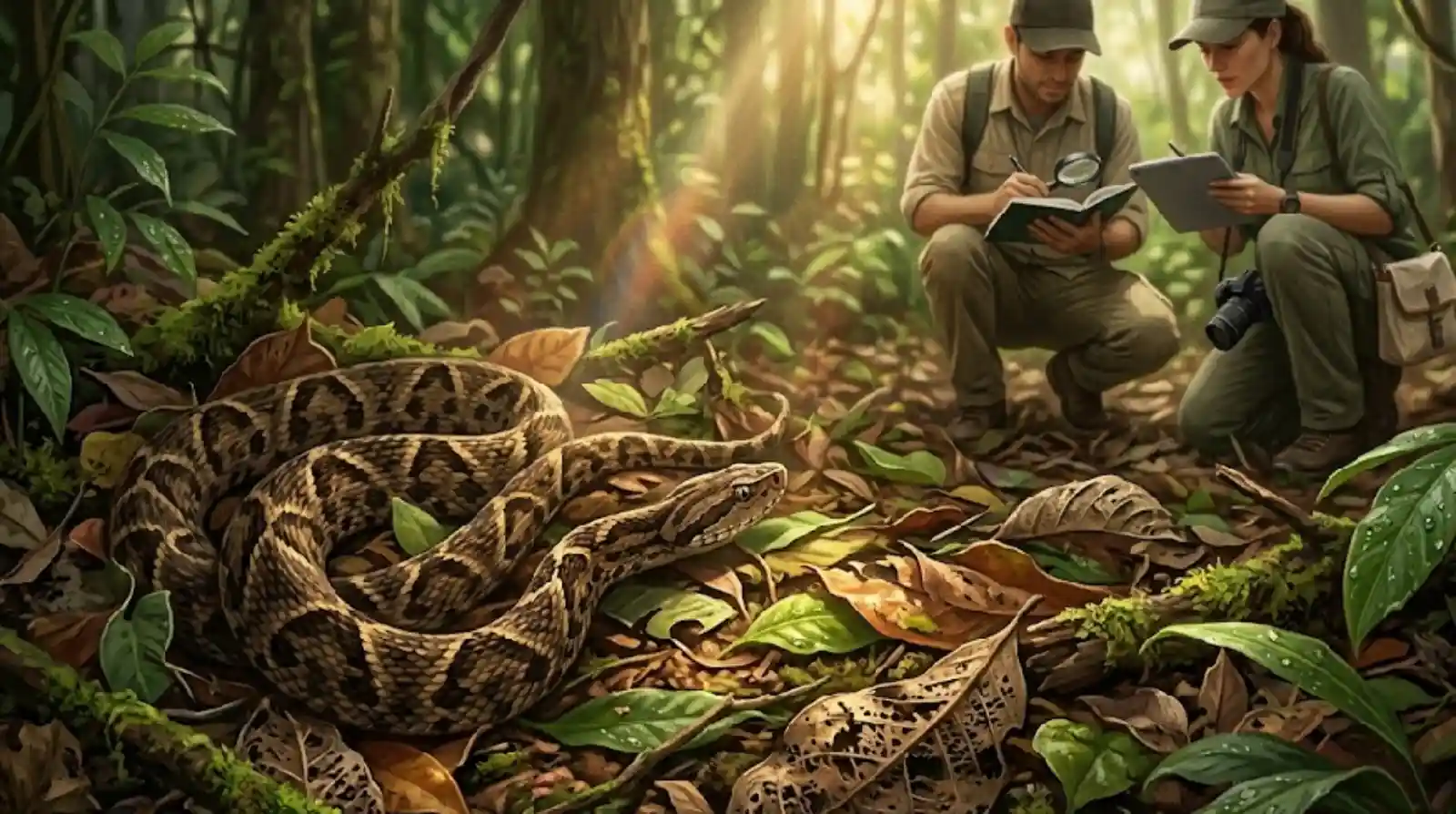
How jararaca venom helped create the heart drug captopril
October 1, 2026 by Anne Silva
O veneno potente da serpente jararaca e a criação do medicamento captopril transformaram a medicina cardiovascular e a ciência moderna

Jararaca venom helped scientists understand blood pressure and led to captopril, a landmark in cardiovascular medicine and a powerful argument for protecting biodiversity.
Categories Science Leave a comment

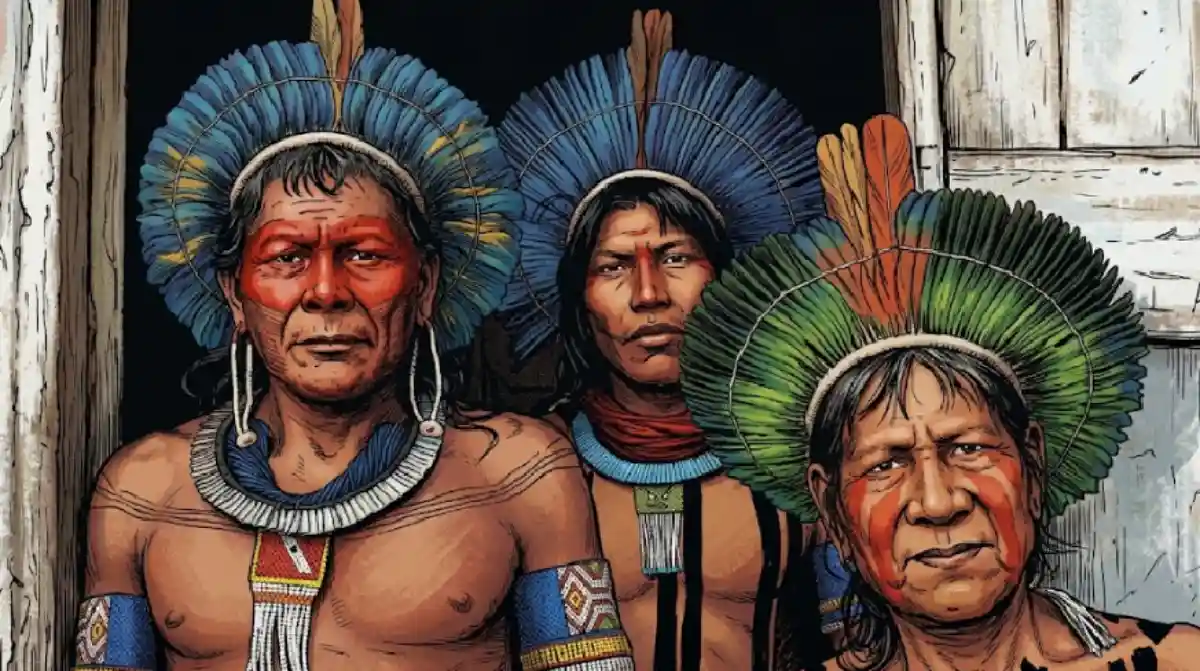
Why Pará Means “Sea” and What It Reveals About the Amazon

October 1, 2026 by Anne Silva
A fascinante origem do nome Pará revela como os povos antigos enxergavam a imensidão do majestoso rio Amazonas

The name Pará comes from the Tupi language family and means “sea,” reflecting how Indigenous peoples perceived the immense mouth of the Amazon River. Its etymology preserves a cultural vision of rivers as pathways, sources of life and endless horizons.
Categories Science Leave a comment

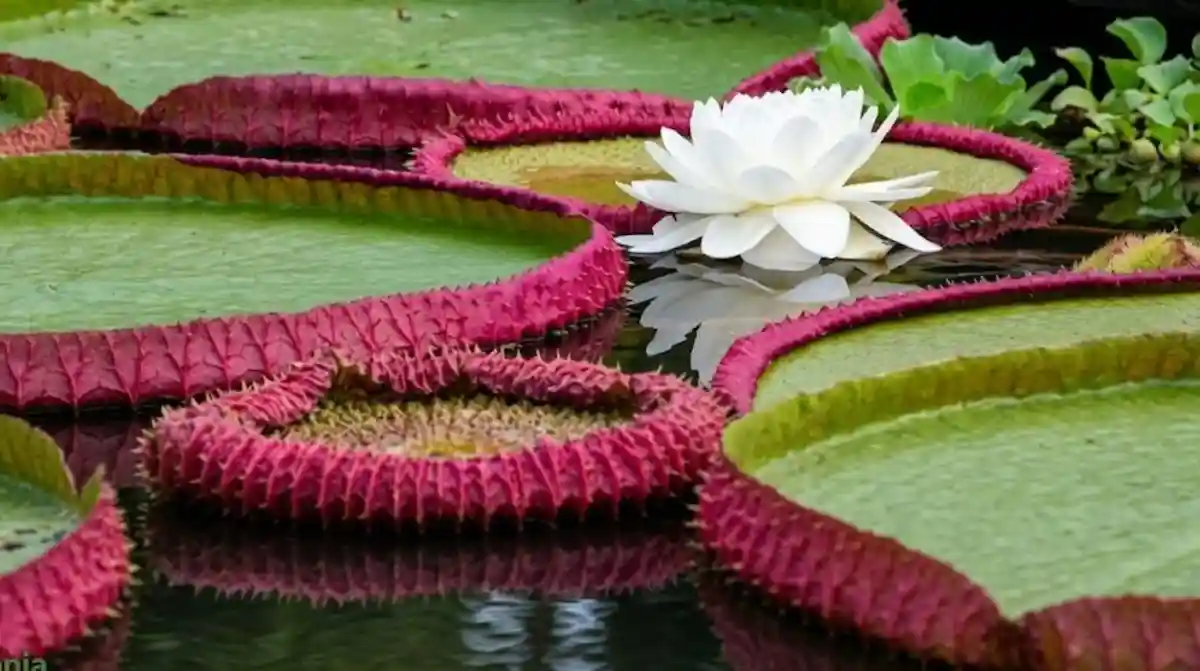
The Amazon water lily heats its flower to trap beetles for pollination

October 1, 2026 by Anne Silva
A vitória-régia aquece a própria flor para atrair besouros e usa calor como armadilha de polinização na Amazônia Termorregulação floral. Besouro preso por uma

The Amazon water lily raises its flower temperature by up to 18°F (10°C) to attract Cyclocephala beetles. It then holds them inside for about 24 hours, covering them with pollen while providing food and shelter.
Categories Science Leave a comment

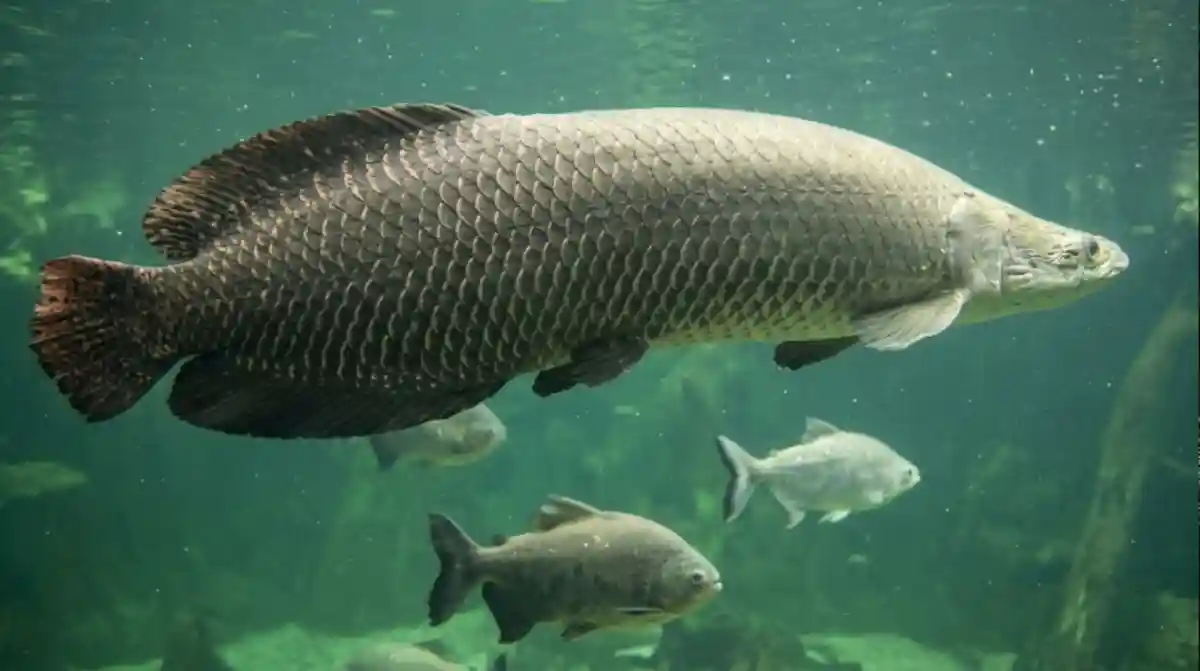
The pirarucu breathes air to survive waters where other fish suffocate

October 1, 2026 by Anne Silva
O gigante pirarucu das águas doces brasileiras revela como a adaptação biológica única permite a sobrevivência em ambientes sem oxigênio

The pirarucu survives waters with very little oxygen by using a modified swim bladder as a lung. Its unusual physiology and community-led management explain why populations have recovered in parts of the Amazon.
Categories Science Leave a comment

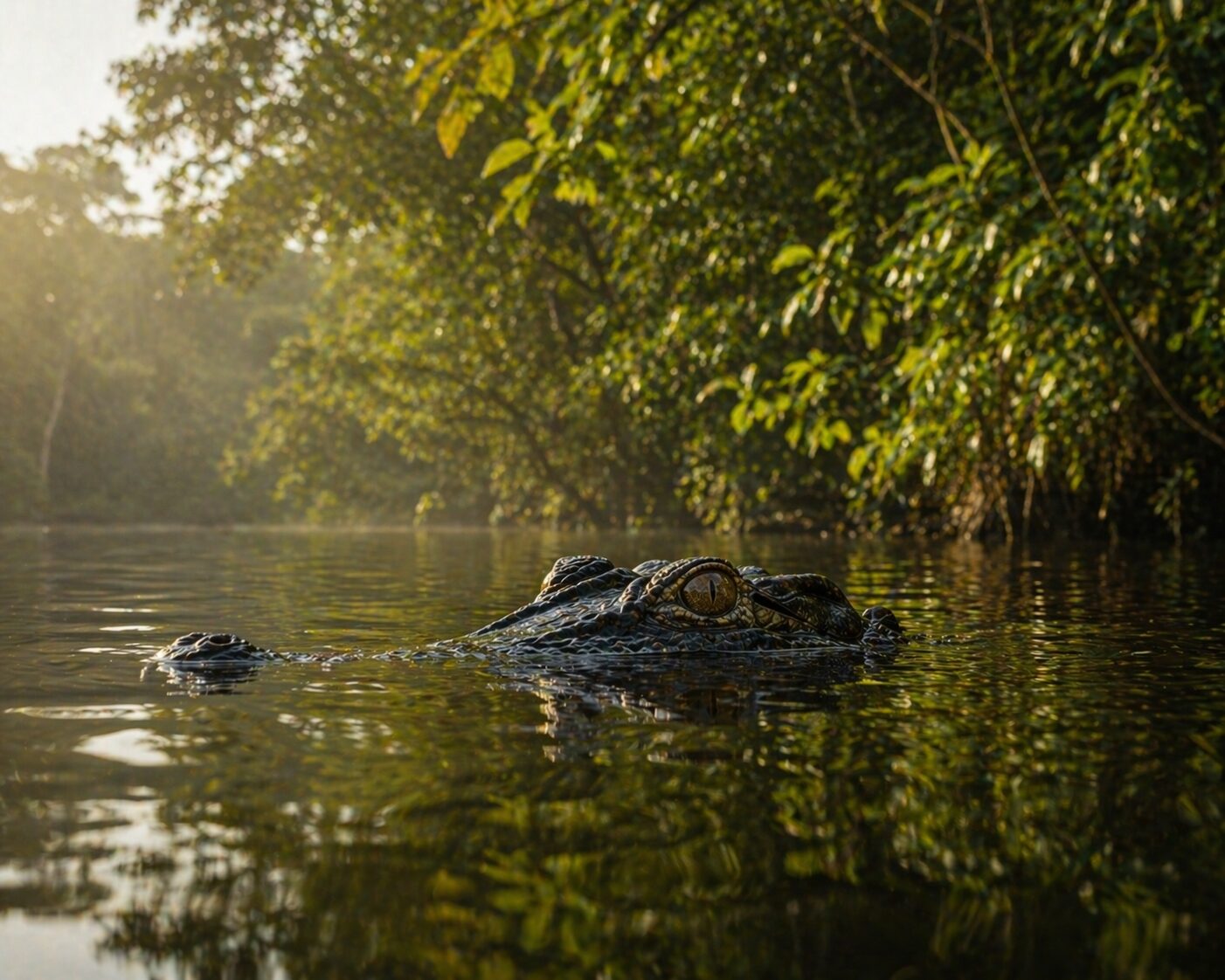
How a Tupian word turned the caiman’s sideways glance into everyday language

October 1, 2026 by Anne Silva
Jacaré e língua tupi revelam como observação indígena transformou comportamento animal em palavra do cotidiano brasileiro

The word jacaré comes from the Tupian expression ya-karé, which can be translated as the one who looks sideways. Its origin preserves an Indigenous observation of the animal’s eyes and behavior.
Categories Science Leave a comment

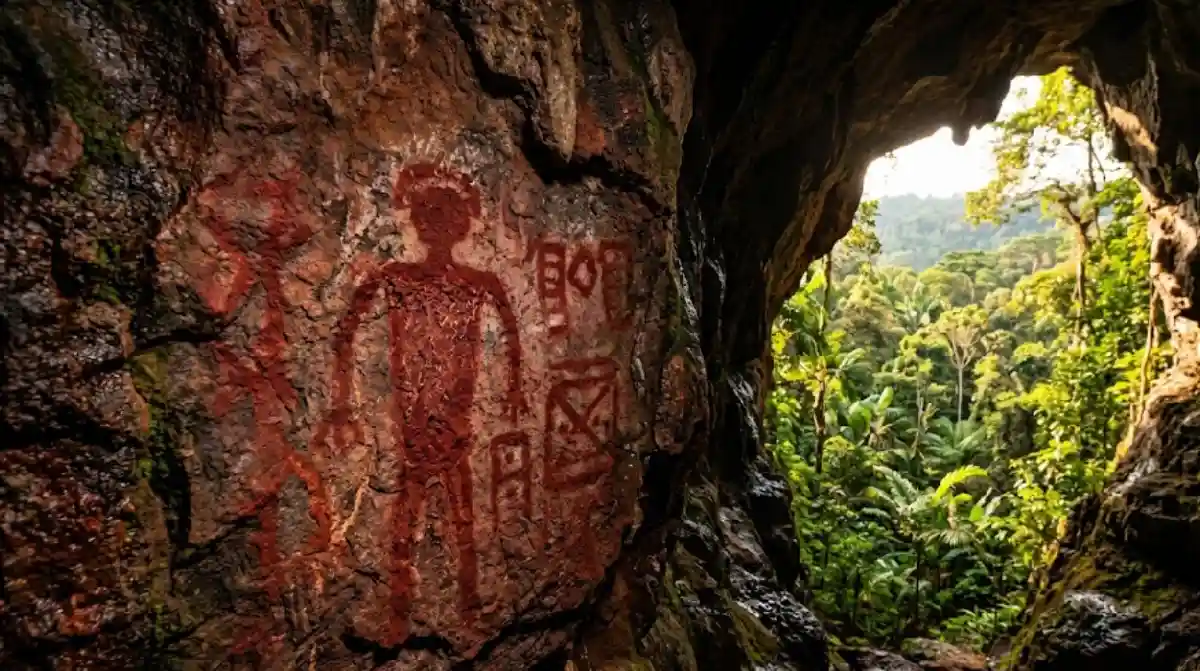
Carajás holds ancient caves, rock art and life above iron ore

September 30, 2026 by Anne Silva
O segredo milenar da Serra dos Carajás no Pará revela como a arqueologia e a floresta sobre minério convivem em equilíbrio

In Pará, the Serra dos Carajás contains more than 1,500 caves in ironstone and evidence of human occupation dating back over 11,000 years. Its forests and rocky fields show how archaeology and biodiversity coexist above enormous iron deposits.
Categories Science Leave a comment

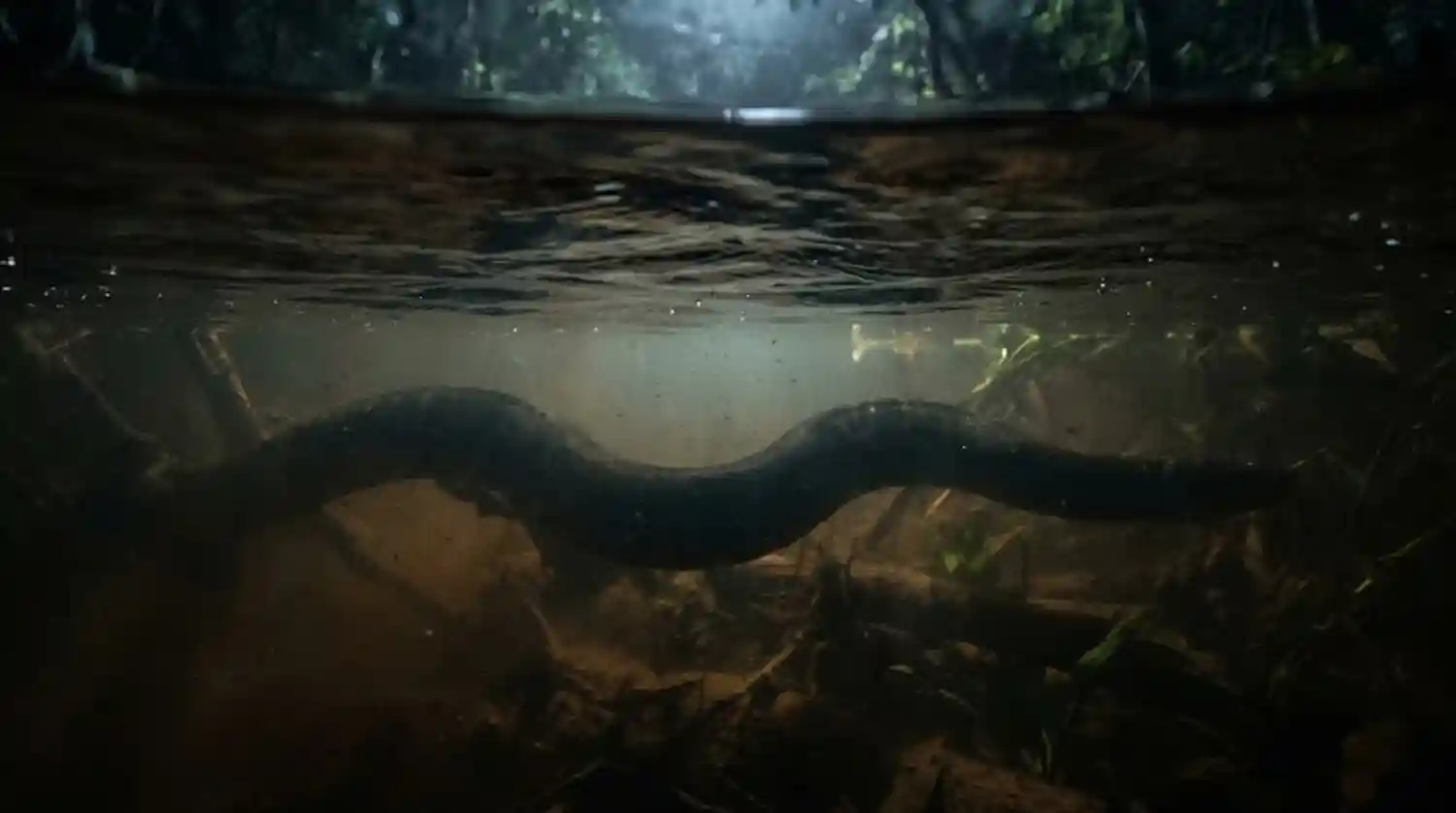
The Amazon’s Great Serpent and the Real Biology of Anacondas

September 30, 2026 by Anne Silva
Como a lenda milenar da Cobra-Grande une mitologias de povos amazônicos e reflete a biologia das sucuris reais

The legend of the Great Serpent, or Boiúna, links the oral traditions of Amazonian peoples with the biology of real anacondas. It also shows why protecting rivers means preserving both biodiversity and cultural memory.
Categories Science Leave a comment

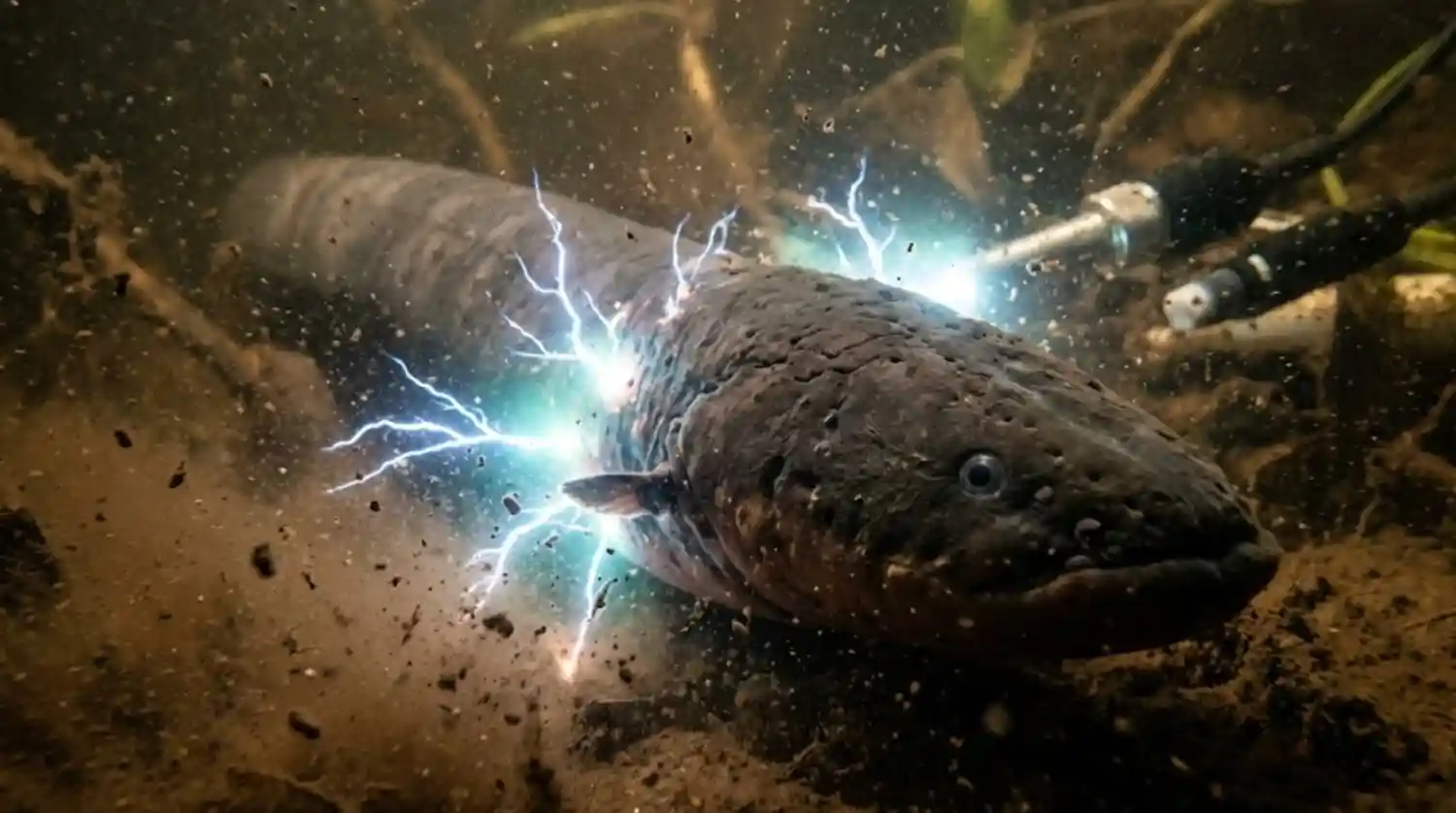
How the Amazonian electric eel’s 860 volts shape river life

September 29, 2026 by Anne Silva
Como a descarga elétrica de 860 volts do poraquê amazônico influencia o equilíbrio e a sobrevivência dos ecossistemas aquáticos brasileiros

The electric eel Electrophorus voltai can produce 860 volts to navigate, hunt and defend itself. Its electrical biology also helps shape the balance of Amazonian freshwater ecosystems.
Categories Science Leave a comment

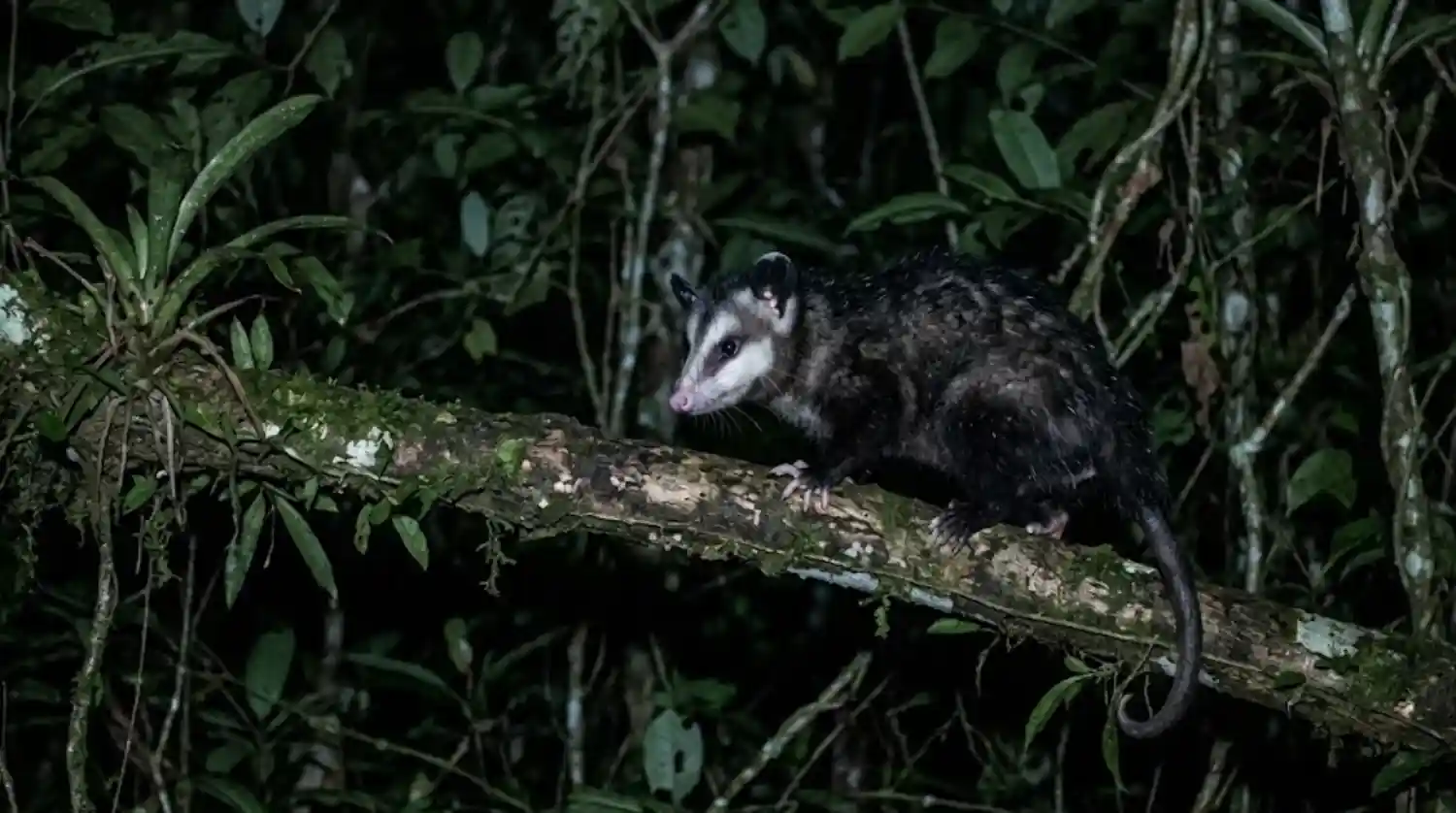
How the opossum’s immunity neutralizes deadly snake venom

September 29, 2026 by Anne Silva
Como a imunidade natural do gambá contra o veneno de serpentes protege a saúde humana e preserva a biodiversidade brasileira

The black-eared opossum can survive venom that would kill nearly any other mammal. Its blood may also point toward new treatments while supporting biodiversity across Brazil.
Categories Science Leave a comment

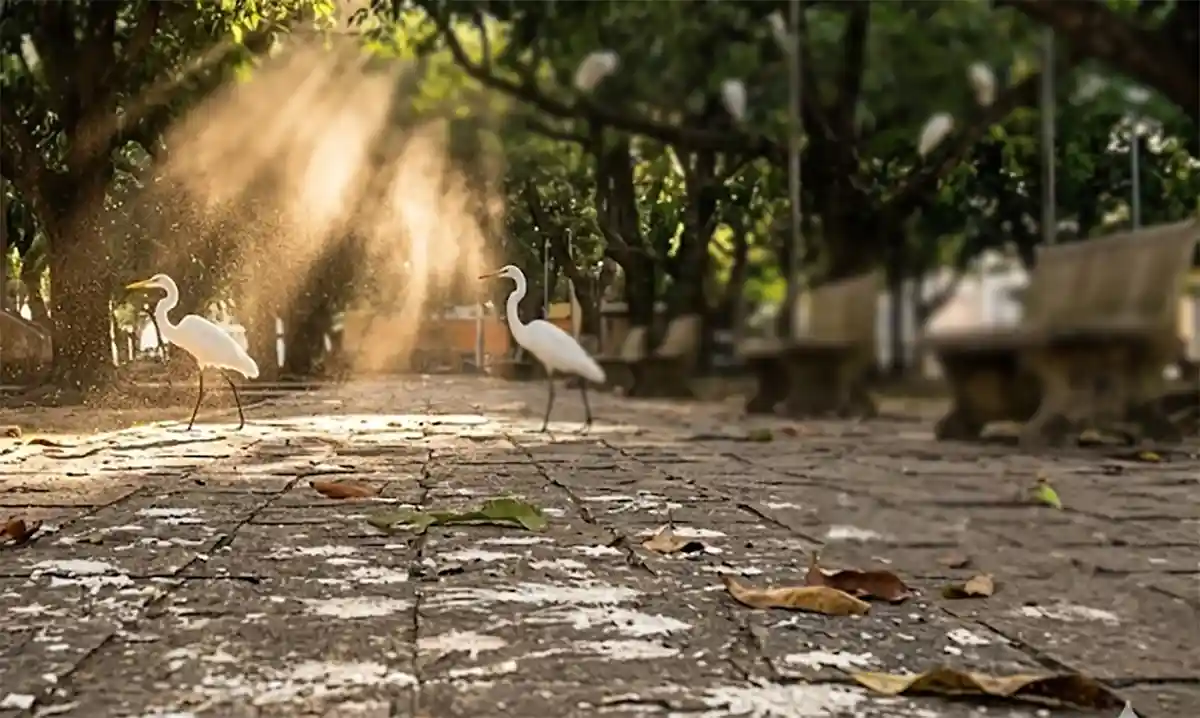
Cryptococcosis: the bird-dropping fungus that can cause meningitis

September 27, 2026 by Anne Silva
fezes secas de aves no chão de uma praça tropical, partículas de poeira suspensas no ar iluminadas por raio de sol, garças-brancas

Cryptococcosis may begin as a mild respiratory infection but can reach the central nervous system and cause meningitis. The danger is greater for immunocompromised people exposed to dry bird droppings and contaminated soil.

Categories Science Leave a comment
Older posts
Page1 Page2 … Page7 Next →

Recent Posts

  • The Common Potoo Points Its Bill Skyward, Shuts Both Eyes and Hunts at Night as a Stump
  • Army Ants Leave No Nest Behind: Each Night the Colony Becomes a Living Wall of Linked Workers
  • Dancing Manakins Rehearse in a Forest Arena, and Young Males Spend Years Learning the Steps
  • Tukana: The Tupi Word Behind “Toucan” and the Millennia of Indigenous Observation It Holds
  • Why the Red Uakari’s Crimson Face Is a Health Signal in the Amazon

Recent Comments

No comments to show.
About · Contact · Privacy Policy
© 2026 Amazonia Mag · International edition of Revista Amazônia · Published by Editora Círios, Belém, PA, Brazil