Skip to content
Amazonia Mag

Amazonia Mag

  • Privacy Policy
  • About Amazonia Mag
  • Contact
  • Home

Anne Silva

Anne Silva is the editor of Amazonia Mag, the English-language edition of Revista Amazônia. She curates, translates and adapts the outlet's science and environment coverage for an international audience, reporting on Amazon wildlife, flora, rivers, climate and research. Every story she edits is grounded in peer-reviewed studies, official data and on-the-ground reporting from the Revista Amazônia newsroom in Belém, Pará, Brazil.

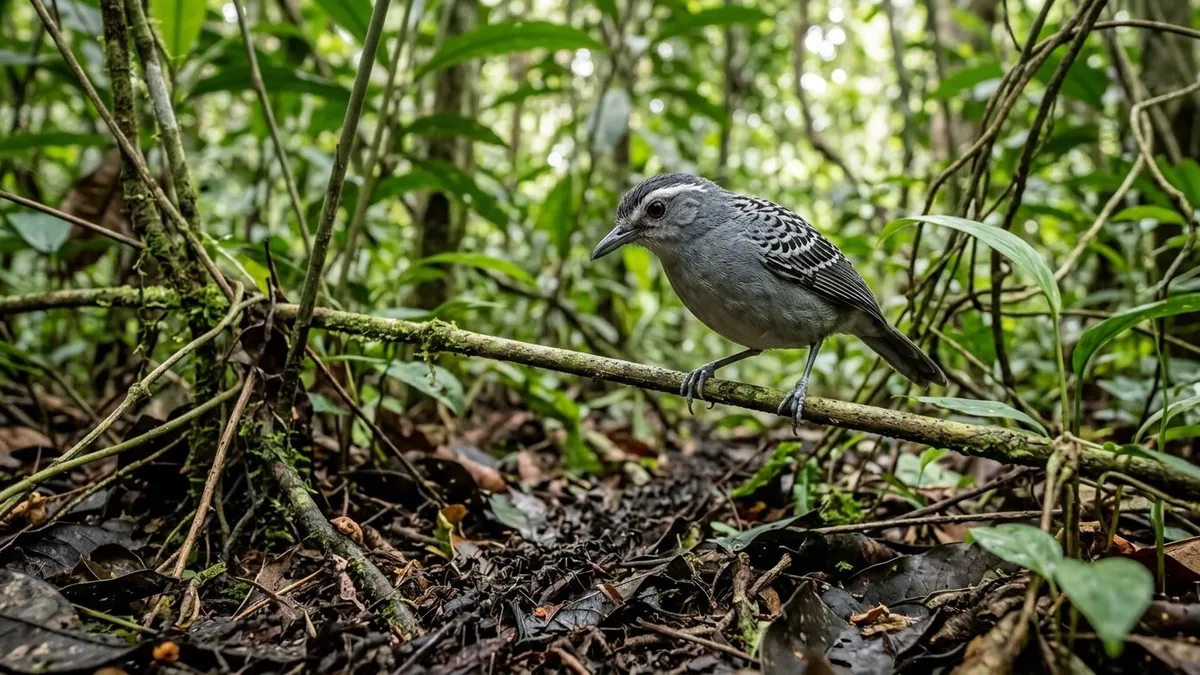
Antbirds Follow Army Ants to Catch the Prey That Flee
October 16, 2026 by Anne Silva
Choca segue formigas-de-correição para capturar presas que fogem e transforma a floresta em território móvel

The antbird, called choca in Brazil, trails columns of army ants to snatch the insects and spiders that flee. The pair also sings in duet to stay together in the dense forest.

Categories Wildlife Leave a comment

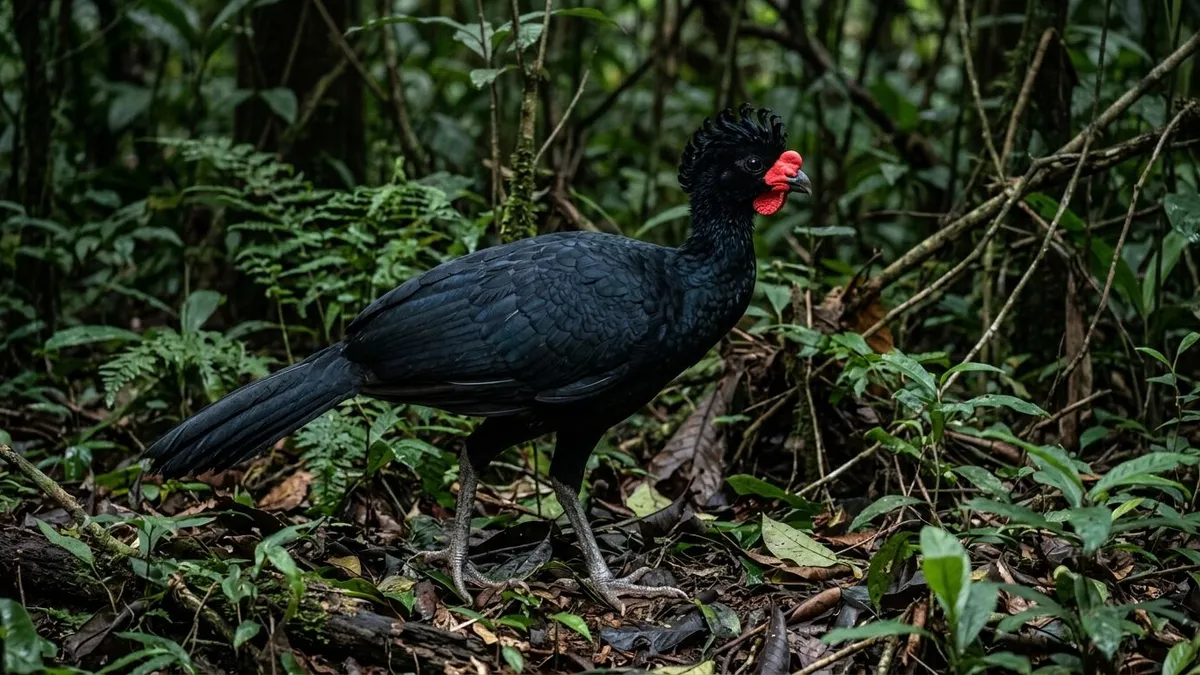
Curassow’s Deep Call Cuts Through Dense Forest and Reaches Farther Corners of the Woods

October 16, 2026 by Anne Silva
Mutum emite som grave que atravessa a mata fechada e alcança áreas mais distantes

The curassow’s elongated trachea produces low frequencies that carry through thick vegetation. The bird also disperses large seeds and suffers from hunting.
Categories Wildlife Leave a comment

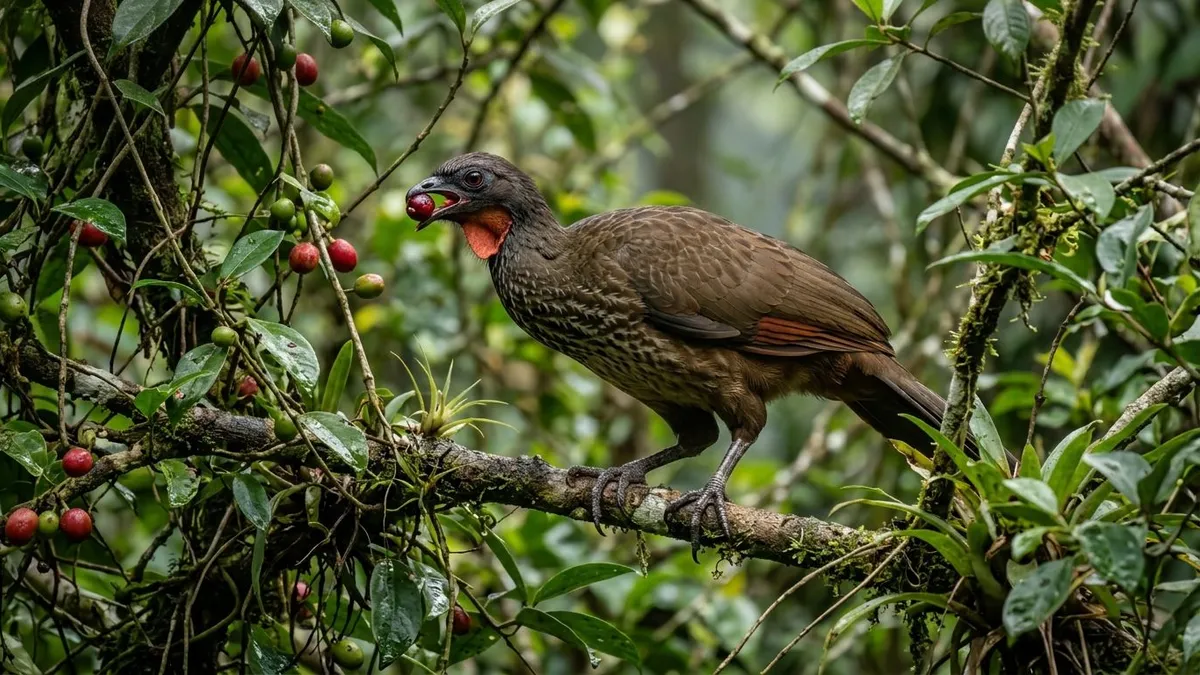
Jacu Guan Swallows Fruit Whole and Drops Intact Seeds Far From the Tree, Helping the Forest Regrow

October 16, 2026 by Anne Silva
Jacu engole frutos inteiros e dispersa sementes intactas longe da árvore, ajudando a regenerar a floresta

The jacu, a fruit-eating guan of Brazilian forests, swallows fruit whole and drops intact seeds far from the mother plant. Hunting and fragmentation weaken that service.
Categories Wildlife Leave a comment

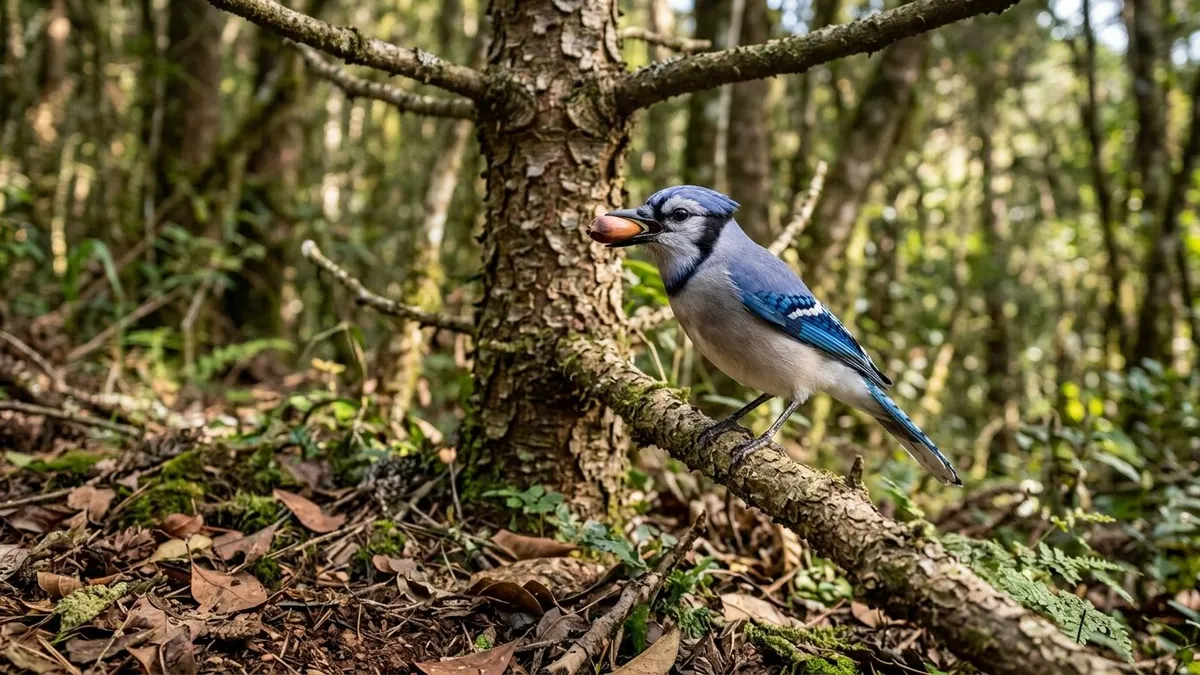
Azure Jay Buries Pine Nuts, Recovers Only Some and Plants Araucaria Forests in Southern Brazil

October 16, 2026 by Anne Silva
Gralha-azul enterra pinhões, recupera só parte deles e espalha araucárias pelas florestas do Sul do Brasil

The azure jay hides pine nuts under the leaf litter and never recovers all of them. What stays in the soil can grow into a new araucaria.
Categories Wildlife Leave a comment

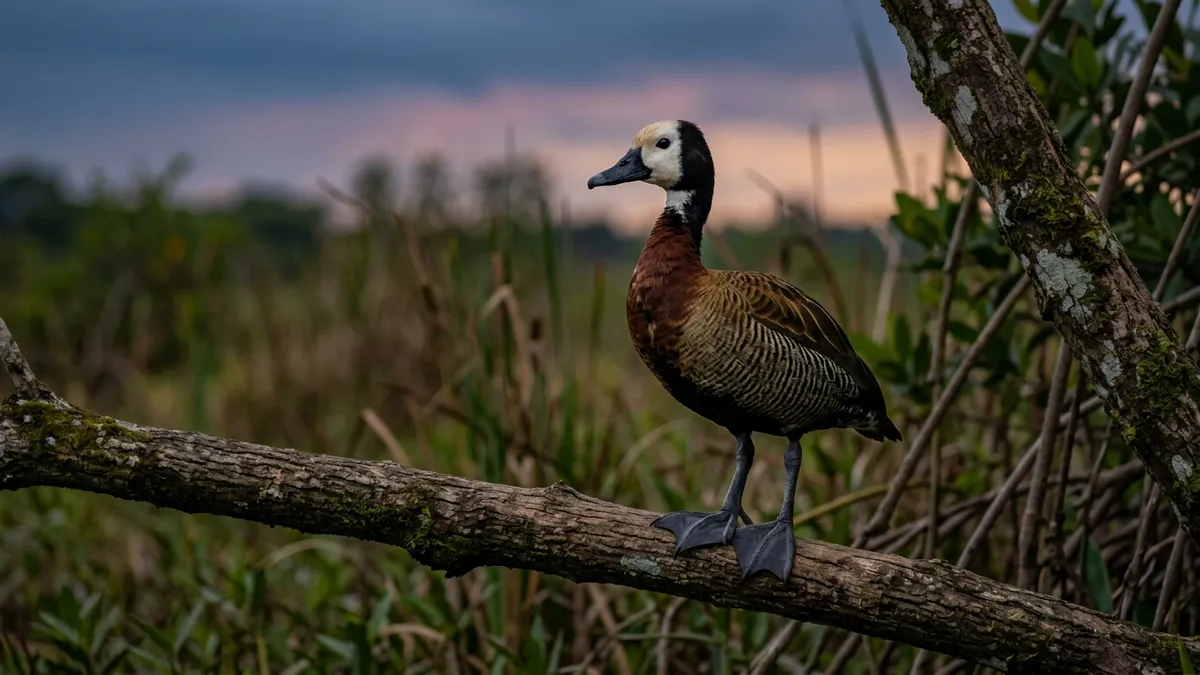
White-Faced Whistling Duck Perches in Trees and Whistles in the Dark to Hold Its Flock Together

October 16, 2026 by Anne Silva
Irerê pousa em galhos, algo incomum entre marrecas, e assobia no escuro para manter o bando unido em voo

Known in Brazil as the irerê, this whistling duck can land on branches, which is unusual among ducks, and calls in flight at night to keep its flock together. Its feet and tree-hollow nesting complete a wetland bird with more tricks than expected.
Categories Wildlife Leave a comment

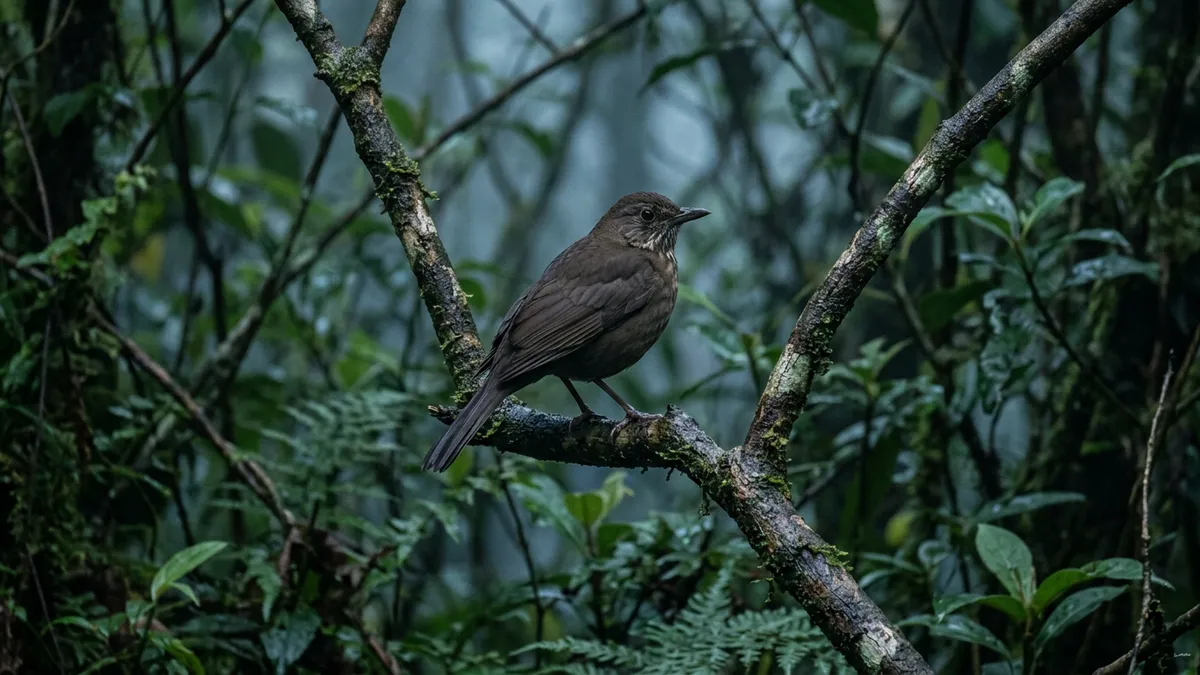
Cocoa Thrush Sings Before Dawn, When Calm Air May Carry Its Song Farther Through the Forest

October 16, 2026 by Anne Silva
Sabiá-da-mata canta antes do amanhecer, quando o ar estável reduz perdas do som e seu repertório marca a floresta

Known in Brazil as the sabiá-da-mata, the cocoa thrush sings in the dark hours before sunrise, when cool, still air disturbs sound less. Its individual repertoire, fruit diet and low nest complete the picture of a forest bird.
Categories Wildlife Leave a comment

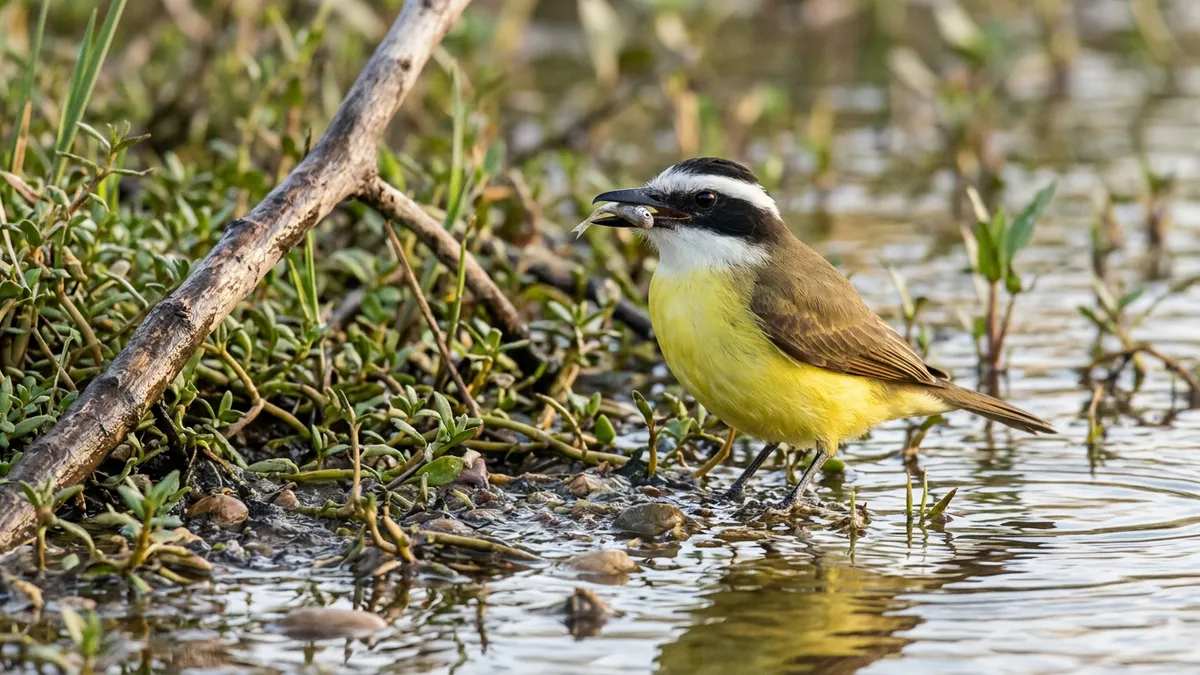
Great Kiskadee Hunts Small Fish in Shallow Water and Defends Its Bulky Nest From Larger Birds

October 15, 2026 by Anne Silva
Bem-te-vi pesca peixe pequeno em água rasa, muda a técnica conforme a margem e defende ninho volumoso contra aves maiores

The great kiskadee, one of Brazil’s most familiar birds, also fishes along the water’s edge, changing its approach with the shore. It eats insects, fruit and small vertebrates too, and guards its nest against much larger birds.
Categories Wildlife Leave a comment

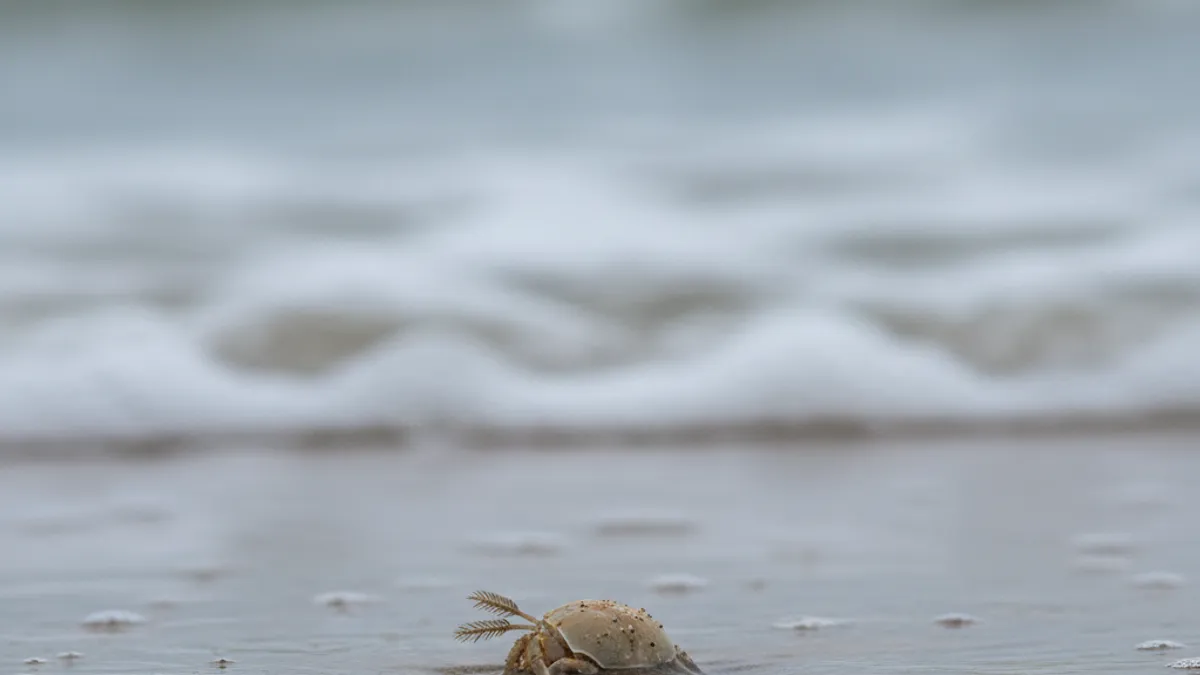
Mole Crabs Lay 5,300 Eggs Each, but Fewer Than 1% Become New Animals on Brazil’s Beaches

October 15, 2026 by Anne Silva
Tatuís produzem 5.300 ovos por fêmea, mas menos de 1% vira novo animal enquanto pesquisadores investigam seu sumiço nas praias brasileiras

A Brazilian study follows the life cycle of the mole crab Emerita brasiliensis to learn why the animal is vanishing from some beaches. Females lay about 5,300 eggs, yet fewer than 1% produce a new crab.
Categories Wildlife Leave a comment

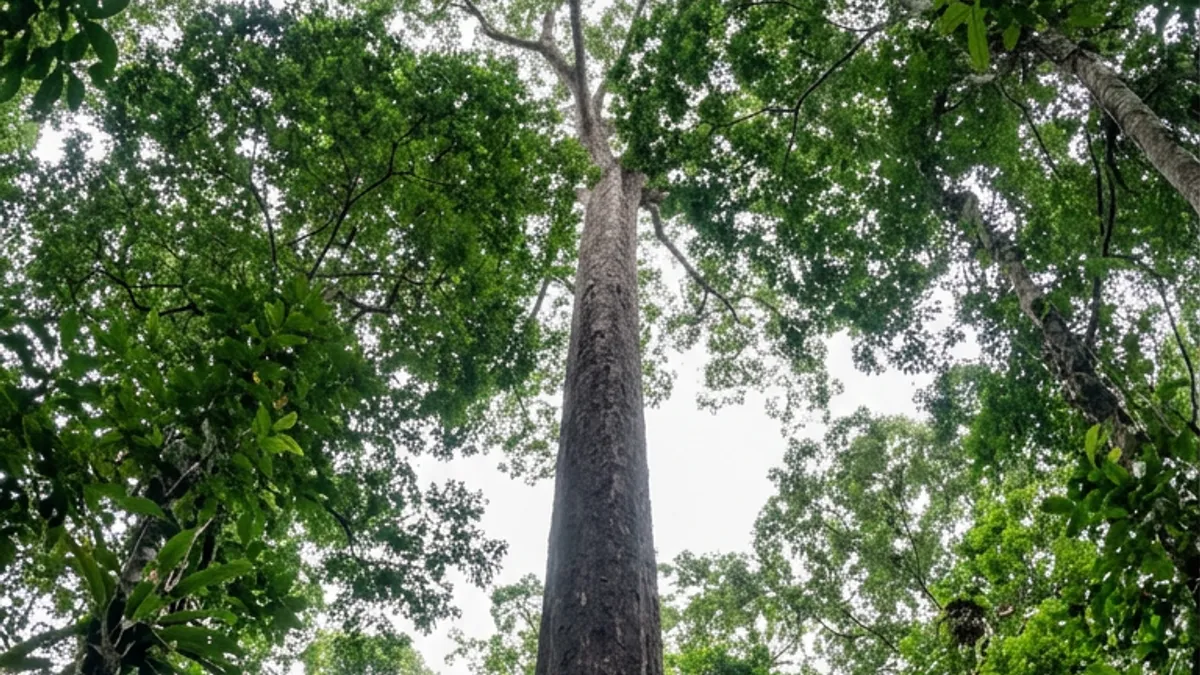
Satellite Imagery Spotted a 290-Foot Red Angelim in the Amazon; Scientists Arrived Three Years Later

October 15, 2026 by Anne Silva
Angelim-vermelho de 88,5 metros aparece em imagem de satélite na Amazônia e cientistas chegam até ele três anos depois

A red angelim (Dinizia excelsa) of 88.5 meters (290 feet), the tallest known tree in the Amazon, was detected in 2019 by remote sensing and reached by an expedition in 2022.
Categories Flora Leave a comment

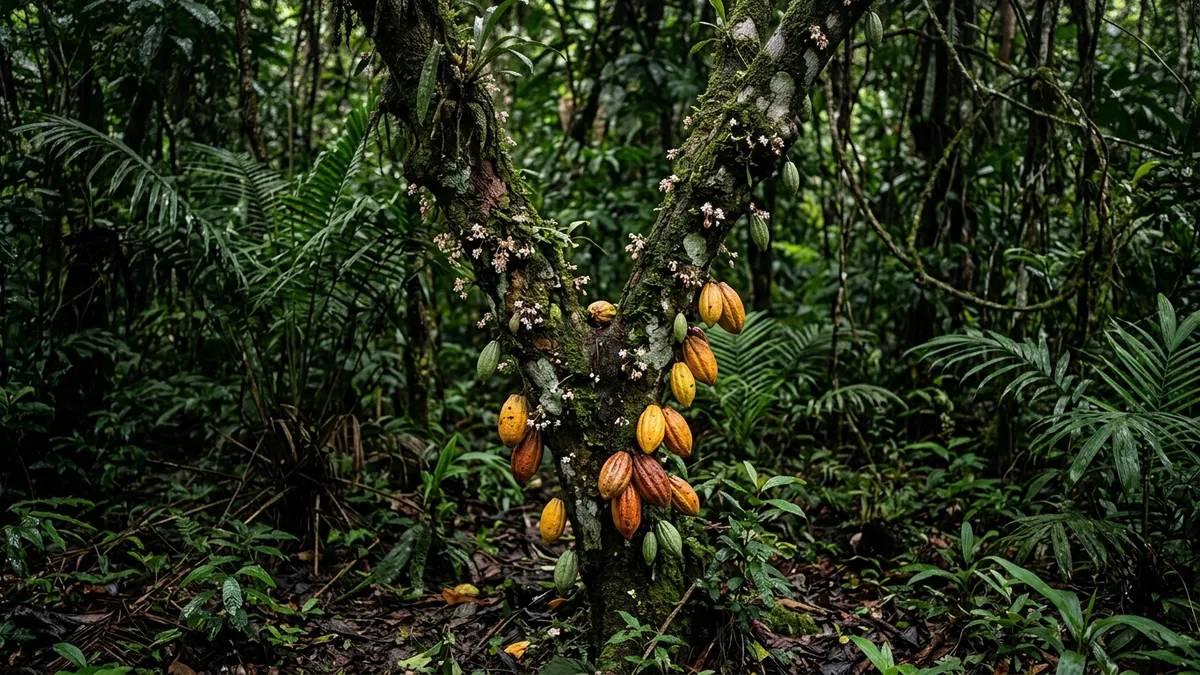
Native Cacao Grows in Floodplain Shade; Full-Sun Farms Need More Care and a Tiny Fly

October 15, 2026 by Anne Silva
Cacau nativo cresce na sombra da várzea, enquanto a plantação a pleno sol exige duas frentes de manejo e depende de uma mosquinha minúscula

In the Amazon’s várzea, cacao grows under the shade of the forest. In full sun, growers must replace those conditions with management, and tiny midges still do the pollinating.

Categories Flora Leave a comment
Older posts
Newer posts
← Previous Page1 … Page9 Page10 Page11 … Page46 Next →

Recent Posts

  • Why the jabuticaba tree flowers on its trunk, and where the buds come from, according to USP
  • Pinheirão, a 500-year-old araucária, fell unseen in Brazil and scientists rushed to clone it
  • Albino veado-campeiro, a pure white pampas deer, spotted in Brazil’s Pantanal grasslands
  • Alagoas curassow, the mutum-de-alagoas, returns to Brazil’s Atlantic Forest after 40 years
  • Chaco eagle (águia-cinzenta) is one of Brazil’s largest raptors and almost nobody has ever seen one
About · Contact · Privacy Policy
© 2026 Amazonia Mag · International edition of Revista Amazônia · Published by Editora Círios, Belém, PA, Brazil