
Featured
-
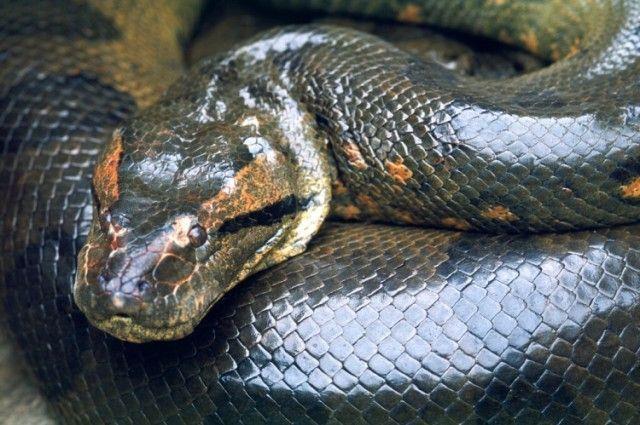
Amazon snakes: how dangerous venom is helping medicine
The 189 snake species recorded in the Brazilian Amazon help control pests and may support medical advances. Understanding their habits and responding…
Latest Stories
-
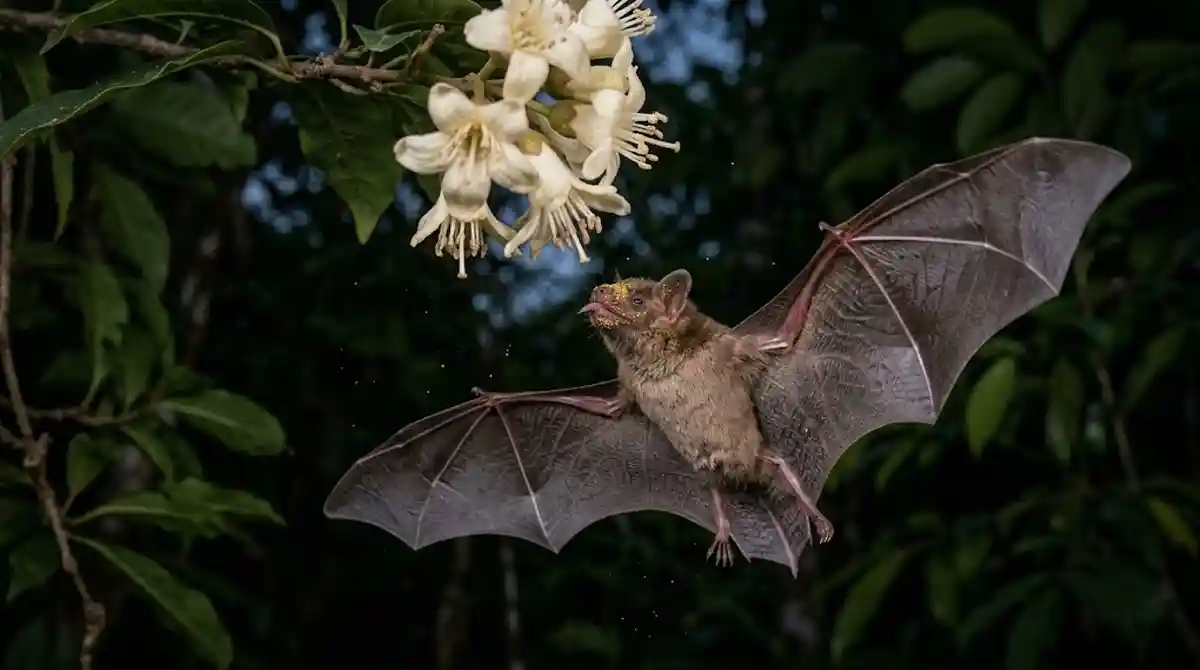
The invisible night gardeners keeping the Amazon alive
Every night, a single colony of Amazonian bats can spread millions of seeds and pollinate more than 500 plant species. Their work…
-
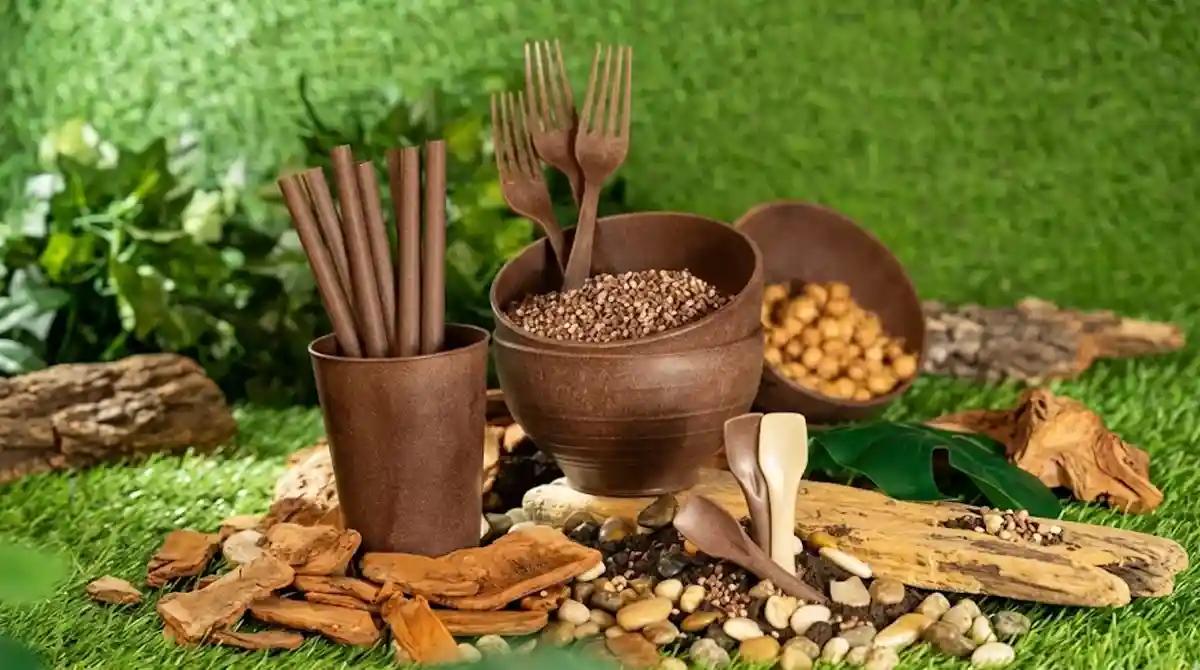
A Pará startup turns açaí pits into biodegradable bioplastic
A startup in Pará has developed biodegradable bioplastic from açaí pit fibers, giving new value to a residue that reaches about 1.2…
-

Climate change could turn polar phytoplankton into fast food
An MIT model suggests that ocean warming could make polar phytoplankton lower in protein and richer in carbohydrates and lipids. Signals of…
-
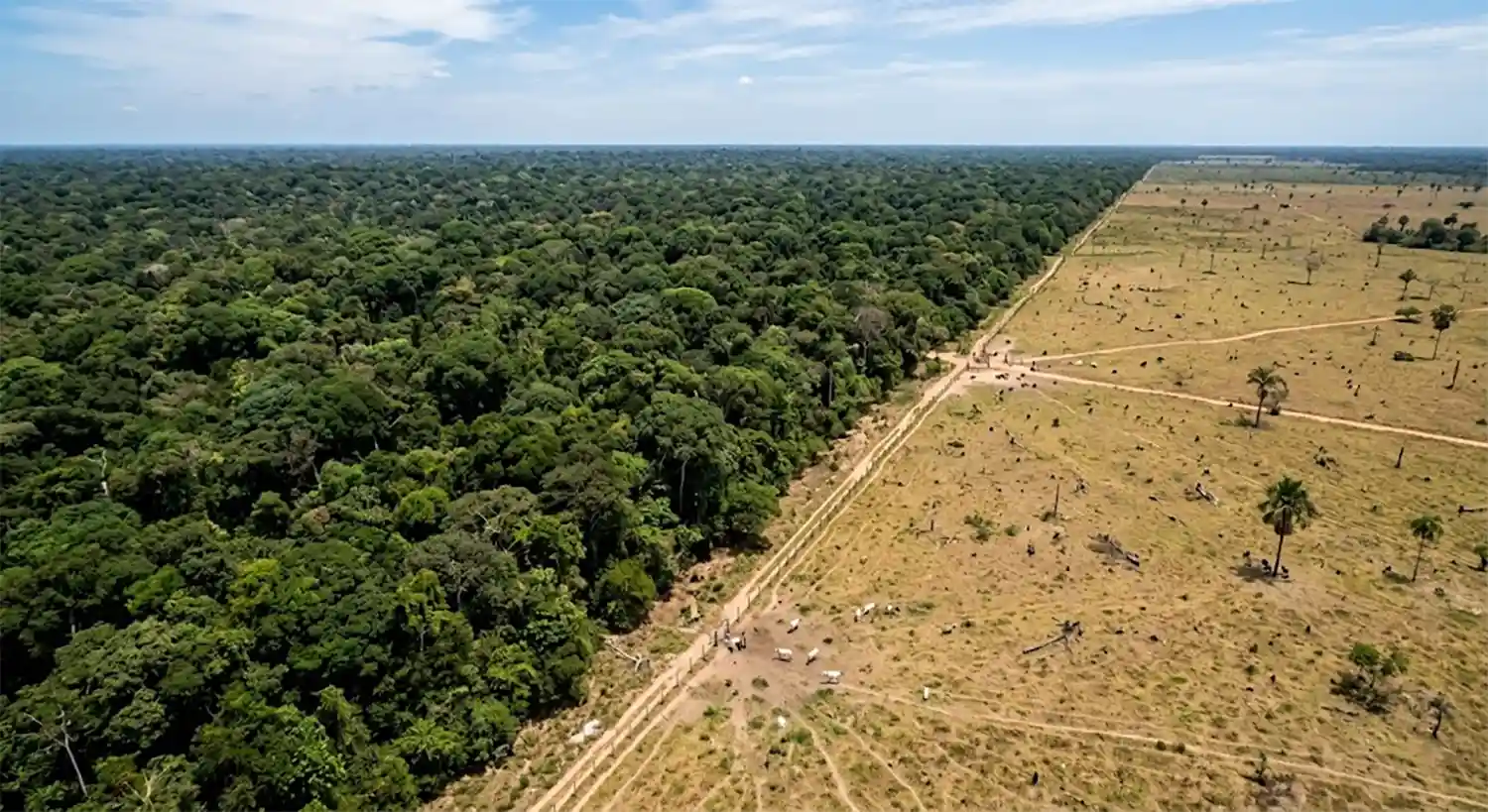
How Indigenous lands are stopping deforestation in Brazil’s Amazon
Indigenous lands in the Brazilian Amazon record deforestation rates up to ten times lower than government-managed conservation units. Their territorial stewardship acts…
-
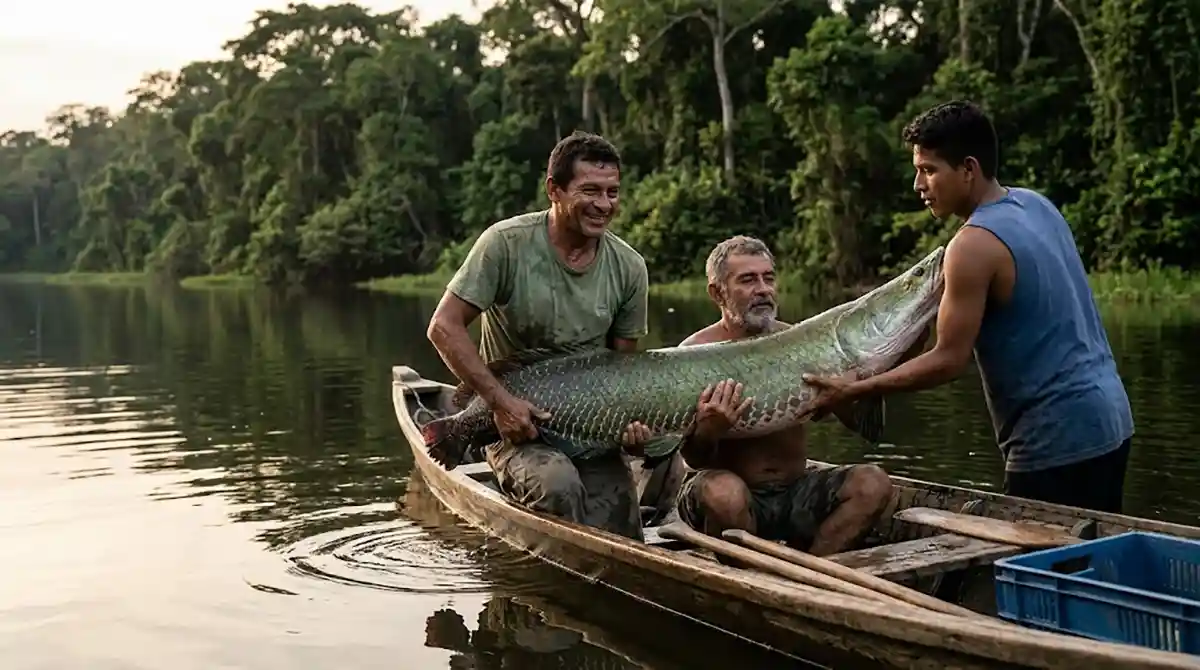
How the Arapaima Rose from the Abyss to Sustain Amazon Communities
In three decades, the arapaima went from threatened with extinction to growing 25% a year in monitored reserves in Amazonas. Community management…
-
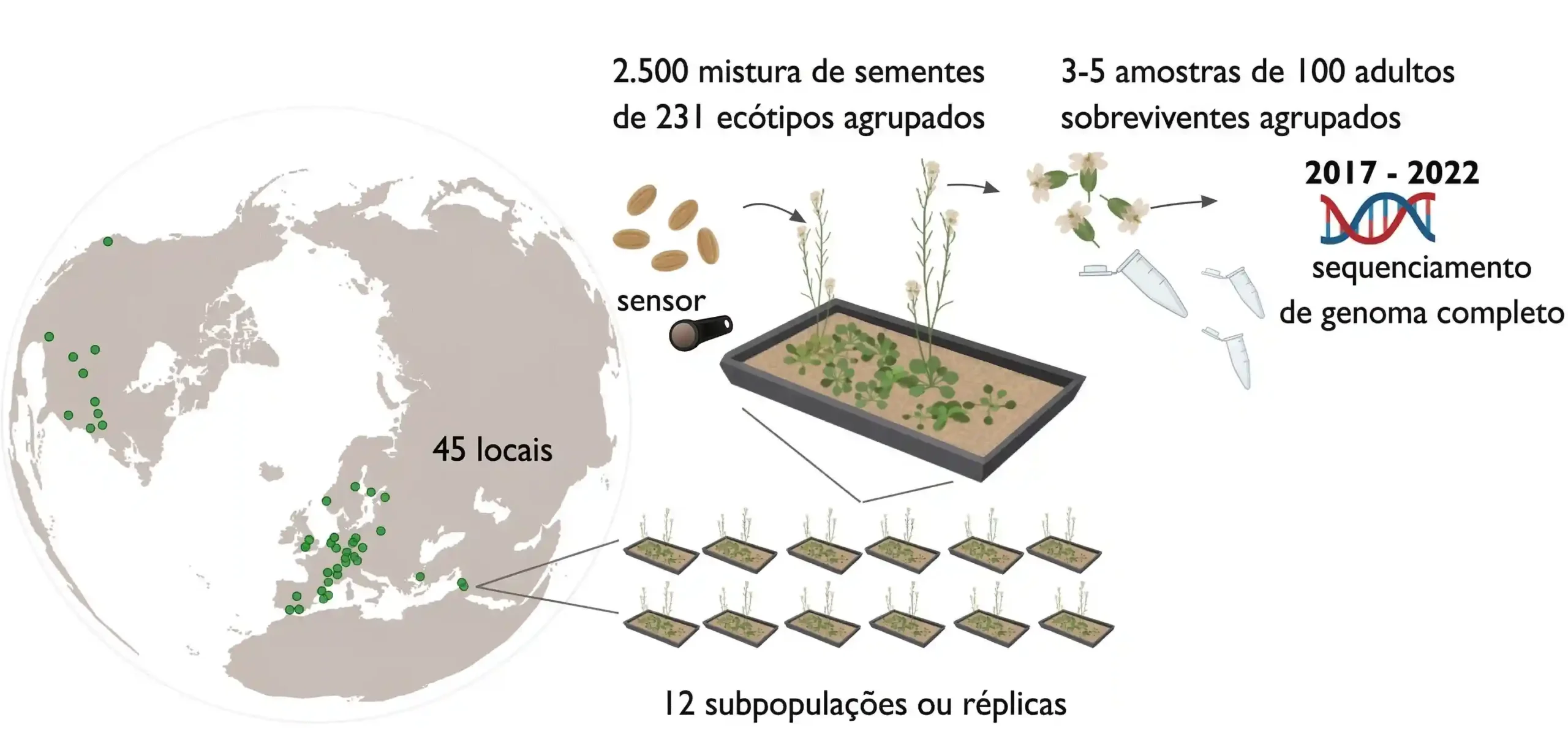
Plants can adapt to climate change, but they have limits
An international experiment with Arabidopsis thaliana showed that plants can change genetically within a few years. Yet in extremely harsh climates, evolution…
Wildlife
-
The invisible night gardeners keeping the Amazon alive
Every night, a single colony of Amazonian bats can spread millions of seeds and pollinate more than 500 plant species. Their work…
-
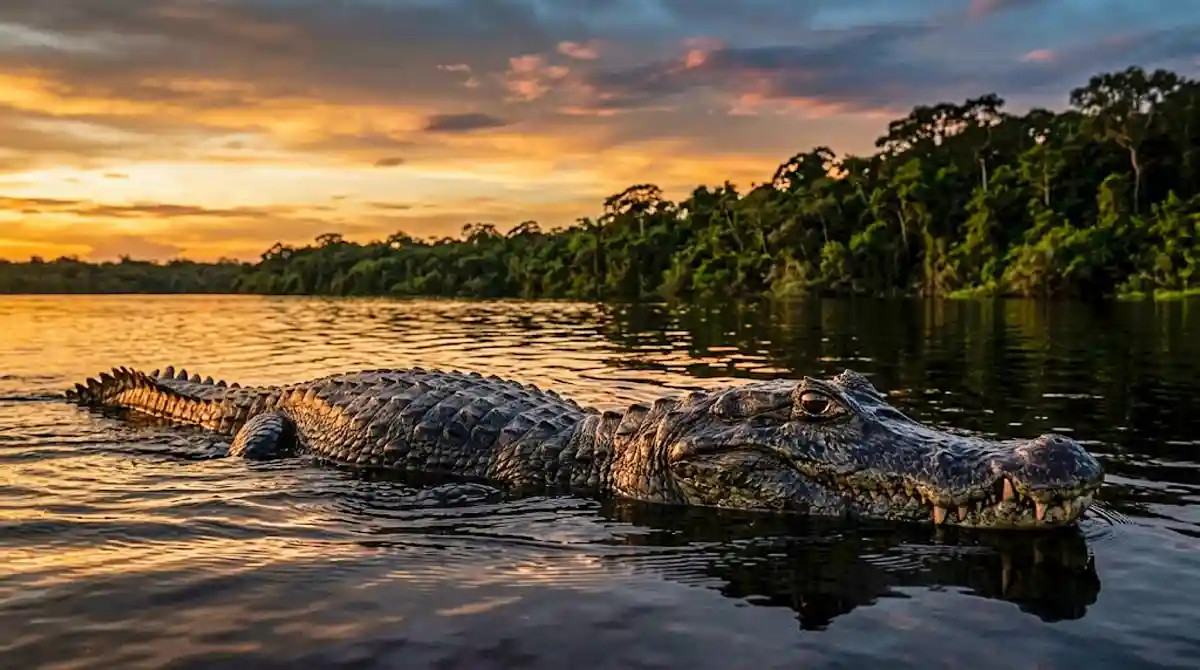
The quiet return of black caimans to the Rio Negro renews Amazonian hope
After more than three decades missing from parts of the Rio Negro, black caimans are being recorded again, including adults and juveniles.…
-
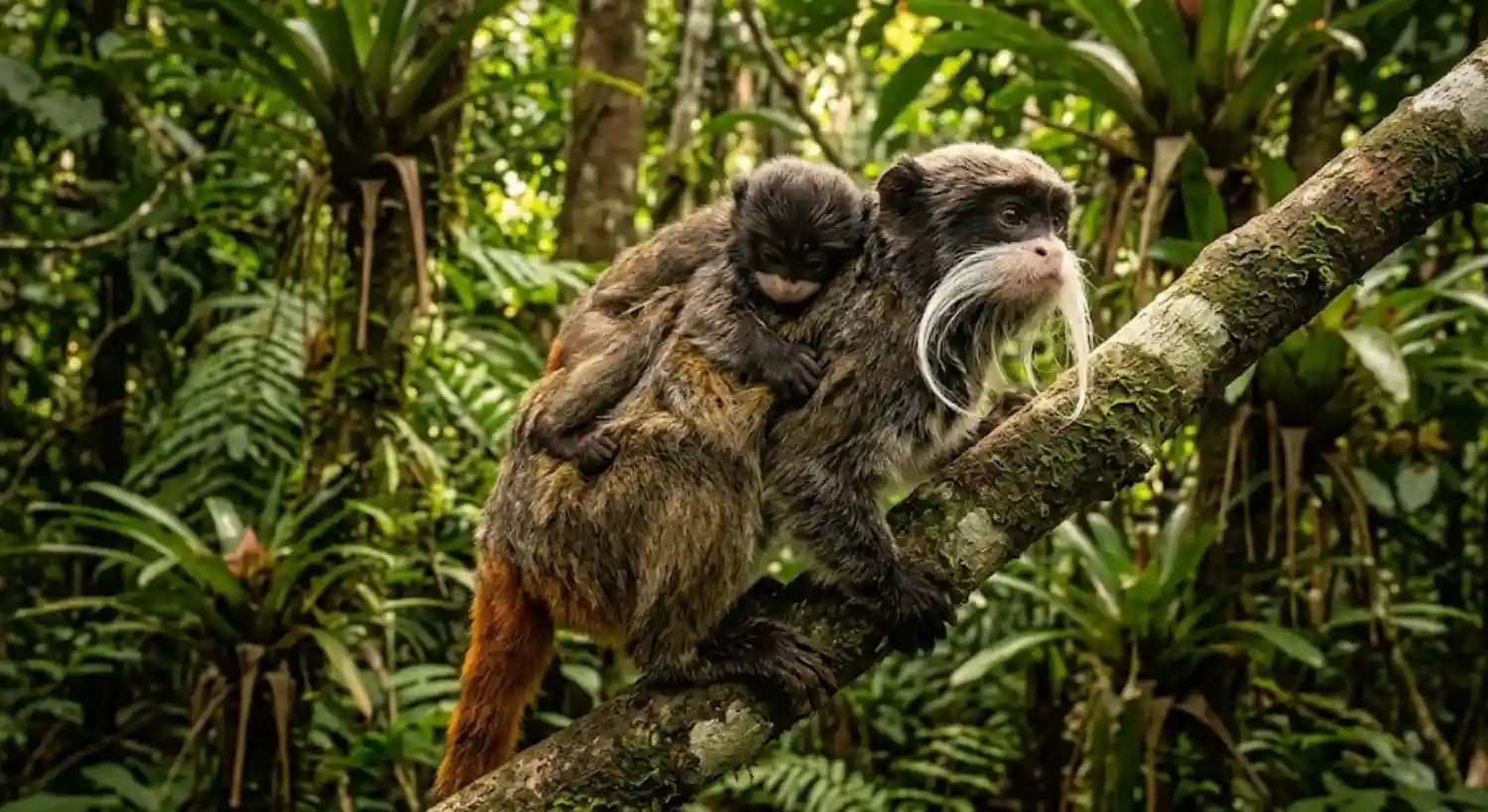
The Emperor Tamarin Moustache and the Troop That Raises Twins Together
With moustaches sweeping past its shoulders, the emperor tamarin of the western Amazon raises its twins as a team and joins saddleback…
Environment
-
A Pará startup turns açaí pits into biodegradable bioplastic
A startup in Pará has developed biodegradable bioplastic from açaí pit fibers, giving new value to a residue that reaches about 1.2…
-
How Indigenous lands are stopping deforestation in Brazil’s Amazon
Indigenous lands in the Brazilian Amazon record deforestation rates up to ten times lower than government-managed conservation units. Their territorial stewardship acts…
-
How the Arapaima Rose from the Abyss to Sustain Amazon Communities
In three decades, the arapaima went from threatened with extinction to growing 25% a year in monitored reserves in Amazonas. Community management…
Flora
-
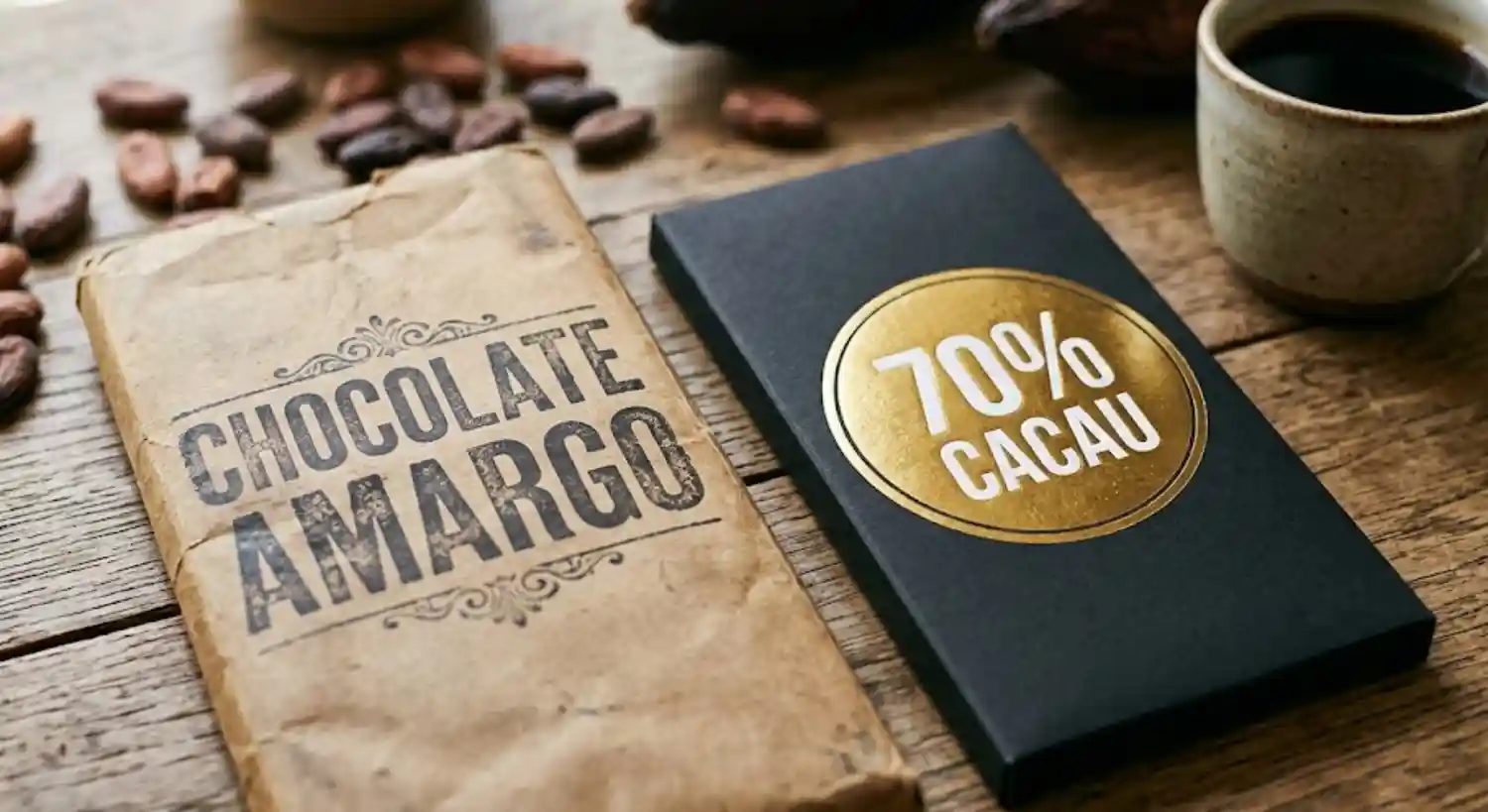
The End of Dark Chocolate in Brazil? What the New Cocoa Law Really Changes
Brazil’s Law 15.404/2026 replaces the words “bitter” and “semi bitter” with the exact cocoa percentage on the front of the pack. What…
-
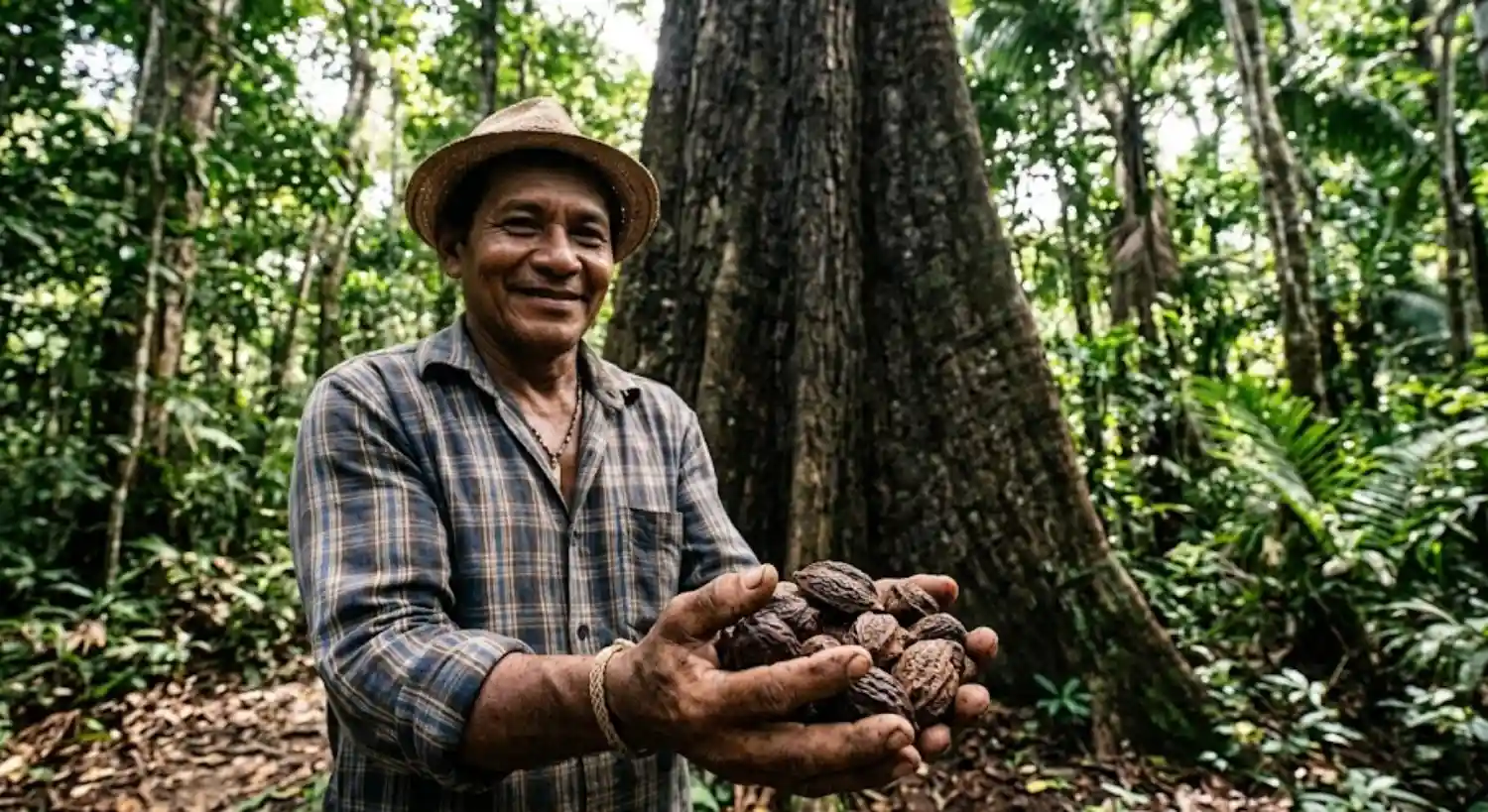
Tonka Bean: the Amazon Seed Behind the World’s Luxury Perfumes
The tonka bean, seed of the Amazonian tree Dipteryx odorata, is a base note in luxury perfumery. Harvesting it requires the tree…
-

Cassava: the house of Mani, the Tupi language and the craft that removes the poison
In the Tupi language, mandi-oca means “the house of Mani”. Behind the legend lies hard botany: a root that defends itself with…
Science
-
Amazon snakes: how dangerous venom is helping medicine
The 189 snake species recorded in the Brazilian Amazon help control pests and may support medical advances. Understanding their habits and responding…
-
Climate change could turn polar phytoplankton into fast food
An MIT model suggests that ocean warming could make polar phytoplankton lower in protein and richer in carbohydrates and lipids. Signals of…
-
Plants can adapt to climate change, but they have limits
An international experiment with Arabidopsis thaliana showed that plants can change genetically within a few years. Yet in extremely harsh climates, evolution…