The Jaguar Returns to the Iberá Wetlands
Locally extinct in Corrientes for more than seventy years, the jaguar is back in the Esteros del Iberá. The reintroduction aims to give Argentina’s largest wetland its self regulation back.
Capybaras have settled into the canals, squares and ponds of Amazonian cities. Behind the charming scene lies a conflict over space and a public health question urban planning has yet to answer.
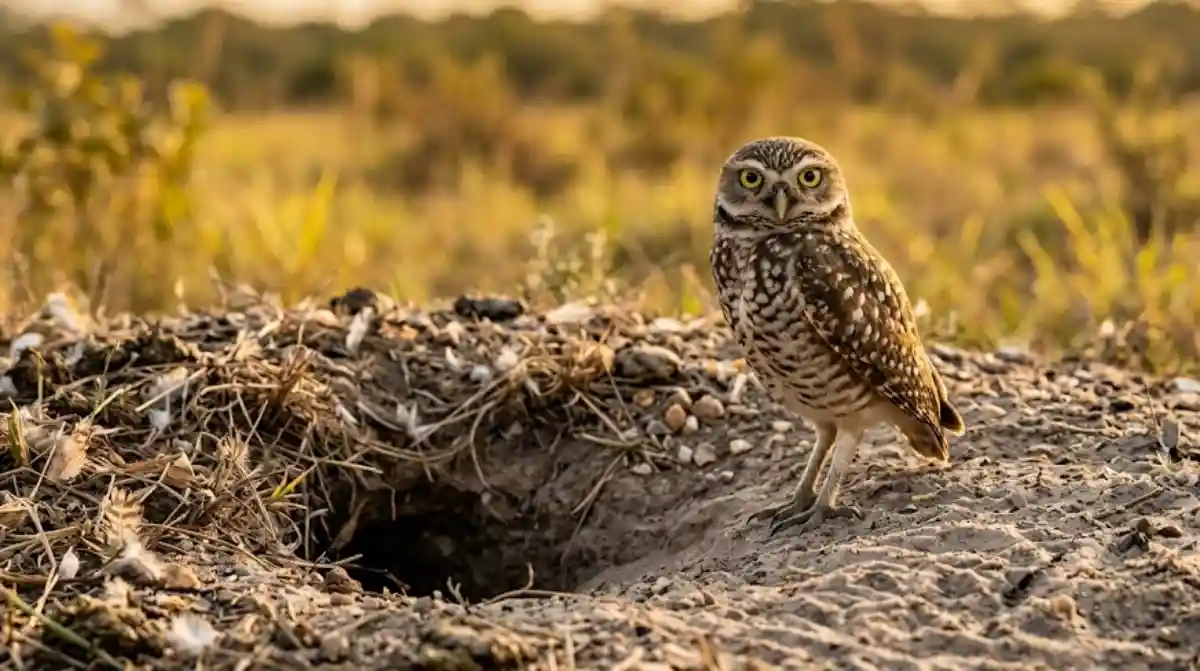
Not the harpy eagle and not a vulture: a common half meter raptor swapped open grassland for rooftops and utility poles. In the city it found an unexpected prey, the snakes of vacant lots.
Owls, opossums and birds are shifting their body clocks and feeding habits to thrive among street lights and open rubbish bins. A practical guide to distance, hygiene and home adaptation, including the exact moment to call the environmental authorities.
The rufous hornero sings synchronized duets from the mouth of its nest and switches the doorway from one side to another between builds. Two opposite ways of communicating at the same address.
A throat bone up to twenty five times larger than expected turns the howler monkey into the loudest land animal in the Americas, with a roar that crosses five kilometres of rainforest. That power comes at a price.
The turkey vulture does not hunt for food with its eyes. An outsized olfactory bulb lets it smell the gases of putrefaction through the closed Amazon canopy, which makes it the first to arrive and the quietest cleaner in the forest.
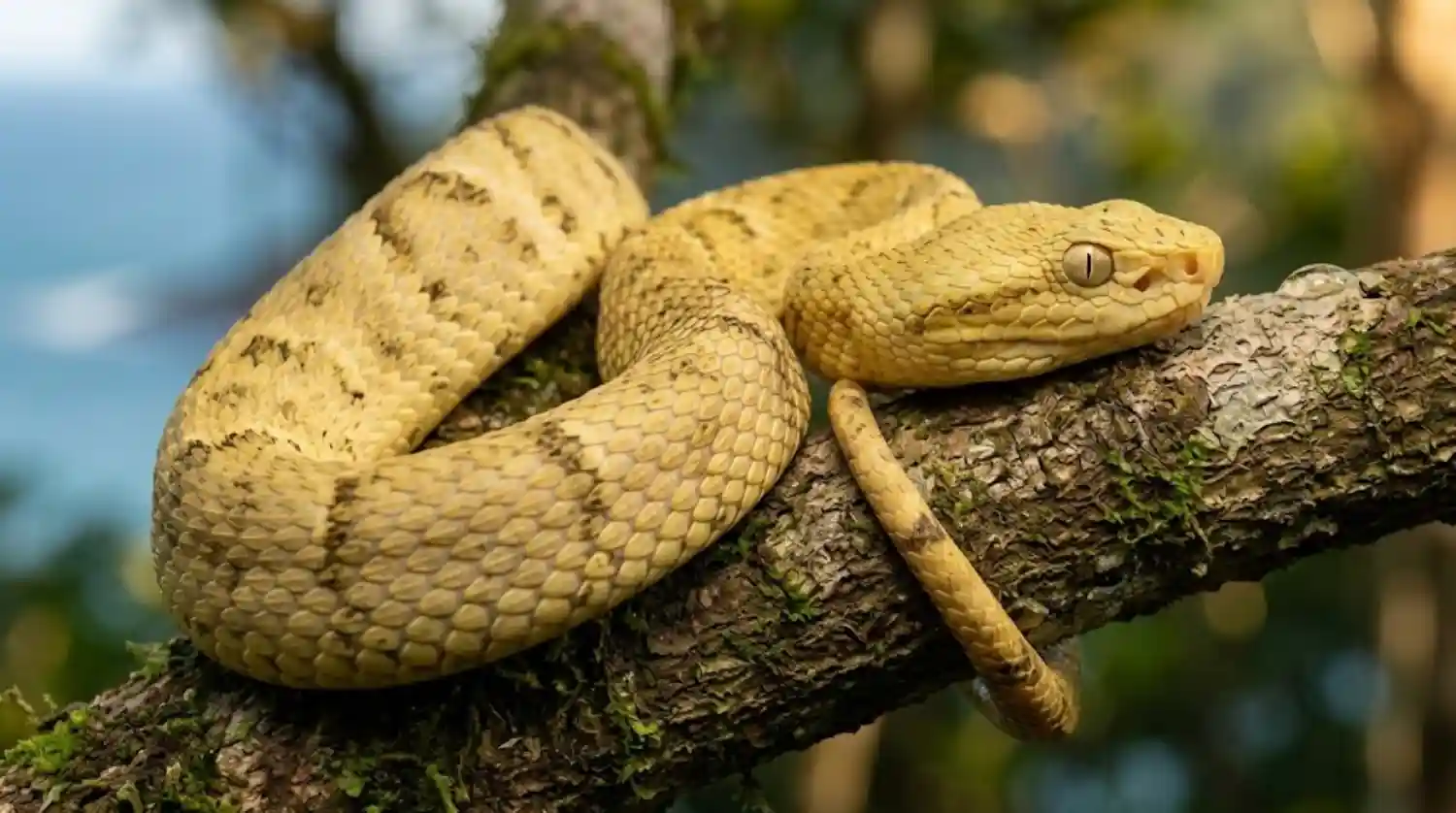
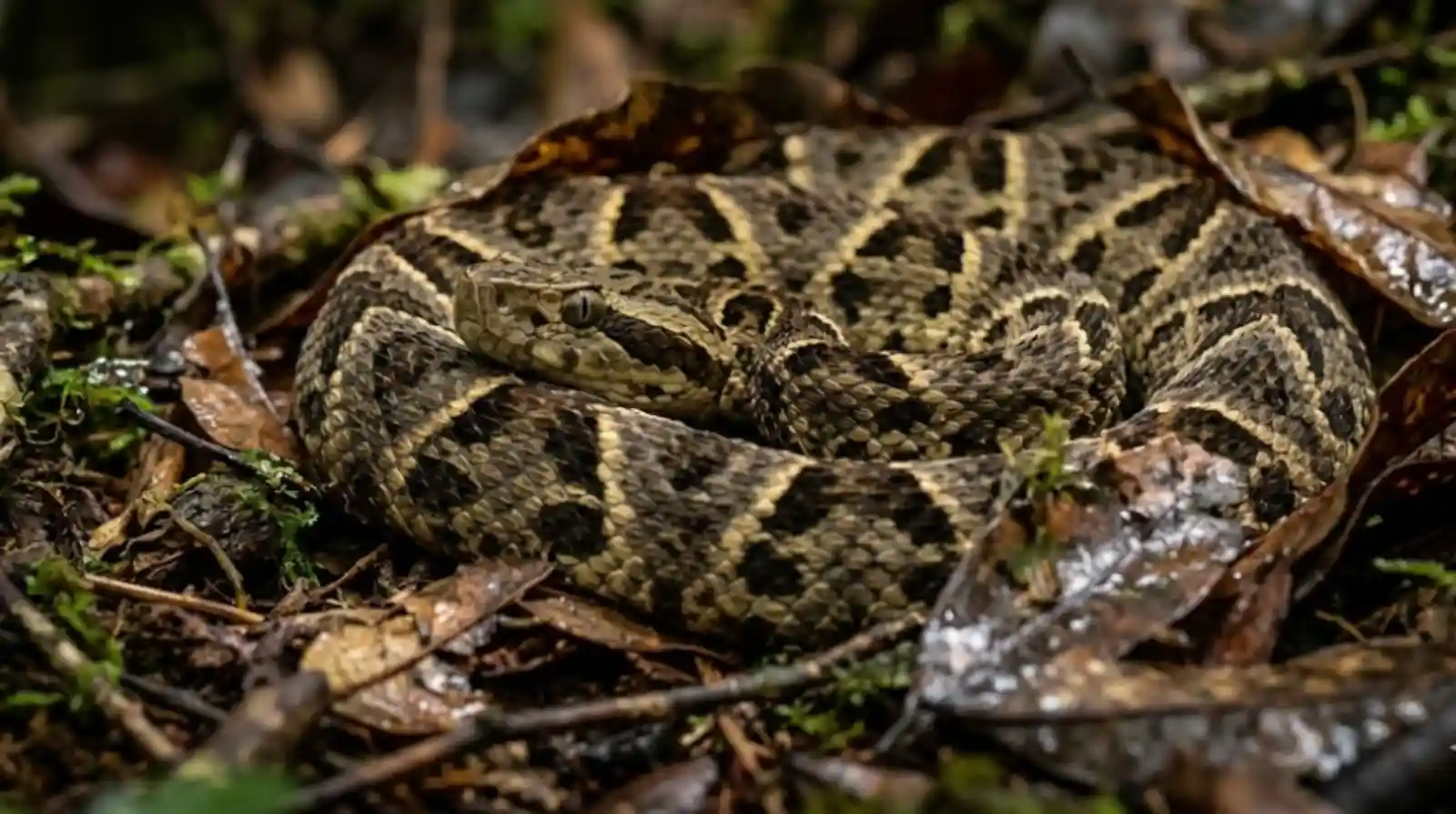
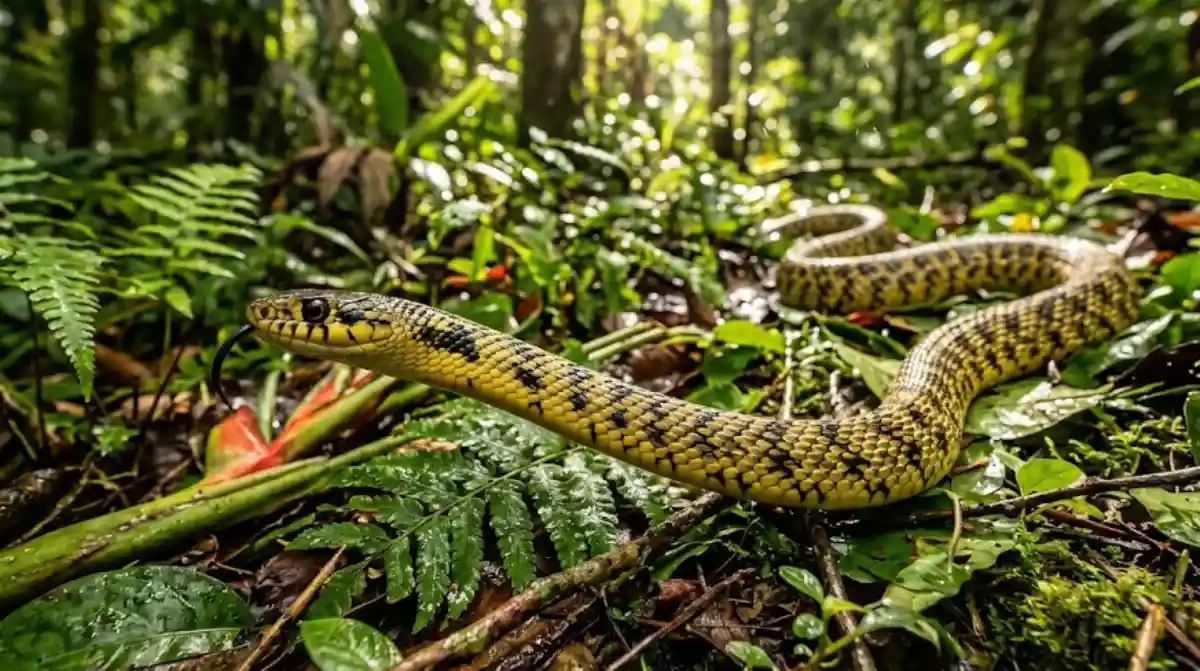
The largest venomous snake in the Americas can spend weeks motionless on dead leaves without anyone telling it apart from the ground. How its disruptive camouflage works and why it explains almost every encounter with people.
After 110 years of absence, the giant otter has returned to the Bermejo River in the Argentine Chaco. Its comeback is not just good wildlife news: it is a living diagnosis of the health of the whole basin.
Most baby birds found on the ground are not abandoned. They are fledglings, and their parents are still nearby. Removing them cuts short a lesson only their own species can teach, which is why rescue should be limited to visible injury or clear danger and always routed through the competent environmental agency.