
Tucumã: the Amazon fruit feeding wildlife and regional cuisine
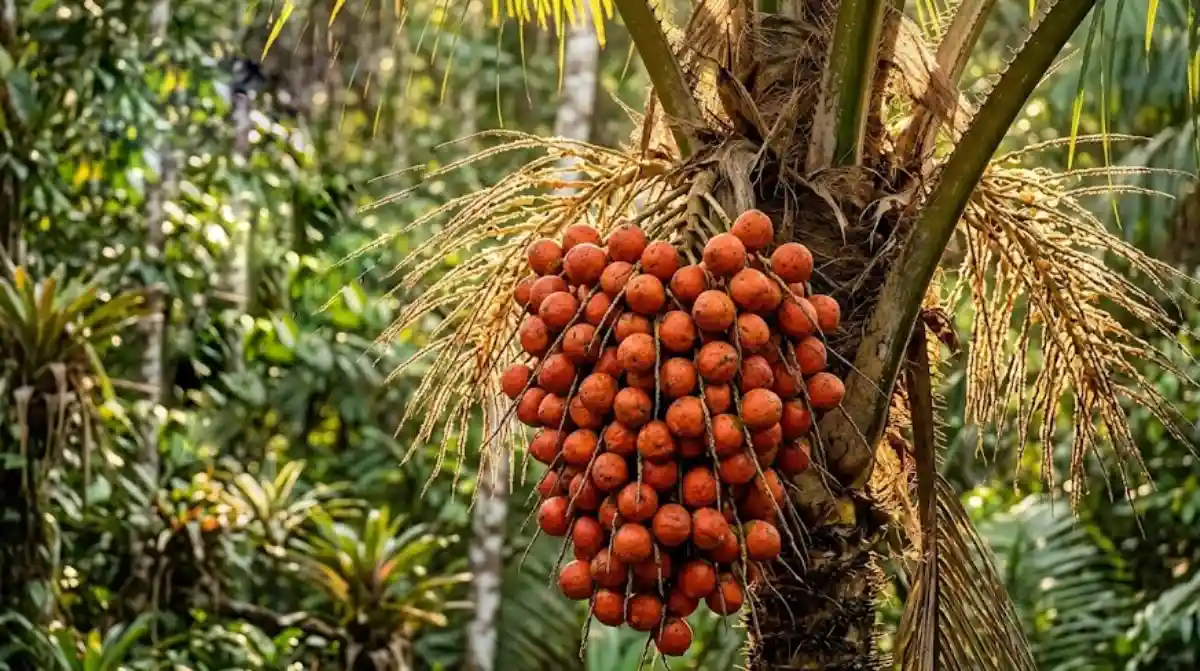
Tucumã feeds macaws, primates and other wildlife while supporting traditional cuisine, harvesting families and sustainable economic possibilities across the Amazon.
Tucumã feeds macaws, primates and other wildlife while supporting traditional cuisine, harvesting families and sustainable economic possibilities across the Amazon.
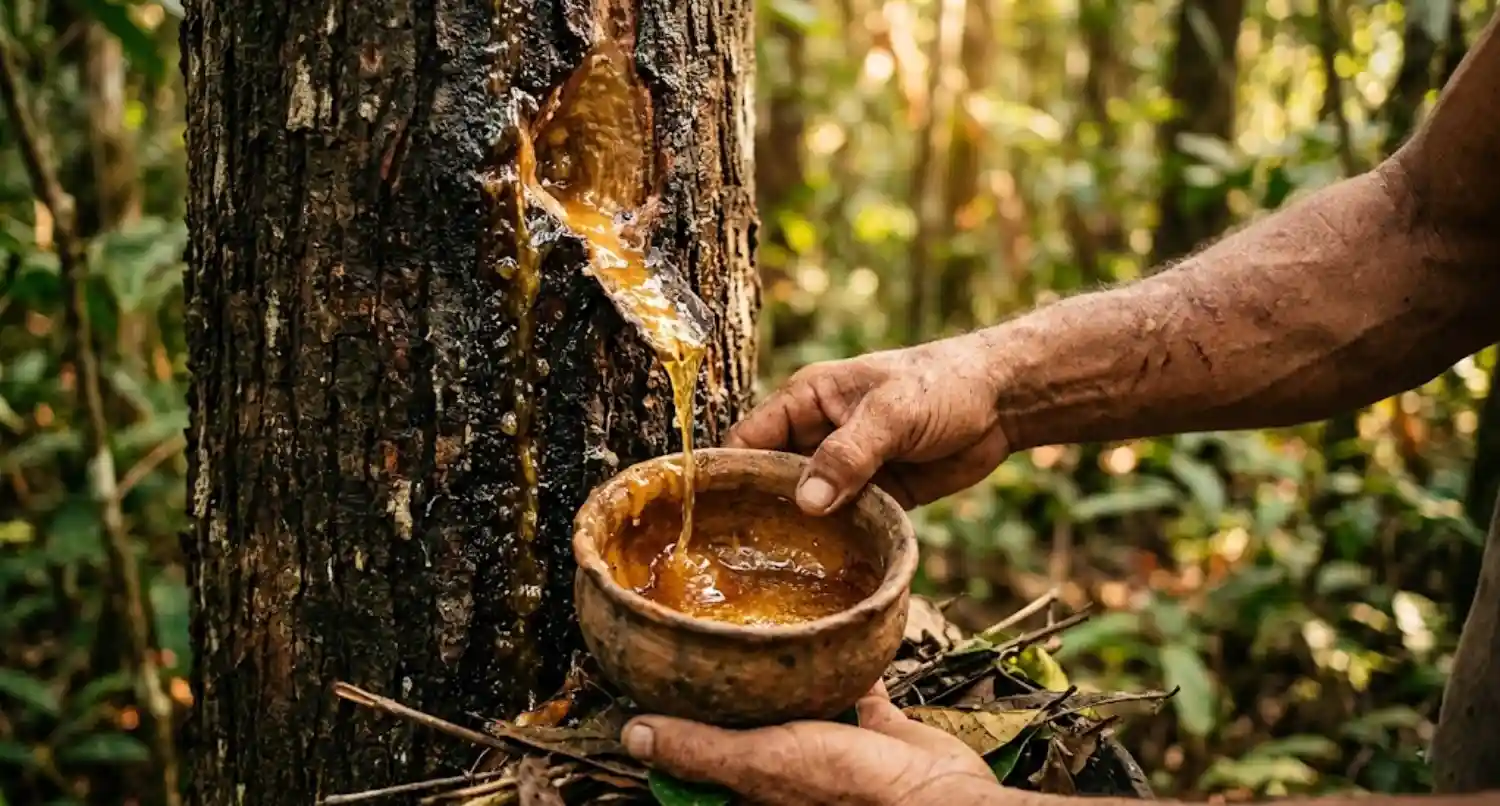
Copaiba oleoresin has long been used by Amazonian communities and is being studied for anti-inflammatory and antimicrobial properties. Harvesting it without cutting the tree can also support a standing forest economy.
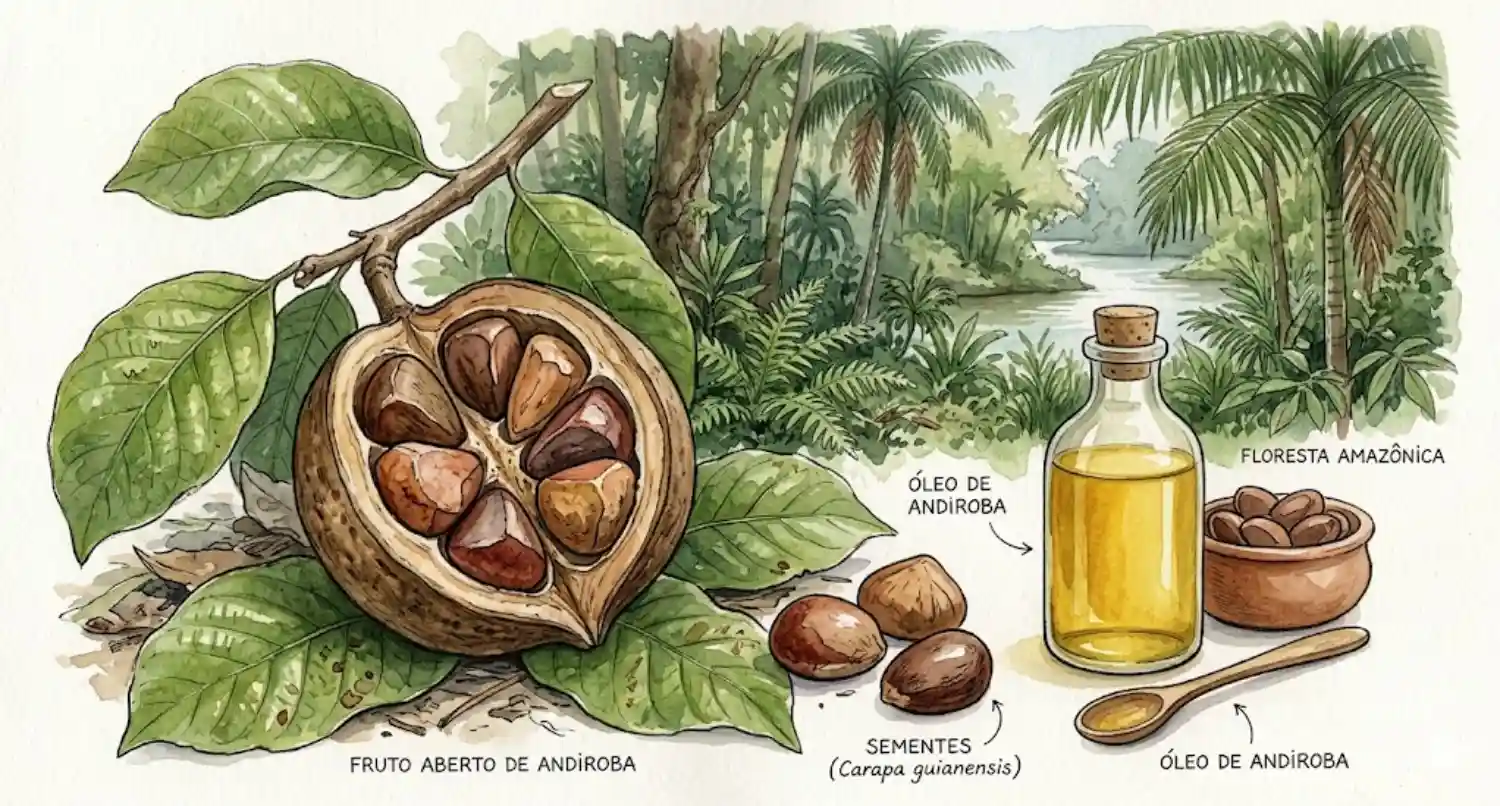
Andiroba seed oil combines anti-inflammatory and insect-repellent properties known by Indigenous peoples and river communities. Harvesting it also supports an economy that keeps the rainforest standing.
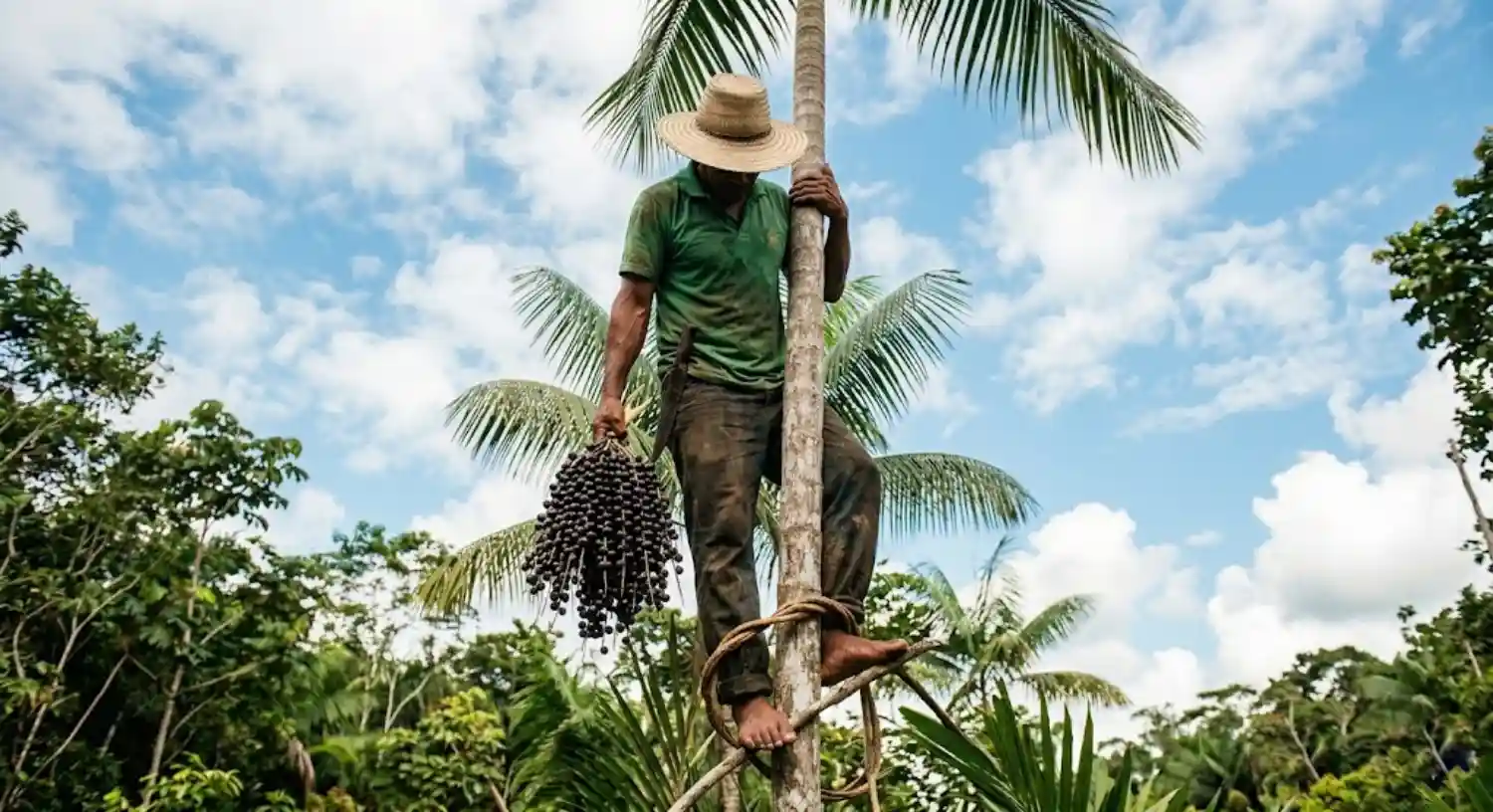
In the floodplains and igapó forests of the Amazon estuary, harvesters climb palms 66 feet tall to gather açaí without cutting down the forest. The practice supports biodiversity and the economy of riverside communities.
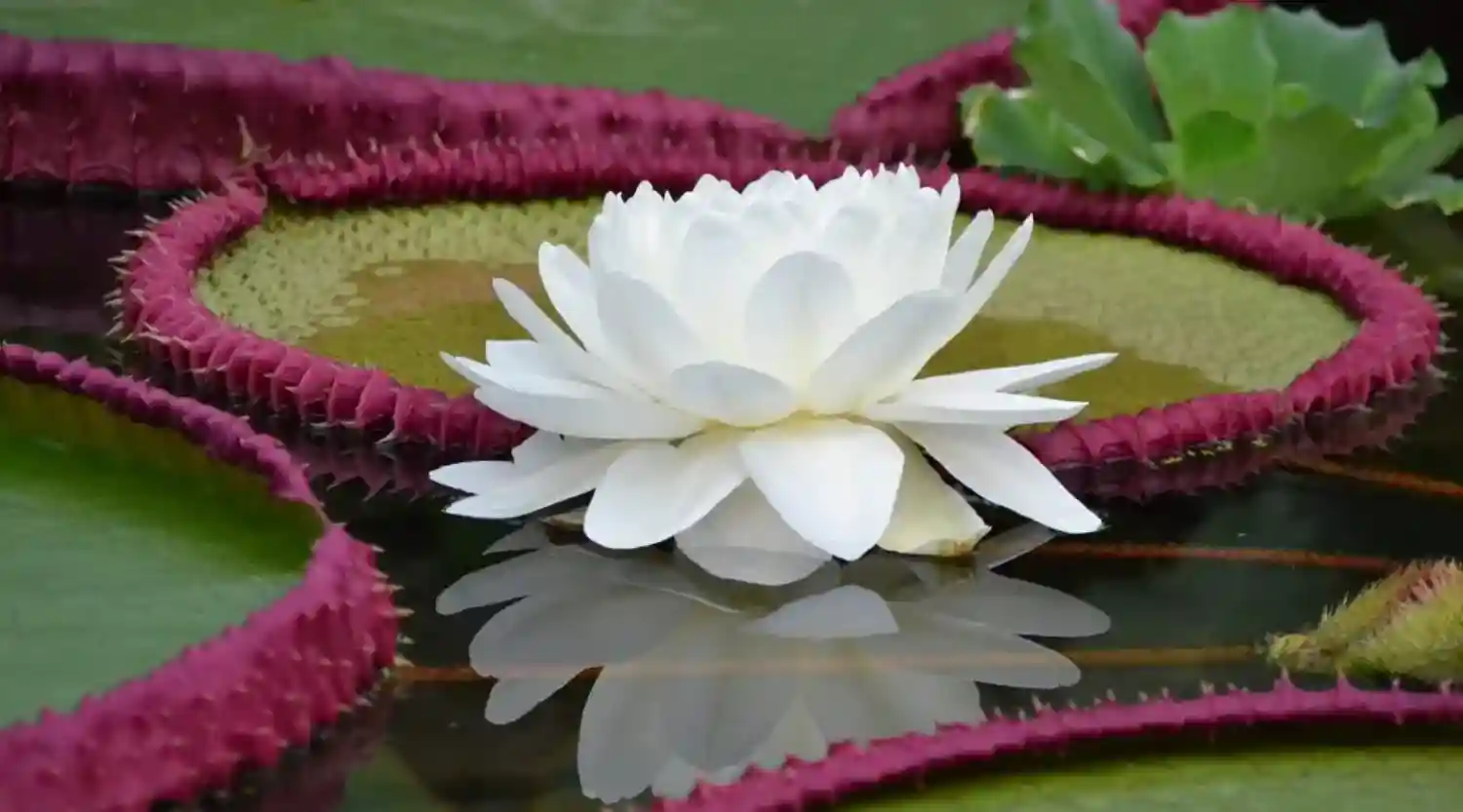
Victoria amazonica changes color and sexual function during its only two nights of flowering. Its own heat and fragrance draw beetles inside, then send them out covered in pollen.
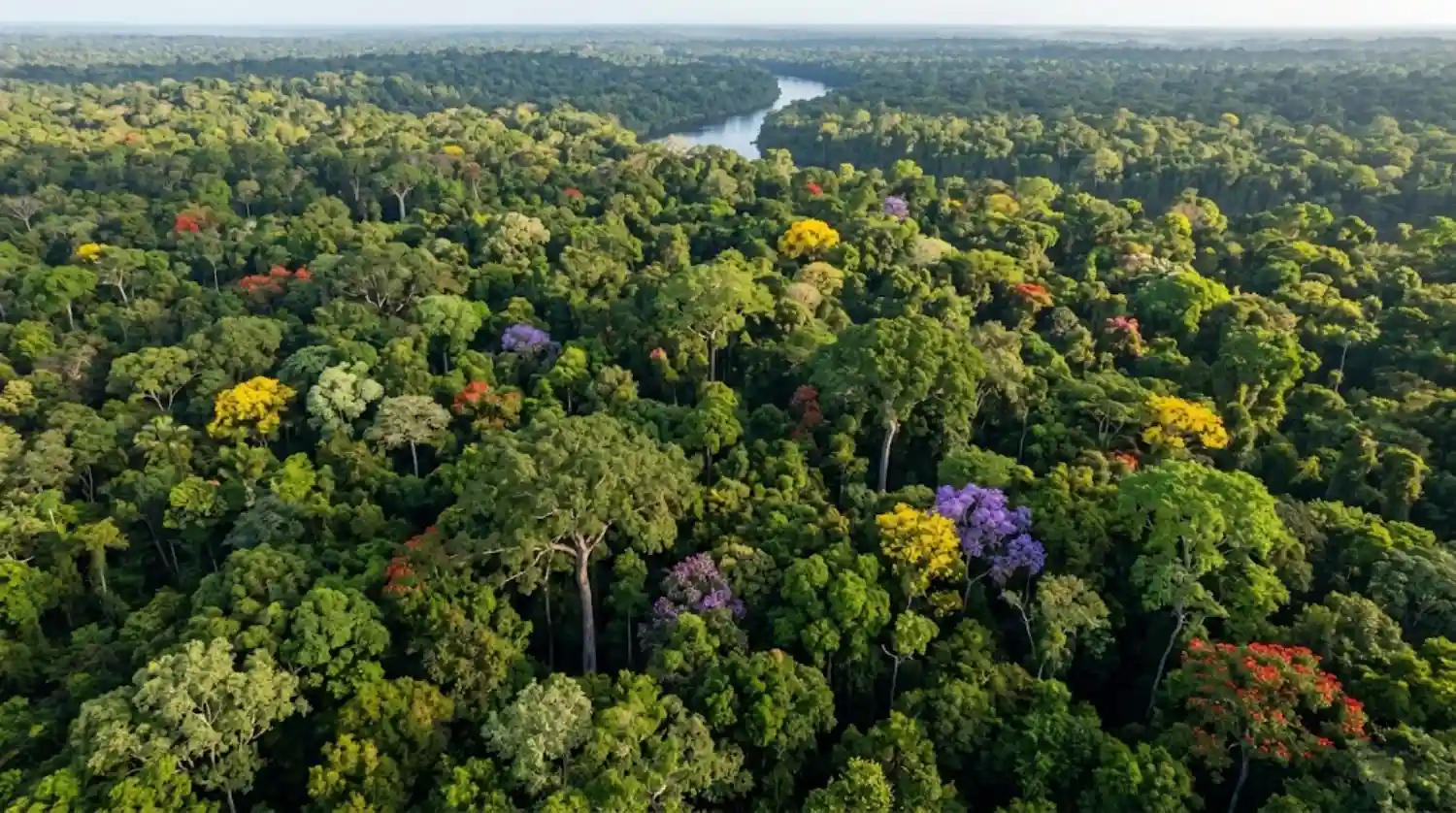
The Amazon Basin is estimated to contain 16,000 tree species, a diversity that regulates carbon, water and the forest’s resilience. Protecting each species also protects services essential to life and the economy.
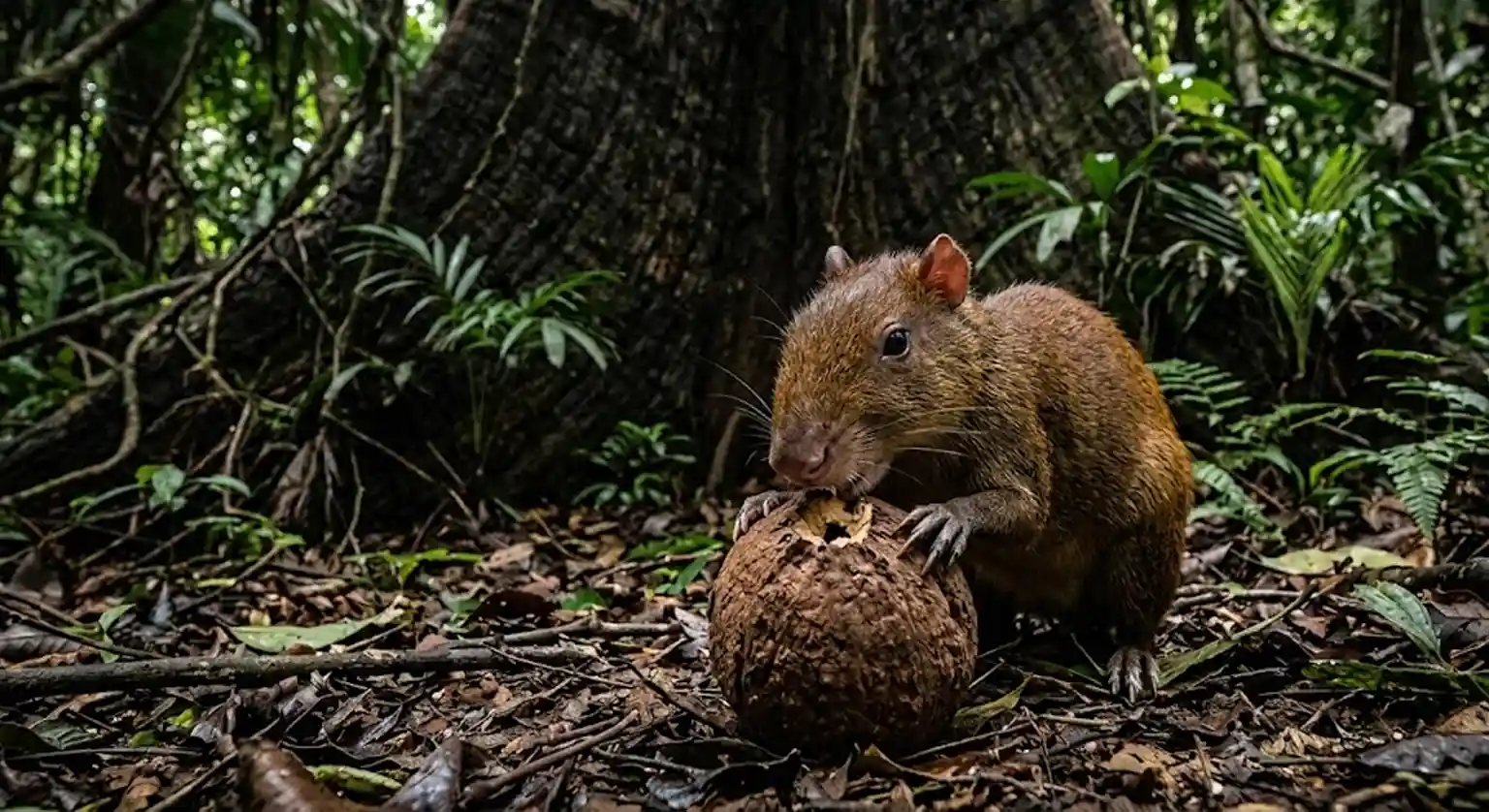
Brazil nuts depend on specialized bees for pollination and agoutis to open their tough fruits and disperse seeds. When forests are fragmented, this ancient cycle can break down.
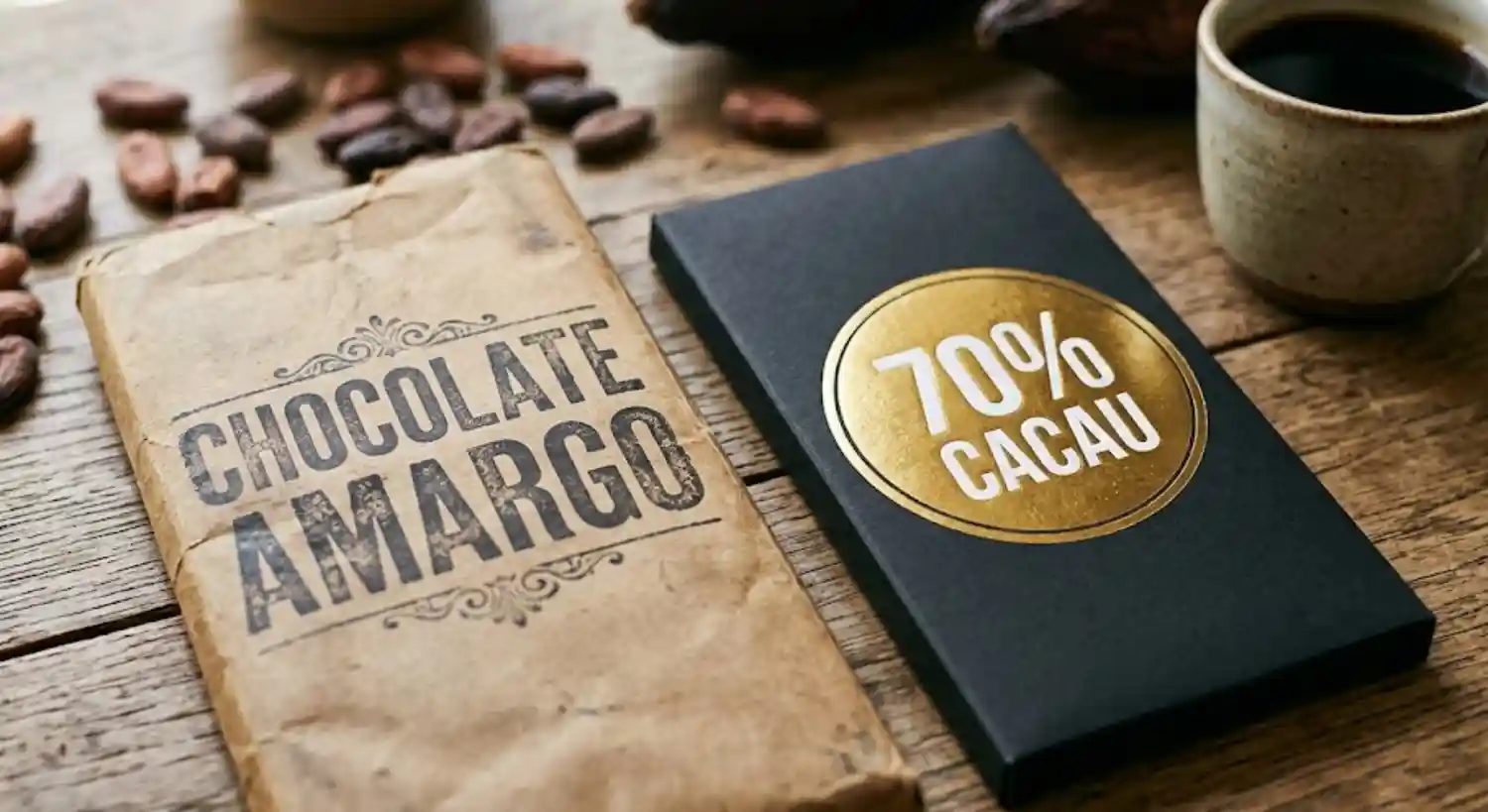
Brazil’s Law 15.404/2026 replaces the words “bitter” and “semi bitter” with the exact cocoa percentage on the front of the pack. What changes on the shelf, and what it means for Amazon cocoa growers.
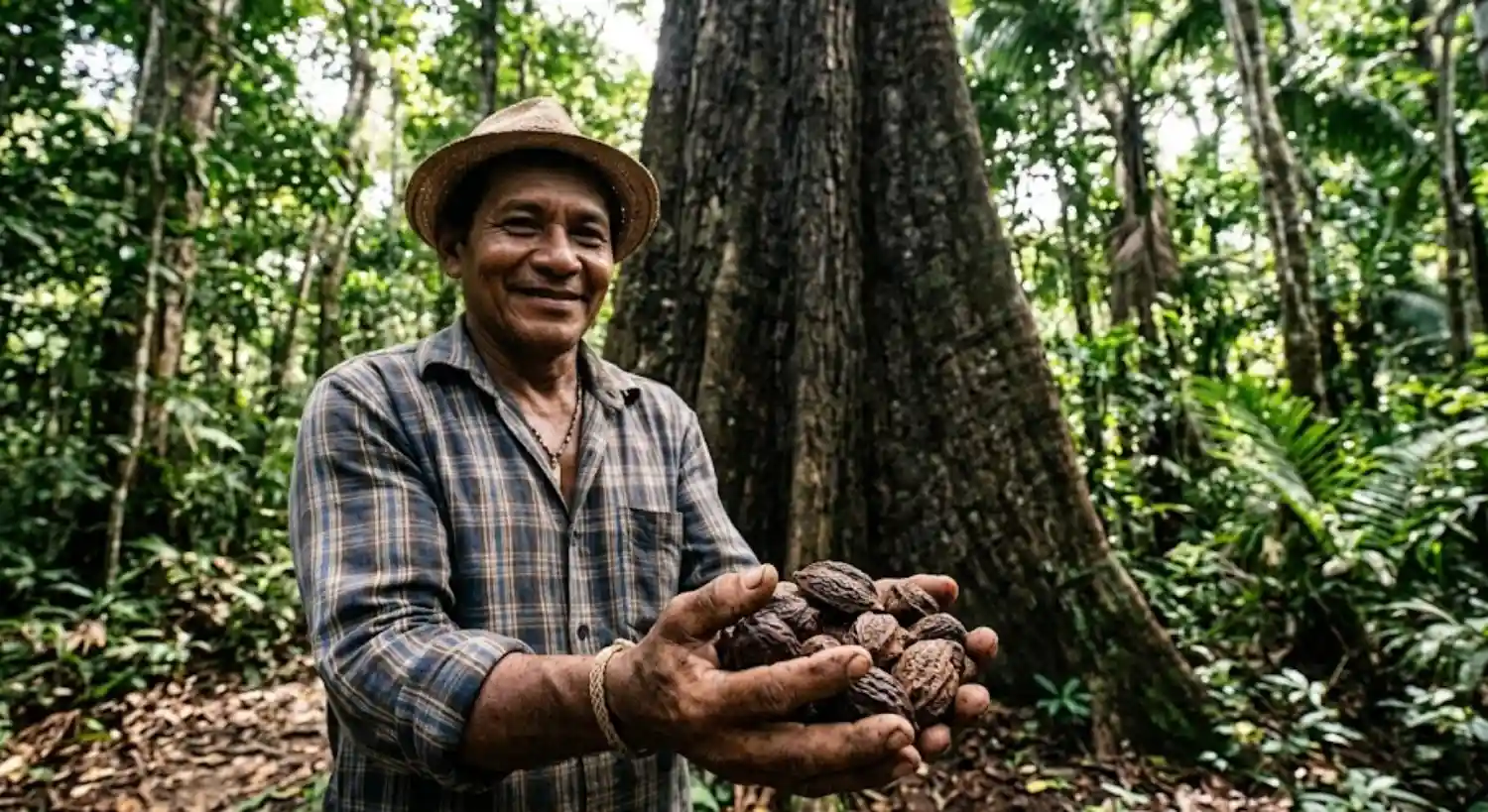
The tonka bean, seed of the Amazonian tree Dipteryx odorata, is a base note in luxury perfumery. Harvesting it requires the tree alive, turning fragrance demand into an argument for keeping the forest standing.

In the Tupi language, mandi-oca means “the house of Mani”. Behind the legend lies hard botany: a root that defends itself with cyanide, and an Indigenous processing method that makes it safe to eat.