Pará’s mangroves are nurseries for wildlife and shields against storms
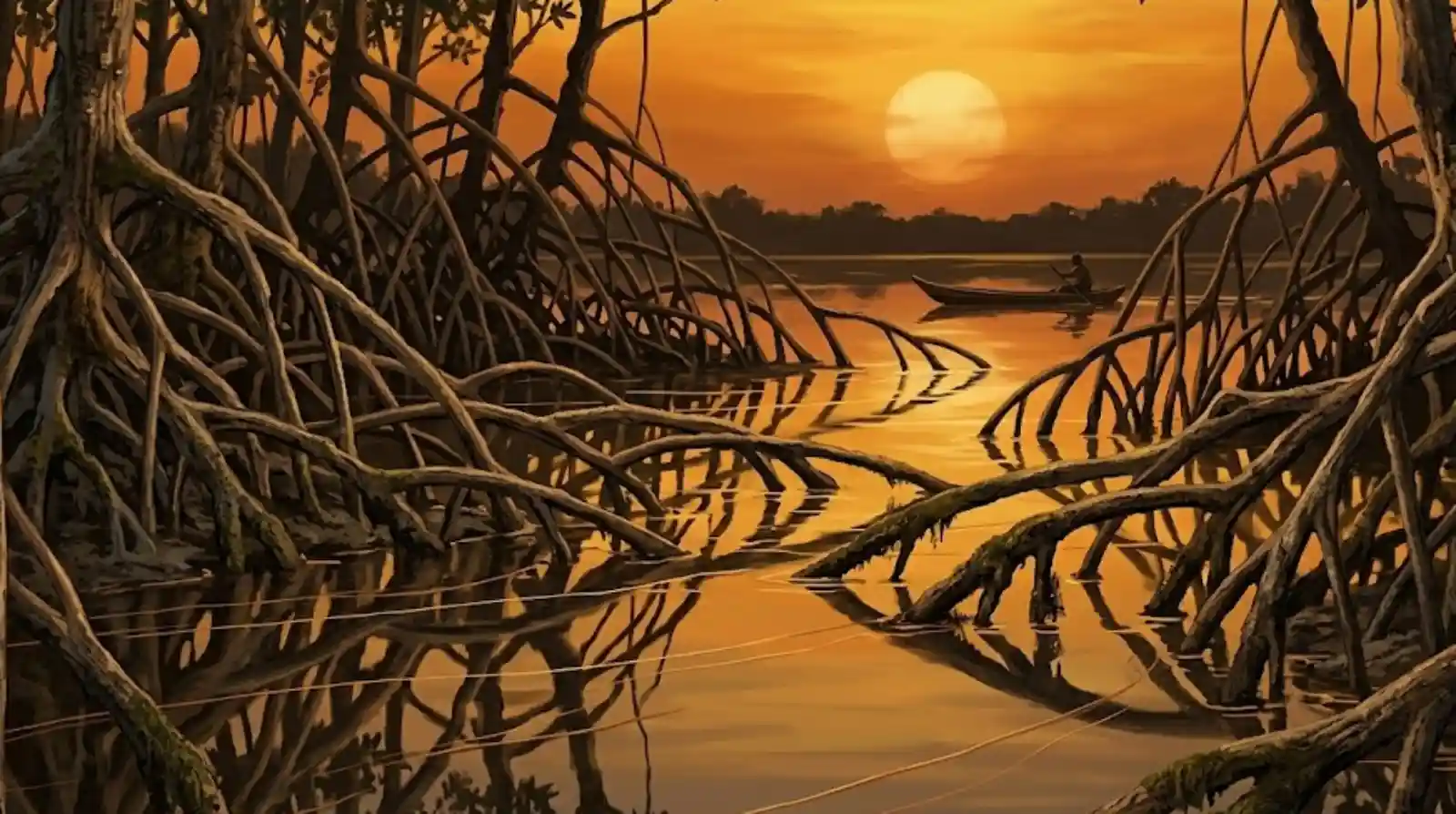
Mangroves along Pará’s coast shelter young fish and crustaceans, support thousands of families, store vast amounts of carbon and reduce the force of storms and erosion.
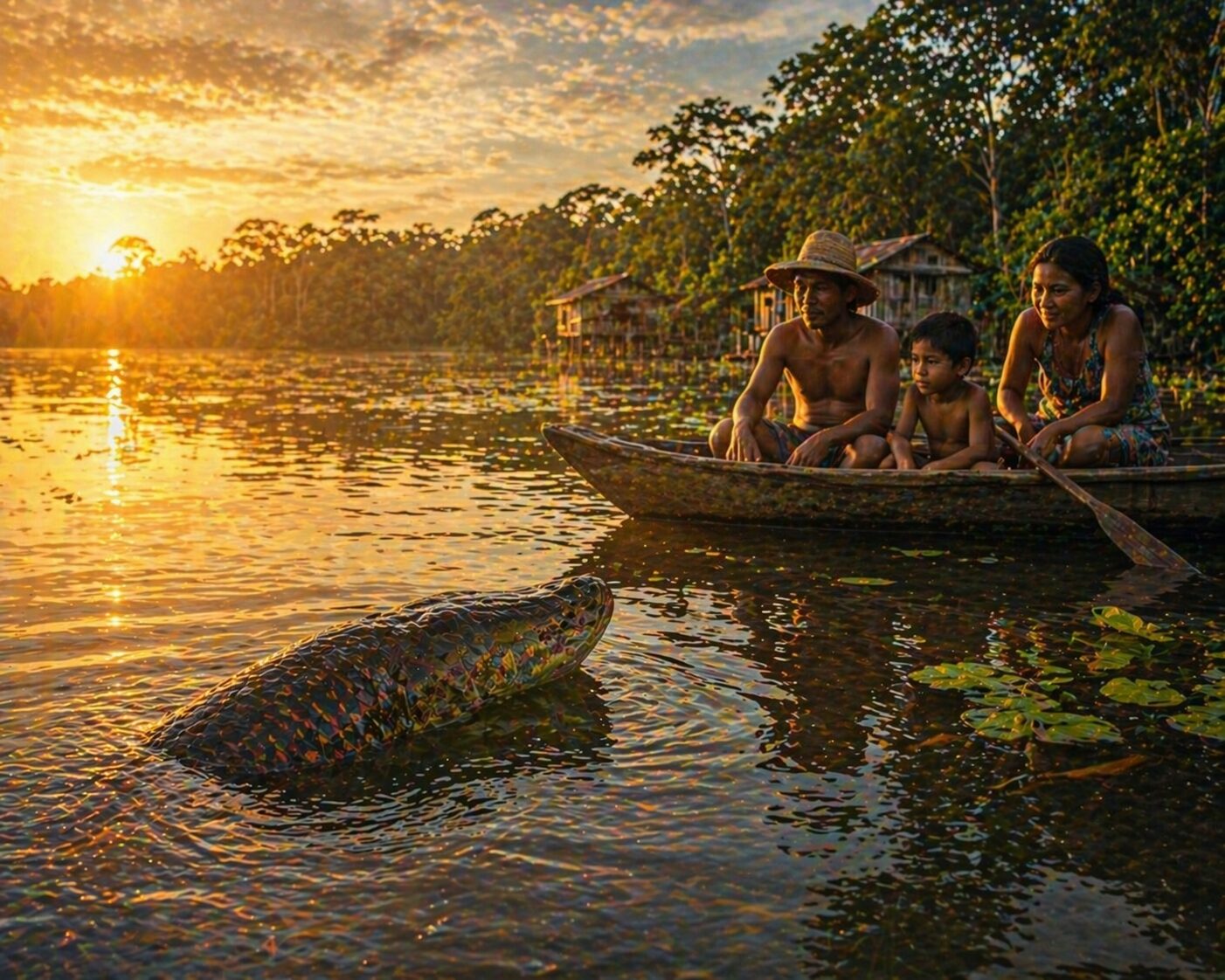
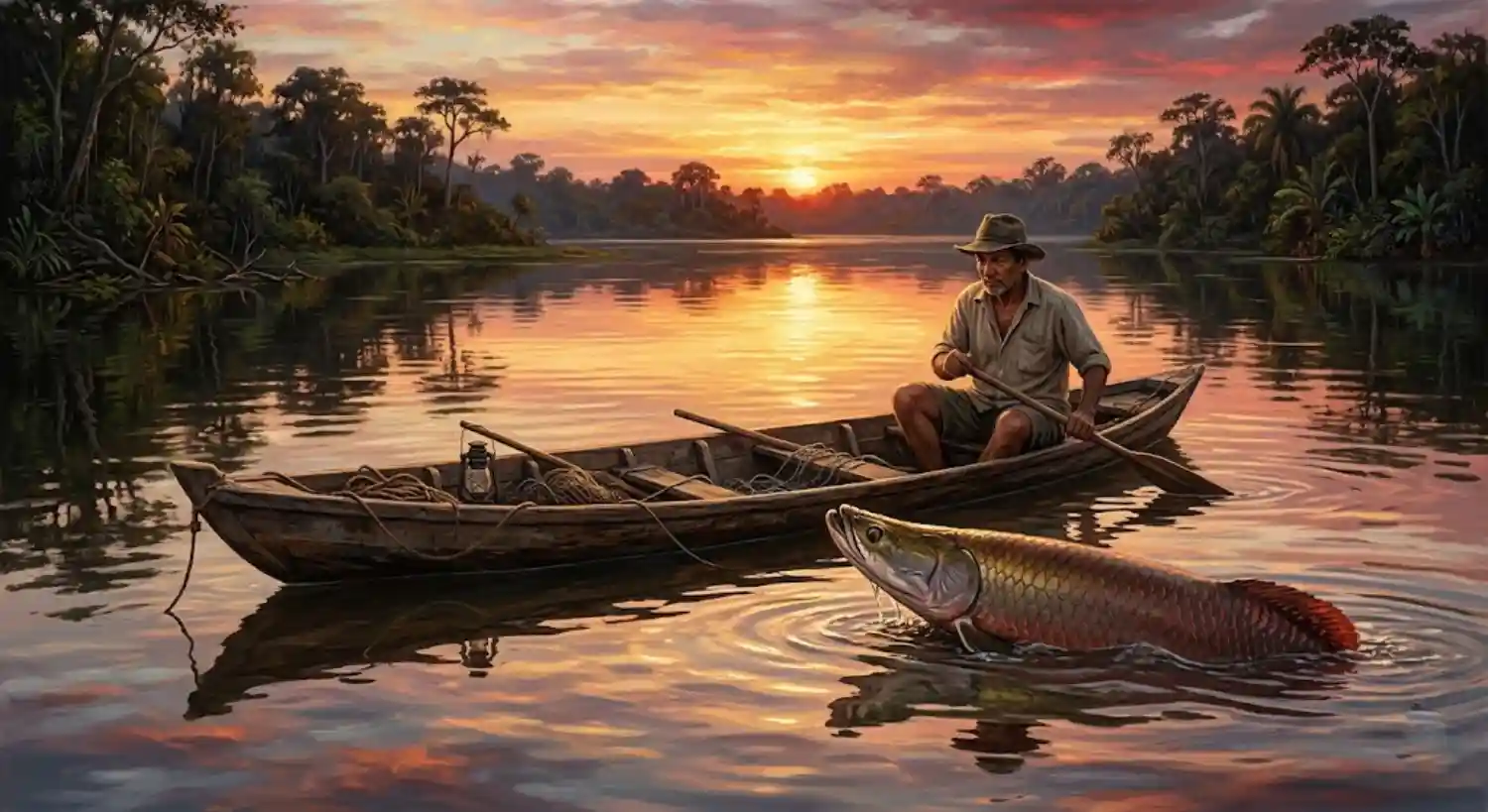
River communities count pirarucu when the fish rise to breathe and use those figures to set fishing quotas. The system has helped restore populations, strengthen local monitoring and protect Amazonian lakes.
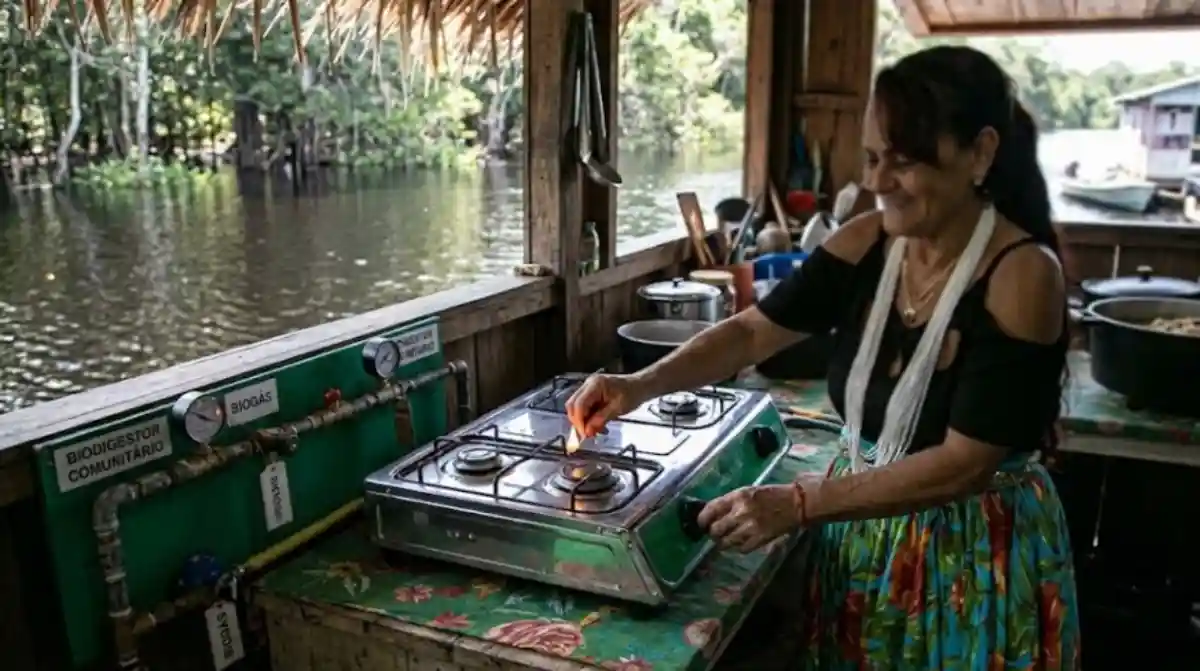
In riverside and Indigenous communities, biodigesters turn organic waste into biogas and biofertilizer. The technology cuts reliance on LPG and firewood while supporting health and local energy independence.
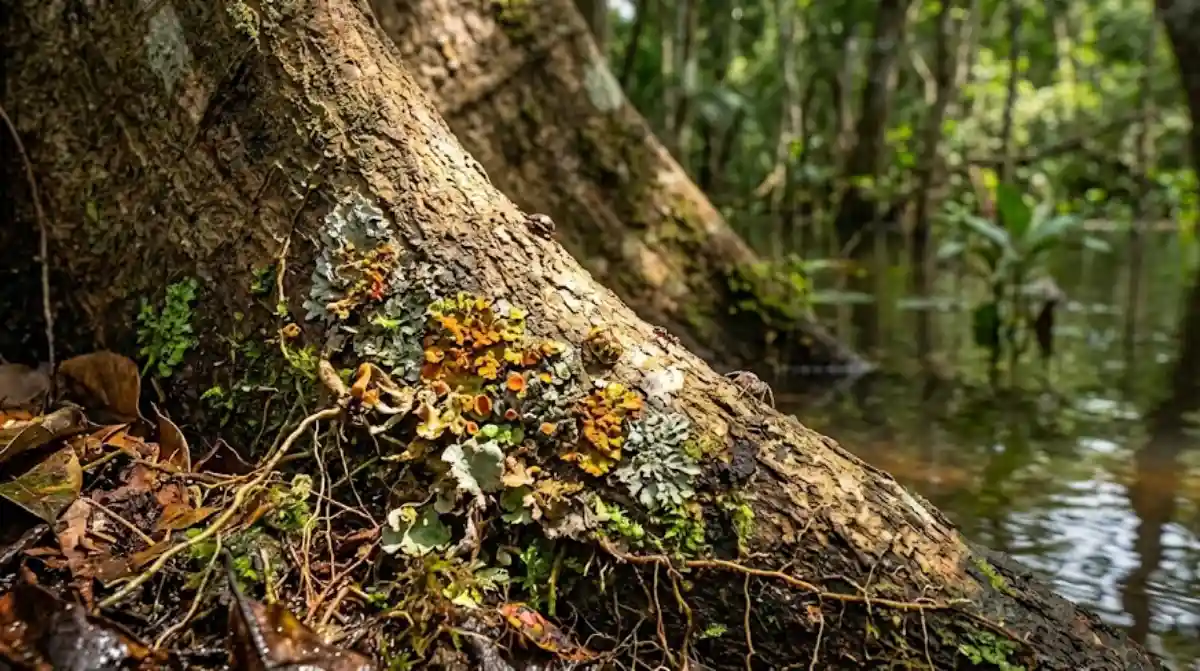
The samauma can reach 230 feet and turn the ground around its buttress roots into a refuge for animals, fungi, bacteria and invertebrates. Its base also links nutrient cycling, Amazonian culture and climate regulation.
In the Mamirauá Reserve, fishers count arapaima as they surface to breathe and use the data to protect lakes and set harvest limits. The community model has restored the species while strengthening the riverine economy.
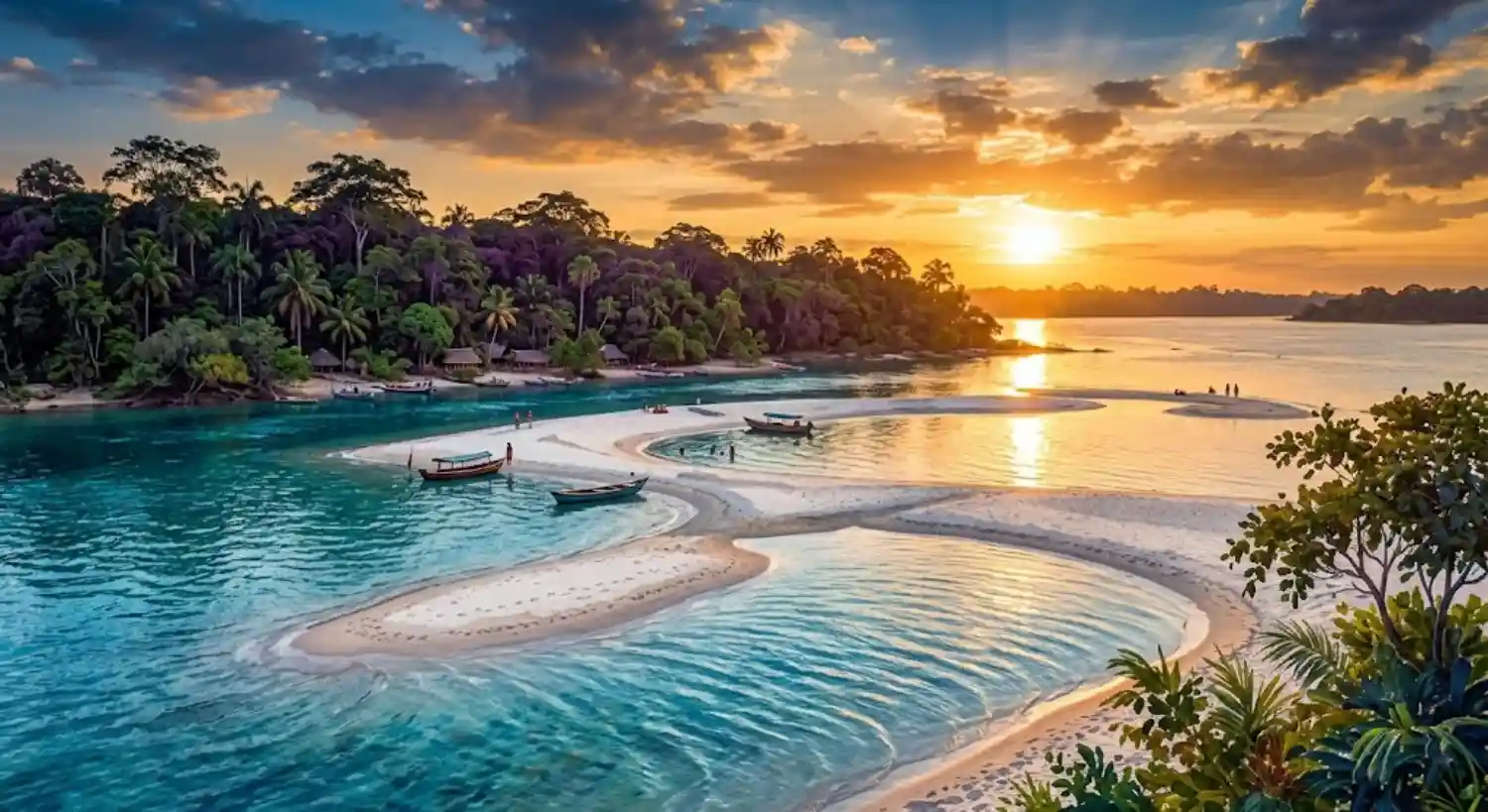
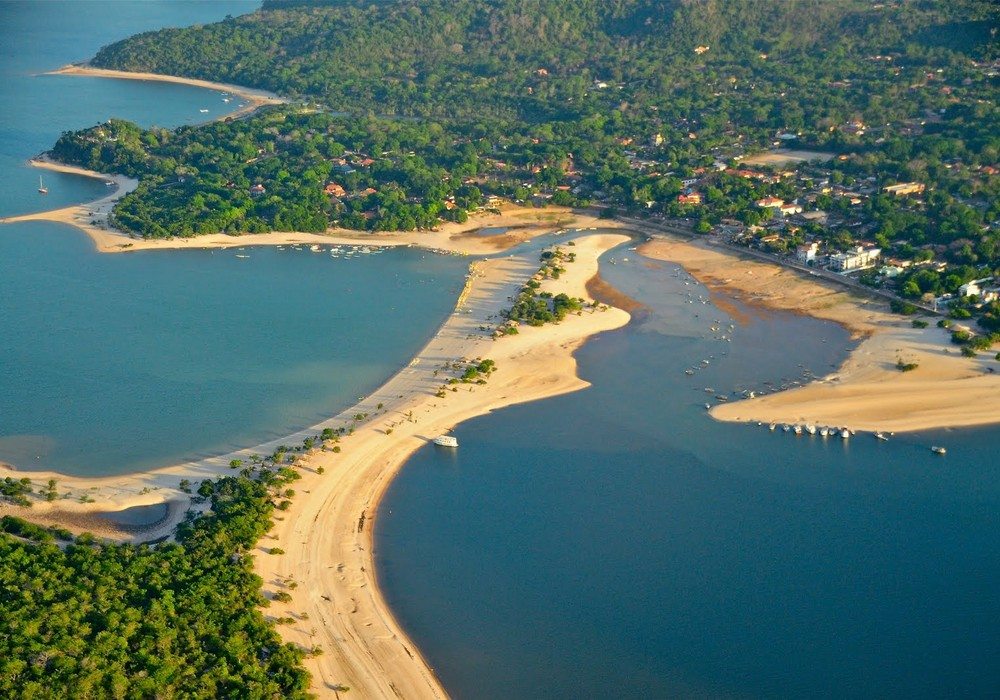
Alter do Chão’s white-sand beaches and clear Tapajós River waters create a remarkable Amazon landscape. Community-based ecotourism helps protect the forest, wildlife and water that sustain it.
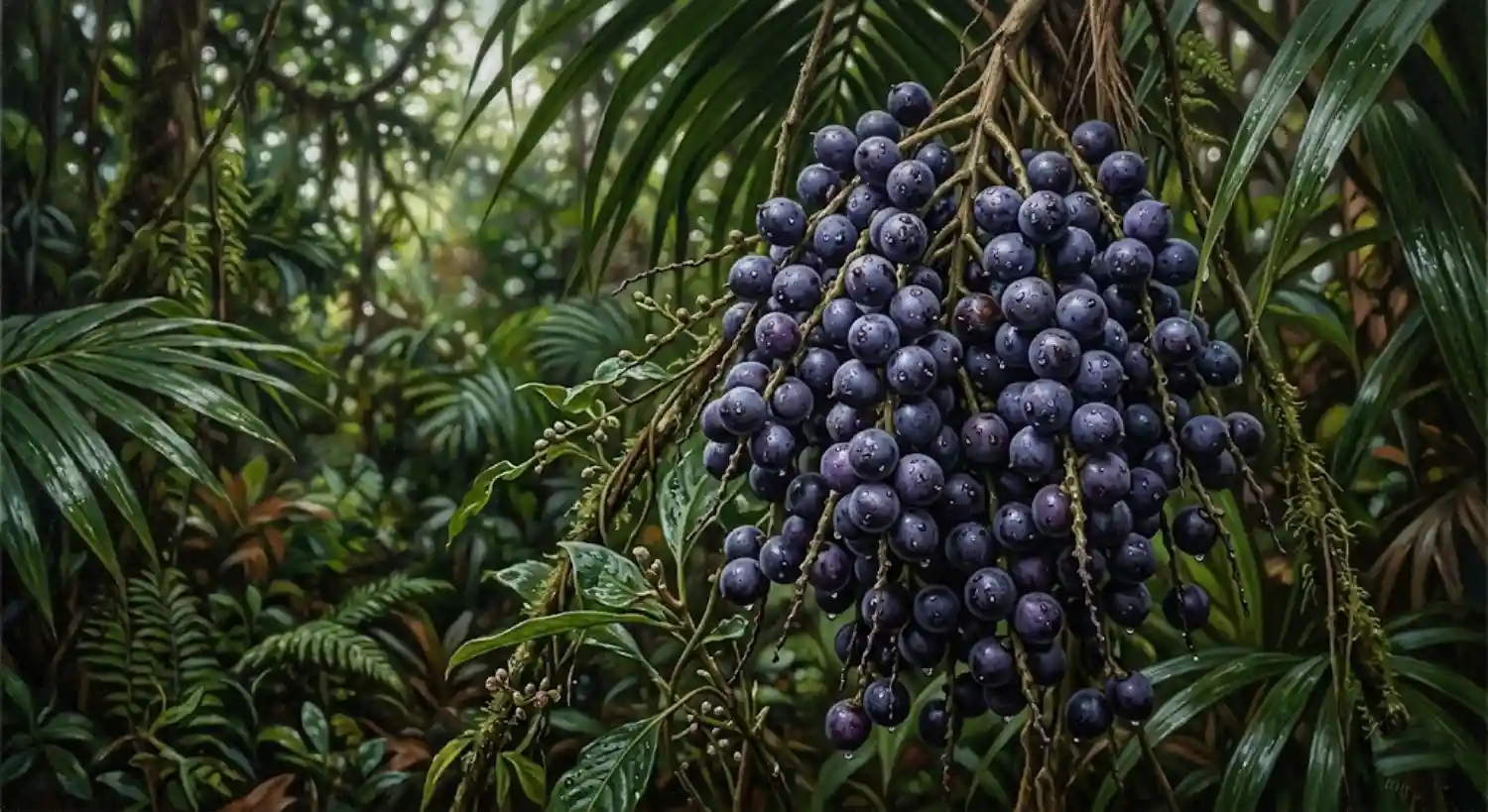
The Tupi name for açaí describes the dark liquid released by its ripe clusters. Across northern Brazil, the fruit also supports a bioeconomy that can keep forests standing and strengthen riverside communities.
Dried droppings from pigeons, herons and parakeets can release fungi into the air. Inhaling those particles is linked to cryptococcosis and histoplasmosis.
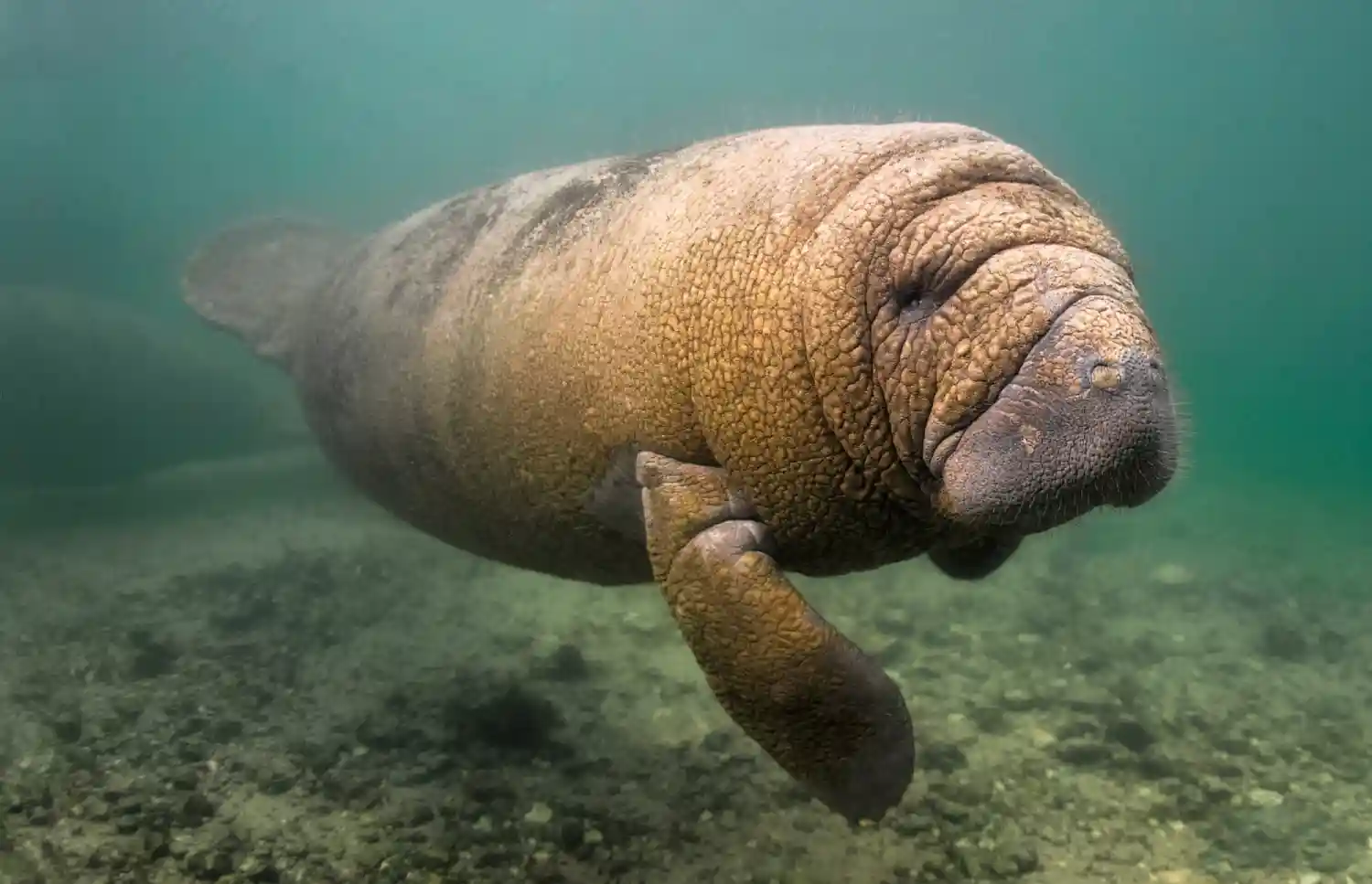
In historic central Belém, the Museu Paraense Emílio Goeldi brings together centuries-old trees, Amazonian wildlife, historic buildings and major scientific collections. One of its best-known residents is the Amazonian manatee, protected in a tank surrounded by vegetation.
In Itaituba, Brazil’s Amazon National Park combines white-sand beaches, clear Tapajós River water and trails surrounded by extraordinary biodiversity.