The Opossum That Shrugs Off Snake Venom, and Why Science Cares
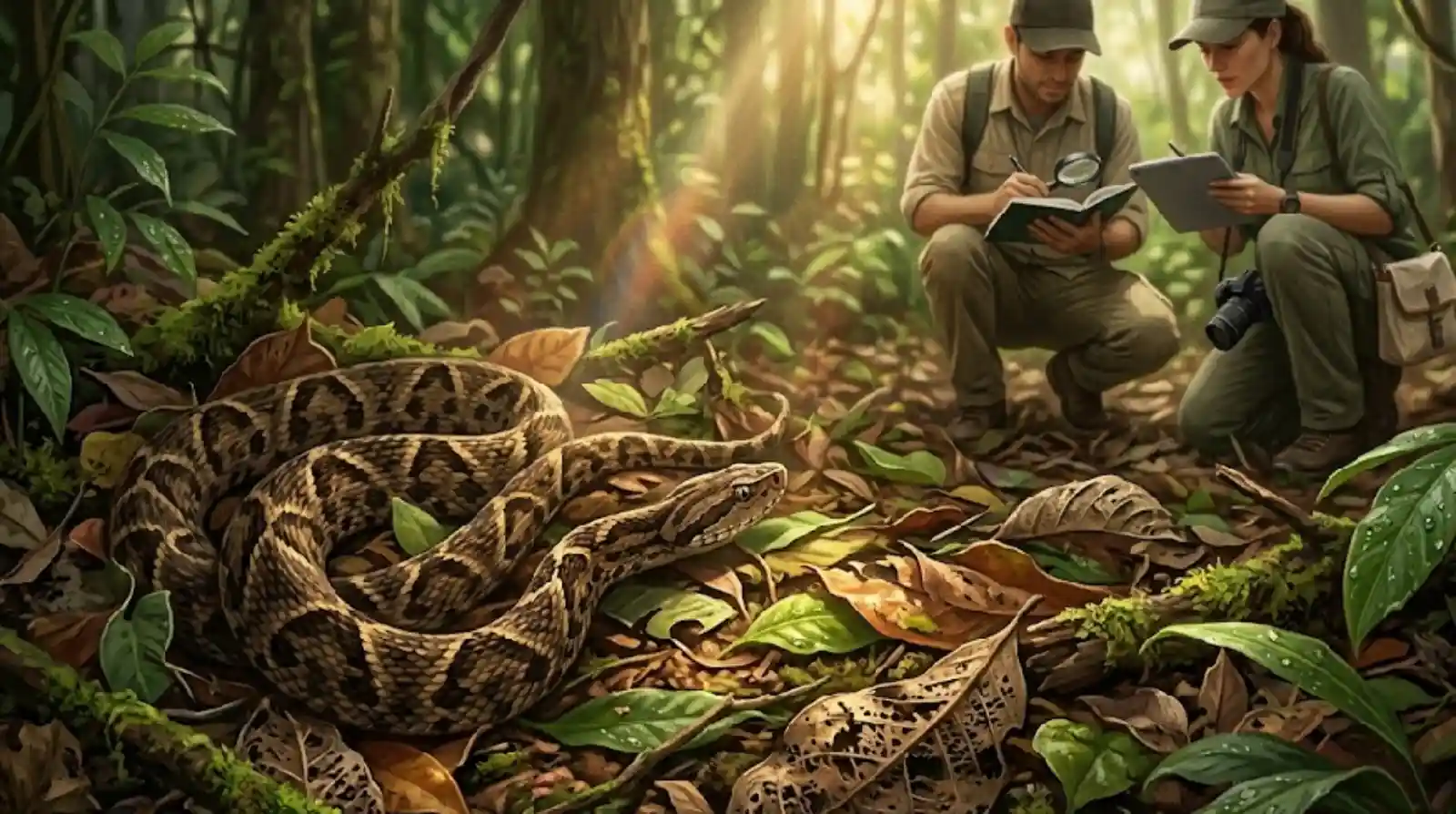
The common opossum neutralizes rattlesnake venom with proteins in its own blood, hunts vipers and helps balance the Amazon. Its chemistry is a lead for antivenom research.
A PLOS ONE survey of amphibians and reptiles across the canga and forest of southeastern Para explains why the animals in an Amazonian backyard depend on the smallest details of the ground.
More than two decades of experimental drought failed to collapse an Amazon forest plot. It stabilised instead with less biomass, fewer large trees and less carbon stored in wood.
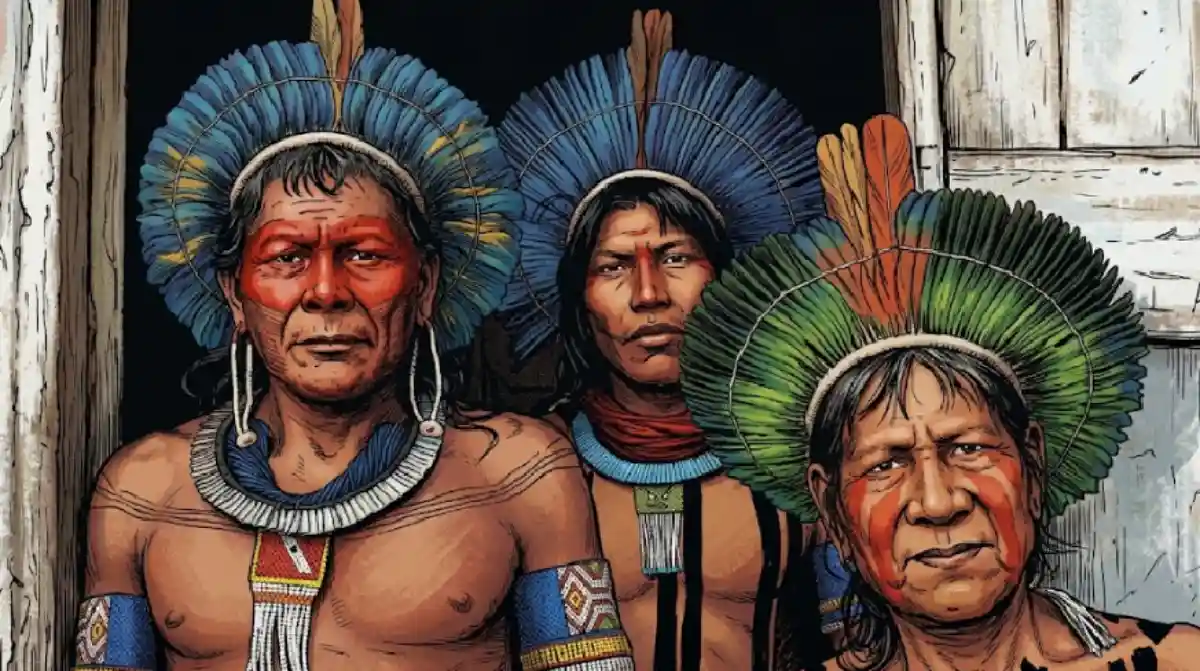
In the Amazon, identifying a species by name is only the first layer. Traditional knowledge covers season, place, the part used, preparation and harvesting limits, and it requires consent before it is published.
A 27-year capture and recapture record covering 29 species across 20 undisturbed Amazon sites found significant declines in apparent annual survival for 20 of them. The canopy looks unchanged, yet it offers less room to complete a life cycle.
Under the water stress of El Niño, Amazonian trees altered the mixture of volatile molecules they release into the air. The chemical signature of the forest changed before the landscape showed any visible sign.
A study in Scientific Reports tracked the activity of Goeldi’s monkey, Callimico goeldii, and found that its internal clock shifts with daylight, atmospheric pressure and events inside its own social group.
Salt licks, known as colpas or barreiros, concentrate minerals into a few metres of Amazonian ground and pull in tapirs, monkeys and peccaries. A study explains why these animals eat soil.
The trailing edge of an owl feather frays into a fringe of fine filaments that breaks up turbulence before it can turn into sound. Engineers are now copying that comb to quieten wind turbines and cooling fans.
Leafcutter ants never eat the leaves they cut. They use them to grow a Leucoagaricus fungus underground, in the oldest farming partnership on the planet.