
The Paca: The Nocturnal Rodent That Plants the Amazon
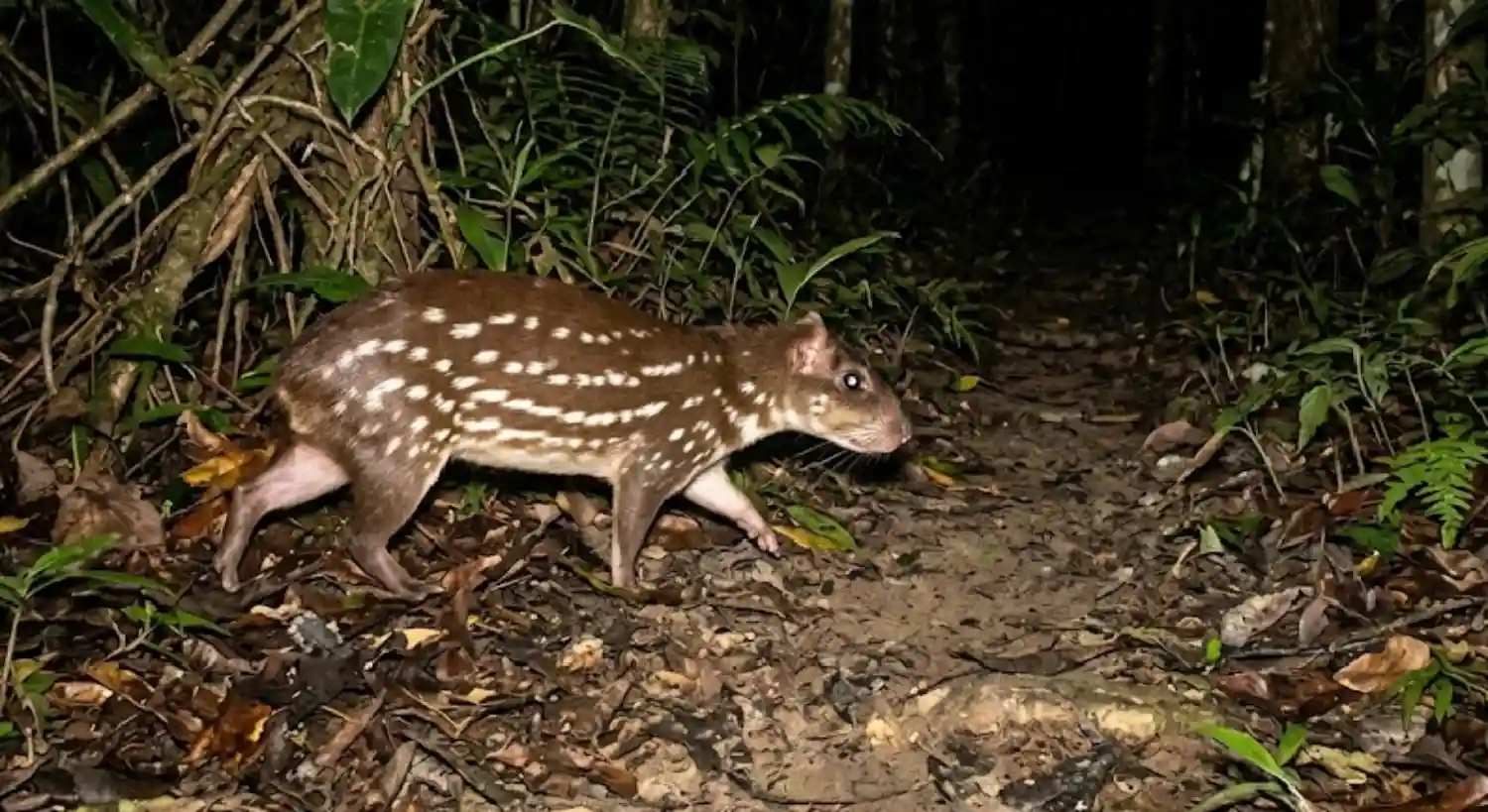
The paca, Brazil’s second largest rodent, walks fixed forest trails at night, buries seeds and quietly sustains the regeneration of the Amazon.
 Anne Silva
The paca, Brazil’s second largest rodent, walks fixed forest trails at night, buries seeds and quietly sustains the regeneration of the Amazon.
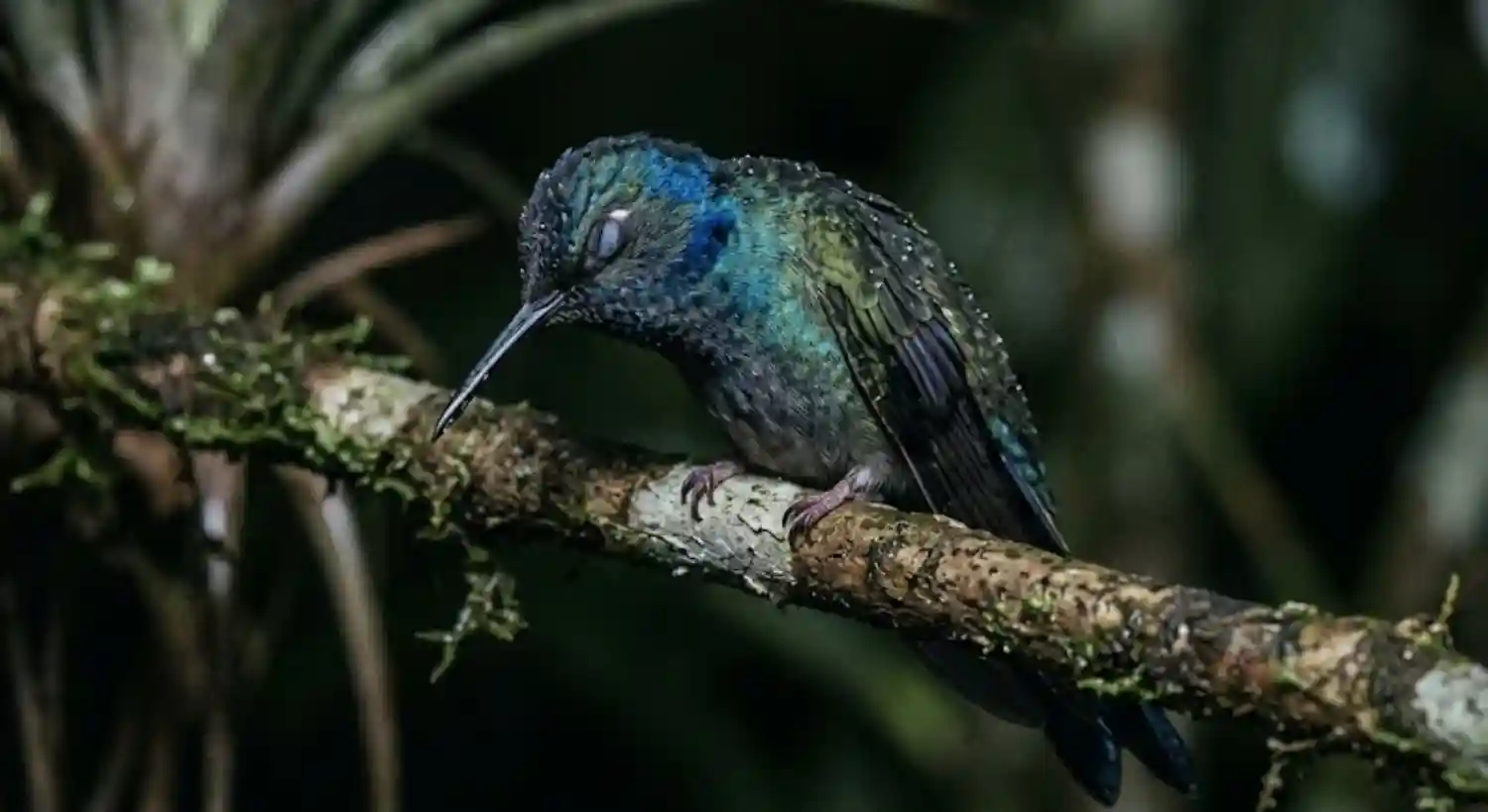
The smallest bird in the Americas slips into torpor at dusk, dropping its temperature and heartbeat to save up to ninety-five percent of its daily energy.
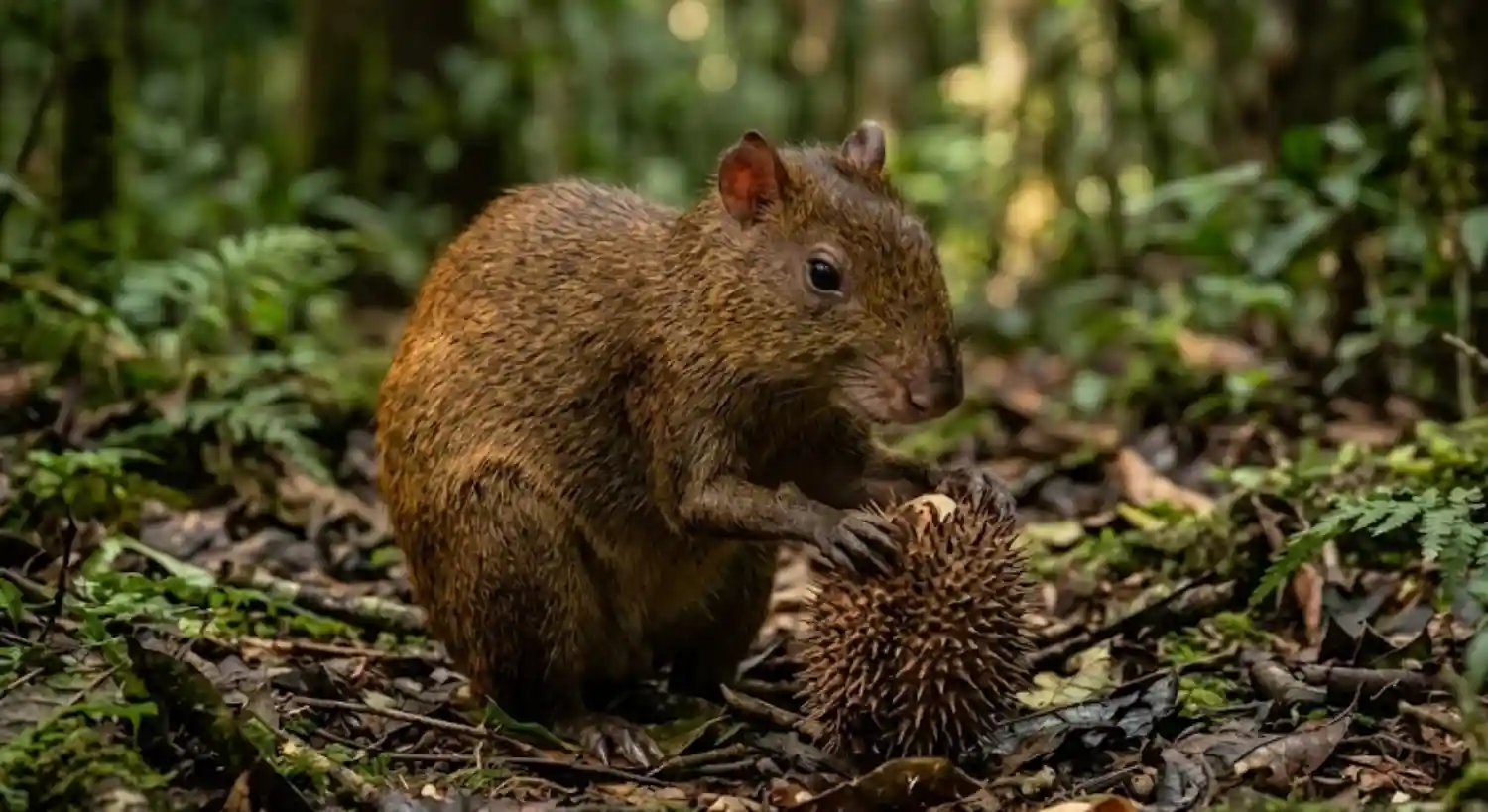
The agouti buries Brazil nuts to eat later and forgets where it hid them. That forgetting germinates and regenerates the tallest trees in the Amazon rainforest.
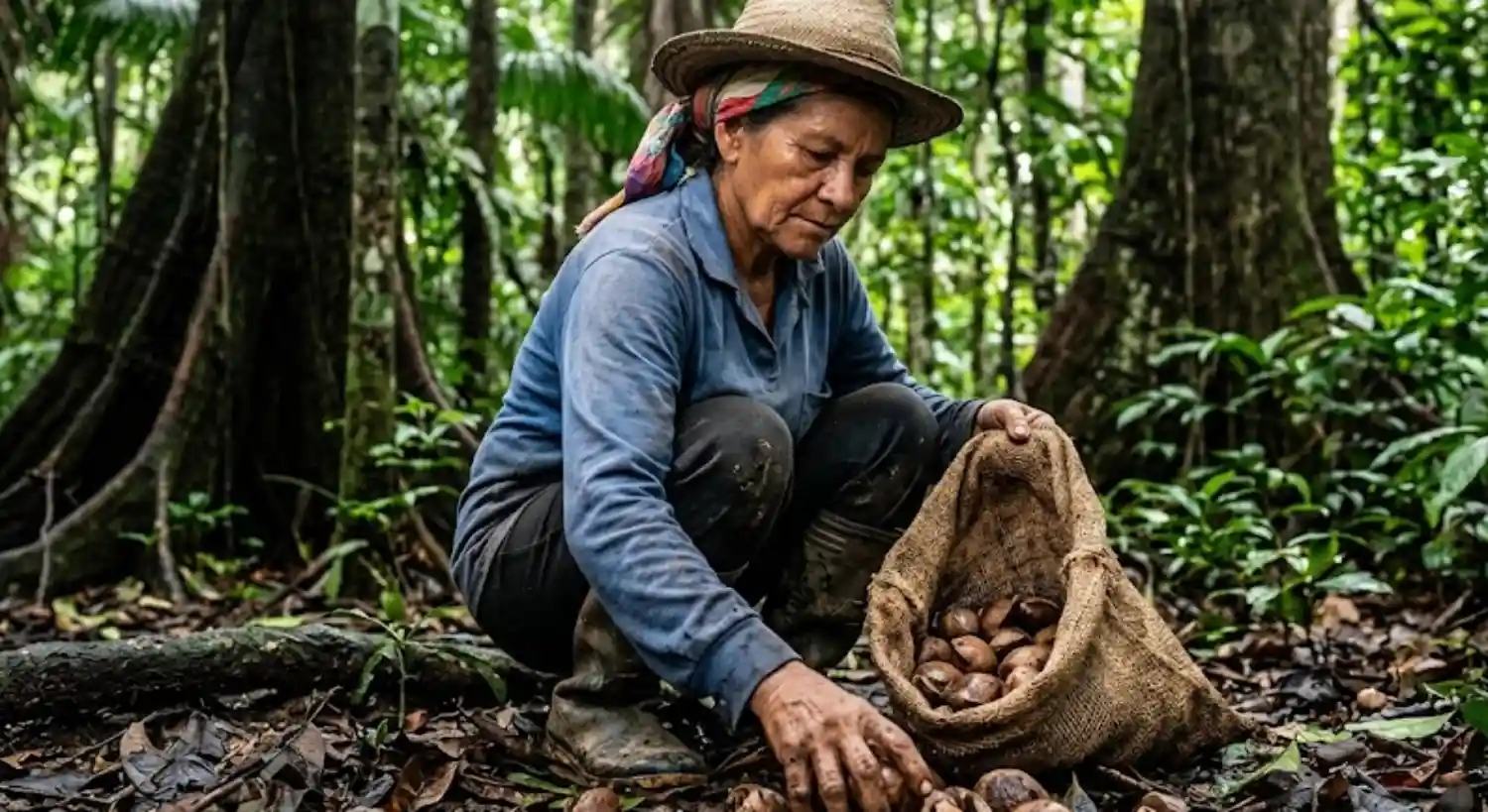
The andiroba tree and the flooded varzea forest sustain an extractive economy that keeps the rainforest standing and yields a natural repellent oil.
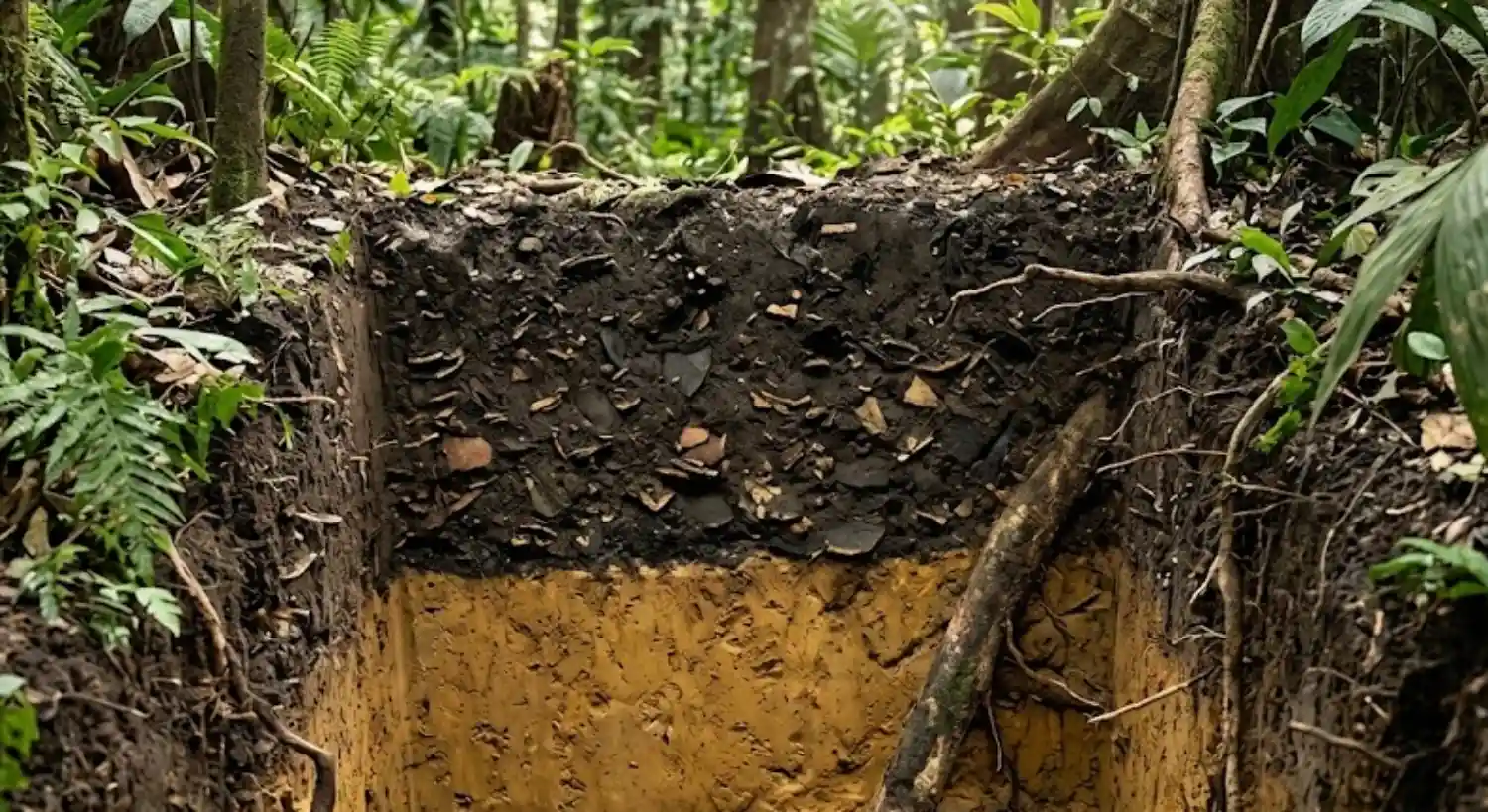
Amazonian dark earth, rich in archaeological charcoal, holds a fertility that lasts for centuries and offers lessons for sustainable farming and climate action.
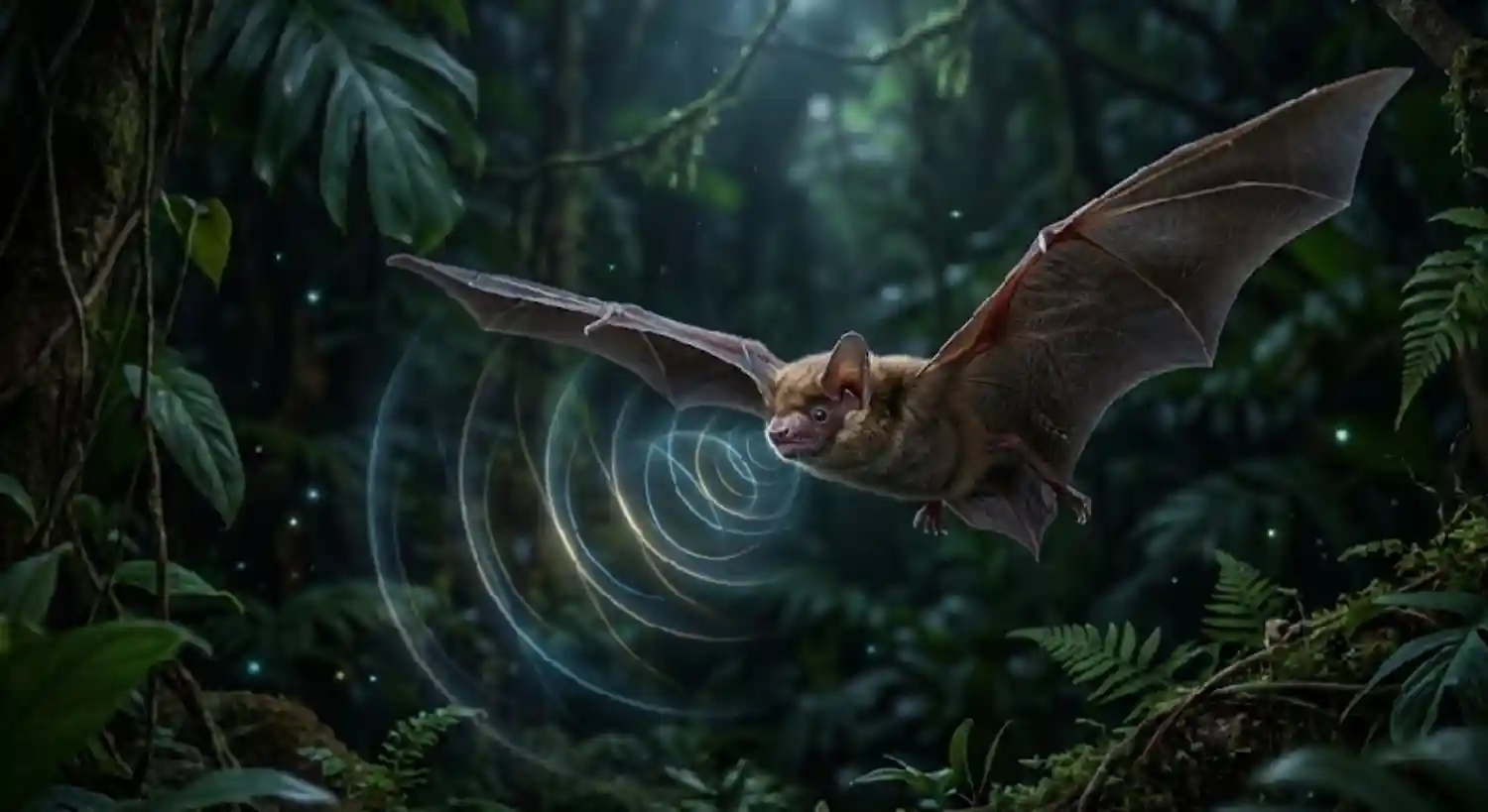
The echolocation system of Amazonian bats, able to fire up to two hundred pulses per second, now guides the design of naval sonar, rescue robots and electronic canes for blind people.
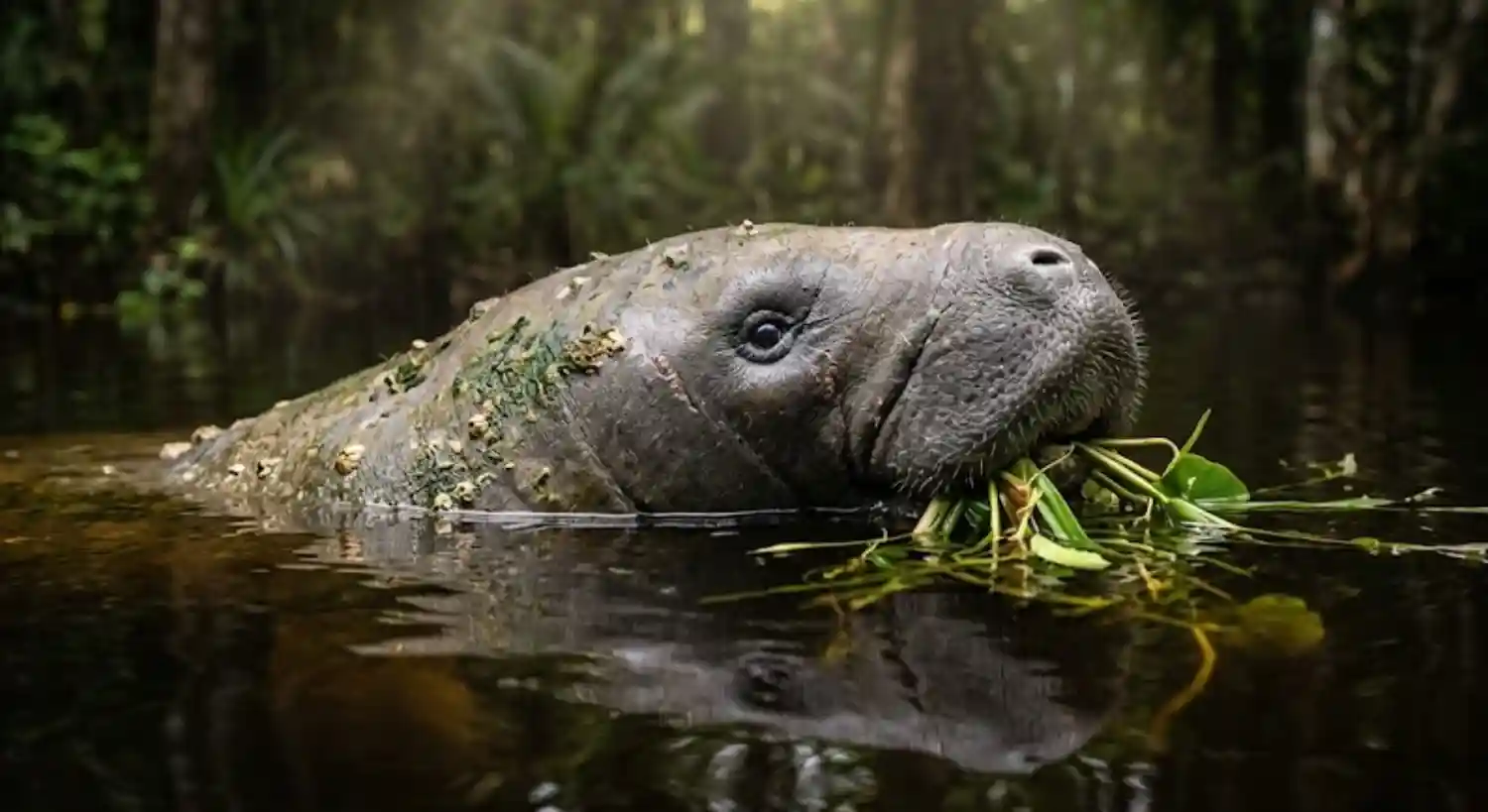
The Amazonian manatee is the only manatee that lives solely in fresh water, eating up to 10 percent of its body weight in plants each day and regulating the aquatic vegetation of the basin.
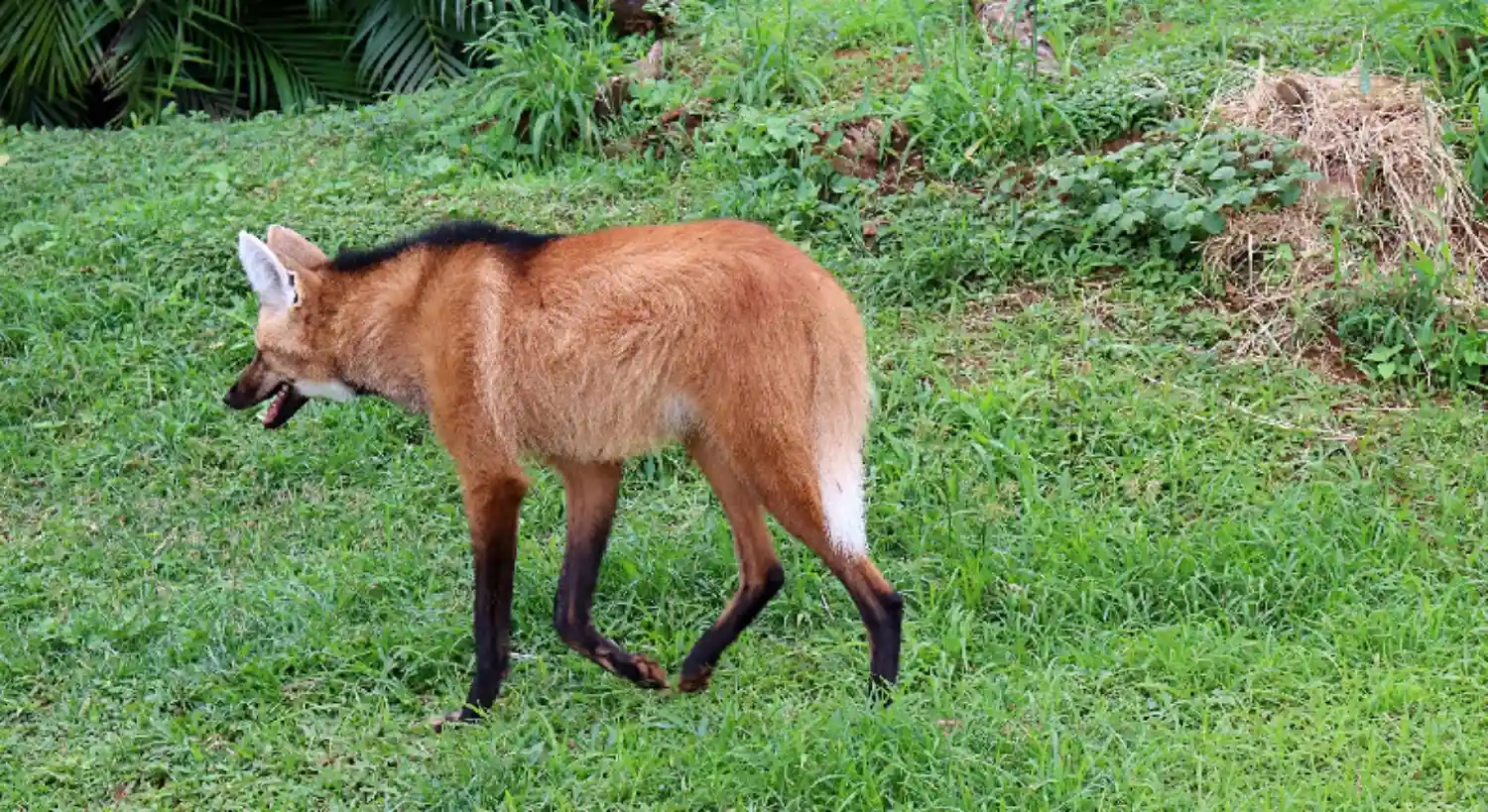
South America’s largest canid eats more fruit than meat, becoming the most efficient seed sower of Brazil’s open savannas.
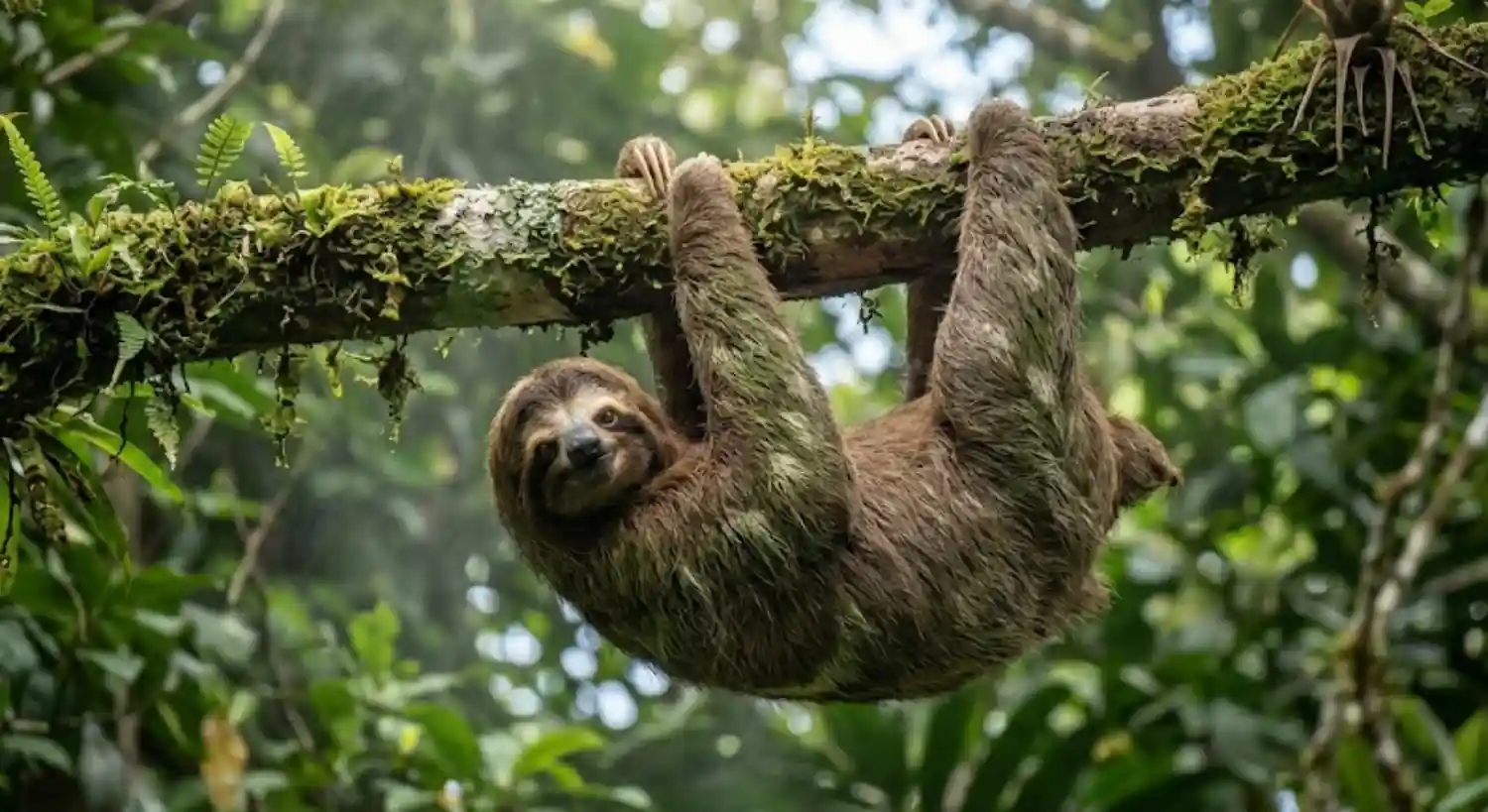
The sloth carries the slowest metabolism of any mammal in the Americas, taking a month to digest a single meal and tuning every gesture to that extreme economy.
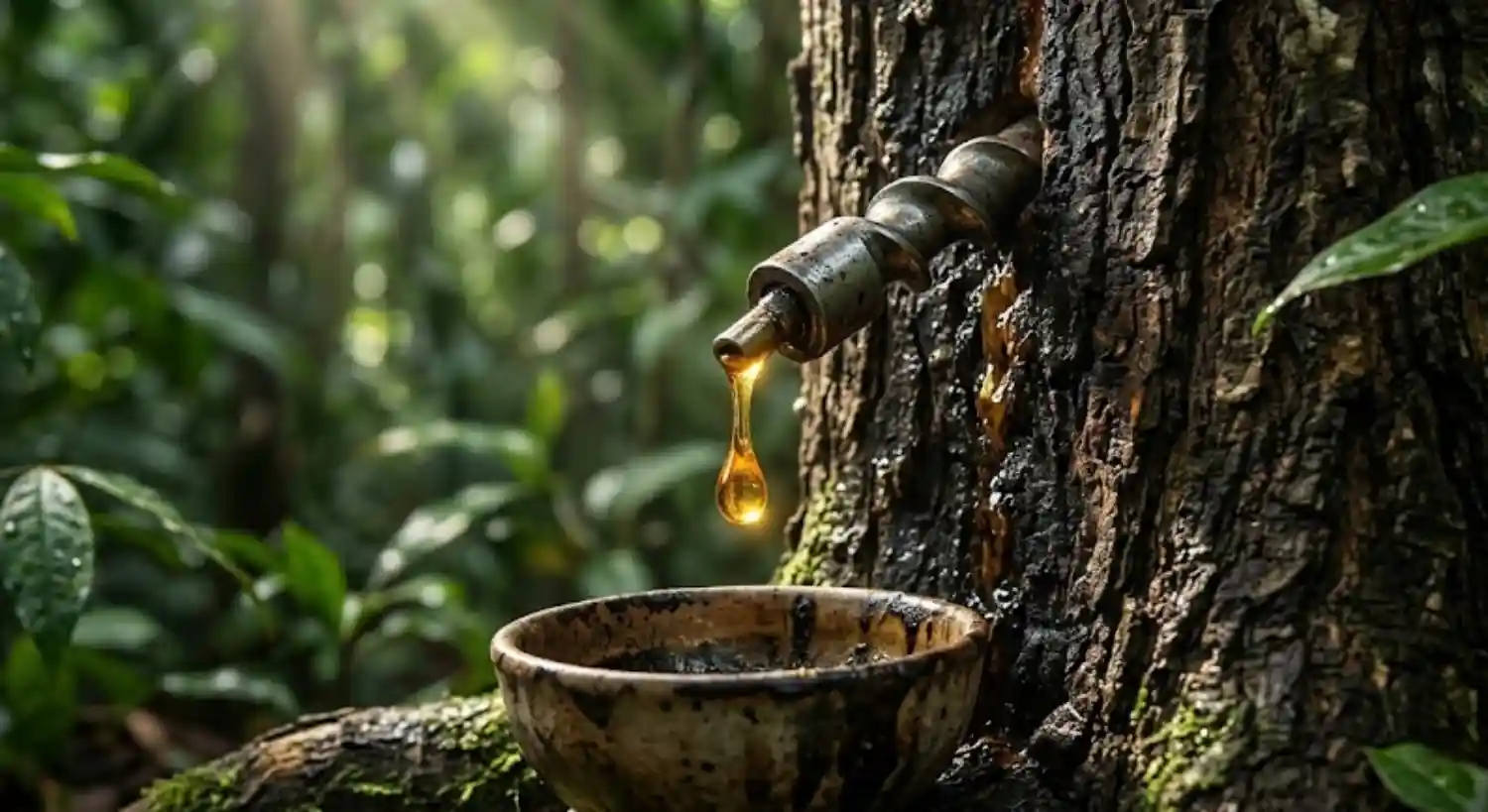
Copaiba oil is tapped without felling the tree and feeds a global chain of natural cosmetics, sustaining the income of thousands of Amazonian families.