
Laser Mapping Recalculates the True Size of Brazil’s Tucuruí Reservoir
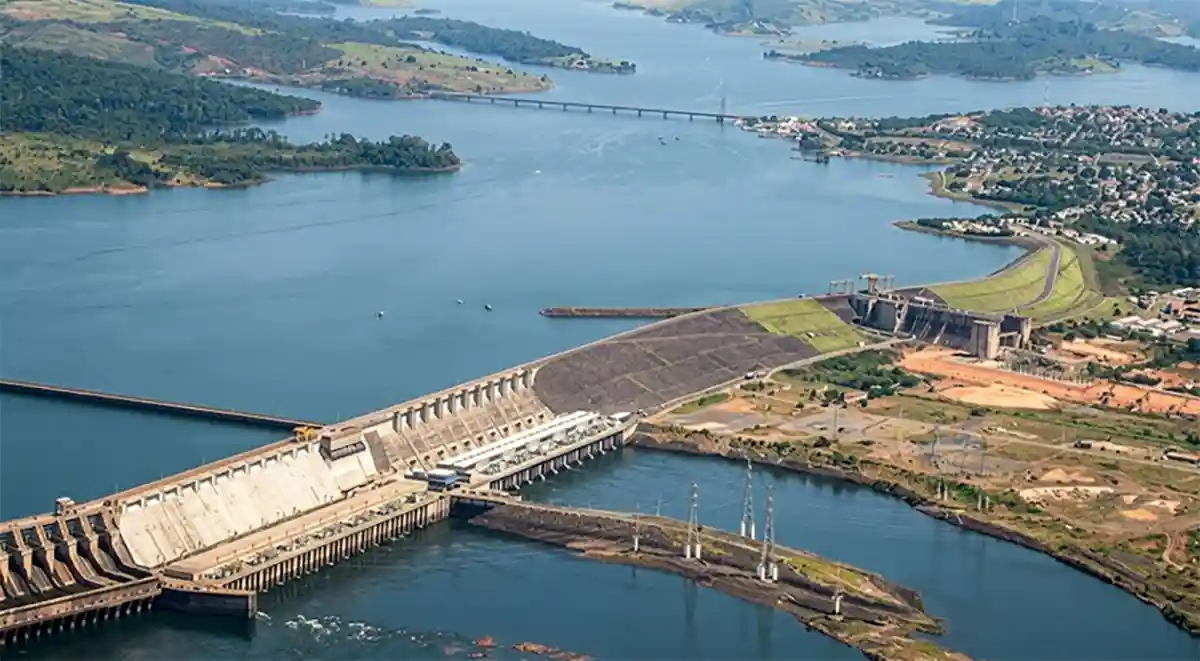
A high-precision engineering operation using LiDAR and bathymetry is mapping the Tucuruí reservoir in Pará to recalculate its true water storage capacity.
 Anne Silva
A high-precision engineering operation using LiDAR and bathymetry is mapping the Tucuruí reservoir in Pará to recalculate its true water storage capacity.
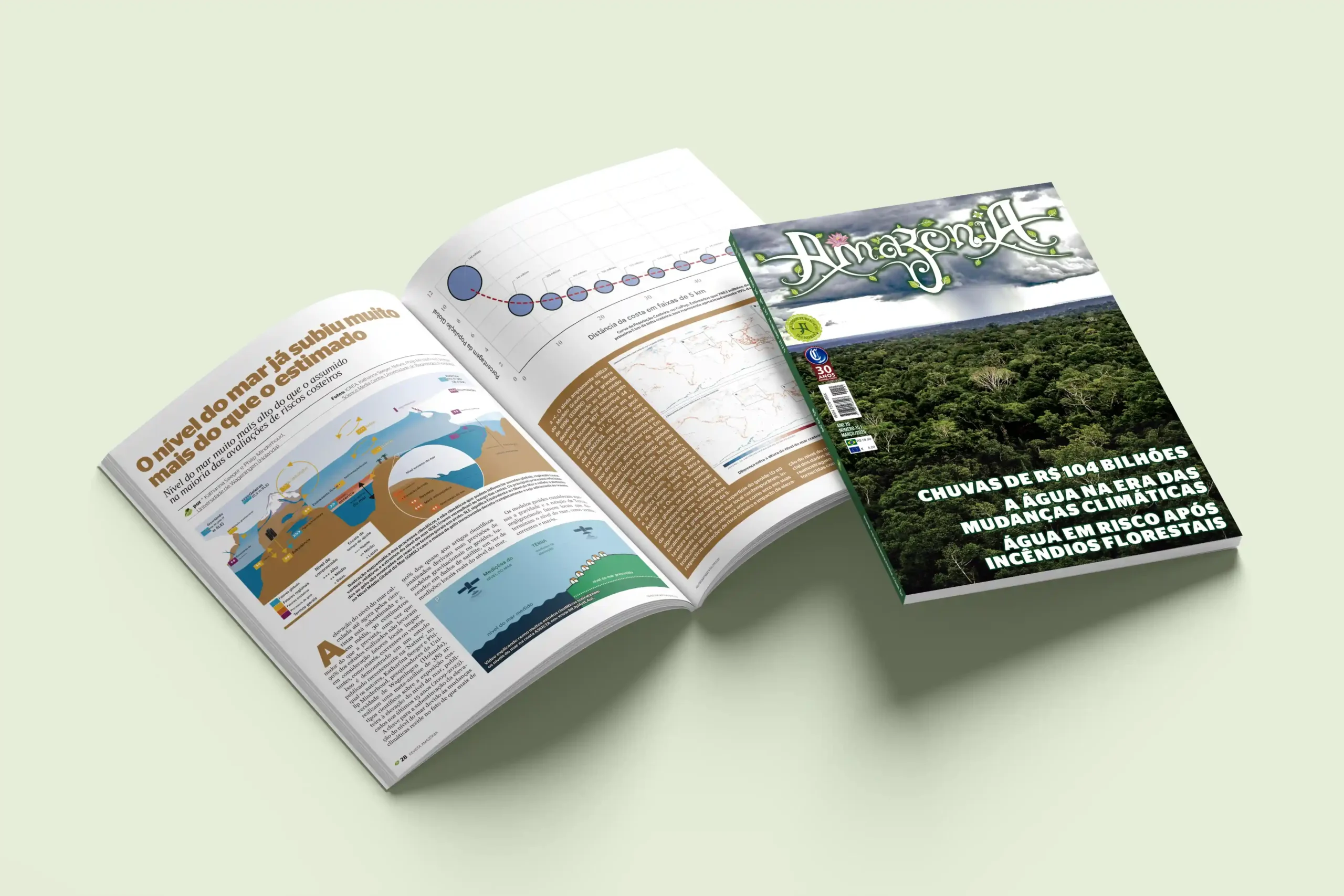
Scientists call it the hypertropical climate: droughts more severe than any record of the past millions of years, tree mortality up to 55 percent higher, and a rainfall service worth 104 billion reais a year that is starting to fail.
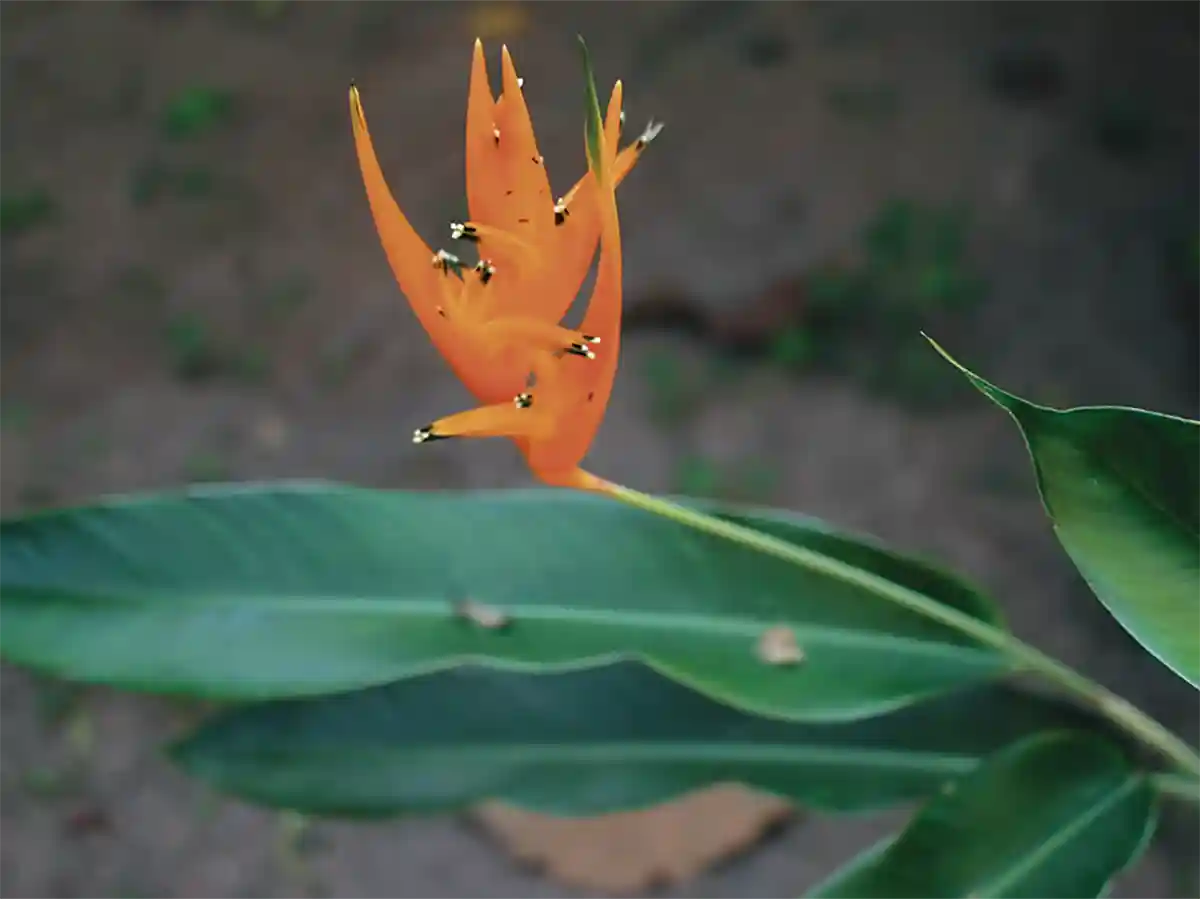
Naturalist João Batista Fernandes launches in Brasília the book Onde andei valeu a pena, gathering 100 Amazonian plant species he identified across more than four decades of expeditions in the world’s largest tropical rainforest.
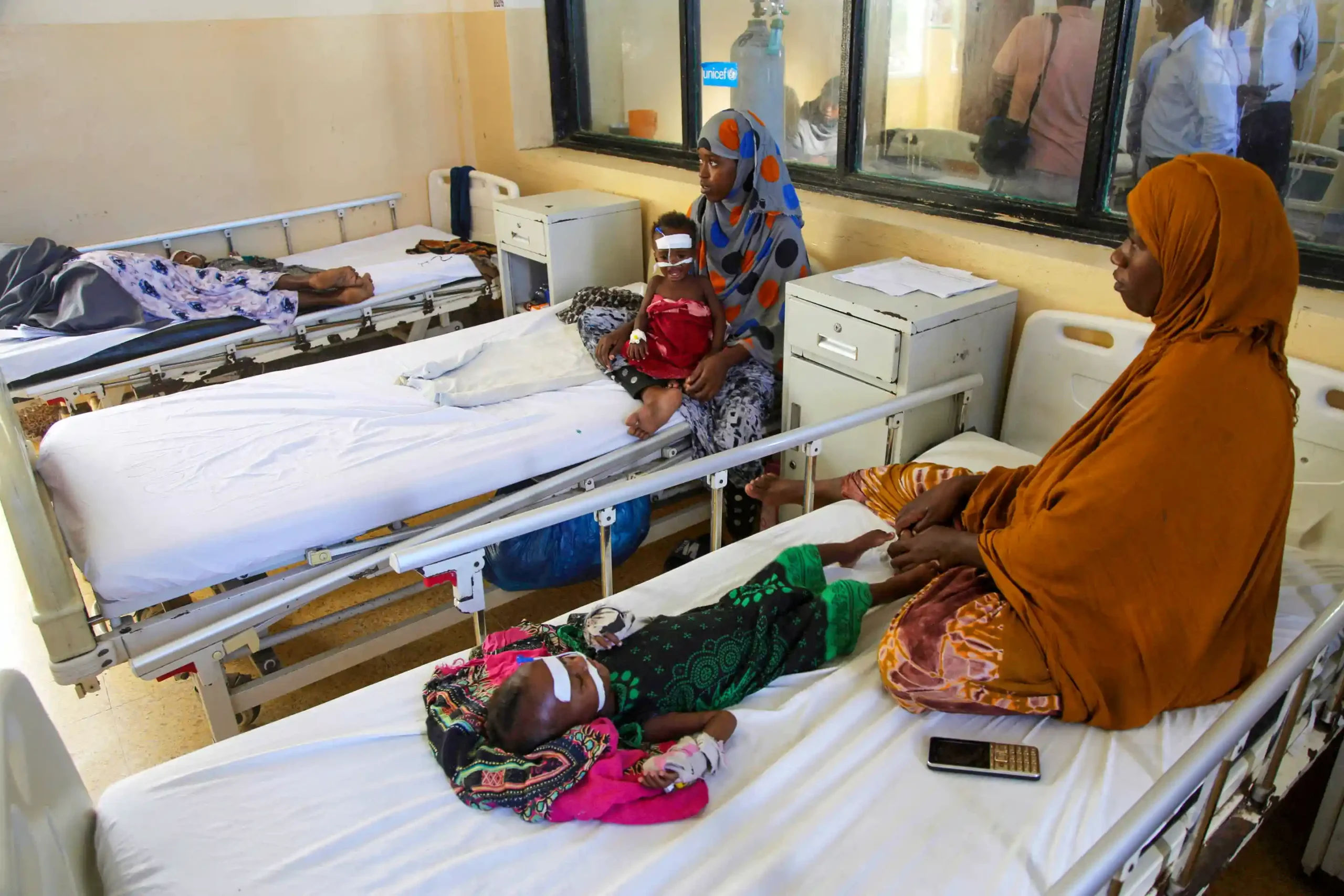
Nearly 6.5 million people in Somalia face severe hunger as worsening drought, conflict and aid cuts deepen the crisis, the federal government and UN agencies warned. The report estimates 1.84 million children will face acute malnutrition in 2026.
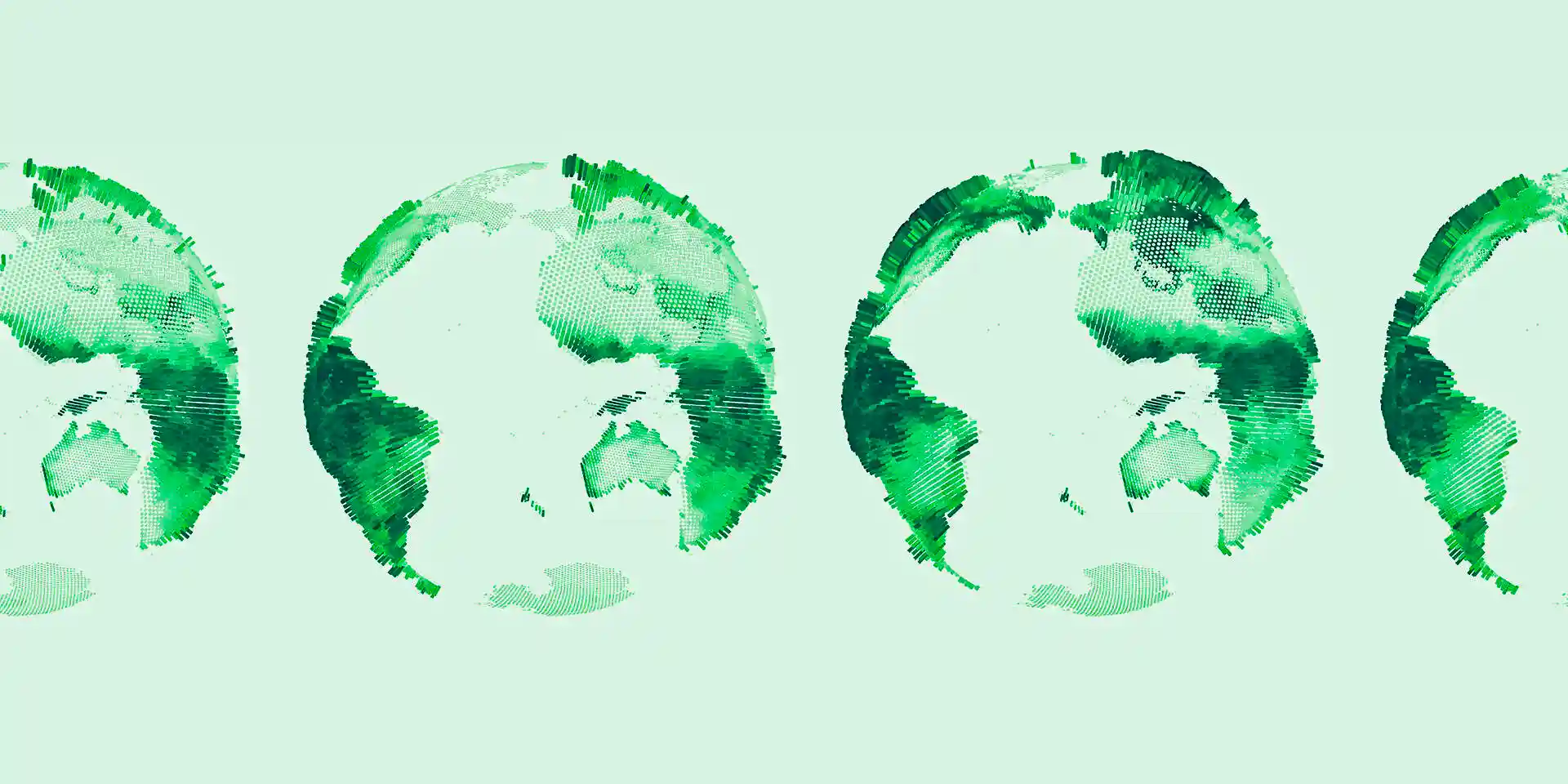
Scientists at iDiv, UFZ and Leipzig University built a method to track the center of mass of the planet’s vegetation. The result: the green wave is migrating north and east, in measurable miles per decade.
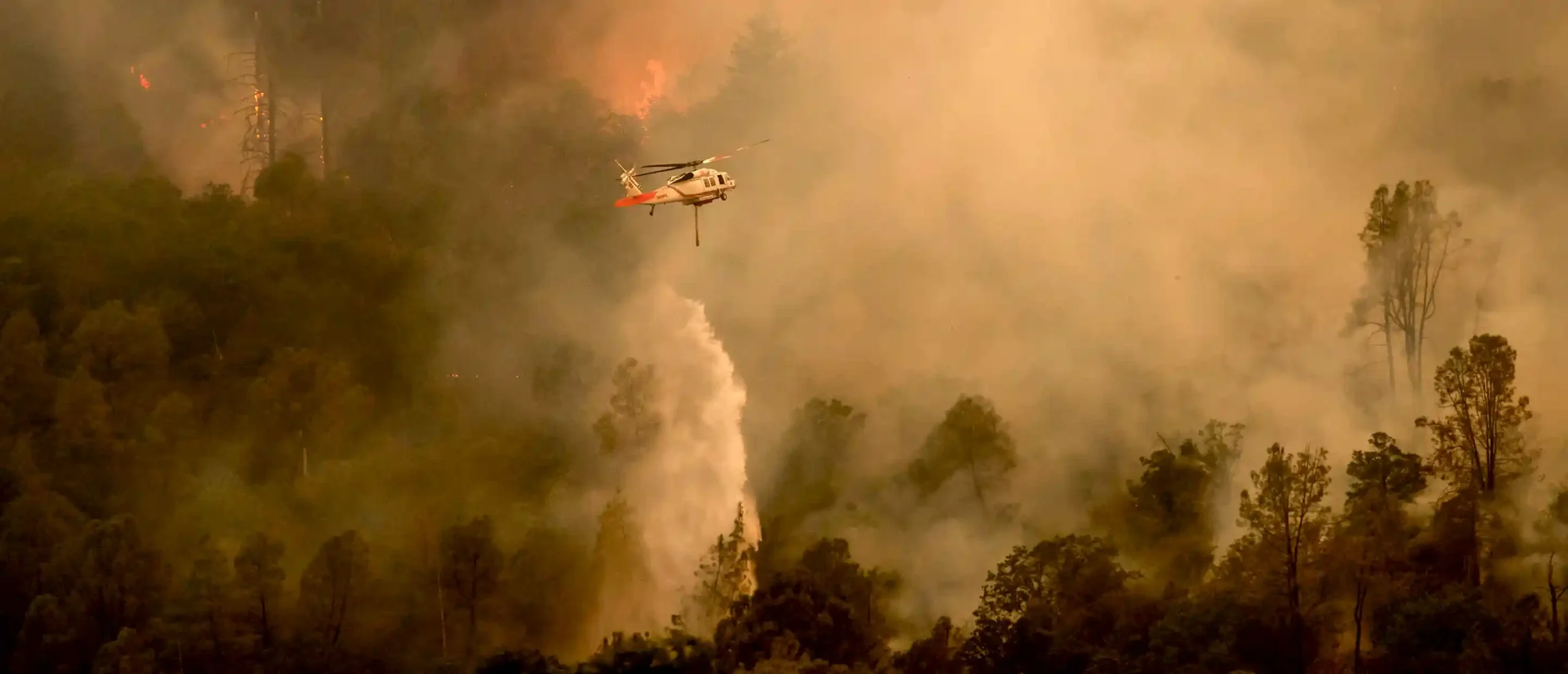
Hot, dry, windy fire days are increasingly striking many regions of the world at once. A new UC Merced and University of East Anglia study, published in Science Advances, finds that synchronized extreme fire weather has more than doubled in most regions since 1979, straining the international cooperation that firefighting depends on.
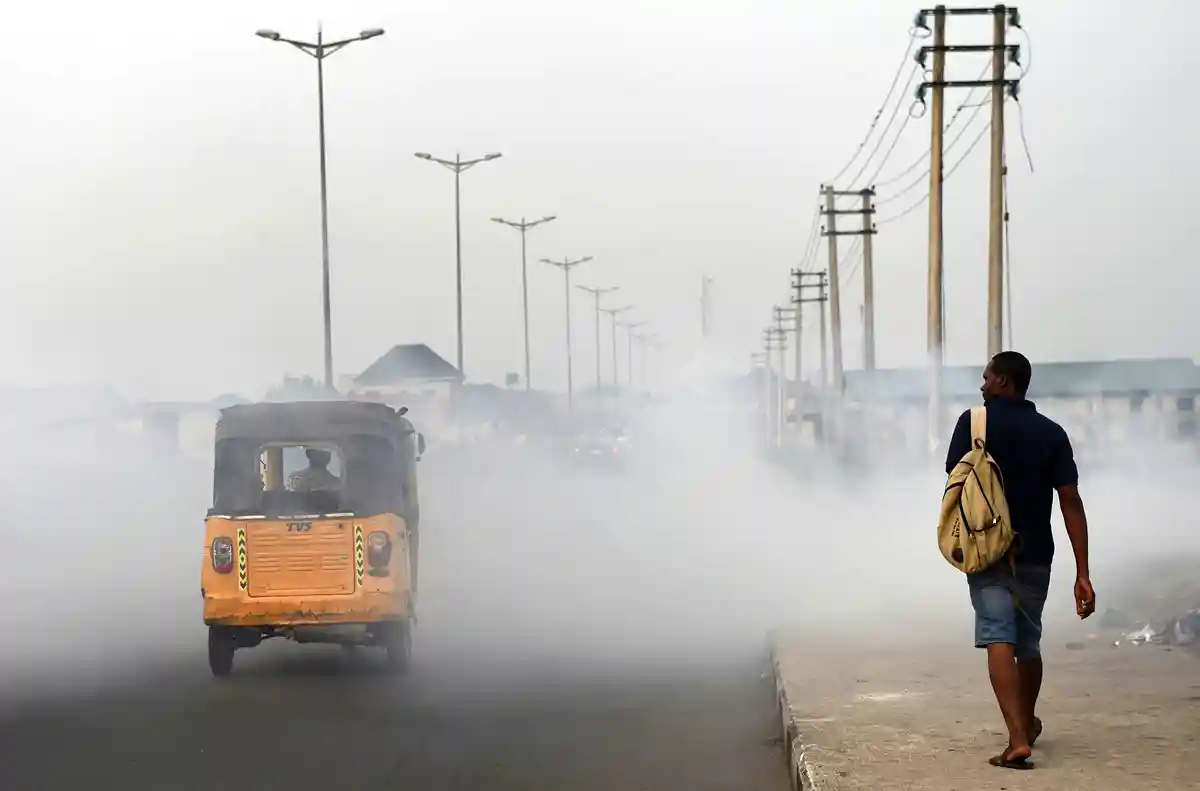
A Cardiff University study in Nature Communications finds that the most ambitious climate pathway would avoid 1.32 million deaths a year by 2040, and that developing nations depend most on emissions cuts made beyond their own borders.
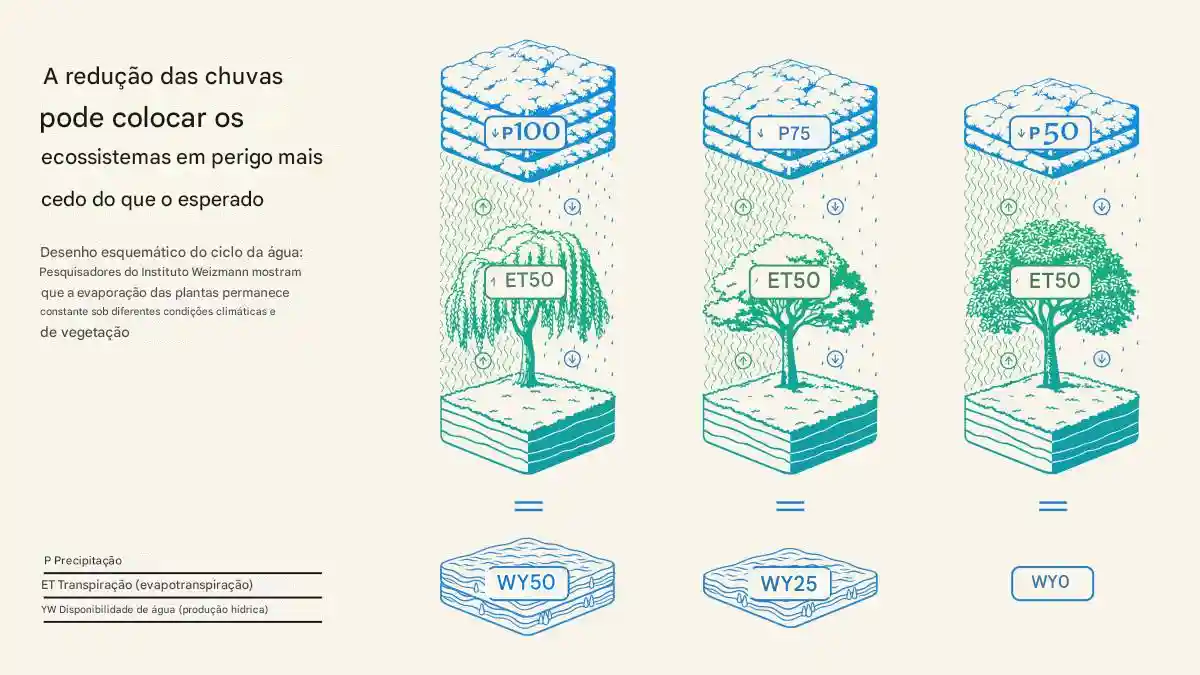
A Weizmann Institute study shows evapotranspiration saturates at around 480 mm per year. The finding leaves wet regions more exposed to floods and pushes dry ones closer to their ecological limit.
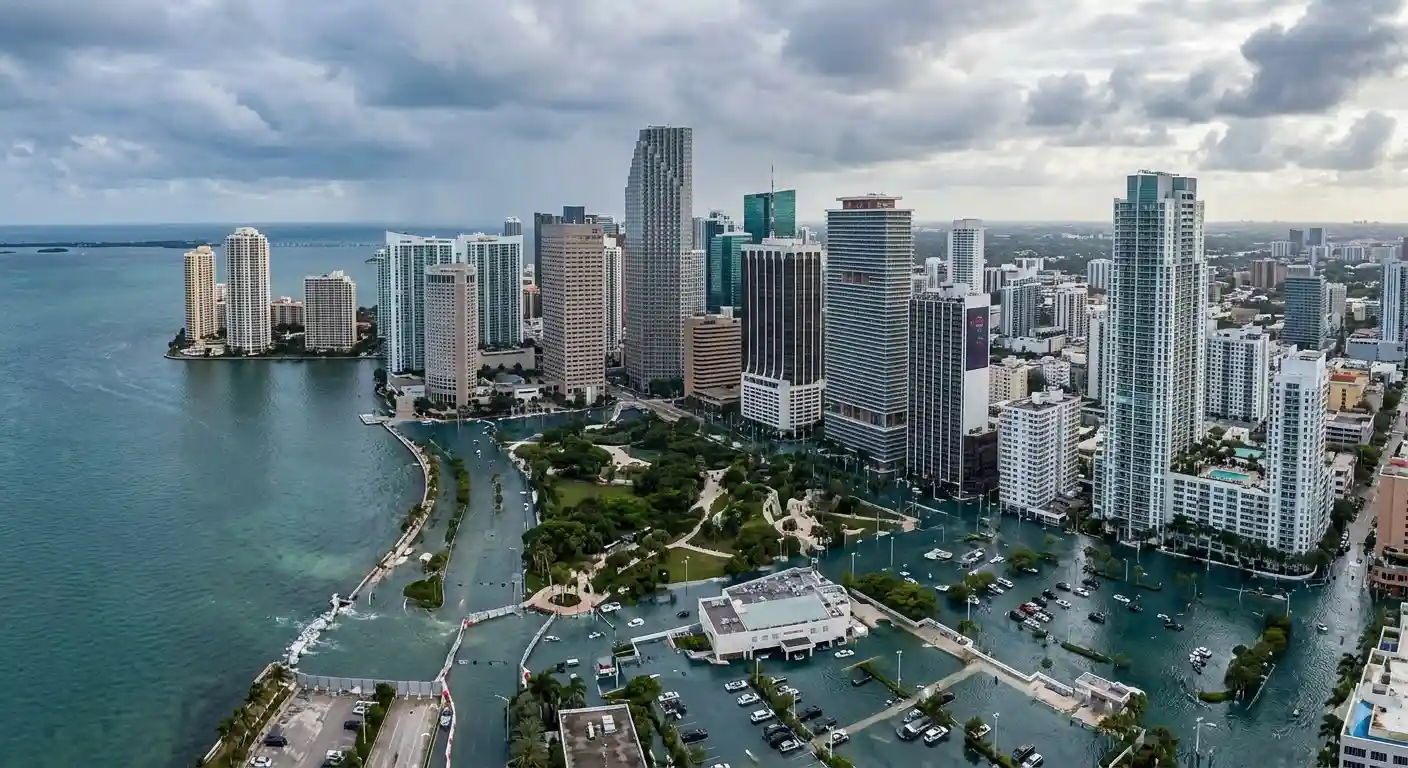
A Nature study reviewing 385 scientific papers concludes that sea level rise was underestimated by about 30 centimeters on average. In Southeast Asia and the Pacific, the gap reaches 1.5 meters.
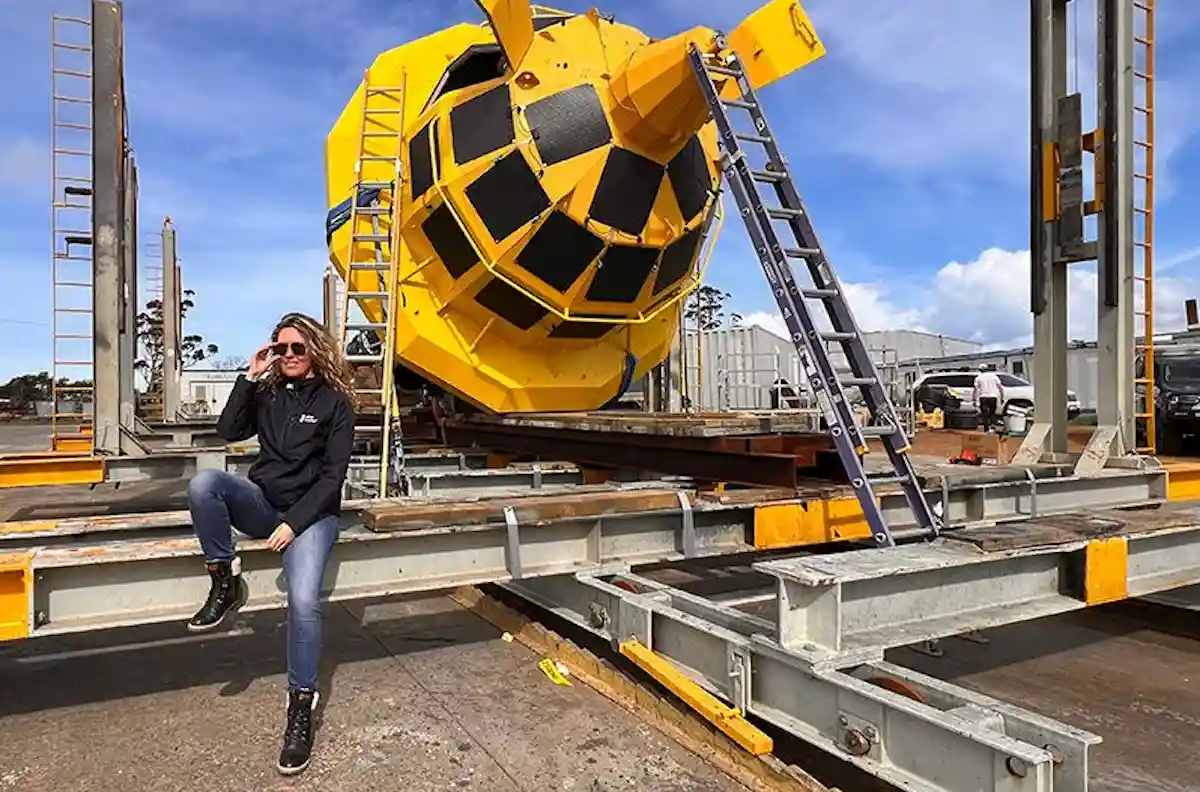
Australian startup Blue Carbon won KPMG’s Nature Positive prize with the oPod, a floating device that uses solar and wave energy to monitor, cool and oxygenate ocean water.