
Skip to content
Amazonia Mag

Amazonia Mag

  • Privacy Policy
  • About Amazonia Mag
  • Contact
  • Home

Anne Silva

Anne Silva is the editor of Amazonia Mag, the English-language edition of Revista Amazônia. She curates, translates and adapts the outlet's science and environment coverage for an international audience, reporting on Amazon wildlife, flora, rivers, climate and research. Every story she edits is grounded in peer-reviewed studies, official data and on-the-ground reporting from the Revista Amazônia newsroom in Belém, Pará, Brazil.

The Spider Monkey’s Tail Works Like a Fifth Hand, and It Helps Spread Seeds of Big Trees
October 7, 2026 by Anne Silva
Macaco-aranha se move pelos galhos com quatro membros, transforma a cauda na quinta mão e espalha sementes de árvores grandes

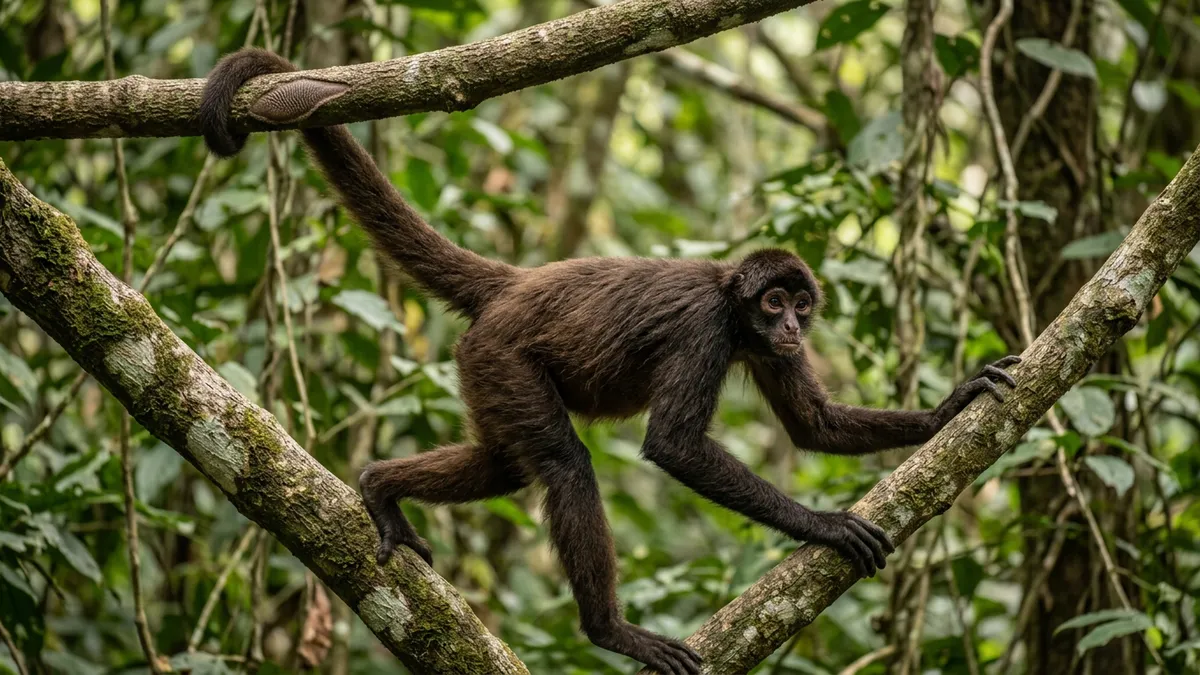
The spider monkey’s prehensile tail ends in a bare, grooved patch that adds friction on branches. That grip helps it travel the canopy and spread the seeds of large trees.
Categories Wildlife Leave a comment

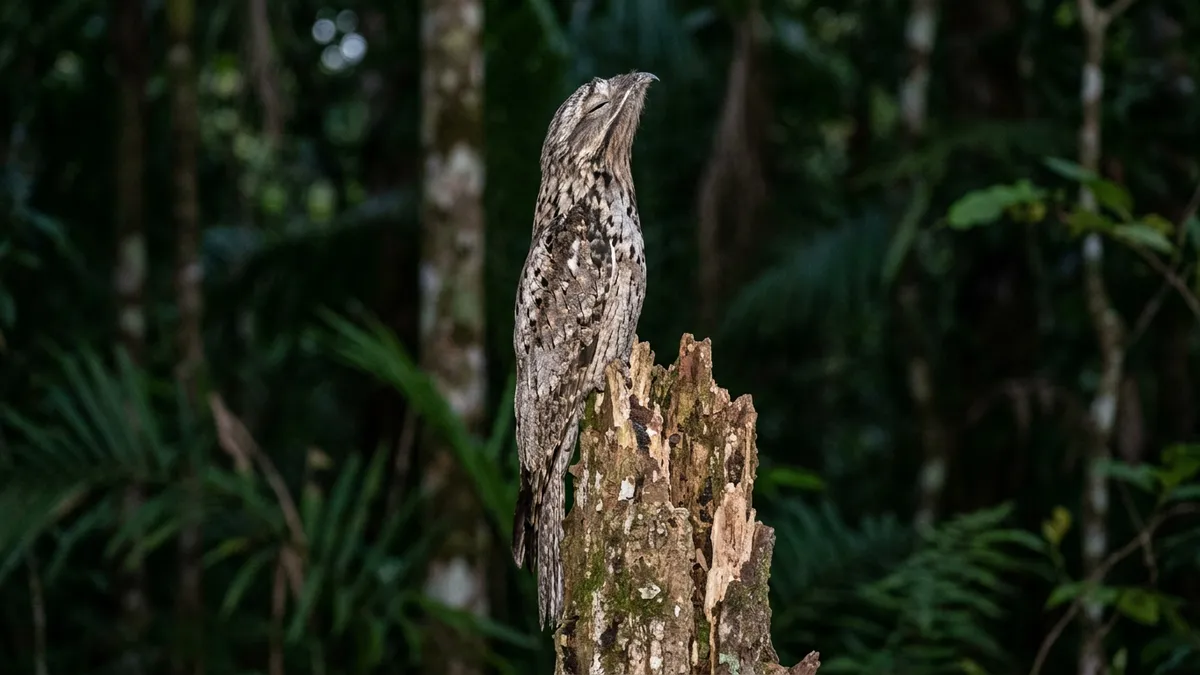
The Common Potoo Points Its Bill Skyward, Shuts Both Eyes and Hunts at Night as a Stump

October 6, 2026 by Anne Silva
Mãe-da-lua de 38 centímetros ergue o bico, fecha os 2 olhos e caça insetos à noite sem deixar o tronco denunciá-la

A potoo can reach about 15 inches (38 centimeters), yet it vanishes on a stump. Camouflaged feathers and a slit in the eyelids let it watch without moving, then hunt insects after dark.

Categories Wildlife Leave a comment

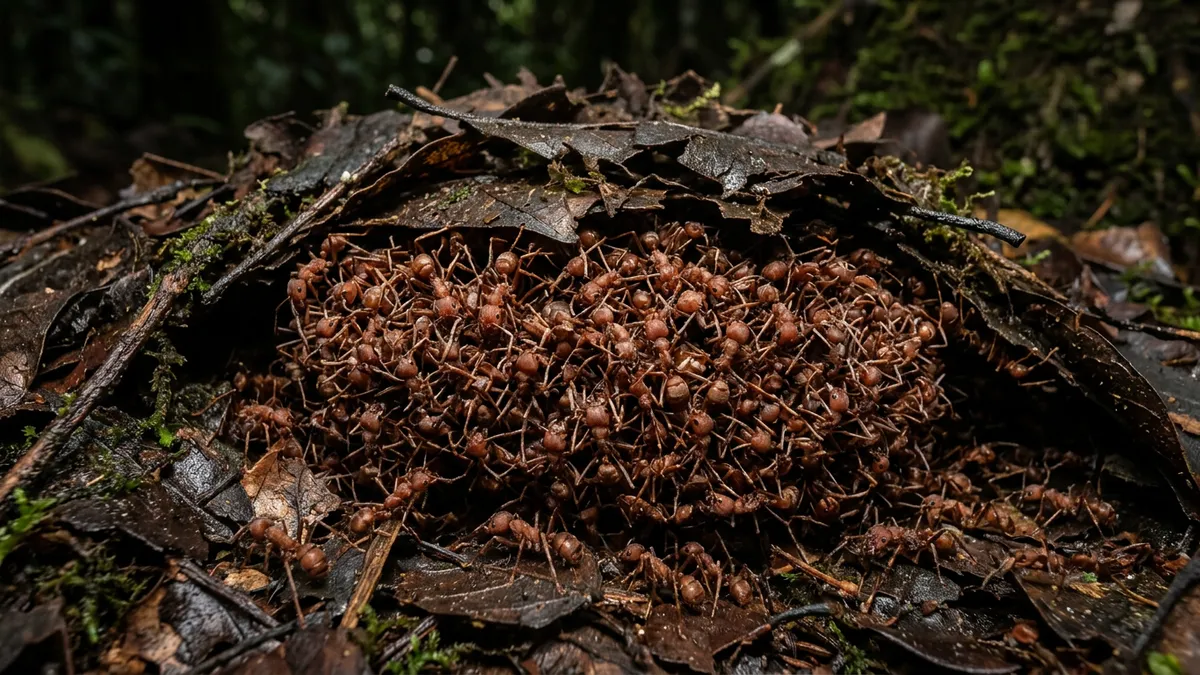
Army Ants Leave No Nest Behind: Each Night the Colony Becomes a Living Wall of Linked Workers

October 6, 2026 by Anne Silva
Formiga-de-correção abandona o formigueiro, entrelaça o corpo das operárias e transforma a colônia em parede viva a cada noite

Army ants have no fixed anthill. At night the workers lock their bodies together into a bivouac, and by day the colony marches on, stirring up the leaf litter.

Categories Wildlife Leave a comment

Dancing Manakins Rehearse in a Forest Arena, and Young Males Spend Years Learning the Steps

October 6, 2026 by Anne Silva
Tangará ensaia 2 sinais em 1 arena do sub-bosque, estala as asas em grupo e macho jovem passa anos treinando a dança

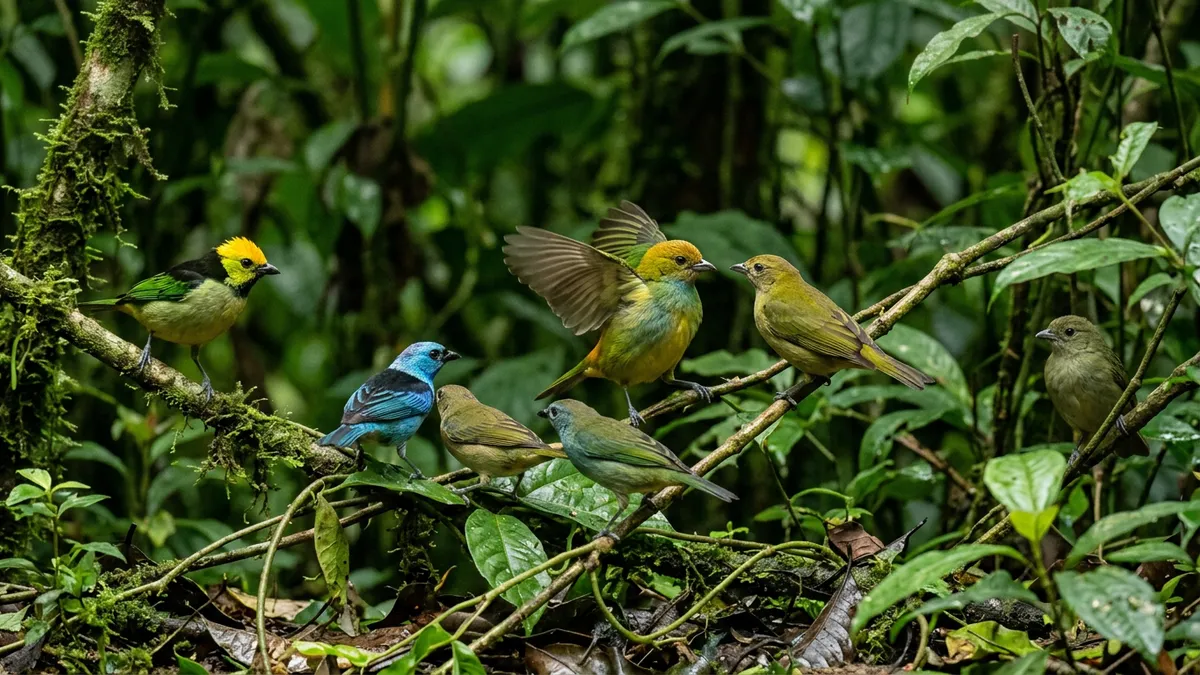
In the understory, a group of dancing manakins advances, retreats and repeats a sequence while their wings snap. Young males train for years before they master the routine.

Categories Wildlife Leave a comment

Tukana: The Tupi Word Behind “Toucan” and the Millennia of Indigenous Observation It Holds

October 6, 2026 by Anne Silva
Tukana: A etimologia tupi que revela milênios de observação indígena sobre o bico dos tucanos

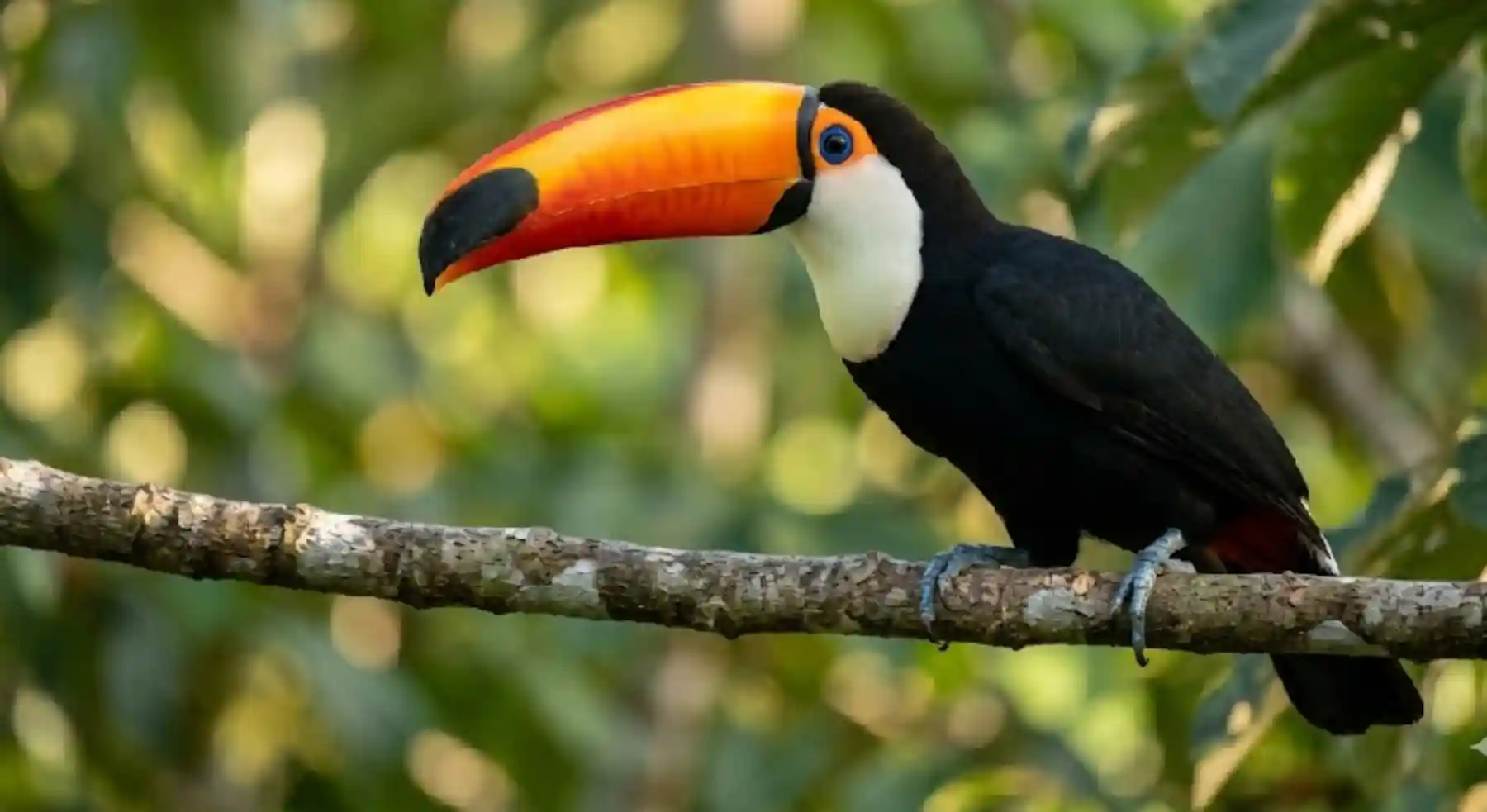
The word toucan comes from the Tupi tukana, a name that condenses observation of the bird’s behavior and body. It points to a detailed Indigenous classification of nature that predates European naturalists.

Categories Wildlife Leave a comment

Why the Red Uakari’s Crimson Face Is a Health Signal in the Amazon

October 6, 2026 by Anne Silva
O fascinante uacari vermelho do Amazonas e como seu rosto carmesim funciona como um sinalizador de saúde para seleção sexual

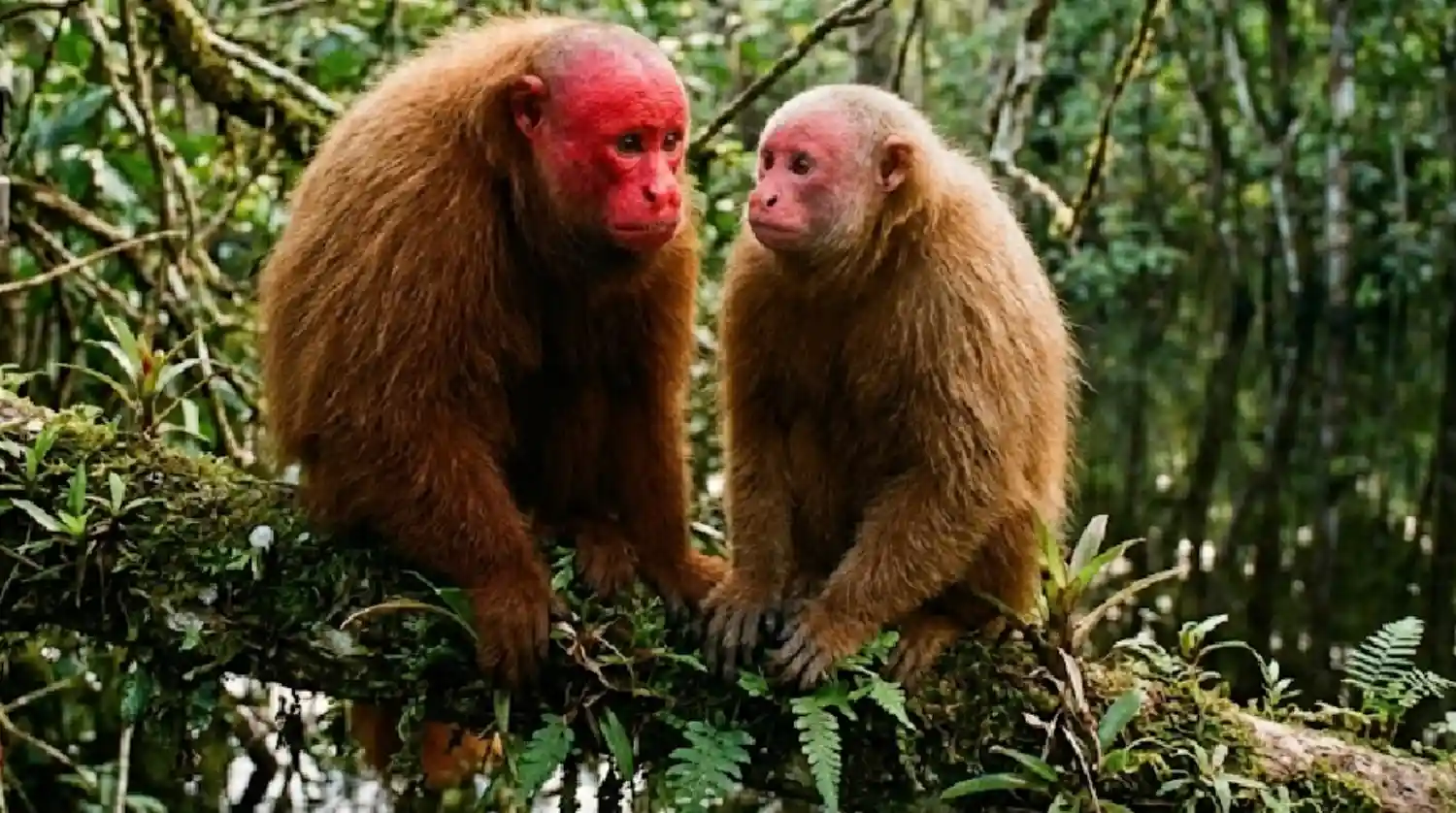
The red uakari’s face is not pigment: it is blood beneath ultra-thin skin, and its intensity tells females how healthy a male really is.

Categories Wildlife Leave a comment

Up to 4,000 Golden Lanceheads Live on 106 Acres off Brazil, and Nowhere Else on Earth

October 6, 2026 by Anne Silva
As serpentes da Ilha da Queimada Grande só existem naquele pedaço de terra e uma picada pode matar em menos de uma hora Bothrops insularis. Ilha das Cobras.

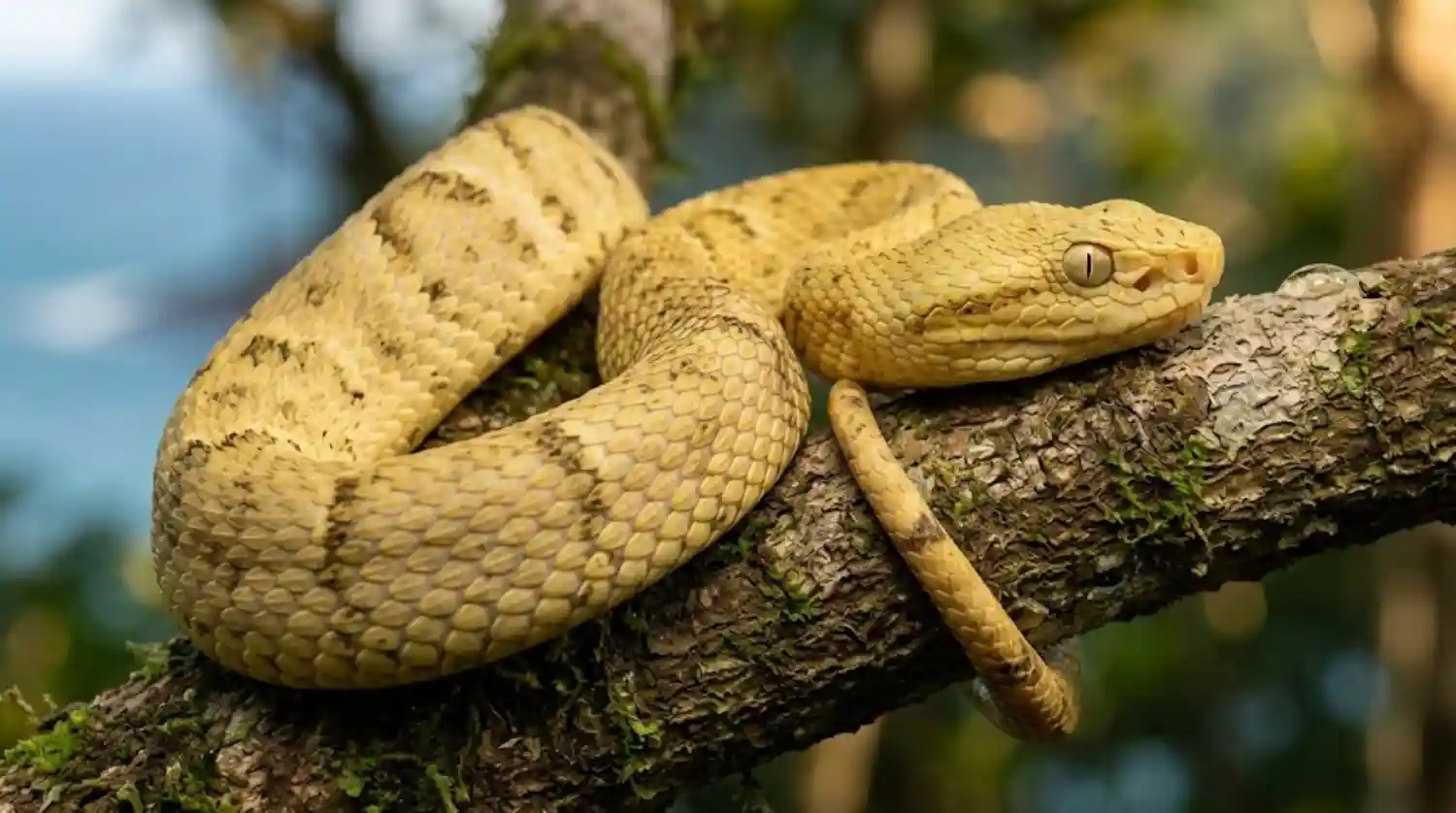
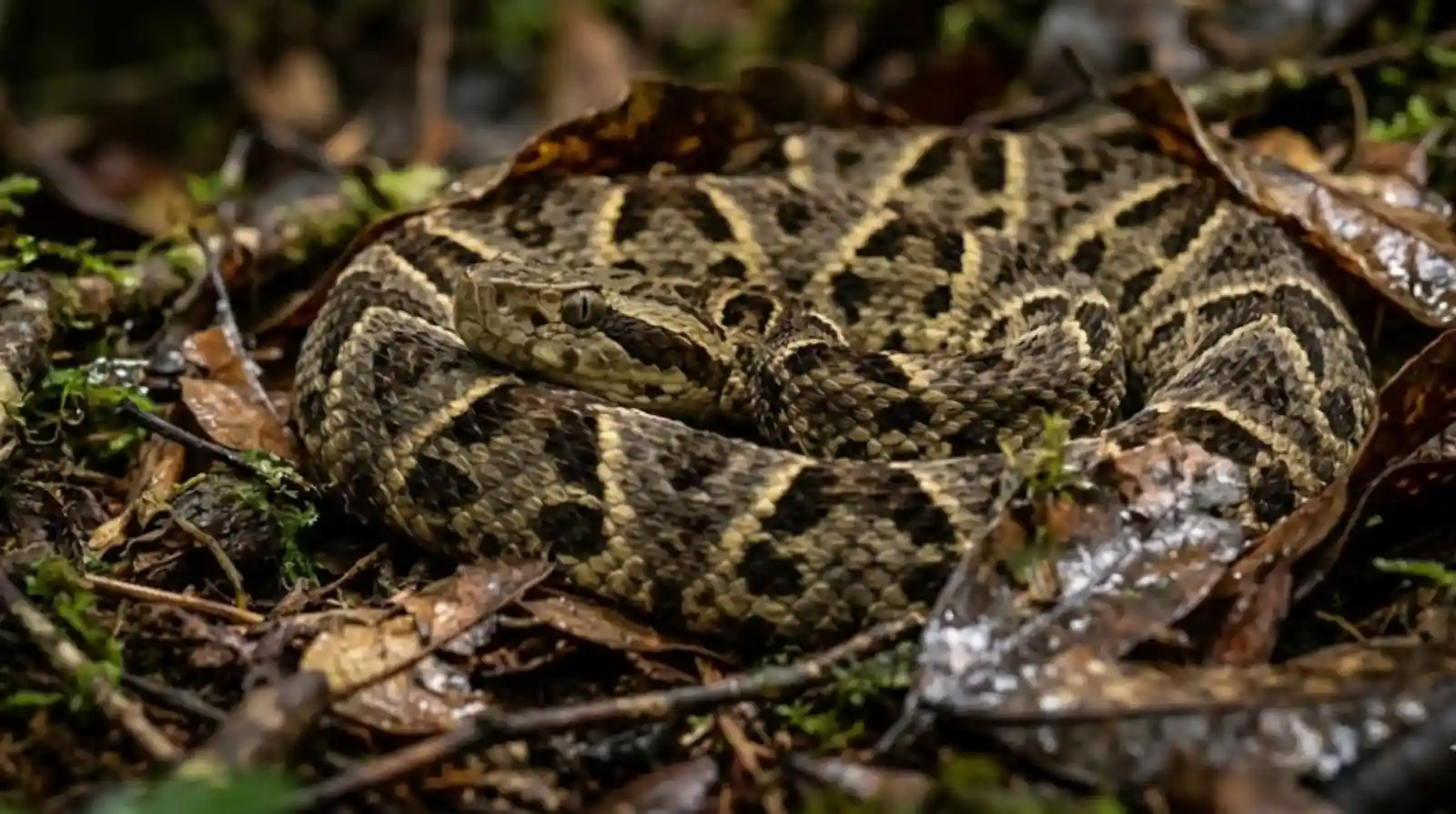
The golden lancehead (Bothrops insularis) lives only on Queimada Grande Island, about 22 miles (35 km) off the coast of São Paulo state. An estimated 2,000 to 4,000 snakes share 106 acres.

Categories Wildlife Leave a comment

Buriti: The Cerrado Palm That Feeds Macaws, Maned Wolves and Whole Communities

October 5, 2026 by Anne Silva
O buriti a palmeira da vida no Cerrado que alimenta araras lobos e sustenta comunidades inteiras simultaneamente

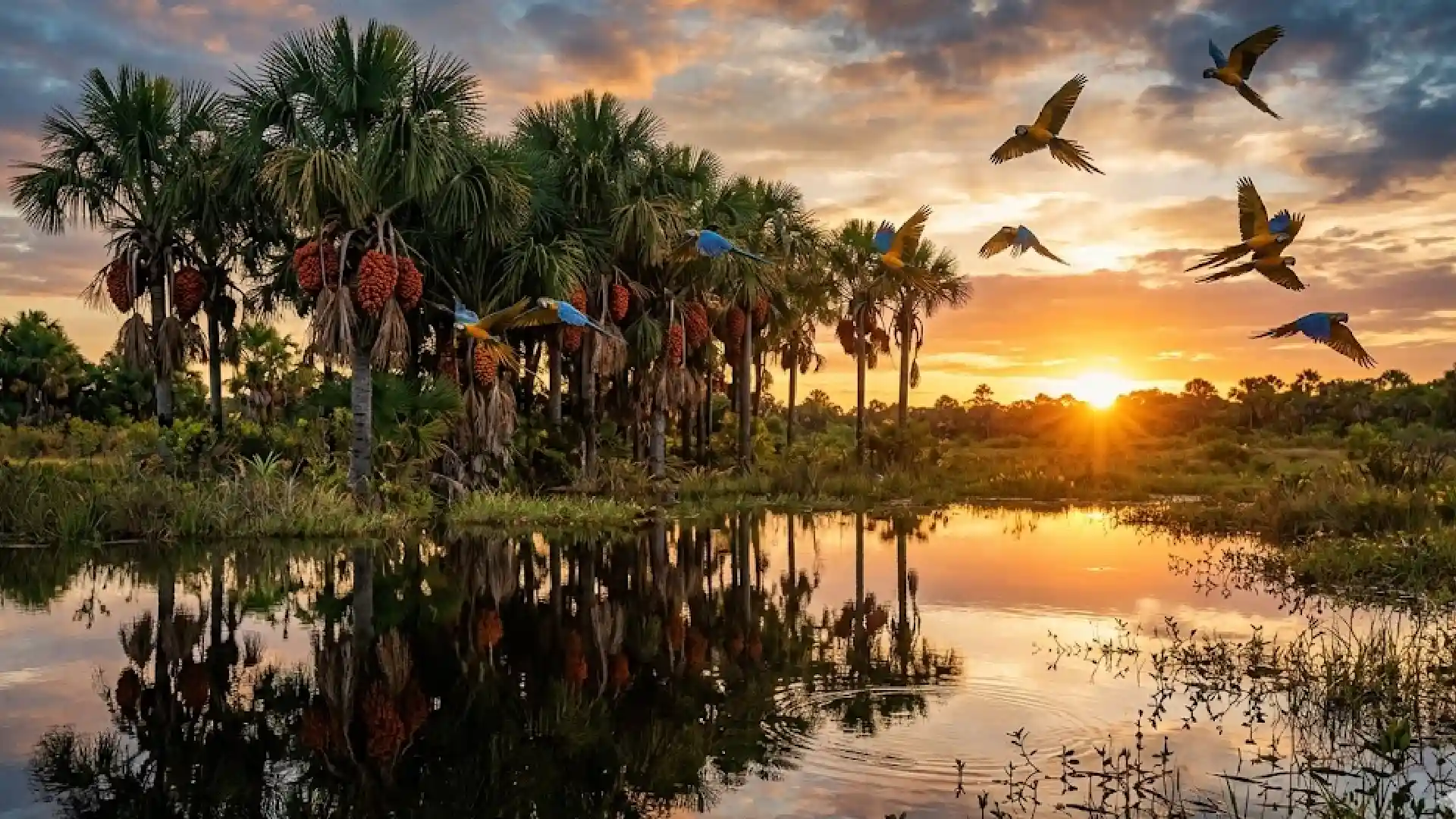
The buriti palm (Mauritia flexuosa) anchors the Cerrado’s veredas, feeds macaws and the maned wolf, and gives income to extractivist families.

Categories Flora Leave a comment

Brazil’s Biggest Venom Yield: How the Jararacuçu Inspires New Medicines

October 5, 2026 by Anne Silva
Como a imponente serpente jararacuçu produz o veneno mais abundante do Brasil e ajuda cientistas a criarem novos medicamentos

Bothrops jararacussu can inject up to 800 mg of venom in one bite, more than any other Brazilian snake, and Brazilian scientists study its peptides for new drugs.

Categories Wildlife Leave a comment

The Peach Palm Fruit Fed Indigenous Peoples for Millennia and Now Reaches Brazil’s Finest Menus

October 5, 2026 by Anne Silva
Como a pupunha alimentou povos indígenas por milênios e agora conquista a alta gastronomia brasileira com sabor e sustentabilidade

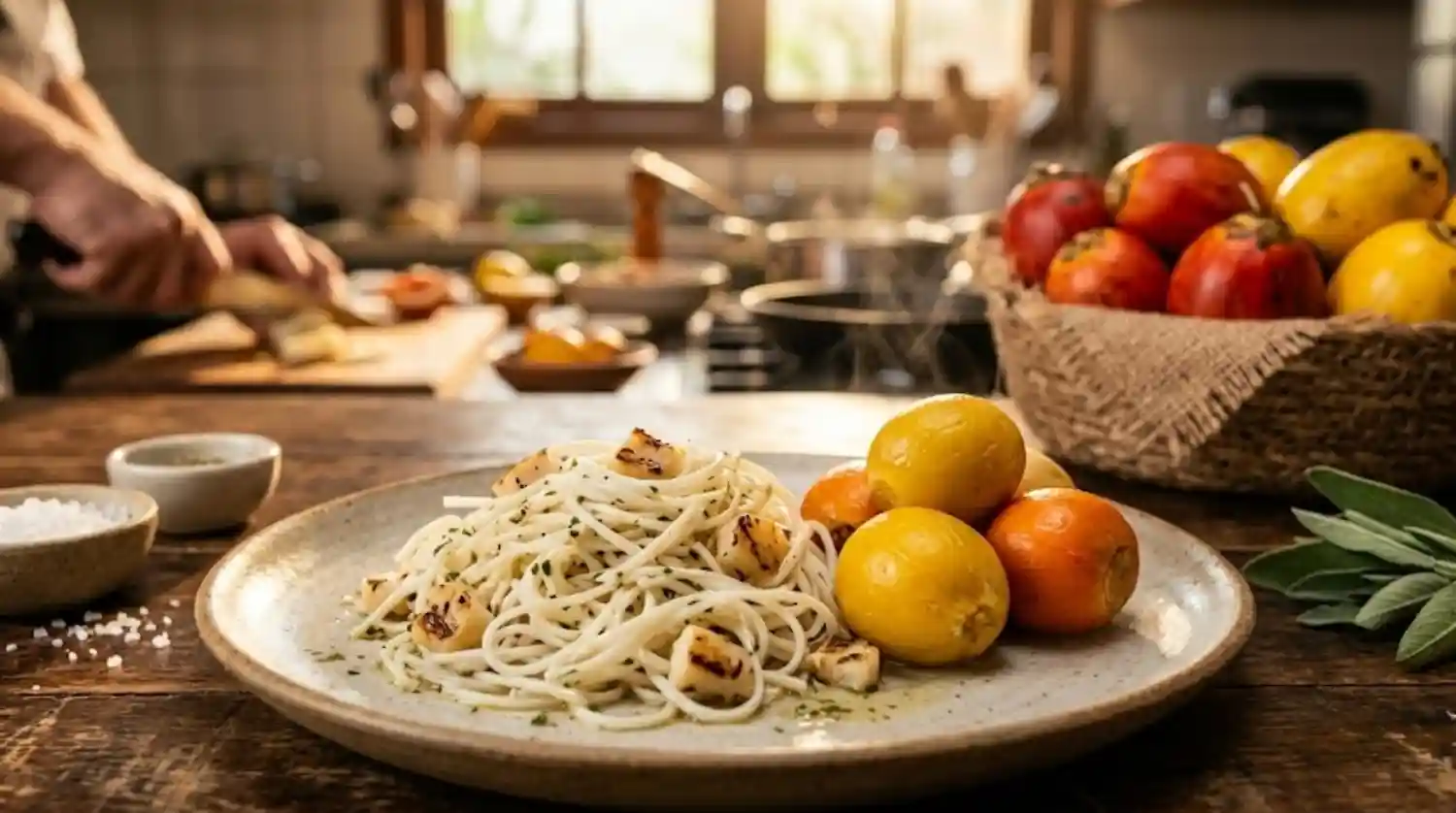
The pupunha (Bactris gasipaes), or peach palm, was among the first plants domesticated in the Americas. Its fruit, a staple for Indigenous peoples, is now being rediscovered by Brazilian chefs.

Categories Flora Leave a comment
Older posts
Newer posts
← Previous Page1 … Page15 Page16 Page17 … Page46 Next →

Recent Posts

  • Why the jabuticaba tree flowers on its trunk, and where the buds come from, according to USP
  • Pinheirão, a 500-year-old araucária, fell unseen in Brazil and scientists rushed to clone it
  • Albino veado-campeiro, a pure white pampas deer, spotted in Brazil’s Pantanal grasslands
  • Alagoas curassow, the mutum-de-alagoas, returns to Brazil’s Atlantic Forest after 40 years
  • Chaco eagle (águia-cinzenta) is one of Brazil’s largest raptors and almost nobody has ever seen one
About · Contact · Privacy Policy
© 2026 Amazonia Mag · International edition of Revista Amazônia · Published by Editora Círios, Belém, PA, Brazil