
Octopuses Sleep in Two States and May Dream for Seconds, a Study in Brazil Finds
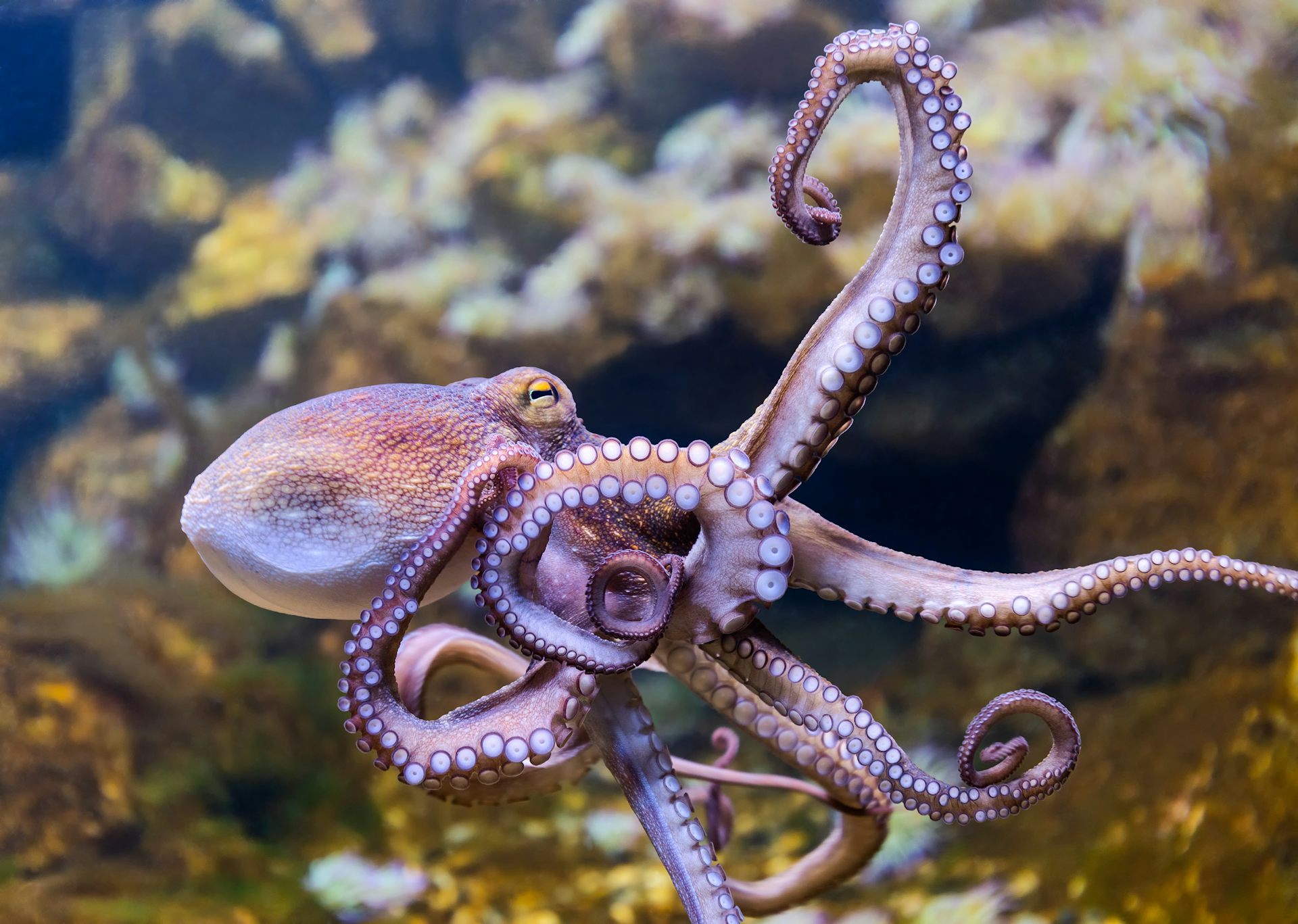
Four wild octopuses alternated between quiet and active sleep, with color changes and eye and arm movements. Scientists still cannot say they dream.
Four wild octopuses alternated between quiet and active sleep, with color changes and eye and arm movements. Scientists still cannot say they dream.
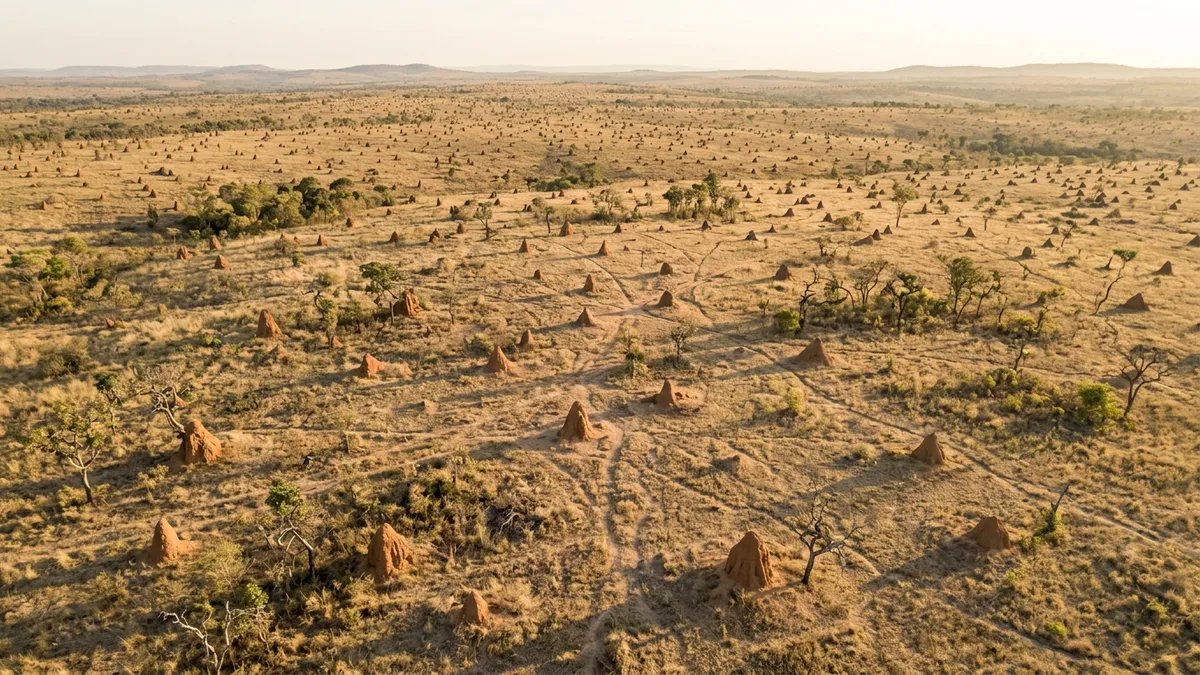
Millions of earthen mounds built by termites, Syntermes dirus, form a landscape that satellites can see. Generations of workers kept a network of tunnels going for about four thousand years.
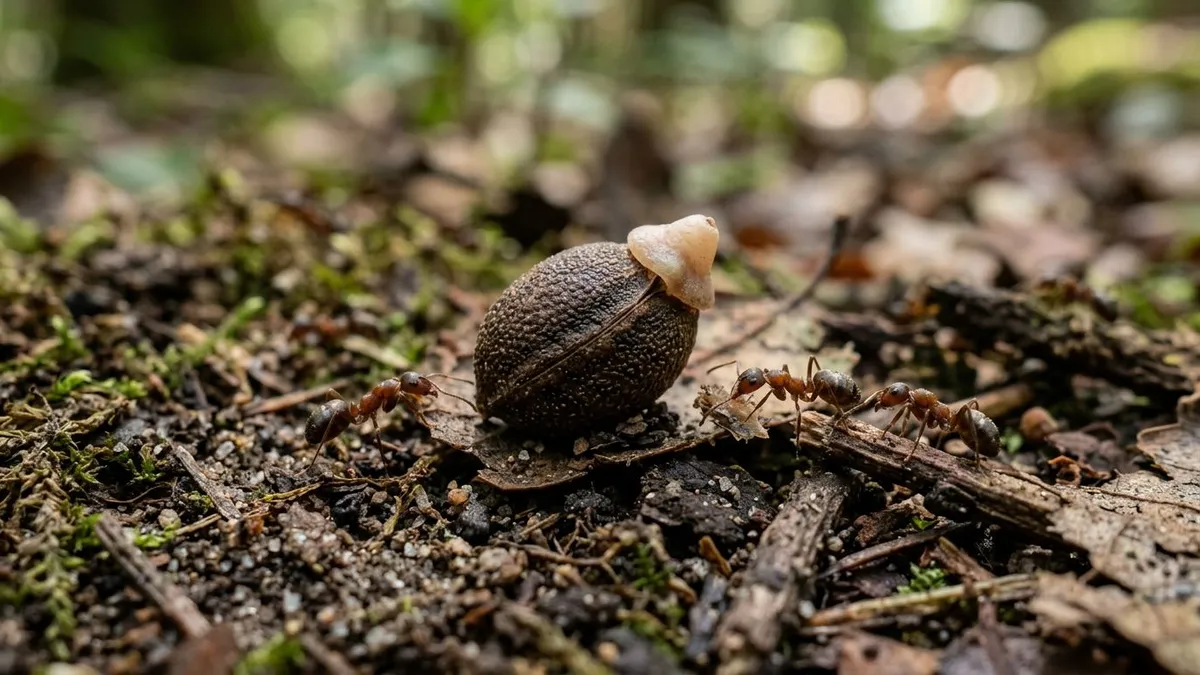
Female stick insects lay eggs that copy the look and the food reward of plant seeds. Ants haul them into underground nests, where wasps cannot reach the developing embryos.
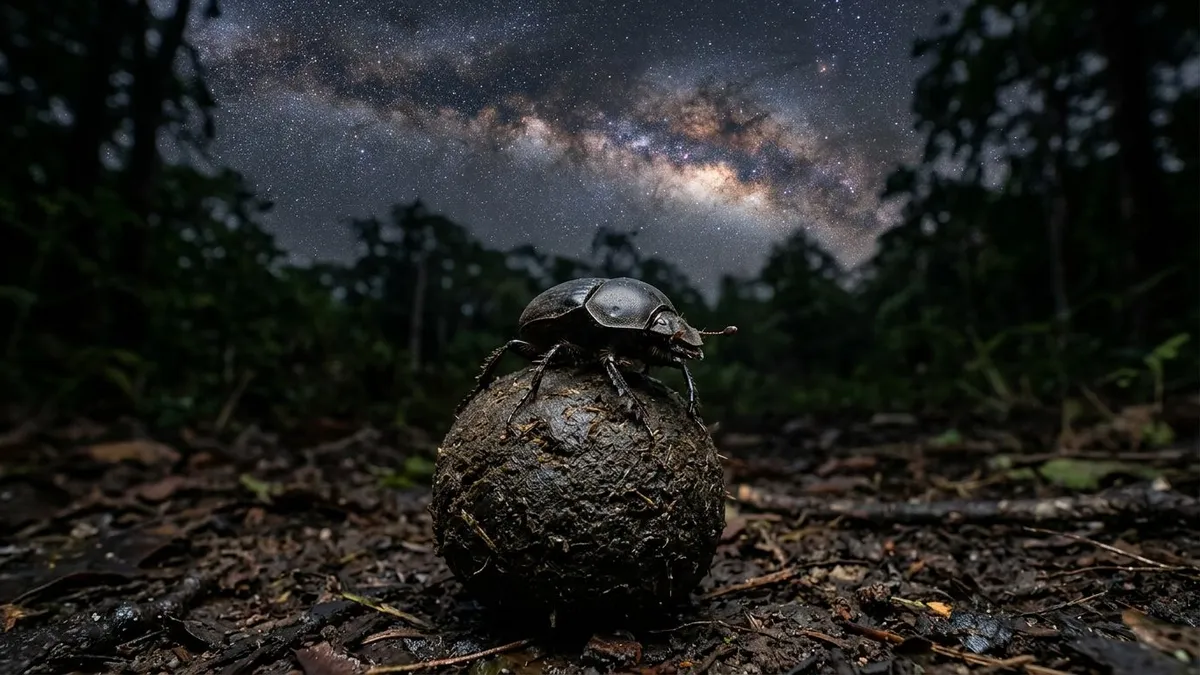
Dung beetles read the faint band of the Milky Way as a night compass. It keeps their dung balls moving in a straight line, away from rivals that would steal them.
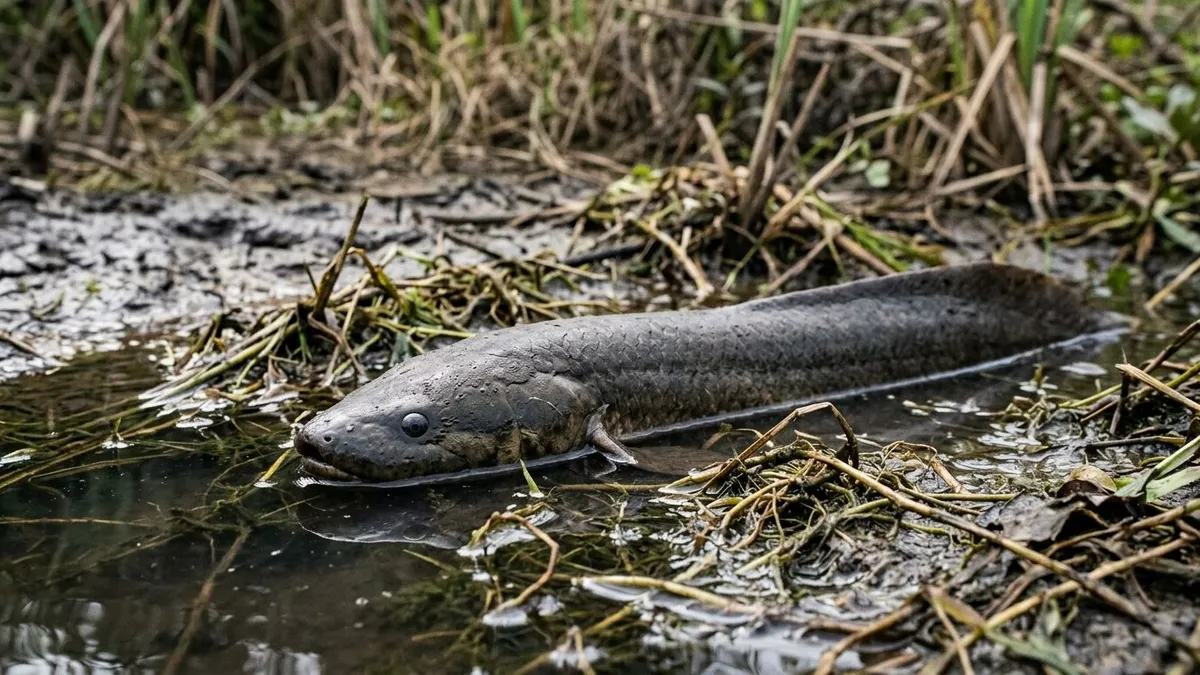
The apple snail, known in Brazil as aruá, pairs gills with a lung and a siphon to breathe water and air, and lays its eggs out of reach of aquatic predators.
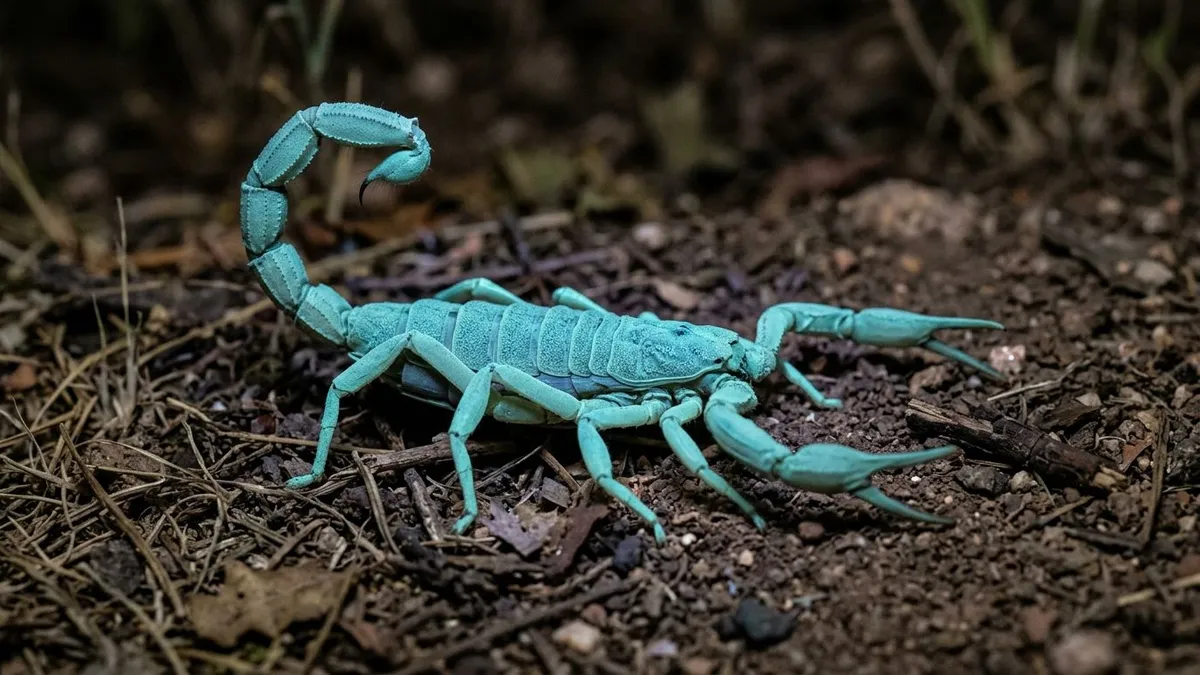
The scorpion’s cuticle turns ultraviolet light into visible glow, yet no one has settled what the glow is for. Three hypotheses remain open.
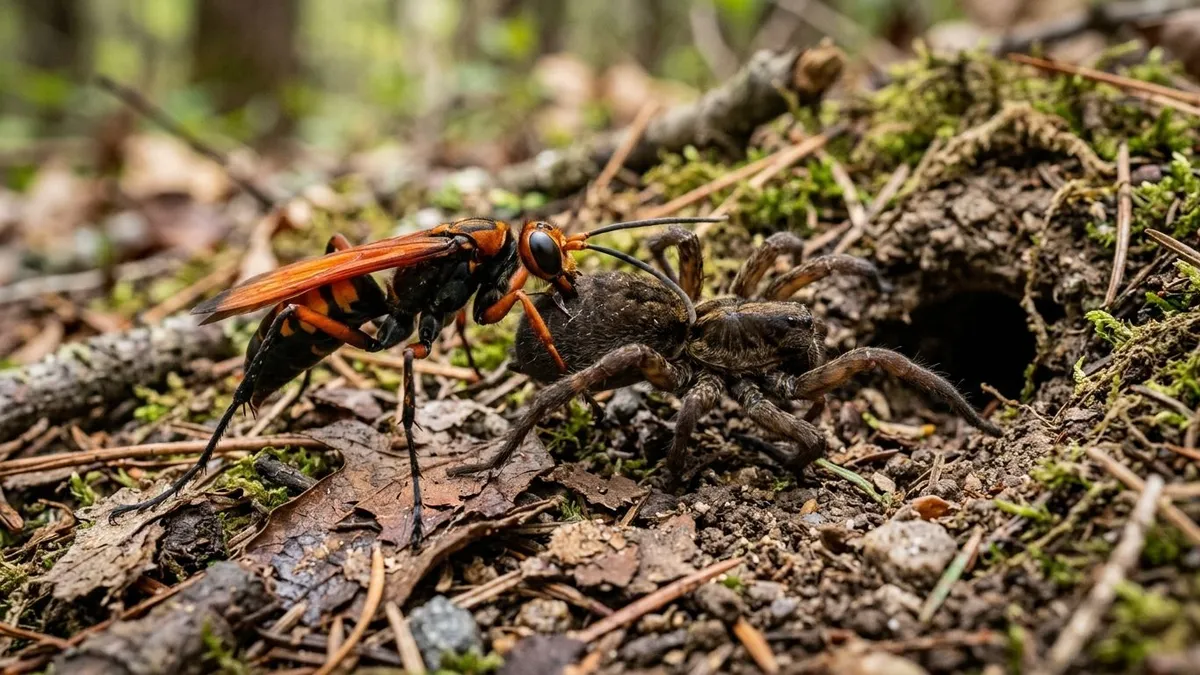
A single sting stops the spider without killing it, giving a spider wasp fresh food for one larva growing in a sheltered burrow.
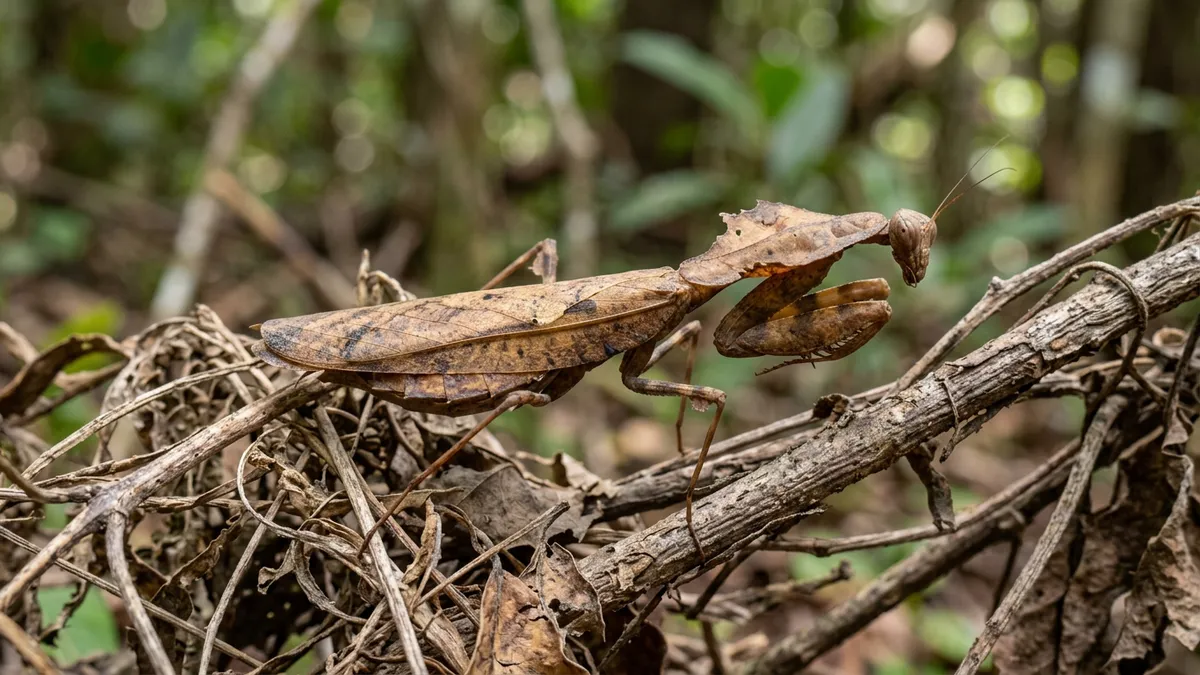
A mantis that looks like a dry leaf waits motionless, judges distance with both eyes and snaps its forelegs shut once prey comes within a few centimeters.
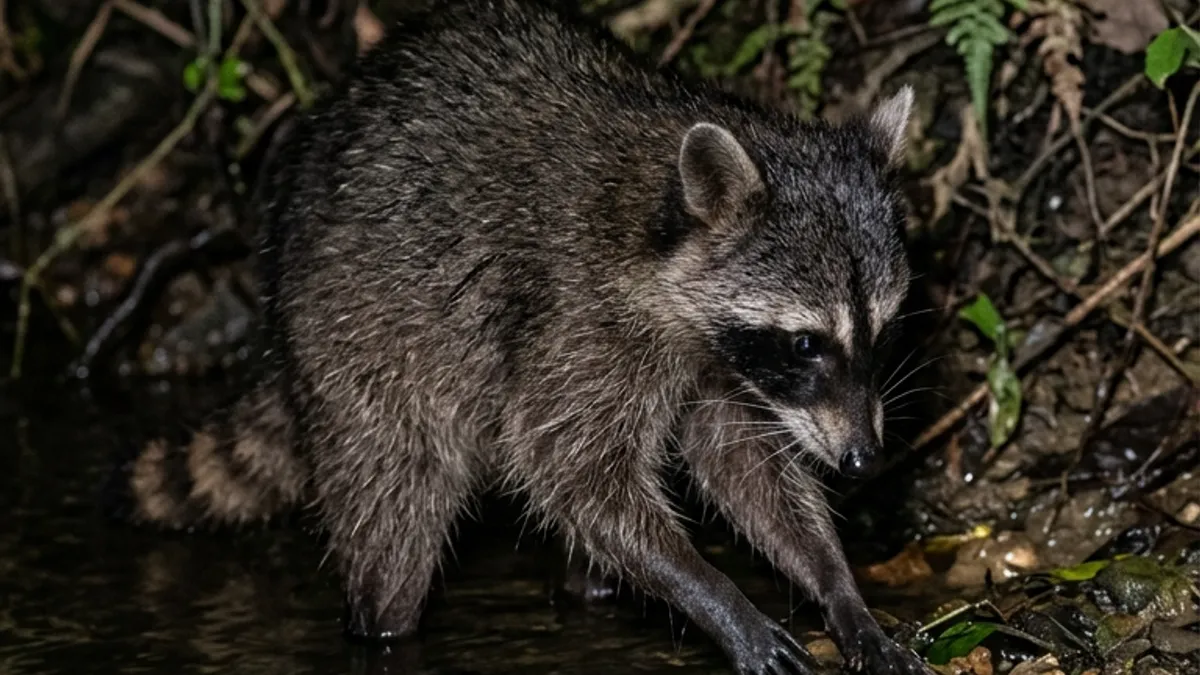
The crab-eating raccoon rummages through shallow water because its forepaws are packed with touch receptors, not because it is washing its food.
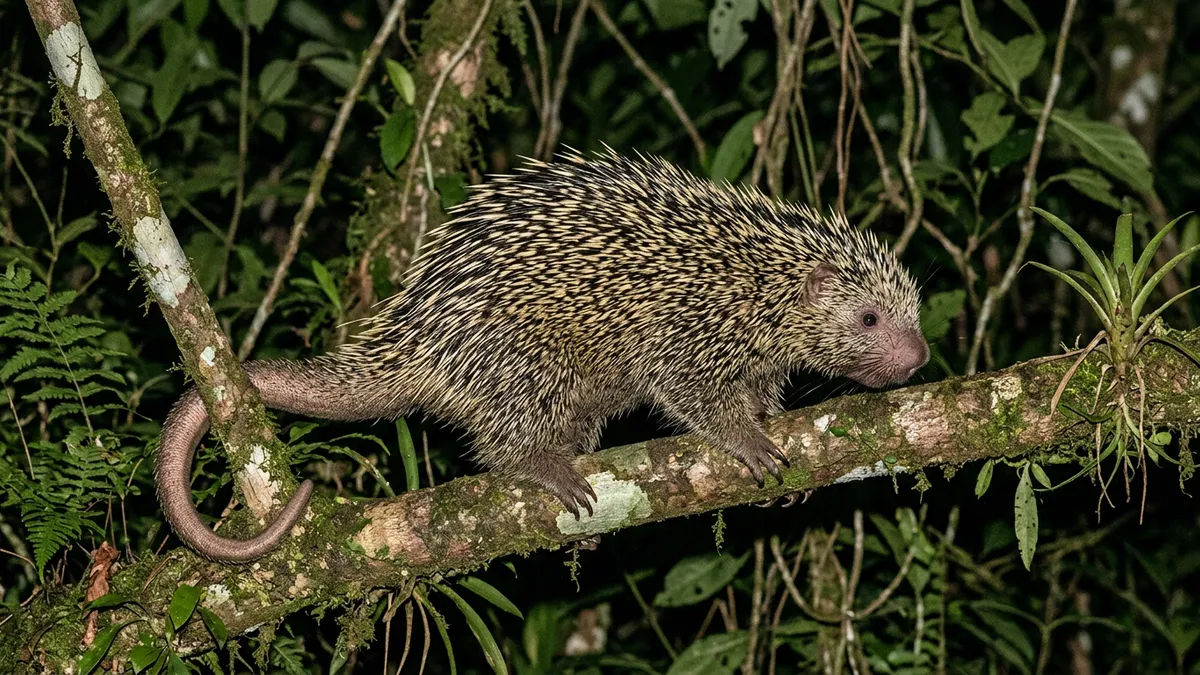
The Brazilian porcupine cannot throw its quills. Tiny barbs make them hard to remove on contact, while a bare-tipped prehensile tail serves as a fifth limb in the trees at night.