
The Green Anaconda, Silent Guardian of the Amazon Waters
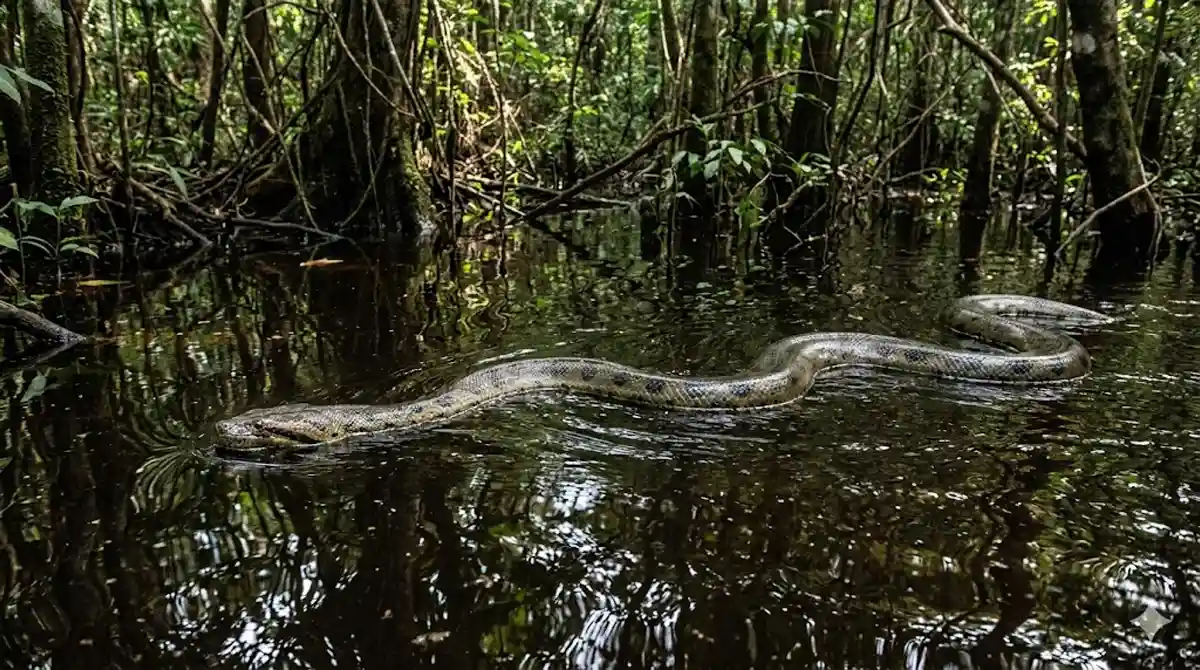
The heaviest snake on Earth is not the monster of folklore: it regulates prey, recycles nutrients and holds the chemical balance of Amazon rivers together.
The heaviest snake on Earth is not the monster of folklore: it regulates prey, recycles nutrients and holds the chemical balance of Amazon rivers together.
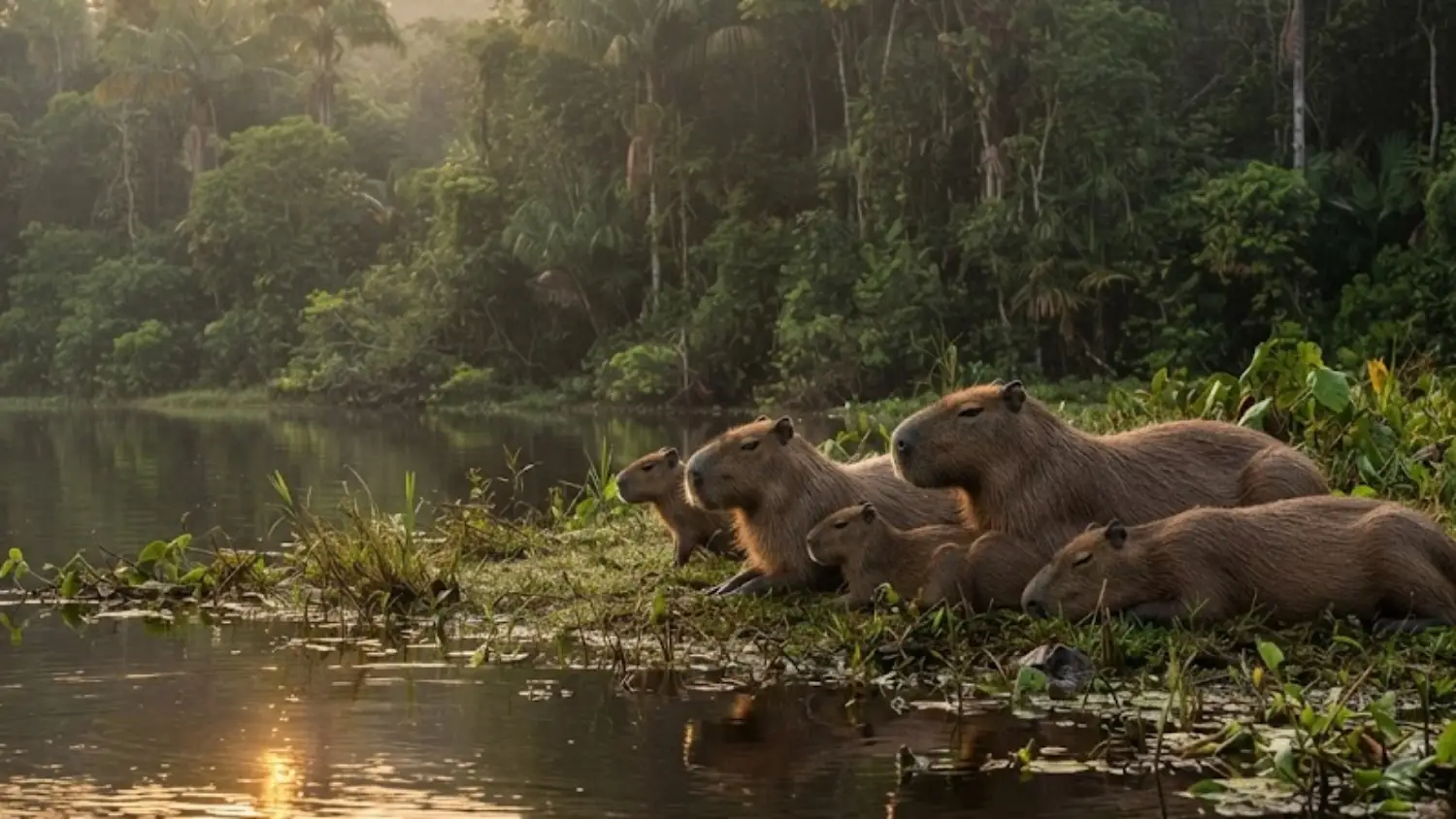
Contact whistles, alarm clicks and soft maternal calls: the world’s largest rodent holds its social groups together with a surprisingly rich vocal repertoire.
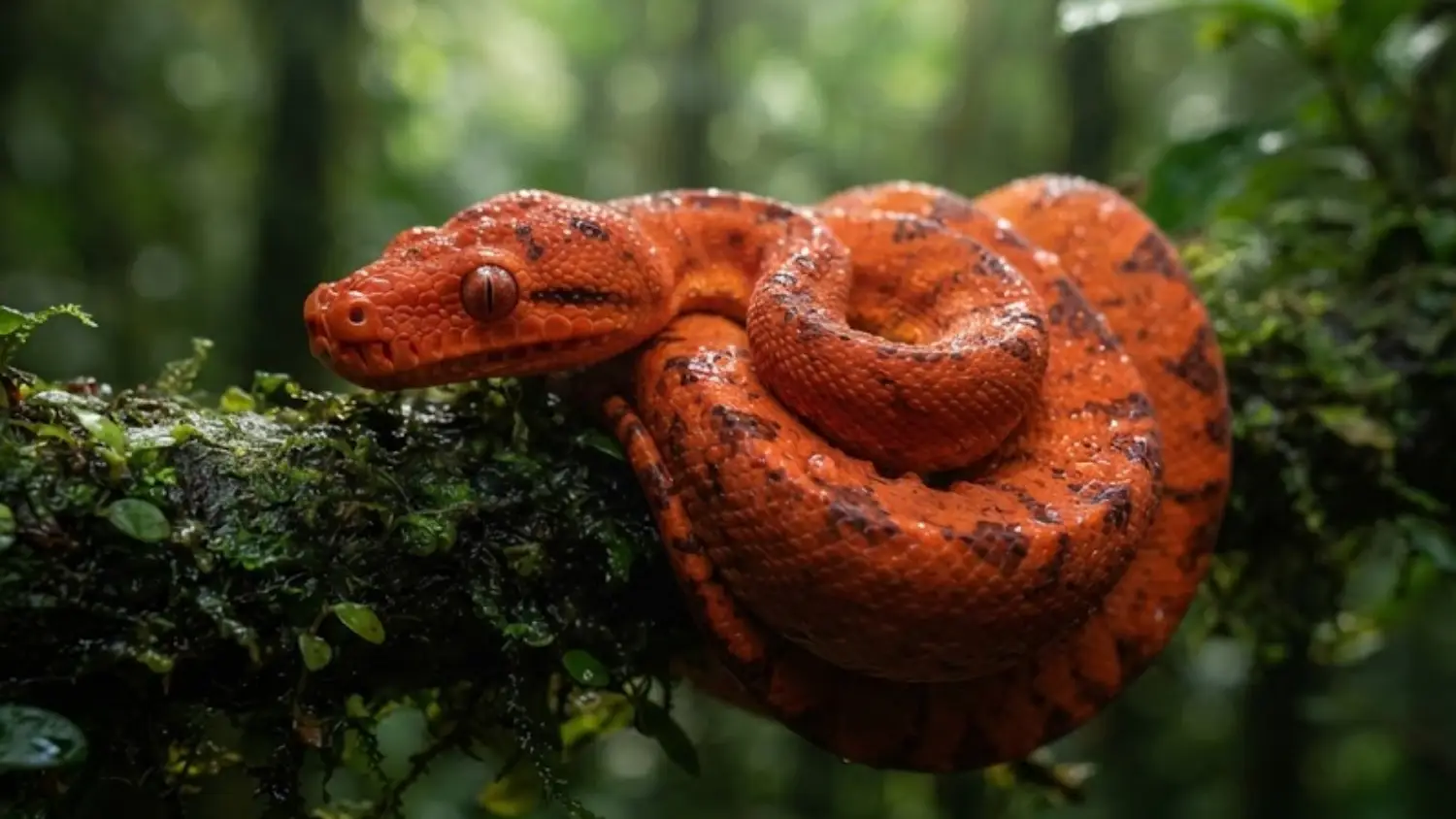
Deep in the Amazon rainforest lives a tree-dwelling snake that hatches bright red and matures into brilliant emerald green: the remarkable story of how the parrot snake rewrites its own camouflage as it grows.
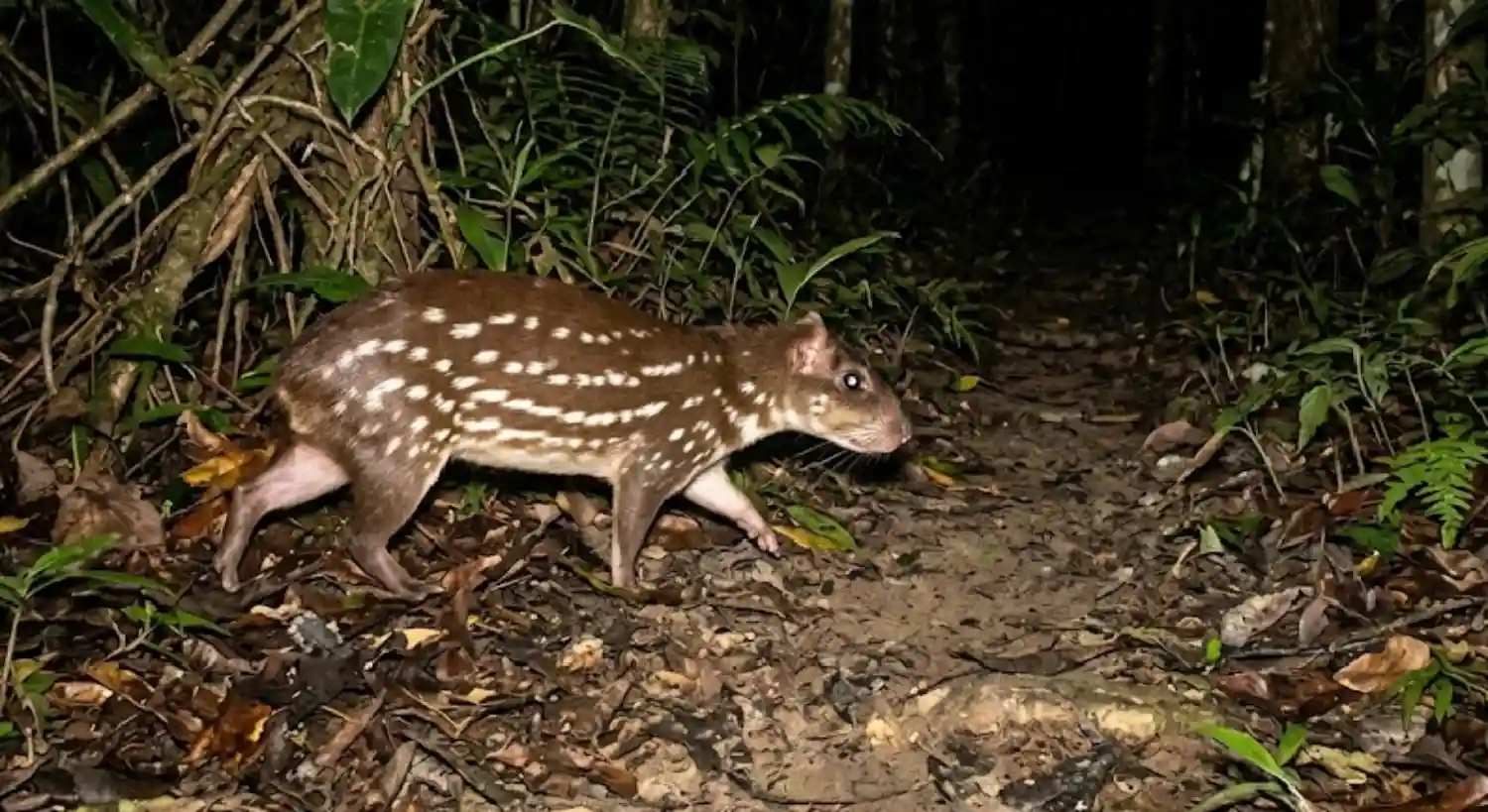
The paca, Brazil’s second largest rodent, walks fixed forest trails at night, buries seeds and quietly sustains the regeneration of the Amazon.
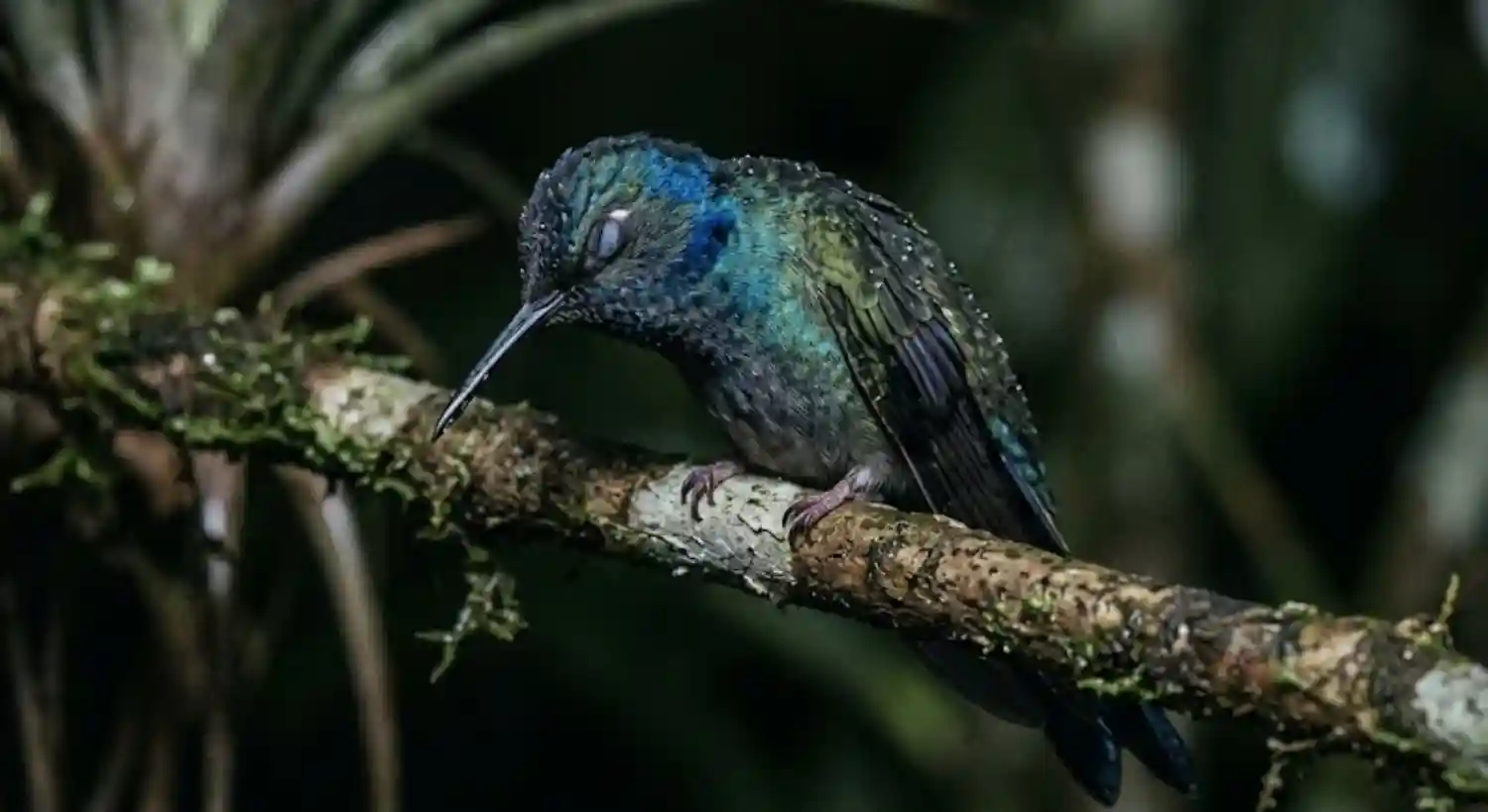
The smallest bird in the Americas slips into torpor at dusk, dropping its temperature and heartbeat to save up to ninety-five percent of its daily energy.
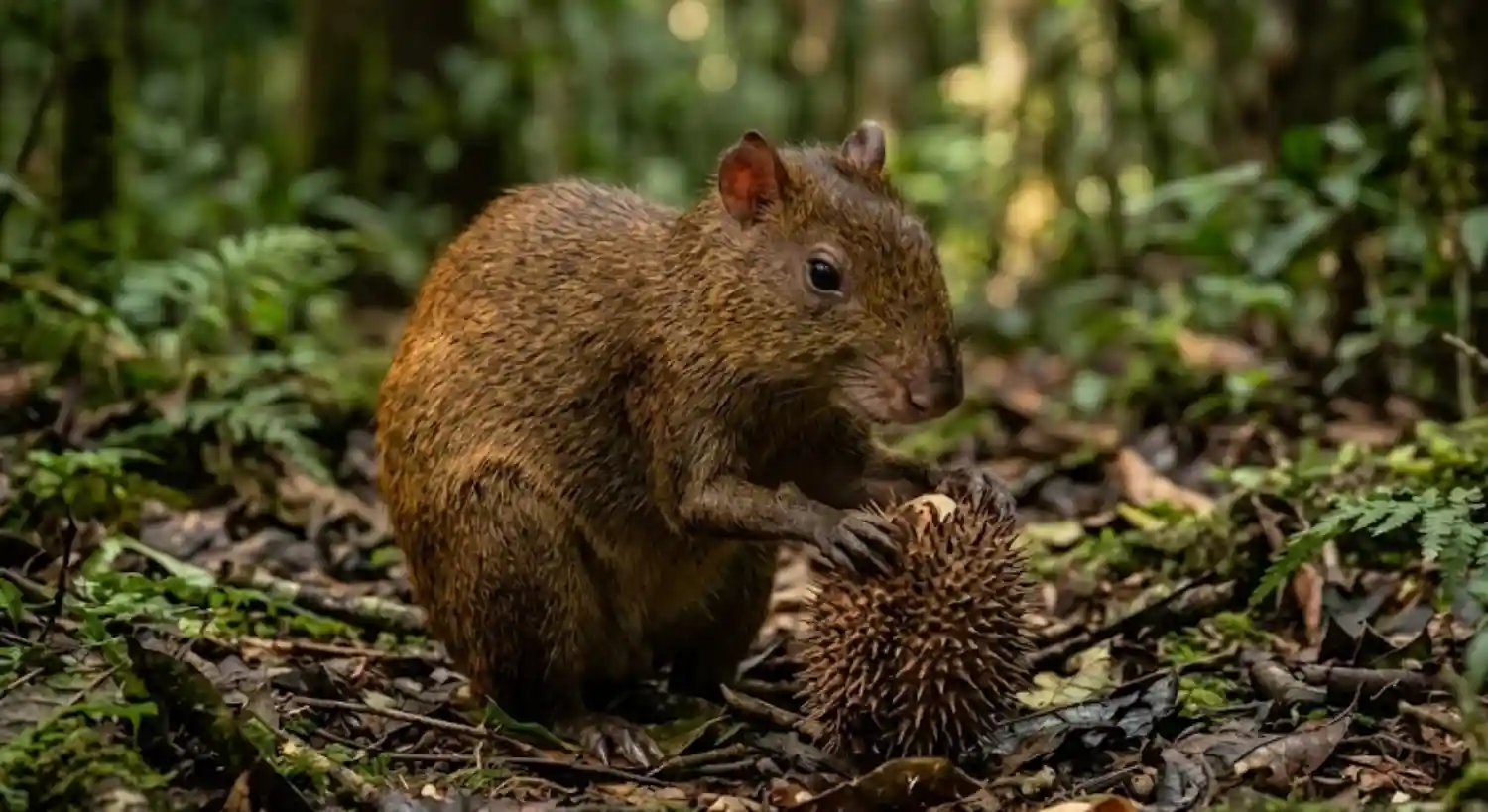
The agouti buries Brazil nuts to eat later and forgets where it hid them. That forgetting germinates and regenerates the tallest trees in the Amazon rainforest.
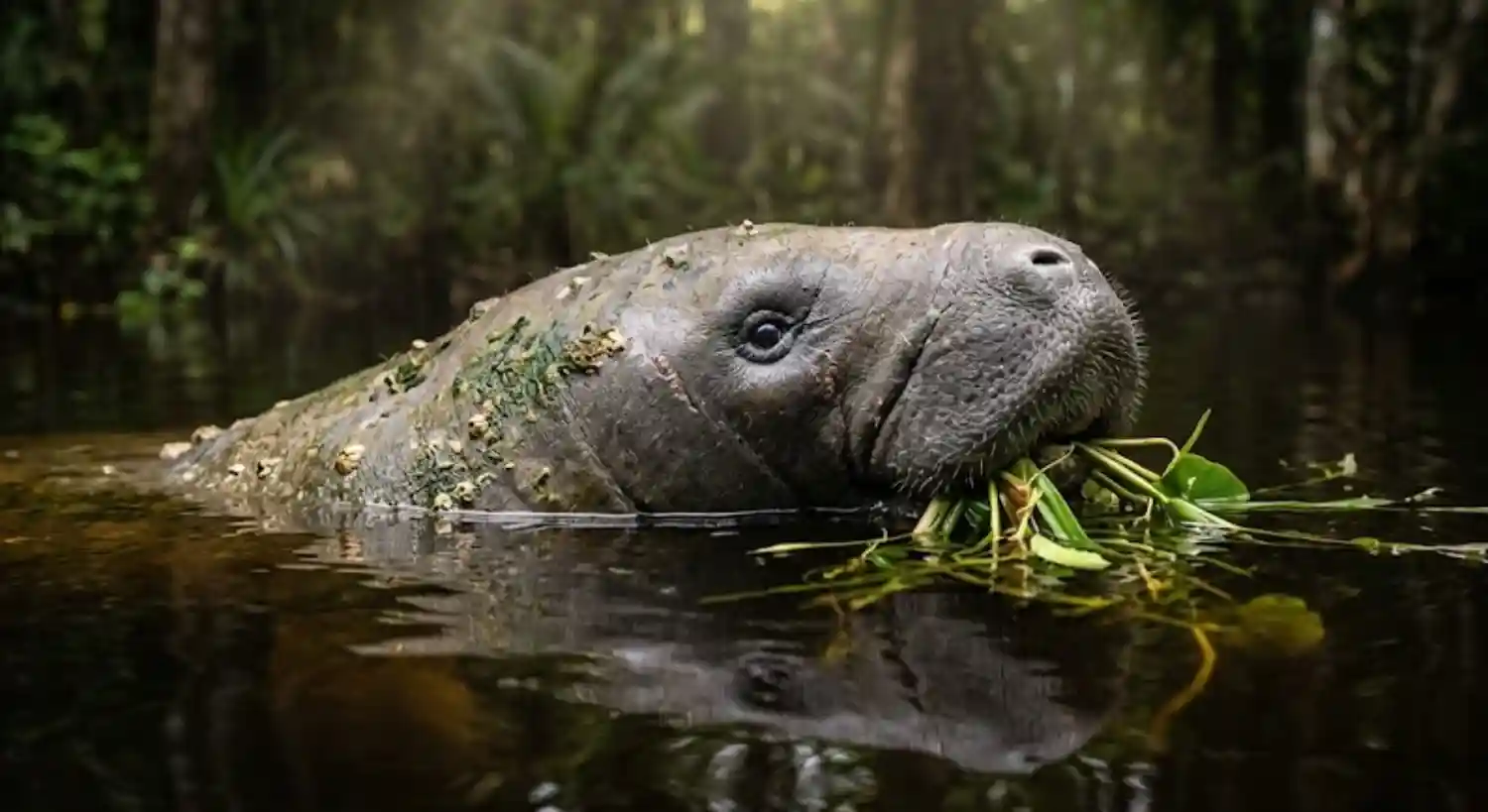
The Amazonian manatee is the only manatee that lives solely in fresh water, eating up to 10 percent of its body weight in plants each day and regulating the aquatic vegetation of the basin.
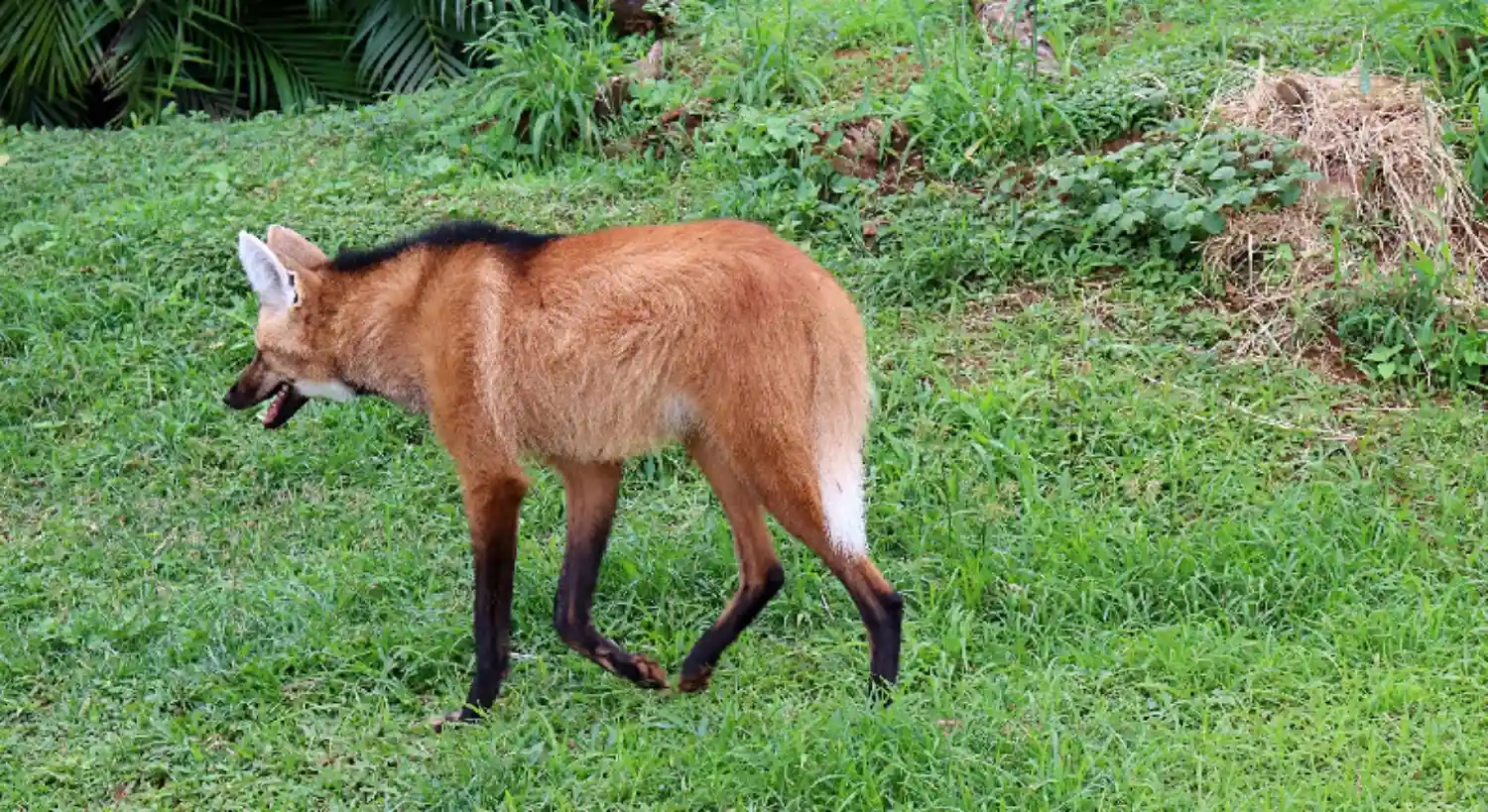
South America’s largest canid eats more fruit than meat, becoming the most efficient seed sower of Brazil’s open savannas.
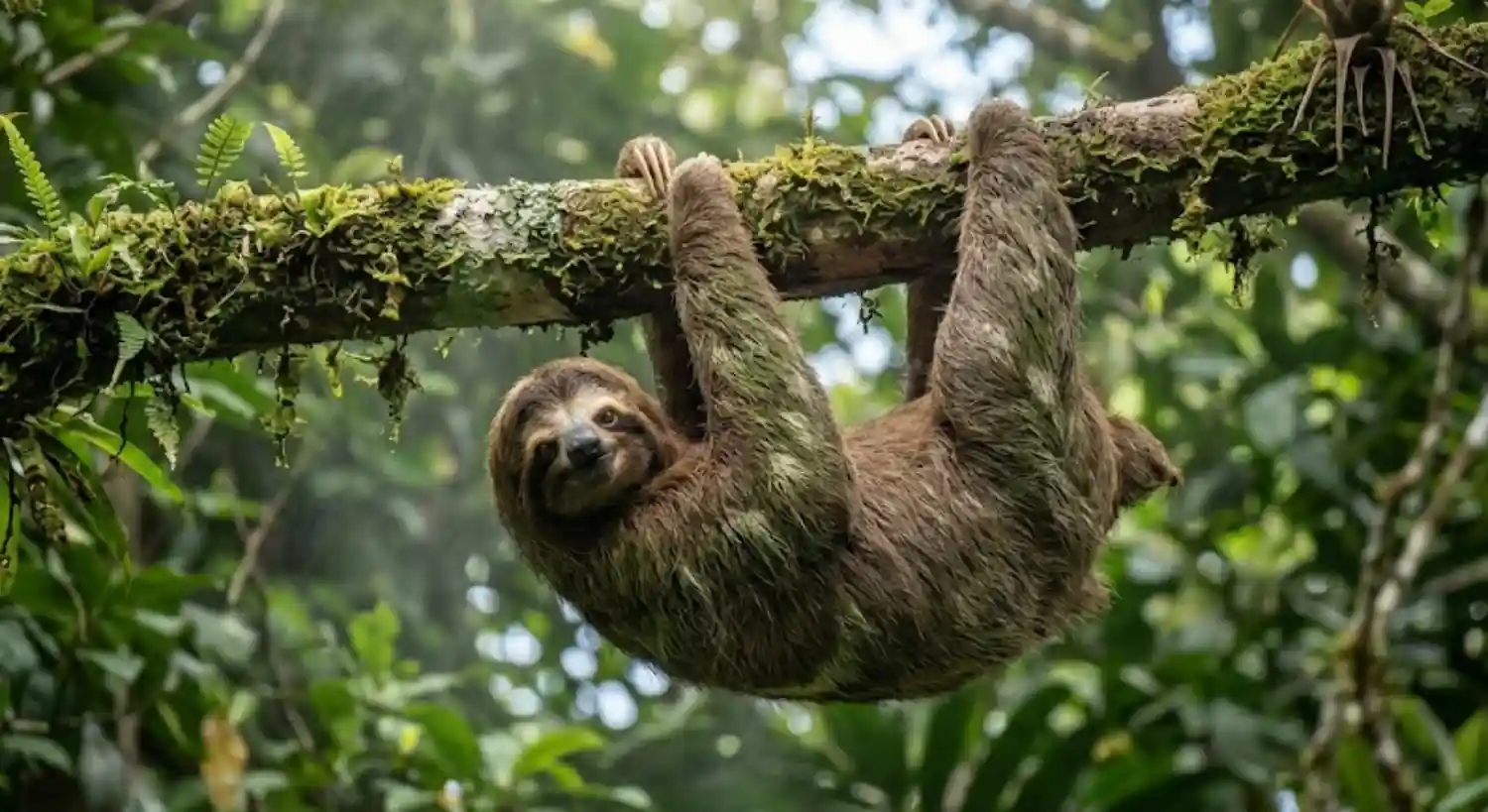
The sloth carries the slowest metabolism of any mammal in the Americas, taking a month to digest a single meal and tuning every gesture to that extreme economy.
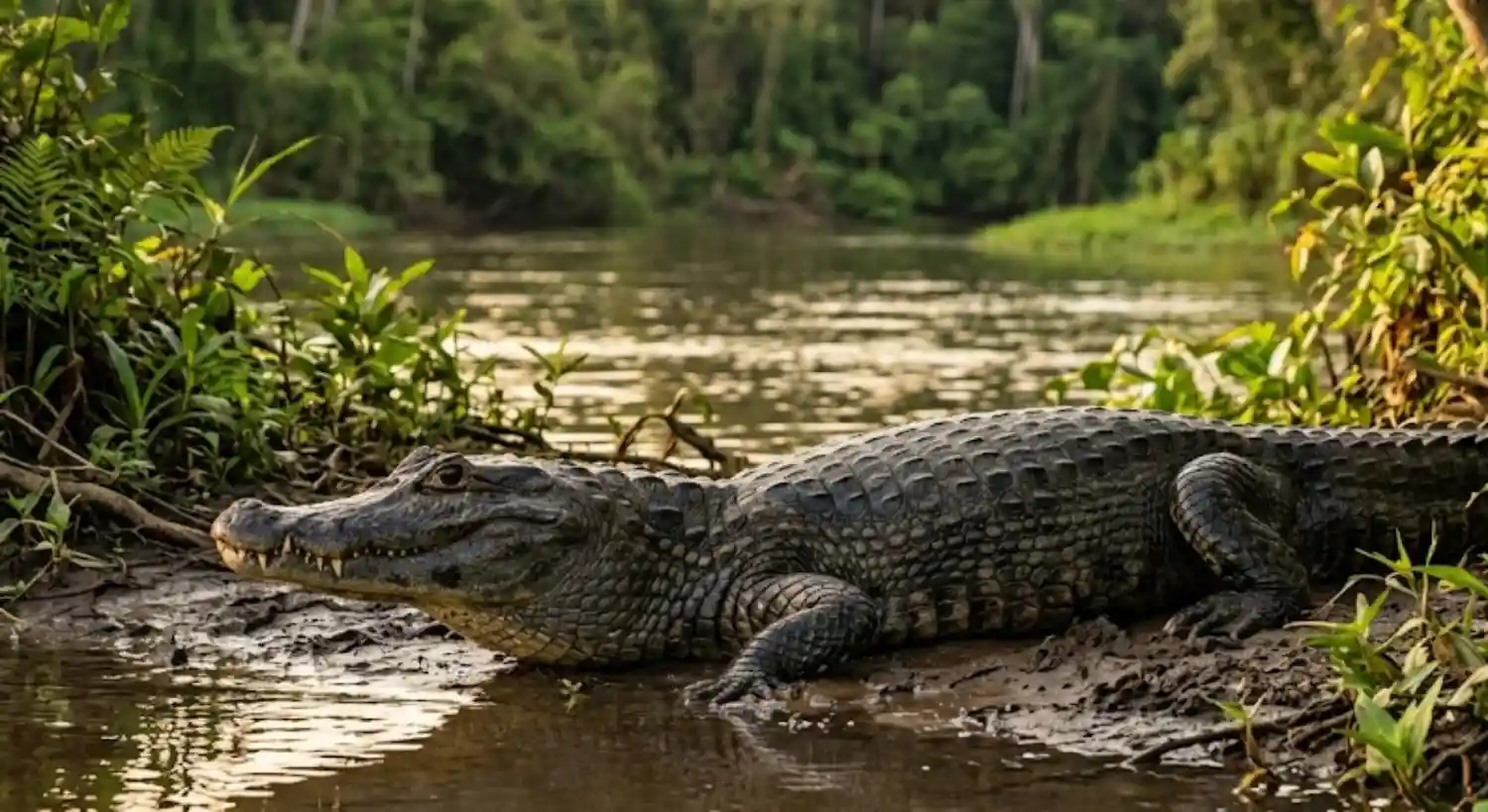
The black caiman rules the Amazon’s rivers as the largest freshwater predator in the Americas, pairing an extreme bite with razor-sharp senses that hold the wetlands in balance.