
Trahira Breathes Air Through Its Swim Bladder to Survive Shallow, Oxygen-Poor Pools
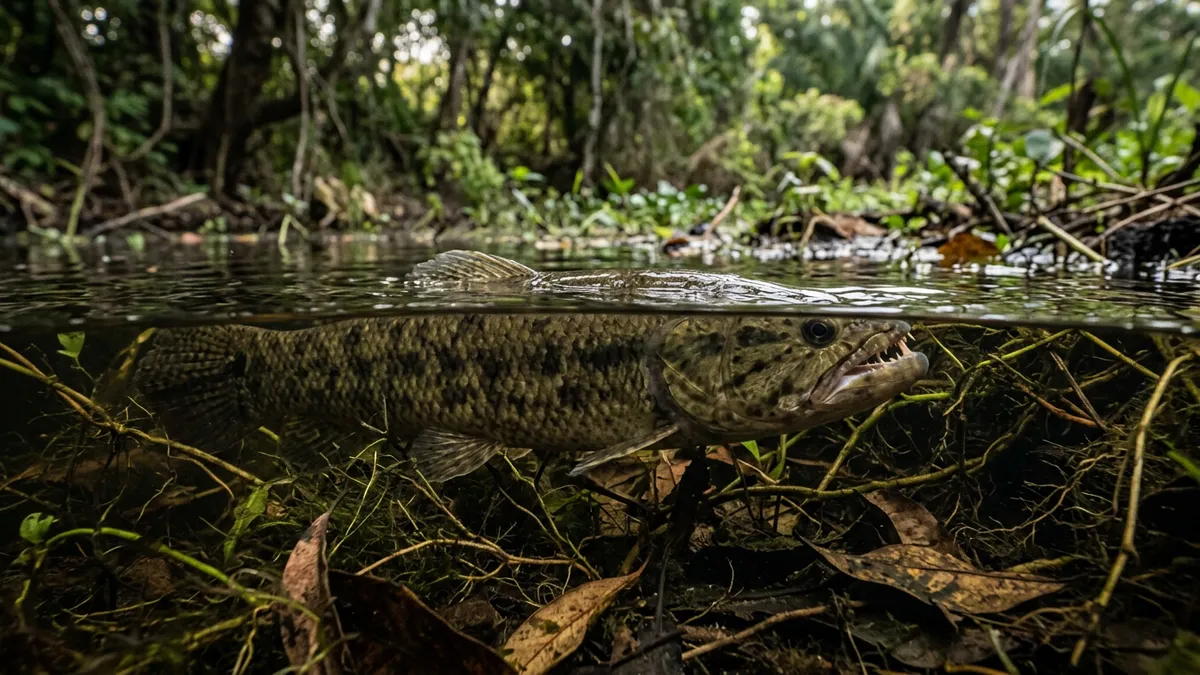
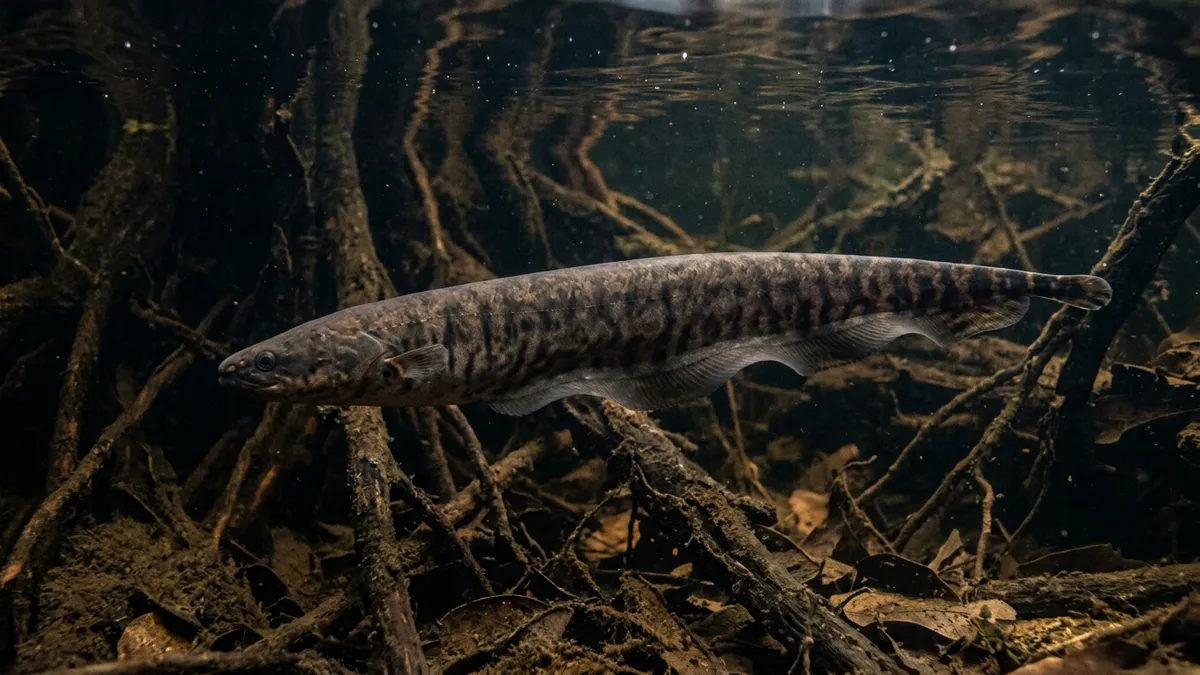
When warm, still water runs low on oxygen, the trahira gulps air at the surface and uses its swim bladder as an accessory breathing organ while it waits for prey.
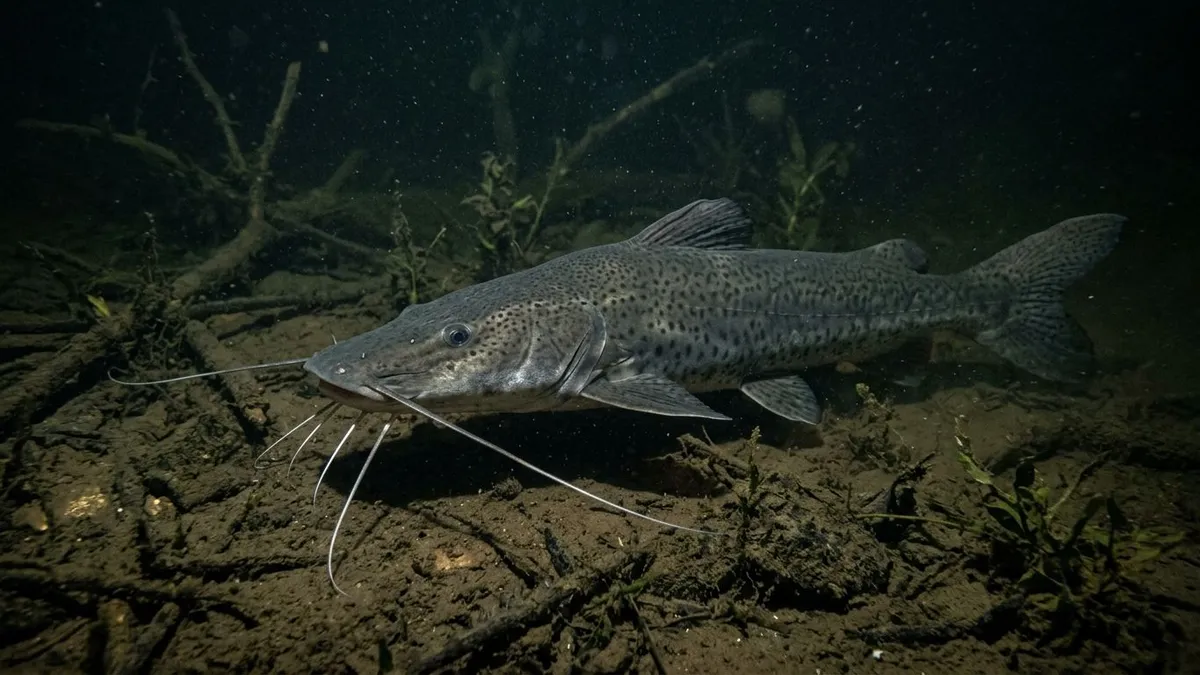
The surubim, or tiger shovelnose catfish, finds food on dark river bottoms with barbels that carry taste and touch receptors. No sharp vision required.
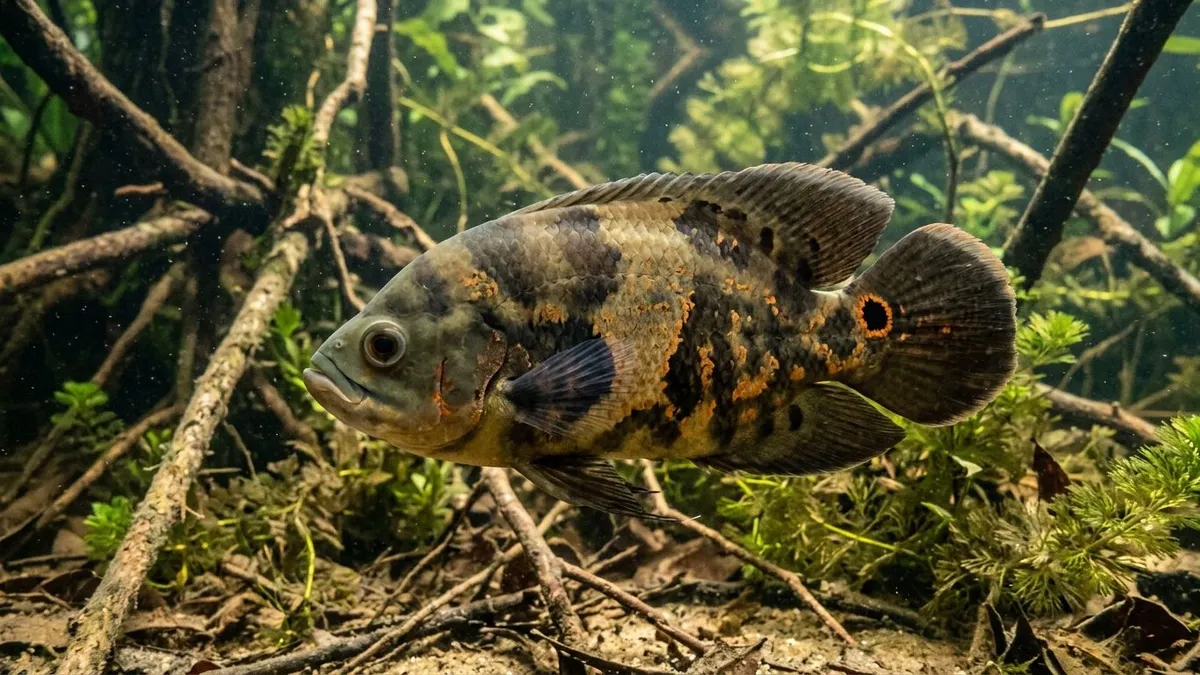
The oscar, known in Brazil as apaiari, carries an eyespot on its tail that may redirect attacks, guards its school of fry as a pair and shifts color when on alert.
The tuvira, an electric knifefish, emits a weak, continuous field and reads its distortions to navigate and recognize other fish, never using the current as a weapon.
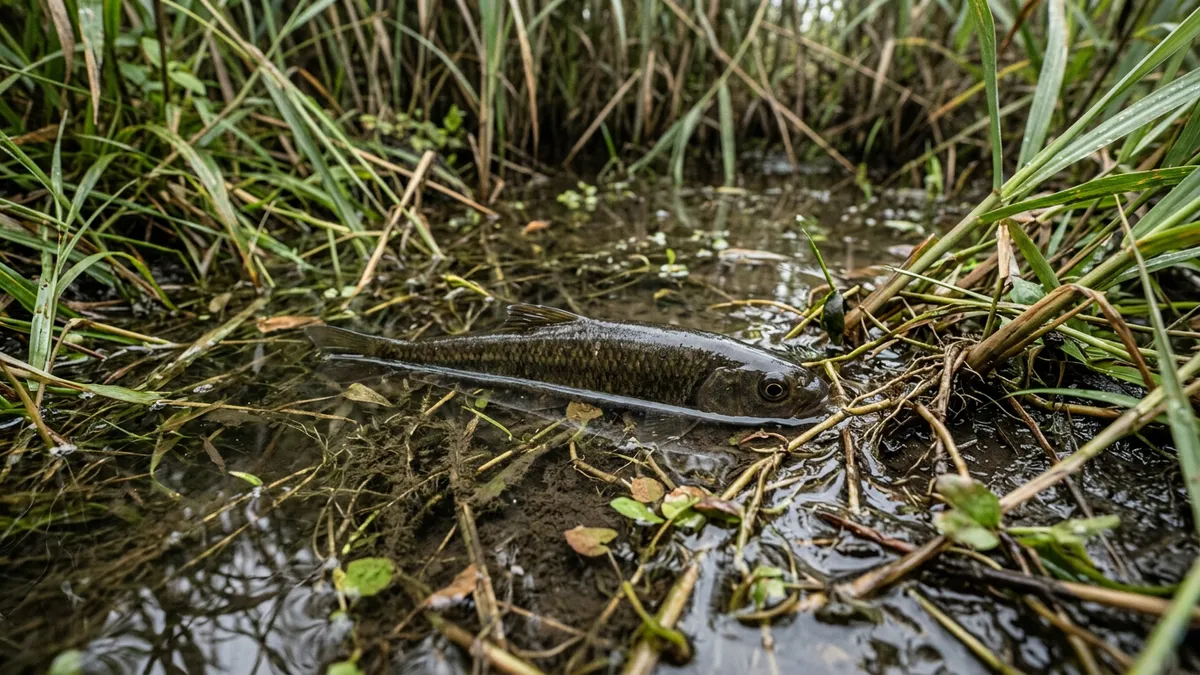
When the dry season leaves a pool short of oxygen, the jeju rises to the surface and breathes air with its swim bladder until the rains reconnect it to the river.
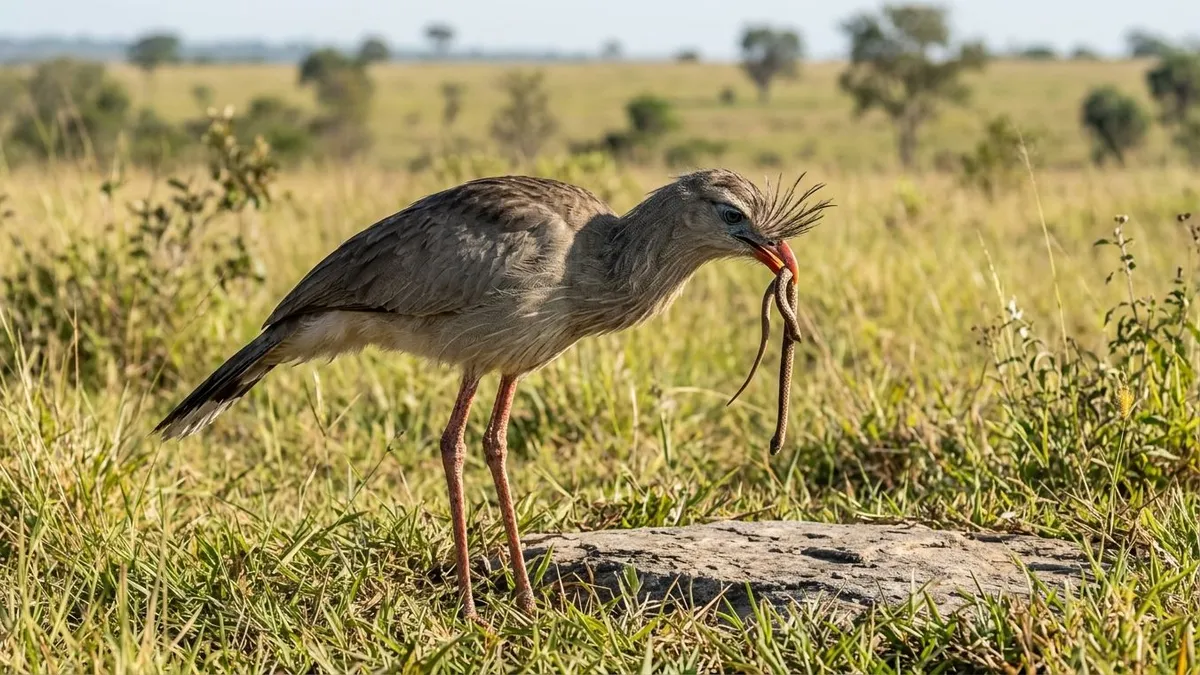
The red-legged seriema runs down snakes in open Brazilian grassland, grips them in its beak and hurls them against hard ground before they can strike.
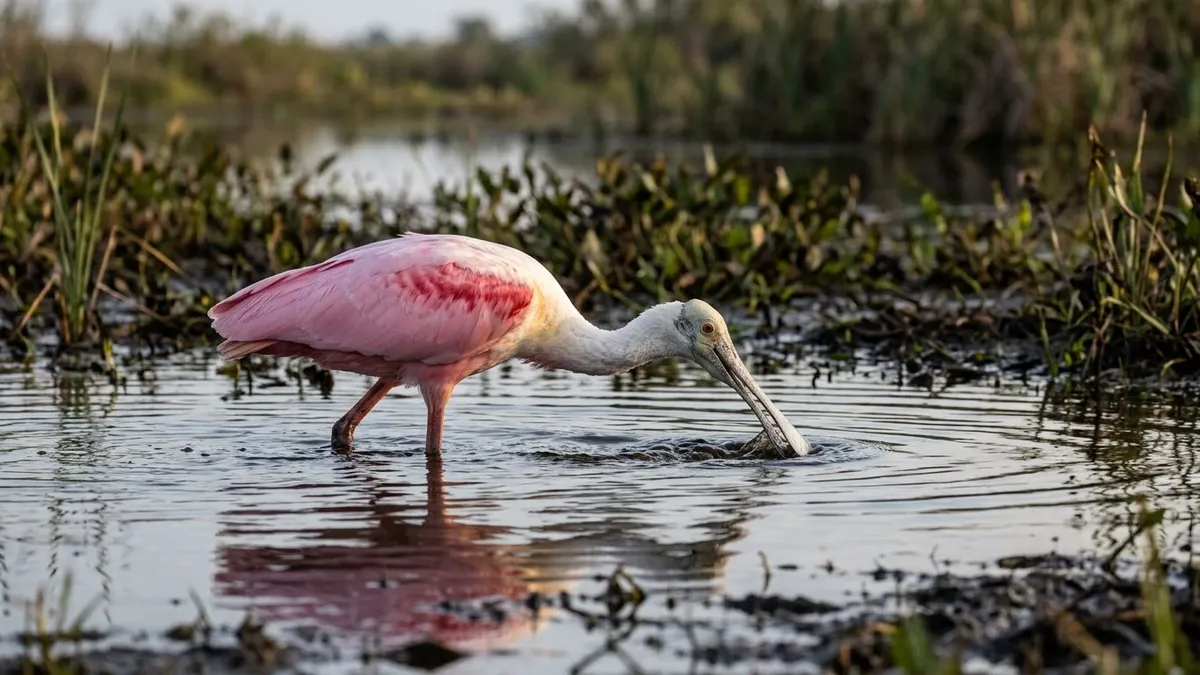
The roseate spoonbill, called colhereiro in Brazil, sweeps its spoon-shaped bill through murky water and closes it by reflex when it touches prey. Its pink color comes from its diet.
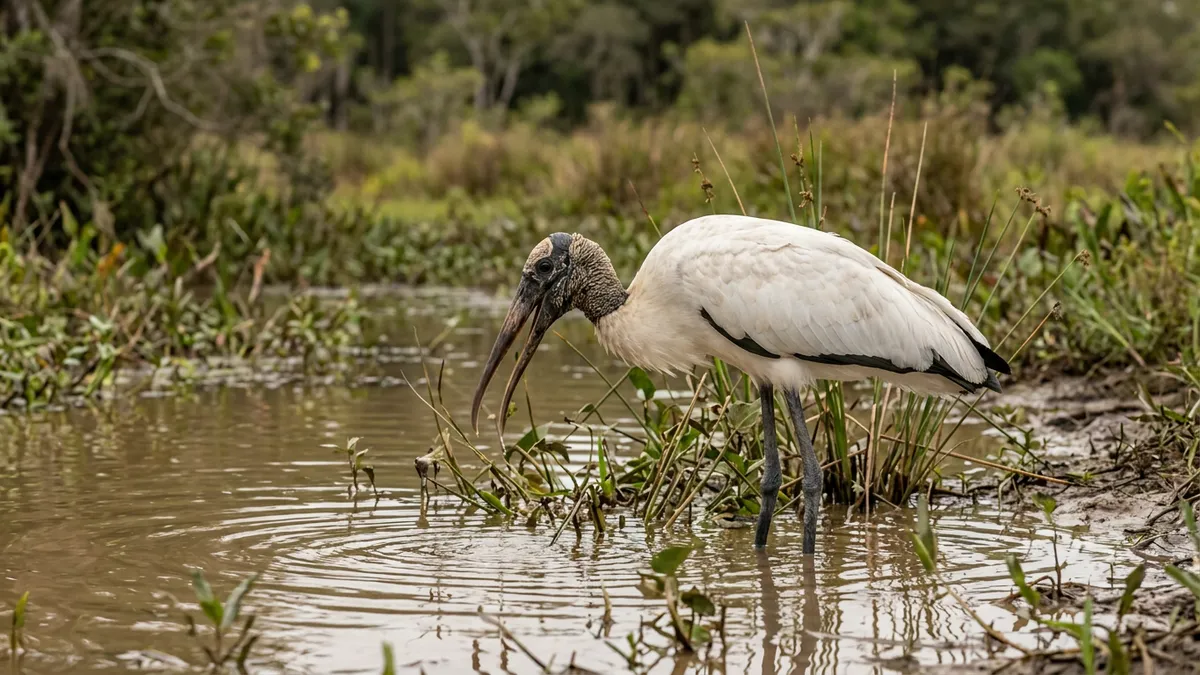
The wood stork, called cabeça-seca in Brazil, keeps its bill open underwater and shuts it by reflex when a fish touches it. The method works in shallow, murky water.
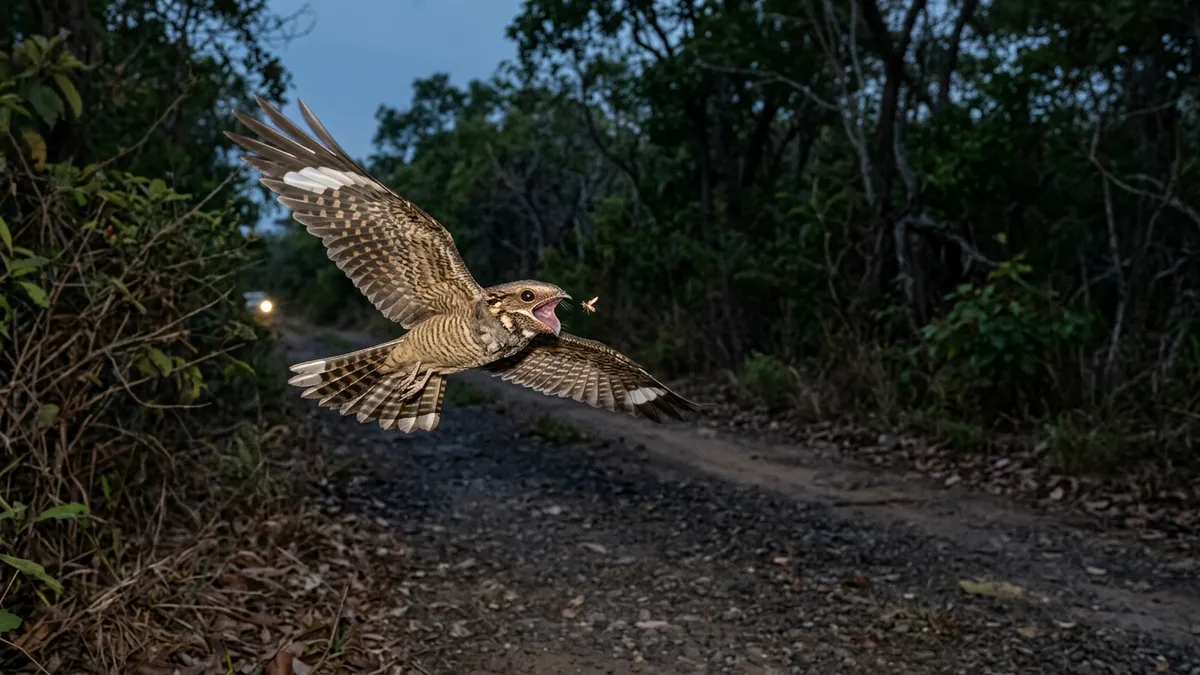
The pauraque, called bacurau in Brazil, throws headlight beams back from a reflective layer in its eyes. At dusk and at night it uses a very wide mouth to catch insects in low flight.
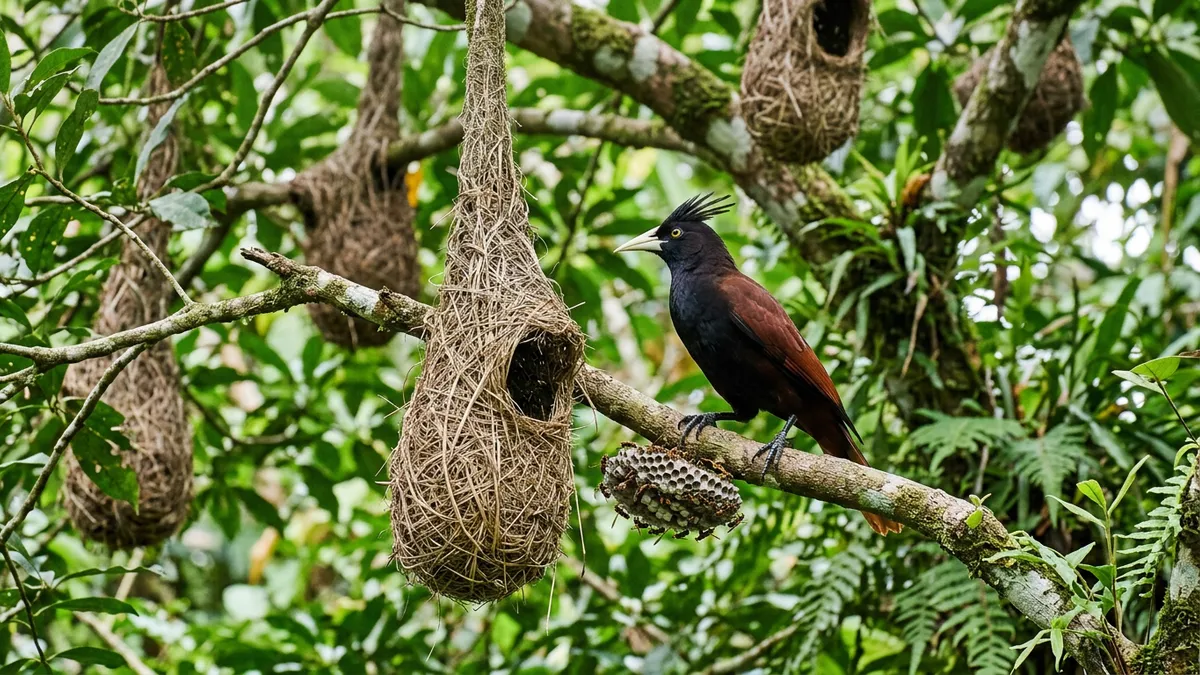
The crested oropendola hangs its long woven pouch near a wasp colony. The insects’ defense helps keep monkeys and predatory birds away from eggs and chicks.