Brazil’s Pantanal Is Coming Back to Life as Rare Species Return
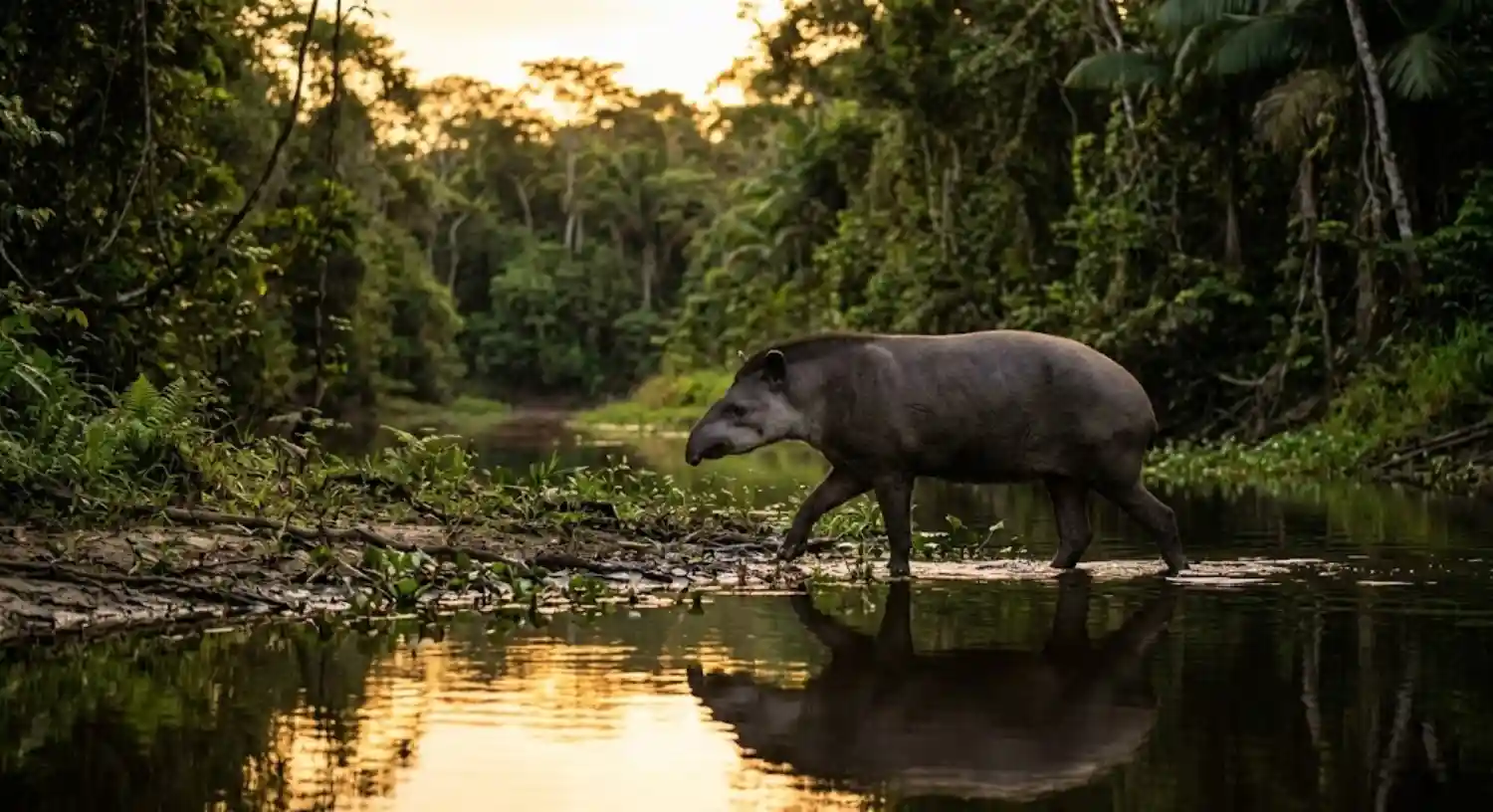
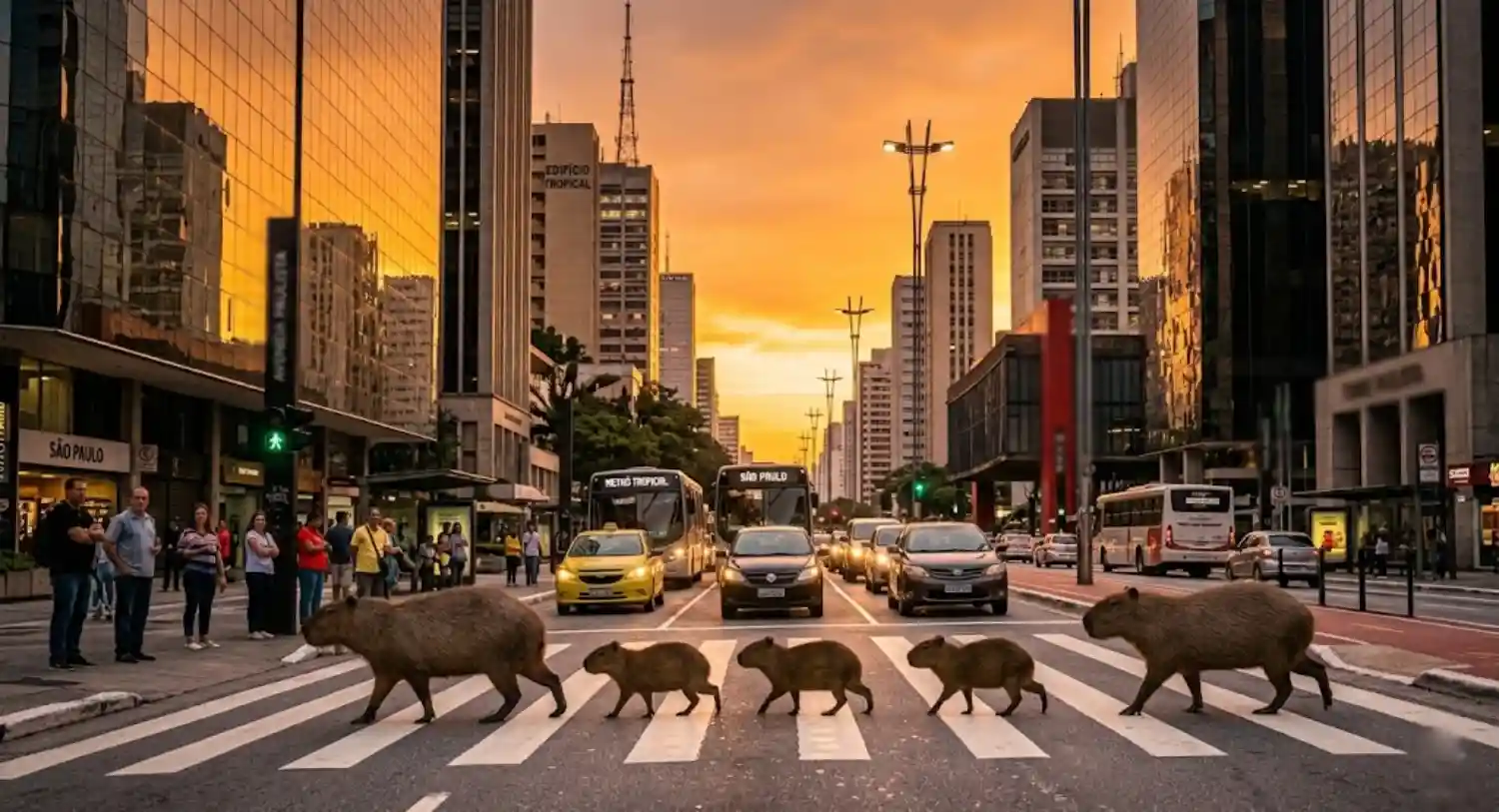
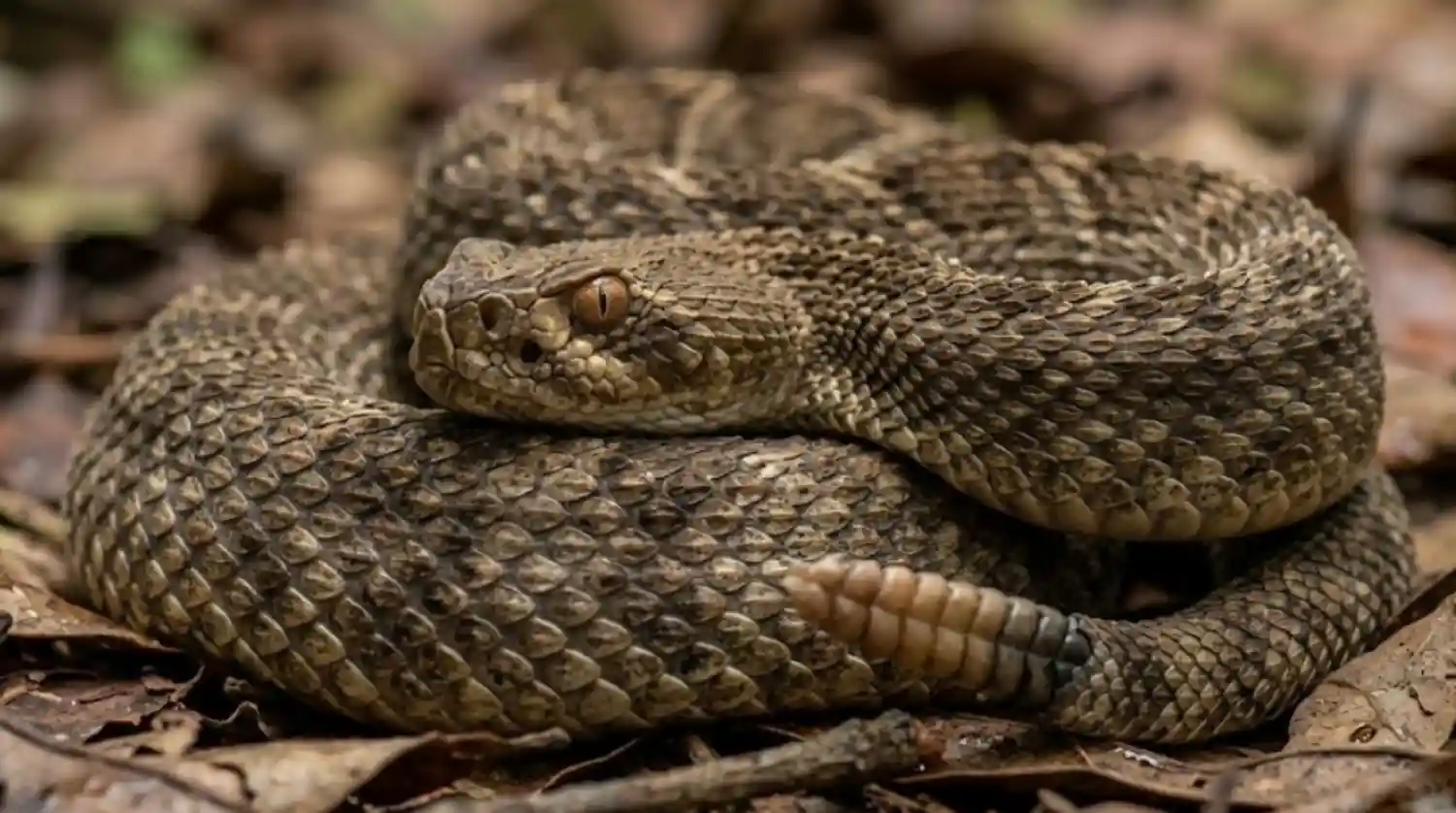
Animals once considered locally extinct are reappearing in Brazil’s Pantanal, where sightings of rare species have jumped 40% in just five years.
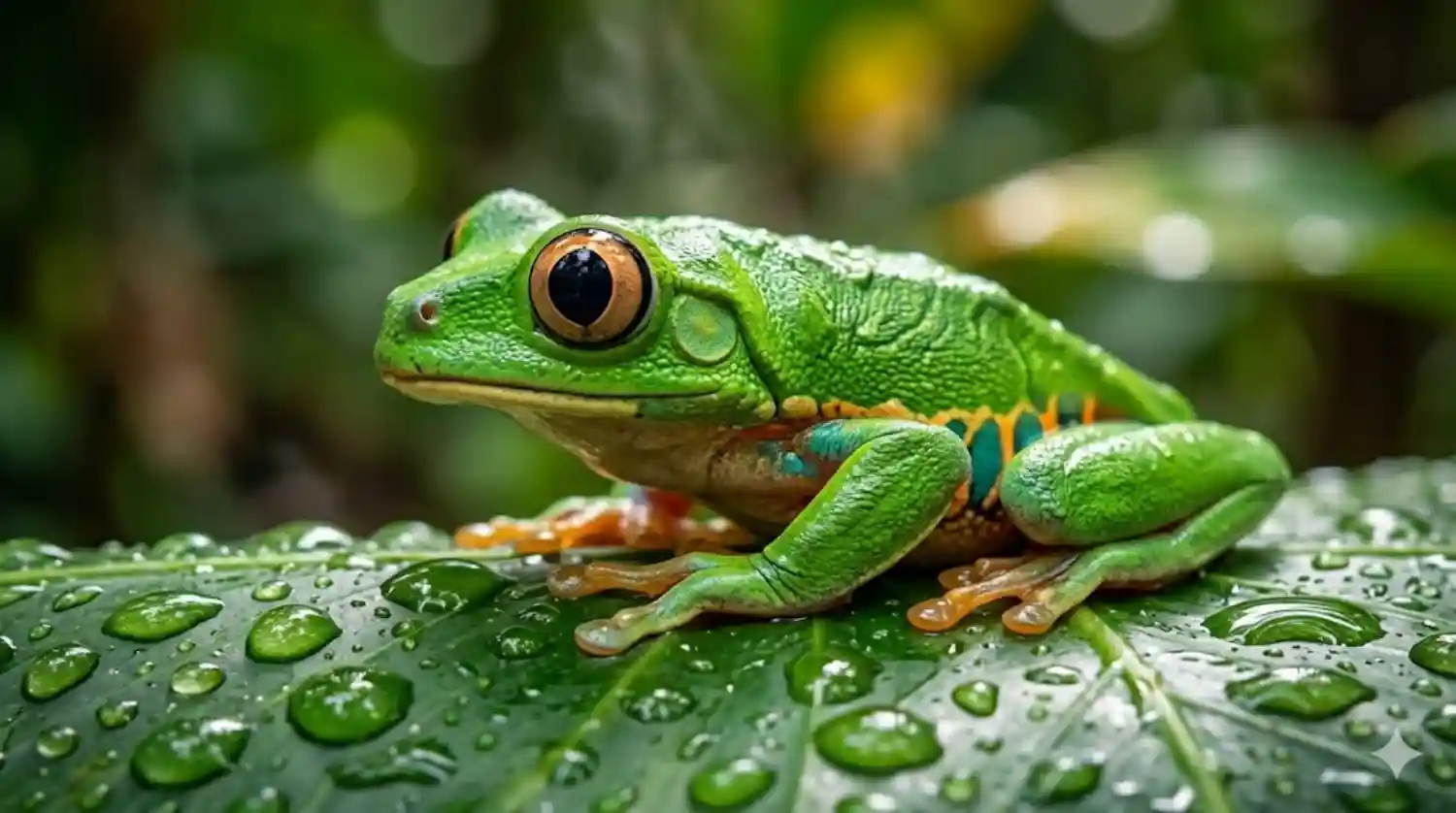
A field expedition in the Alto Solimoes region found a small, vivid green frog that defies known classifications. Its metallic call gave away an unlikely home: bromeliads suspended high in the canopy.
About 470 million years ago, the first plants left the water for a world of bare rock. In doing so they reshaped the atmosphere, built the soil and turned Earth green.
A global UBC review reveals that wildfires can keep Canada’s drinking water contaminated for months or years, long after the flames have died down.
A New Phytologist study finds the Cerrado’s overlooked peatlands hold six times more carbon per hectare than the Amazon, a climate vault that global carbon accounting missed entirely.
On the International Day of Forests, professor Leandro Juen (UFPA) explains why the loss of the Amazon rainforest threatens the water, climate, and food of every Brazilian.
The European Union is studying whether to let international carbon credits fund clean cookstoves for millions of families in developing countries, framing a market tool as a way to protect forests and human health.
Instituto Ar has launched the Air Quality Communication guide to translate complex pollution data into clear messages, linking human health to the future of the Amazon.
After nearly two decades holding back the chainsaws, Brazil’s Soy Moratorium has ended. More than 32 million acres of native Amazon vegetation are now exposed, and European buyers are threatening to shut the door on Amazon soy.
A high-precision engineering operation using LiDAR and bathymetry is mapping the Tucuruí reservoir in Pará to recalculate its true water storage capacity.