
The Jabiru Stork Returns to the Skies of the Pantanal
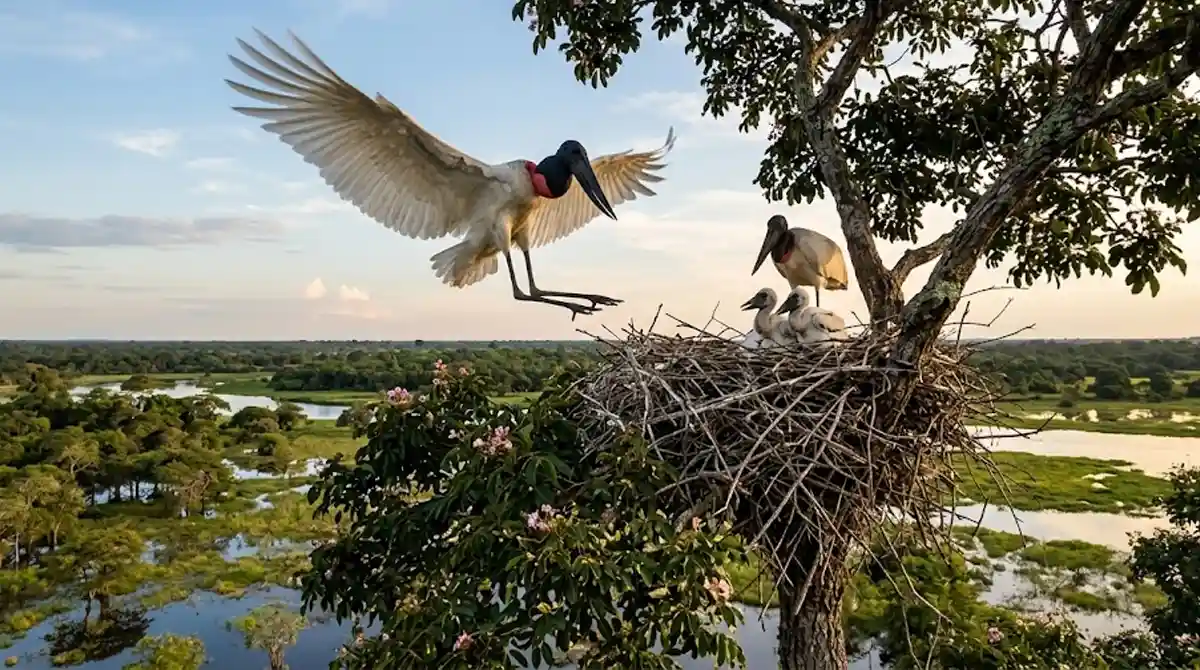
South America’s giant stork is gaining ground again across the Pantanal floodplain and pockets of the Cerrado, and its active nests signal wetlands moving back toward health.
 Anne Silva
South America’s giant stork is gaining ground again across the Pantanal floodplain and pockets of the Cerrado, and its active nests signal wetlands moving back toward health.
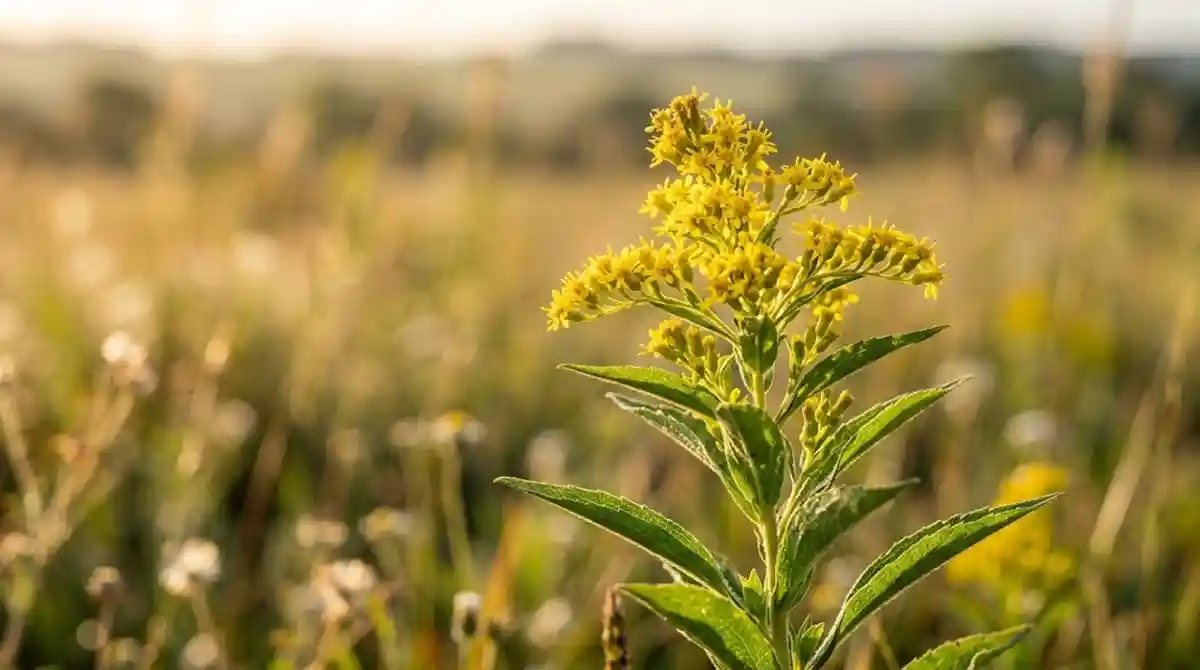
Brazilian researchers replace toxic reagents with arnica extract to make silver nanoparticles for air filters and hospital products, with a patent already filed.
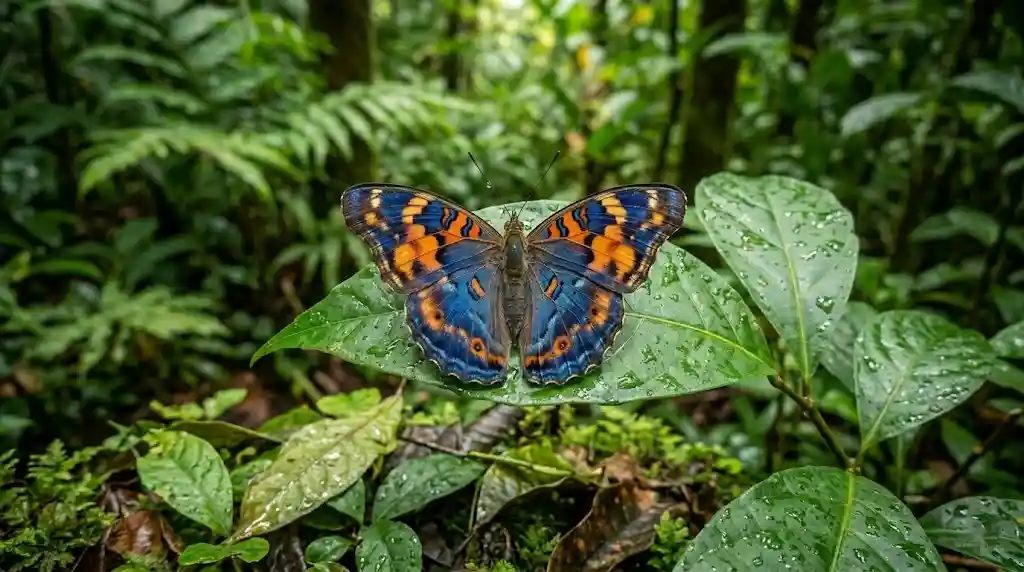
Short life cycles and extreme heat sensitivity turn Amazon butterflies into an early warning system, revealing climate stress in the rainforest long before instruments confirm it.
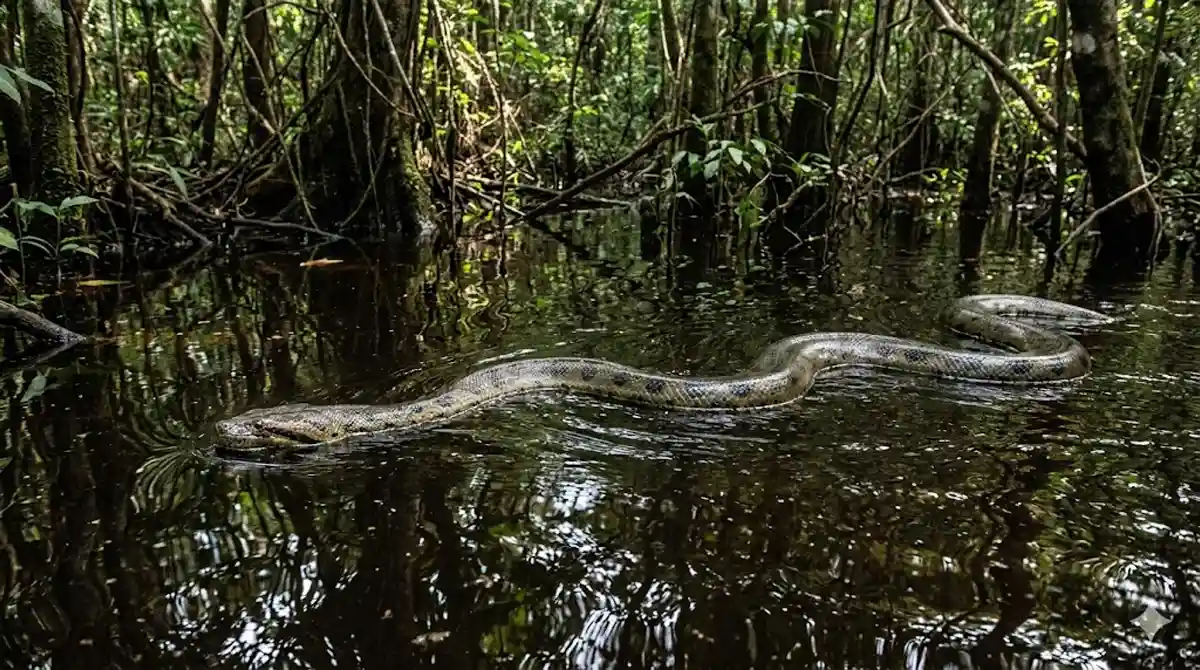
The heaviest snake on Earth is not the monster of folklore: it regulates prey, recycles nutrients and holds the chemical balance of Amazon rivers together.
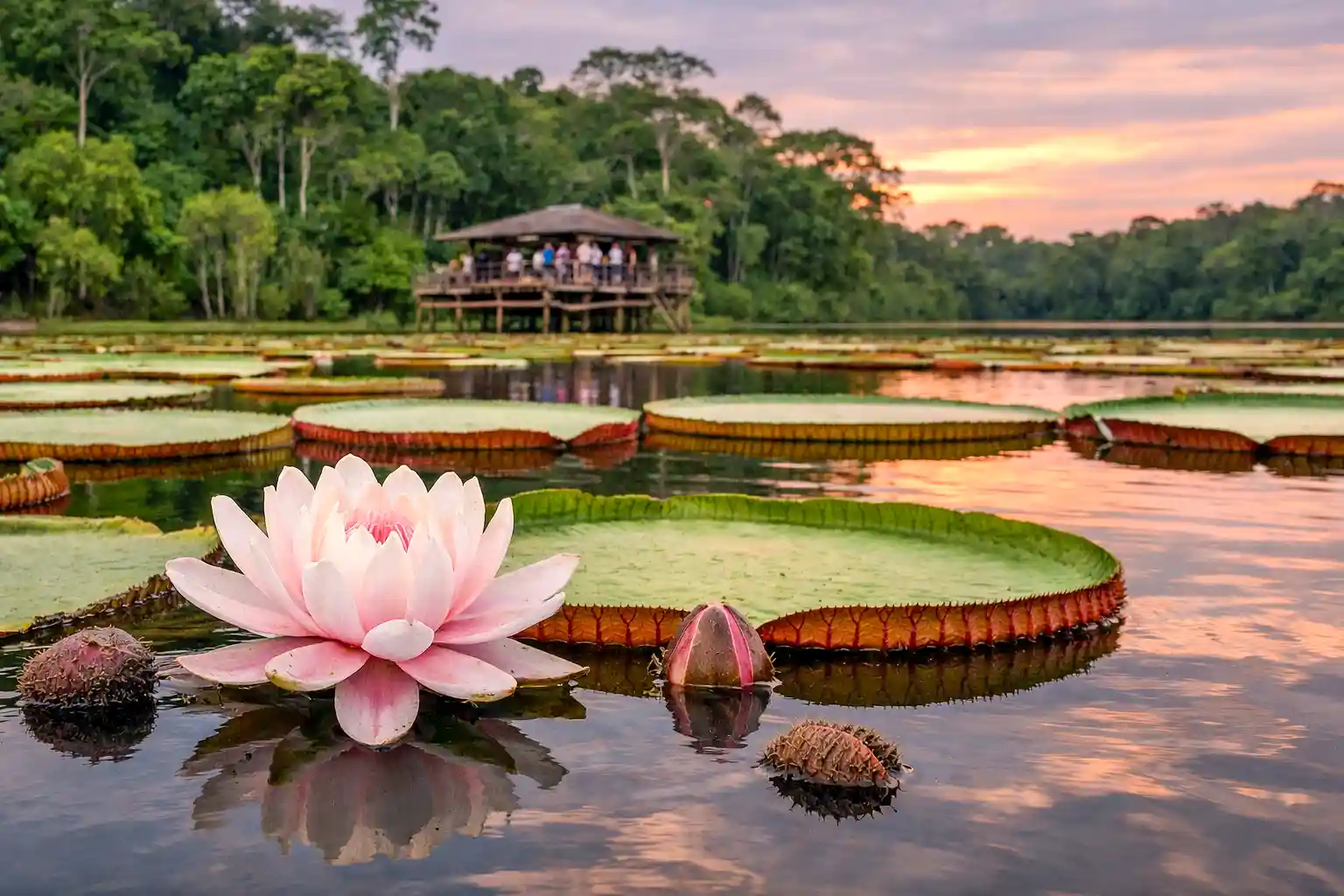
A single flower can reach 40 centimetres across and open for only one or two nights a year. That fleeting cycle has turned lakes and creeks in Para into the stage for a community based ecotourism that spreads income and eases pressure on the forest.
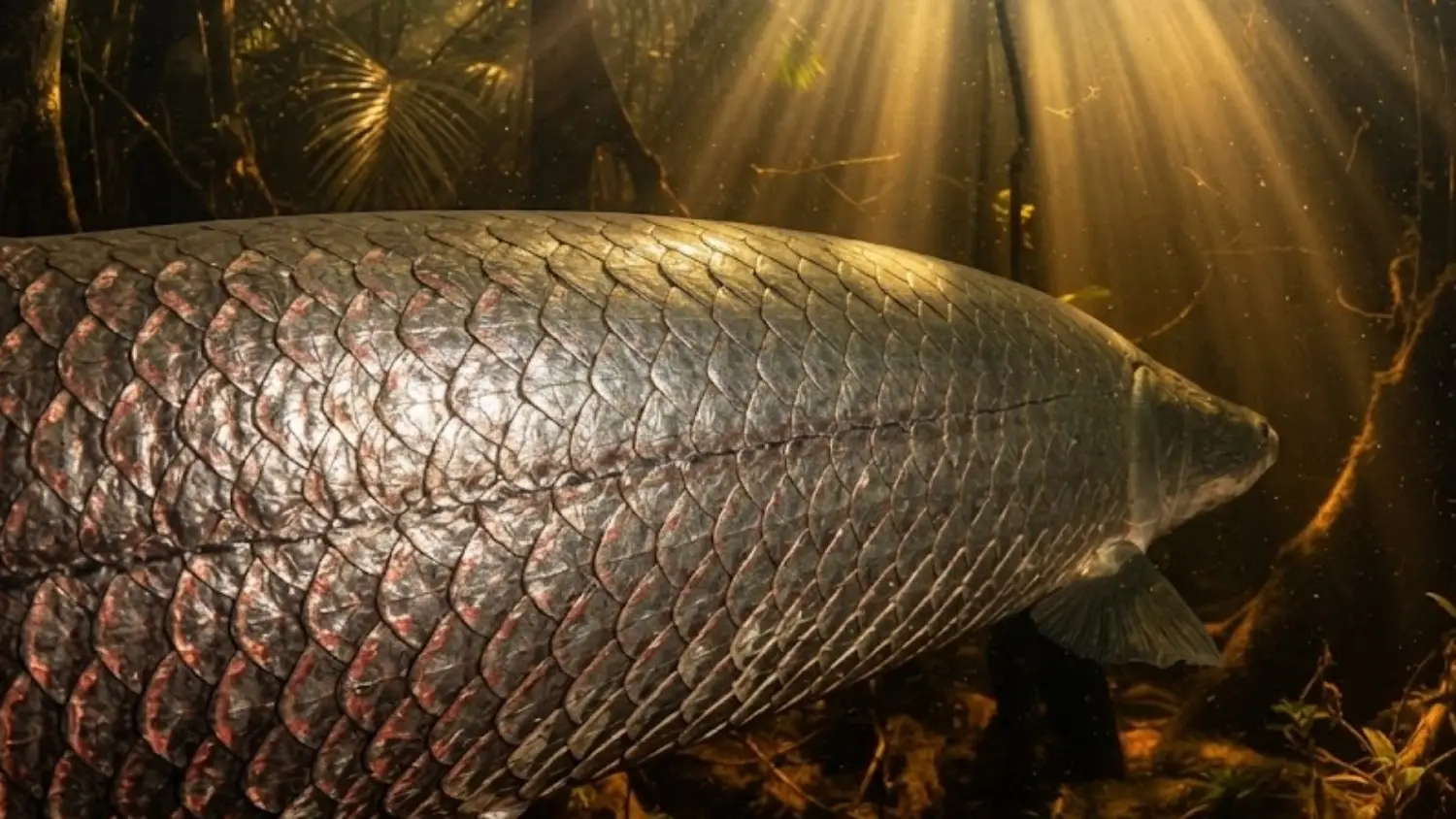
The pirarucu’s two-layer scale, hard on the outside and flexible within, is becoming an engineering model for lighter vests and high-strength materials.
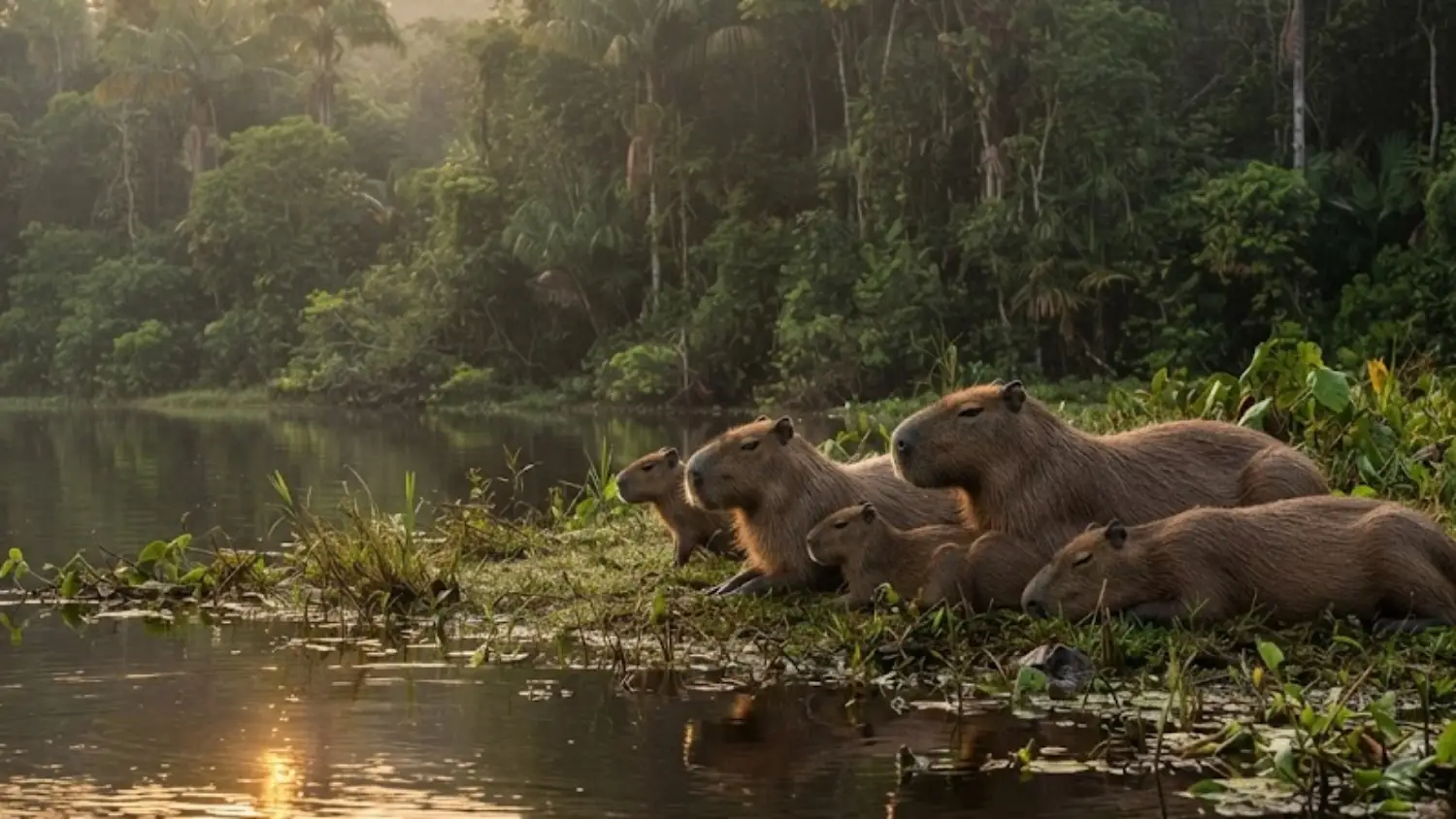
Contact whistles, alarm clicks and soft maternal calls: the world’s largest rodent holds its social groups together with a surprisingly rich vocal repertoire.
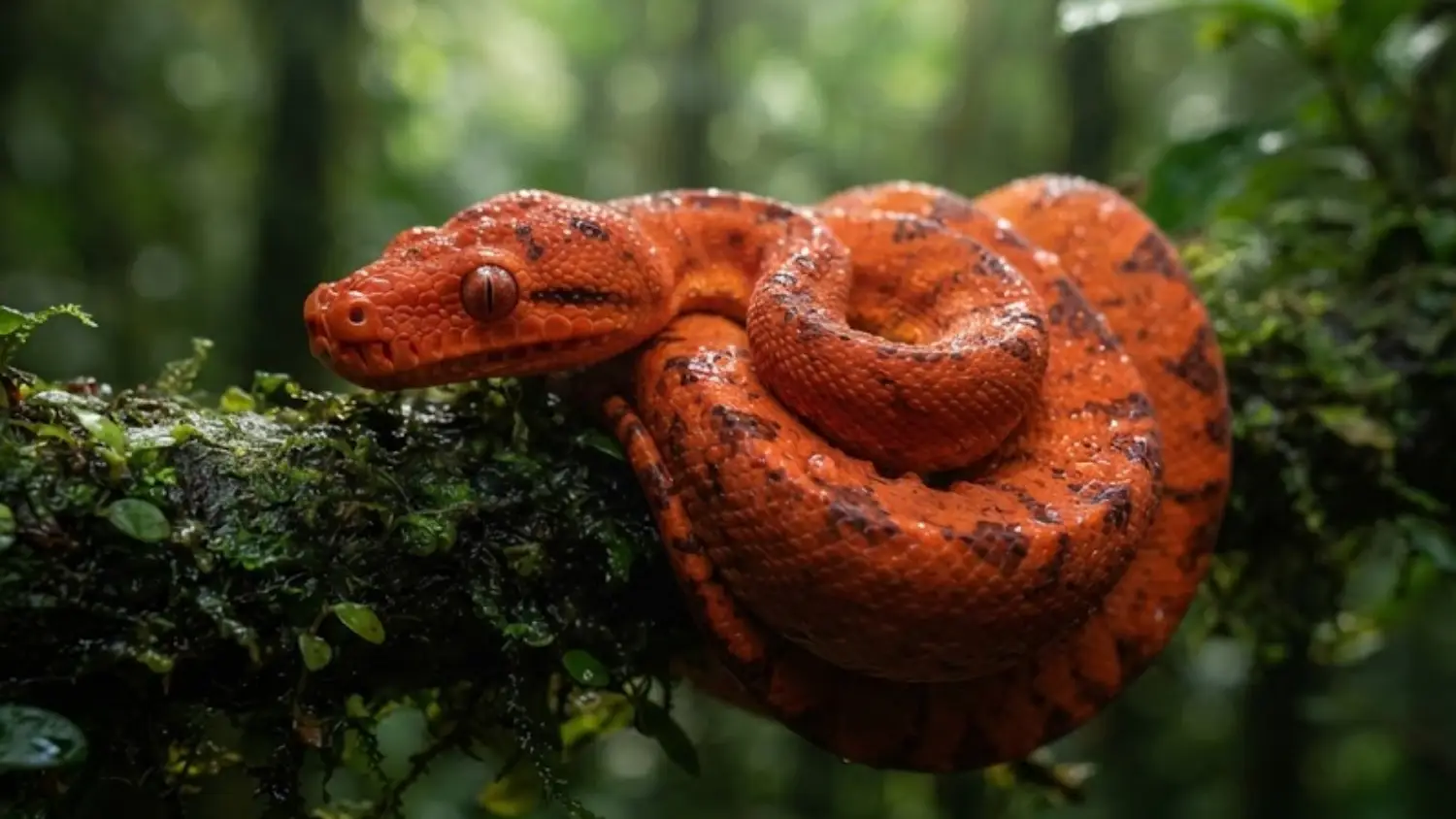
Deep in the Amazon rainforest lives a tree-dwelling snake that hatches bright red and matures into brilliant emerald green: the remarkable story of how the parrot snake rewrites its own camouflage as it grows.
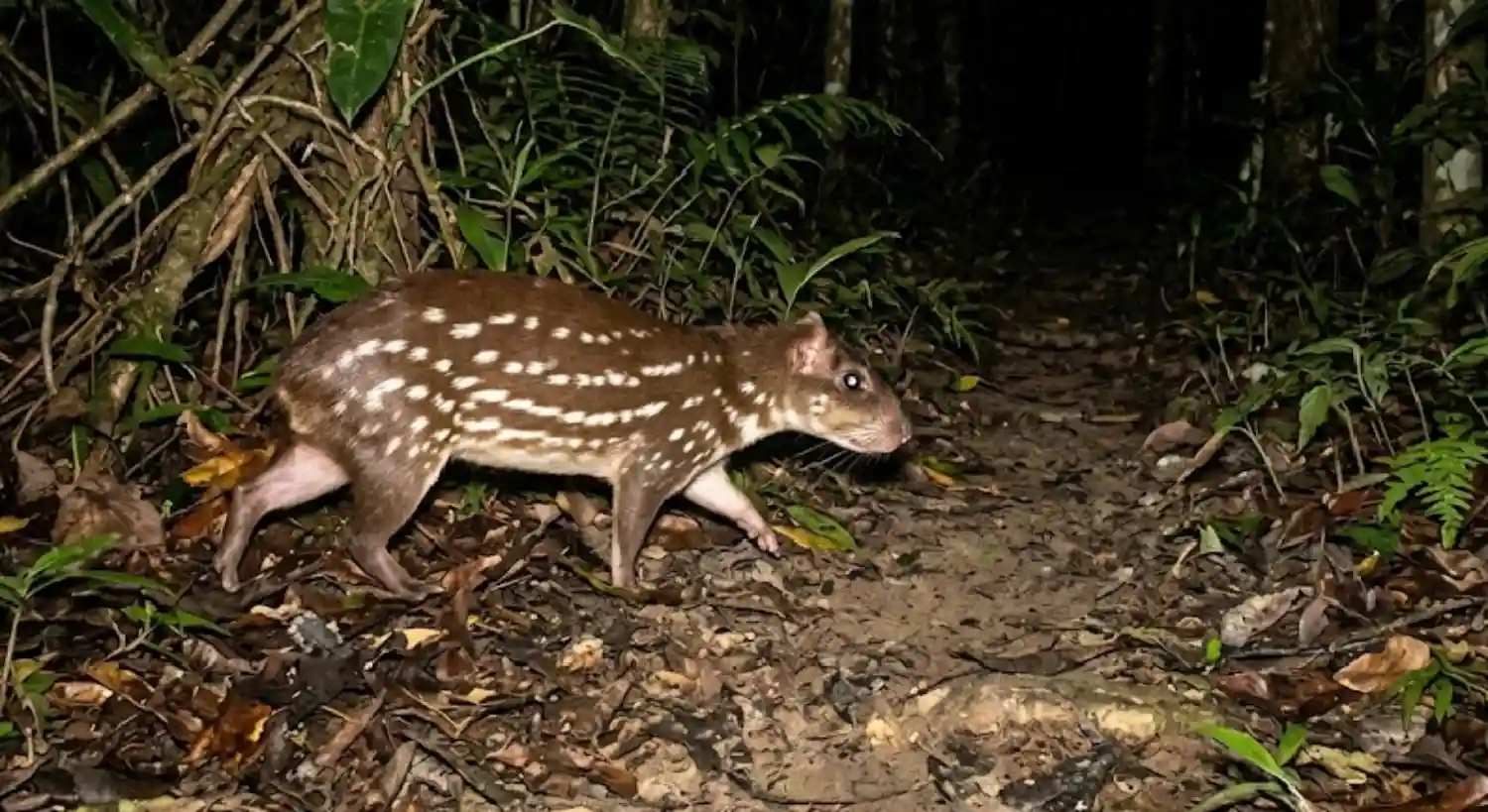
The paca, Brazil’s second largest rodent, walks fixed forest trails at night, buries seeds and quietly sustains the regeneration of the Amazon.
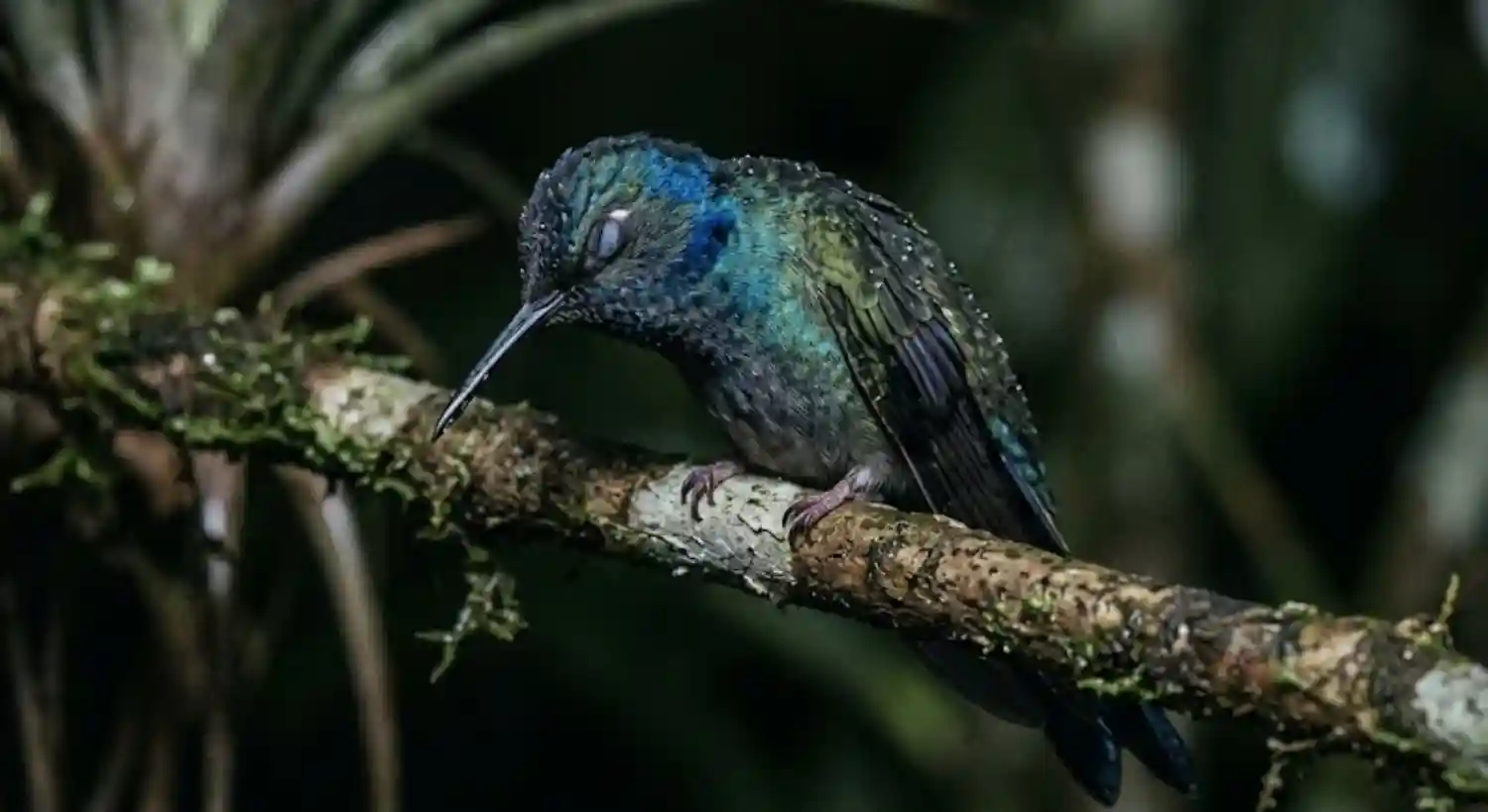
The smallest bird in the Americas slips into torpor at dusk, dropping its temperature and heartbeat to save up to ninety-five percent of its daily energy.