
Black Caiman: The Amazon’s Largest Freshwater Predator
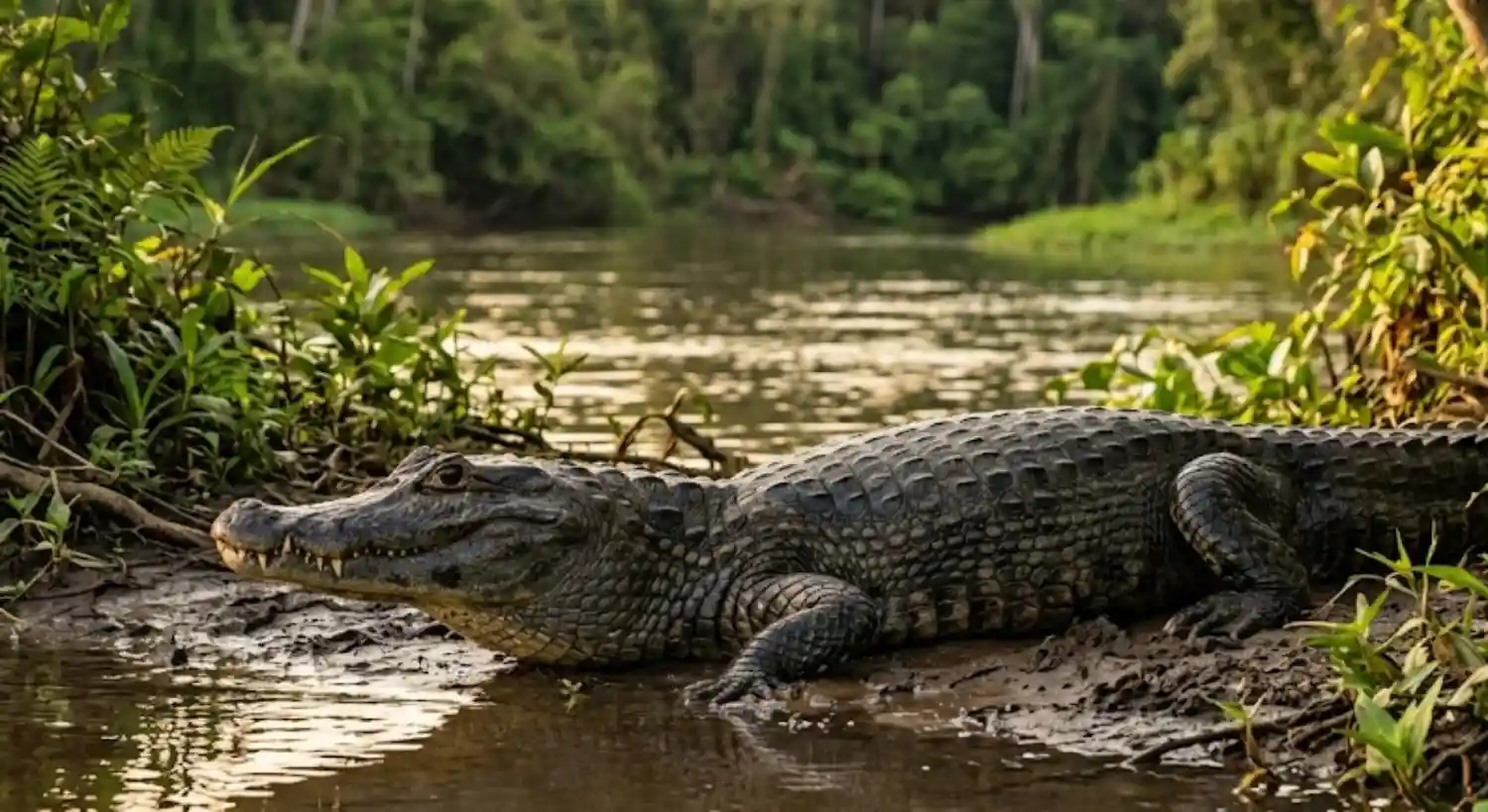
The black caiman rules the Amazon’s rivers as the largest freshwater predator in the Americas, pairing an extreme bite with razor-sharp senses that hold the wetlands in balance.
 Anne Silva
The black caiman rules the Amazon’s rivers as the largest freshwater predator in the Americas, pairing an extreme bite with razor-sharp senses that hold the wetlands in balance.
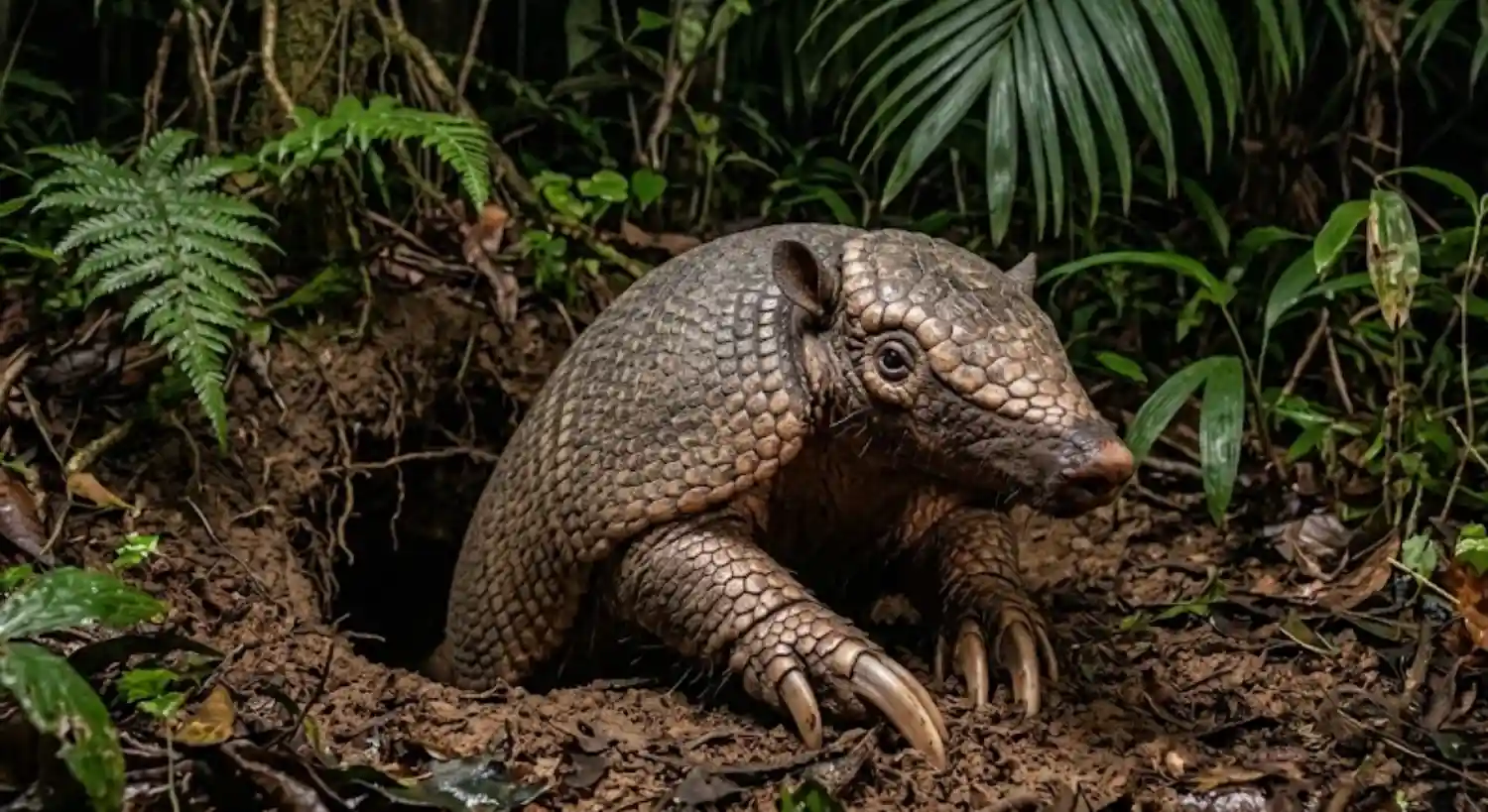
The largest armadillo on Earth opens tunnels more than forty centimetres wide in Amazonian soil, leaving behind shelters that dozens of mammals, birds and reptiles reuse to escape the heat and hide from predators.
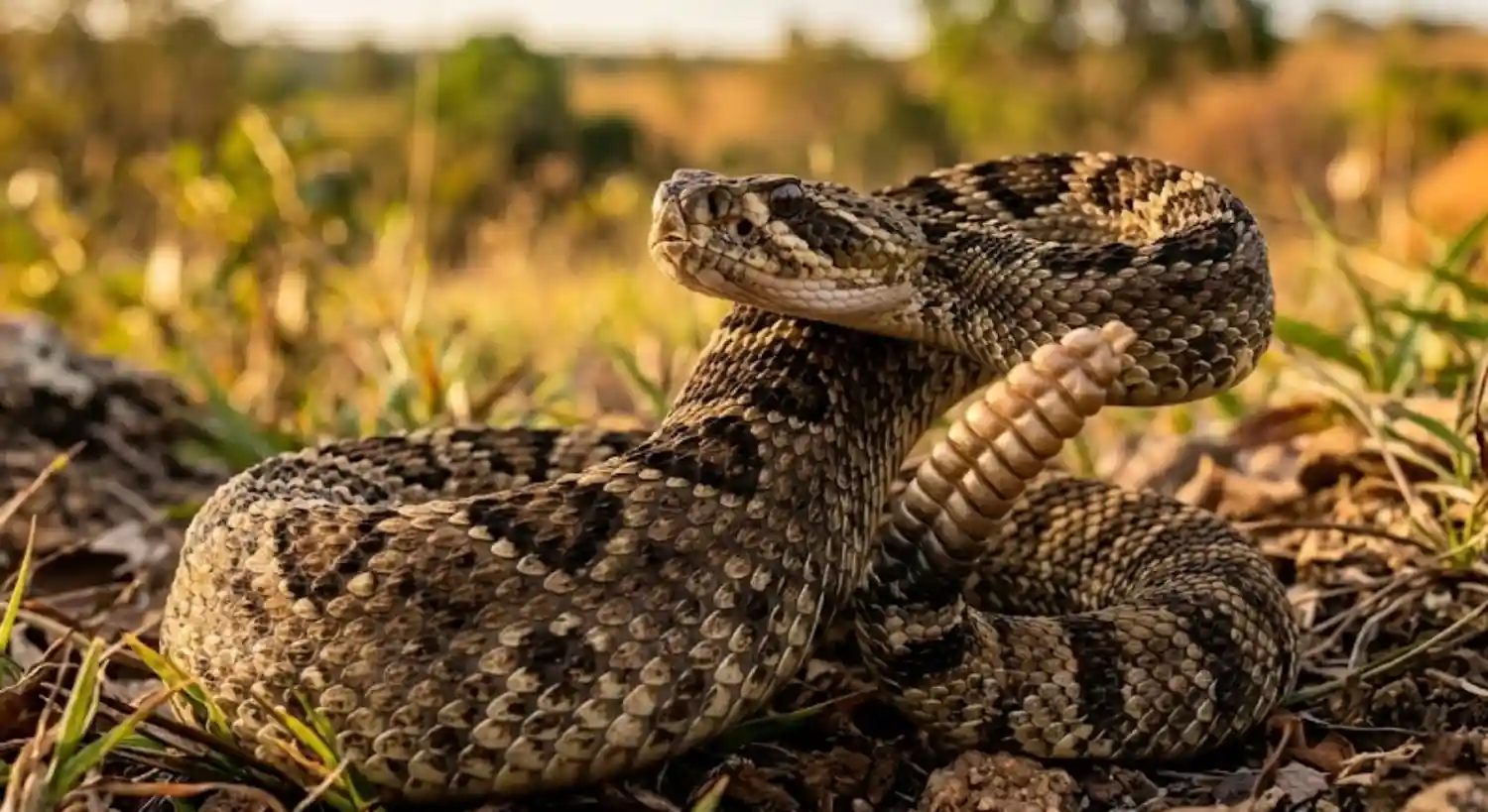
Brazil’s only venomous snake that announces itself: how the keratin rattle works, why the vibration outruns the human eye and what that dry sound is actually asking for.
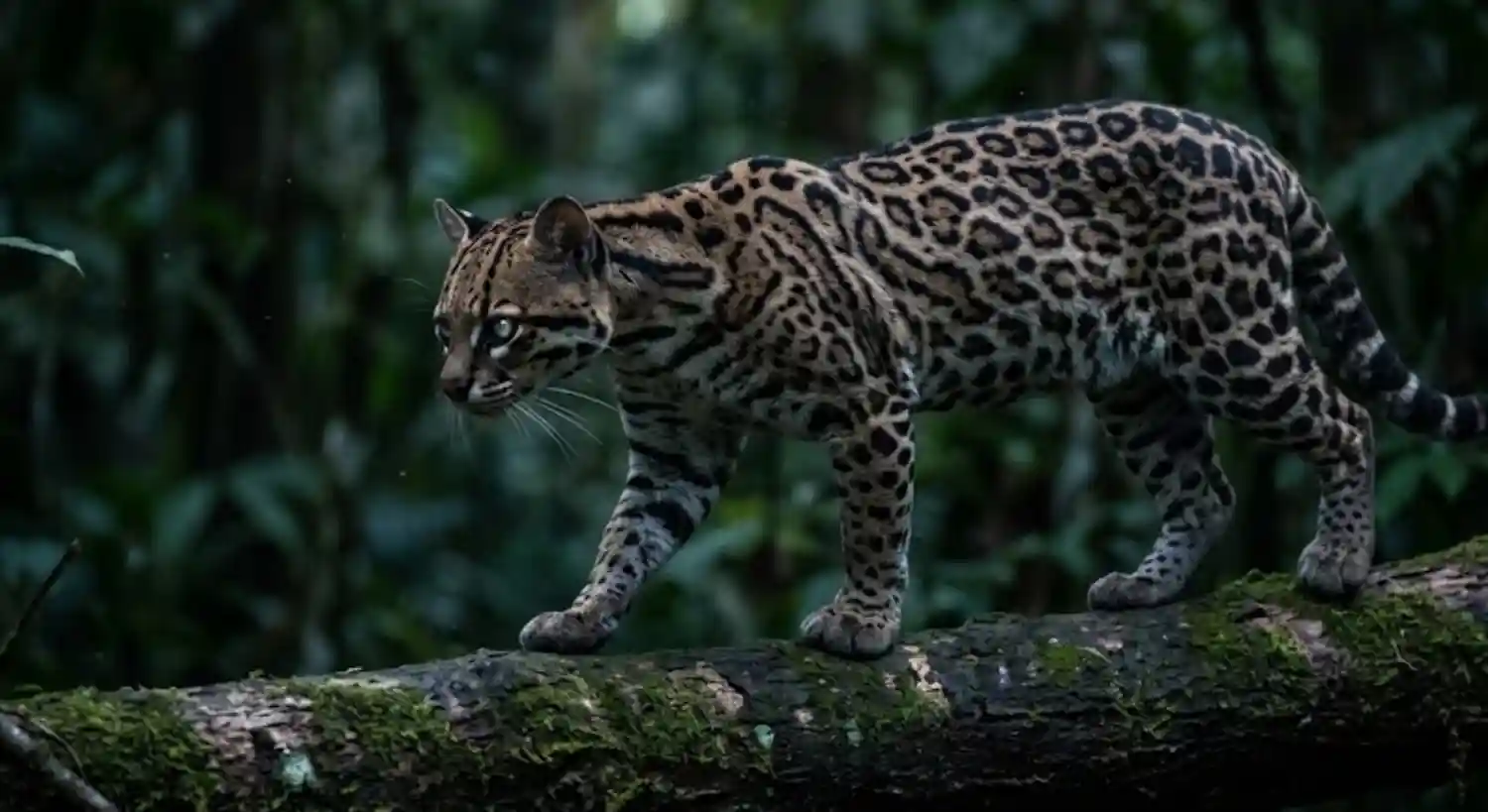
The ocelot, Leopardus pardalis, is the most widely distributed medium sized cat in Brazil, and it organizes its territory with urine, feces and pedal gland secretions, an invisible border system that keeps rivals apart without a fight.
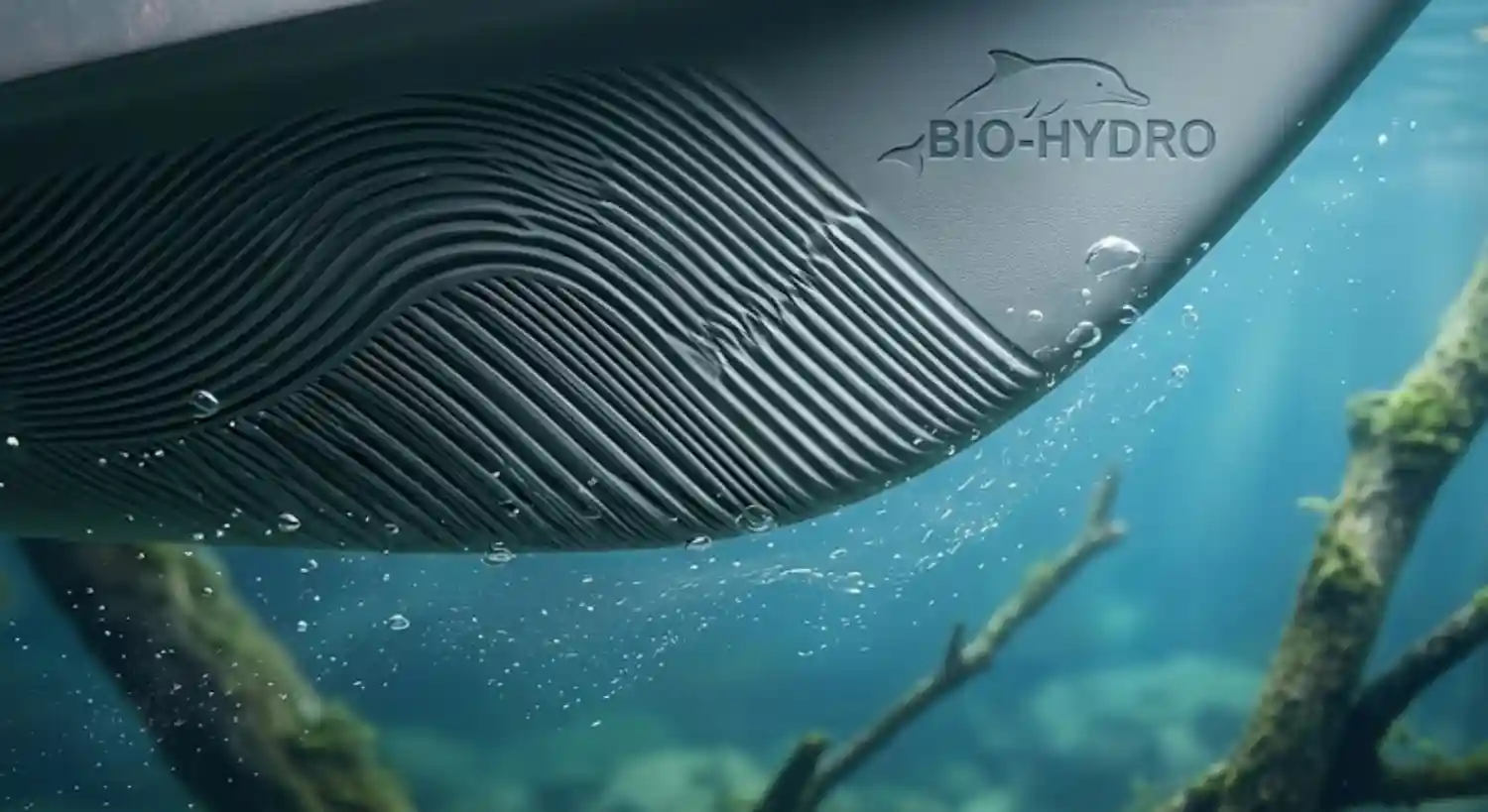
The microscopic architecture of cetacean skin has become the blueprint for a bioinspired hull coating that reduces hydrodynamic drag on large vessels, lowers fuel burn and removes the need for toxic antifouling paint.
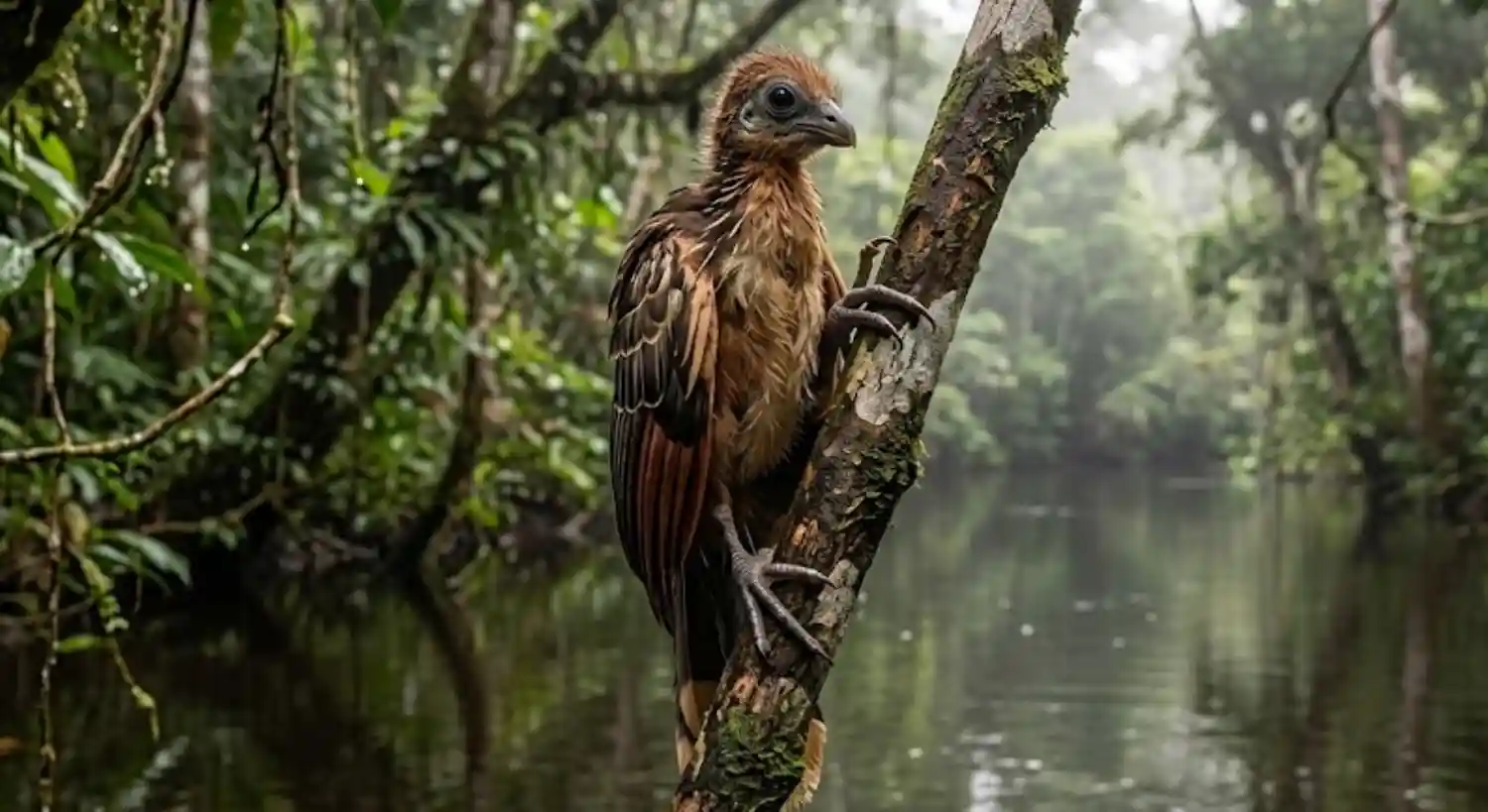
The hoatzin is the only bird in Brazil whose chicks hatch with functional wing claws, a temporary tool that lets them dive away from predators and climb back up to the nest.
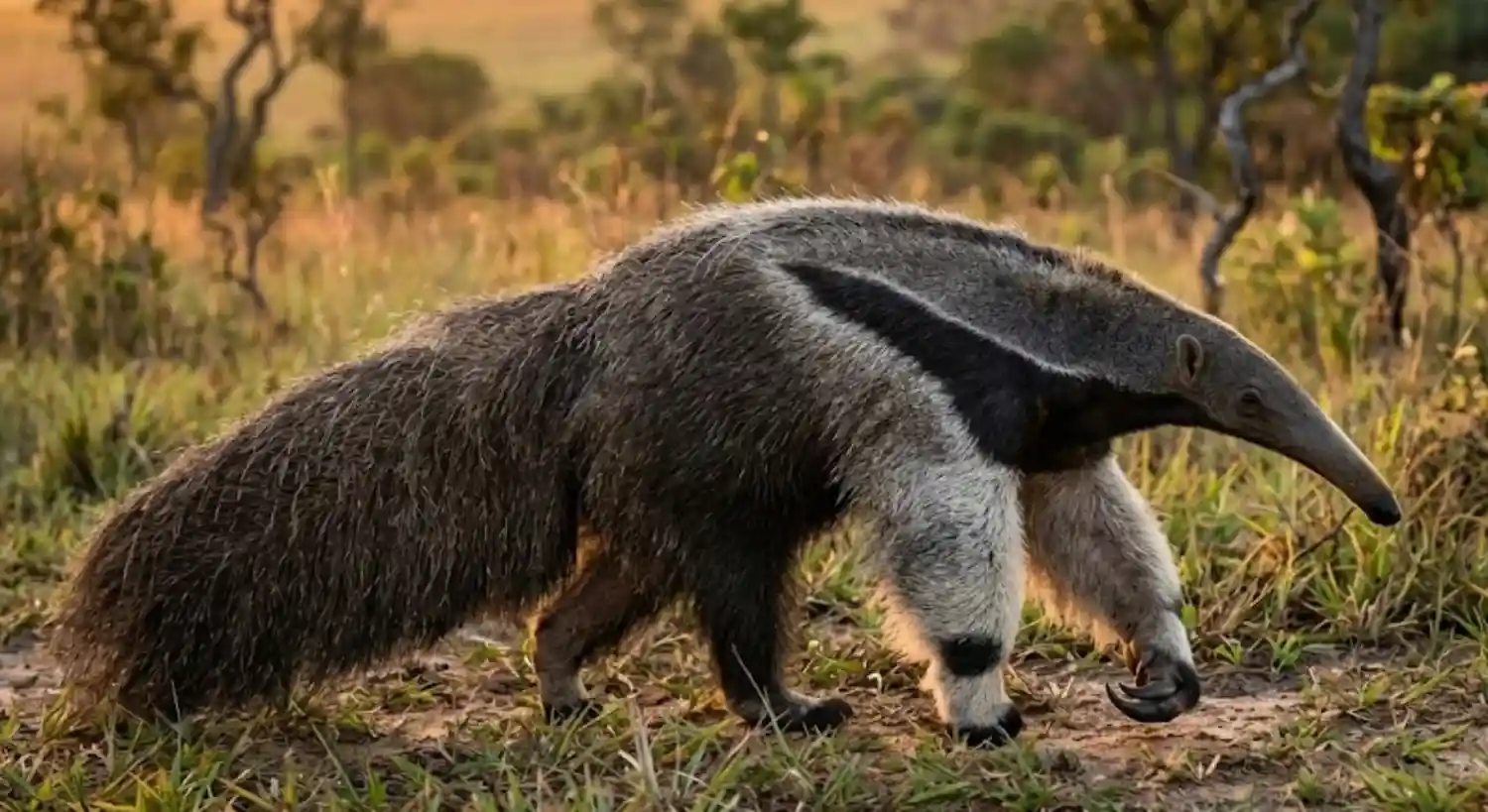
Without a single tooth in its mouth, the largest anteater in the Americas rips open termite mounds as hard as concrete with three ever-growing claws, then rears up on its hind legs to face a jaguar.
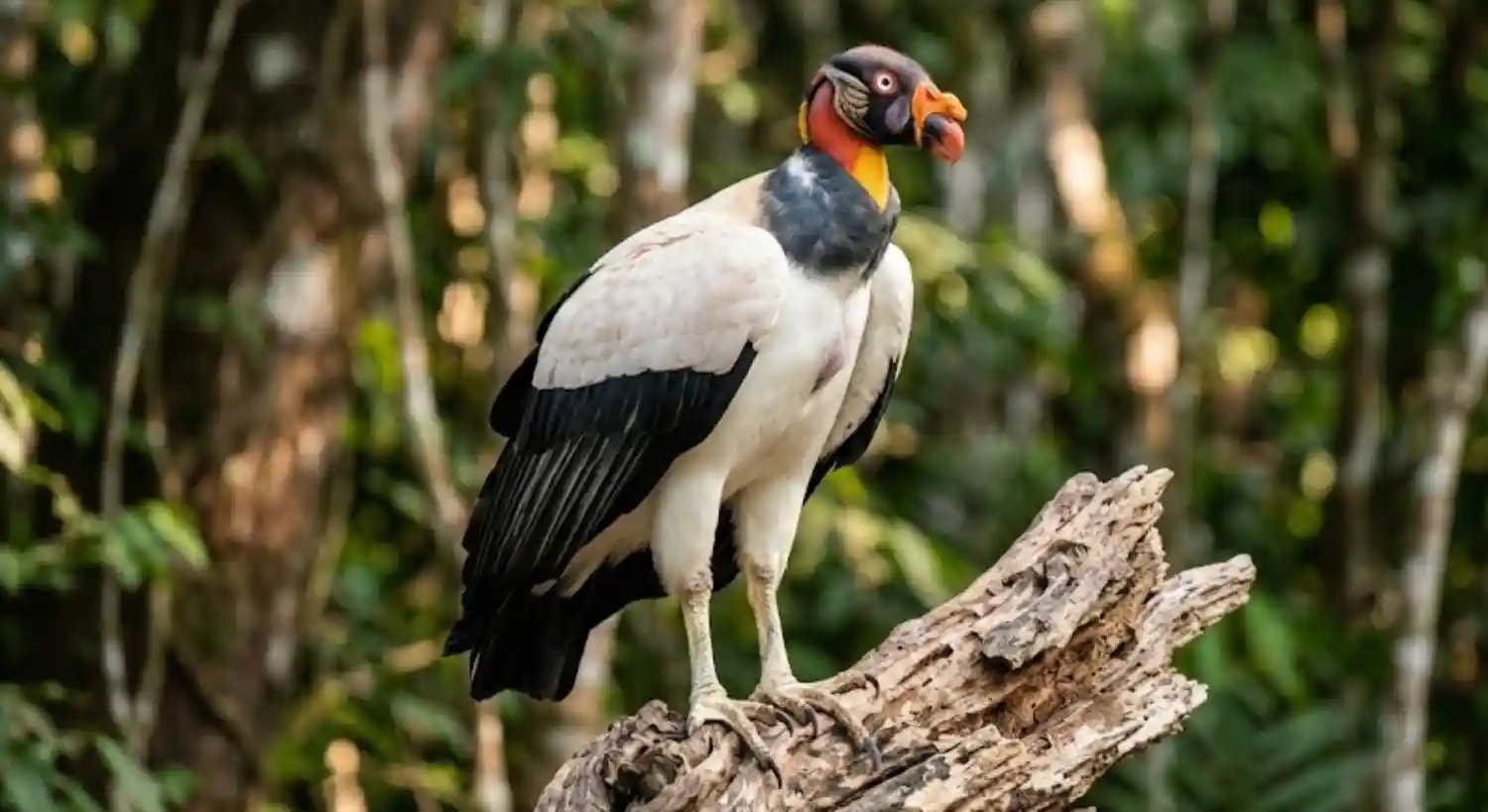
The king vulture sits at the top of Brazil’s scavenging hierarchy. It pairs extraordinary long range eyesight with a beak strong enough to tear open thick hides, and the entire forest decomposition network depends on that single act of opening.
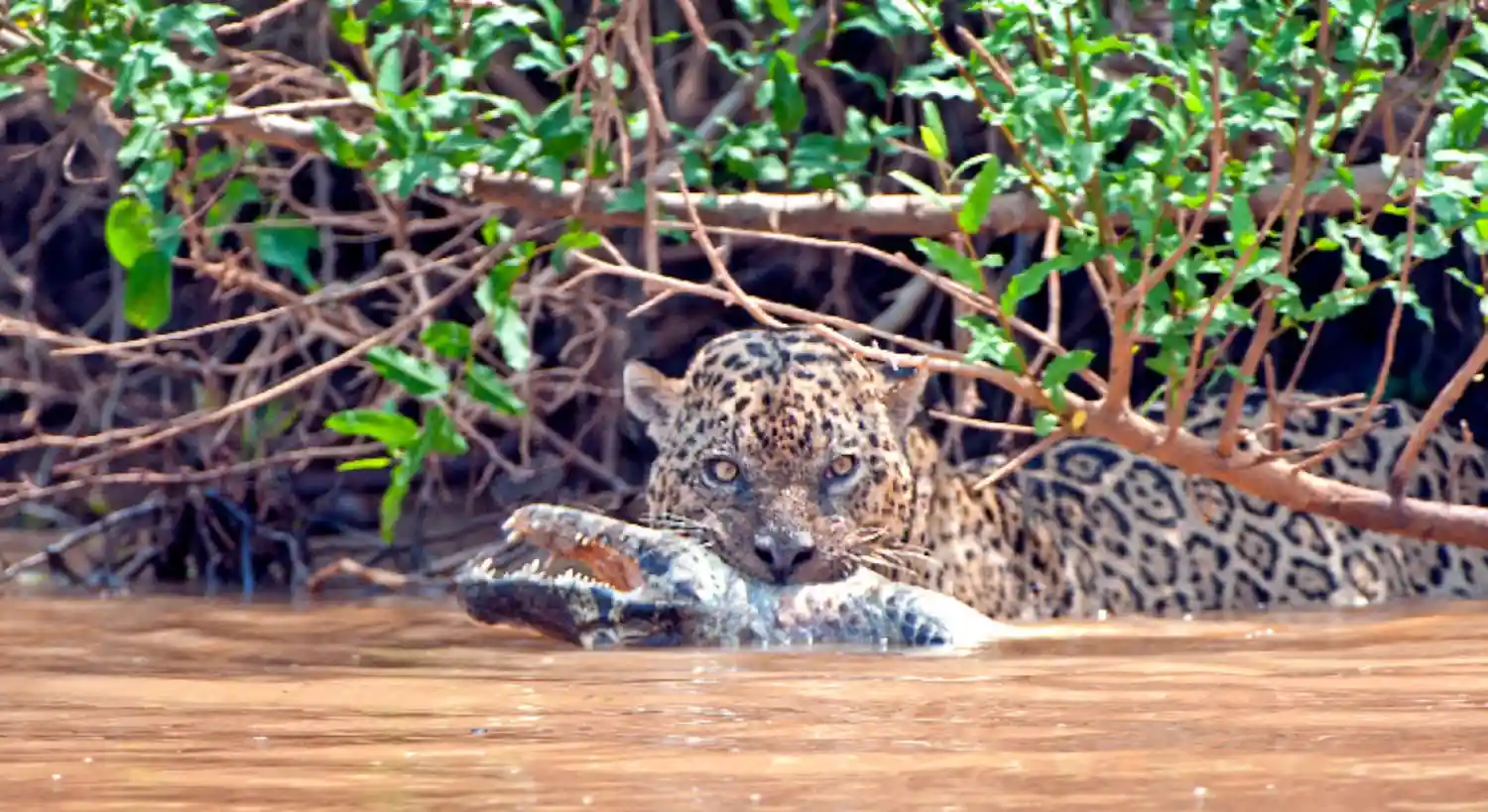
The jaguar is the only big cat in the Americas that submerges to hunt: it ambushes caimans and freshwater turtles inside the river, with a bite built to crack bony armour.
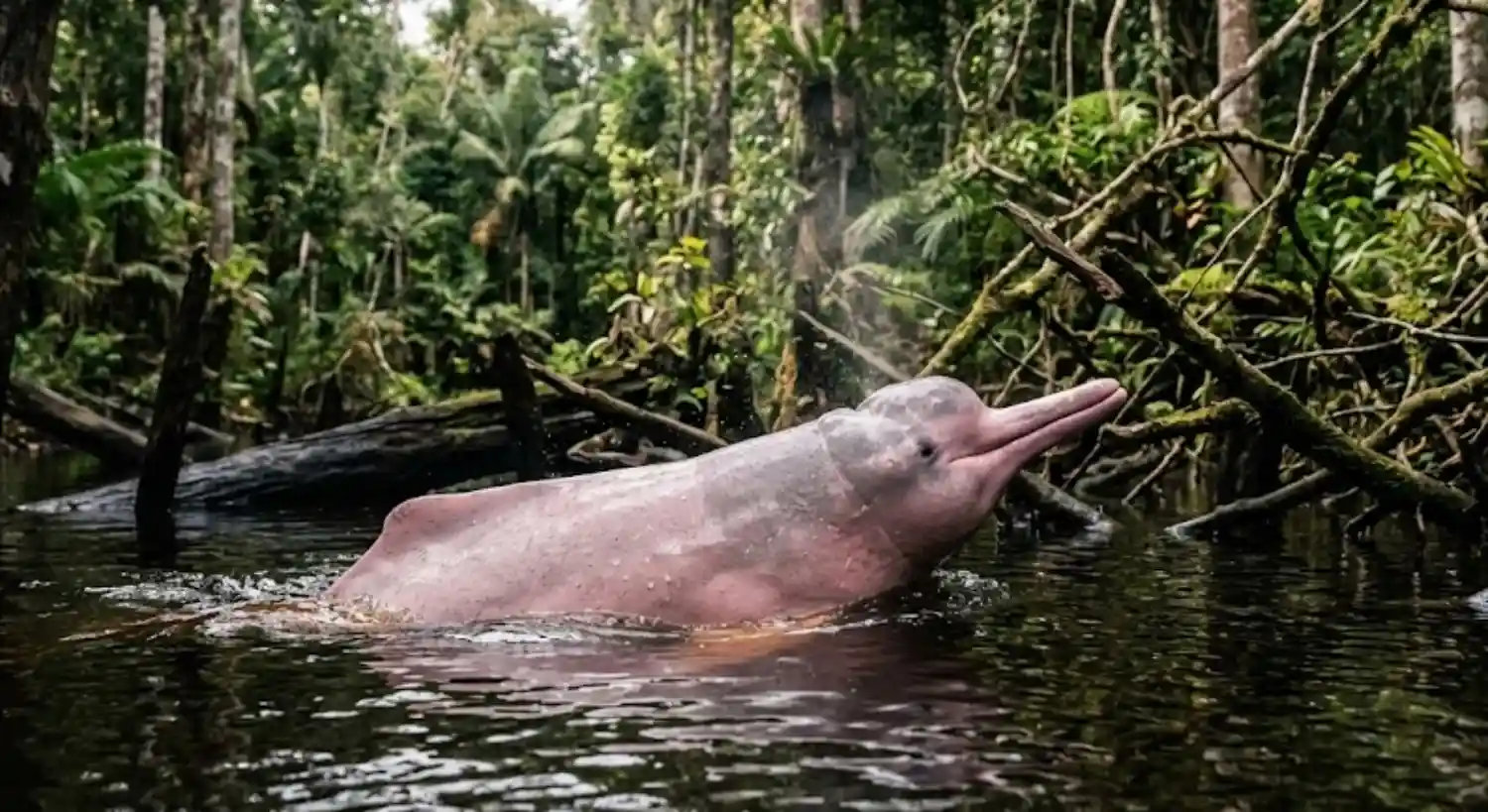
The largest freshwater dolphin on Earth lives in rivers where almost nothing is visible, using a biological sonar that turns every echo into a map of the water.