Casque-Headed Treefrogs Plug Their Hideouts With a Bony Skull to Hold In Water
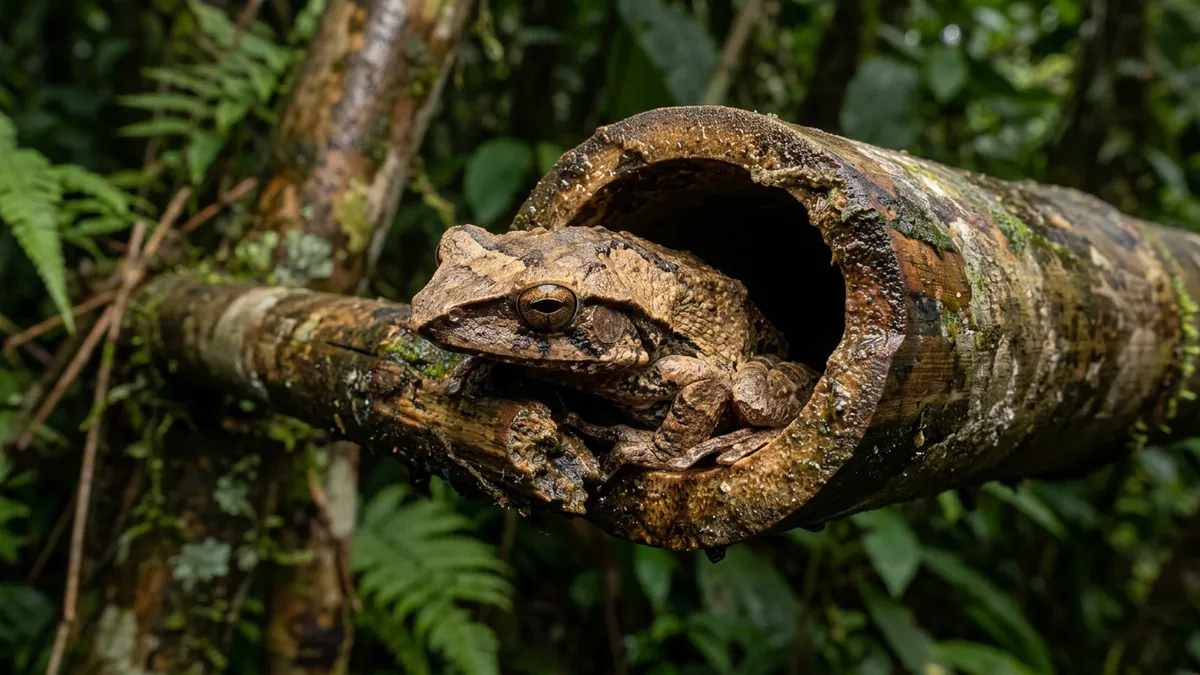
By day, the casque-headed treefrog hides in a bamboo hollow or a bromeliad and seals the entrance with its ossified head, cutting water loss until night falls.
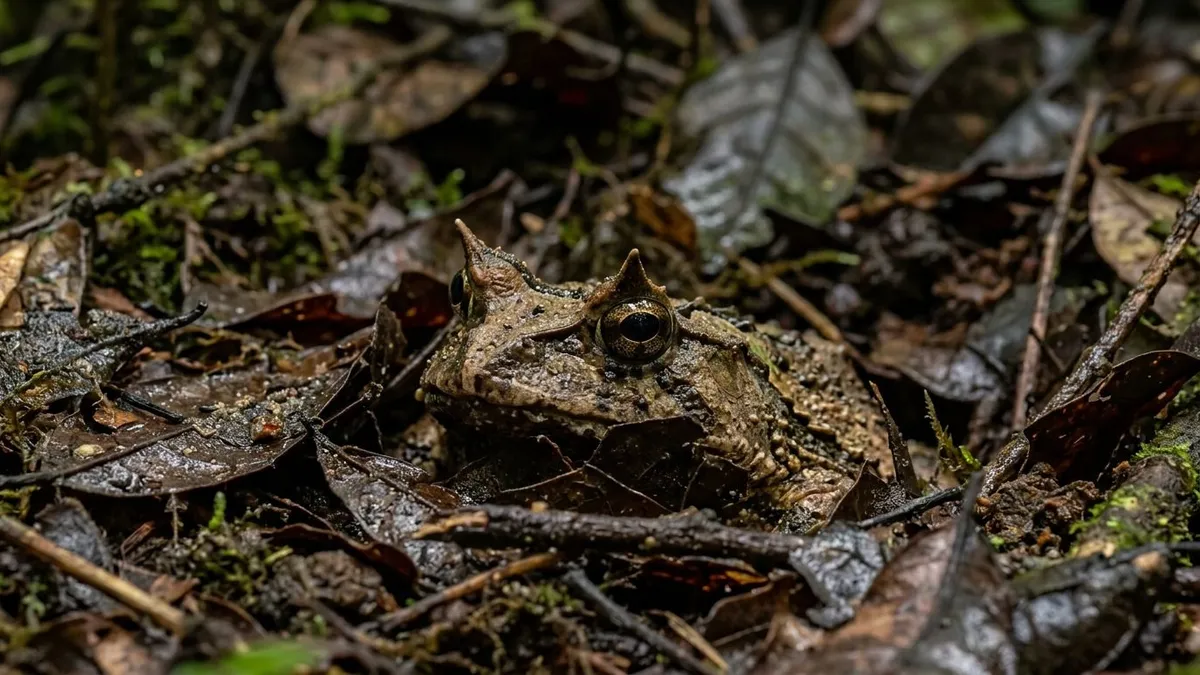
With leaf-shaped projections above its eyes, a huge mouth and true teeth, the Amazonian horned frog hides in the leaf litter and ambushes anything small enough to swallow.
In some caecilians, the female produces a layer of nutrient-rich skin that her young scrape off and eat. It happens underground, where the animal lives without legs and senses its way with a tentacle between eye and nostril.
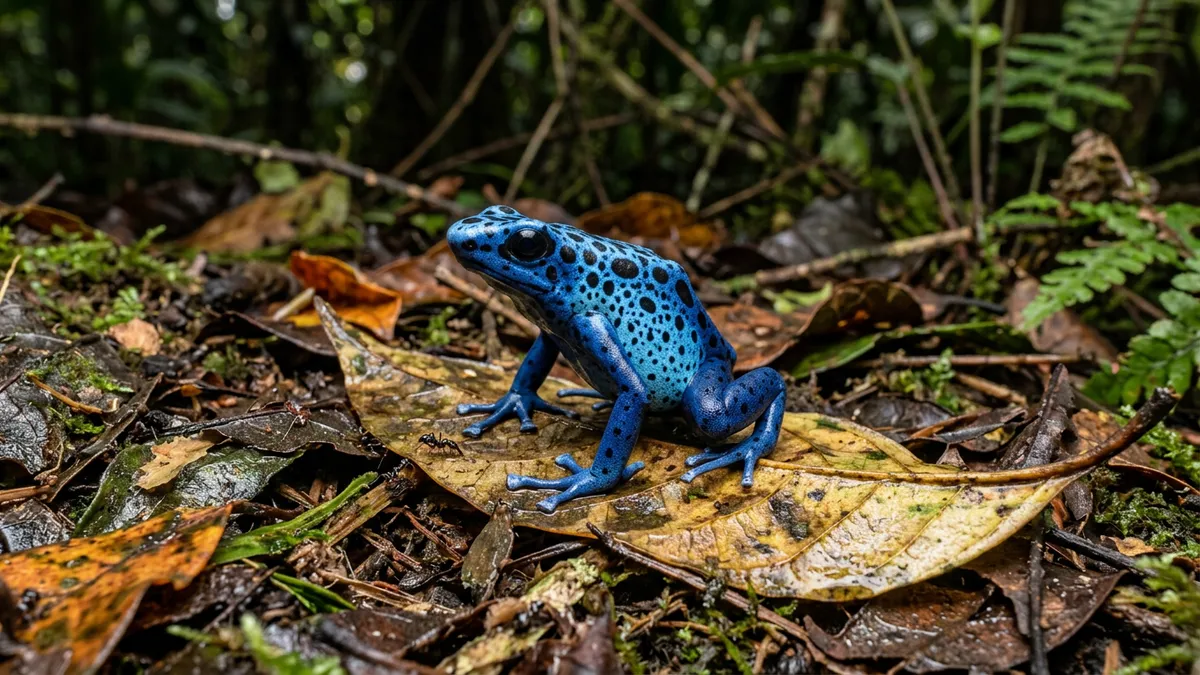
A poison dart frog does not make the alkaloids in its skin. It collects them from small ants and mites, which is why its warning colors depend on what the forest puts on the menu.
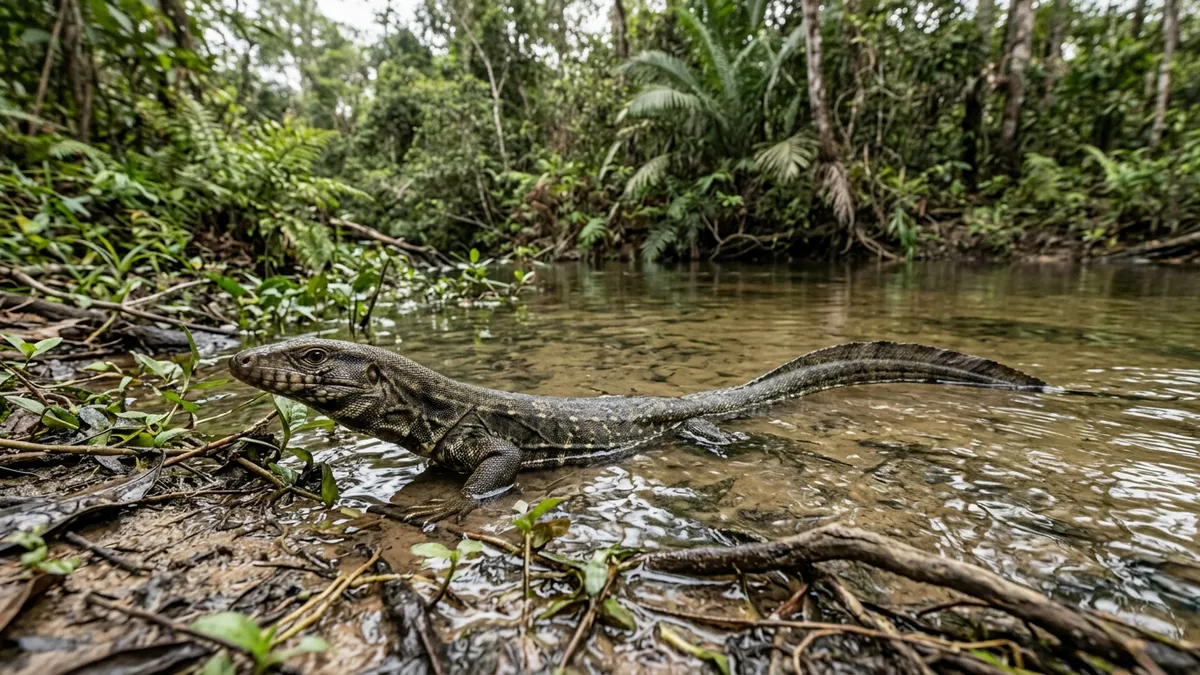
The caiman lizard, called jacarerana in Brazil, dives into Amazonian streams and stays under for minutes when threatened. Despite its name, it is a lizard, not a relative of caimans.
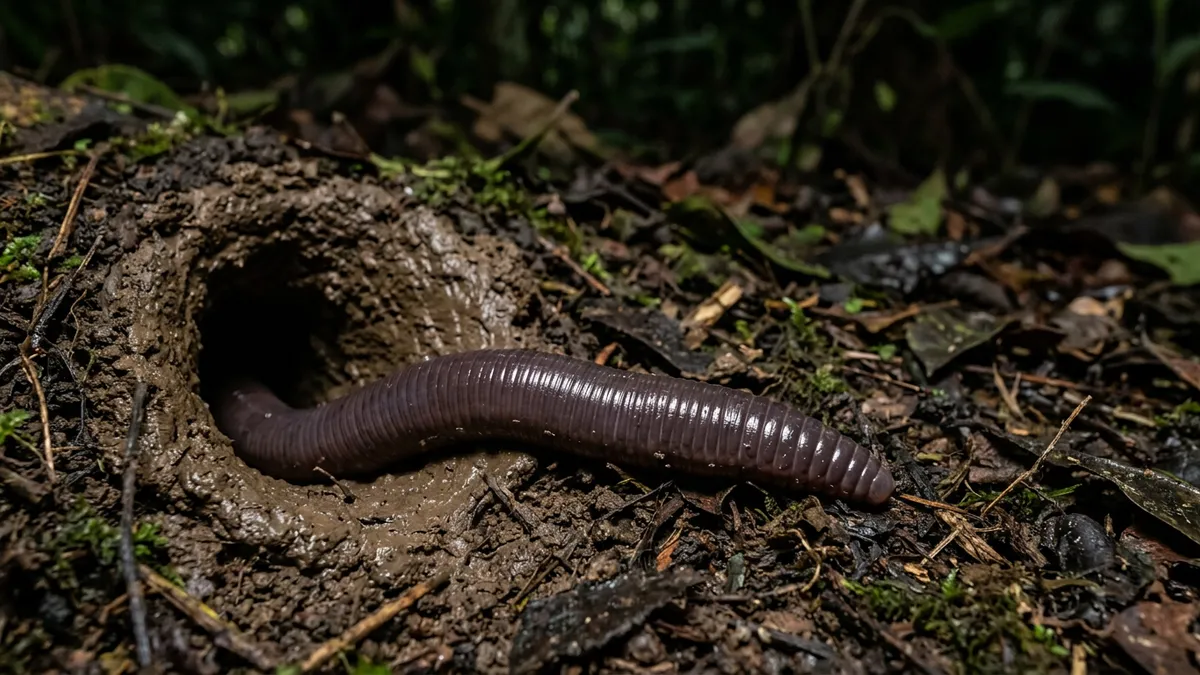
The giant Amazonian earthworm digs vertical and horizontal galleries that let water and air into the soil, comes out at night to feed and leaves nutrient-rich casts behind.
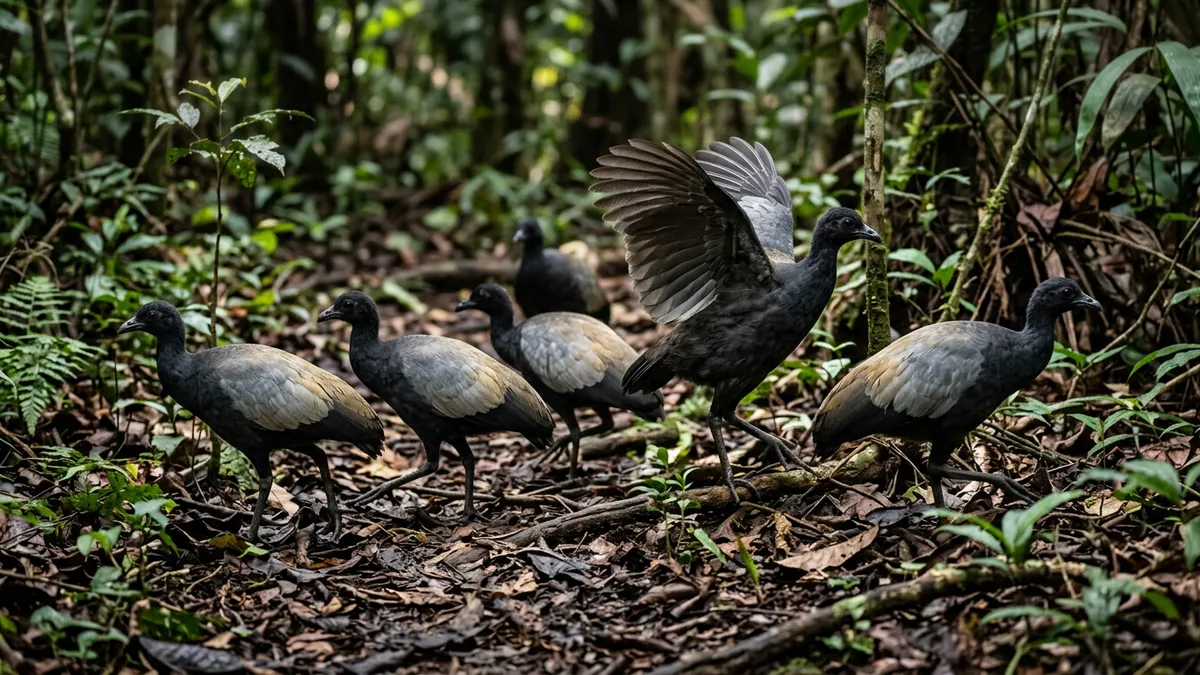
The trumpeter, known in Brazil as jacamim, runs through the Amazon understory in coordinated groups, raises chicks with several adults and sounds alarms that other species can hear.
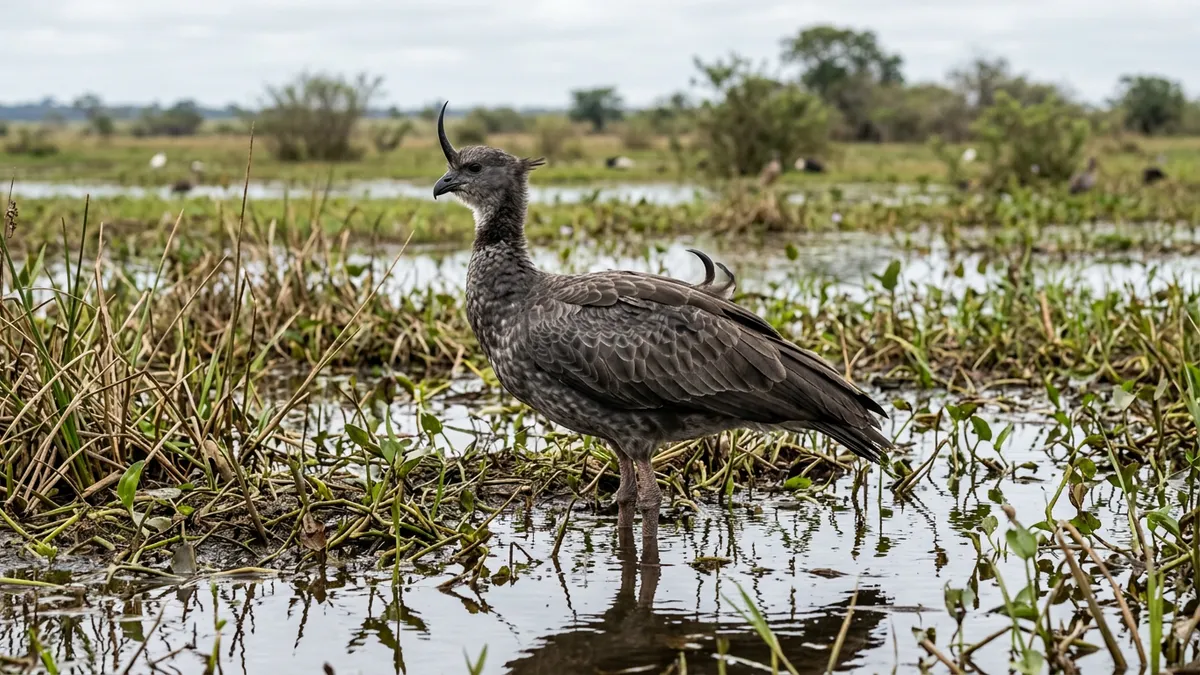
The horned screamer, called anhuma in Brazil, combines two bony wing spurs used in disputes, a voice that carries for miles and an air chamber under the skin.
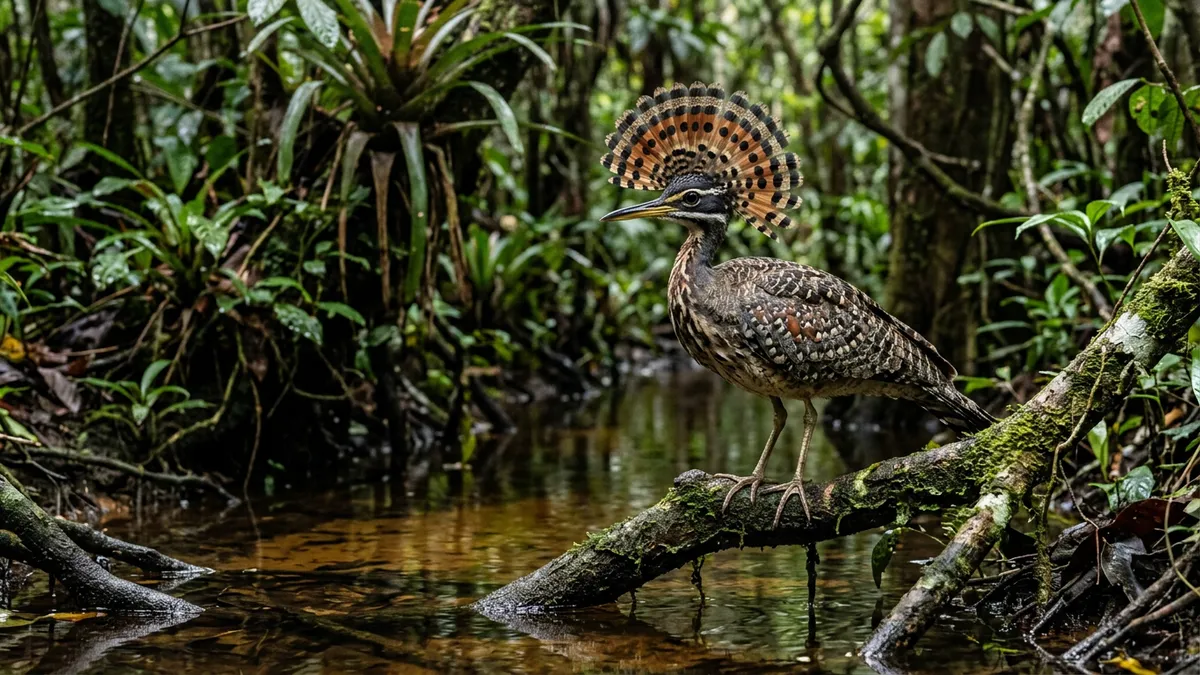
In flooded Amazon forest, the sunbittern raises a fan of crest feathers for display and alarm, while a pair defends the same stretch of stream.
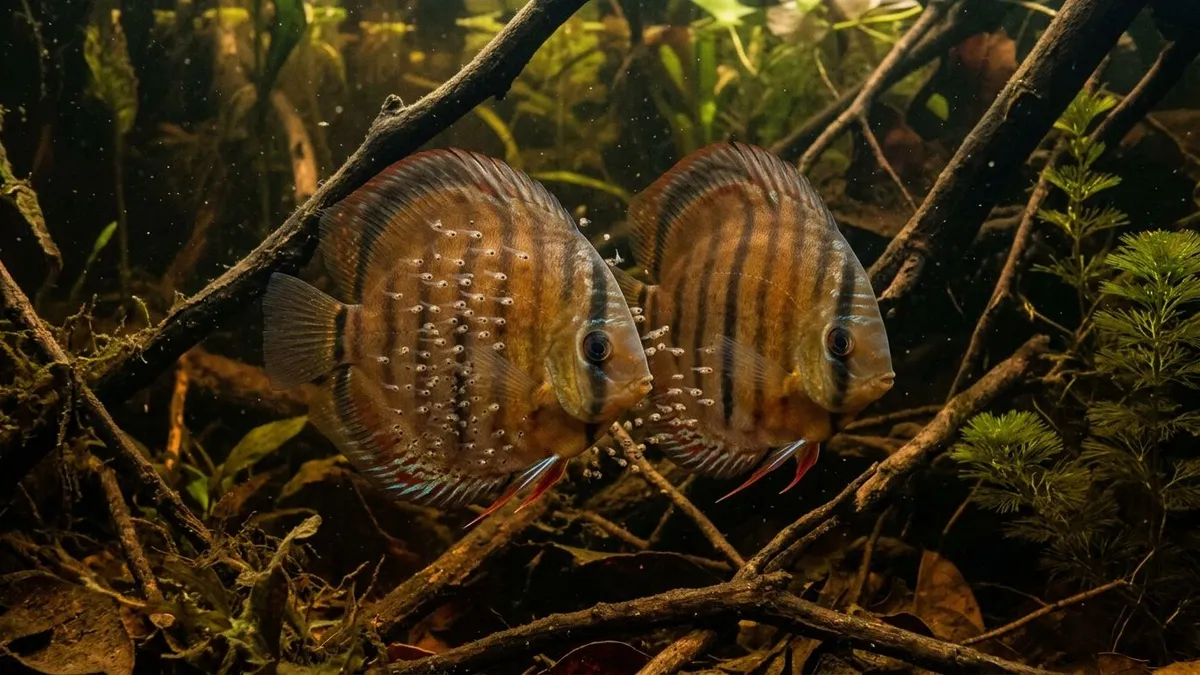
In the first days of life, discus fish fry eat a nutrient-rich secretion straight from the skin of both parents. The behavior unfolds in the black-water streams of the Amazon.