The Amazon’s biggest carbon vault is buried under the roots
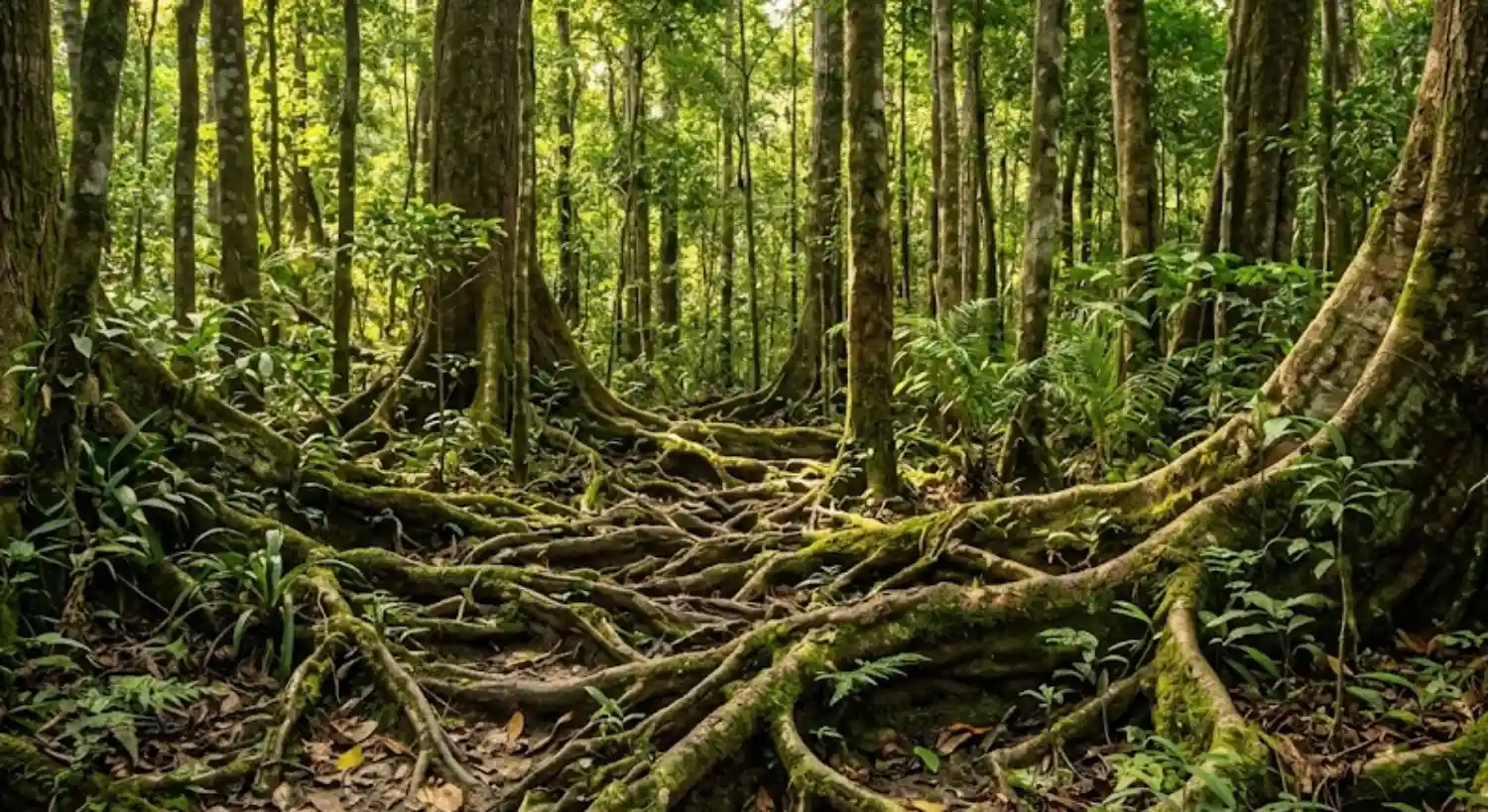
Amazon soil holds more carbon than the trees standing on top of it. A reservoir built over millennia that deforestation releases twice over.
 Anne Silva
Amazon soil holds more carbon than the trees standing on top of it. A reservoir built over millennia that deforestation releases twice over.
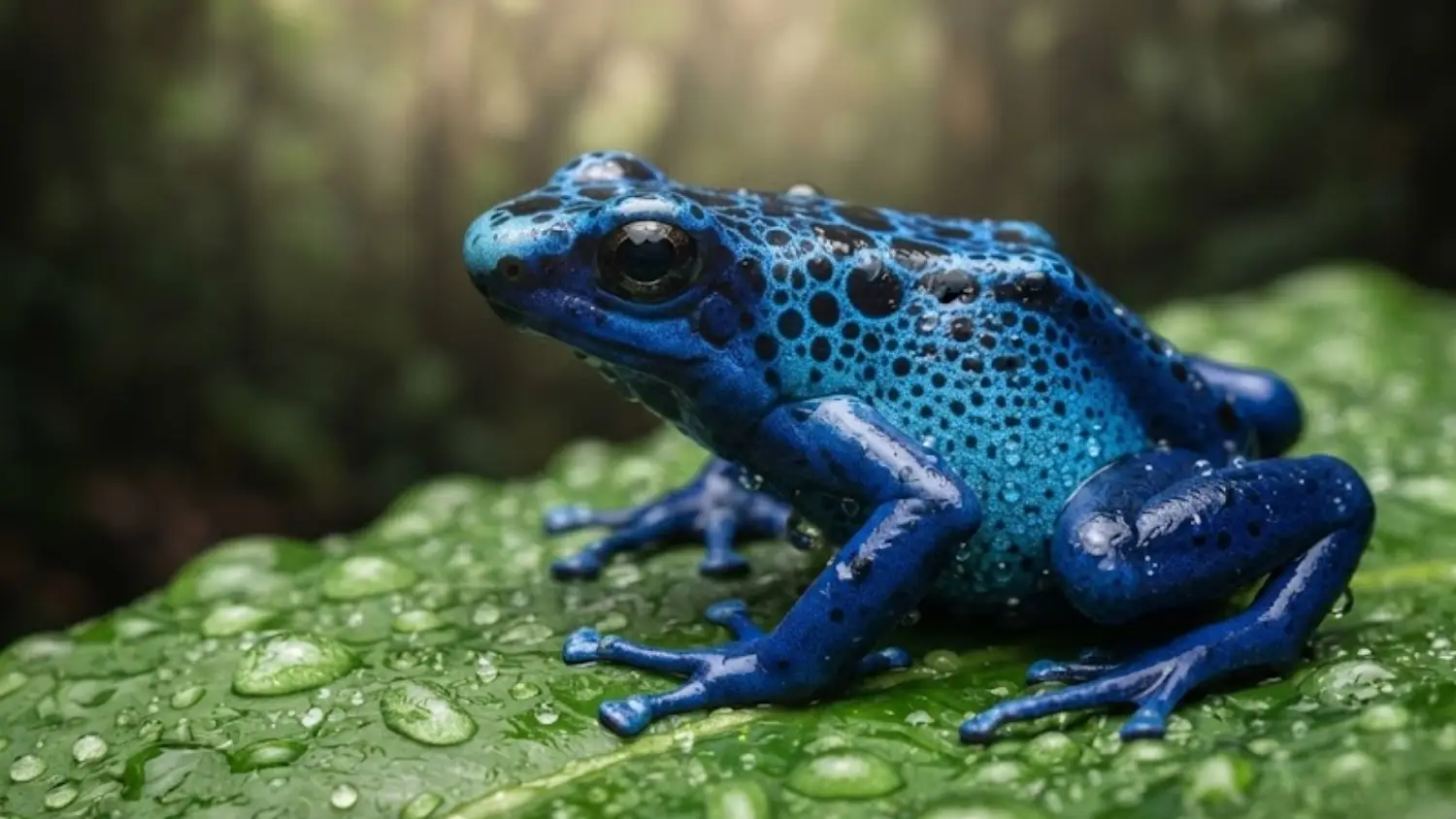
Skin toxins from Amazonian toads and frogs carry peptides that block pain without the side effects of synthetic opioids, pointing to a new route for pharmacology.
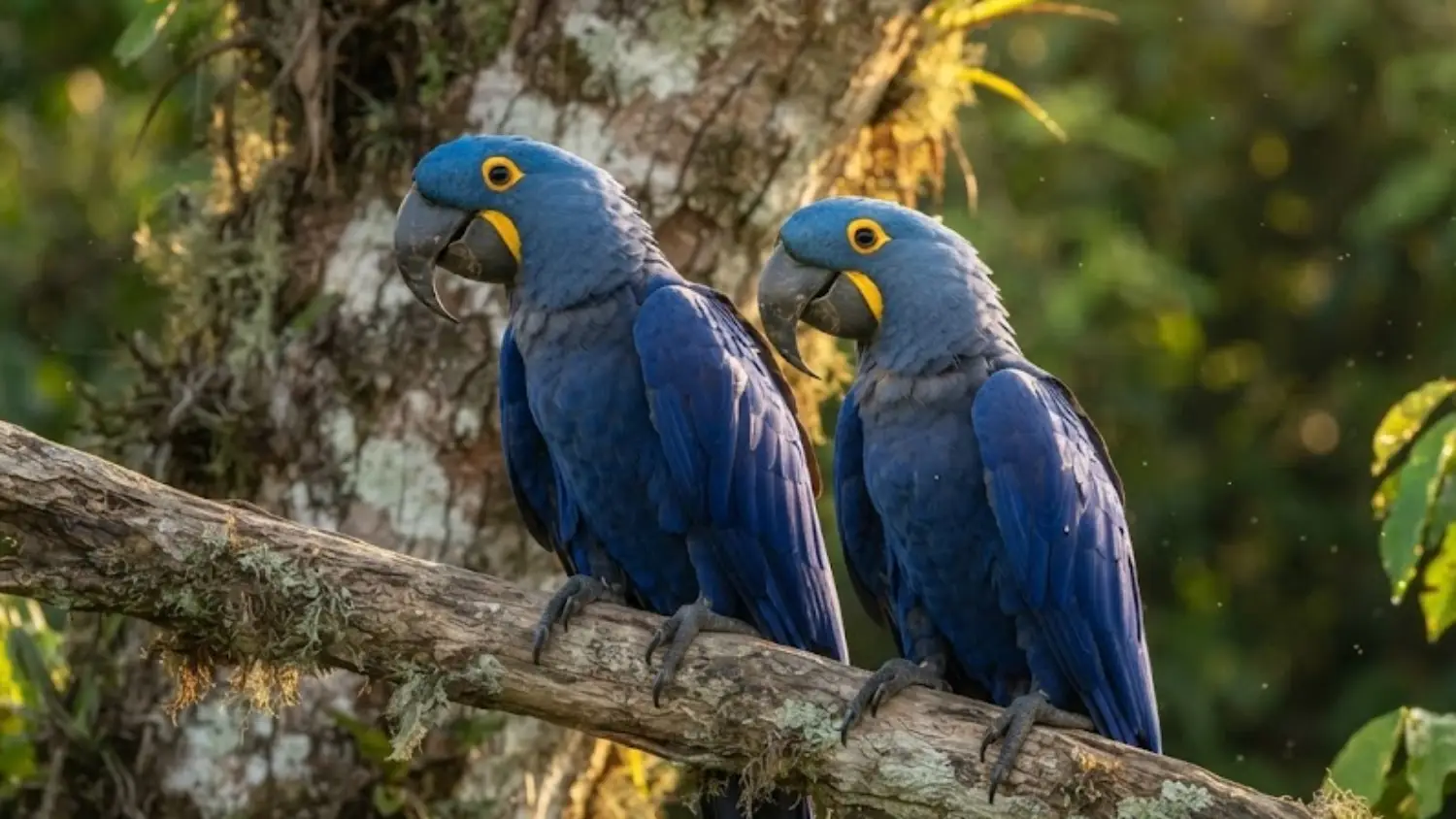
The hyacinth macaw pairs for life, and when it loses its partner it may refuse food and waste away alone. A bond that also helps hold the forest together.
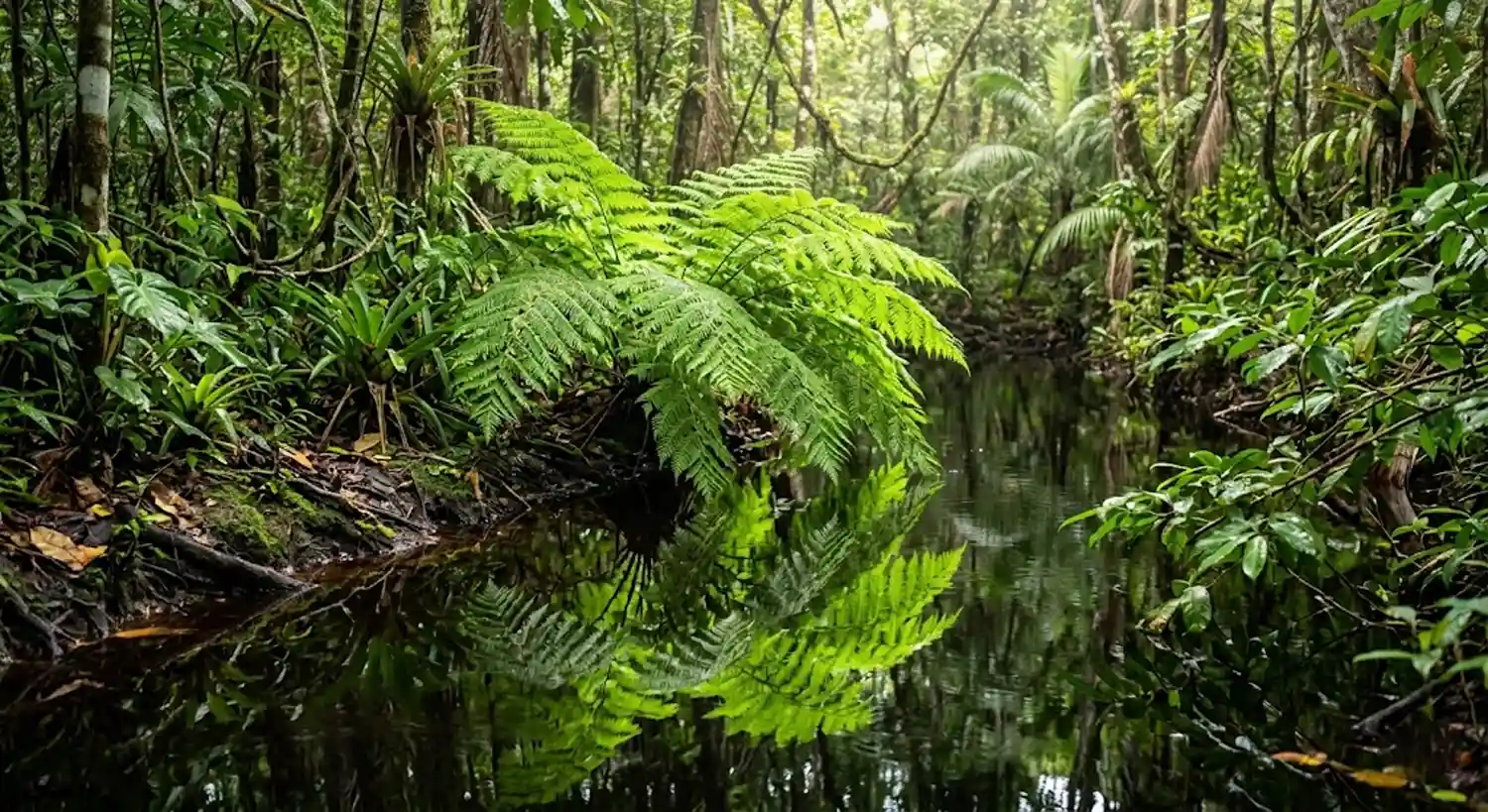
Brazilian researchers found that a giant fern growing along Amazonian creek banks absorbs arsenic and heavy metals, turning riverside vegetation into a living water filter.
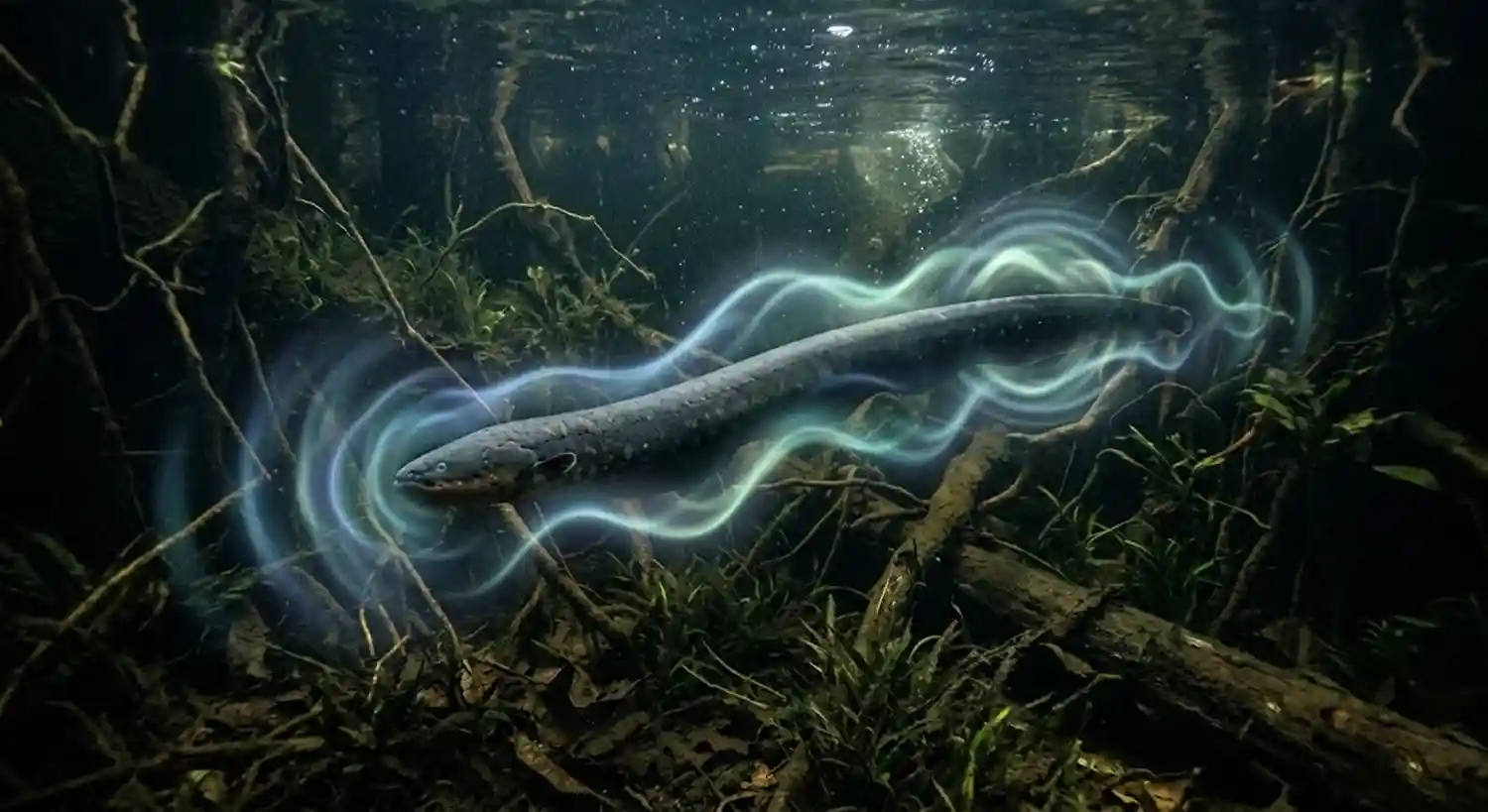
The Amazon’s electric eel does more than deliver eight hundred and sixty volts: it uses weak pulses to converse, court and mark territory where eyesight is useless.
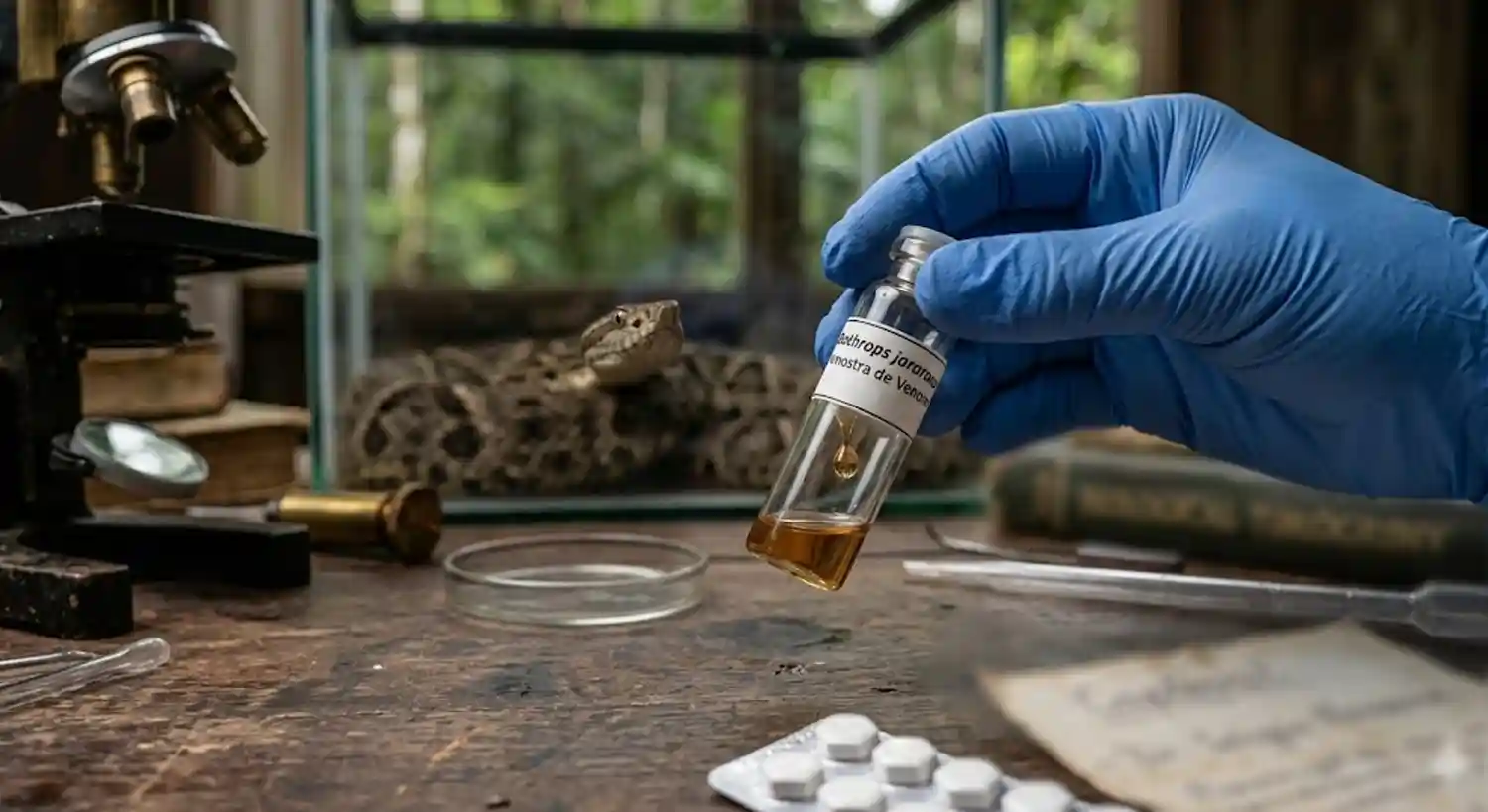
A toxin that can collapse a prey animal’s blood pressure in seconds gave rise to captopril, the first medicine ever built from the molecular blueprint of its biological target. The story of how a Brazilian snake rewrote cardiology.
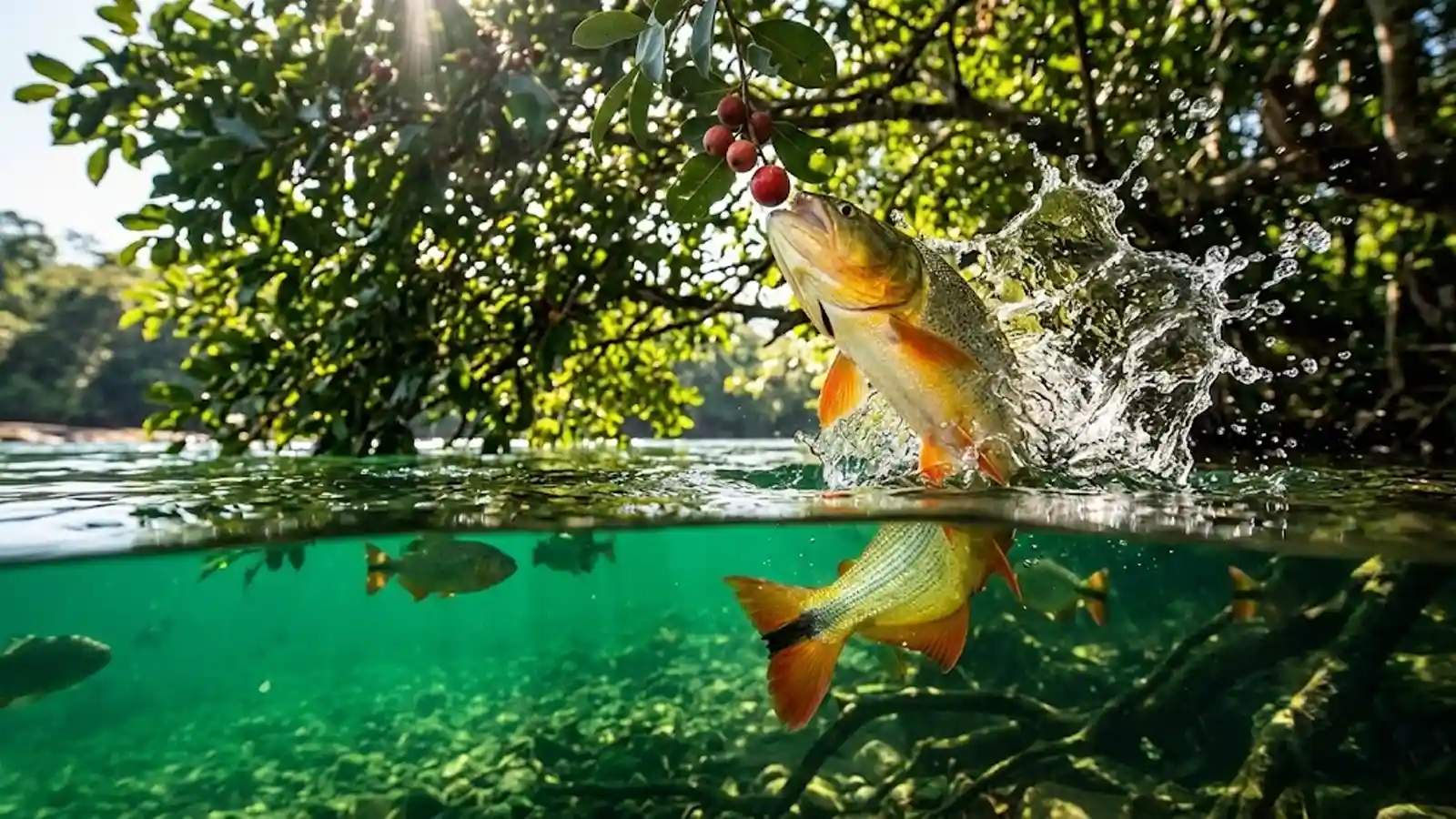
Silver scaled and red finned, the piraputanga anchors observation tourism in the transparent rivers of the Pantanal and works as a live gauge of the biome’s health.
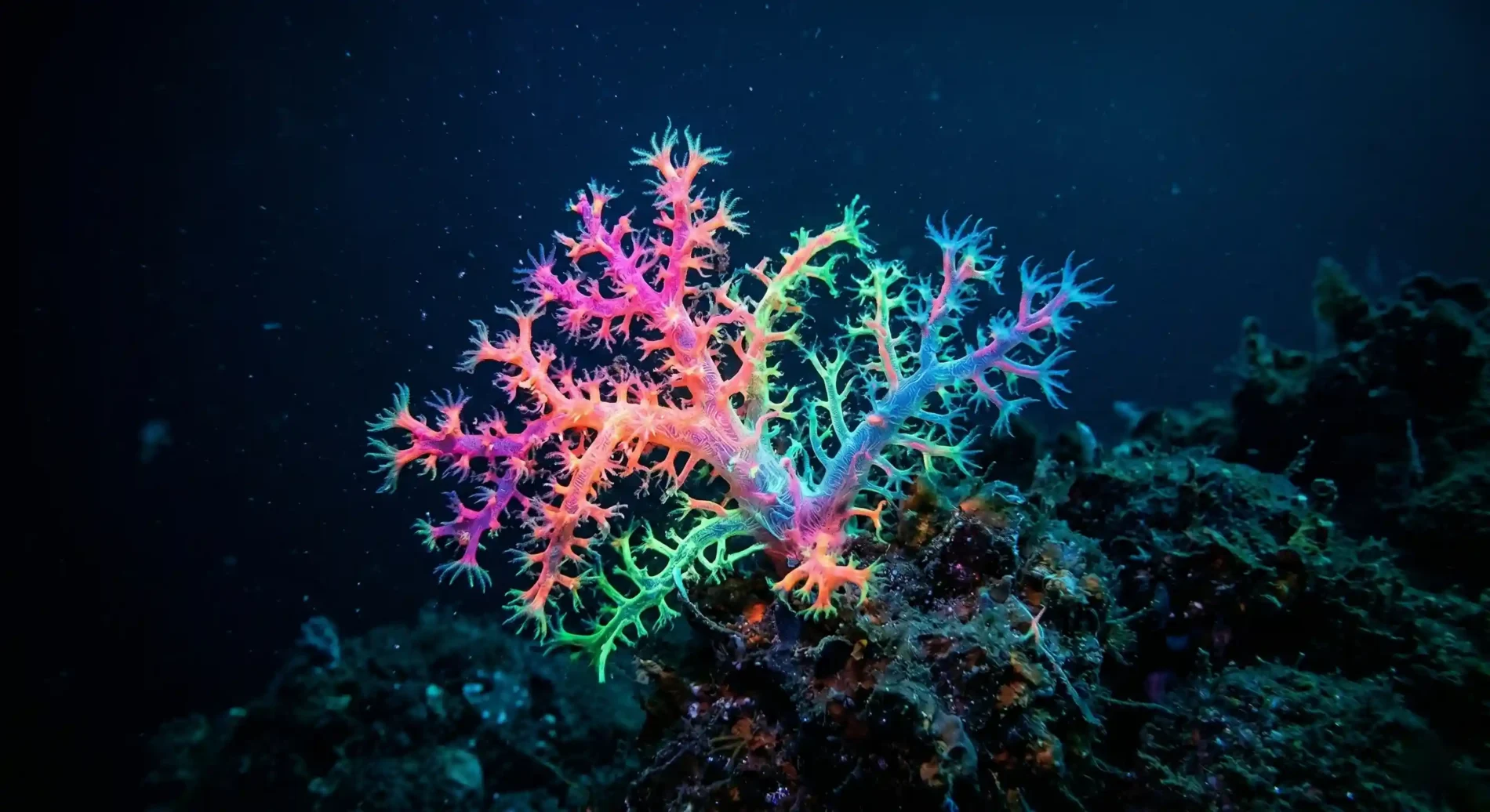
Researchers from the University of Sao Paulo and the Brazilian Navy report that Brazil’s marine territory can hold more life per square metre than the rainforest itself, and that new species are being found there at a rate of two per week.
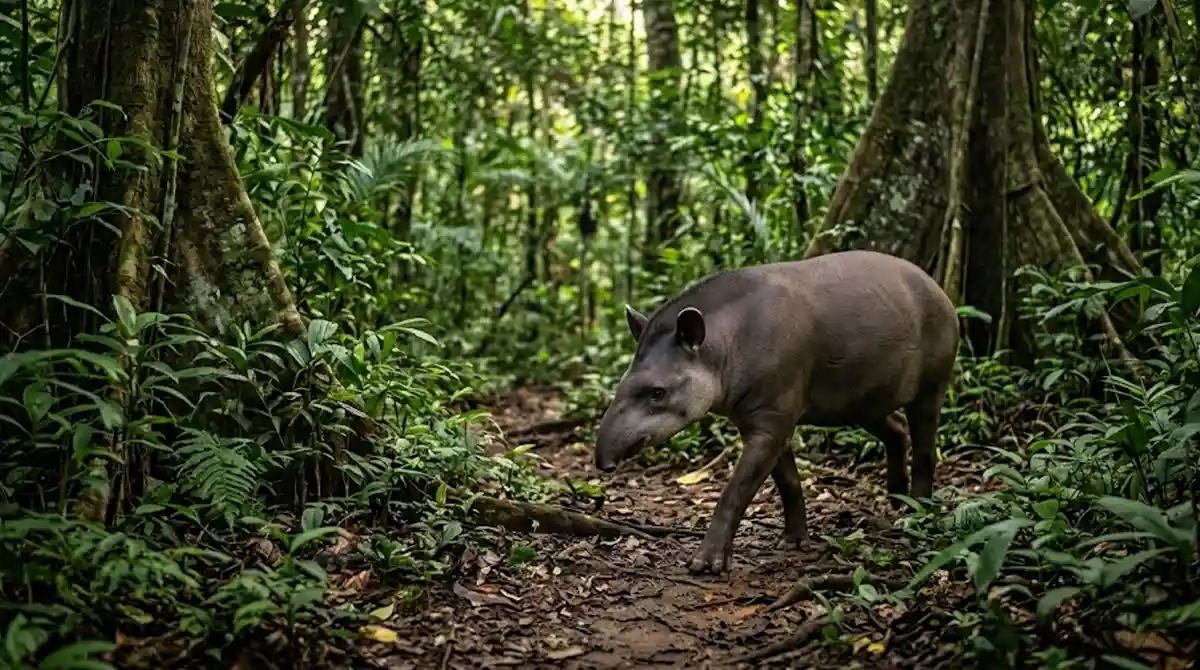
A single tapir can carry more than ten thousand seeds through the forest in one day of walking. It is the only Amazon animal able to swallow the biggest seeds of all and return them to the ground ready to sprout.
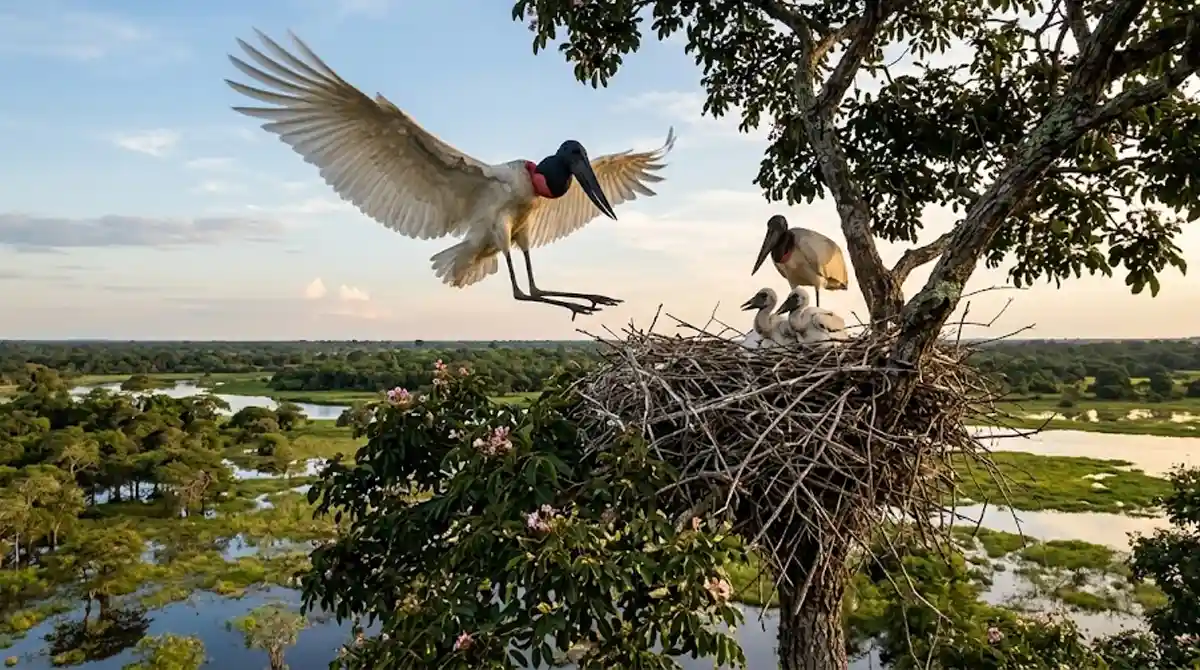
South America’s giant stork is gaining ground again across the Pantanal floodplain and pockets of the Cerrado, and its active nests signal wetlands moving back toward health.