
The green parrot snake rules the Amazon canopy with acrobatic strikes
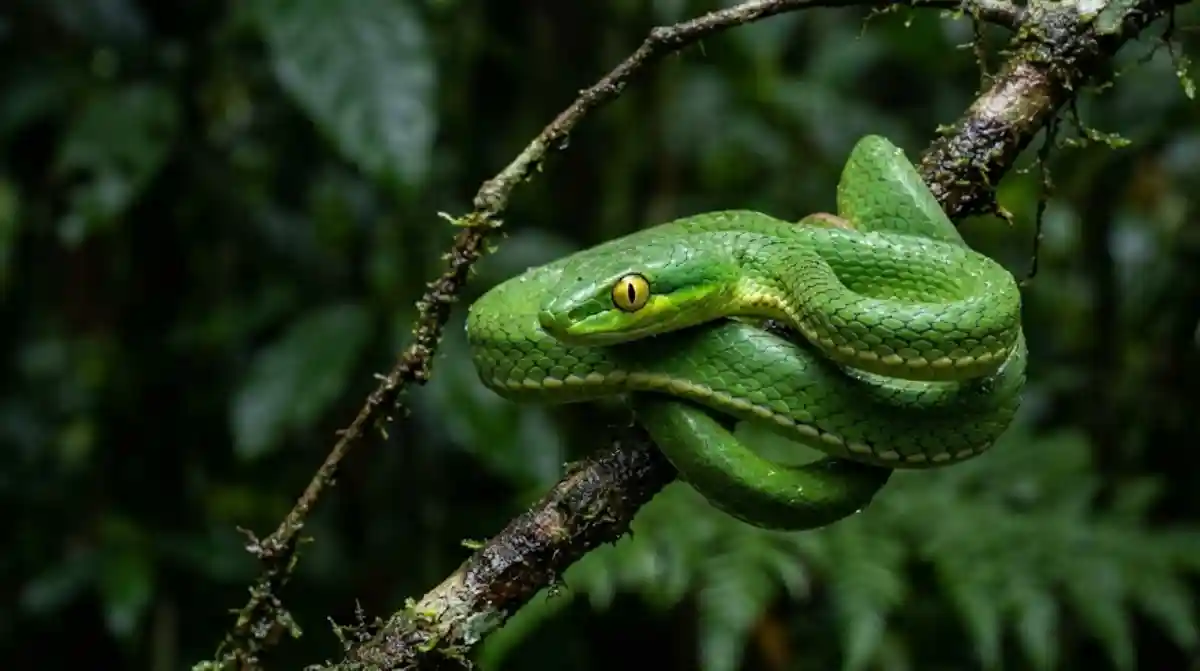
The green parrot snake lives suspended in Amazonian vegetation, combining thermal sensing, camouflage and specialized teeth to hunt birds and small mammals.
 Anne Silva
The green parrot snake lives suspended in Amazonian vegetation, combining thermal sensing, camouflage and specialized teeth to hunt birds and small mammals.
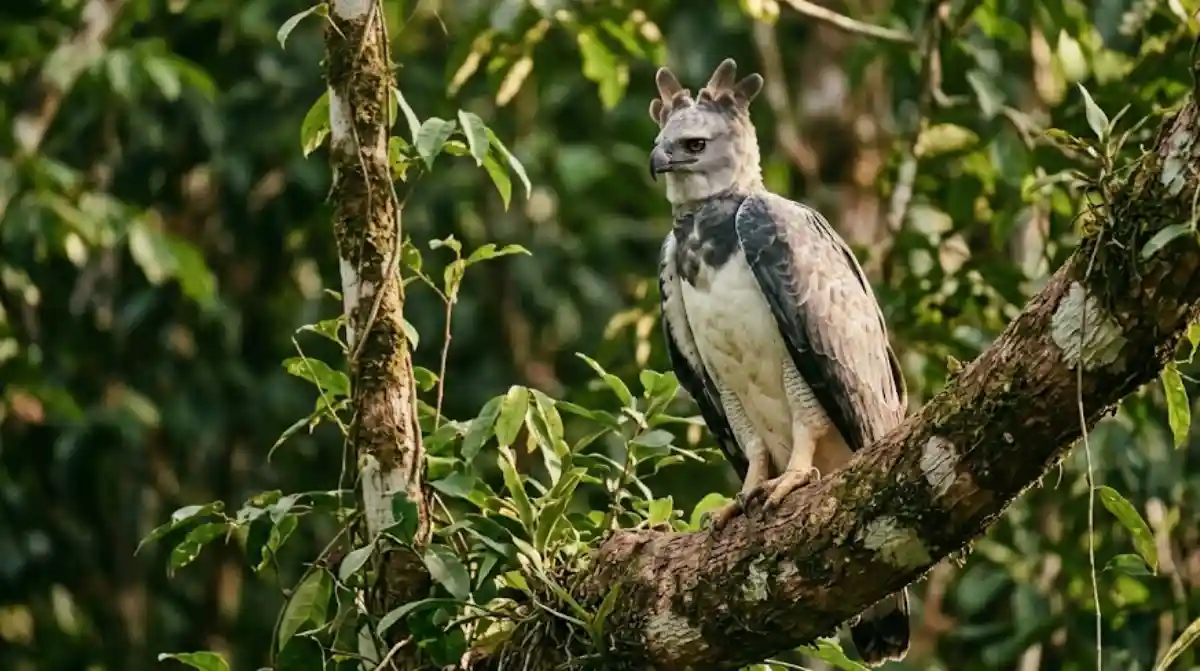
With talons capable of exerting more than 400 kilograms of pressure, the Harpy eagle is one of the Amazon canopy’s greatest predators. Its wait-and-strike hunting strategy reveals an anatomy built for precision.
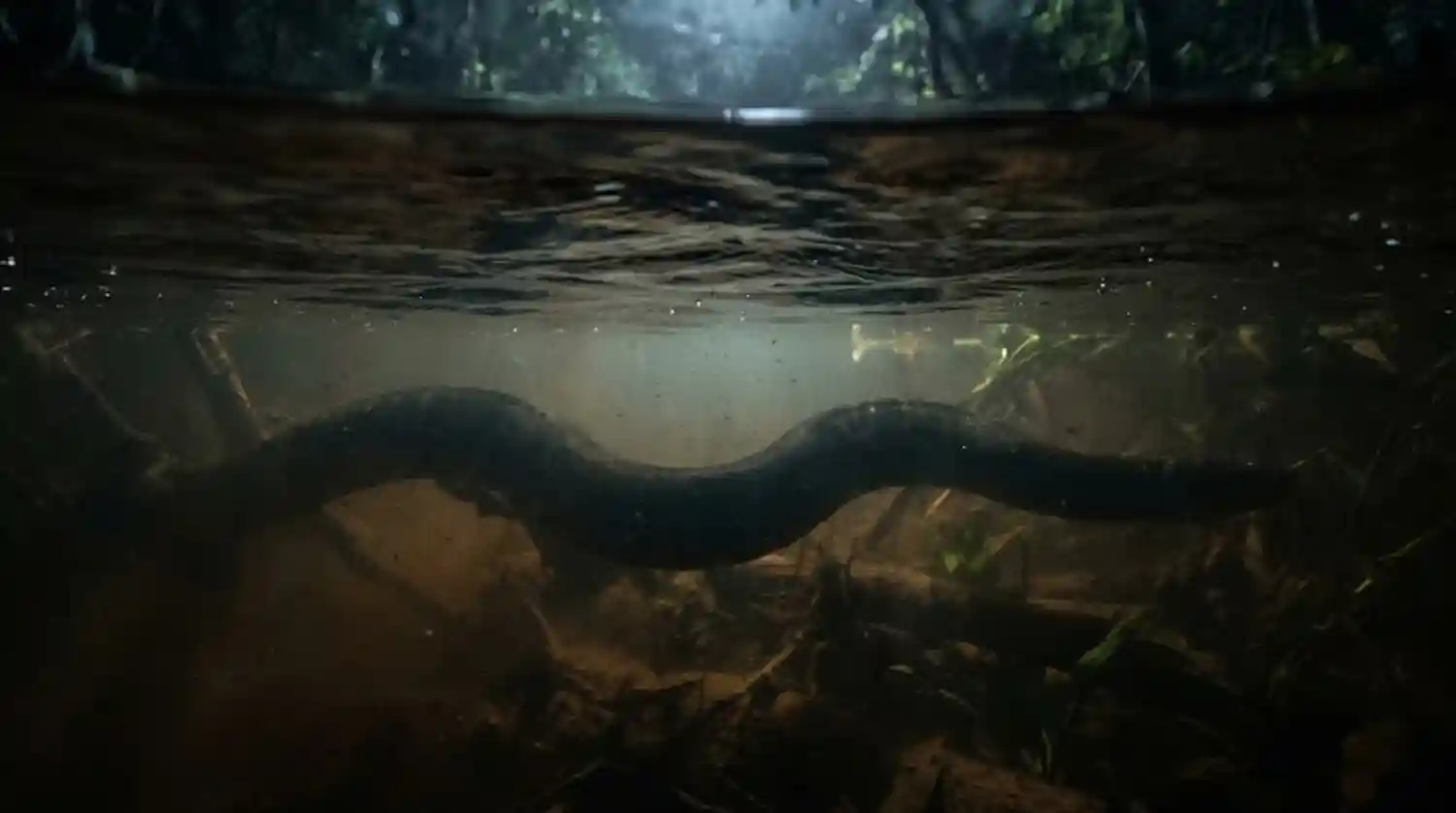
The legend of the Great Serpent, or Boiúna, links the oral traditions of Amazonian peoples with the biology of real anacondas. It also shows why protecting rivers means preserving both biodiversity and cultural memory.
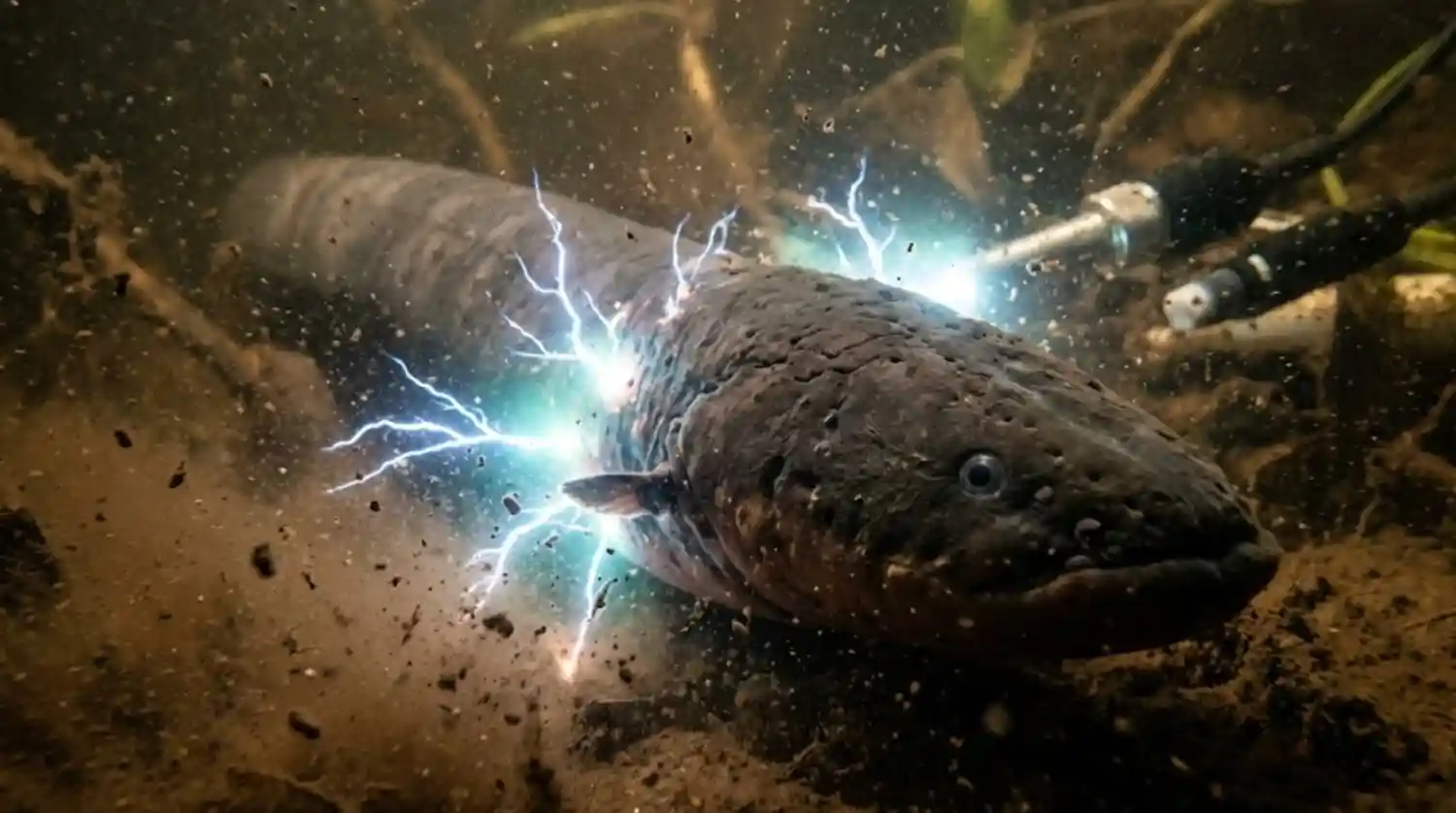
The electric eel Electrophorus voltai can produce 860 volts to navigate, hunt and defend itself. Its electrical biology also helps shape the balance of Amazonian freshwater ecosystems.
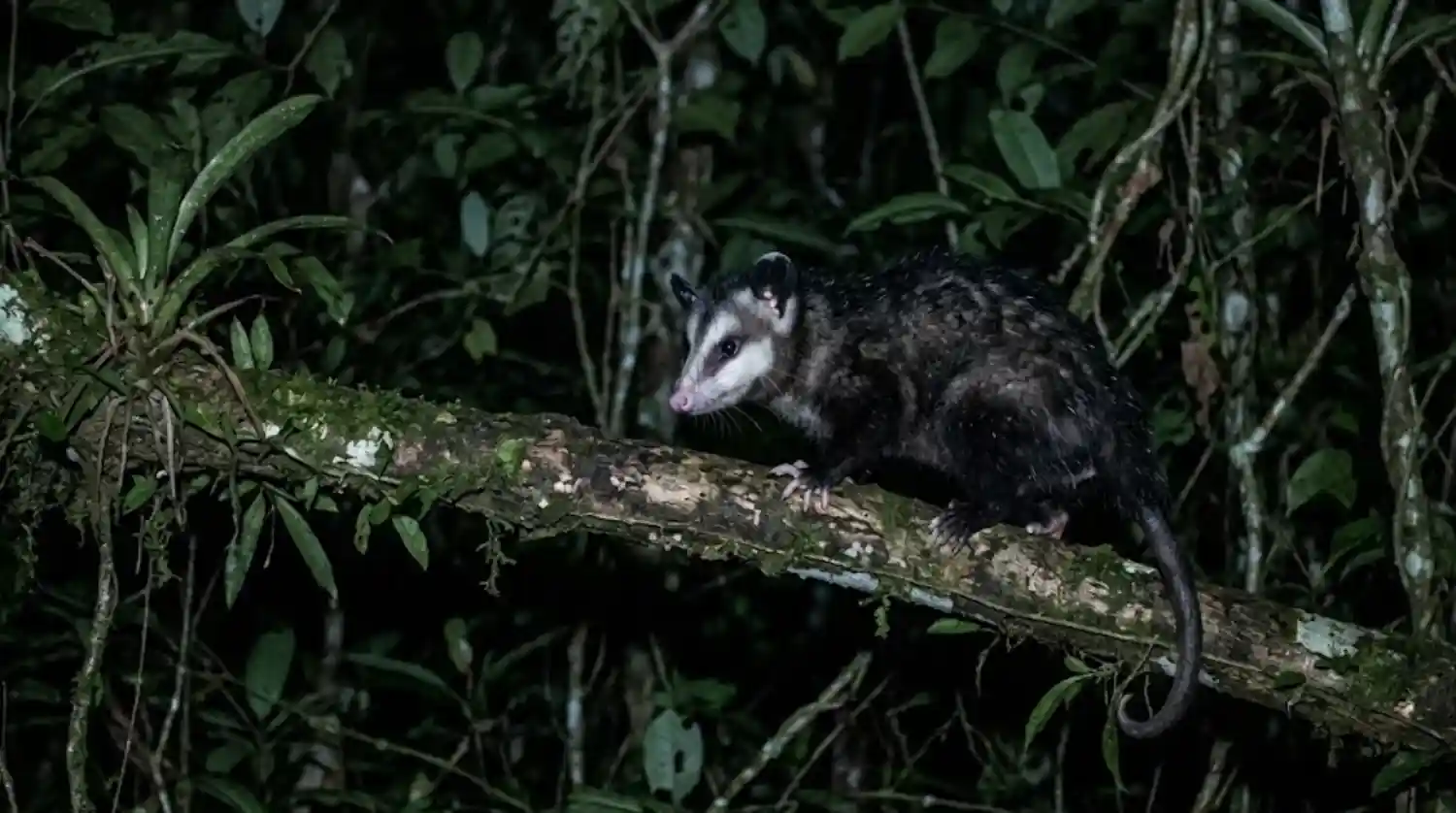
The black-eared opossum can survive venom that would kill nearly any other mammal. Its blood may also point toward new treatments while supporting biodiversity across Brazil.
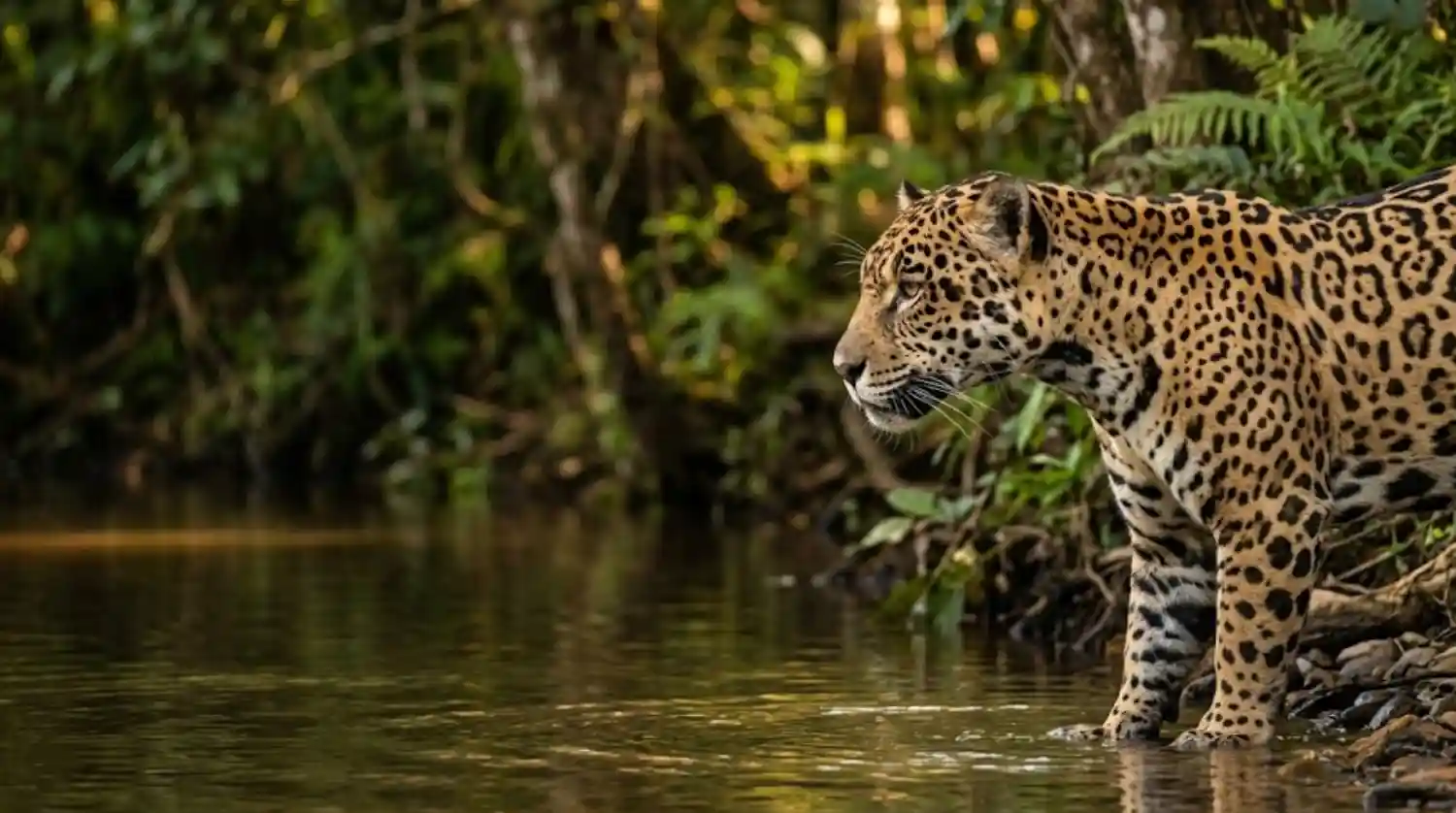
The jaguar can exceed 1,500 PSI of bite pressure, allowing it to pierce skulls, crush carapaces and hunt reptiles. That adaptation also helps regulate Amazonian ecosystems.
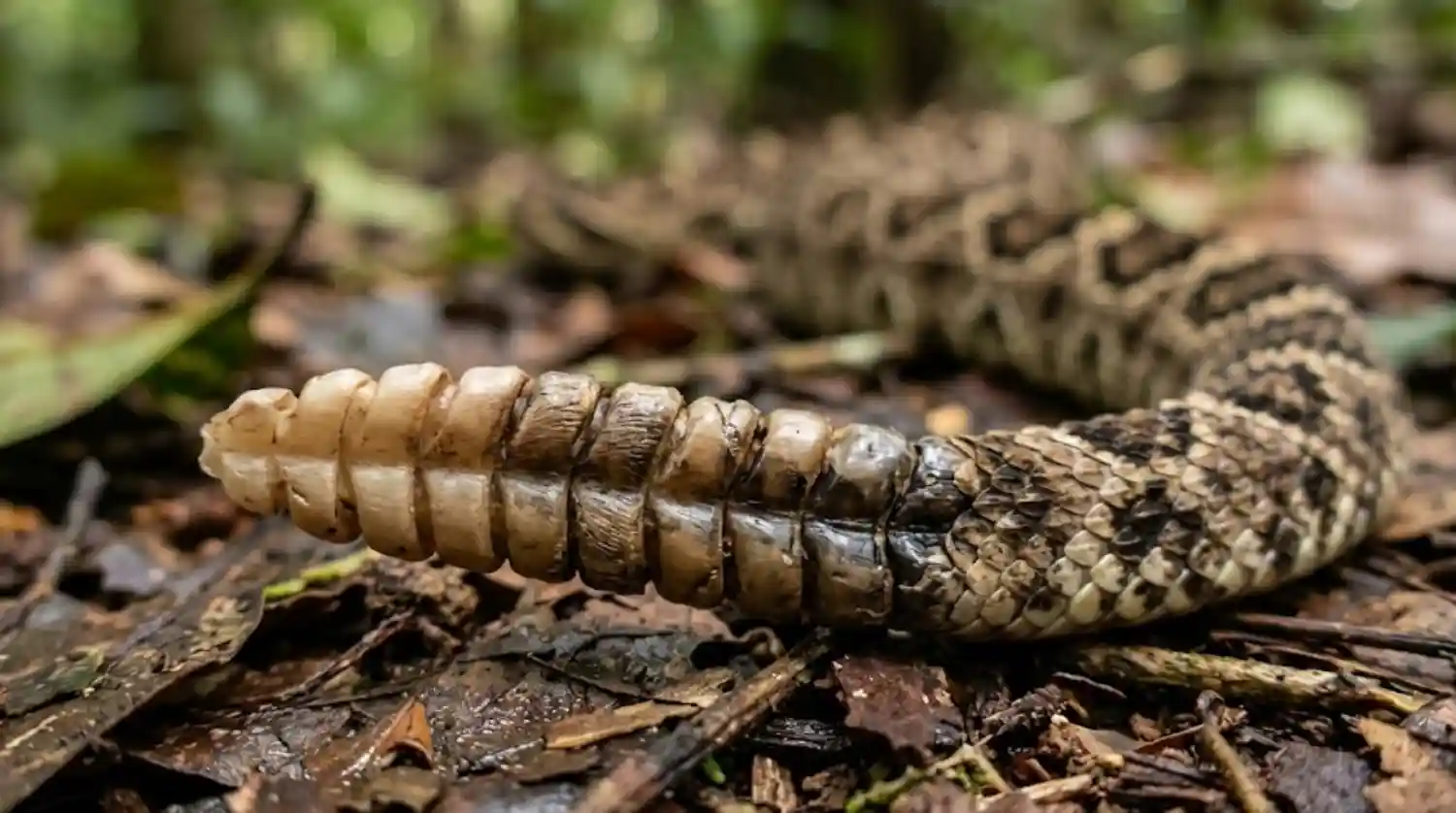
Each rattle segment records a stage in the Amazon rattlesnake’s life and creates an efficient warning system. In Brazil’s lavrado landscapes, the snake also helps maintain the ecological balance that supports vegetation.
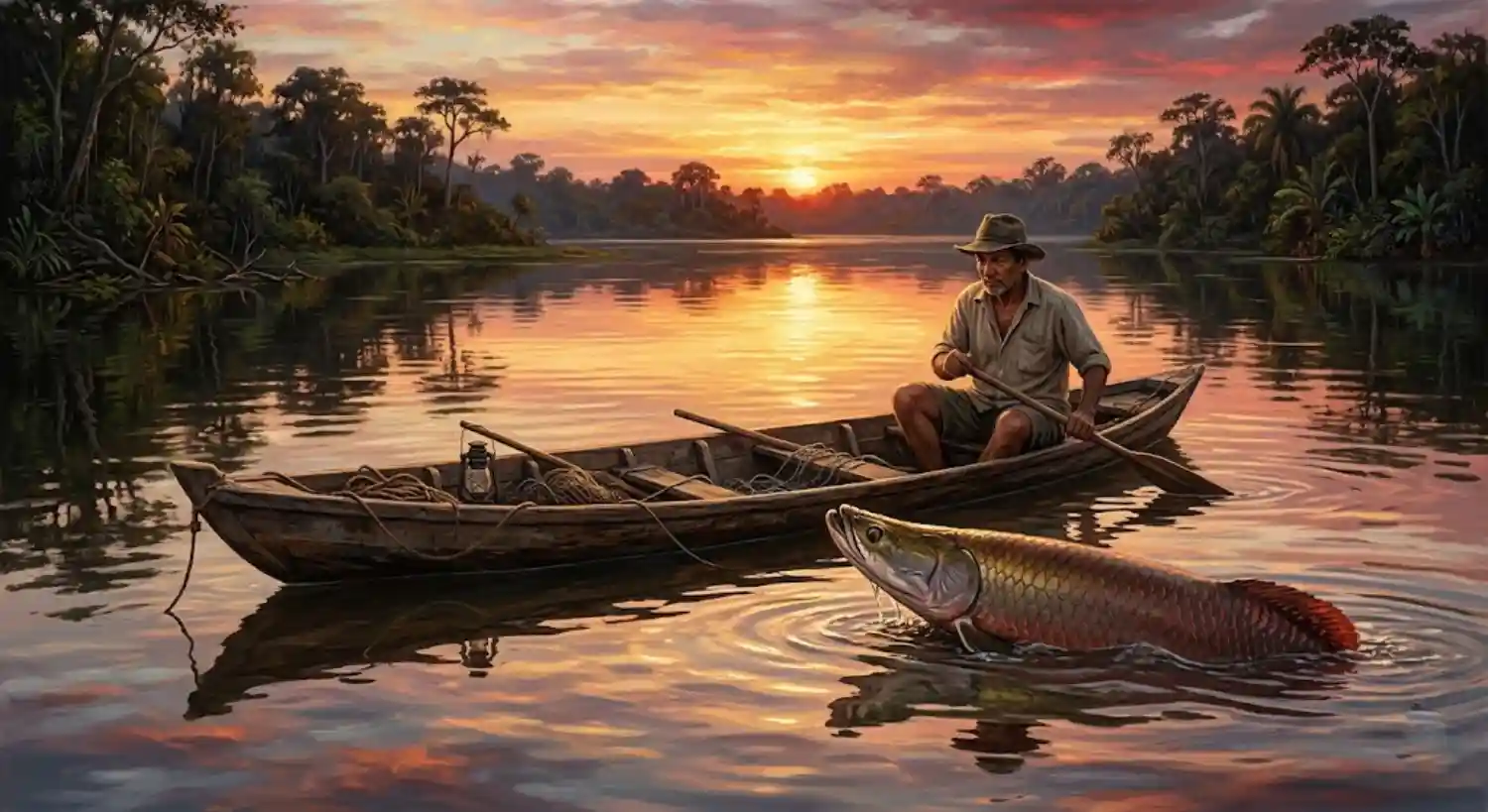
In the Mamirauá Reserve, fishers count arapaima as they surface to breathe and use the data to protect lakes and set harvest limits. The community model has restored the species while strengthening the riverine economy.

Alter do Chão’s white-sand beaches and clear Tapajós River waters create a remarkable Amazon landscape. Community-based ecotourism helps protect the forest, wildlife and water that sustain it.
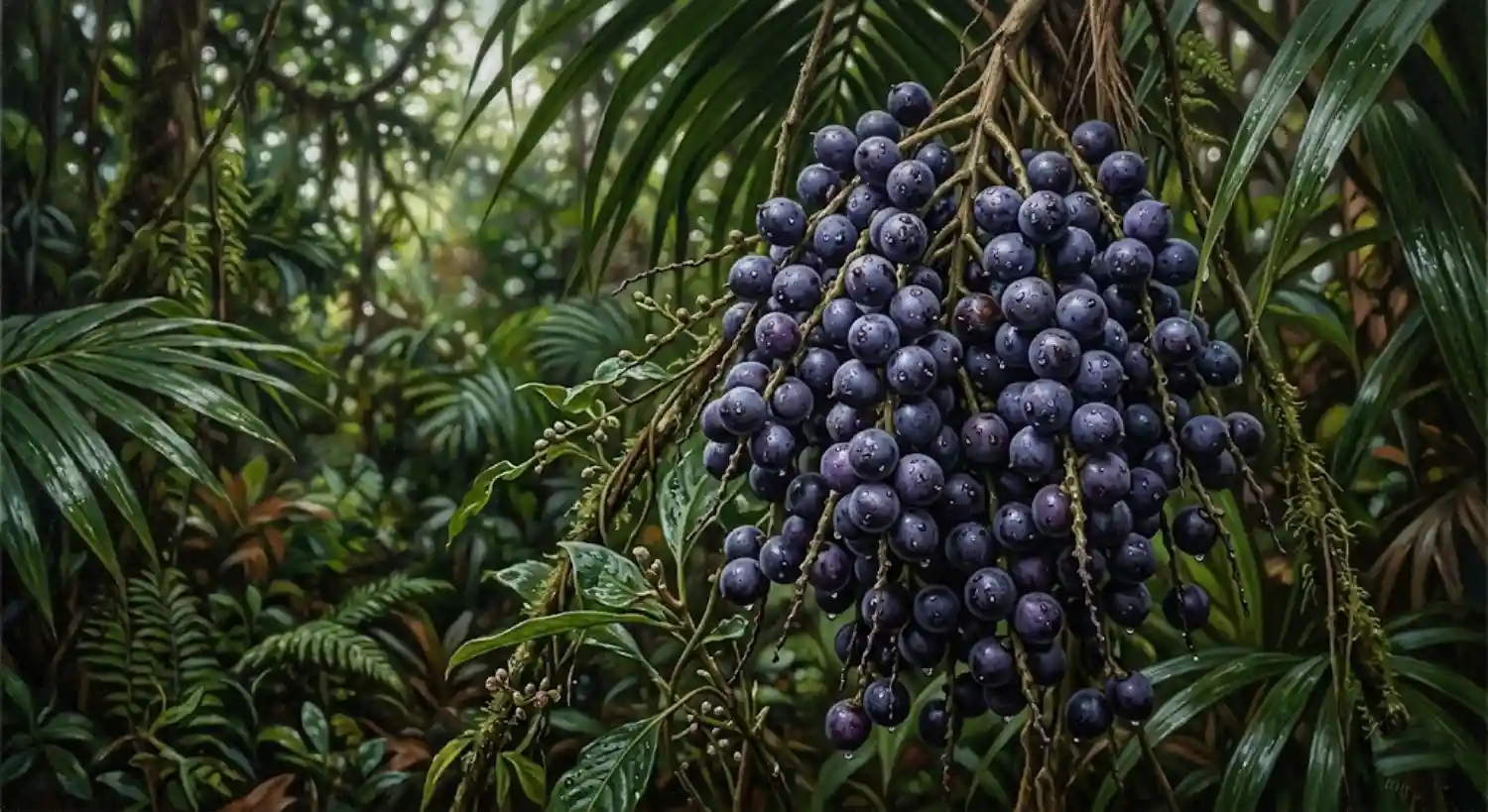
The Tupi name for açaí describes the dark liquid released by its ripe clusters. Across northern Brazil, the fruit also supports a bioeconomy that can keep forests standing and strengthen riverside communities.