Skip to content
Amazonia Mag

Amazonia Mag

  • Privacy Policy
  • About Amazonia Mag
  • Contact
  • Home

Anne Silva

Anne Silva is the editor of Amazonia Mag, the English-language edition of Revista Amazônia. She curates, translates and adapts the outlet's science and environment coverage for an international audience, reporting on Amazon wildlife, flora, rivers, climate and research. Every story she edits is grounded in peer-reviewed studies, official data and on-the-ground reporting from the Revista Amazônia newsroom in Belém, Pará, Brazil.

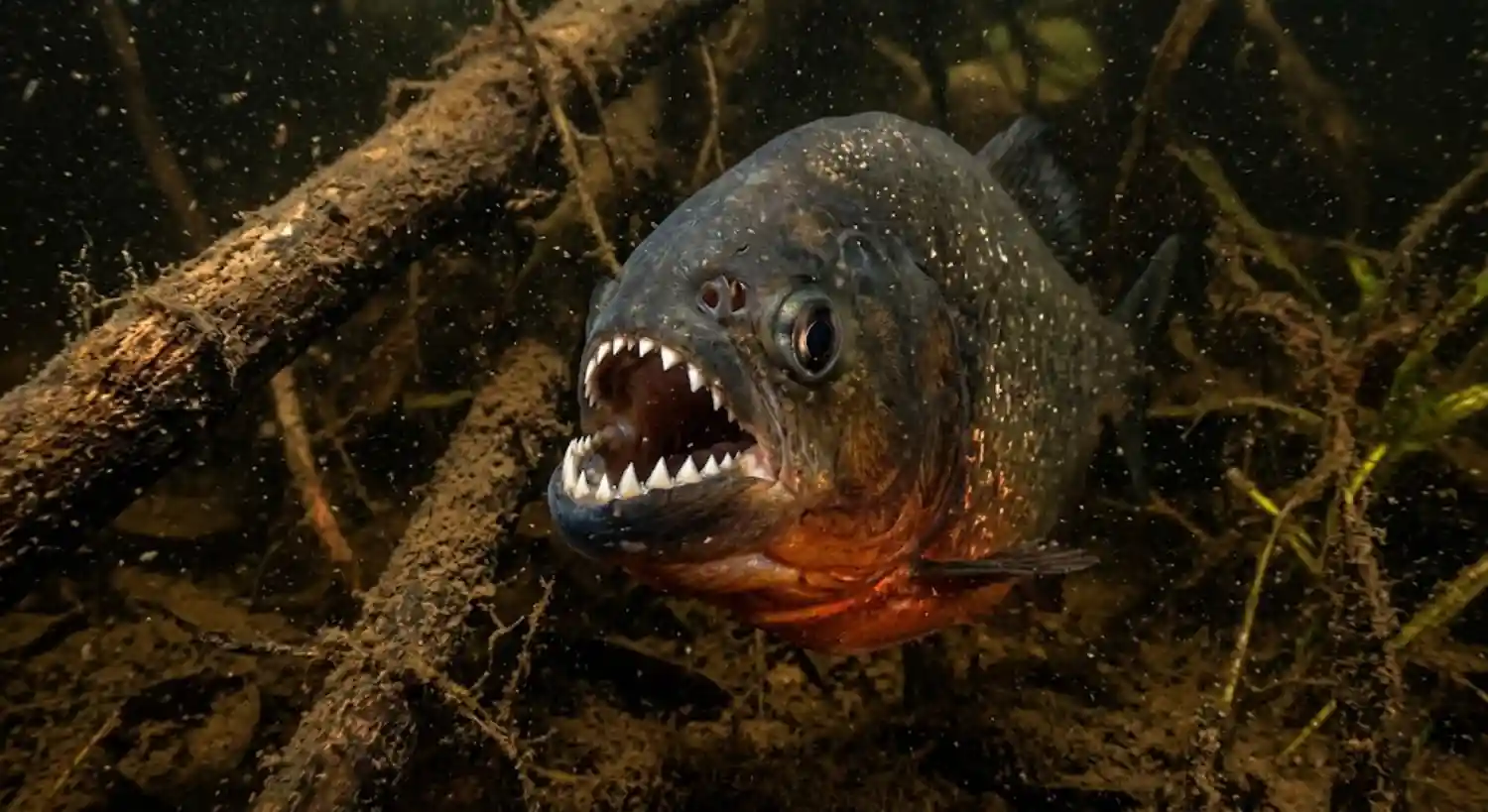
The red piranha’s bite is 30 times greater than its body weight
September 29, 2026 by Anne Silva
A incrível força da piranha vermelha amazônica supera em proporção a mordida de grandes predadores pré-históricos e tubarões modernos

The red piranha has the strongest bite relative to body weight among known fish. Its specialized jaws, social behavior and ecological role reveal an extraordinary form of biological engineering.
Categories Wildlife Leave a comment

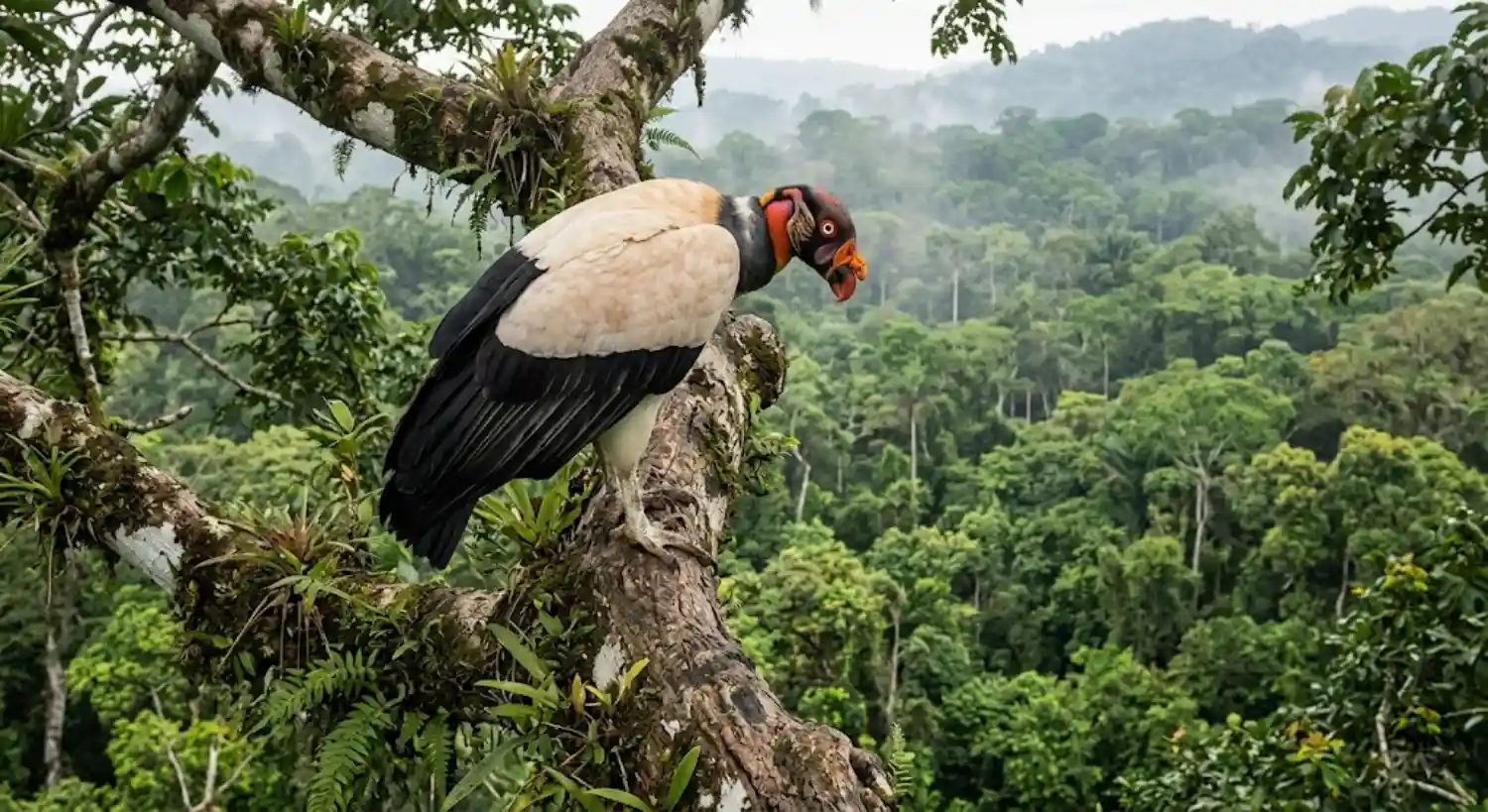
The king vulture’s vital role in the Amazon rainforest

September 29, 2026 by Anne Silva
O imponente voo do urubu-rei e sua função vital para a biodiversidade da floresta amazônica

The king vulture opens the carcasses of large animals, allowing other scavengers to complete the forest’s natural cleanup. Its presence also signals a complex and healthy Amazonian ecosystem.

Categories Wildlife Leave a comment

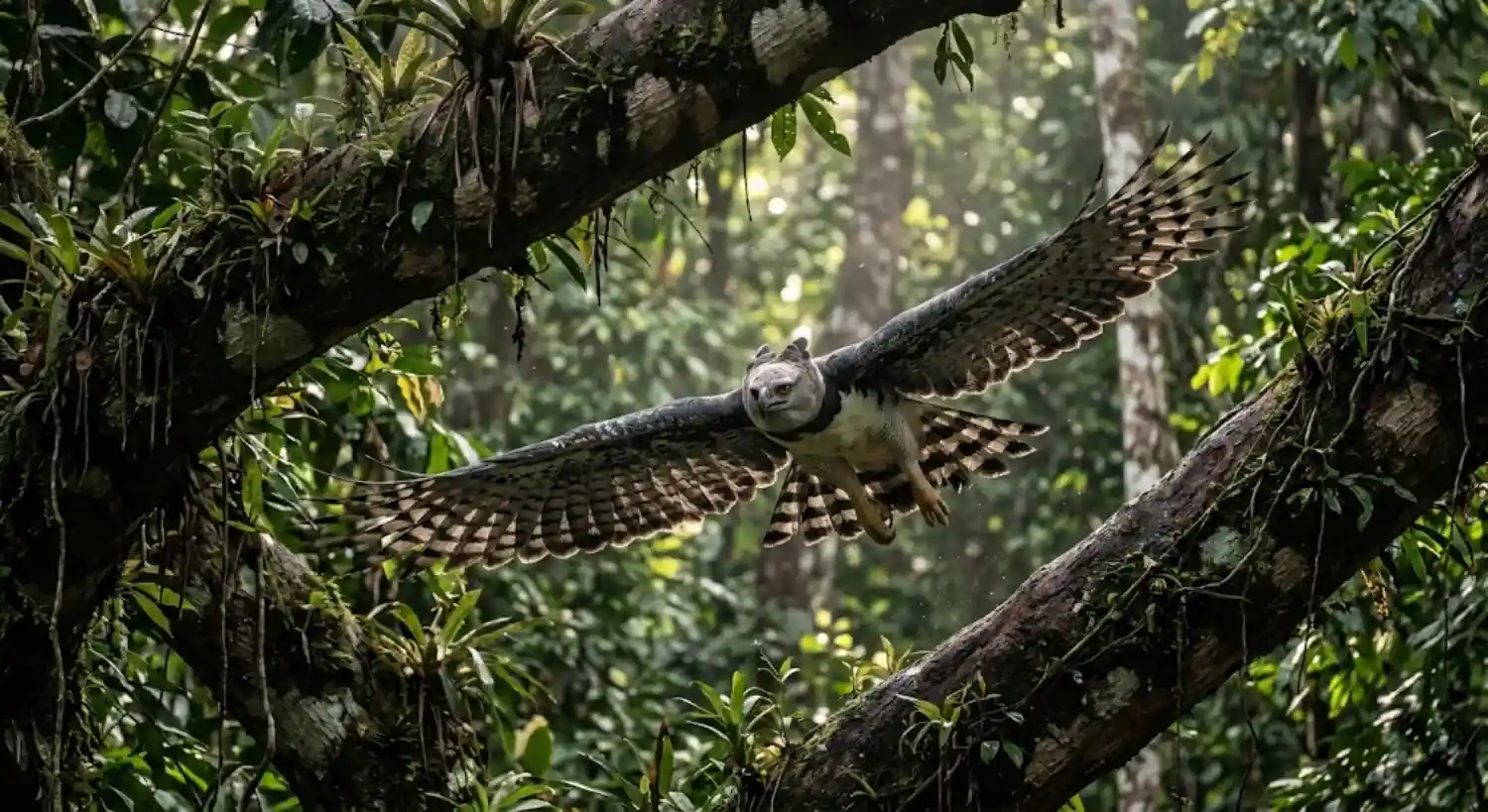
How the harpy eagle rules the canopy with short wings and immense talons

September 29, 2026 by Anne Silva
O segredo da soberania da harpia nas florestas tropicais e sua incrível capacidade de manobra em ambientes de dossel fechado

The harpy eagle can carry prey weighing up to 70% of its own body weight while maneuvering through dense forest. Its presence is also a powerful sign of a healthy Amazonian ecosystem.

Categories Wildlife Leave a comment

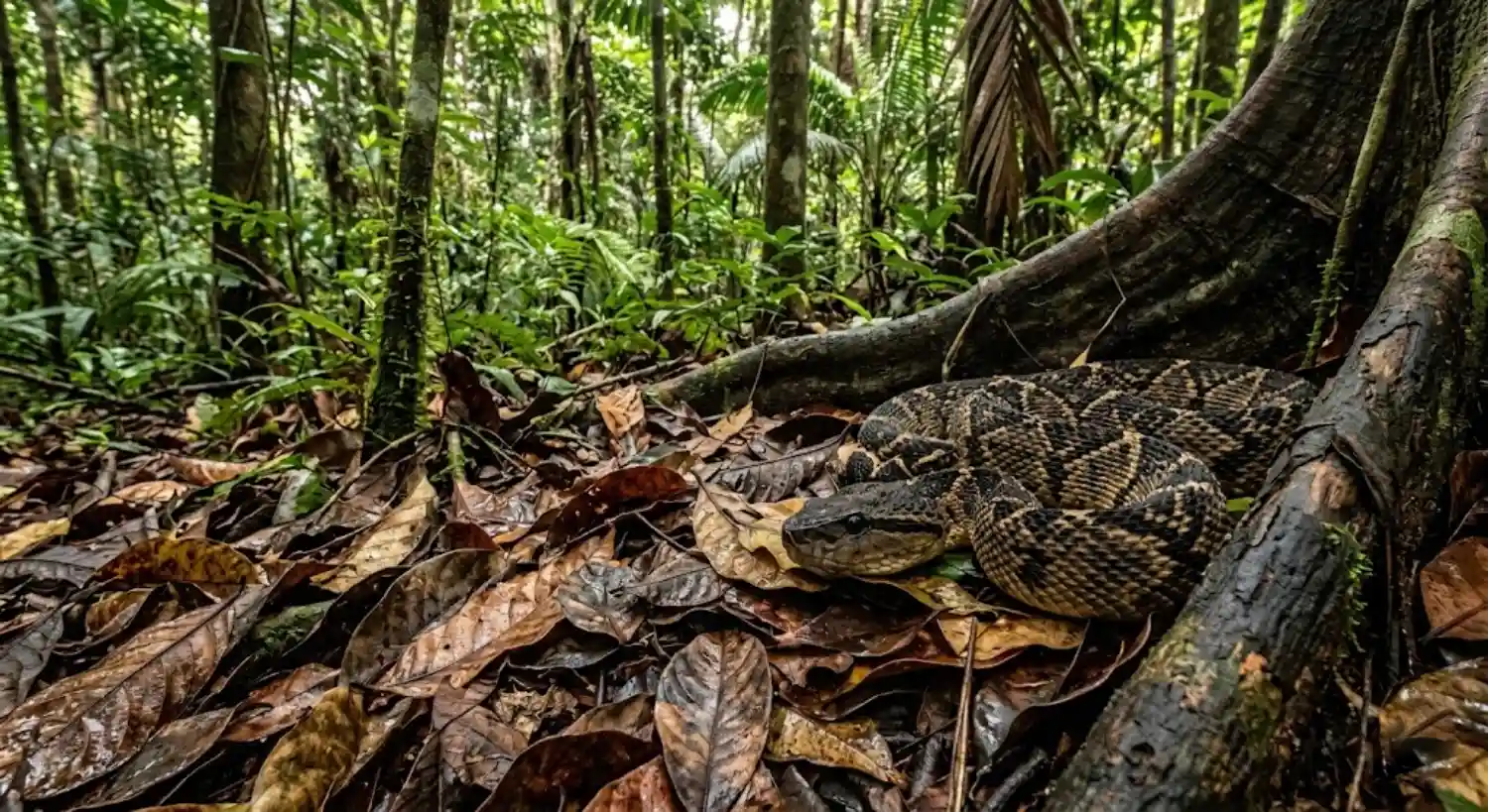
Bushmaster snake: the Amazonian giant with remarkable evolutionary traits

September 29, 2026 by Anne Silva
A majestosa surucucu-pico-de-jaca domina as florestas tropicais enquanto a ciência estuda sua complexa e fascinante biologia evolutiva amazônica

The bushmaster is the largest venomous snake in the Americas, with extraordinary venom glands, specialized fangs and rare parental care. Its presence also signals the health of mature tropical forests.

Categories Wildlife Leave a comment

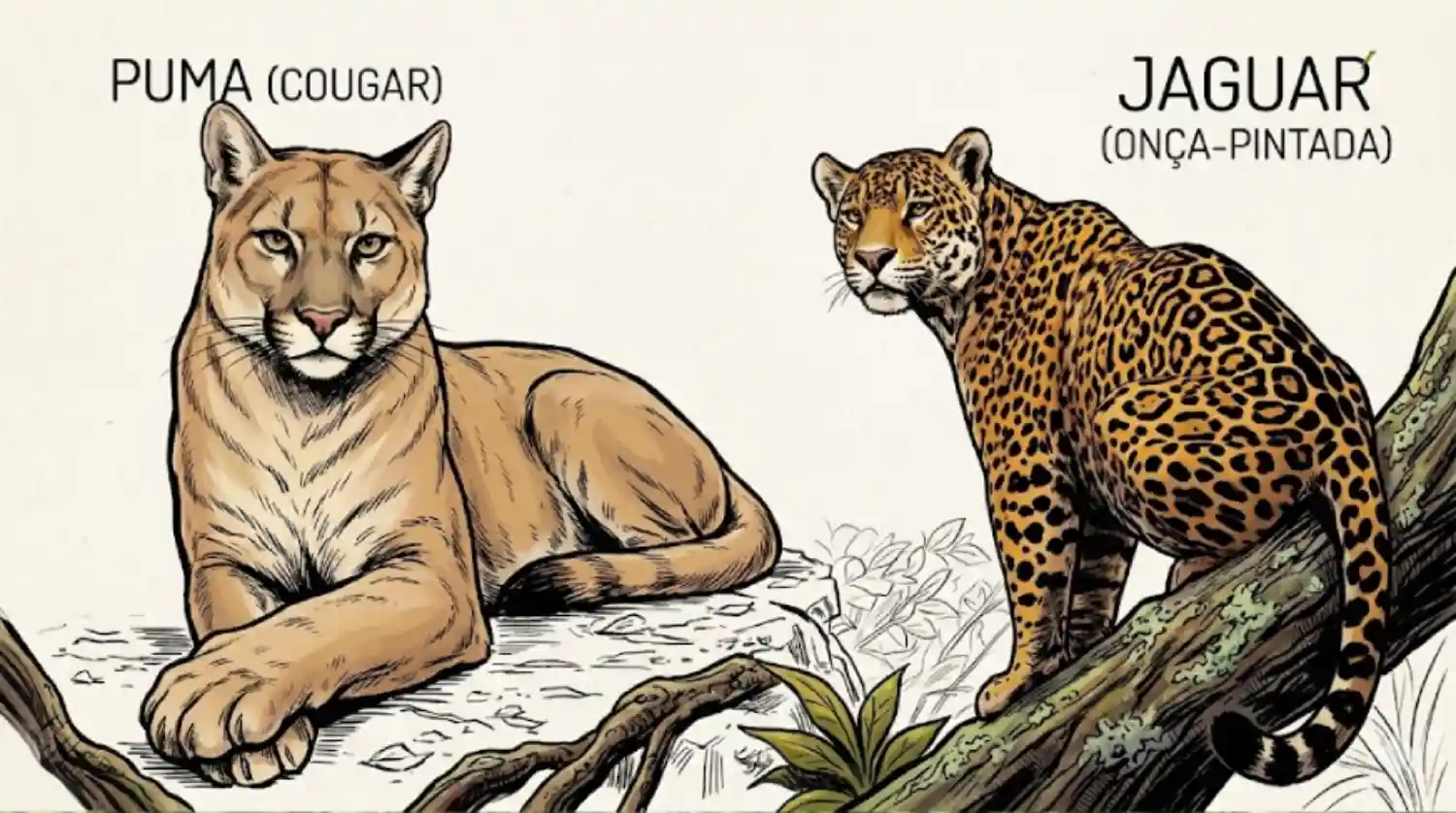
How jaguars and pumas share territory without constant conflict

September 29, 2026 by Anne Silva
Como a onça-pintada e a onça-parda superam a competição e compartilham os mesmos territórios nas florestas brasileiras

Different schedules, prey preferences and microhabitats allow jaguars and pumas to share many of the same territories in Brazil’s forests. Their coexistence shows how evolution can reduce competition between two of the Americas’ largest cats.

Categories Wildlife Leave a comment

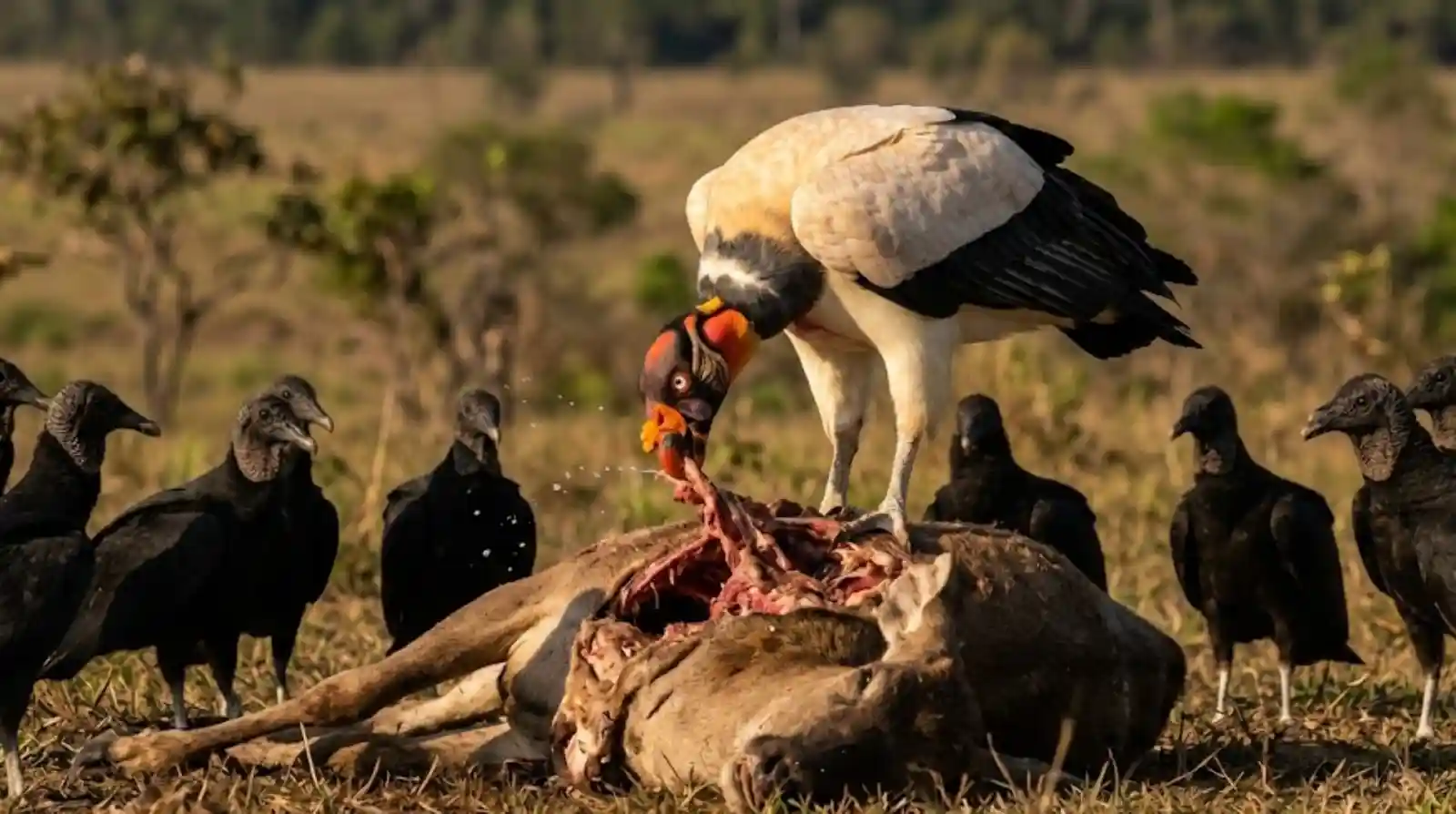
How the king vulture uses vivid colors to rule Amazonian carcasses

September 28, 2026 by Anne Silva
O imponente urubu-rei utiliza sua coloração vibrante para estabelecer dominância em carcaças na complexa hierarquia do ecossistema amazônico

The king vulture combines vivid head colors with a powerful bill to control access to carcasses and help other vultures feed. Its work also supports the health of Amazonian ecosystems.

Categories Wildlife Leave a comment

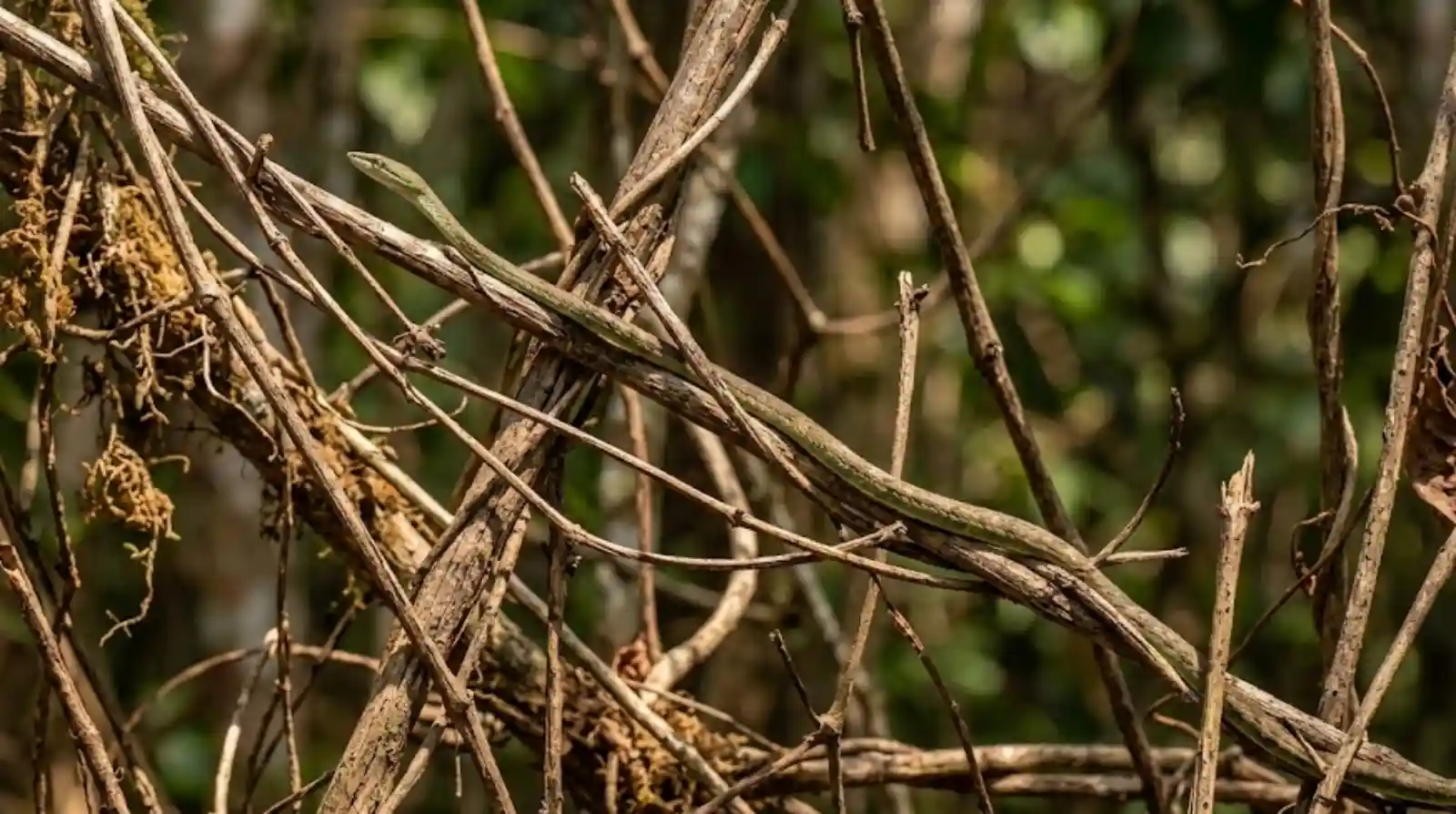
The snake that disappears among branches in the Amazon rainforest

September 28, 2026 by Anne Silva
A cobra-cipó utiliza mimetismo surpreendente para se tornar invisível entre galhos e vegetação seca na floresta amazônica

The Amazonian vine snake can remain motionless for hours, matching the shape, color and texture of dry branches and vines. Its camouflage helps it ambush prey while avoiding larger predators in the forest canopy and understory.

Categories Wildlife Leave a comment

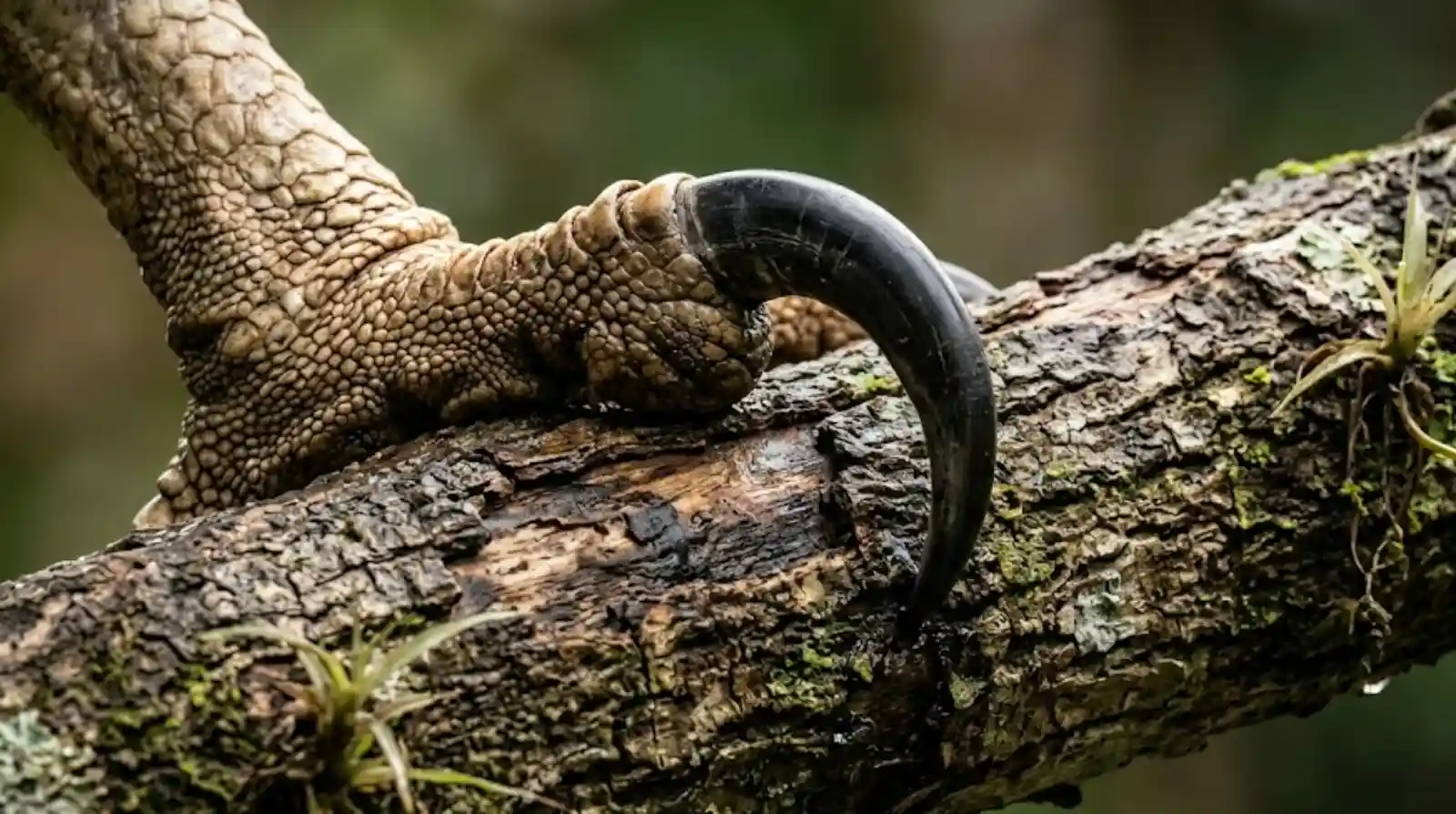
The harpy eagle has talons larger than a brown bear’s

September 28, 2026 by Anne Silva
O gavião-real possui garras maiores que as de um urso pardo e consegue carregar macacos adultos pelas florestas brasileiras

The harpy eagle uses talons up to 5.1 inches long to capture sloths and adult monkeys in the canopy of Brazil’s forests. Its strength and flight reveal one of the Amazon’s most remarkable adaptations.

Categories Wildlife Leave a comment

Bird droppings in parks can cause lung infections without obvious warning

September 28, 2026 by Anne Silva
Fezes de aves em praças podem causar infecção pulmonar e você nem desconfia do risco

Dried droppings from pigeons, herons and parakeets can release fungi into the air. Inhaling those particles is linked to cryptococcosis and histoplasmosis.

Categories Environment Leave a comment

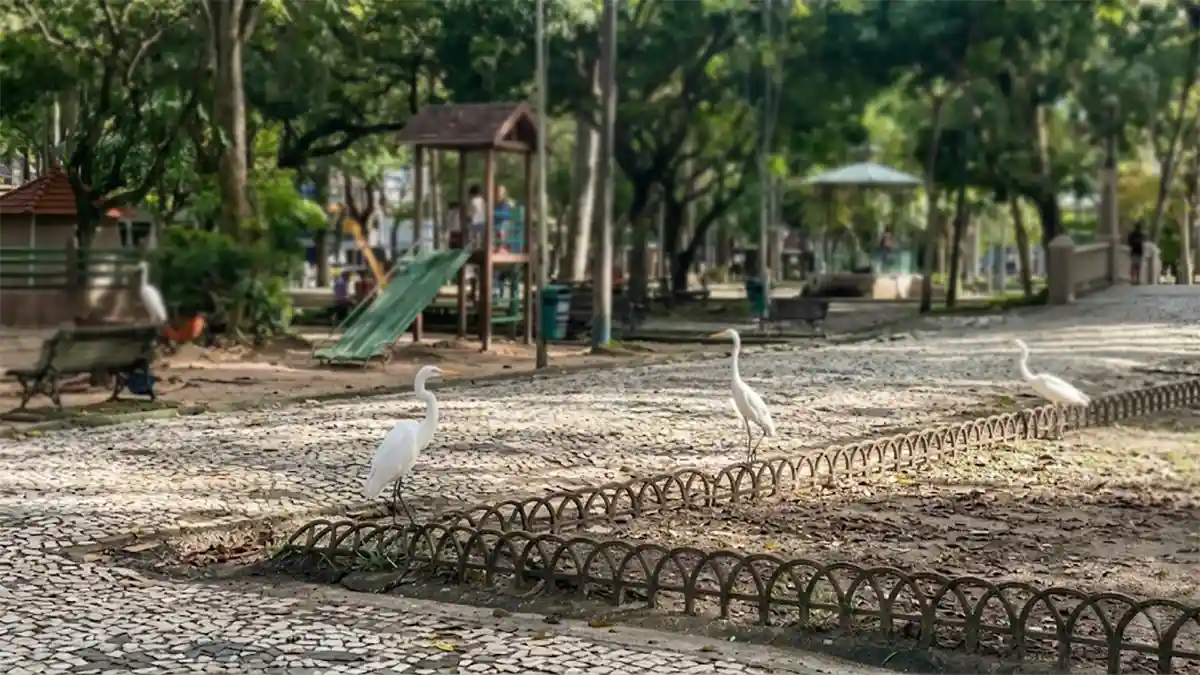
Why Egrets Chose a Belém Plaza and Left the Mangroves

September 28, 2026 by Anne Silva
Por que as garças escolheram a Praça Batista Campos e abandonaram o mangue em Belém

Batista Campos Plaza became a permanent colony for hundreds of white egrets. Abundant food, nighttime lighting, large trees and a lack of predators help explain why the birds left mangroves and flooded areas.

Categories Wildlife Leave a comment
Older posts
Newer posts
← Previous Page1 … Page3 Page4 Page5 … Page30 Next →

Recent Posts

  • Pará’s mangroves are nurseries for wildlife and shields against storms
  • How jararaca venom helped create the heart drug captopril
  • Why Pará Means “Sea” and What It Reveals About the Amazon
  • The hyacinth macaw uses stones to crack palm nuts, revealing remarkable intelligence
  • Tucumã: the Amazon fruit feeding wildlife and regional cuisine

Recent Comments

No comments to show.
About · Contact · Privacy Policy
© 2026 Amazonia Mag — English edition of Revista Amazônia · Published by Editora Círios, Belém, PA, Brazil