
Leaf-Mimic Mantis Copies Two Dead-Leaf Details, Freezes, Then Strikes in Under a Second
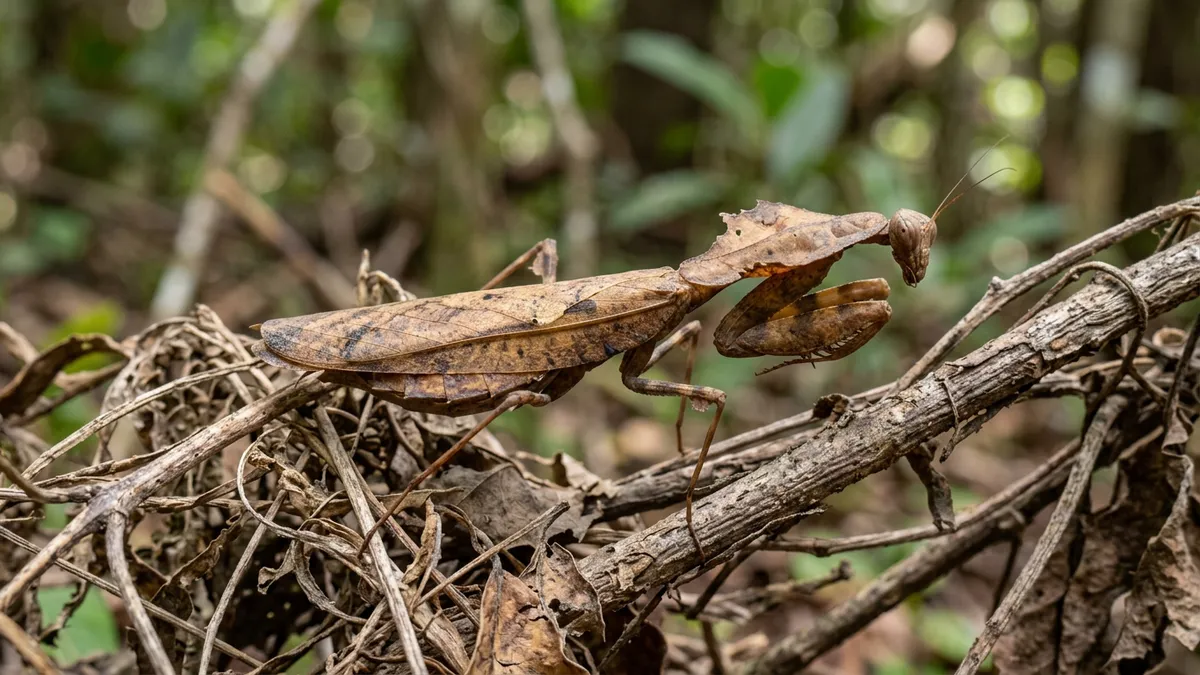
A mantis that looks like a dry leaf waits motionless, judges distance with both eyes and snaps its forelegs shut once prey comes within a few centimeters.
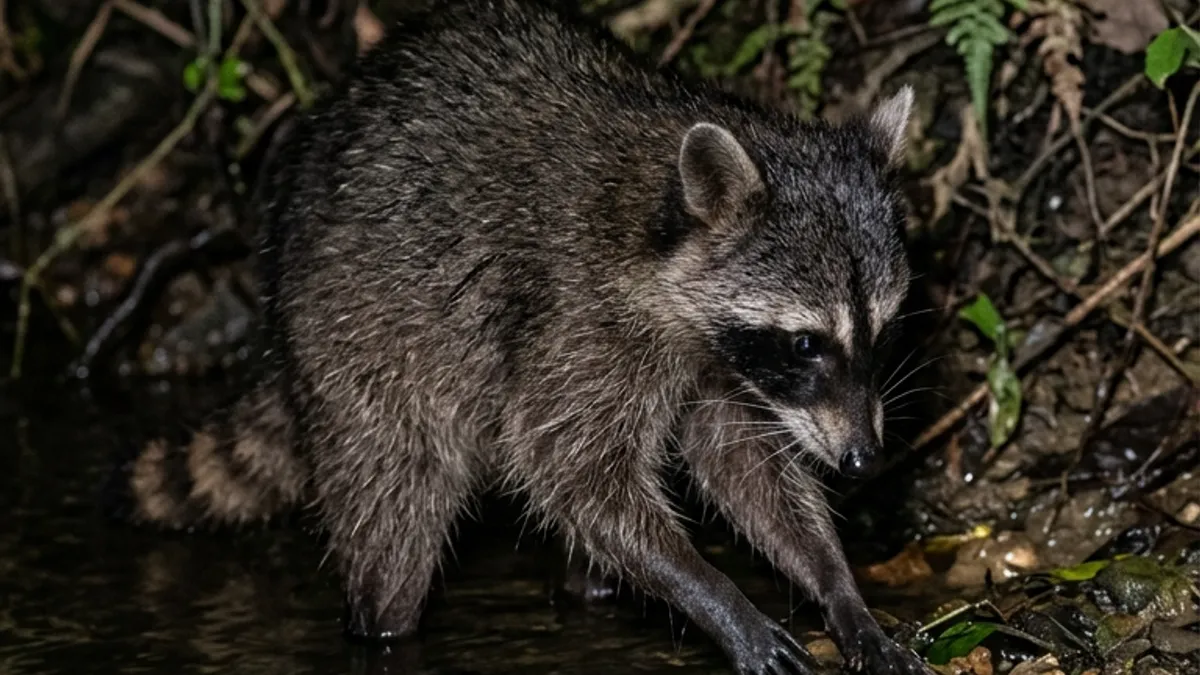
The crab-eating raccoon rummages through shallow water because its forepaws are packed with touch receptors, not because it is washing its food.
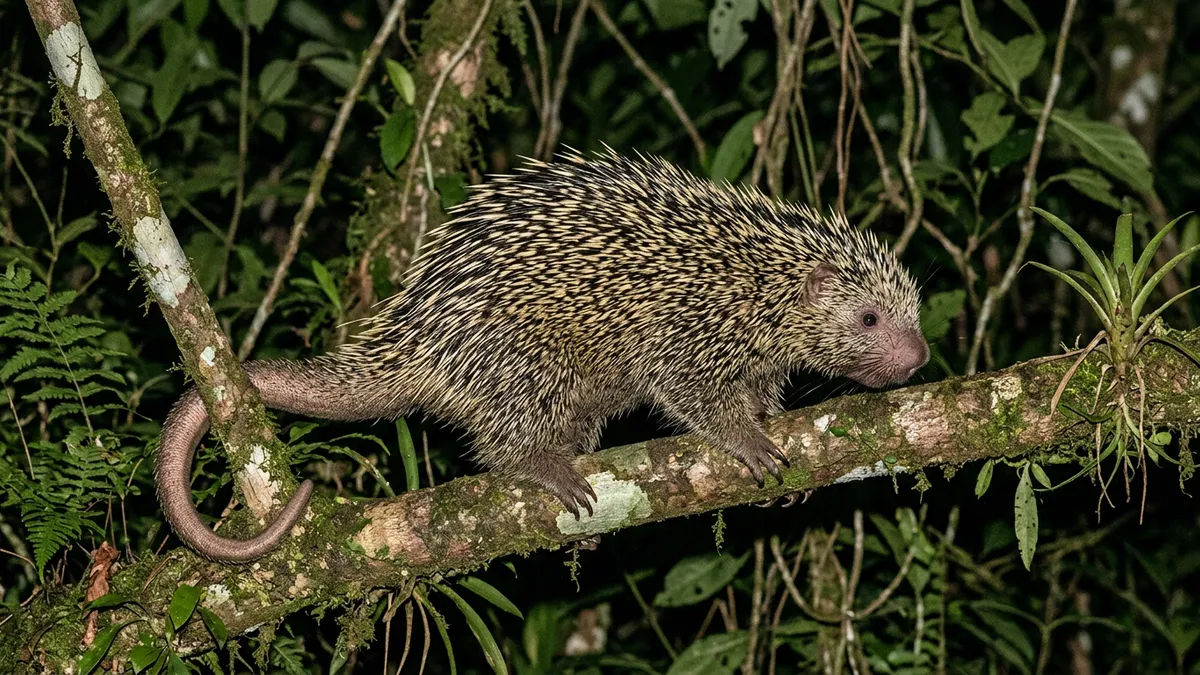
The Brazilian porcupine cannot throw its quills. Tiny barbs make them hard to remove on contact, while a bare-tipped prehensile tail serves as a fifth limb in the trees at night.
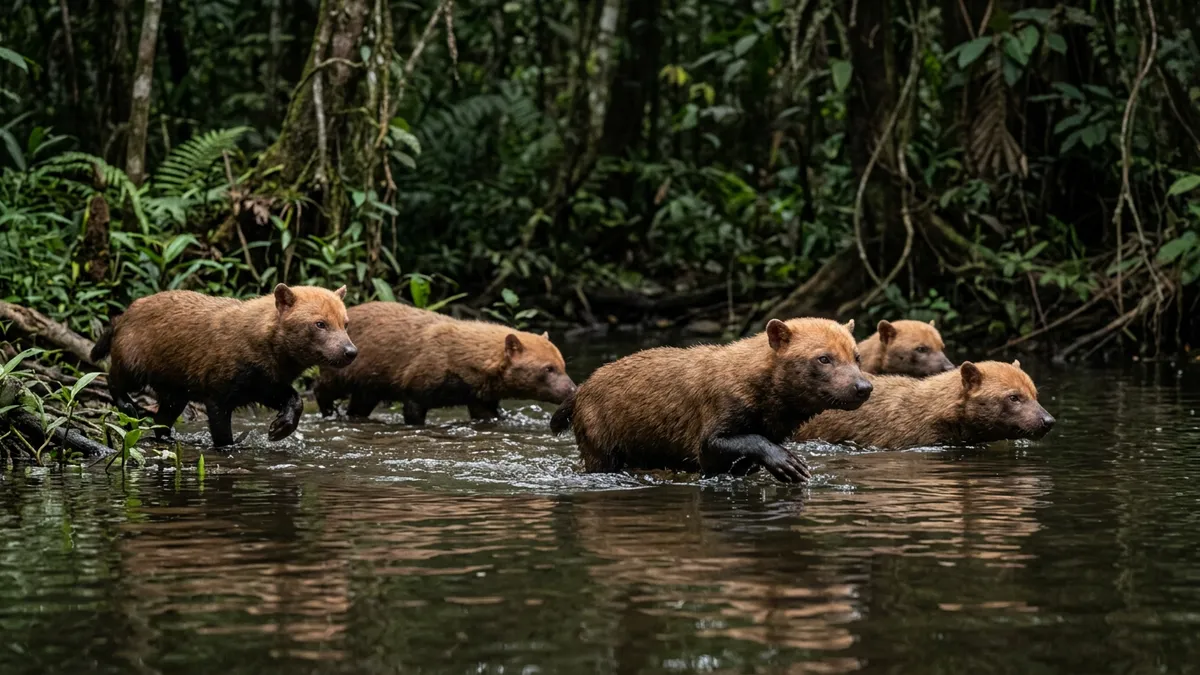
The bush dog has partly webbed toes that help it swim, and it hunts cooperatively with its pack, keeping in touch through high-pitched calls in dense forest.
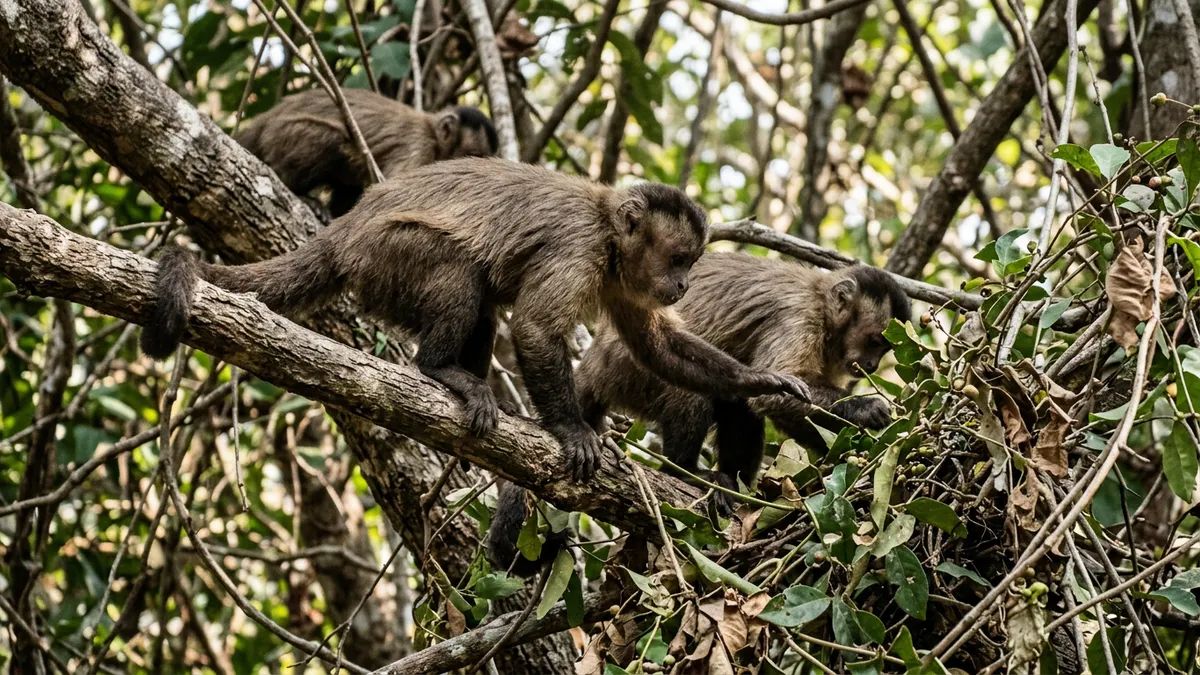
Two groups of bearded capuchins in Brazil were recorded eating small vertebrates 446 times over 45 months, mostly when fruit was scarce. Researchers say it offers a clue about early human diets.
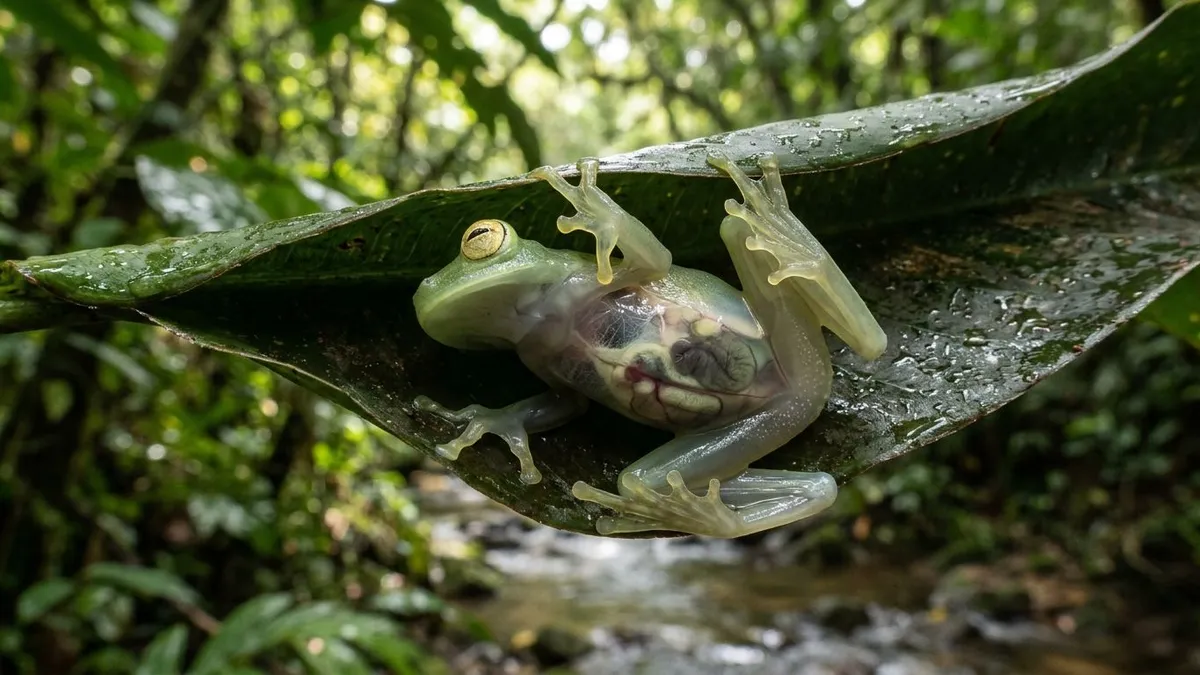
The glass frog has a see-through belly that exposes its heart, gut and eggs, while its green back matches the leaves where it rests above Atlantic Forest streams.
The male blacksmith tree frog molds a circular mud basin beside the river, apart from the current. The female spawns only when the structure shelters the eggs and tadpoles.
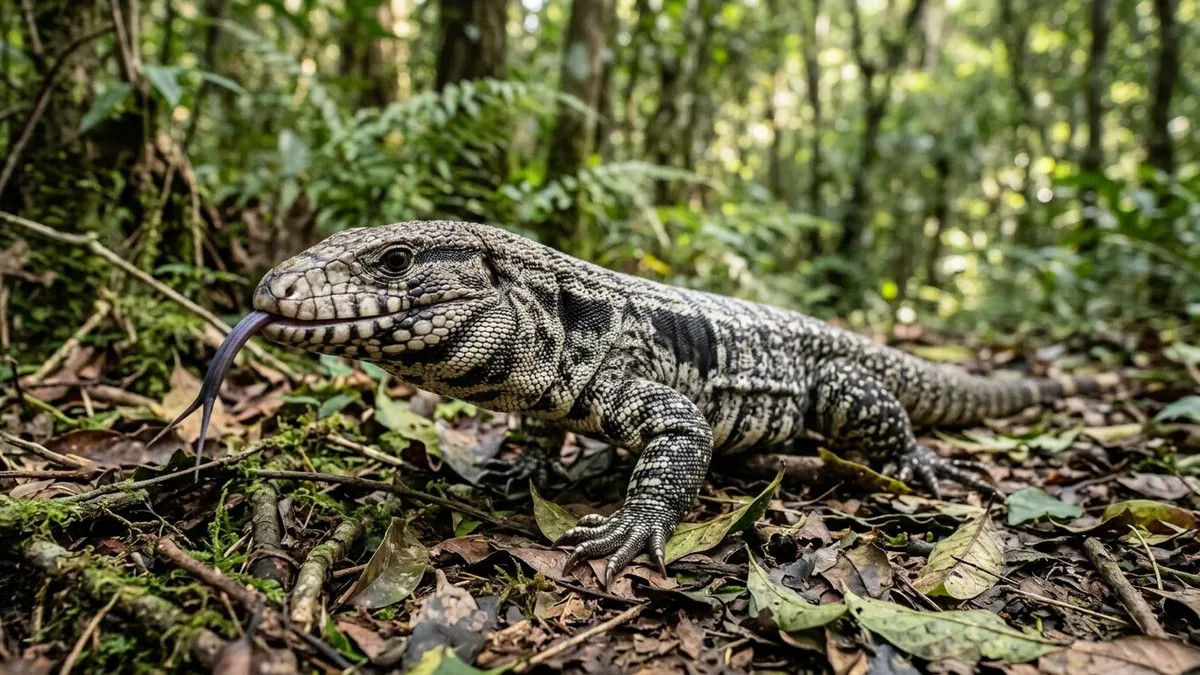
The tegu keeps flicking its forked tongue to pick up chemical particles from air and ground, then delivers them to the vomeronasal organ in the roof of its mouth. That scent map guides it to food and warns it of danger.
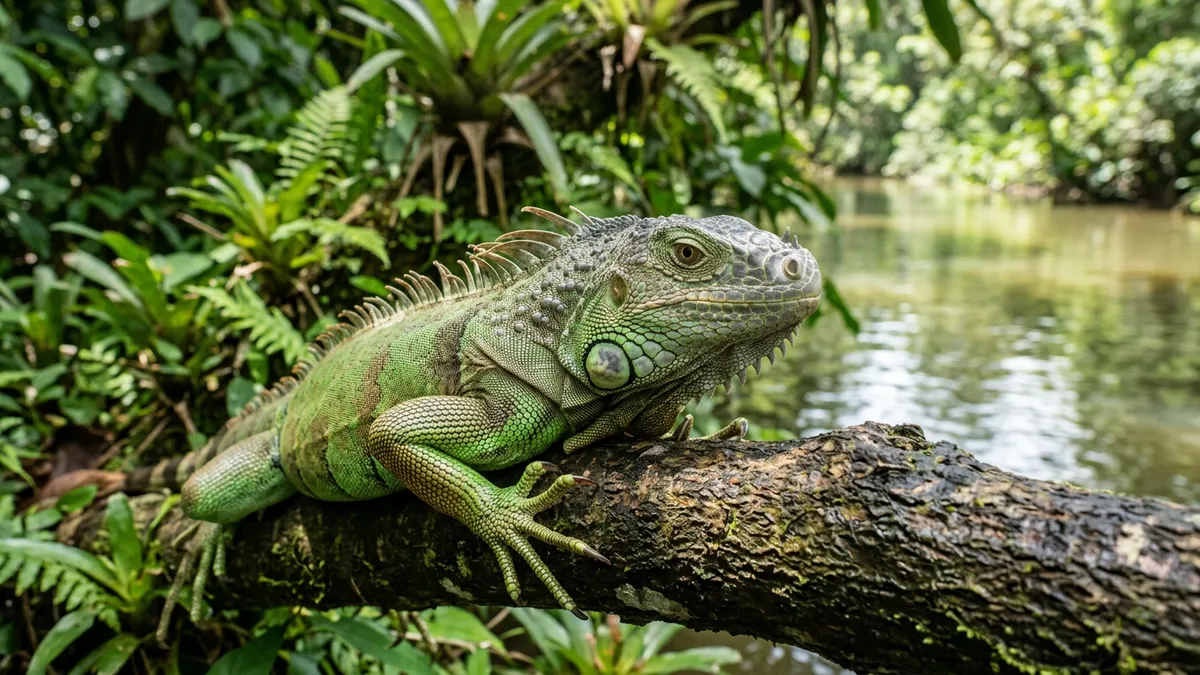
A structure on top of the green iguana’s head detects shifts from light to shadow, a warning of predators overhead. The reptile then escapes into water, while gut microbes ferment the leaves it eats.
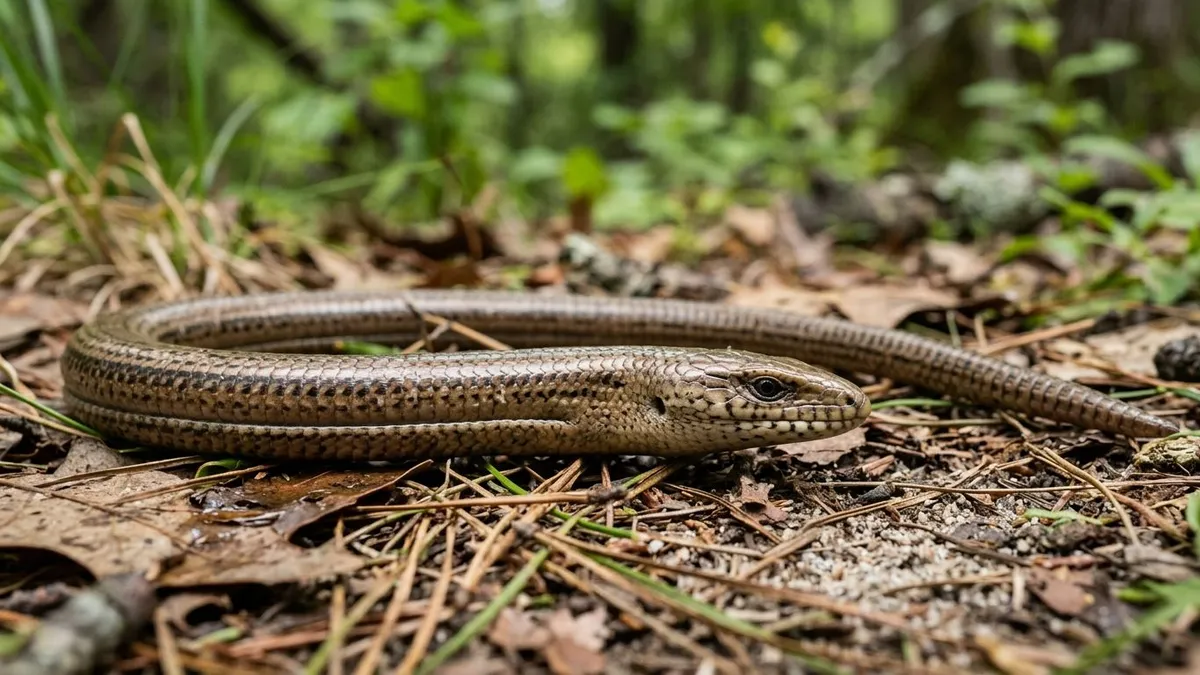
The glass lizard looks like a snake at first glance, but its movable eyelids and its tail give it away. The tail can snap in several places, and the regrown version is shorter and made of cartilage instead of bone.