
How the Amazon absorbs the carbon of a billion cars
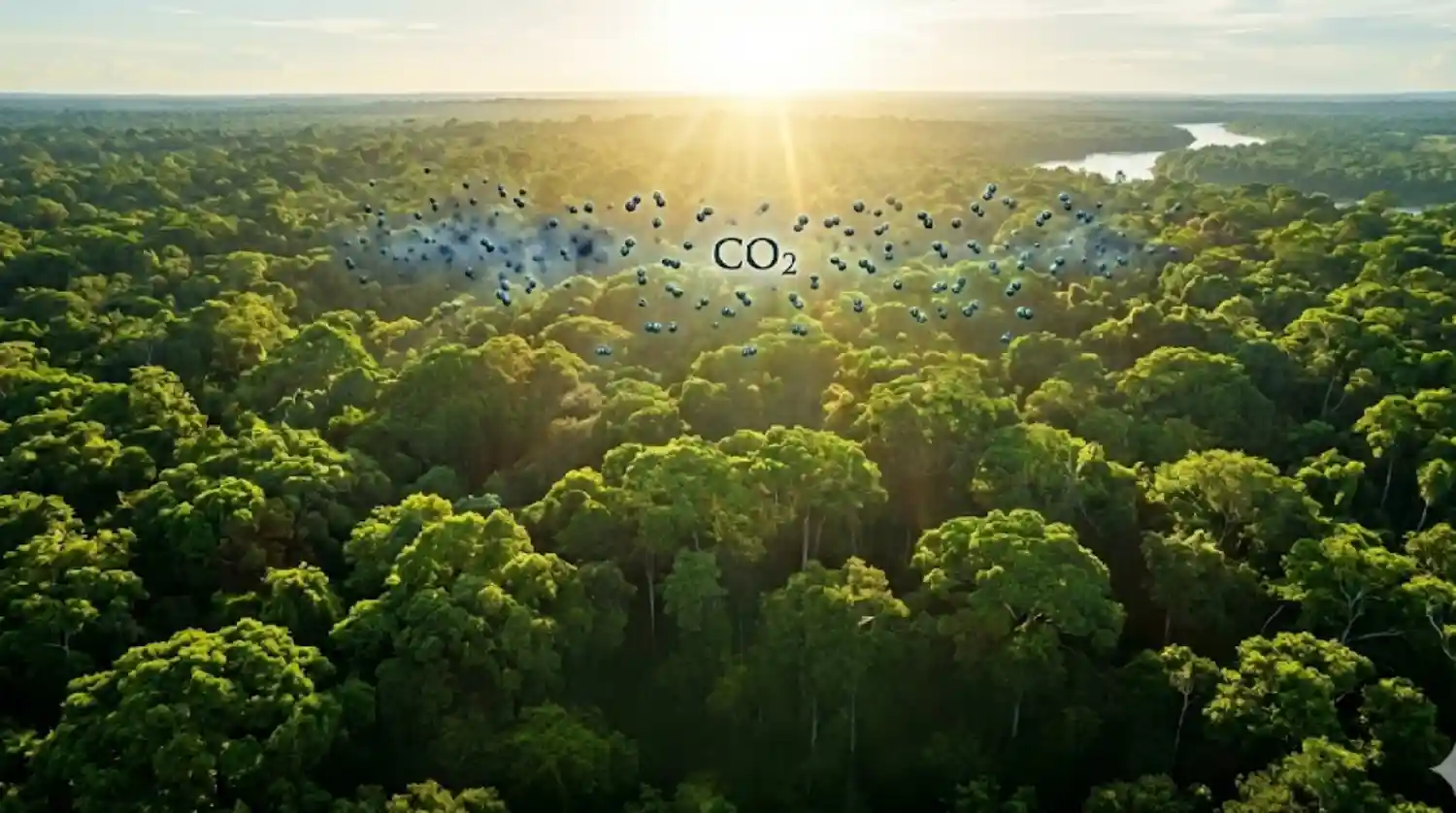
Standing rainforest captures each year what a fleet of more than one billion cars would emit, and holds between 150 and 200 billion tonnes of carbon.
 Anne Silva
Standing rainforest captures each year what a fleet of more than one billion cars would emit, and holds between 150 and 200 billion tonnes of carbon.
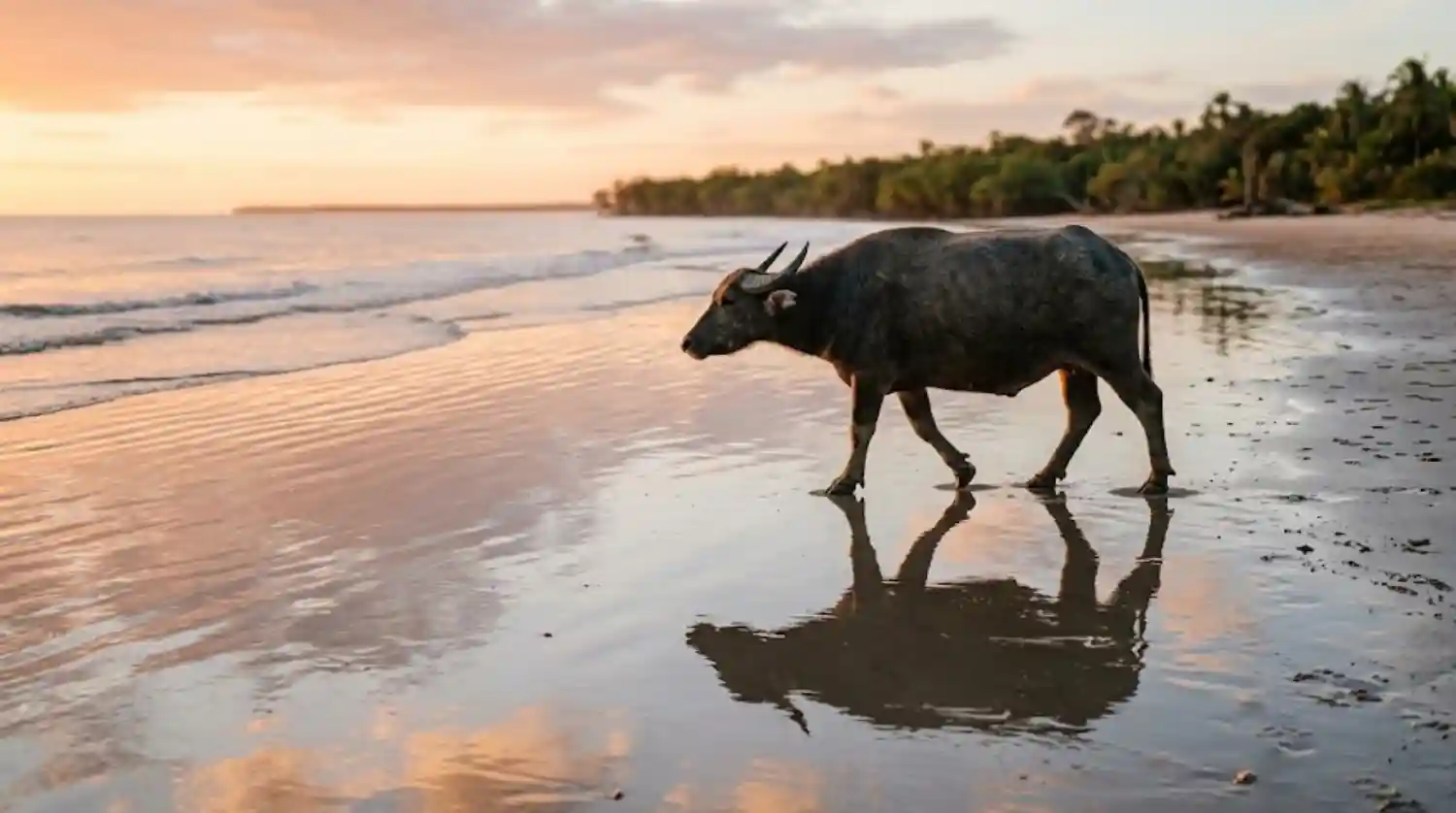
At the mouth of the Amazon, the world’s largest fluvio-marine island pairs Brazil’s biggest buffalo herd with fresh water ocean beaches, mangroves and a ceramic tradition more than a thousand years old.
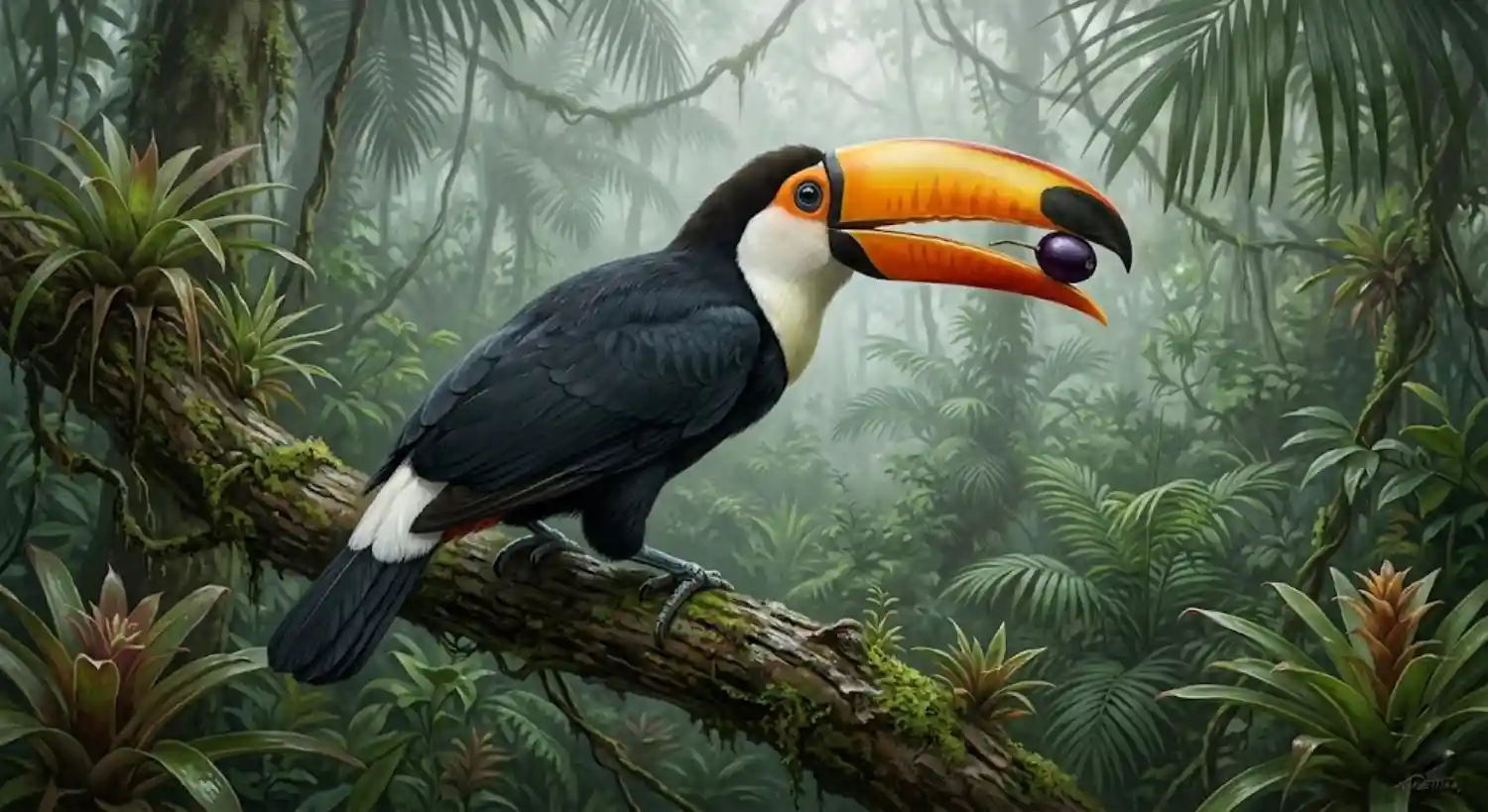
Toucans swallow palm fruits whole, carry the seeds intact for more than five kilometres and drop them where new trees can grow. It is the quietest reforestation programme in the Amazon.
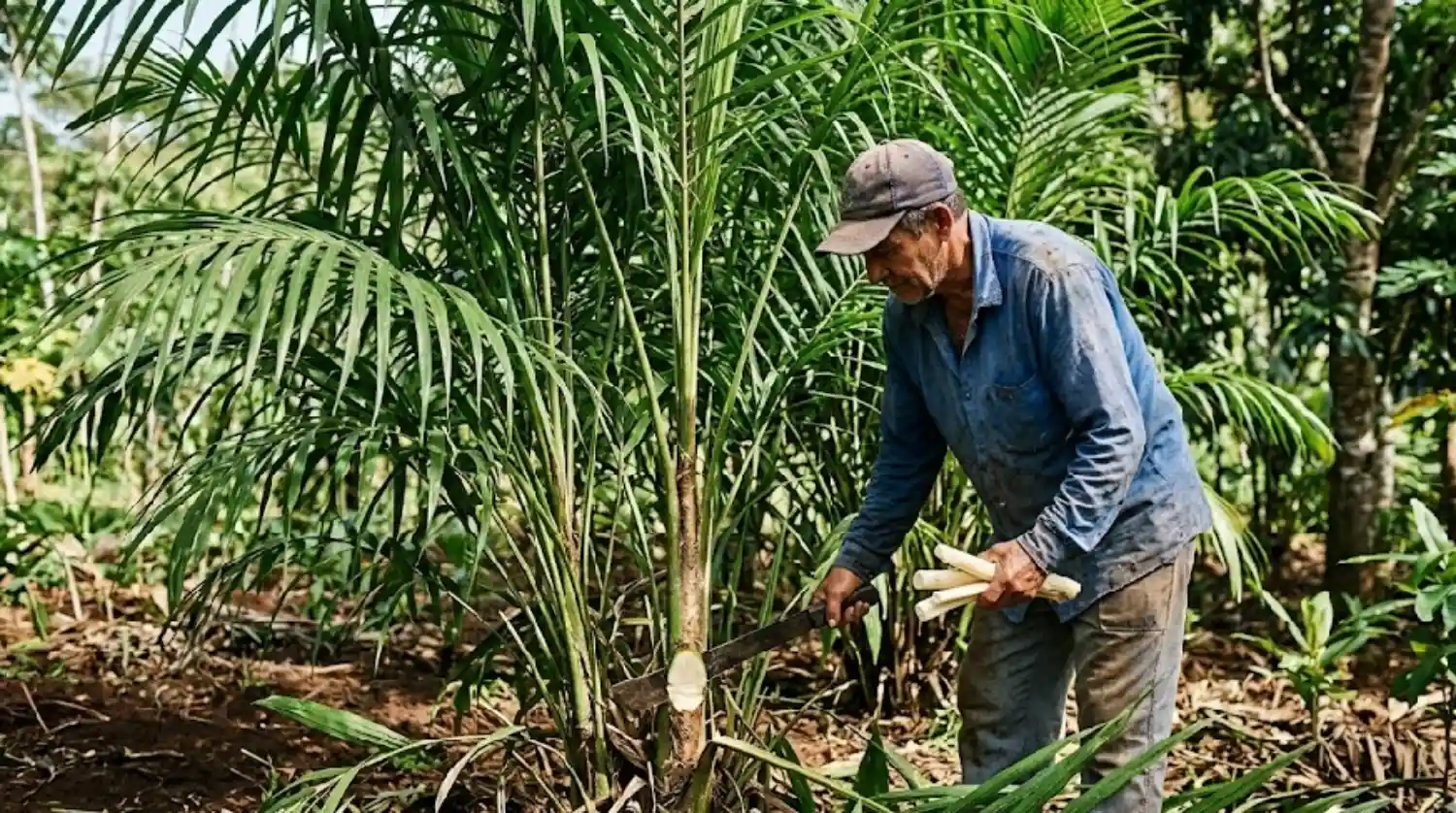
Peach palm, or pupunha, is cut without felling the tree: removing the main stem triggers new shoots ready in eighteen months. It is the agroecological alternative easing pressure on the threatened juçara palm.
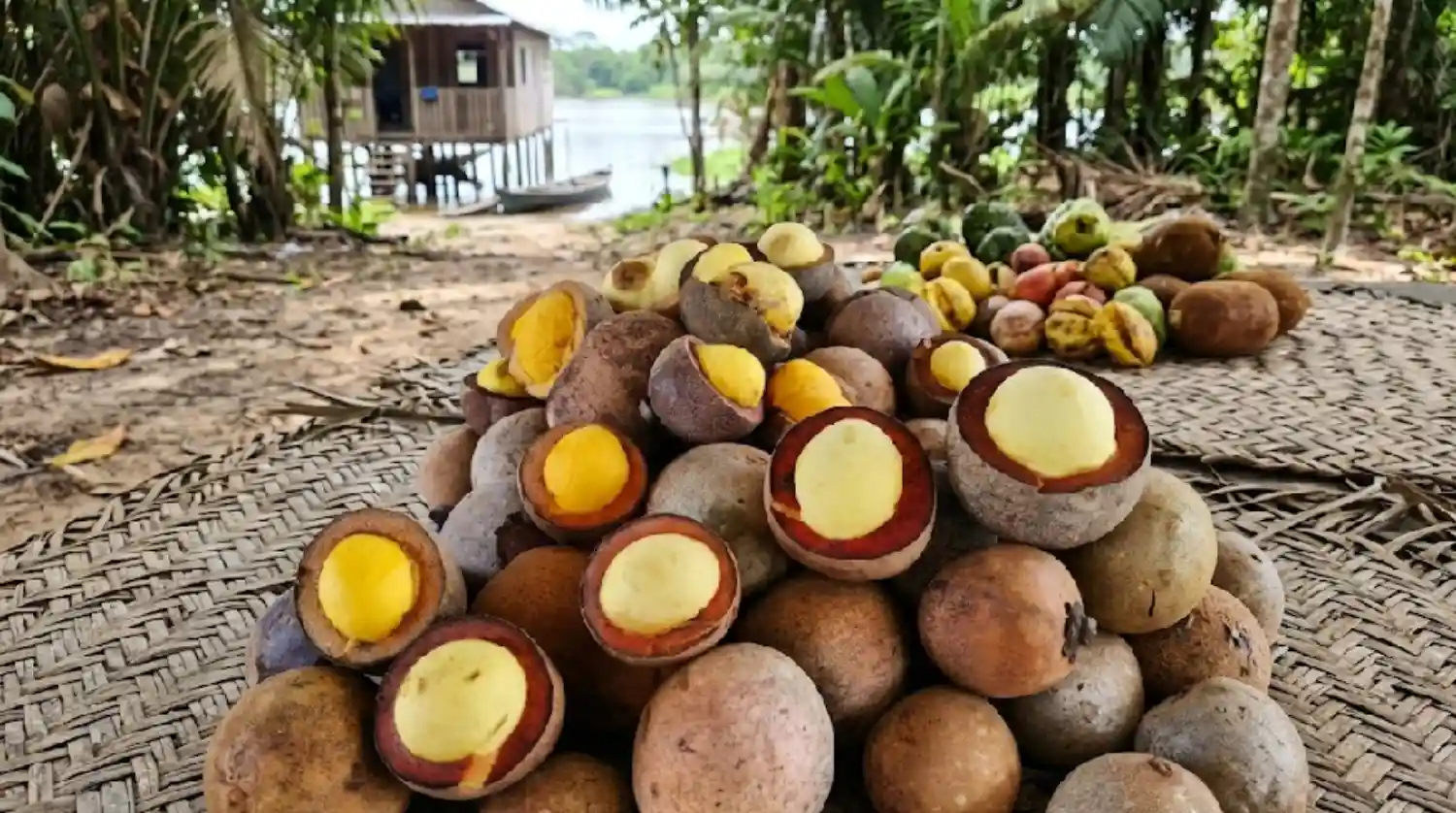
Piquia (Caryocar villosum) is an Amazon rainforest tree that grows up to 50 metres tall. Its yellow, oily pulp is boiled to release an oil rich in oleic acid and carotenoids, a staple for riverside communities and a new favourite of chefs in Para.
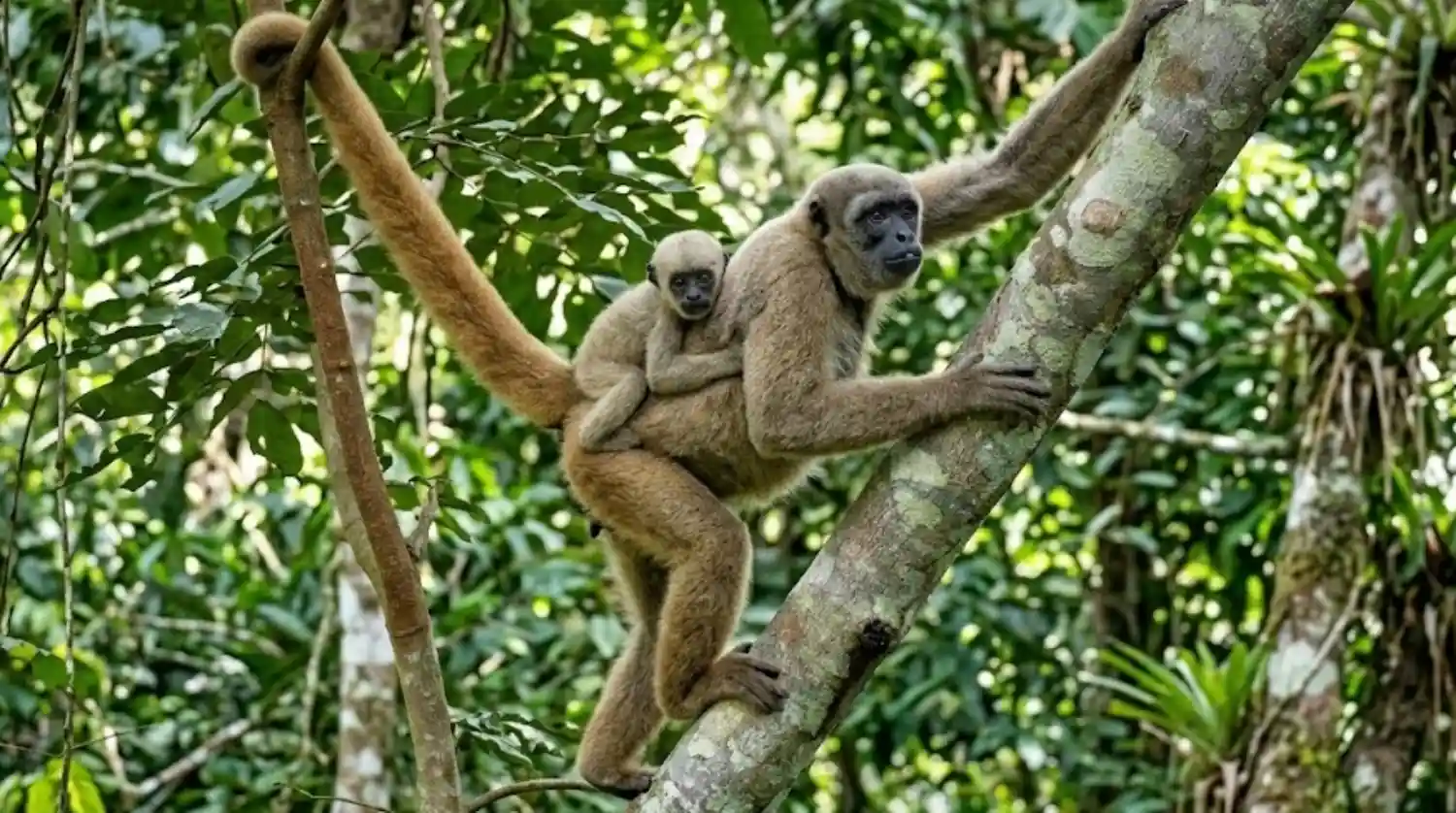
The northern muriqui is the largest primate in the Americas and lives only in Brazil’s Atlantic Forest. It has no large canines, no alpha male and a group life built on tolerance and cooperation.
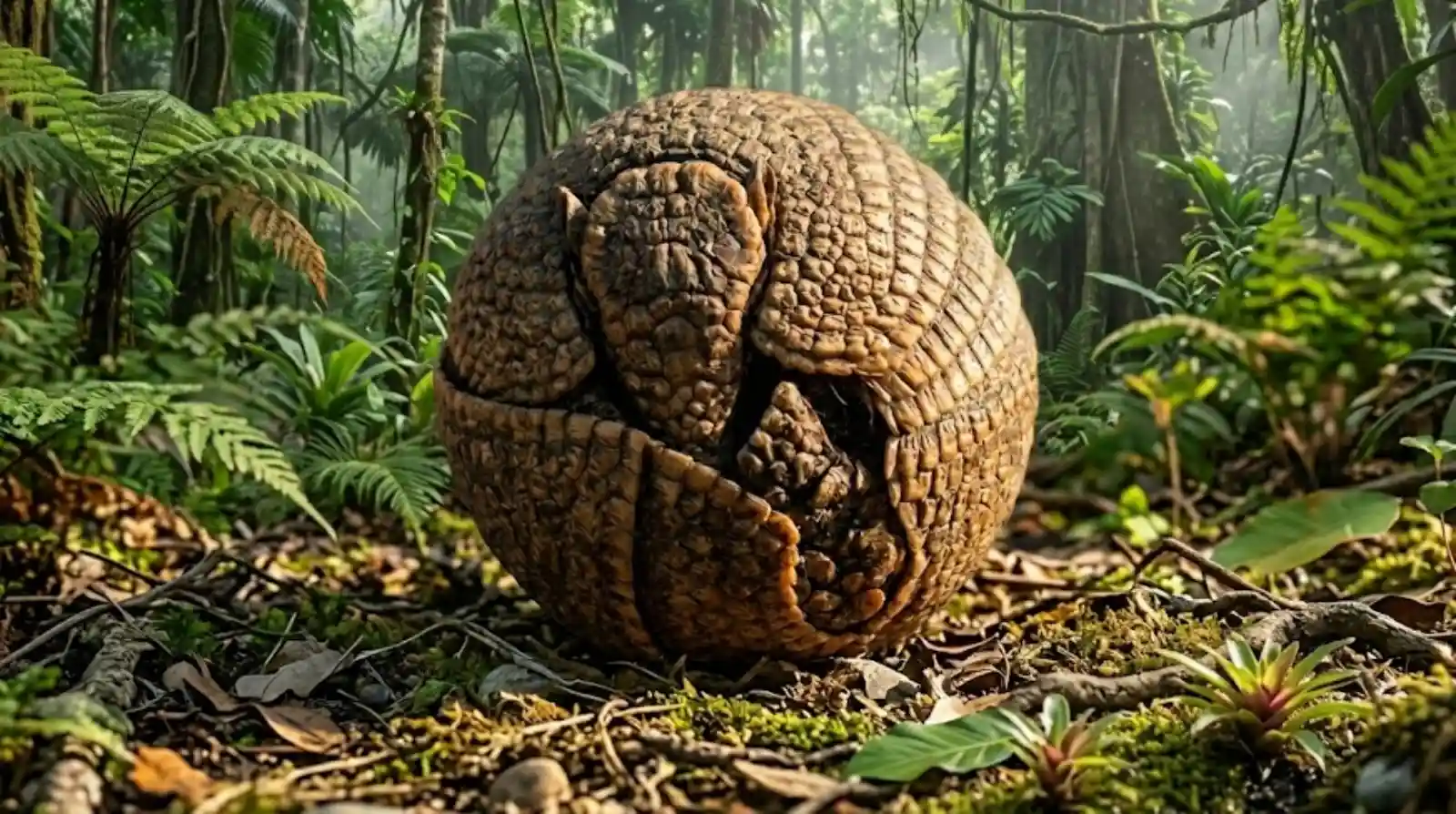
Faced with a threat, the Brazilian three banded armadillo seals itself into a ball with no edges and no gaps. What stops a jaguar is not the hardness of the bone but the geometry of the sphere, held shut by the animal’s own abdominal muscles.
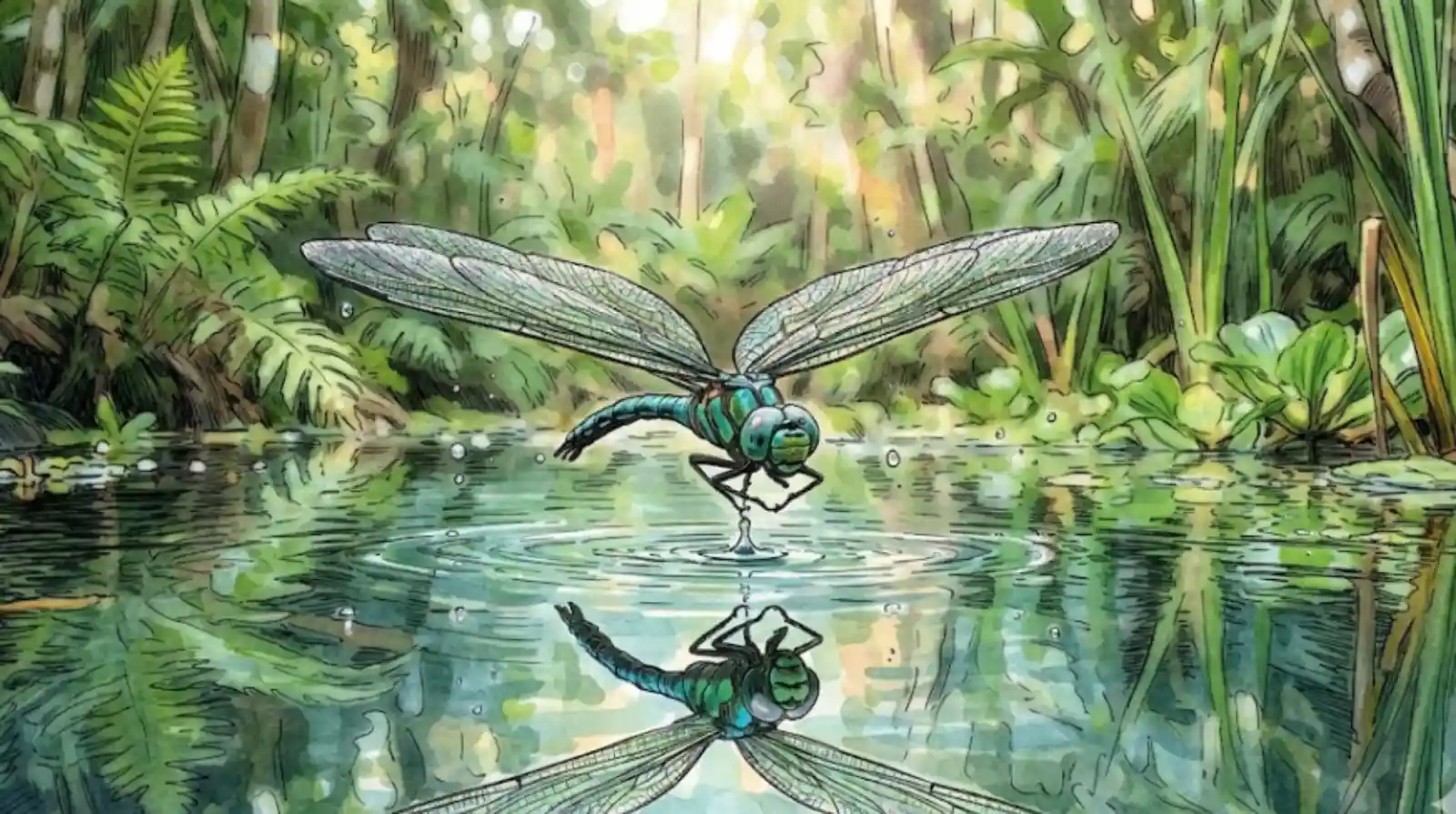
It steers each of its four wings separately, sees almost 360 degrees and hits its target in more than nine out of ten attempts. The Amazon dragonfly is a flight manual that drone designers are still trying to read.
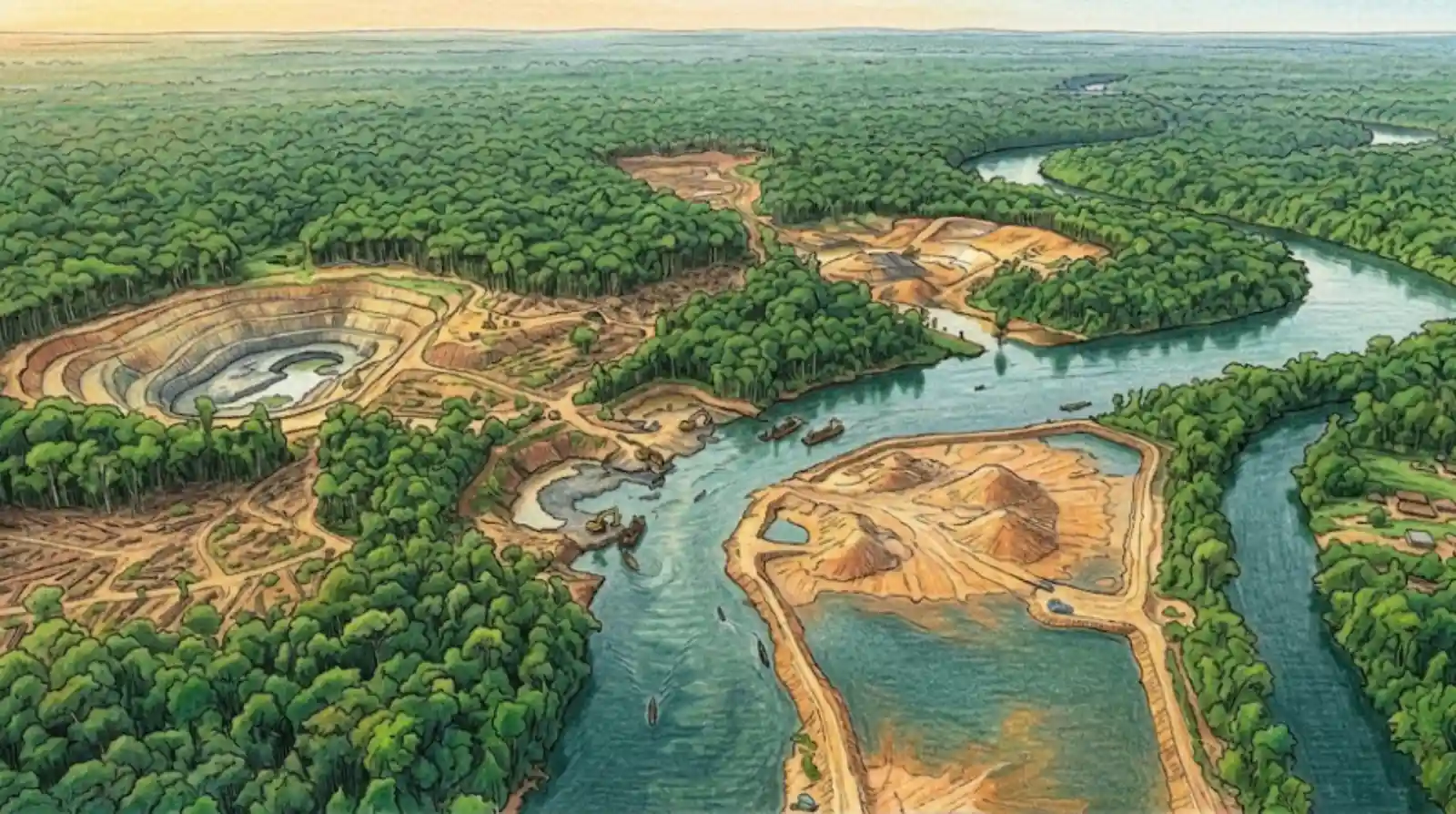
Gold extraction churns the bed of Amazonian rivers, blocks the photosynthesis of algae and unsettles the chain that sustains fish, the water cycle and river communities.
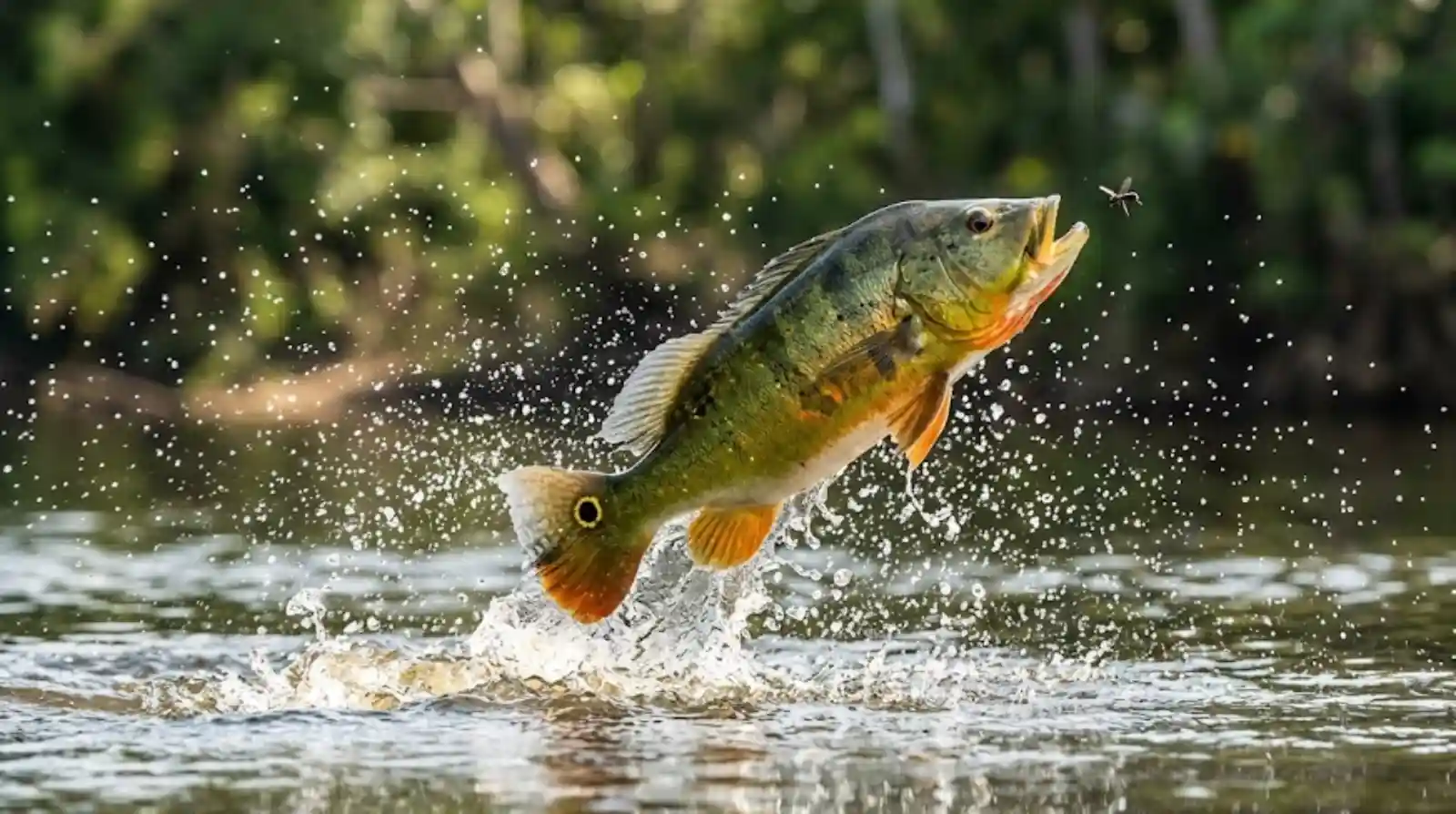
The peacock bass leaps clear of the river to catch insects and birds in flight. To hit the target, its visual system first corrects for water refraction.