
Fire Caterpillars: Hollow Bristles That Inject Venom
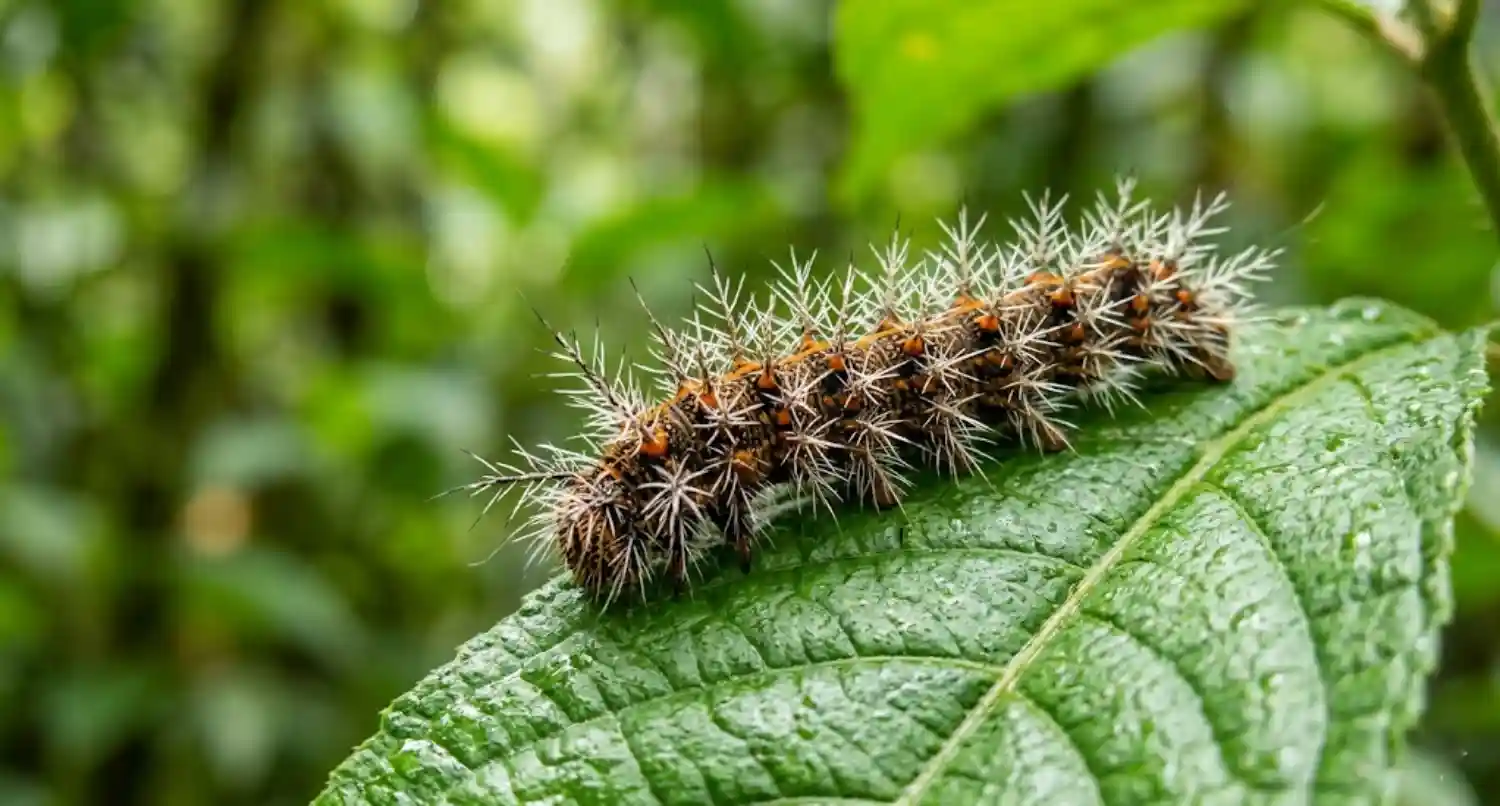
The hollow bristles of fire caterpillars work as hypodermic microneedles. How the venom is injected, why Lonomia obliqua is a medical emergency and what to do after contact.
 Anne Silva
The hollow bristles of fire caterpillars work as hypodermic microneedles. How the venom is injected, why Lonomia obliqua is a medical emergency and what to do after contact.
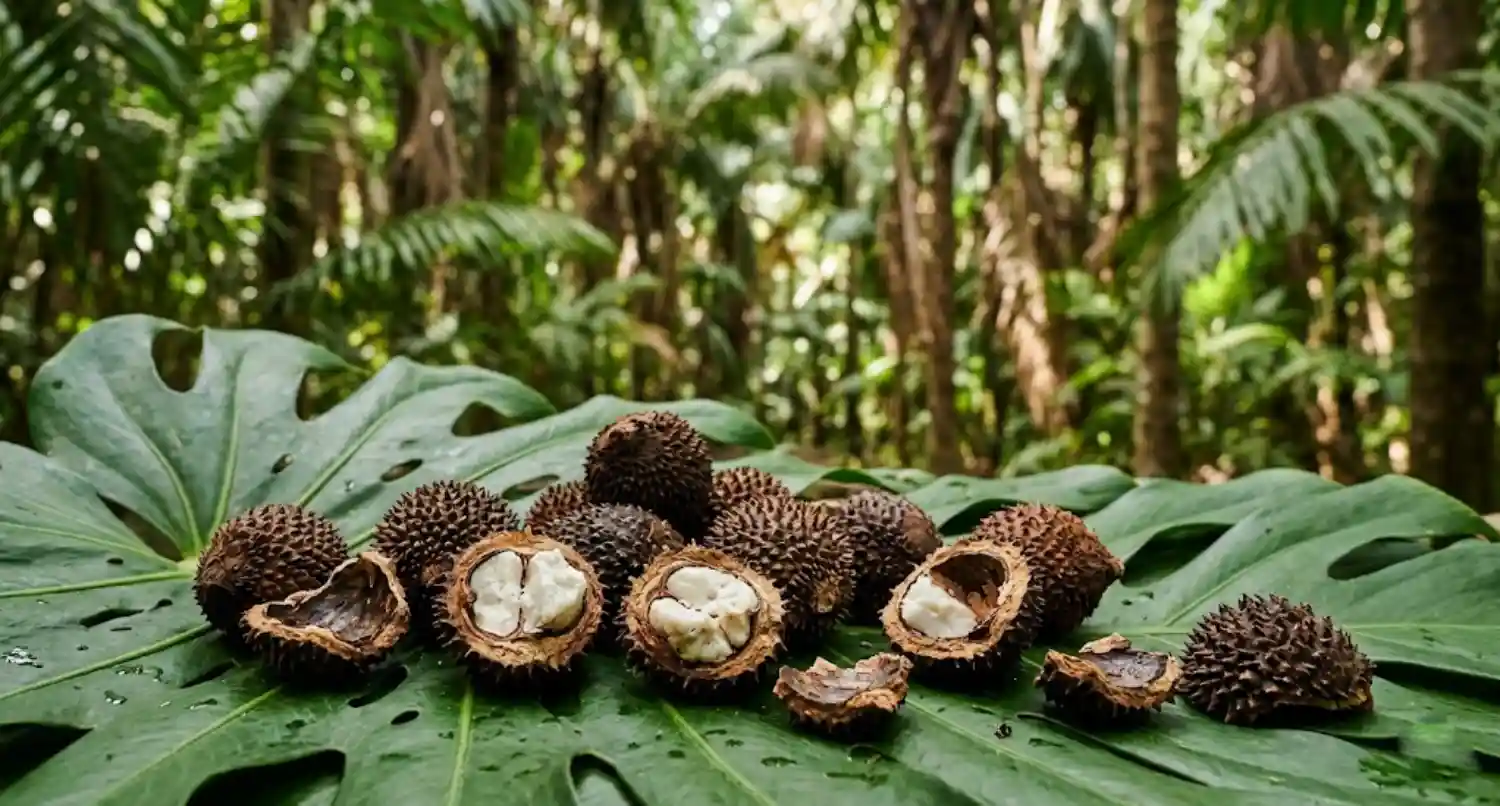
Sealed inside an almost unbreakable shell, the murumuru kernel yields a butter that is displacing palm oil in European cosmetics while funding extractivist cooperatives in Pará and Amazonas, with no tree felled.
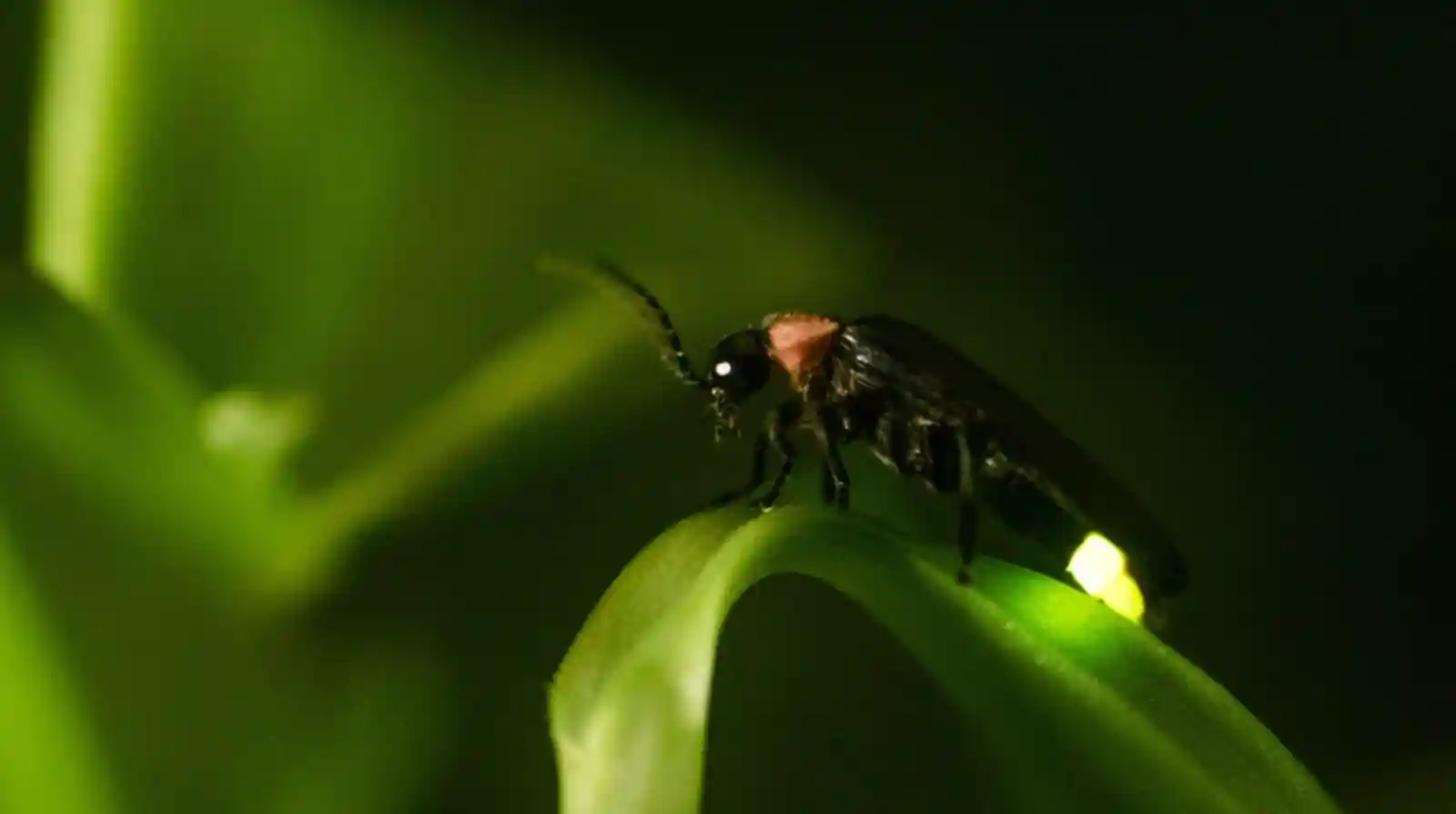
In the Amazon rainforest, a tiny beetle turns almost one hundred percent of its energy into visible light and almost none into heat. Its bioluminescence remains the benchmark the lighting industry still hopes to copy.
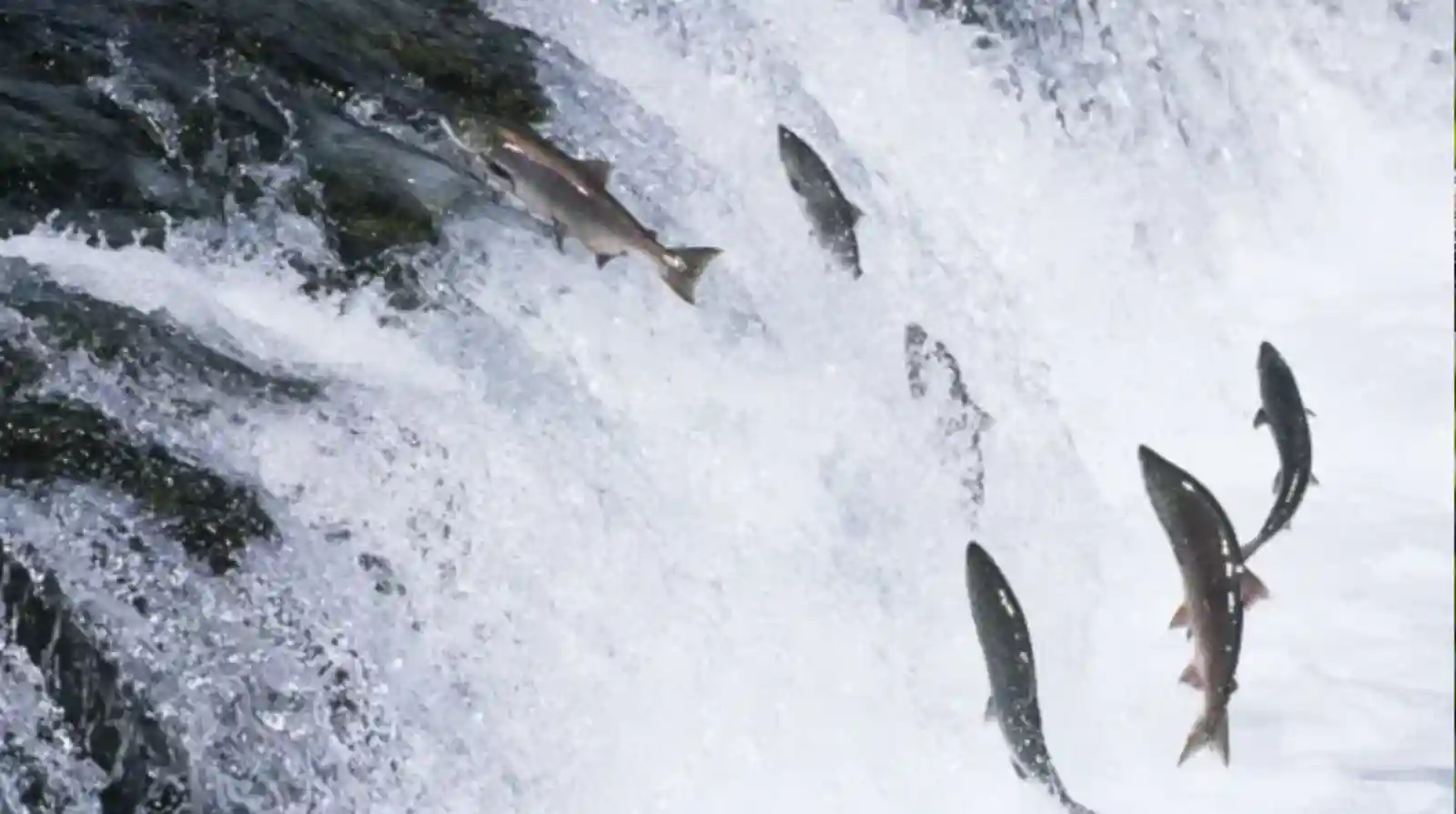
During the piracema, the matrinxã swims hundreds of kilometres against the Amazon current to spawn in the headwaters. The journey renews fish stocks, feeds the river food web and sustains thousands of riverside families.
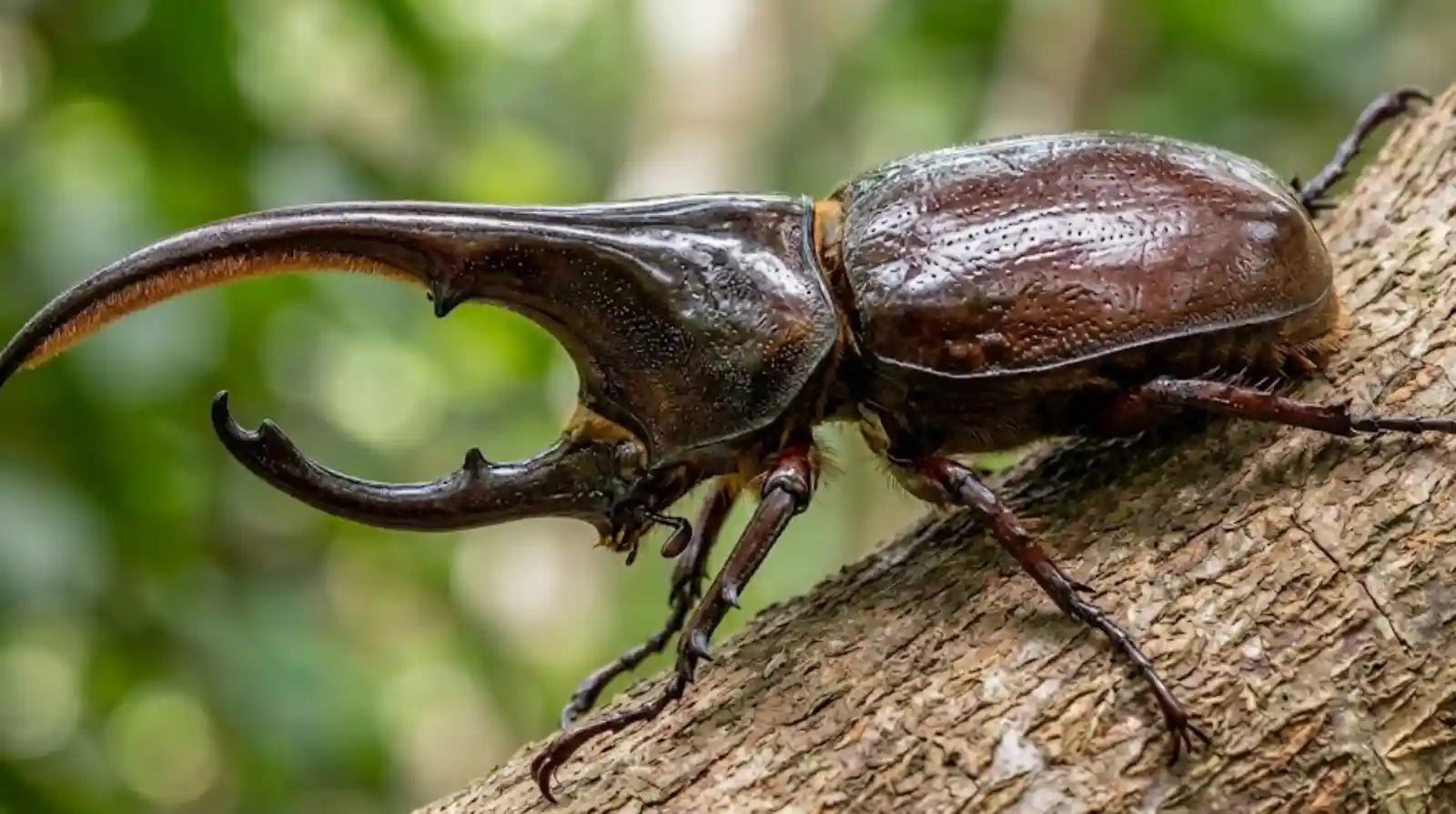
Able to lift hundreds of times its own body mass, the rhinoceros beetle holds the greatest relative strength of any animal on the planet. The explanation lies in a chitin exoskeleton, in the physics of small scales and in millions of years of male rivalry inside the Amazon rainforest.
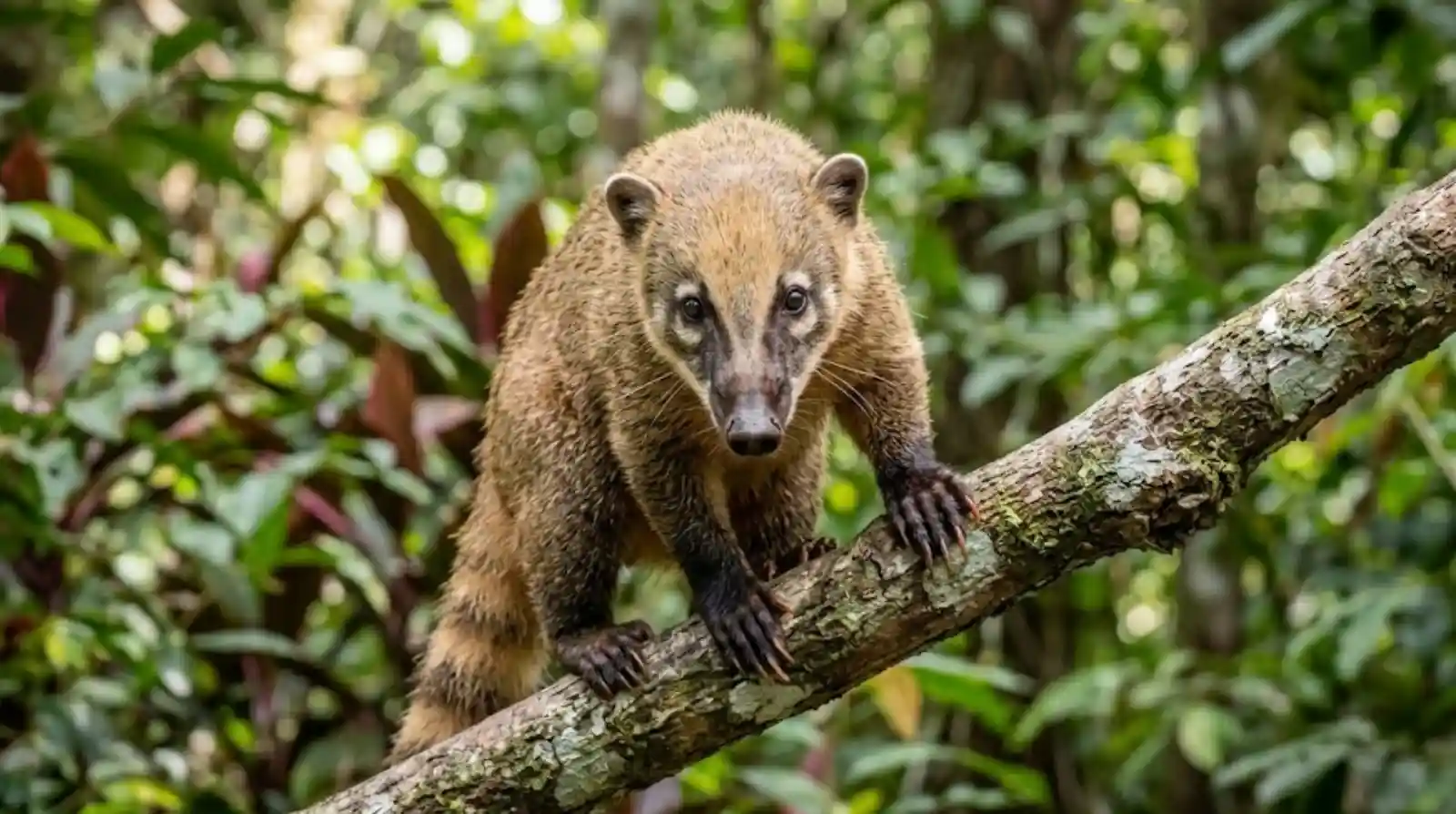
Unusually flexible wrists and long, sharp claws turn the front paws of the coati into hands that open fruit most other Amazon animals cannot break.
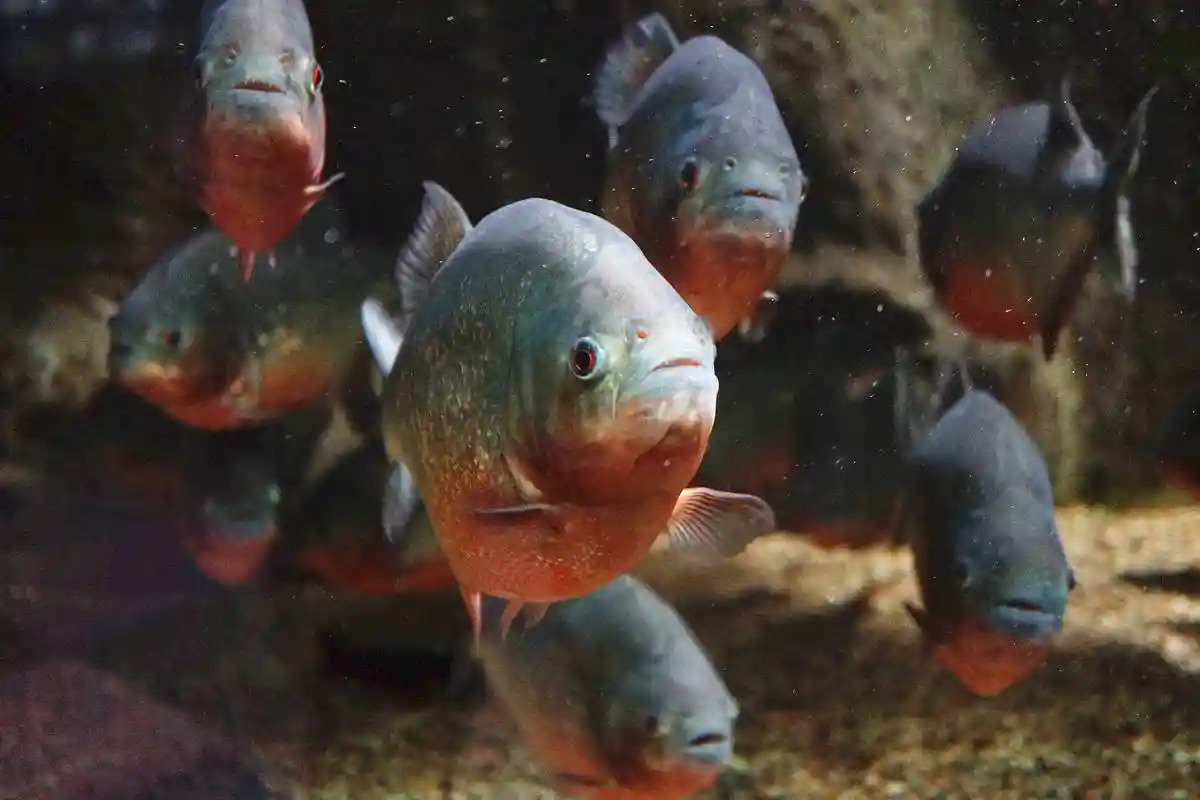
Far from the flesh stripping monster of the movies, the red piranha works as a scavenger and a recycler in the Amazon basin. Field biology describes a shy fish that schools for protection and keeps river ecosystems healthy.
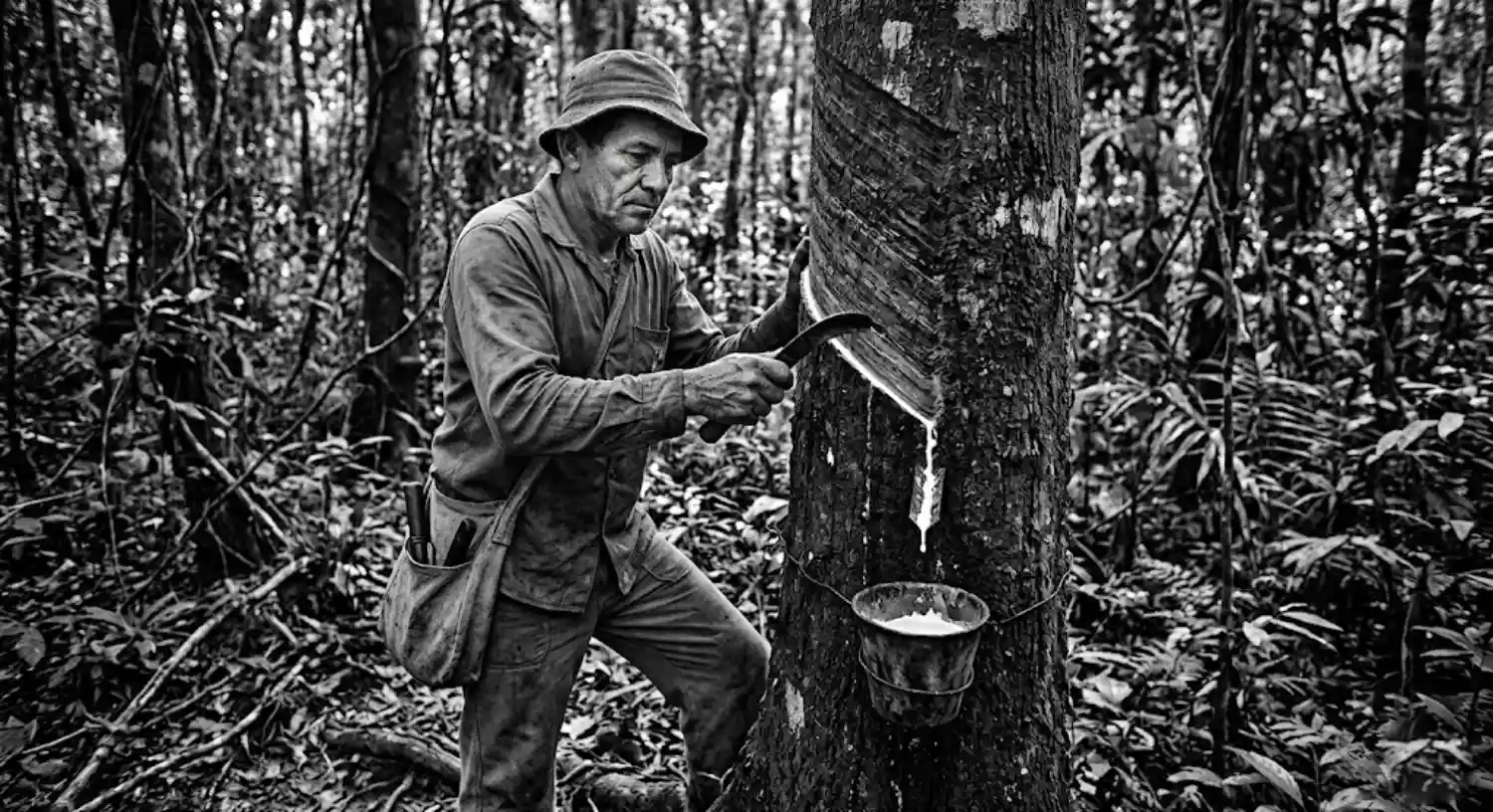
The Amazonian rubber tree gave the world the pneumatic tyre and gave the Amazon its first great economic cycle, with opulence, forced labour and collapse. Today the same species anchors a standing forest bioeconomy.
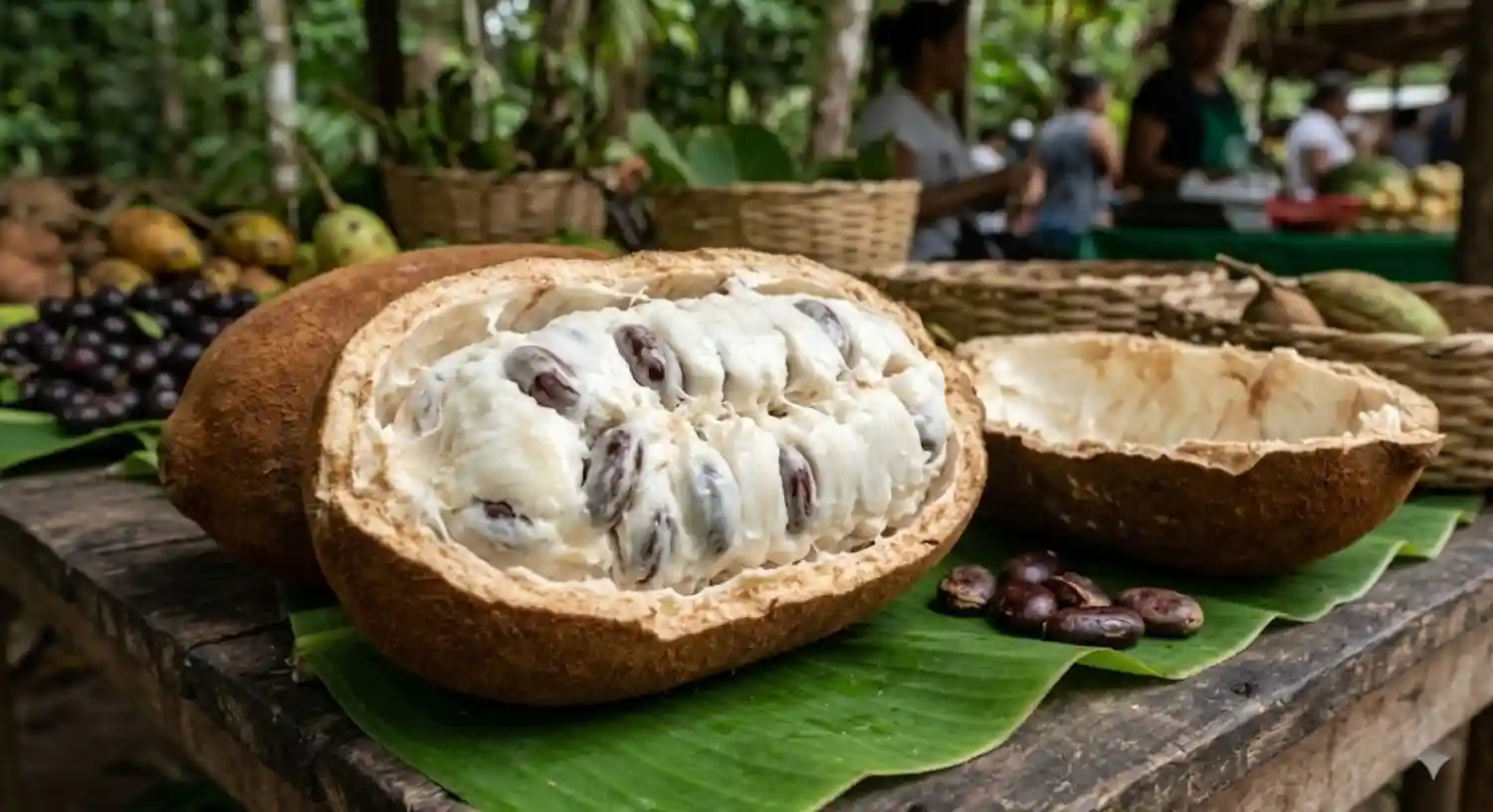
The aromatic Amazonian fruit did not grow wild in its current form. For at least five thousand years, Indigenous peoples selected trees with thicker pulp and fewer seeds, creating a biocultural legacy that now sustains a forest bioeconomy.
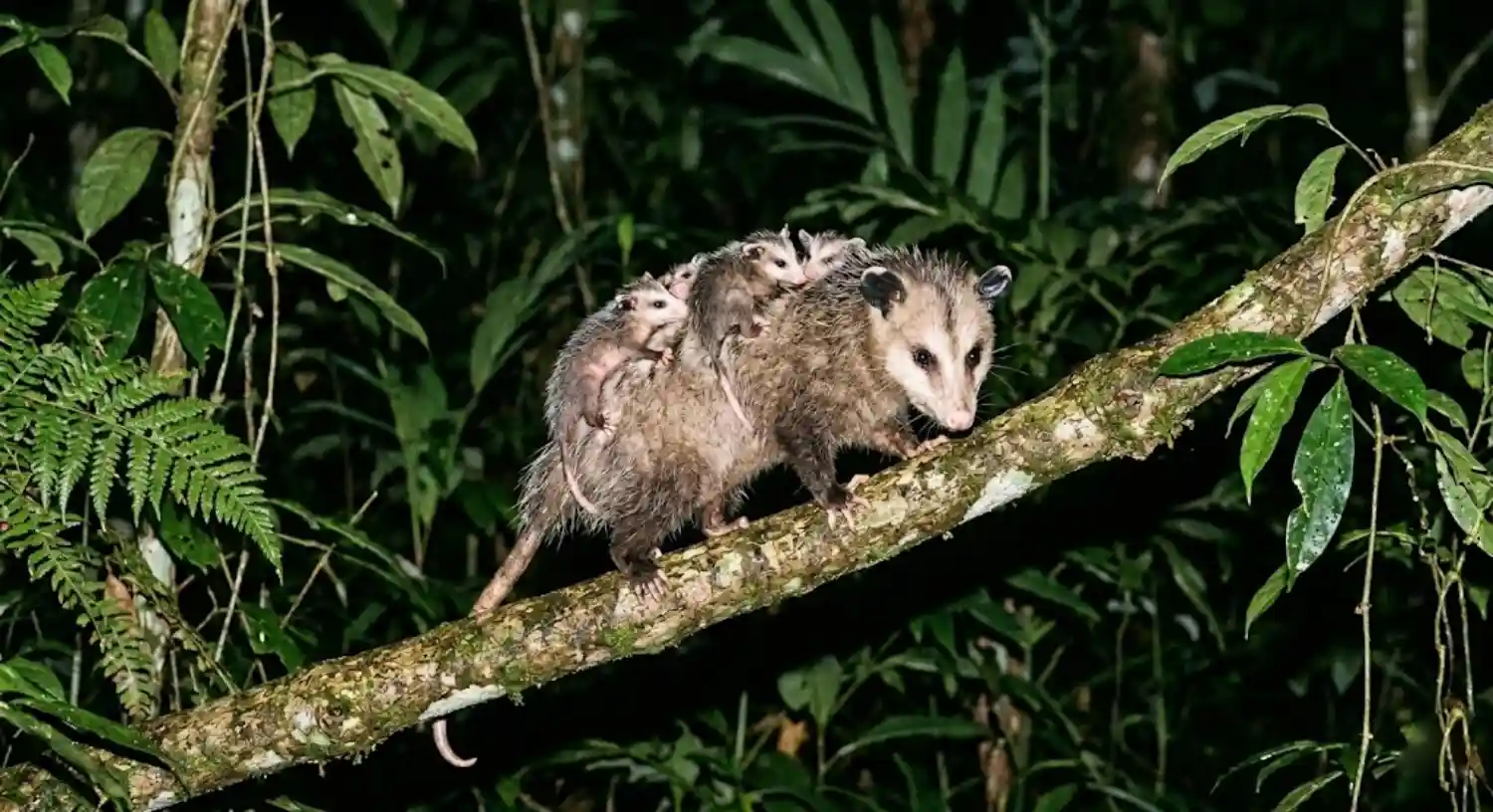
The common opossum neutralizes rattlesnake venom with proteins in its own blood, hunts vipers and helps balance the Amazon. Its chemistry is a lead for antivenom research.