
The giant South American mammal quietly plants the Amazon at night
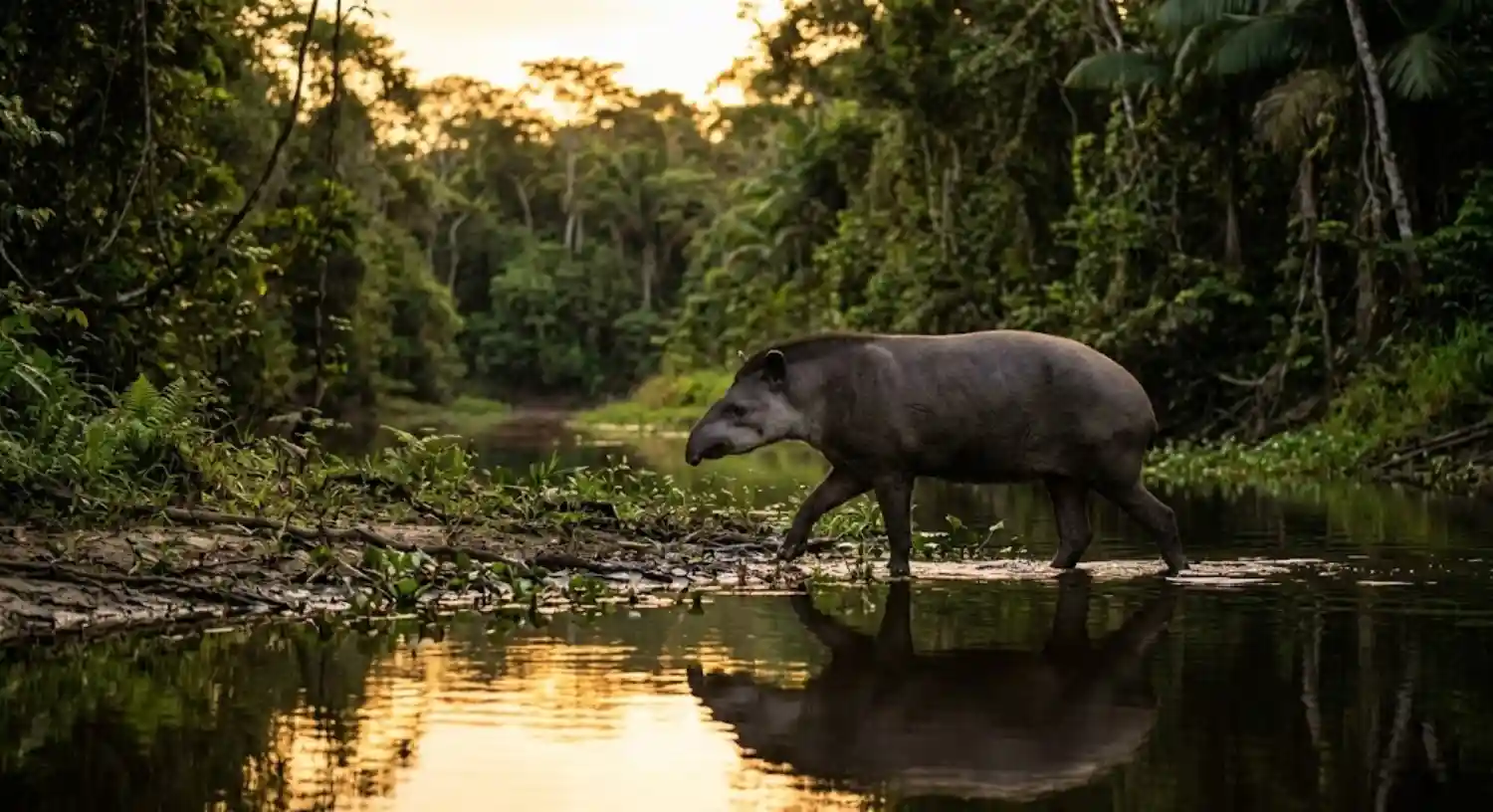
The lowland tapir swallows whole fruits and carries their large seeds for miles. Its quiet nighttime journeys help renew the rainforest and riverbanks.
The lowland tapir swallows whole fruits and carries their large seeds for miles. Its quiet nighttime journeys help renew the rainforest and riverbanks.
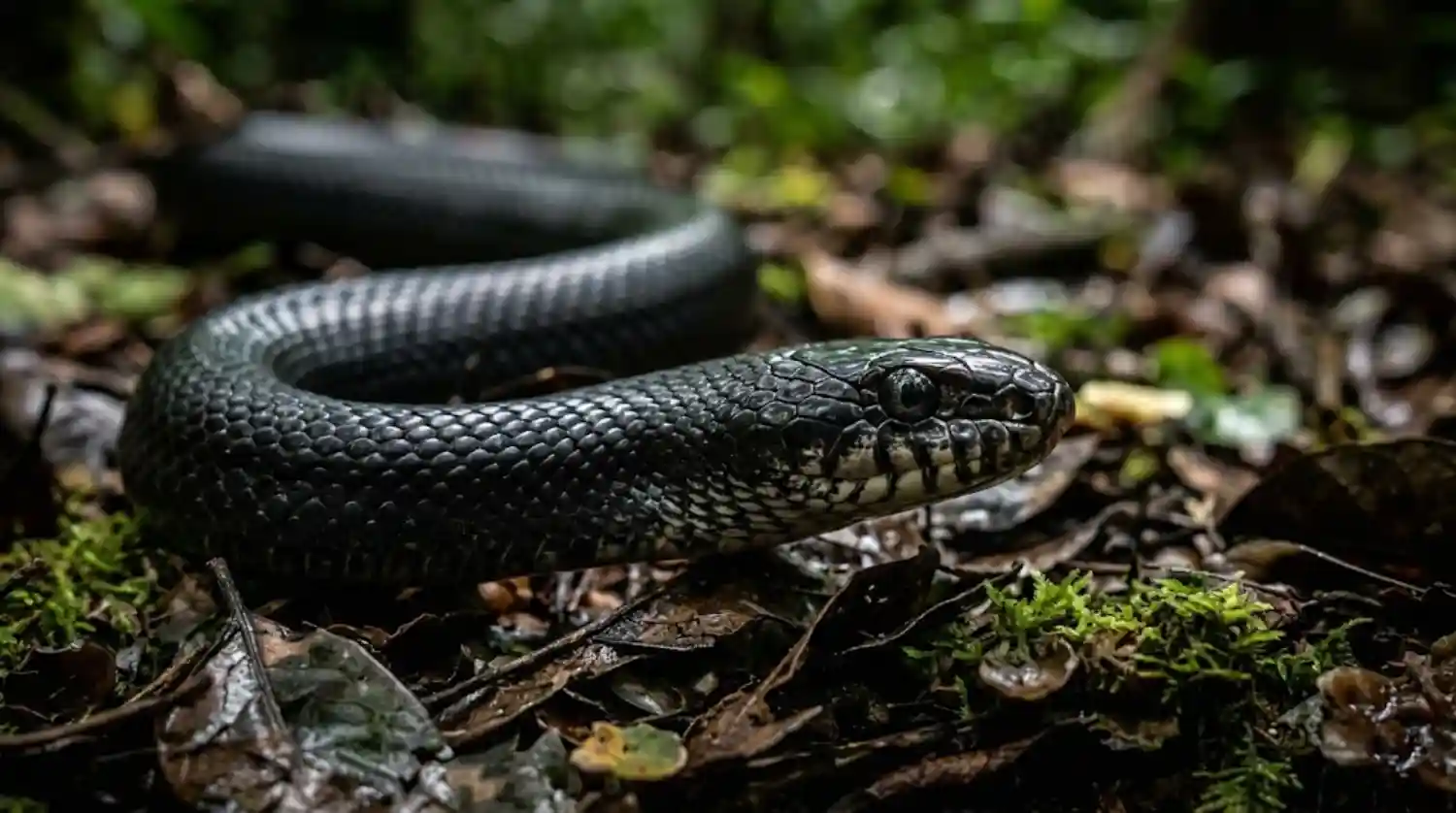
The mussurana can hunt venomous snakes because of an extraordinary physiological resistance. Its role as a predator helps maintain the balance of Brazil’s ecosystems.
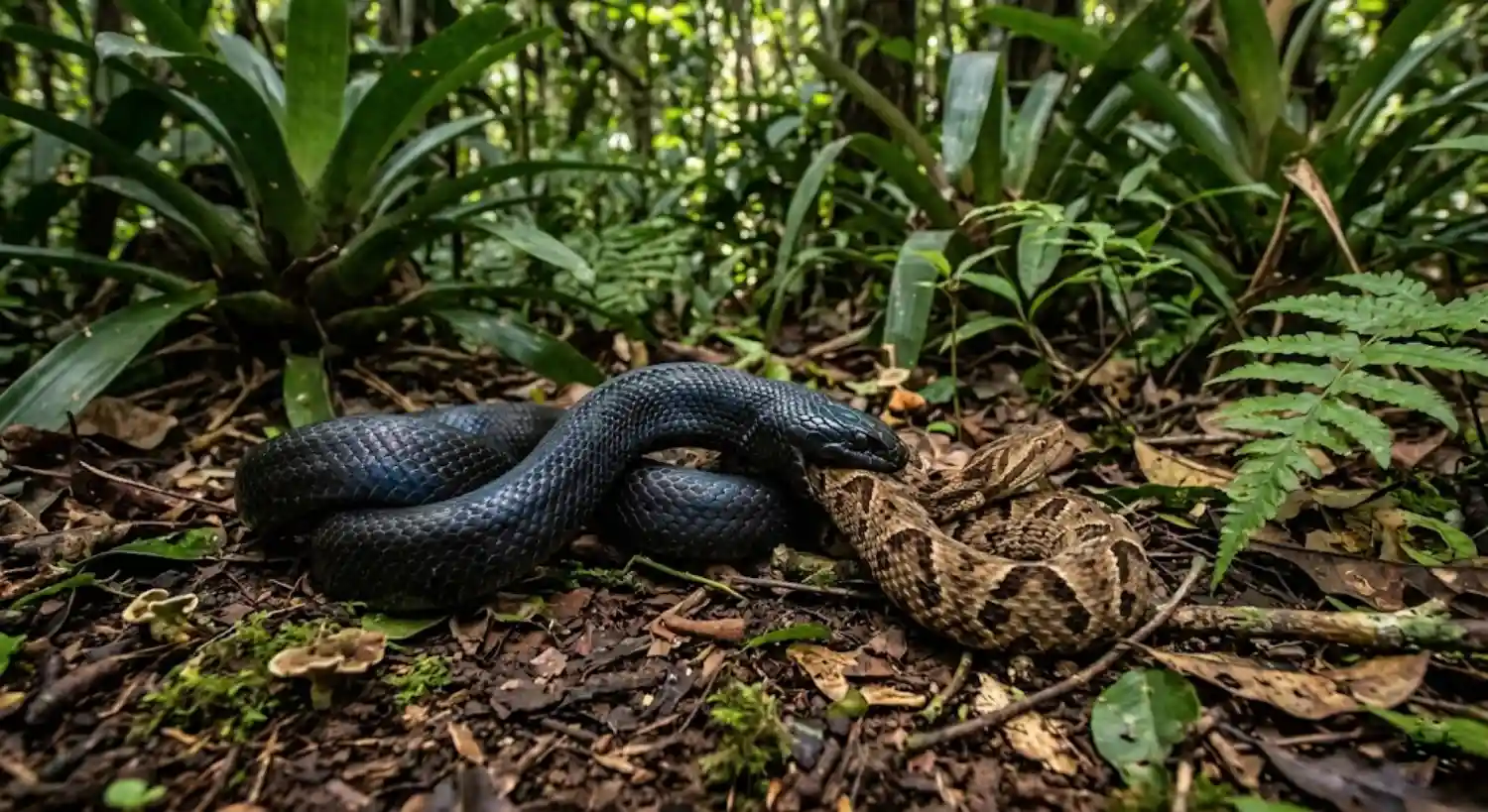
The mussurana can hunt jararacas and rattlesnakes because of an exceptional biological immunity. Its presence also helps control venomous snakes near rural communities in Brazil.
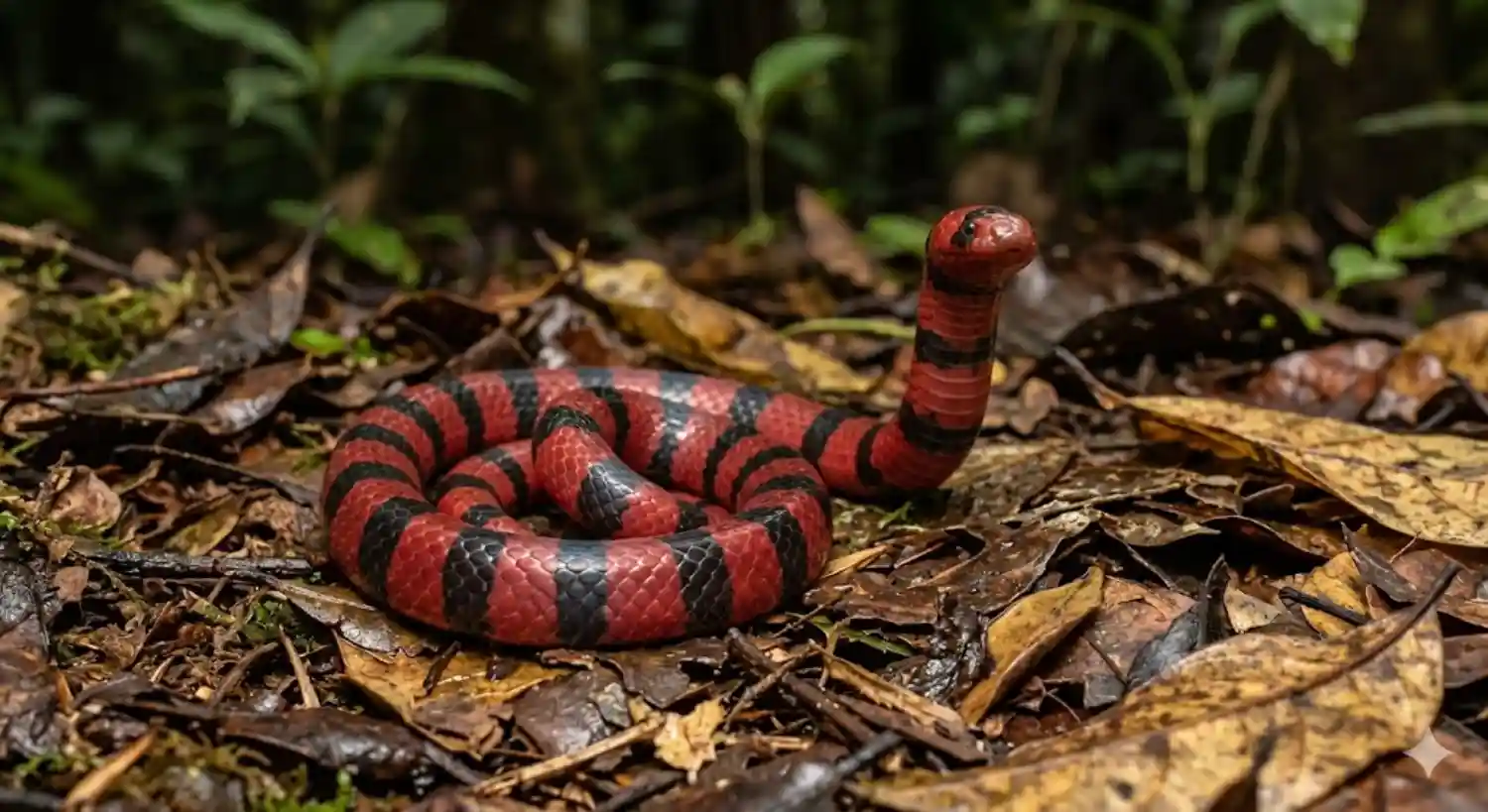
The Anilius scytale can raise its rounded tail and move it like a head to redirect attacks from birds and small mammals. Its defense reveals the sophistication of life beneath the Amazon forest floor.
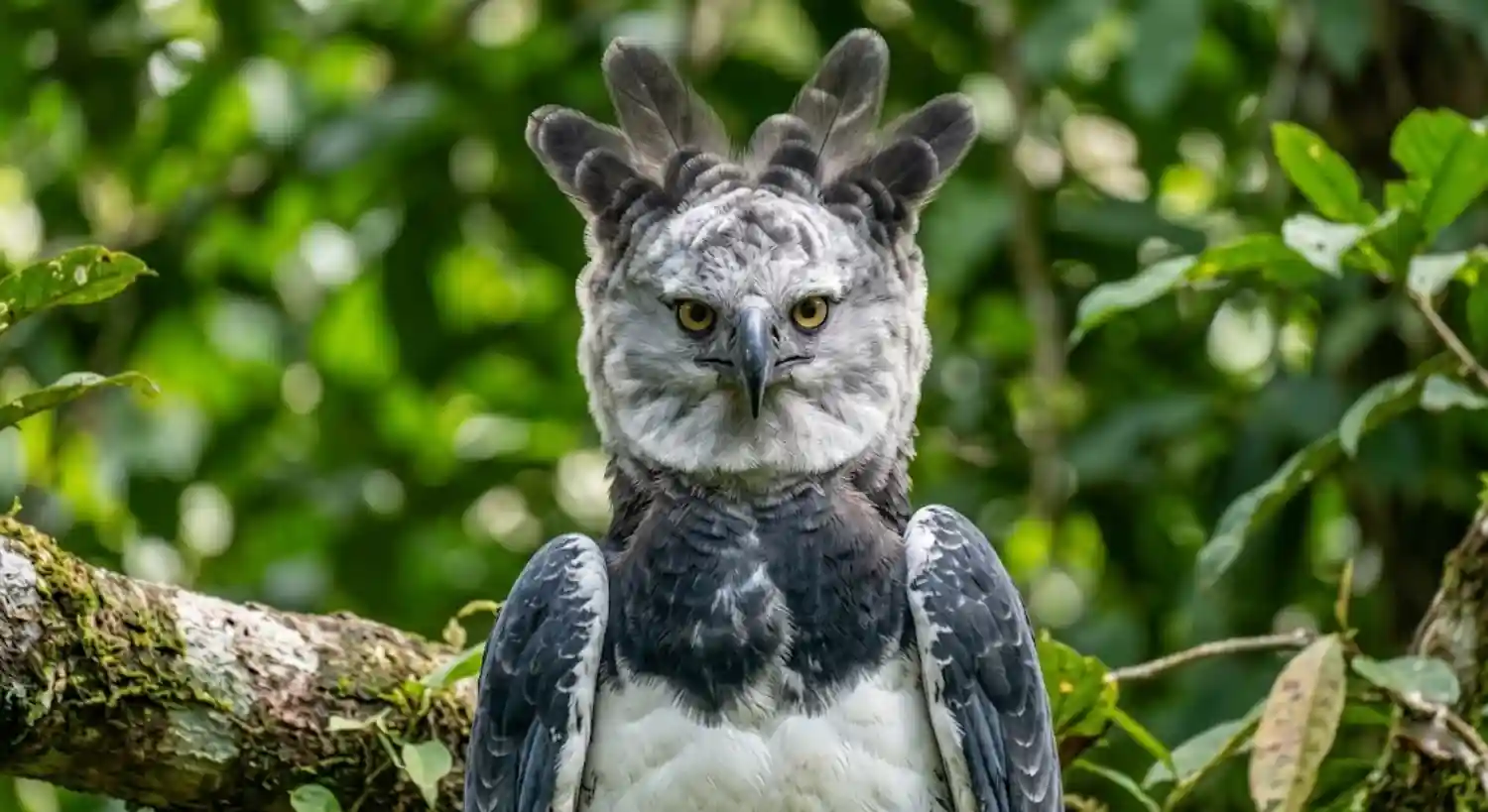
The Harpy Eagle needs large areas of primary forest to hunt and reproduce. Its presence signals an intact rainforest, while its disappearance exposes the effects of habitat fragmentation and agricultural expansion.
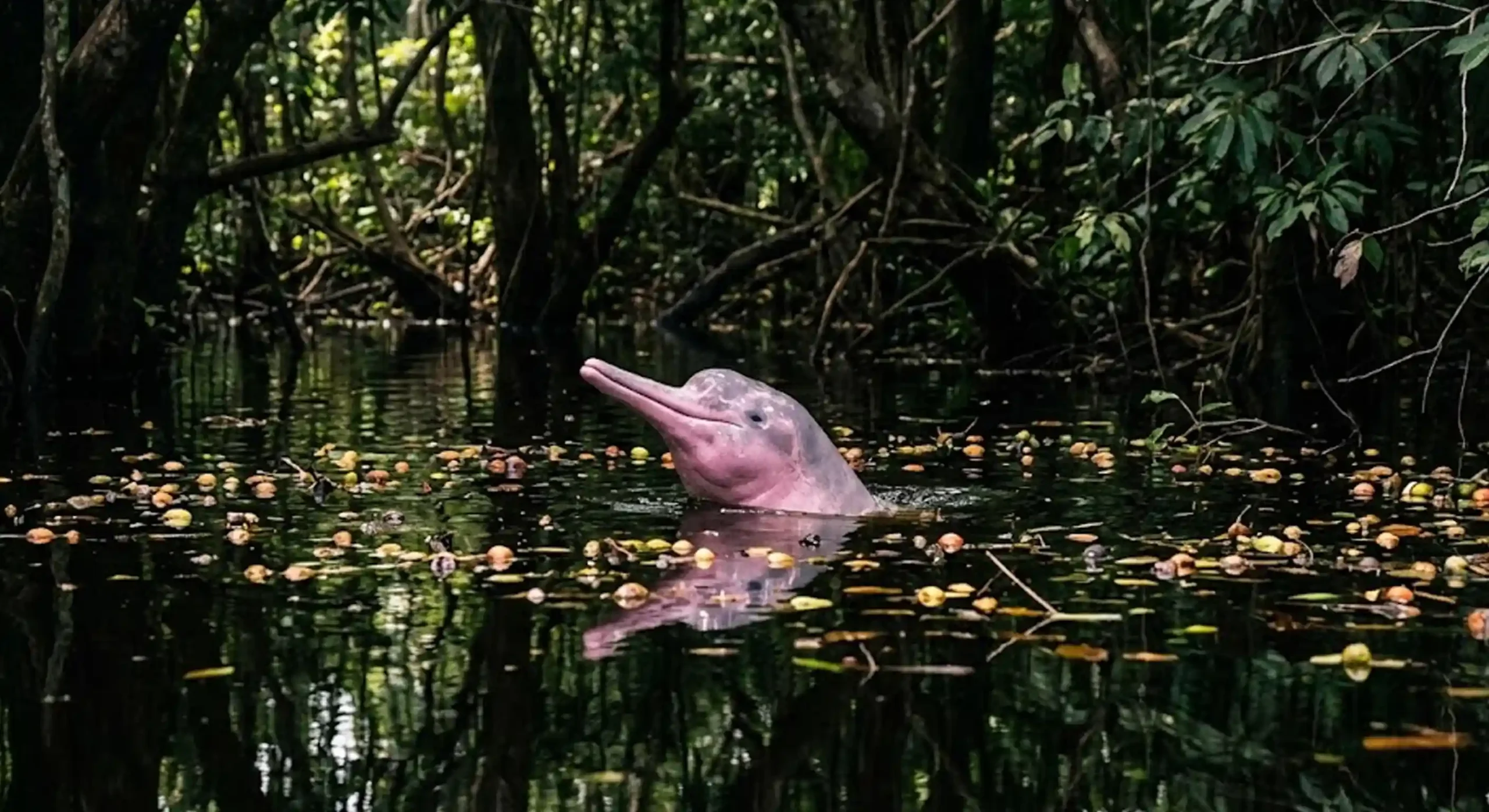
During the annual flood season, pink river dolphins leave the main channels to enter flooded forests, eat fruit and carry seeds through Amazonian waterways.
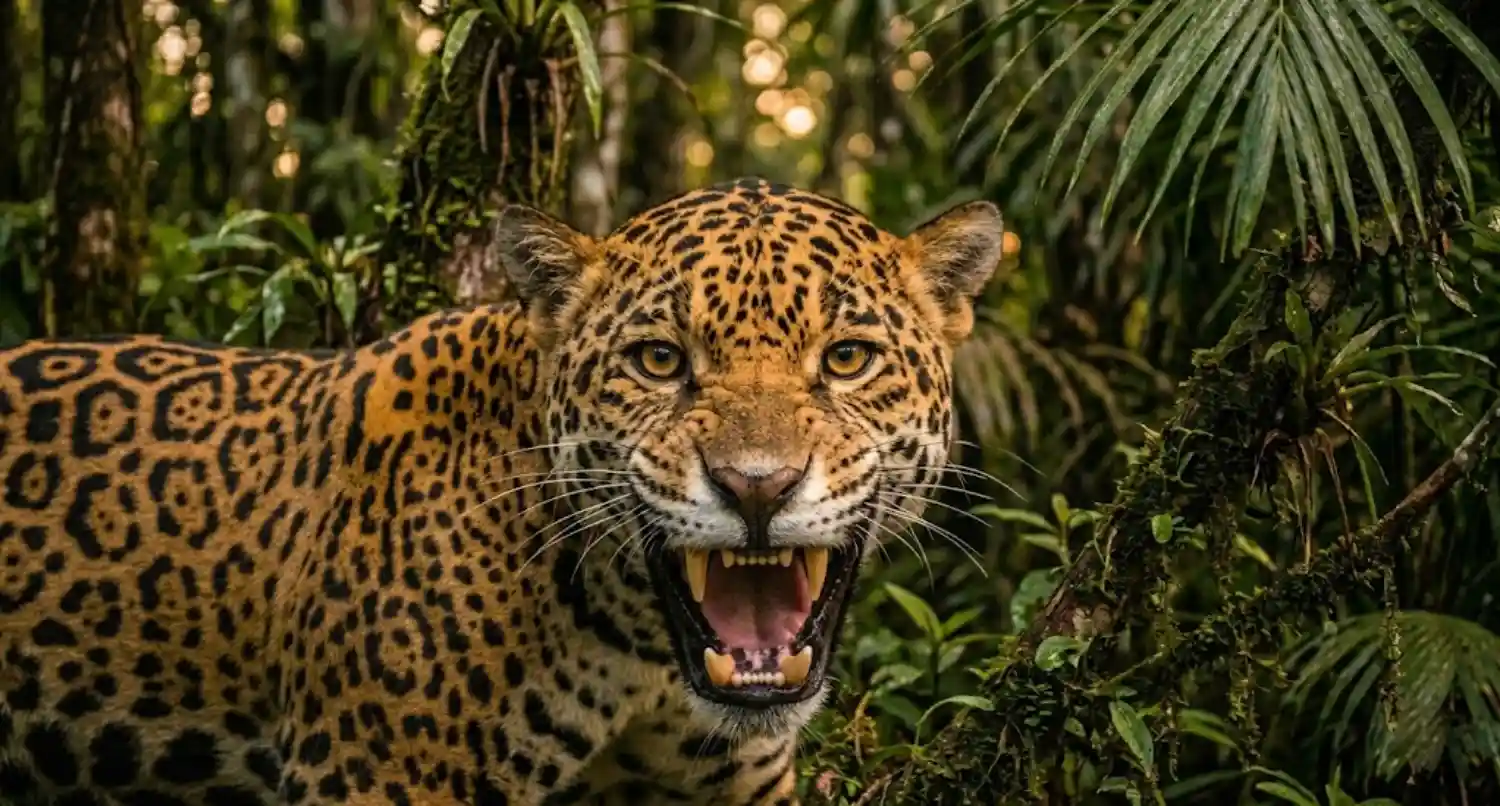
A jaguar’s roar carries information about identity, sex and reproductive status, helping define territories of up to 80 square kilometers. Acoustic monitoring turns that call into a conservation tool for forests, wetlands and wildlife corridors.
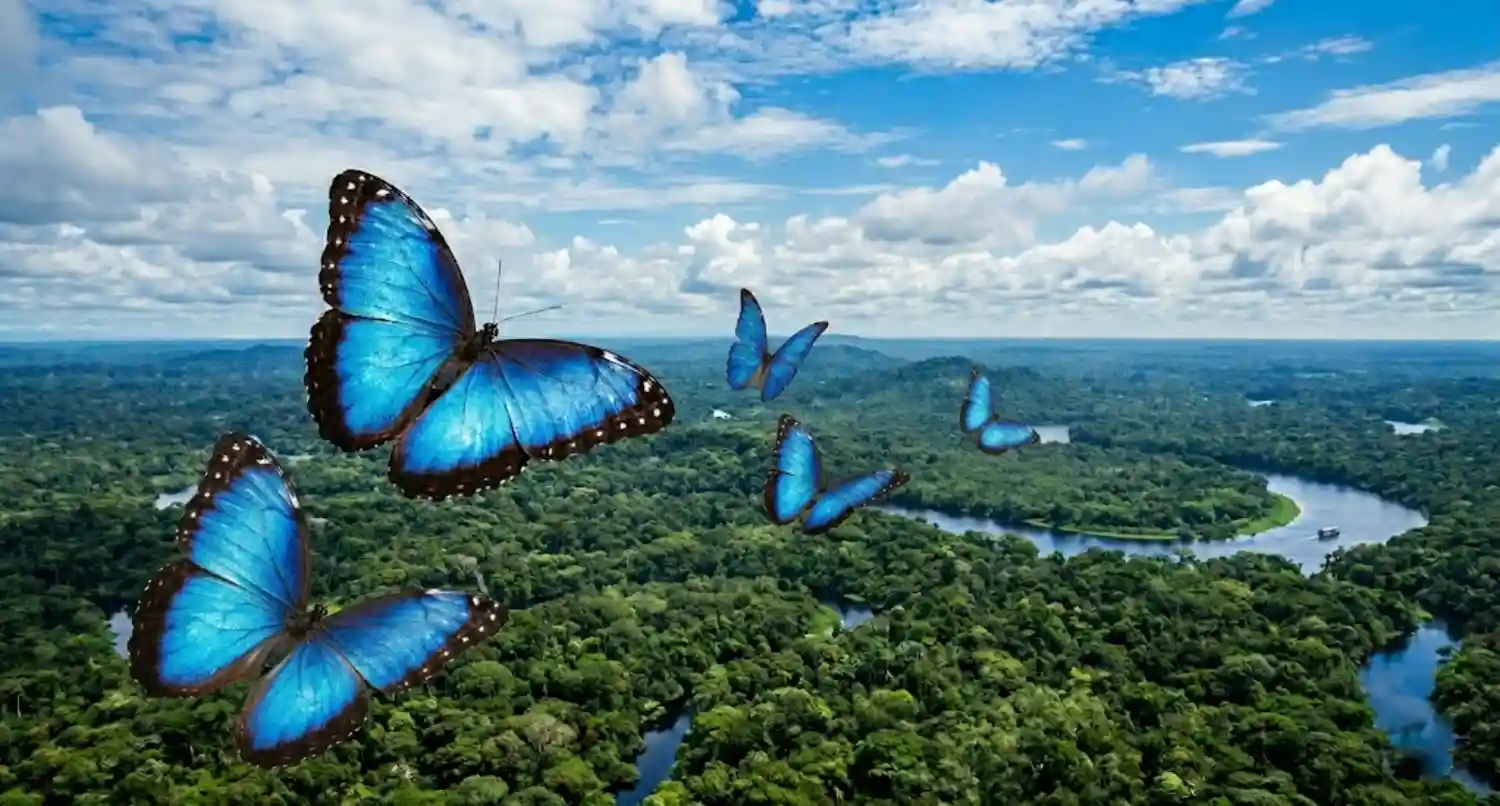
The blue Morpho’s vivid color comes from light-manipulating nanostructures rather than pigment. Its wings can confuse predators, repel water and inspire new technologies.
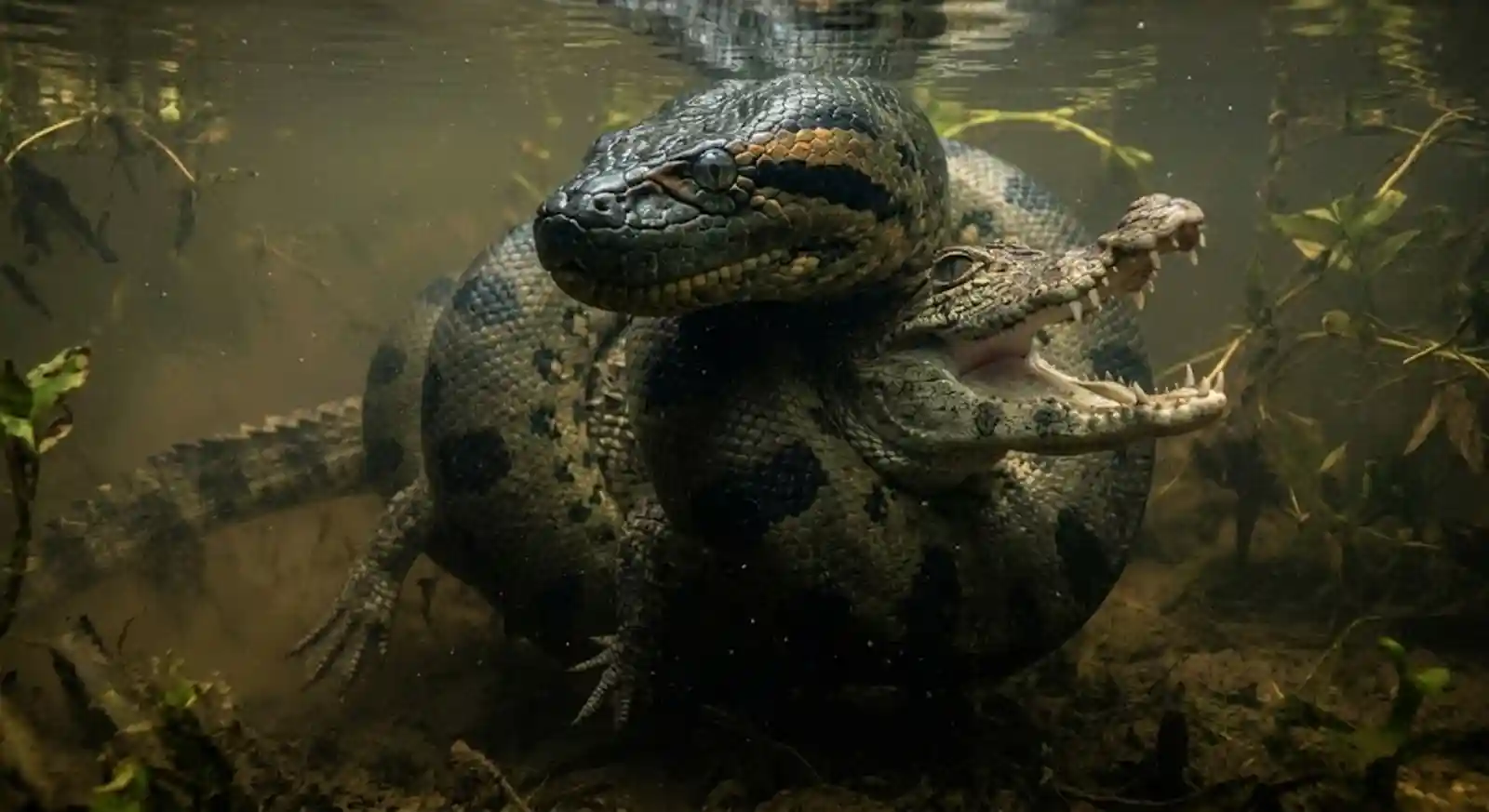
New images document how green anacondas use camouflage, heat sensors and powerful constriction to overpower large prey in Amazonian waters.
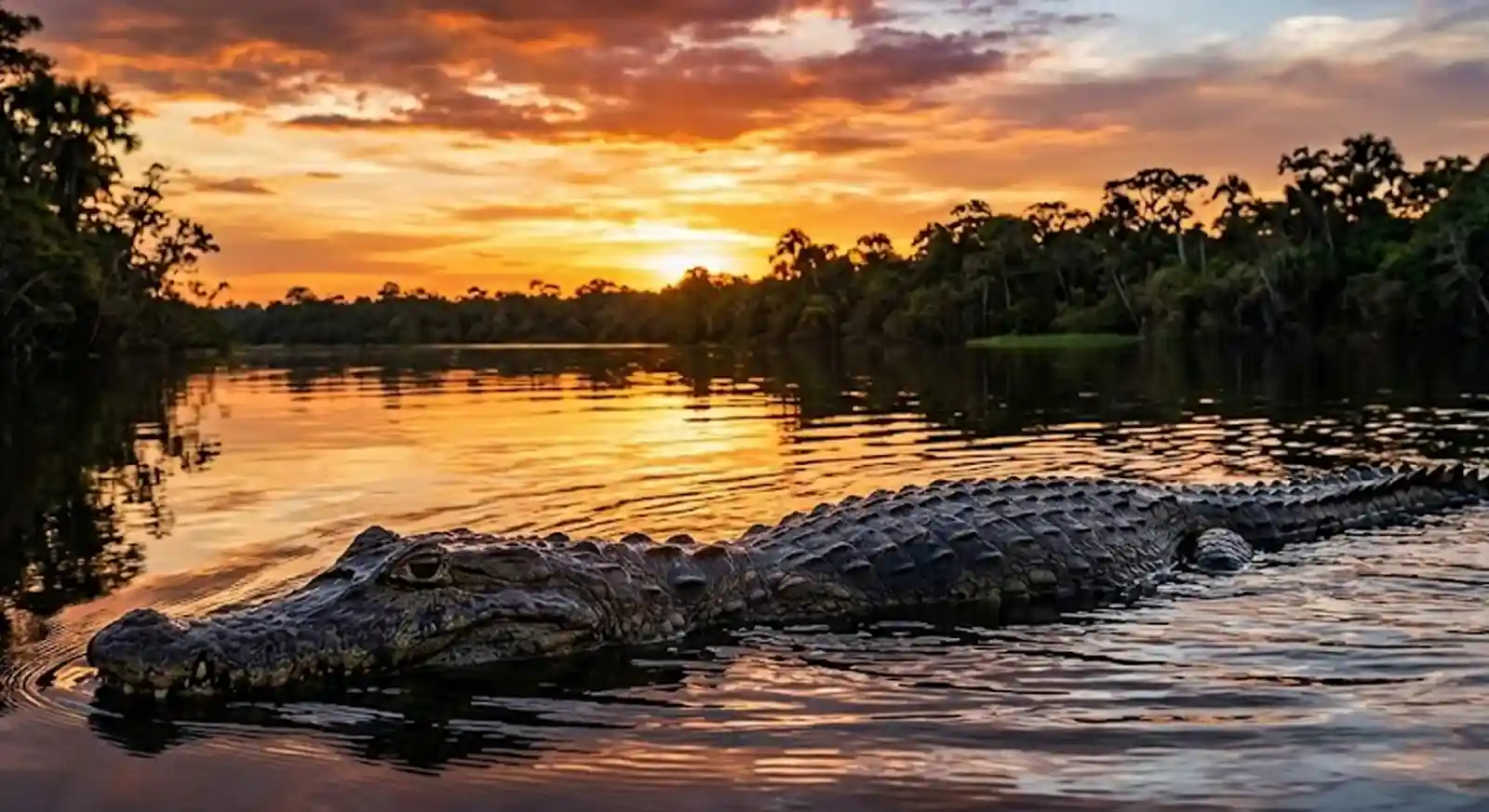
Black caimans are reclaiming parts of the Rio Negro where they had not been seen for more than 40 years. Their return shows how conservation can restore balance to Amazonian rivers.