
How leafcutter ants build highways and manage Amazon traffic
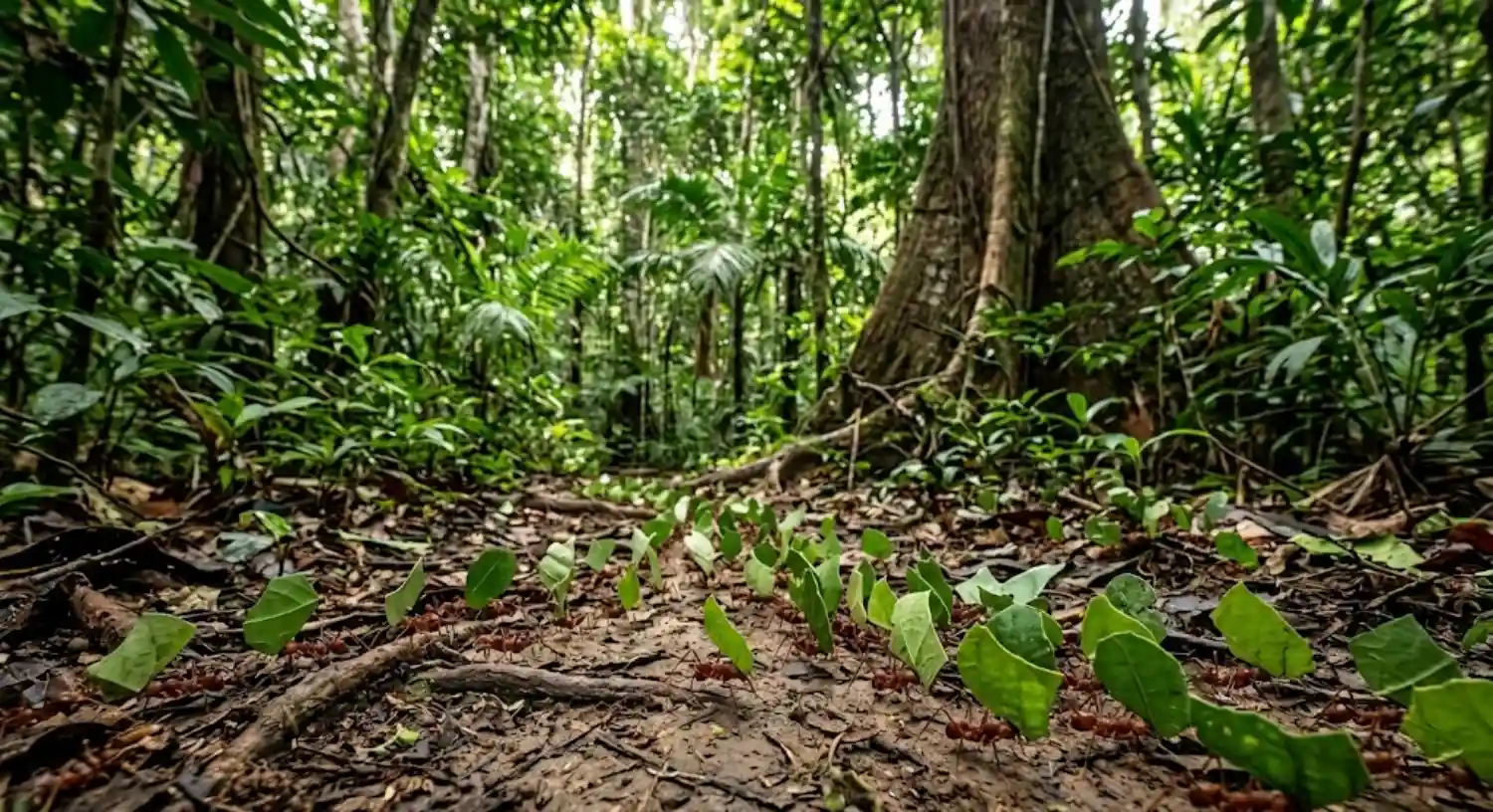
Saúva ants carry leaves along roads hundreds of meters long, direct traffic with pheromones, and grow a fungus that sustains the colony.
Saúva ants carry leaves along roads hundreds of meters long, direct traffic with pheromones, and grow a fungus that sustains the colony.
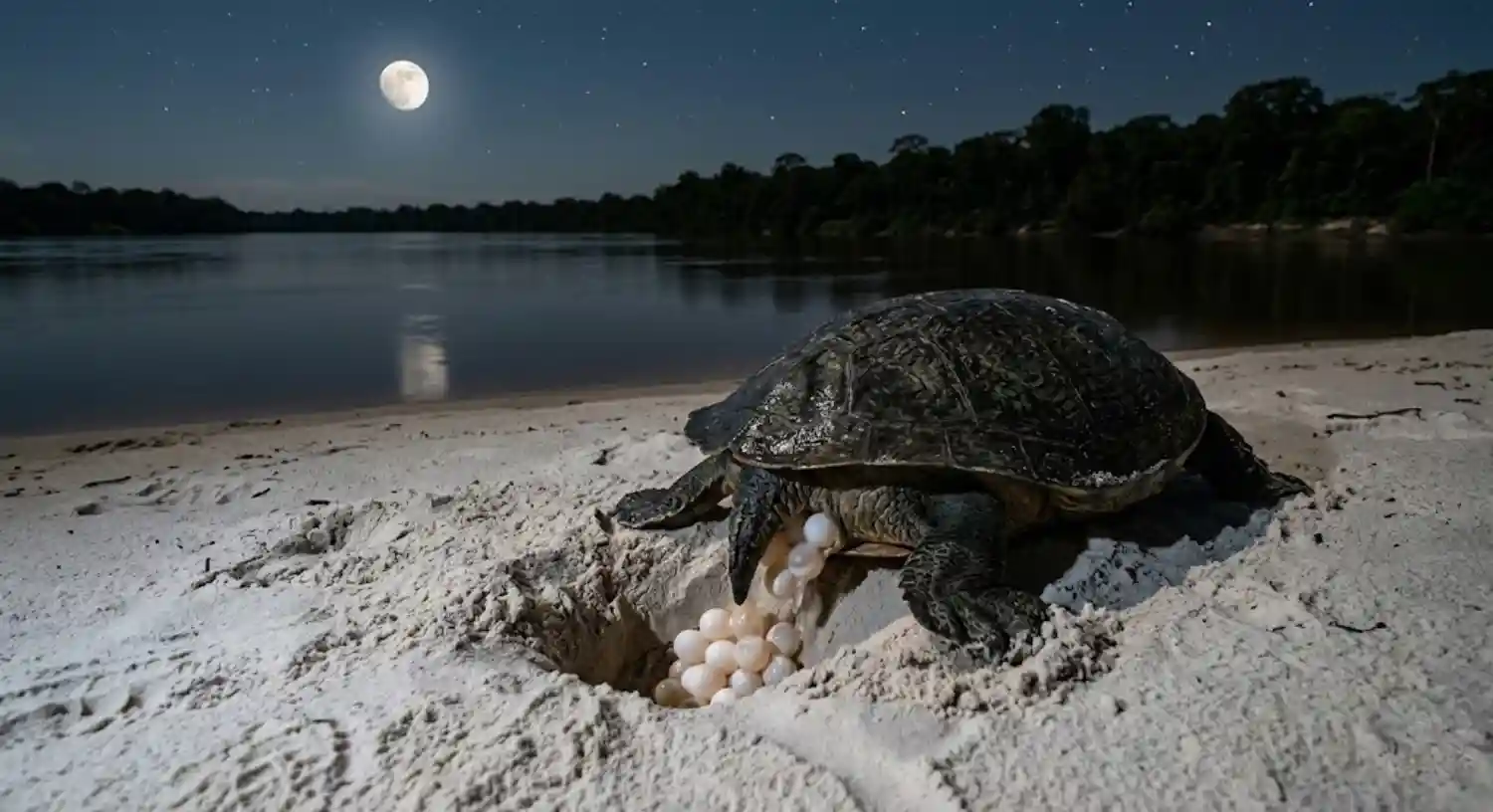
The giant Amazon river turtle can travel thousands of miles and return to the beach where it hatched by reading Earth’s magnetic field. That remarkable loyalty also makes the species vulnerable when nesting beaches and river ecosystems are altered.
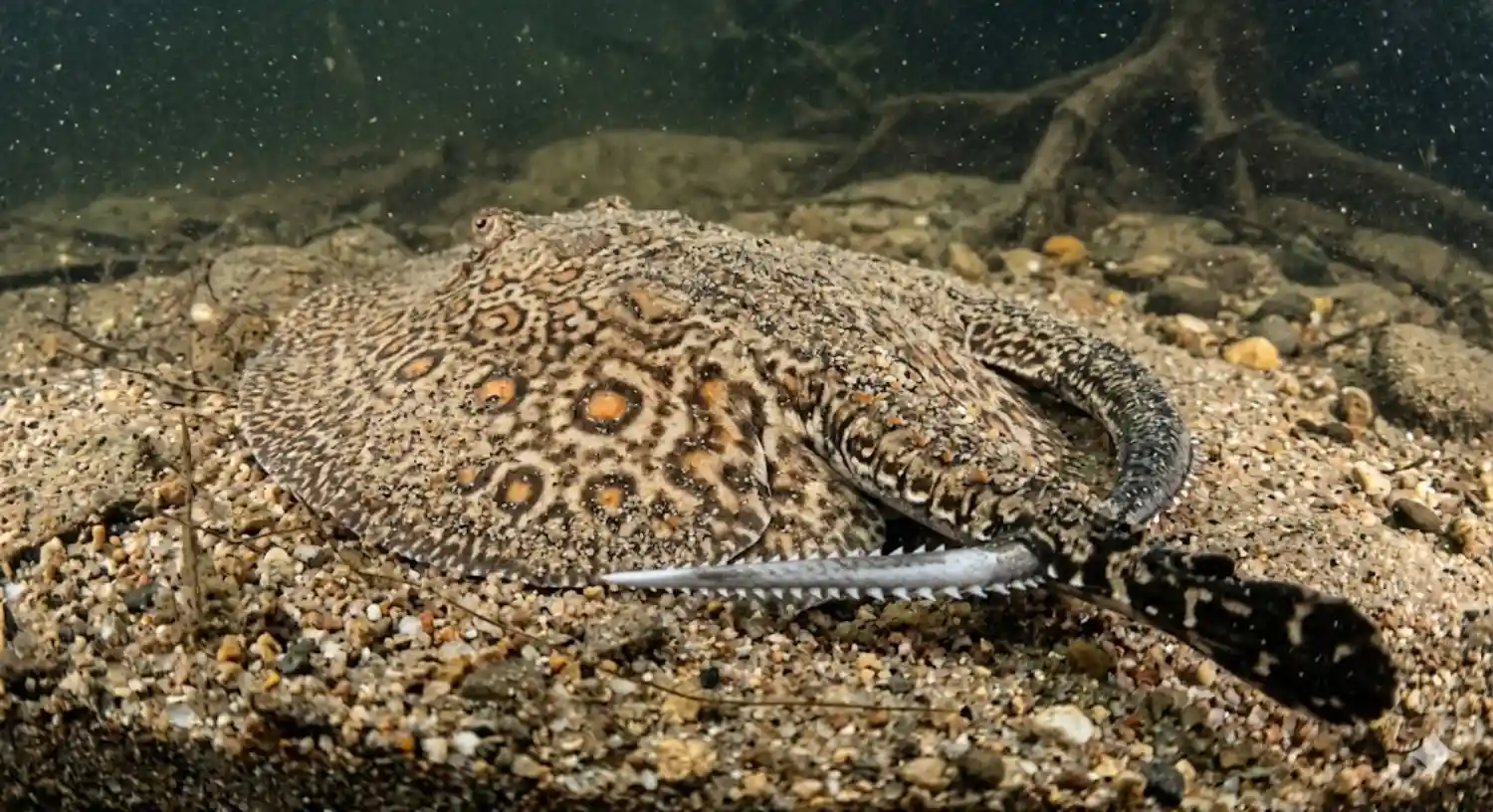
Freshwater stingrays in the genus Potamotrygon bury themselves in Amazonian river sand and use a venomous barb as a defense. Understanding their behavior helps reduce accidents while encouraging respect for their habitat.
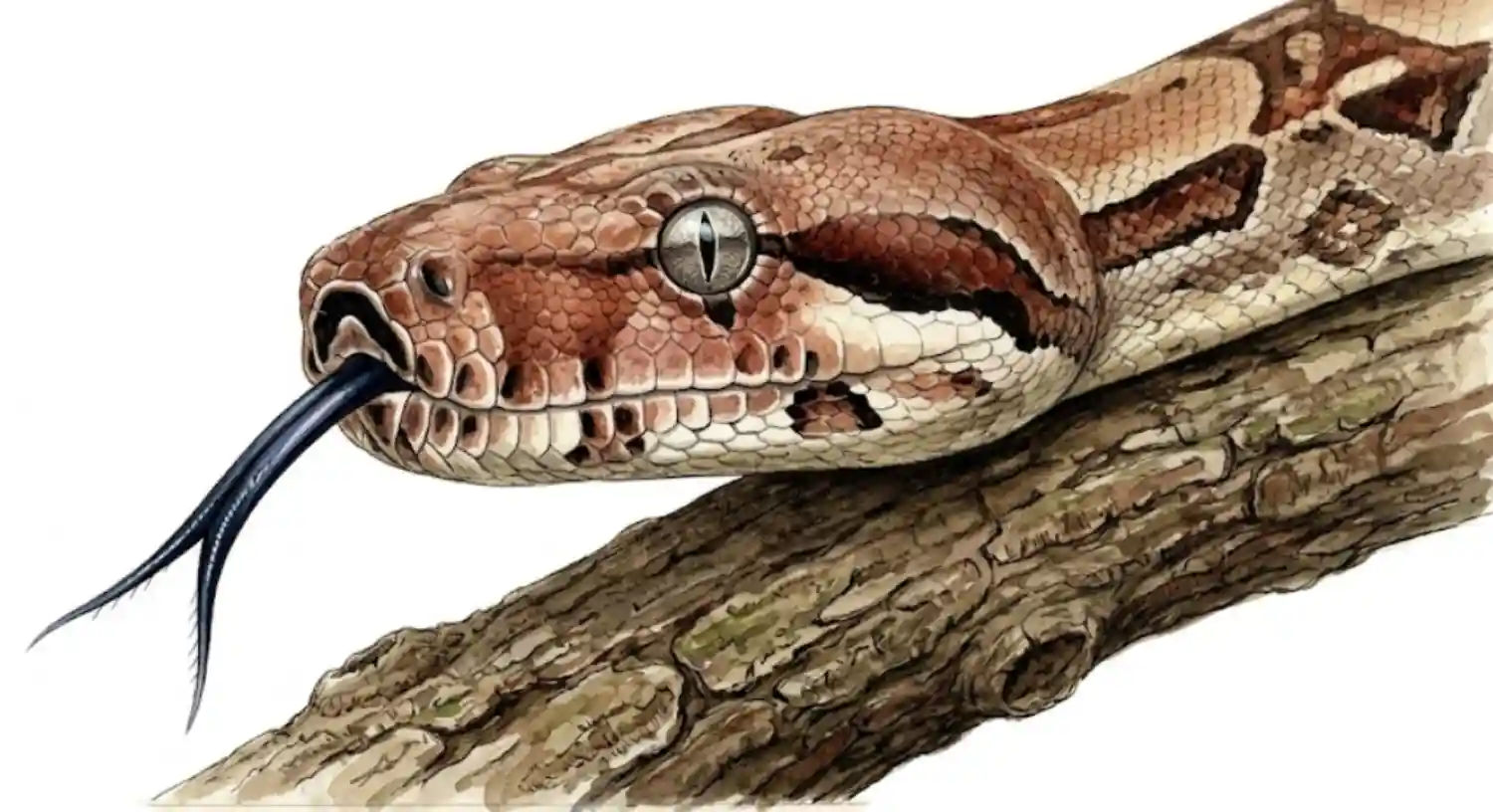
Boa constrictors can locate and strike warm-blooded prey in complete darkness through specialized labial pits. These infrared-sensing organs turn body heat into a thermal image of the surroundings.
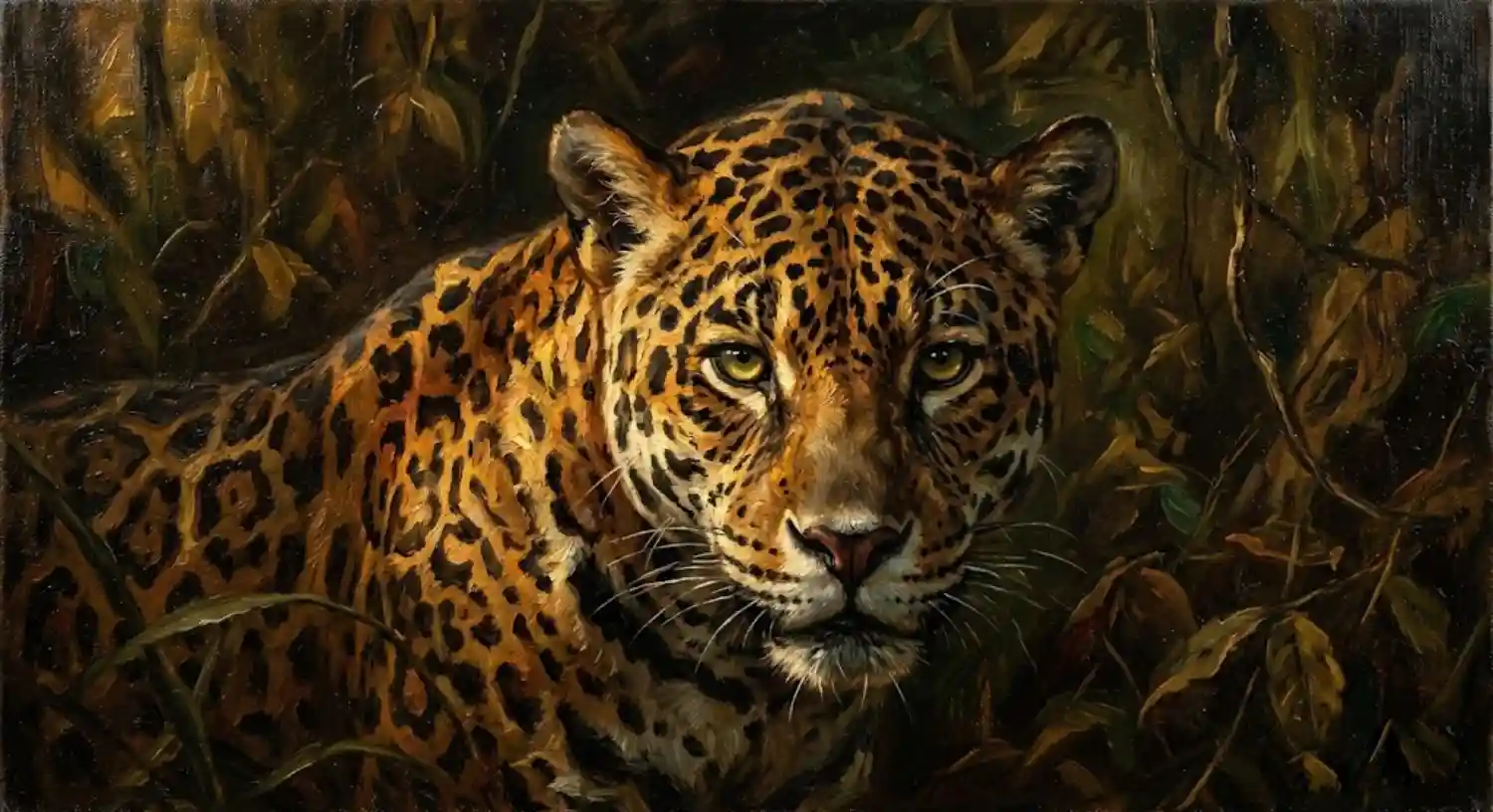
The jaguar has the strongest bite relative to body size of any cat and can pierce the skulls of its prey. This adaptation helps it hunt caimans, turtles and large mammals across the Pantanal and Amazon.
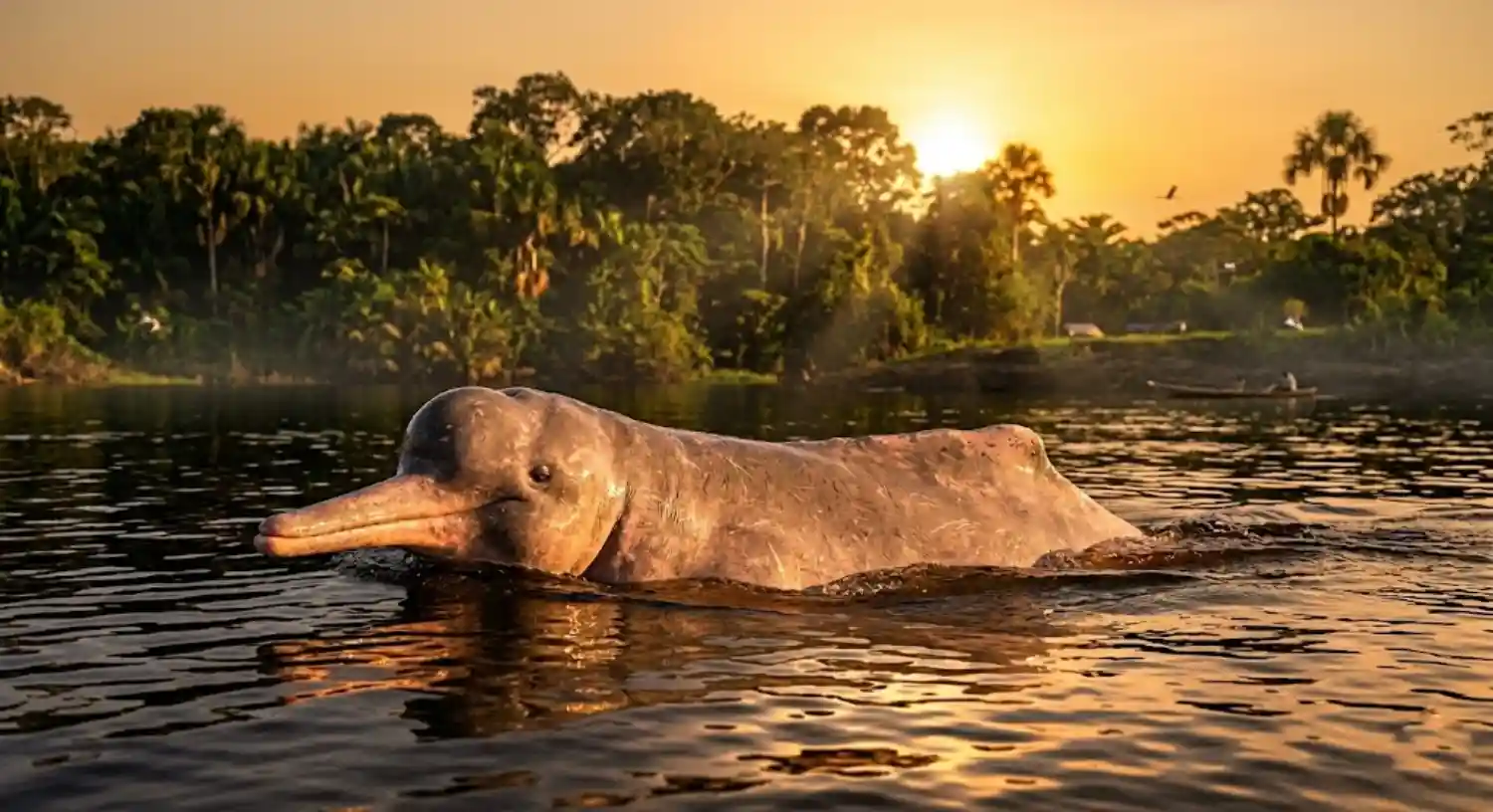
The pink river dolphin can turn its head up to 90 degrees because its neck vertebrae are not fused. The adaptation helps it navigate flooded forests and find fish in murky water.
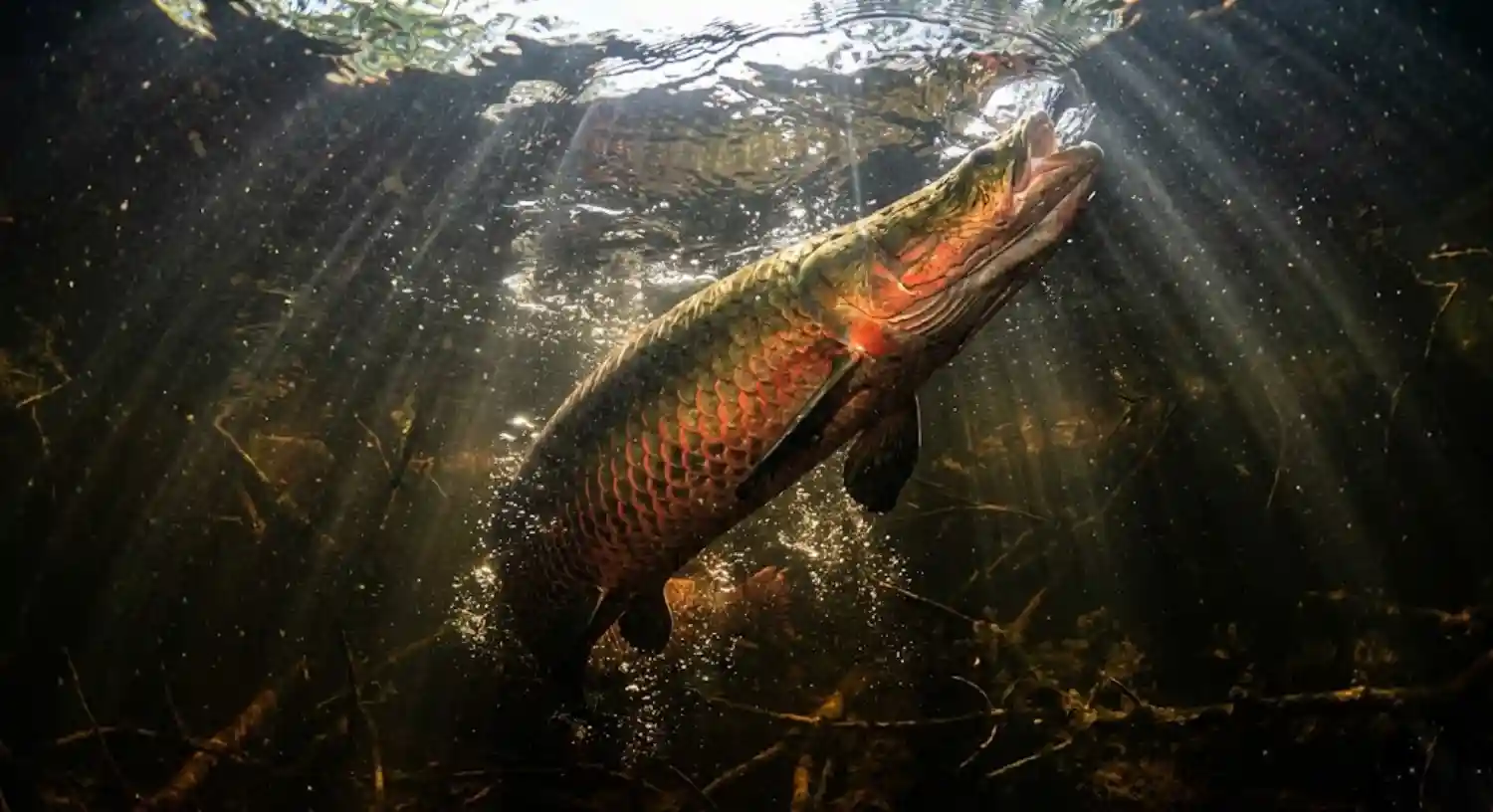
The pirarucu must rise to the surface every ten to twenty minutes to breathe. A modified swim bladder lets this giant fish survive in Amazonian waters with little oxygen.
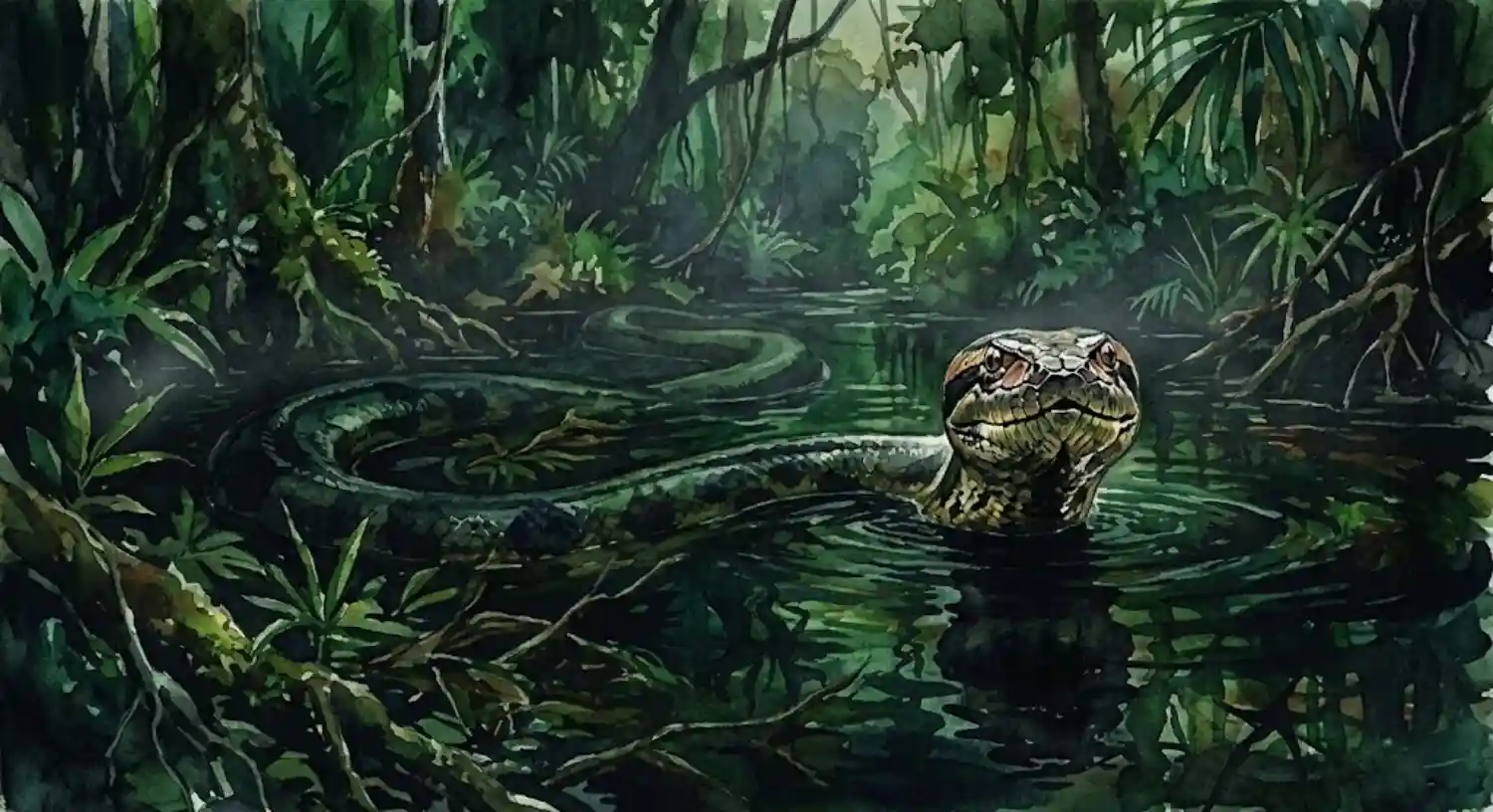
The green anaconda combines an exceptionally slow metabolism with a water-based ambush strategy. This energy efficiency allows it to go months without eating while remaining a key predator in the Amazon.
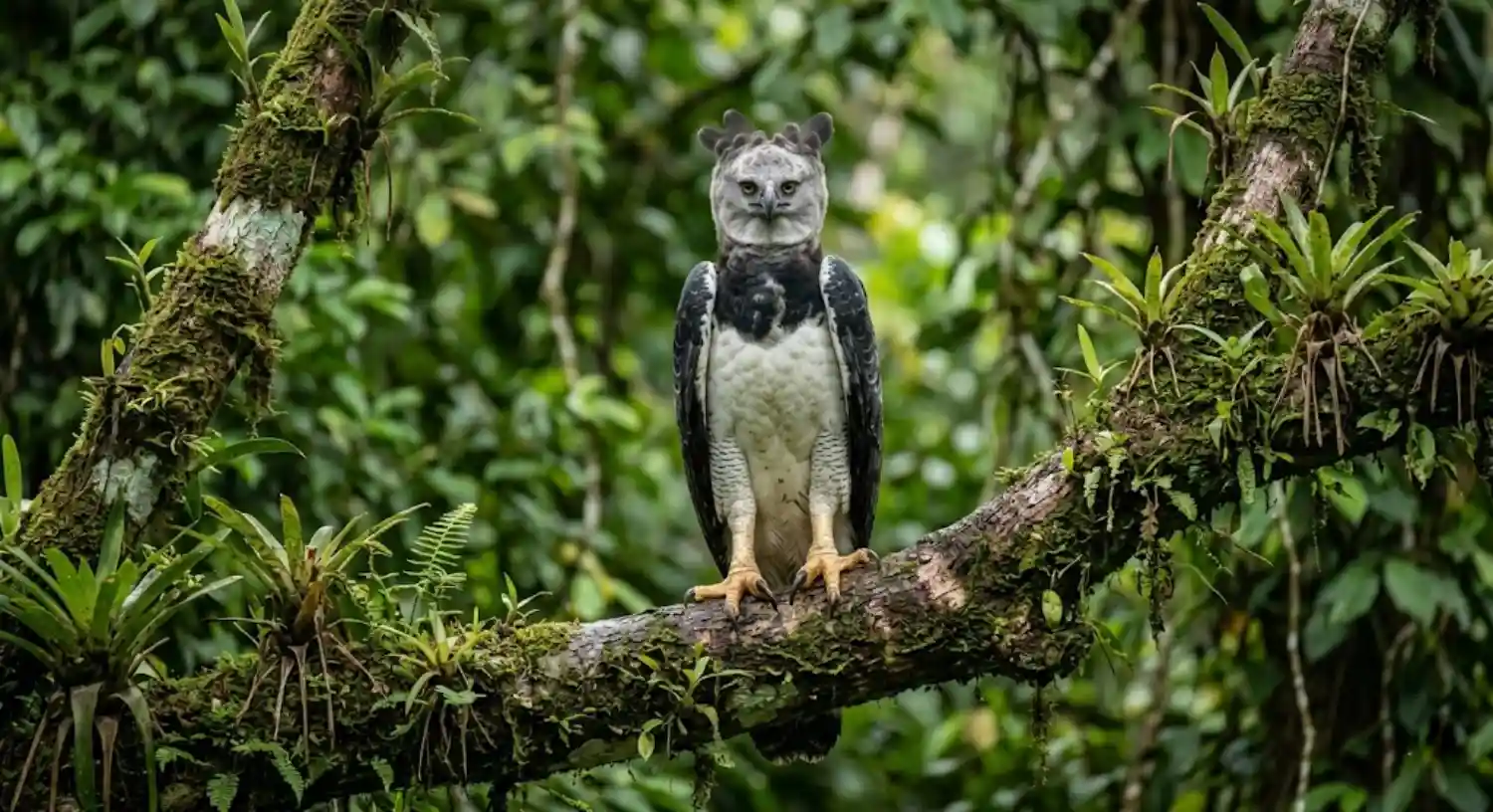
The harpy eagle is the heaviest and most powerful bird of prey in the Americas. Its massive talons, agile flight and need for vast intact forests make it a defining predator of the Amazon canopy.
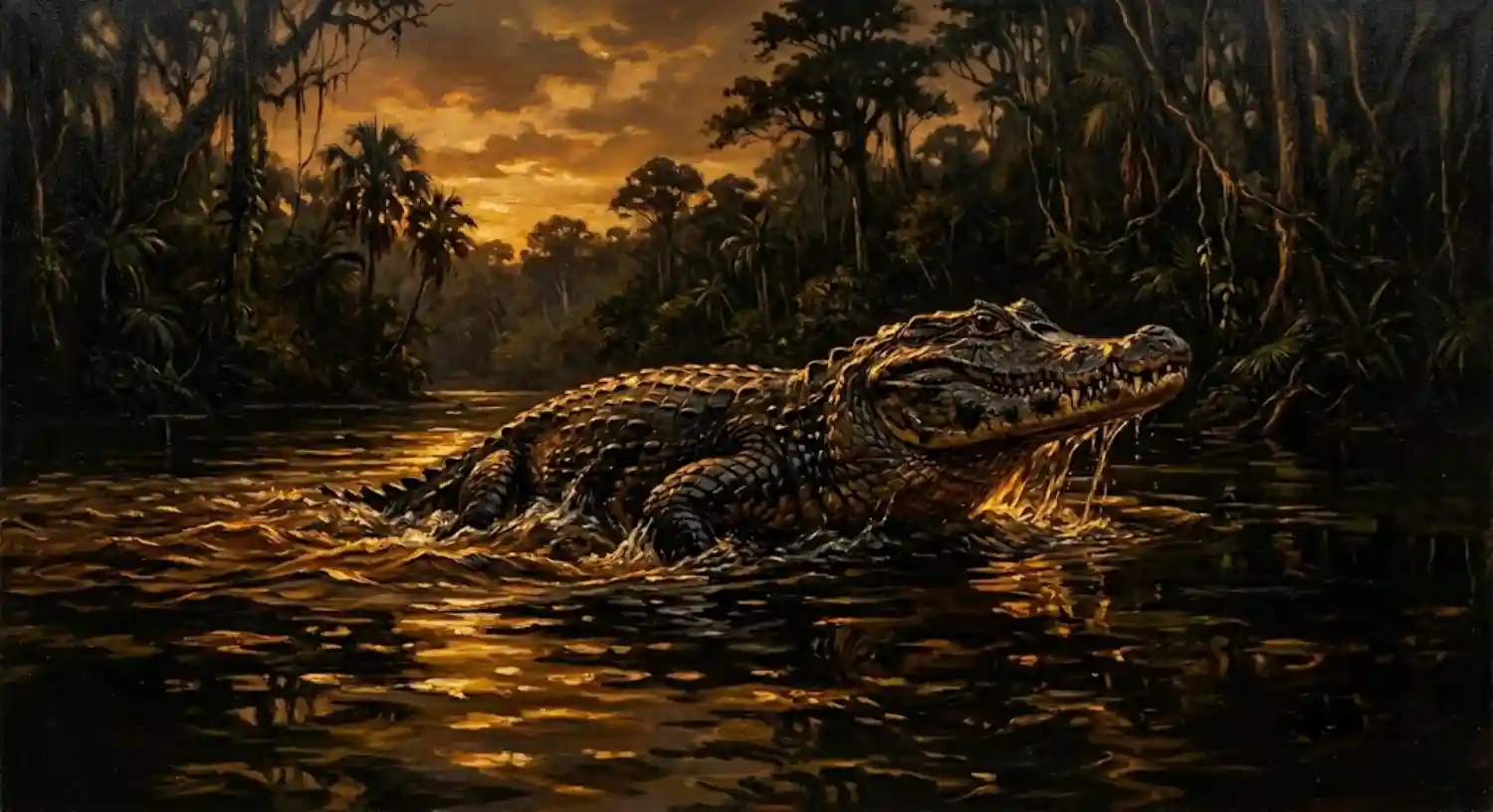
The black caiman is more than the largest predator in Amazonian waters. Its efficient metabolism, territorial behavior and relationship with fish help sustain the health of rivers, lakes and flooded forests.