Skip to content
Amazonia Mag

Amazonia Mag

  • Home
  • Wildlife
  • Flora
  • Environment
  • Science
  • About
  • Contact
  • Privacy Policy

Science

Amazon Butterflies Are Reading the Forest’s Climate Future

August 4, 2026 by Anne Silva
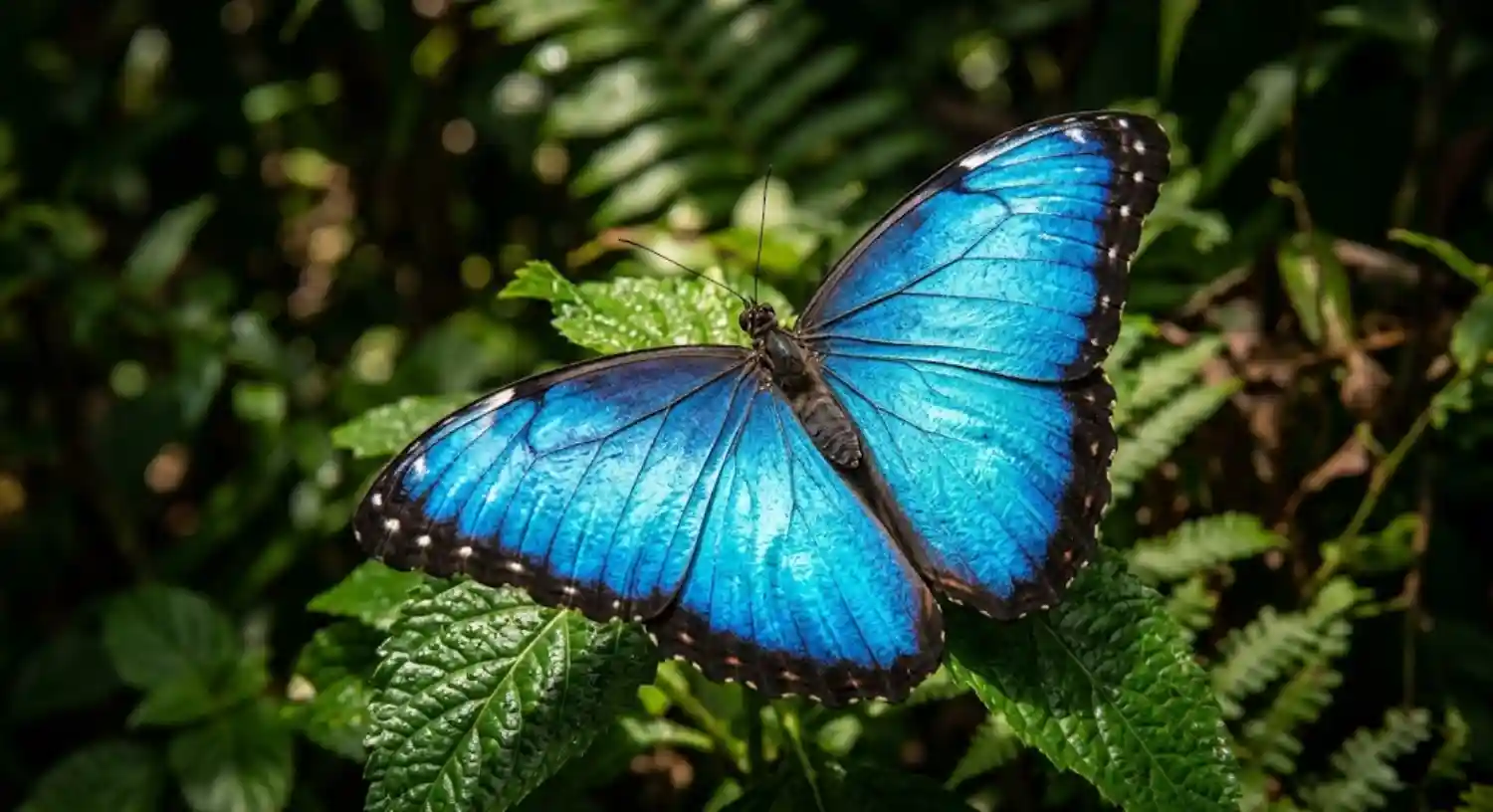
uma borboleta colorida com a floresta densa e úmida ao fundo

Short life cycles and extreme heat sensitivity turn Amazon butterflies into an early warning system, revealing climate stress in the rainforest long before instruments confirm it.

Categories Science Leave a comment

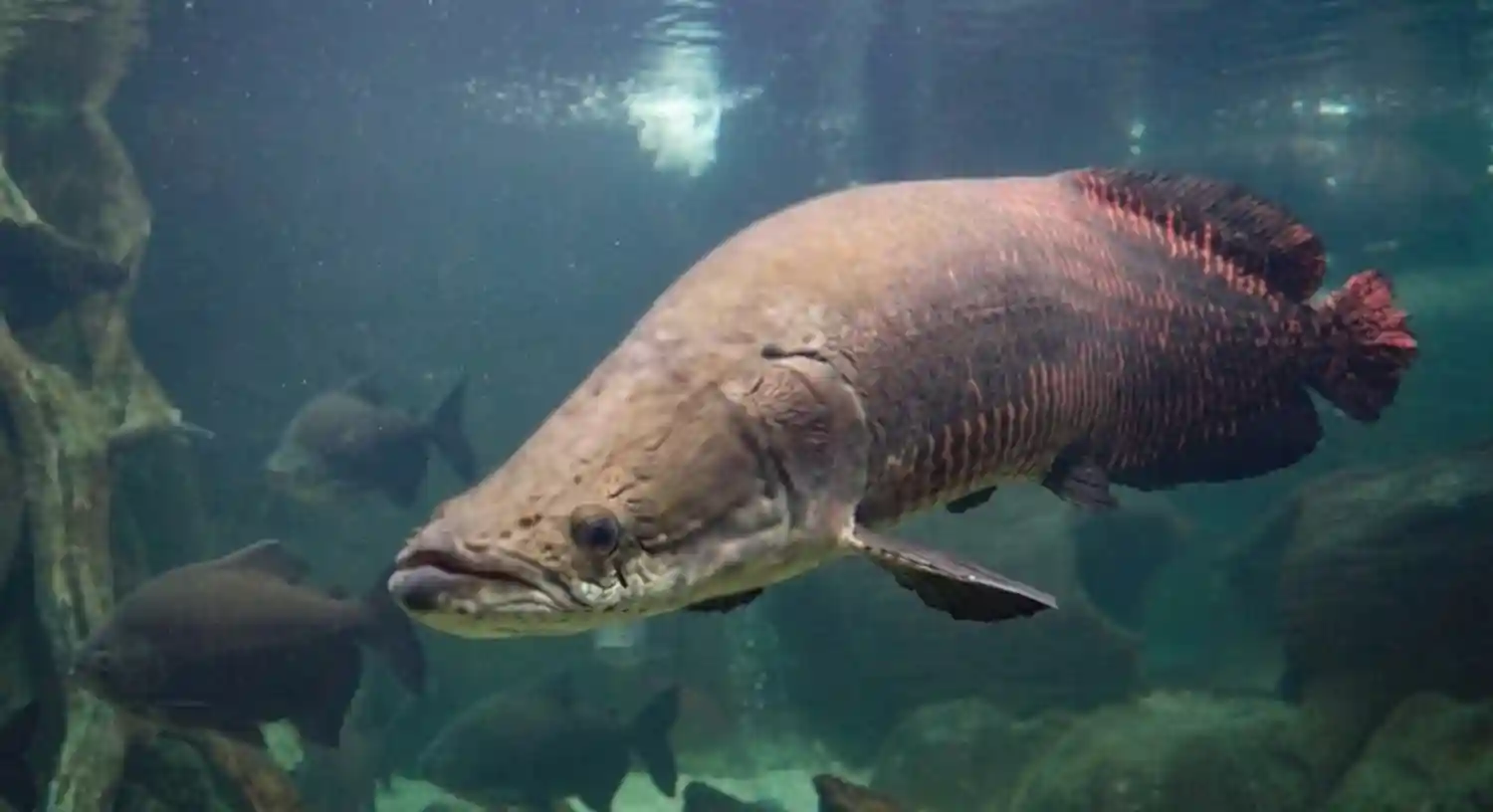
The Pirarucu’s Armored Scale: Biomimicry That Inspires Body Armor

August 3, 2026 by Anne Silva
The Pirarucu's Armored Scale: Biomimicry That Inspires Body Armor

The pirarucu’s two-layer scale, hard on the outside and flexible within, is becoming an engineering model for lighter vests and high-strength materials.

Categories Science Leave a comment

Amazonian Dark Earth: the black soil built by ancient hands

July 30, 2026 by Anne Silva
Amazonian Dark Earth: the black soil built by ancient hands

Amazonian dark earth, rich in archaeological charcoal, holds a fertility that lasts for centuries and offers lessons for sustainable farming and climate action.

Categories Science Leave a comment

How Amazonian Bat Echolocation Inspires Radars and Smart Canes

July 30, 2026 by Anne Silva
How Amazonian Bat Echolocation Inspires Radars and Smart Canes

The echolocation system of Amazonian bats, able to fire up to two hundred pulses per second, now guides the design of naval sonar, rescue robots and electronic canes for blind people.

Categories Science Leave a comment

Dolphin skin inspires a biomimetic ship coating that cuts drag and saves fuel

July 25, 2026 by Anne Silva
Dolphin skin inspires a biomimetic ship coating that cuts drag and saves fuel

The microscopic architecture of cetacean skin has become the blueprint for a bioinspired hull coating that reduces hydrodynamic drag on large vessels, lowers fuel burn and removes the need for toxic antifouling paint.

Categories Science Leave a comment

The Amazon Fungus That Eats Plastic and Turns Trash Into Fertilizer

July 20, 2026July 18, 2026 by Anne Silva
A corrida do ouro biológico na Amazônia em março de 2026

Brazilian scientists have already cataloged 120 strains of fungi that digest synthetic polymers in the soil of Pará, turning river plastic into fertilizer and cementing the Amazon as the planet’s biggest biotech pharmacy.

Categories Science Leave a comment

Amazon Tree Shrank Tumors 70% in Early Lab Tests

July 20, 2026July 17, 2026 by Anne Silva
As gotas de orvalho penduradas criam um efeito de lente, e você pode ver a floresta e o sol brilhando intensamente por entre elas e as nervuras da folha

A single molecule from the bark of an Amazon tree shrank solid tumors by 70% in recent lab tests, as Brazilian science probes its potential against cancer.

Categories Science Leave a comment

Earth’s Green Wave Is Drifting Northeast, and Scientists Finally Have a Way to Measure It

July 20, 2026July 9, 2026 by Anne Silva
A intensidade da cor verde na vegetação terrestre varia ao longo das estações do ano. Pesquisadores conseguem calcular o "centro verde" global e acompanhar seu deslocamento ao longo de várias décadas. Eles observaram uma mudança gradual em direção ao nordeste

Scientists at iDiv, UFZ and Leipzig University built a method to track the center of mass of the planet’s vegetation. The result: the green wave is migrating north and east, in measurable miles per decade.

Categories Science Leave a comment

A Sun- and Wave-Powered Buoy Cools and Oxygenates the Sea to Save Marine Life

July 20, 2026July 7, 2026 by Anne Silva
A CEO Dra. Ana Novak com o “oPod 003” em Triabunna, Tasmânia, pouco antes dos testes no mar em novembro de 2025

Australian startup Blue Carbon won KPMG’s Nature Positive prize with the oPod, a floating device that uses solar and wave energy to monitor, cool and oxygenate ocean water.

Categories Science Leave a comment

Cooling the Planet From the Sea: Weighing Ocean Fixes Without Breaking Marine Life

July 20, 2026July 6, 2026 by Anne Silva

Pulling carbon from the sea or reflecting sunlight could slow warming, but every method carries risks for the planet’s largest carbon sink. A study maps which are least dangerous.

Categories Science Leave a comment
Newer posts
← Previous Page1 Page2

Recent Posts

  • The Frogs and Lizards That Live Right Against Amazonian Houses
  • Twenty Years of Drought Did Not Kill This Amazon Forest, It Shrank It
  • Knowing a plant is far more than knowing its name, and that difference reshapes how we understand the Amazon
  • Heat Is Already Cutting Amazon Bird Survival Even Where the Forest Still Stands
  • How the Amazon Shifts Its Chemical Language in a Drought

Recent Comments

No comments to show.
About · Contact · Privacy Policy
© 2026 Amazonia Mag — English edition of Revista Amazônia · Published by Editora Círios, Belém, PA, Brazil