
Why These Fungi Light Up the Amazon Forest Floor
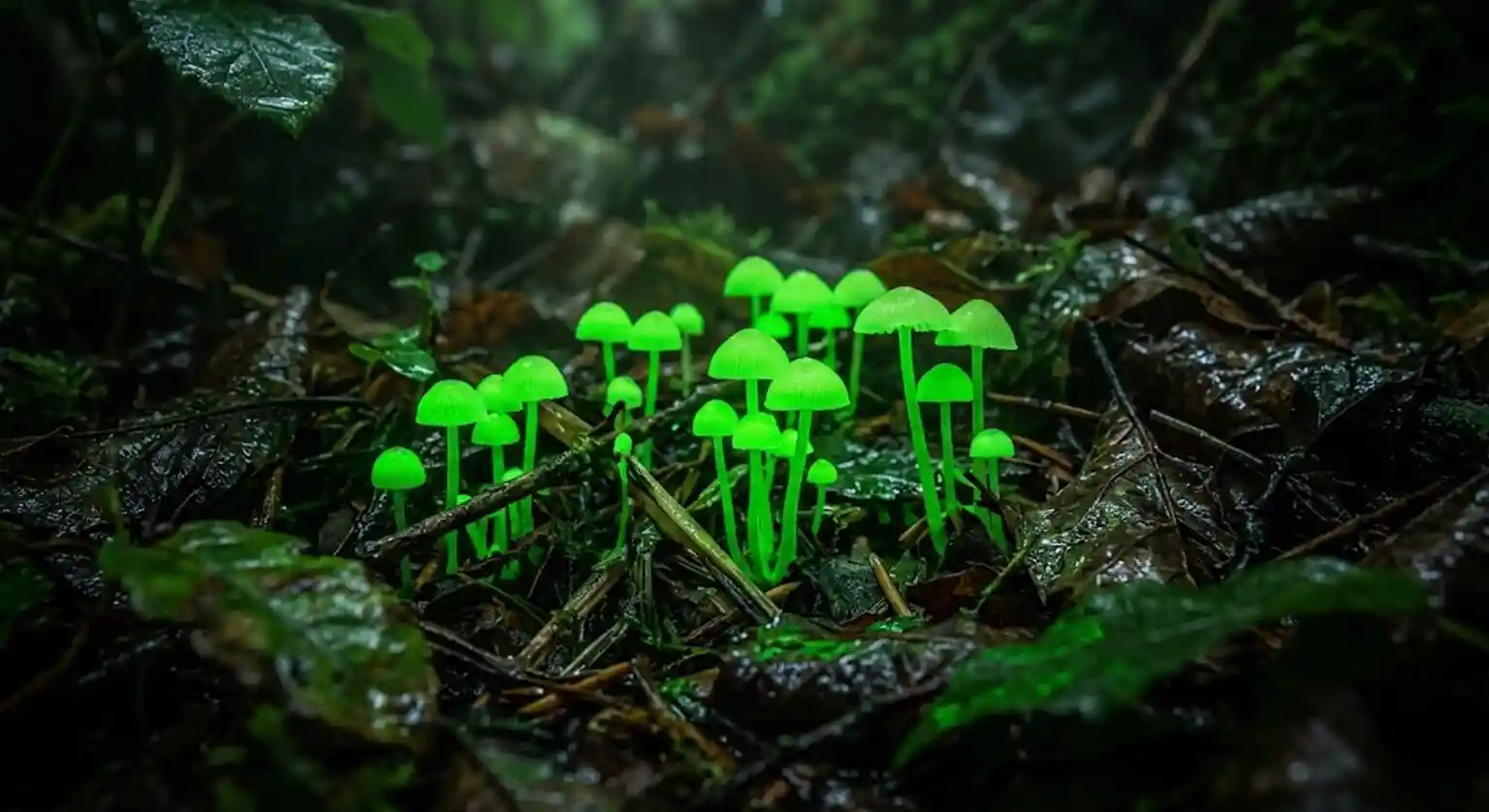
Only 100 of the more than 150,000 known fungal species can produce their own light. In the Amazon, their green glow may reveal clues about reproduction, climate and biotechnology.
 Anne Silva
Only 100 of the more than 150,000 known fungal species can produce their own light. In the Amazon, their green glow may reveal clues about reproduction, climate and biotechnology.
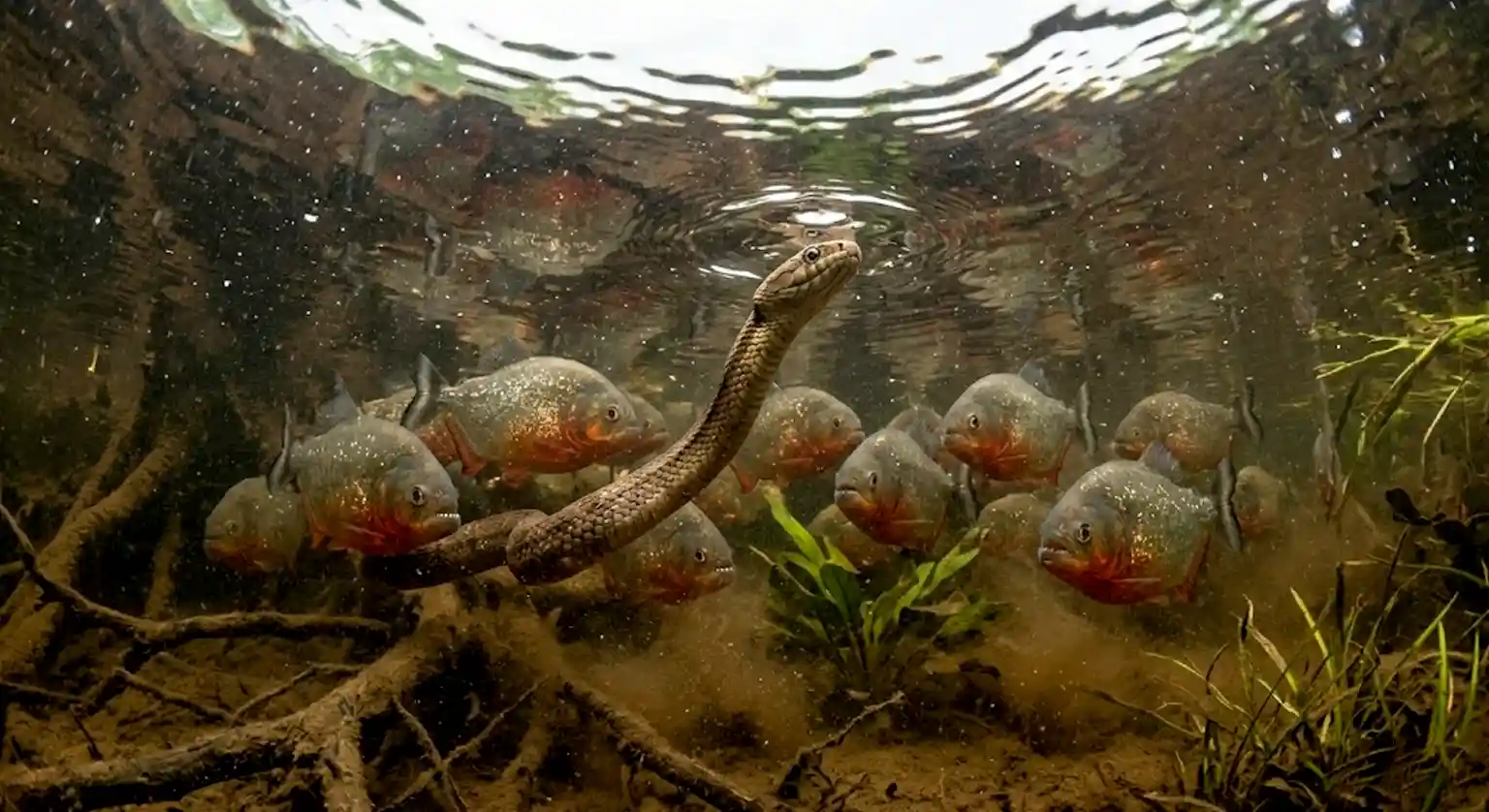
Snakes in the genus Helicops live alongside piranhas and rely on movement, camouflage and defensive adaptations to survive in Amazonian rivers. They also help maintain the balance of aquatic ecosystems.
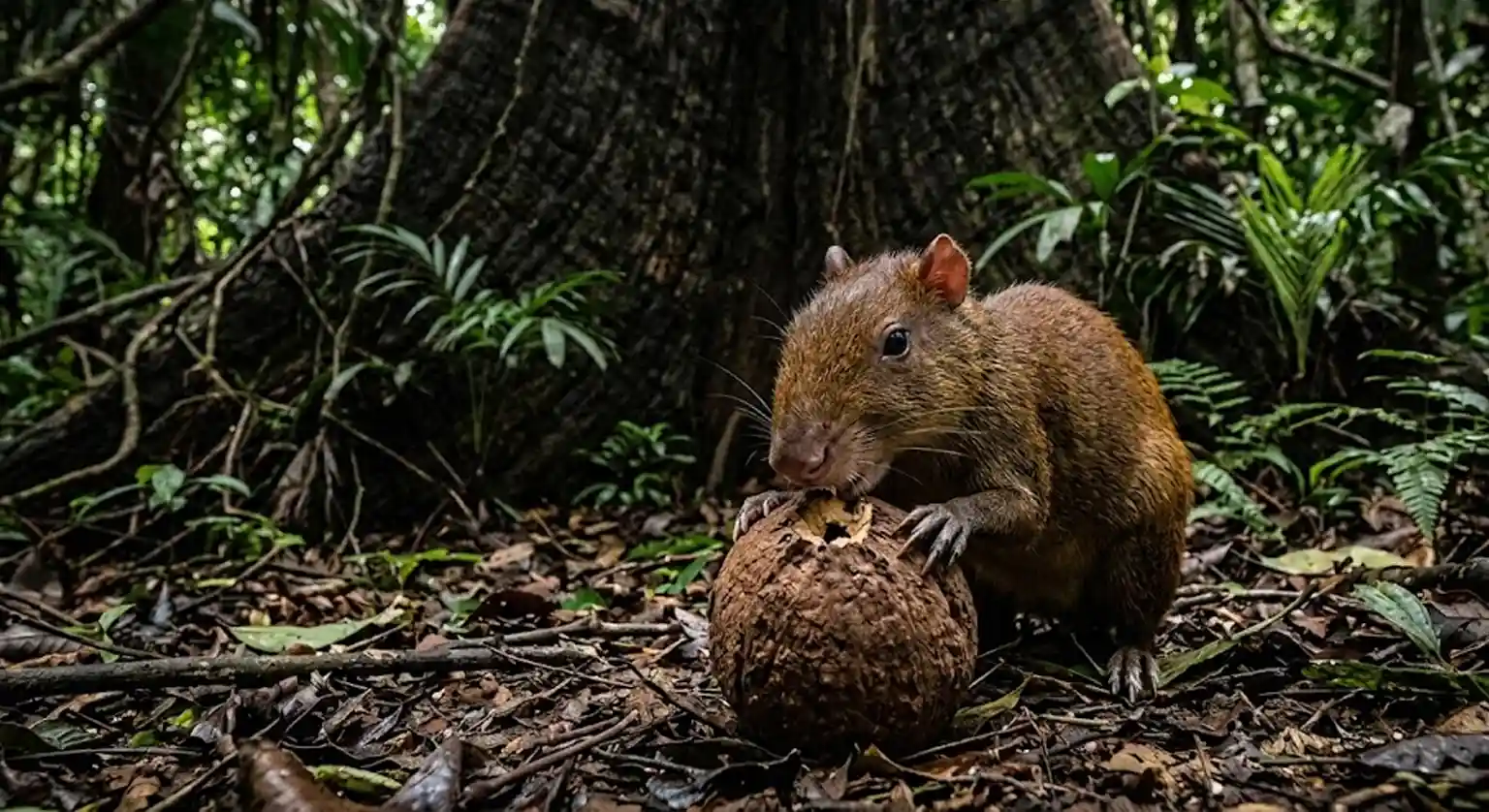
Brazil nuts depend on specialized bees for pollination and agoutis to open their tough fruits and disperse seeds. When forests are fragmented, this ancient cycle can break down.
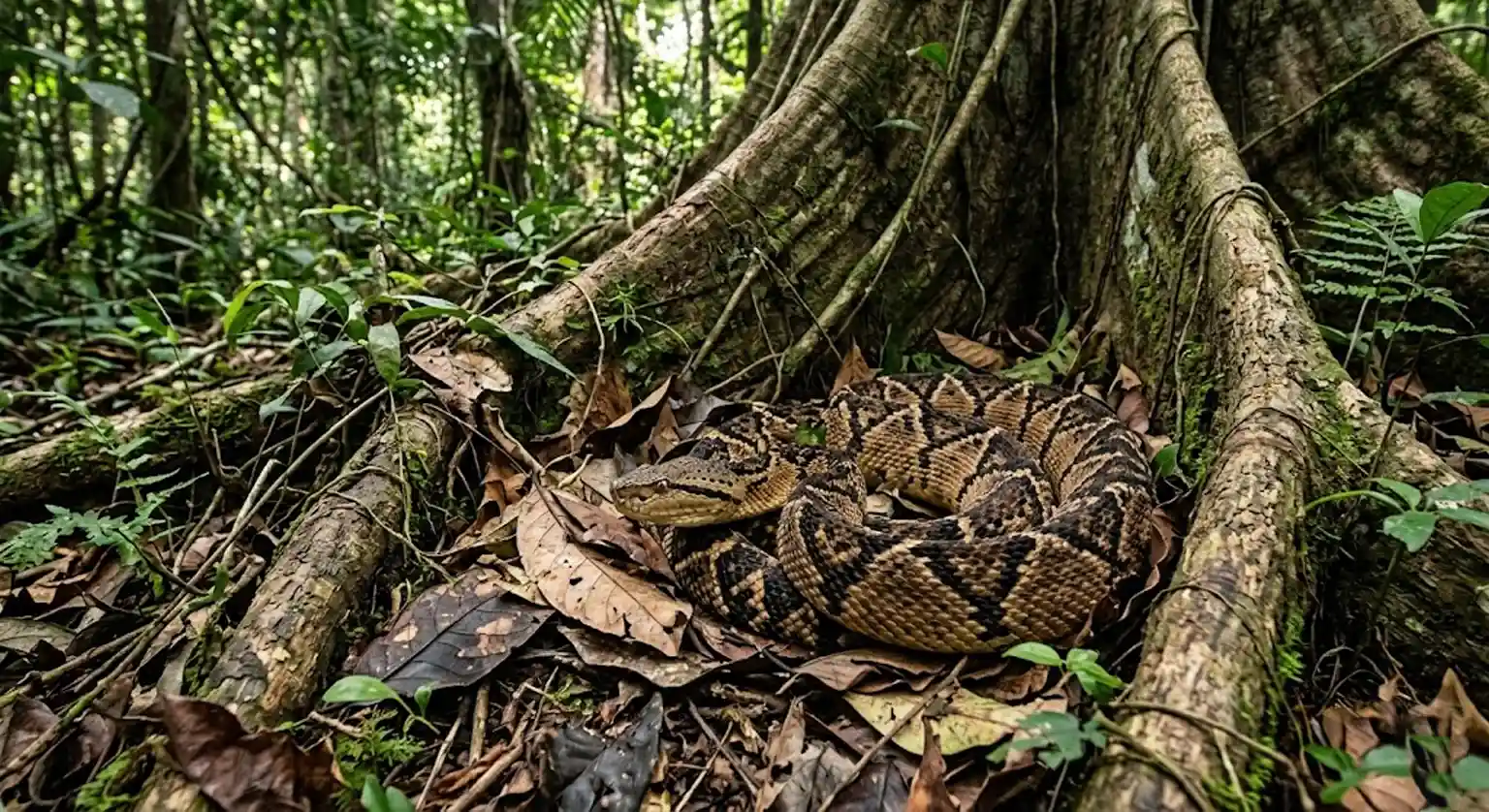
The bushmaster can reach 11.5 feet and depends on primary rainforest. Its rare presence, unusual egg-laying and silent hunting reveal why intact Amazonian forests matter.
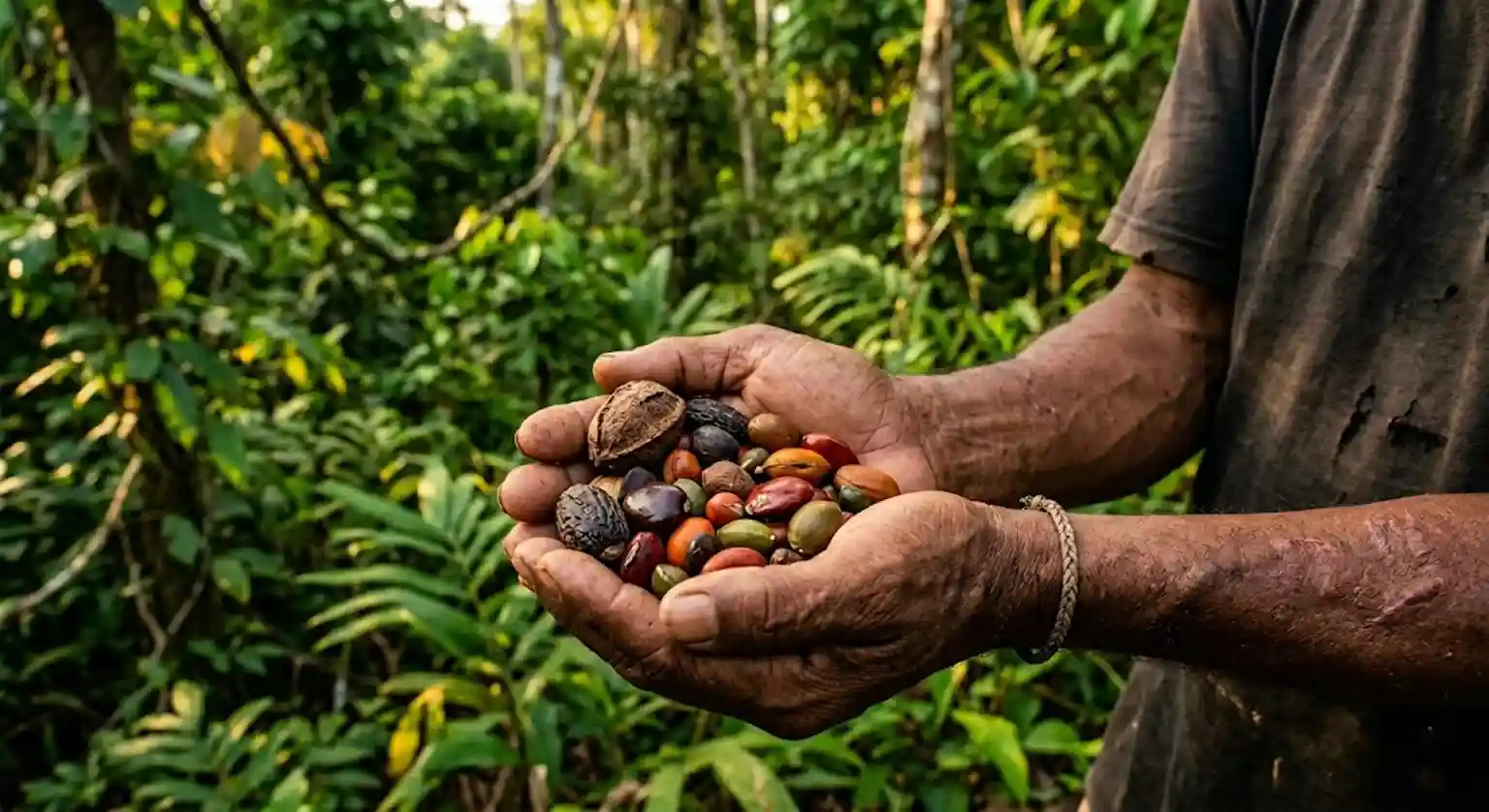
A quilombola community in Pará created a living seed bank to preserve native Amazonian varieties, strengthen food security and restore degraded land.
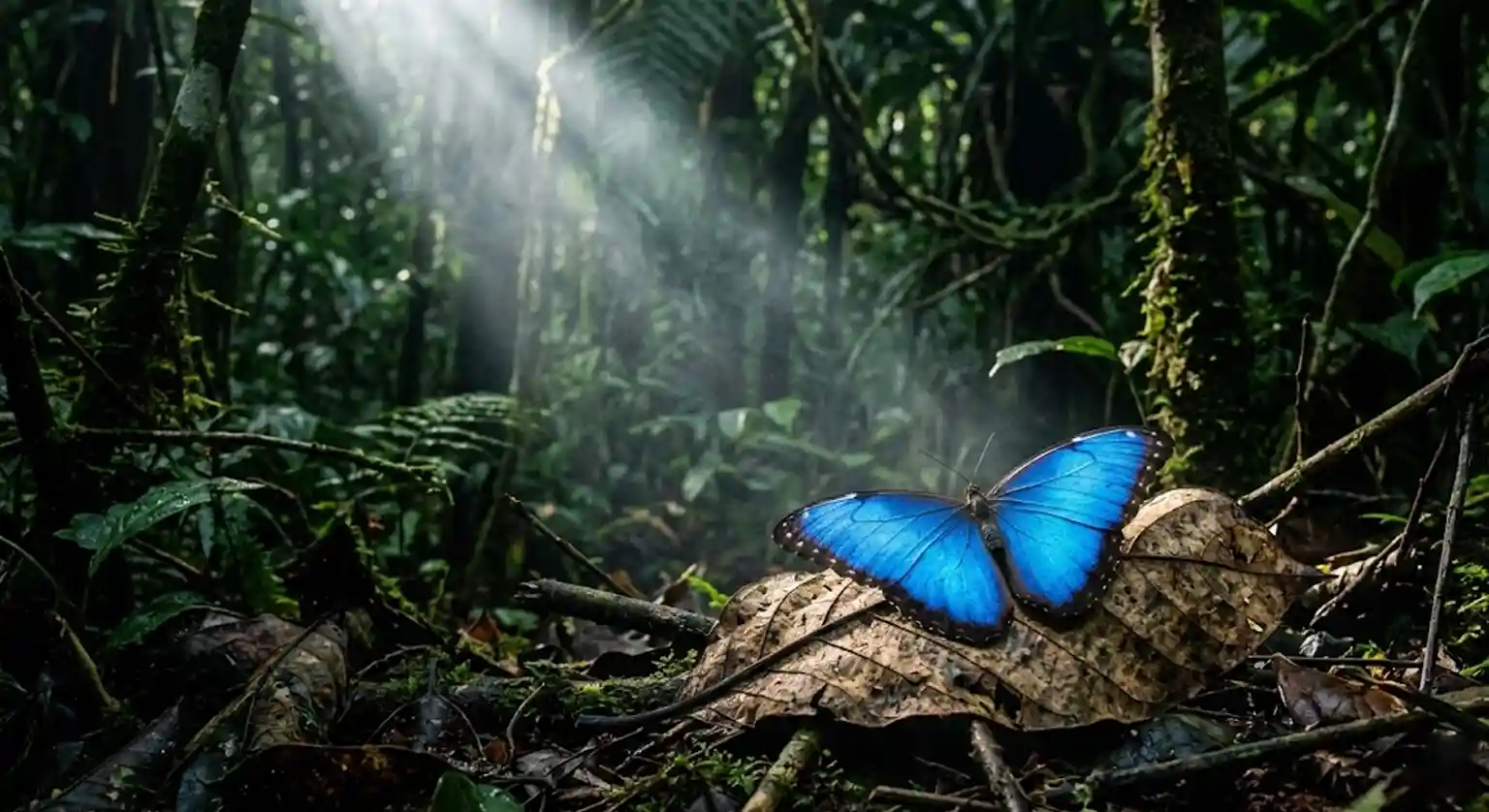
Amazon butterflies are declining even in forests that remain intact. Their disappearance reveals how heat, fragmentation, and the loss of forest microclimates can disrupt an entire ecosystem.
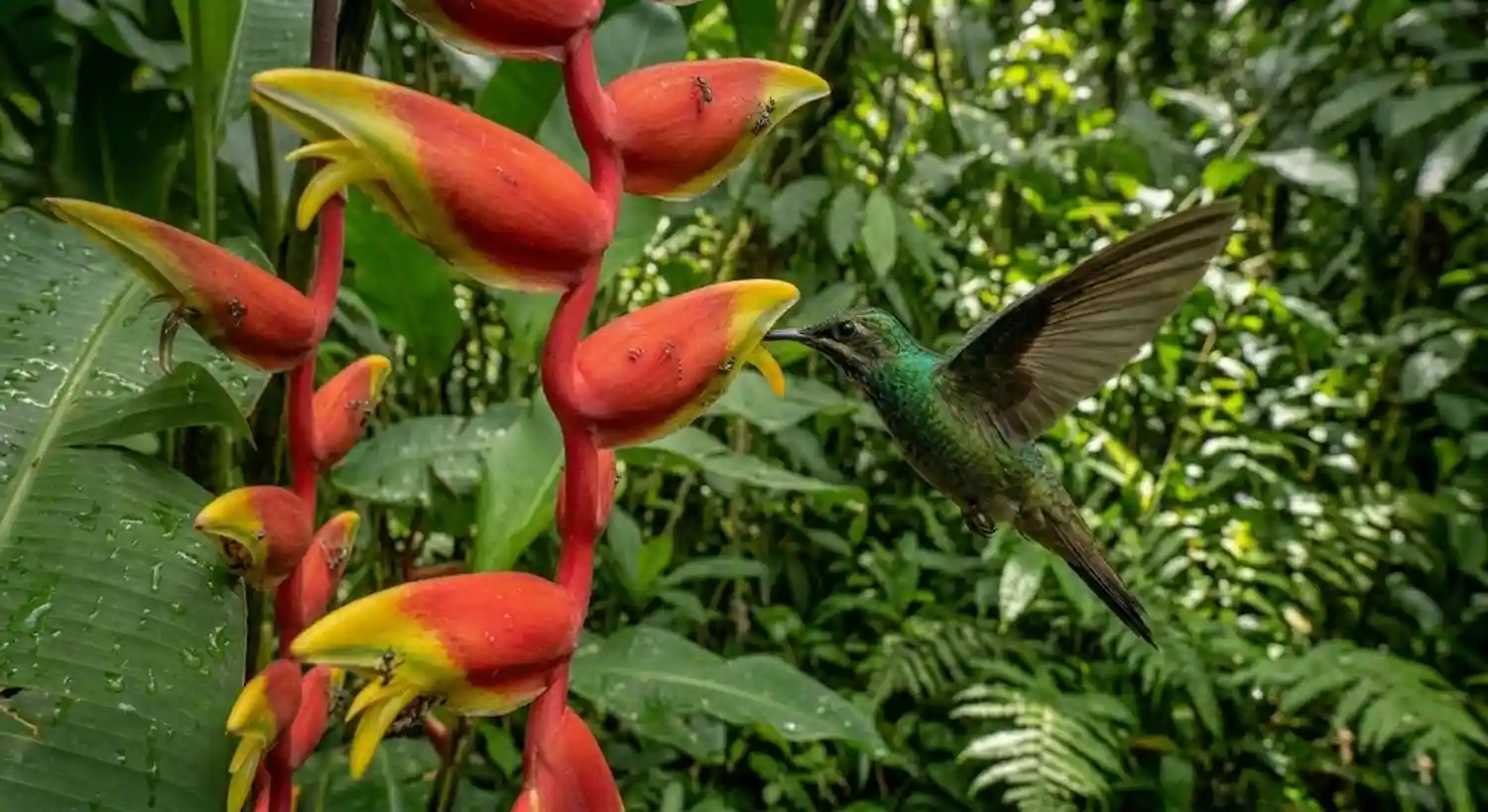
A hummingbird and a red heliconia have refined a partnership lasting more than five million years. Their exchange of nectar and pollen helps sustain Amazonian plant diversity.
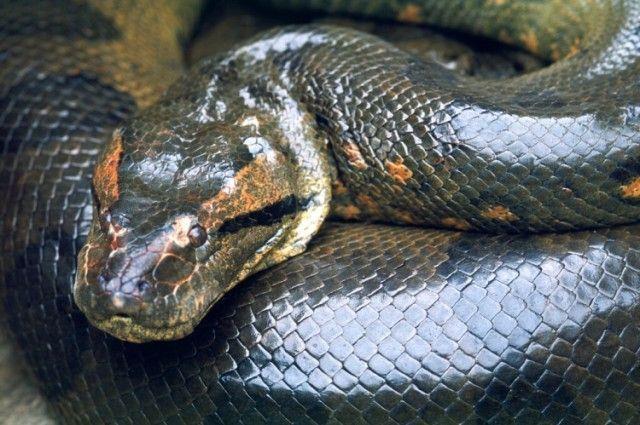
The 189 snake species recorded in the Brazilian Amazon help control pests and may support medical advances. Understanding their habits and responding correctly to bites can reduce risks.
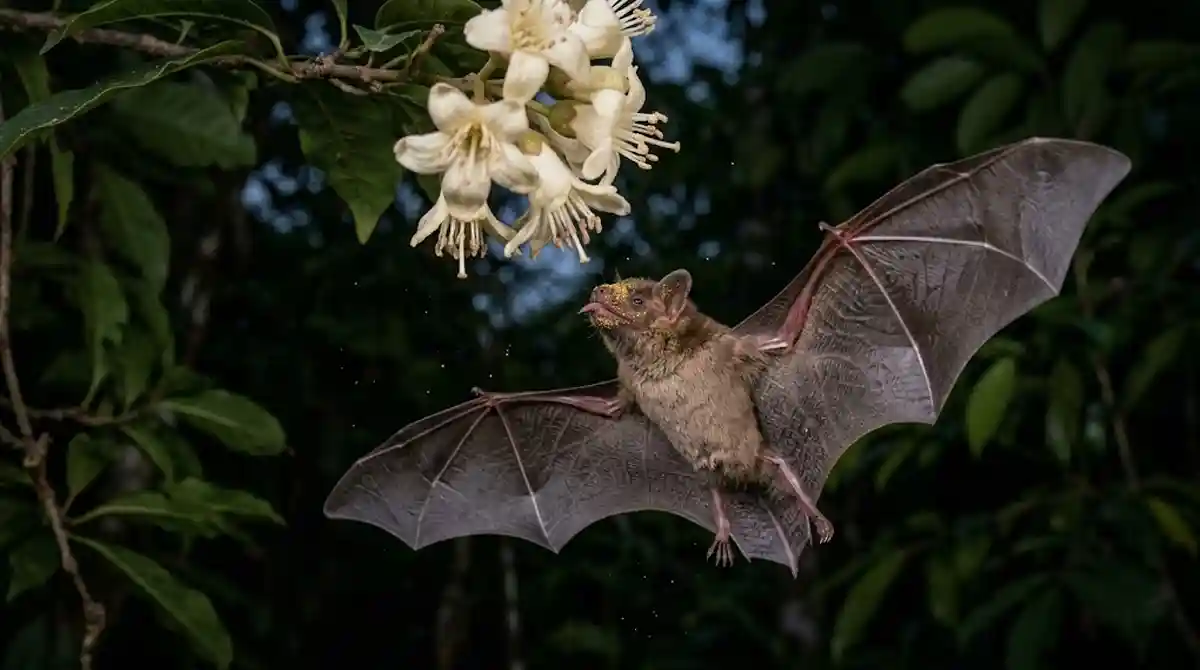
Every night, a single colony of Amazonian bats can spread millions of seeds and pollinate more than 500 plant species. Their work supports forest regeneration, biodiversity and the livelihoods of river communities.
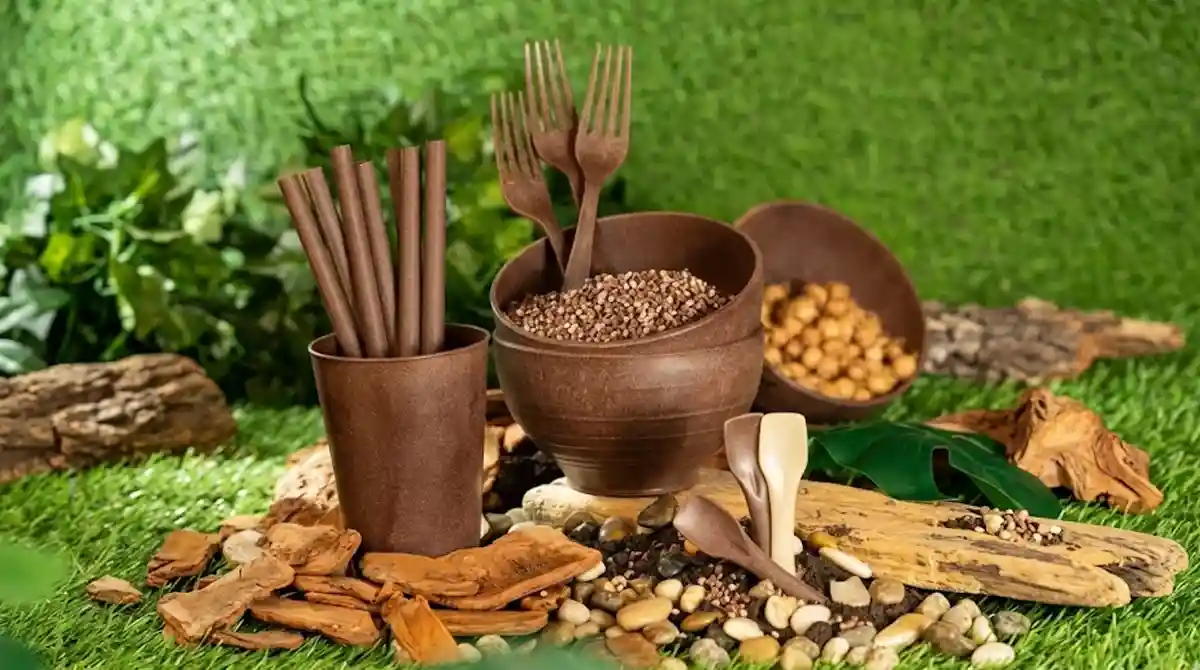
A startup in Pará has developed biodegradable bioplastic from açaí pit fibers, giving new value to a residue that reaches about 1.2 million metric tons a year in the state. Under composting conditions, the material can dissolve in less than 180 days.