Striated heron drops a feather or leaf as bait, luring fish within reach in shallow water
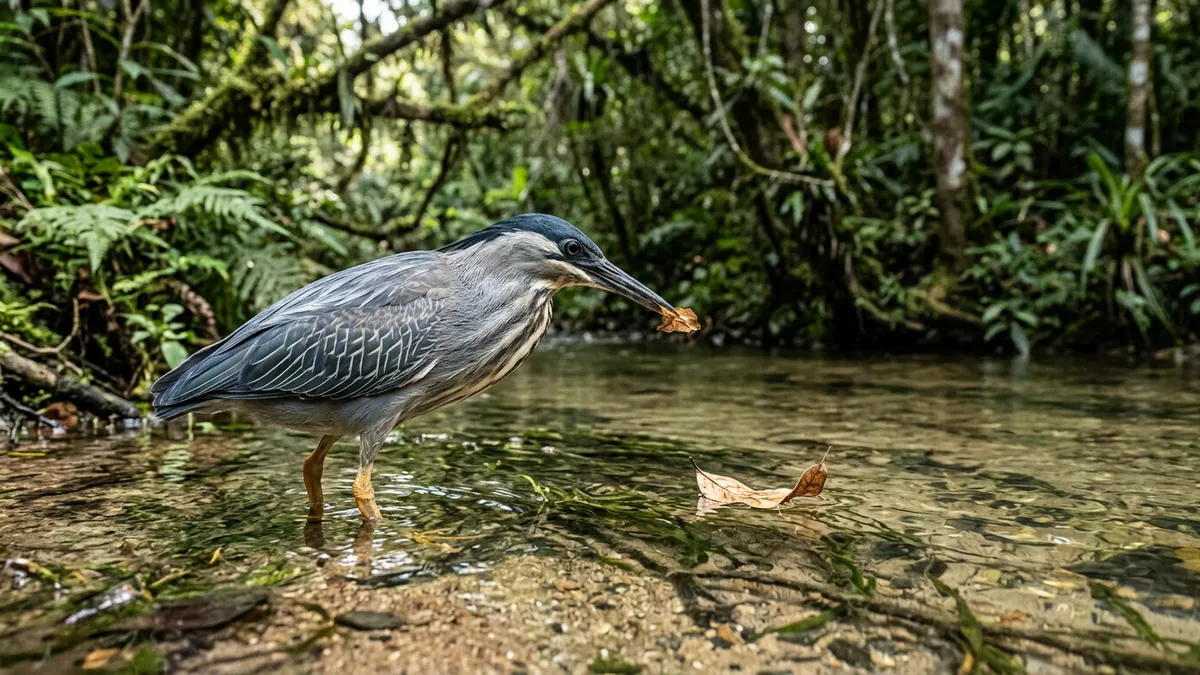
The striated heron waits motionless, places a small floating object on the water and strikes the fish that comes up to investigate it.
The striated heron waits motionless, places a small floating object on the water and strikes the fish that comes up to investigate it.
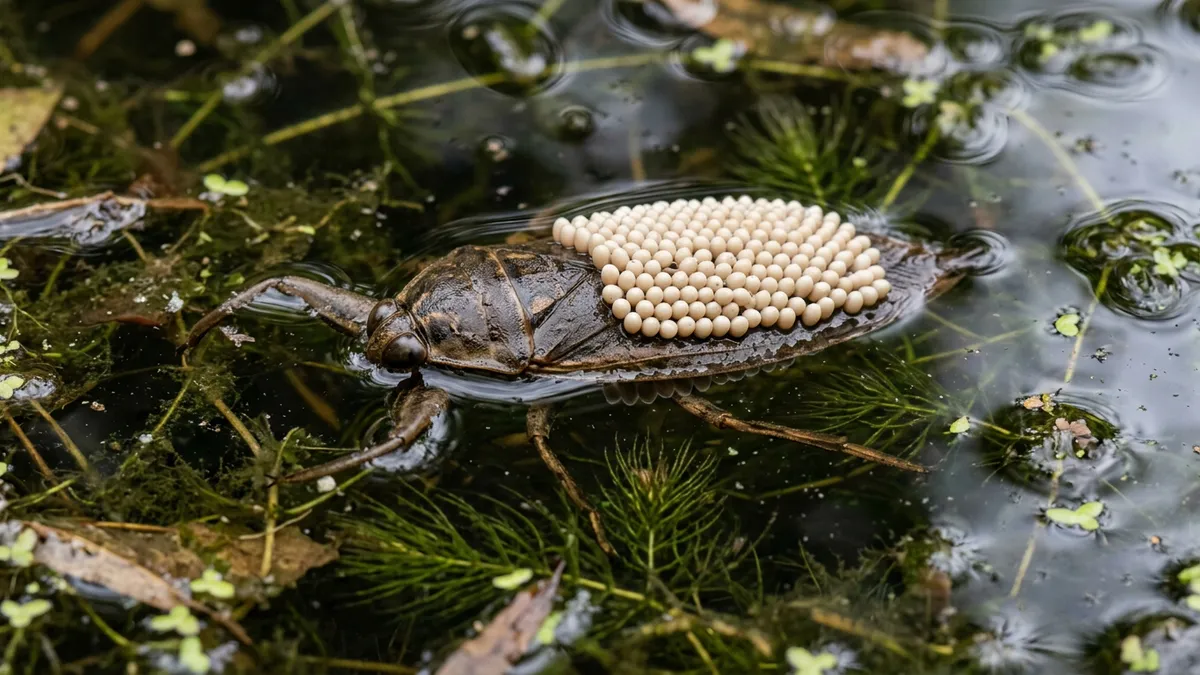
In the giant water bug, the female glues her eggs to the male’s back, and he carries them until they hatch while he keeps living and hunting in the water.
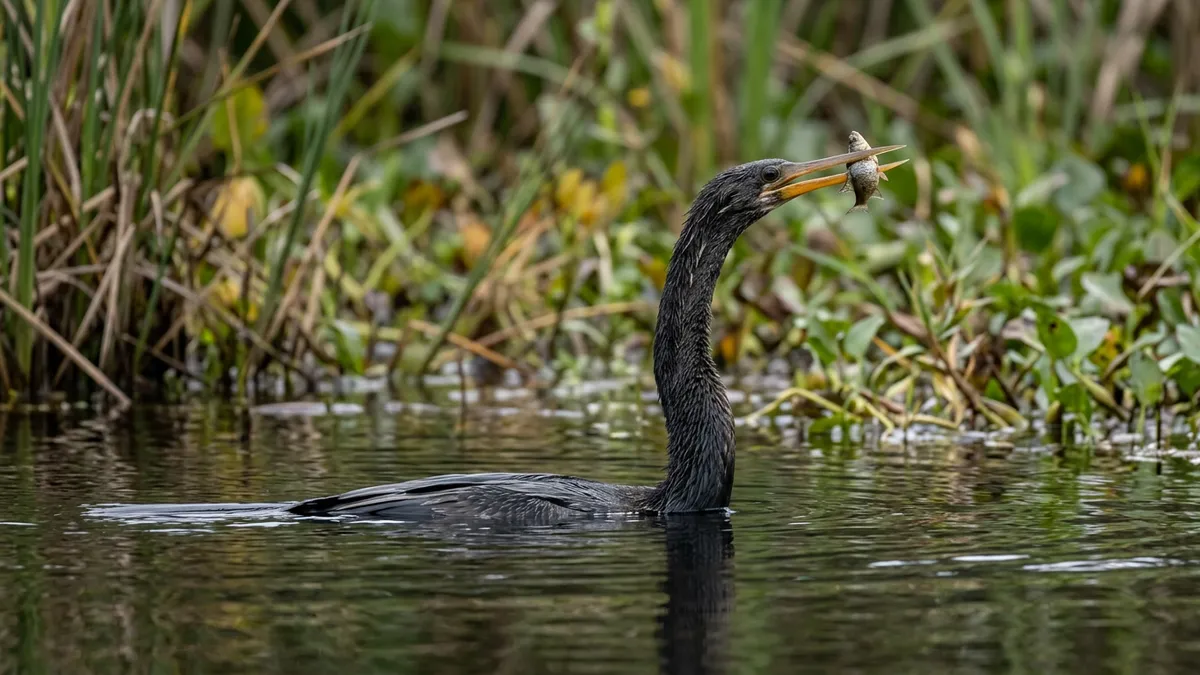
The anhinga lets its feathers soak up water, keeps only its neck above the surface and strikes with a straight, spear-like bill that pierces fish instead of gripping them.
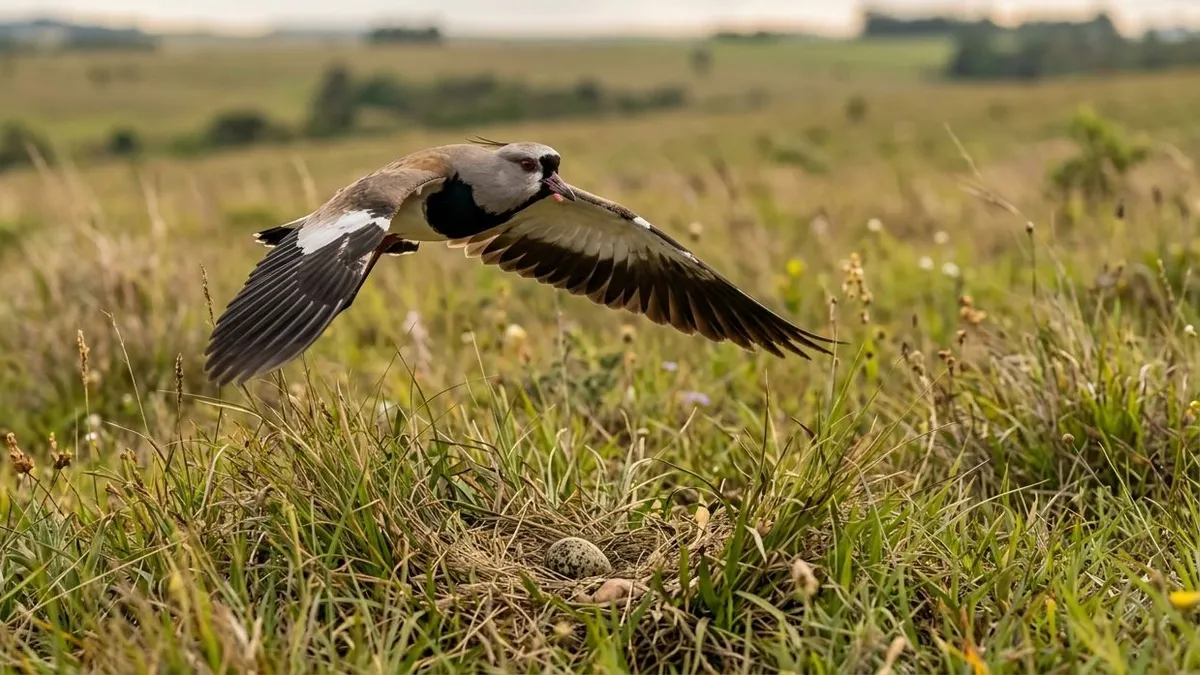
The southern lapwing pairs a spur on its wing with low dives, loud alarm calls and a camouflaged ground nest to defend open fields where there is almost no cover.
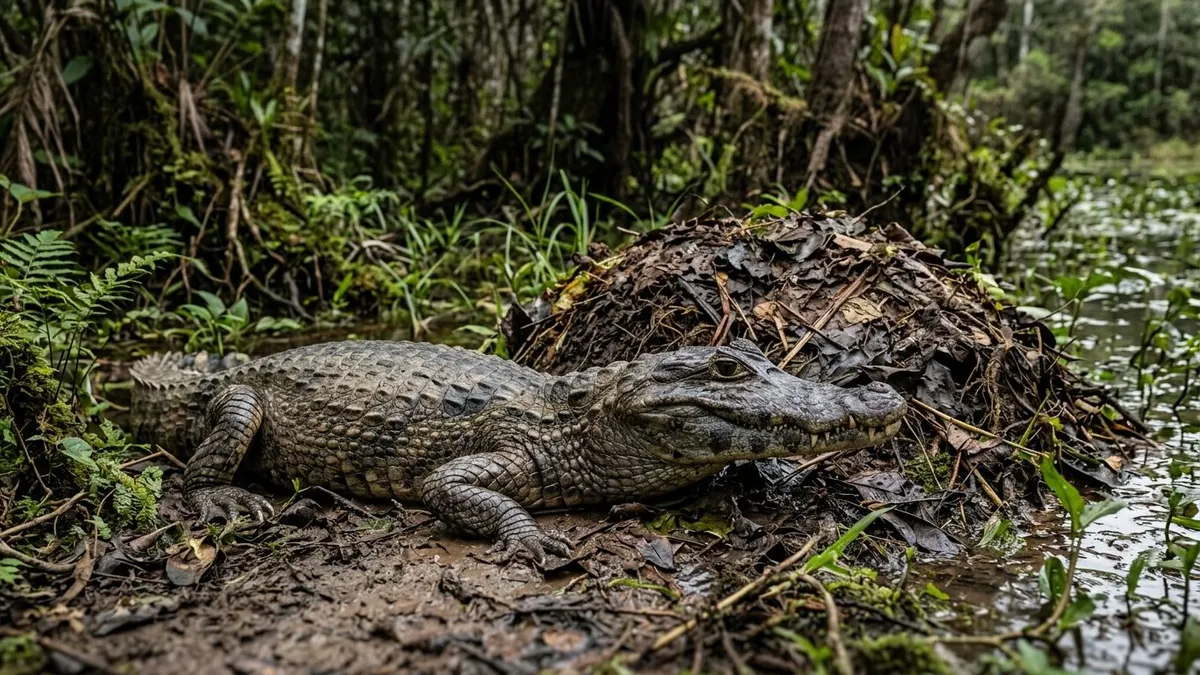
The female piles damp leaves and mud into a mound where fermentation releases steady heat. Nest temperature decides whether the hatchlings are male or female.
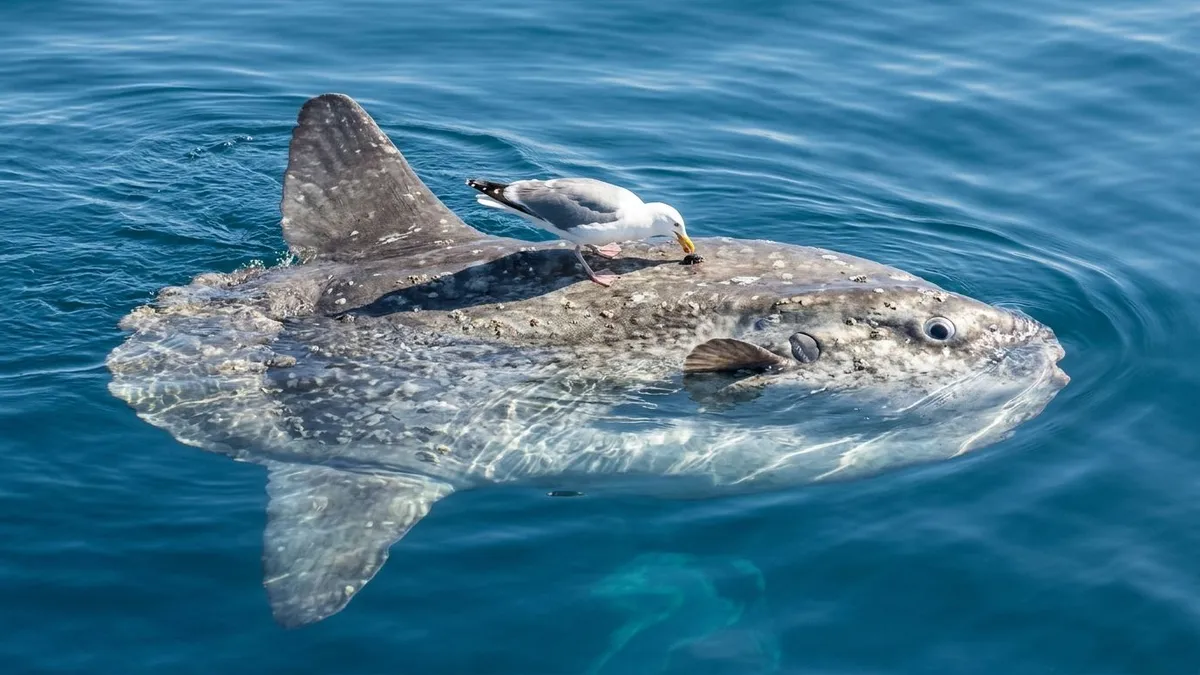
The ocean sunfish, the largest bony fish in the world, starts life as a larva of a few millimeters and can pass one metric ton as an adult. Its growth rests on a prey that offers very little nutrition.
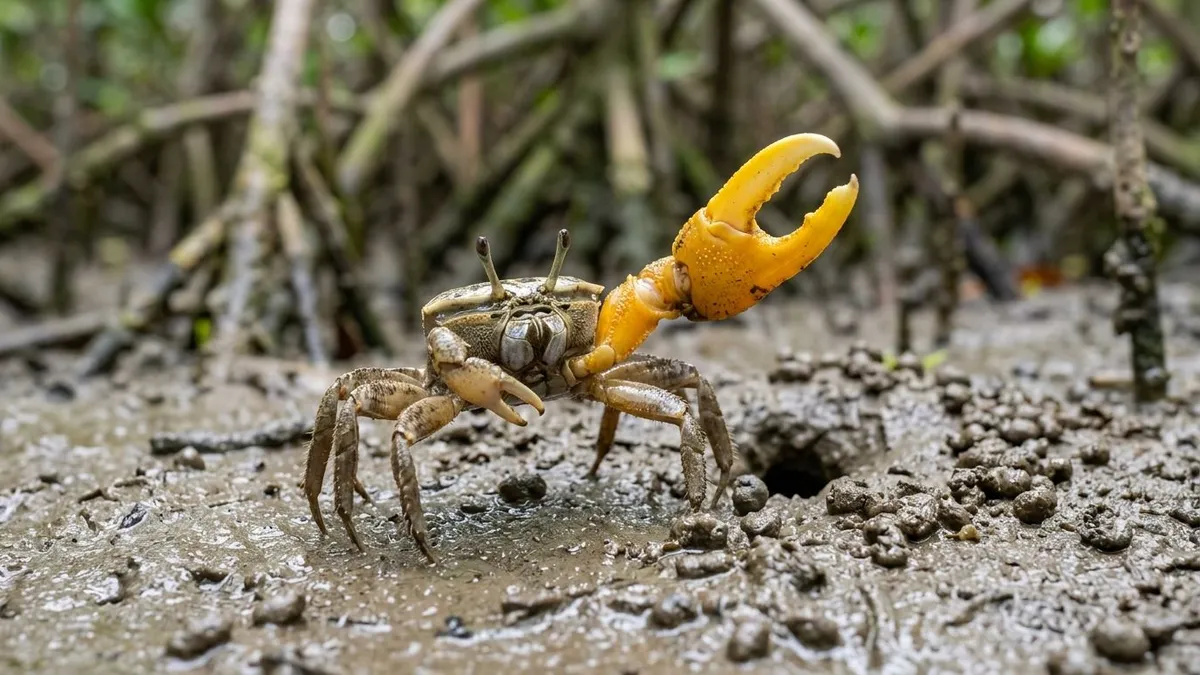
The male fiddler crab carries one claw far bigger than the other, and it is not for eating. At low tide the claw becomes a signal for courtship and a tool for defending a burrow.
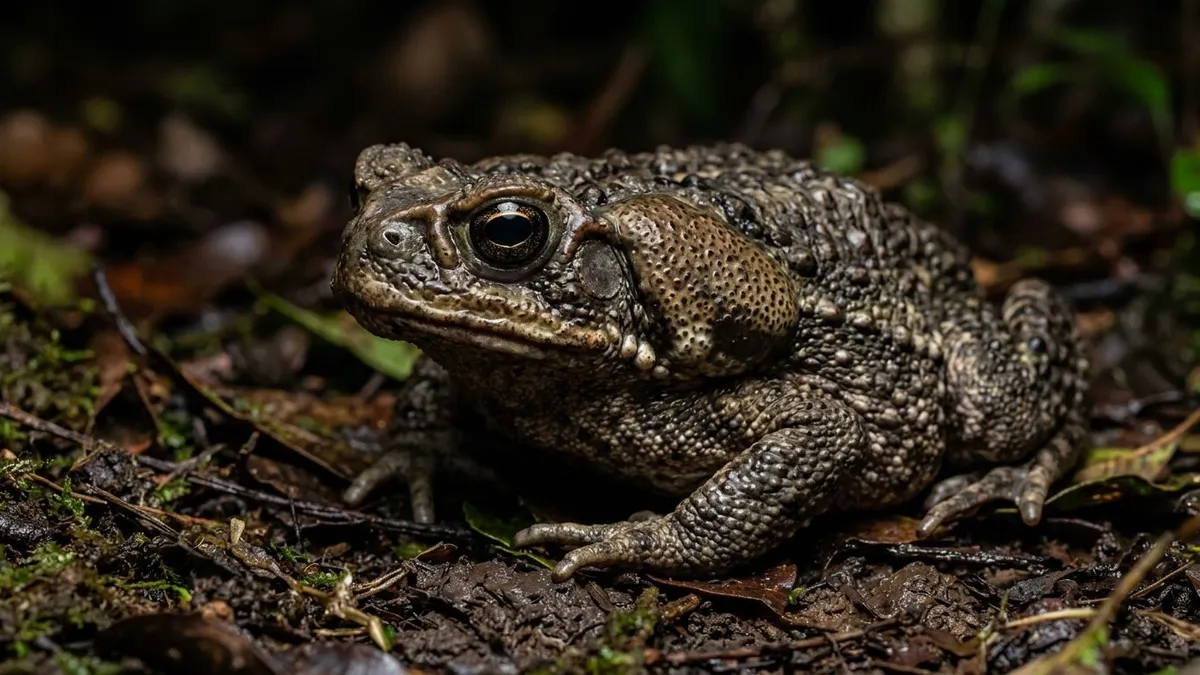
The cane toad (Rhinella marina) stores a cardioactive toxin in two glands behind its eyes. A bite is enough to release it, and in dogs the result can be a life-threatening poisoning.
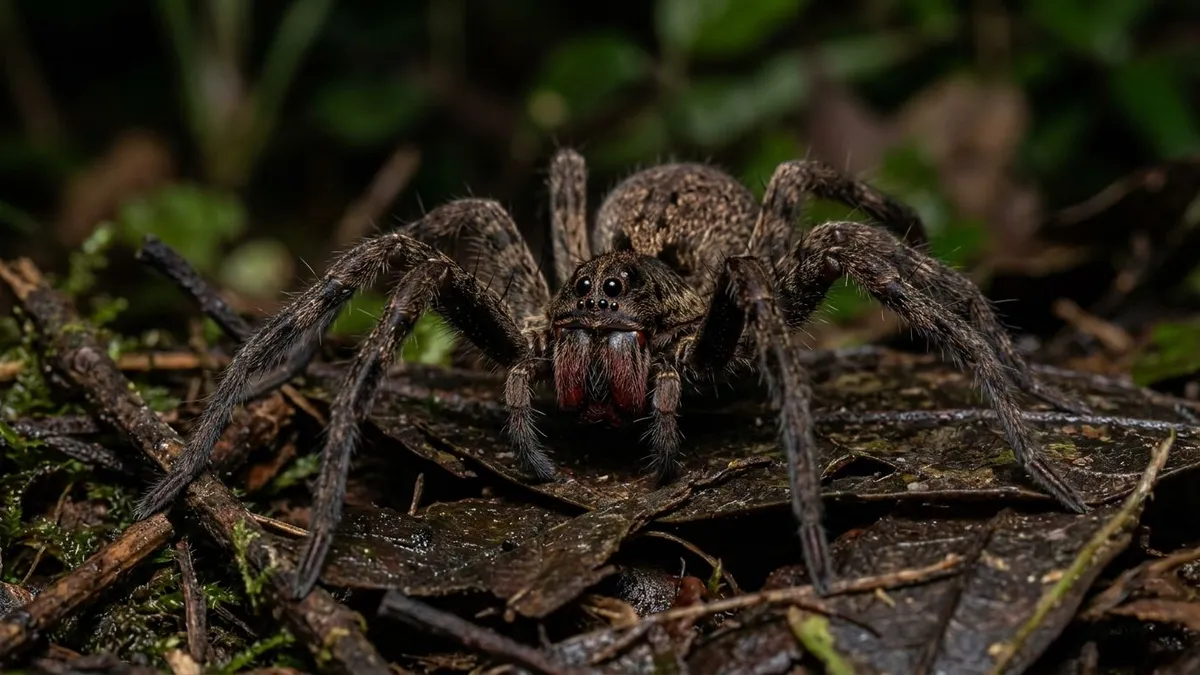
The Brazilian wandering spider (Phoneutria) builds no web to hunt. It rears up, raises its front legs and shows red chelicerae before it uses a venom that acts on the nervous system.
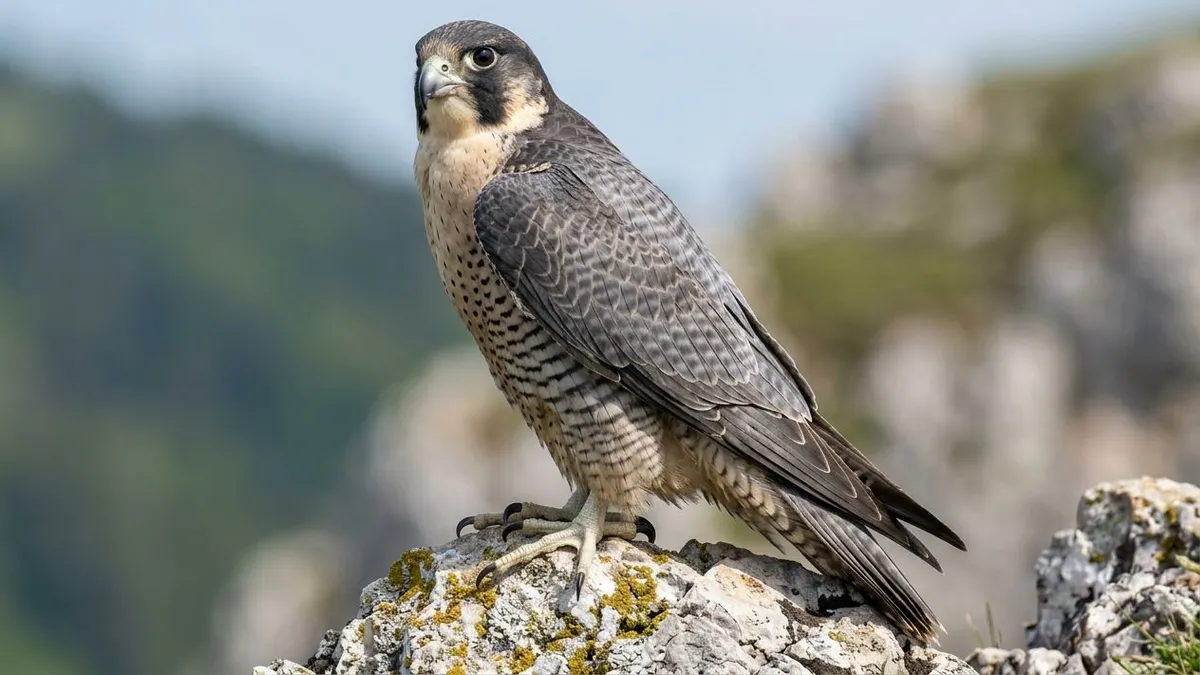
The peregrine falcon dives at more than 186 mph (300 km/h) and hits birds in flight with its toes closed like a fist. Here is how its body handles the fastest hunting maneuver recorded in the animal kingdom.