Skip to content
Amazonia Mag

Amazonia Mag

  • Privacy Policy
  • About Amazonia Mag
  • Contact
  • Home

Wildlife

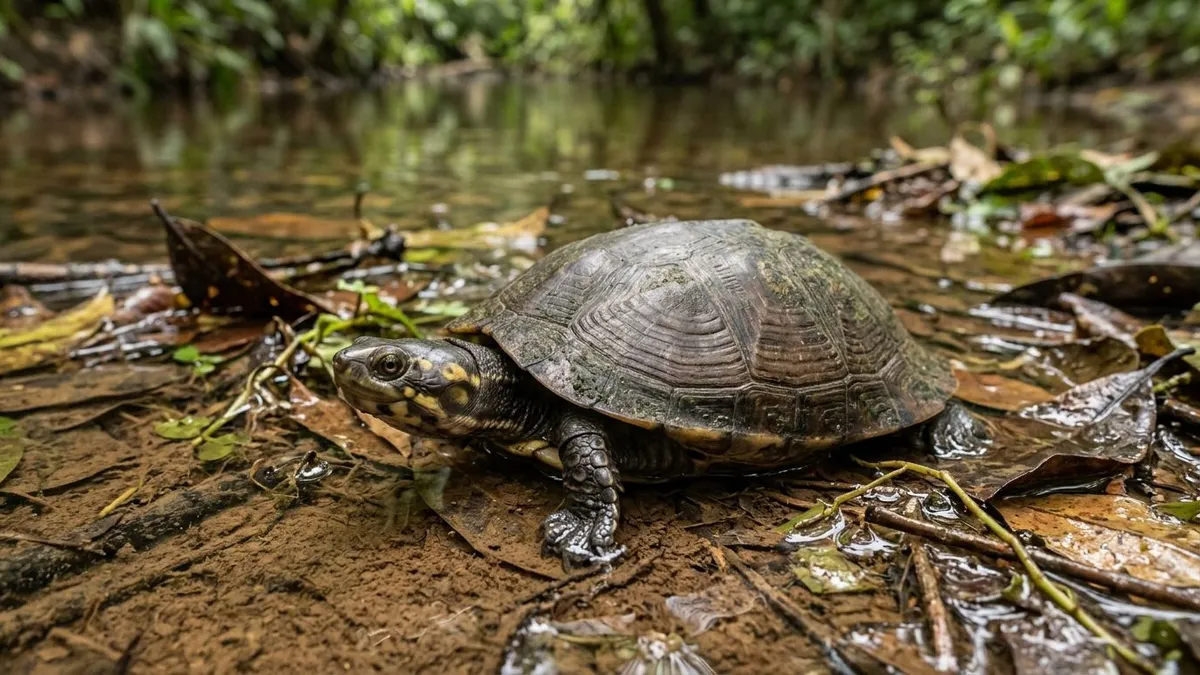
Scorpion Mud Turtle Buries Itself in Mud and Seals Its Shell With a Hinge in Shallow Amazon Streams
October 21, 2026 by Anne Silva
Muçuã cabe na palma da mão, vive em igarapé raso e esconde o pescoço lateralmente dentro do casco

The scorpion mud turtle (Kinosternon scorpioides), or muçuã, lives in shallow Amazon streams, closes its shell with a hinged plastron and buries itself in mud during droughts.
Categories Wildlife Leave a comment

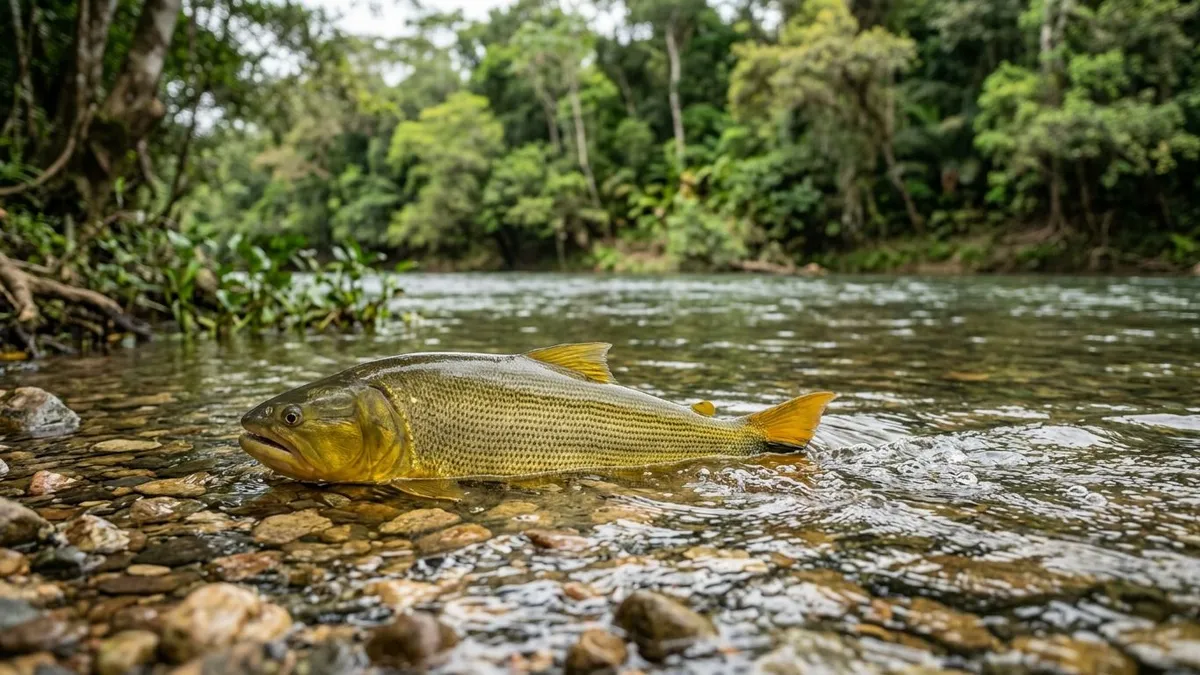
Golden Dorado Leaps Up Waterfalls to Spawn and Eats Less on the Way, Using Muscle Built for Current

October 18, 2026 by Anne Silva
Dourado sobe cachoeiras aos saltos para desovar, reduz a alimentação e usa musculatura adaptada à correnteza

During the piracema migration, the golden dorado, Salminus brasiliensis, combines a streamlined body and sudden bursts of power to climb falls toward spawning areas.

Categories Wildlife Leave a comment

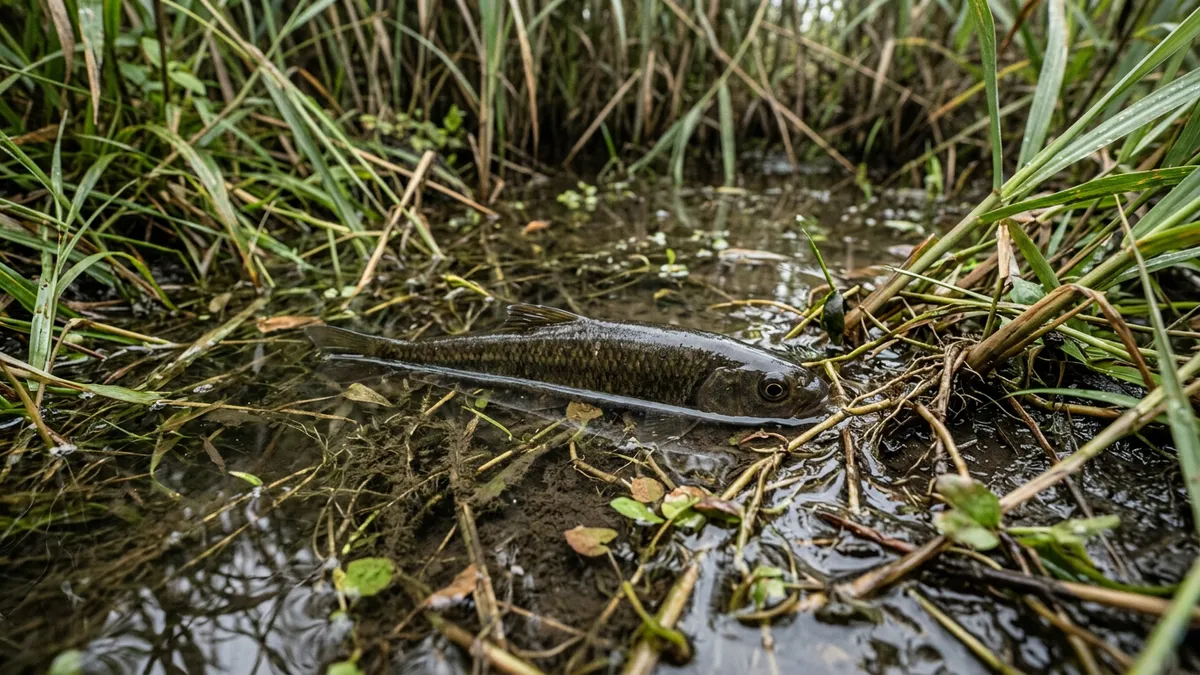
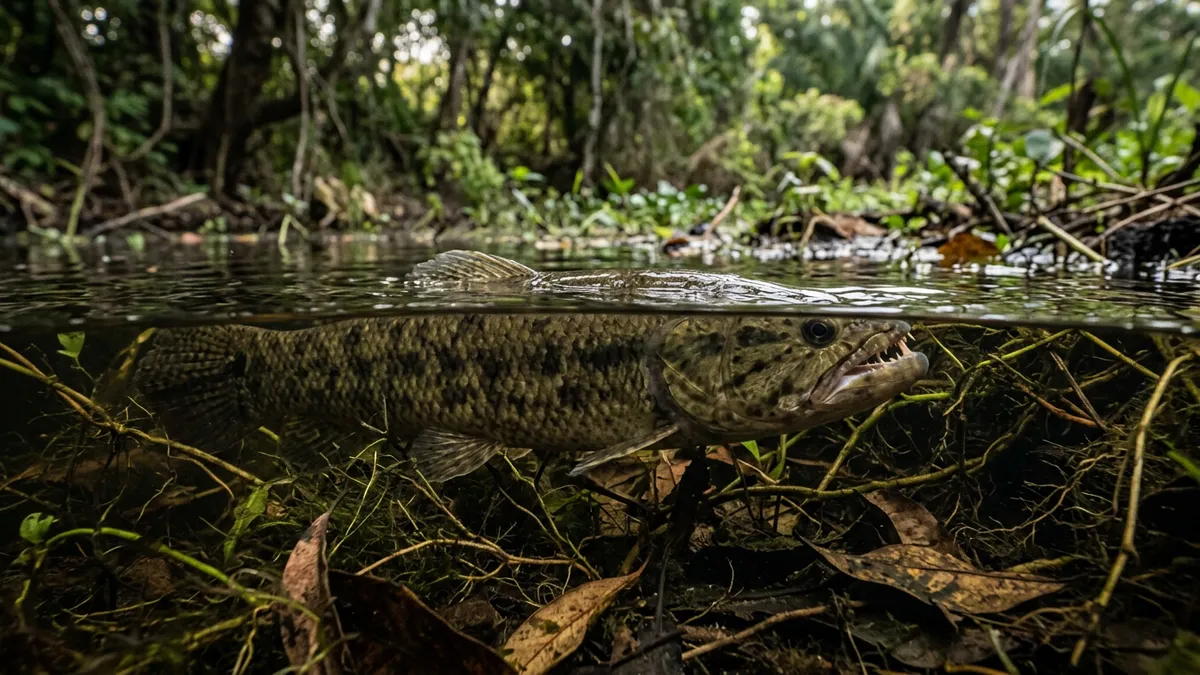
Trahira Breathes Air Through Its Swim Bladder to Survive Shallow, Oxygen-Poor Pools

October 18, 2026 by Anne Silva
Traíra utiliza a bexiga natatória para respirar ar em poças rasas com pouco oxigênio

When warm, still water runs low on oxygen, the trahira gulps air at the surface and uses its swim bladder as an accessory breathing organ while it waits for prey.

Categories Wildlife Leave a comment

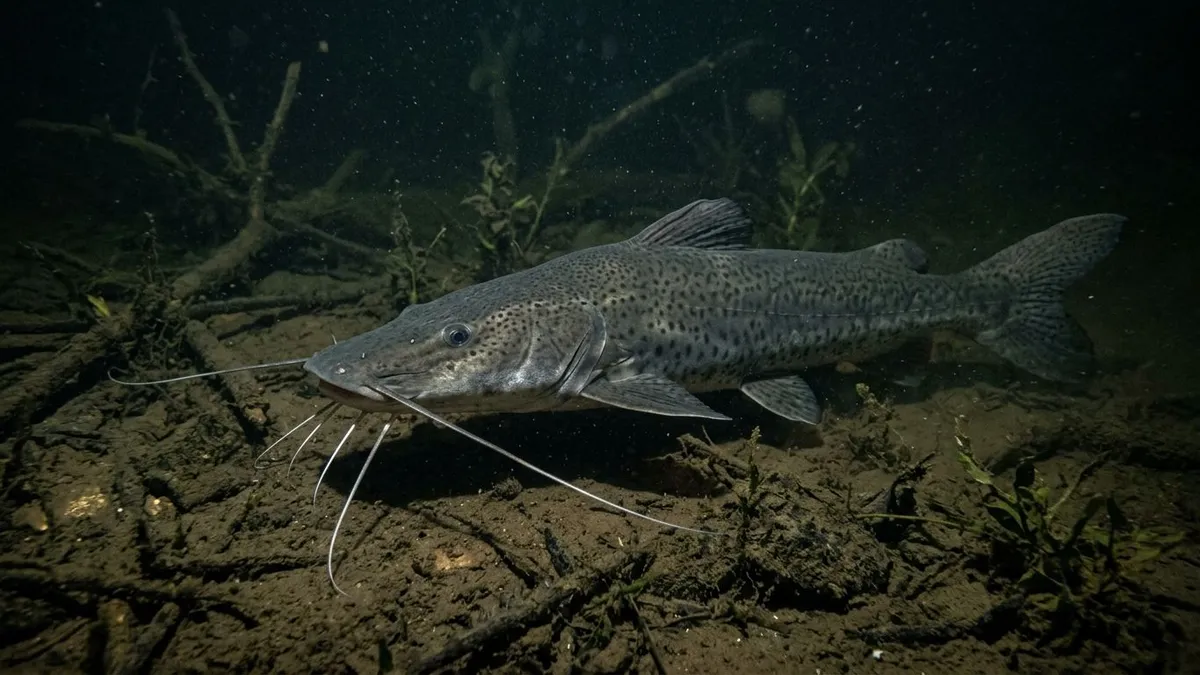
Tiger Shovelnose Catfish Hunts the River Bottom at Night With Barbels That Taste and Touch

October 18, 2026 by Anne Silva
Surubim usa barbilhões com receptores gustativos e táteis para caçar no fundo dos rios à noite

The surubim, or tiger shovelnose catfish, finds food on dark river bottoms with barbels that carry taste and touch receptors. No sharp vision required.

Categories Wildlife Leave a comment

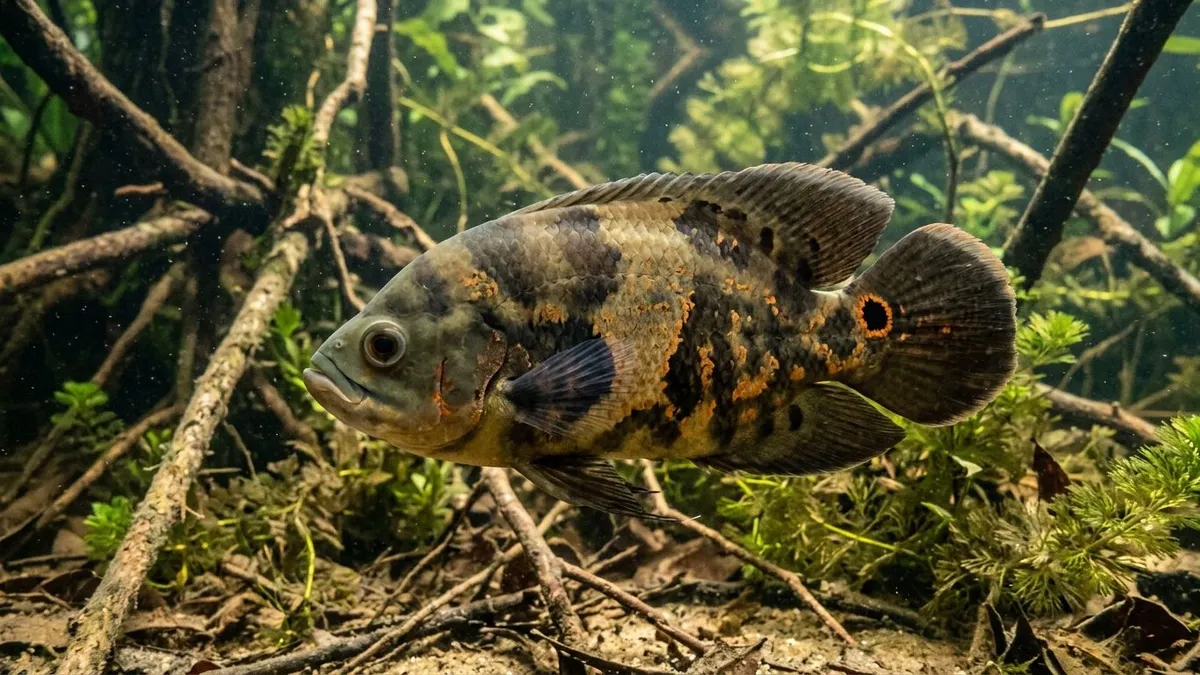
The Oscar Fish Wears a False Eye on Its Tail, Guards Its Fry and Changes Color

October 18, 2026 by Anne Silva
Apaiari exibe falso olho na cauda, protege filhotes em cardume e altera a cor do corpo ao disputar território

The oscar, known in Brazil as apaiari, carries an eyespot on its tail that may redirect attacks, guards its school of fry as a pair and shifts color when on alert.

Categories Wildlife Leave a comment

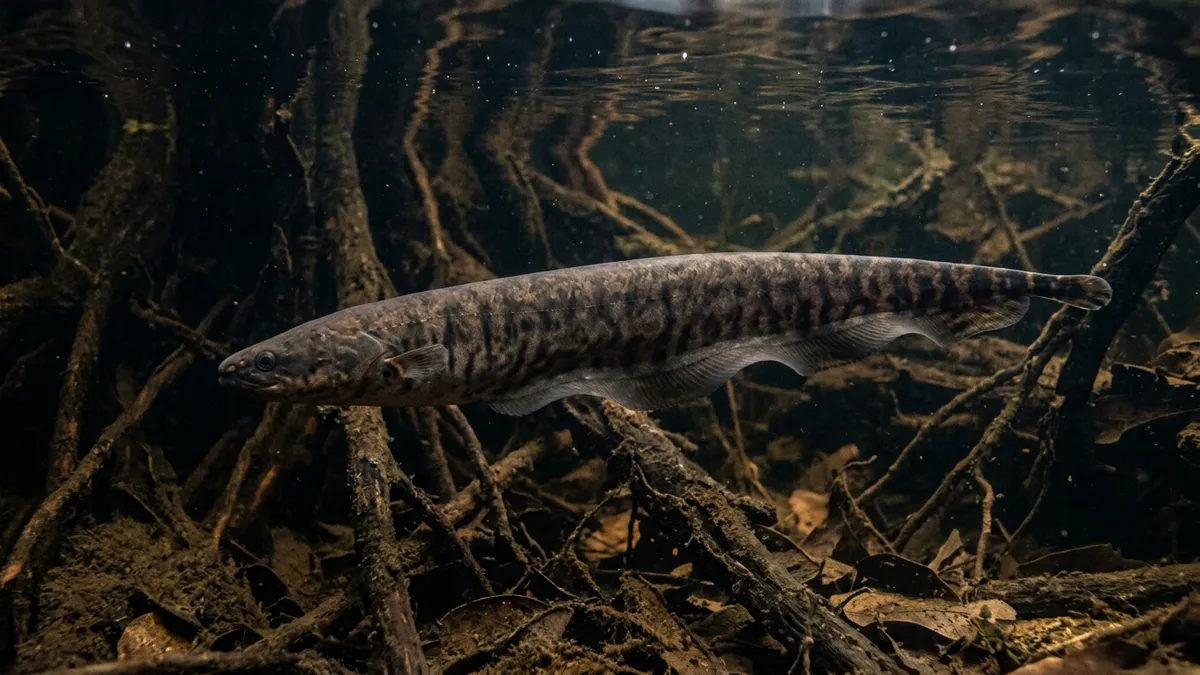
Tuvira Knifefish Navigates Dark Water With a Weak Electric Field and Recognizes Its Neighbors

October 18, 2026 by Anne Silva
Tuvira emite pulsos elétricos fracos na água escura, lê deformações do campo e reconhece vizinhos sem usar eletricidade para atacar

The tuvira, an electric knifefish, emits a weak, continuous field and reads its distortions to navigate and recognize other fish, never using the current as a weapon.

Categories Wildlife Leave a comment

Jeju Fish Survives Nearly Dry Pools by Breathing Air With Its Swim Bladder

October 17, 2026 by Anne Silva
Jeju atravessa poças quase secas respirando pela bexiga e retorna ao rio quando a chuva recompõe o caminho

When the dry season leaves a pool short of oxygen, the jeju rises to the surface and breathes air with its swim bladder until the rains reconnect it to the river.

Categories Wildlife Leave a comment

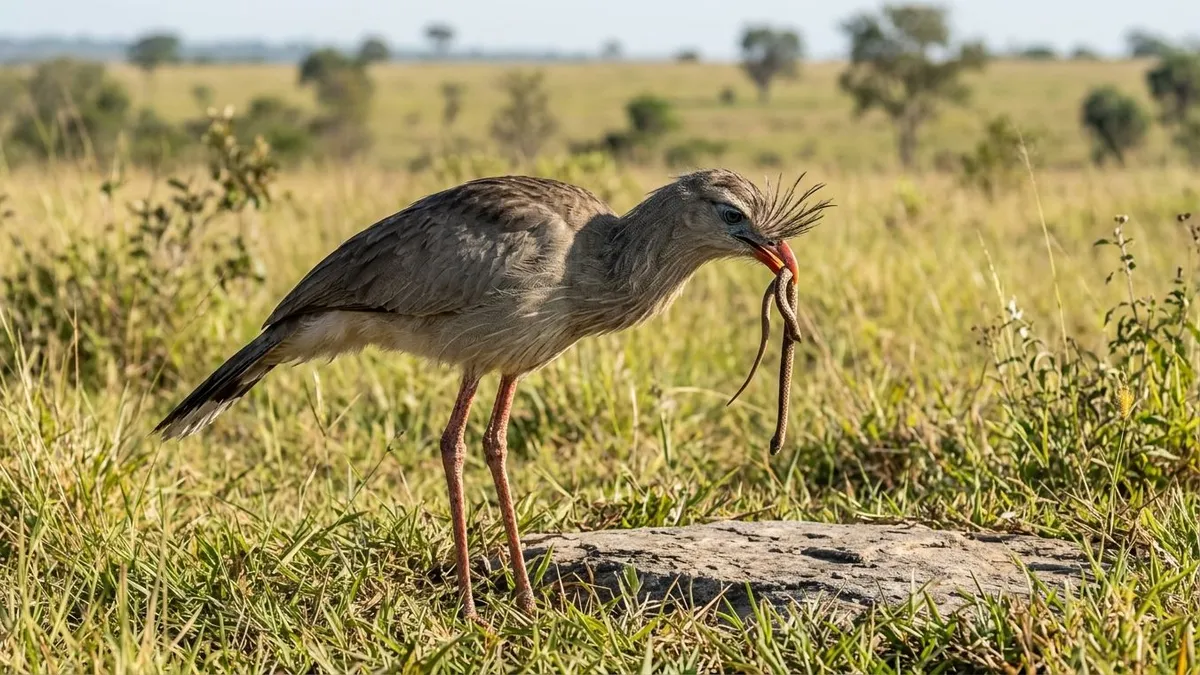
Red-Legged Seriema Slams Venomous Snakes Against Rocks to Break Their Spines

October 17, 2026 by Anne Silva
Seriema utiliza pernas longas e arremessa serpentes contra rochas para subjugar presas peçonhentas nos campos

The red-legged seriema runs down snakes in open Brazilian grassland, grips them in its beak and hurls them against hard ground before they can strike.

Categories Wildlife Leave a comment

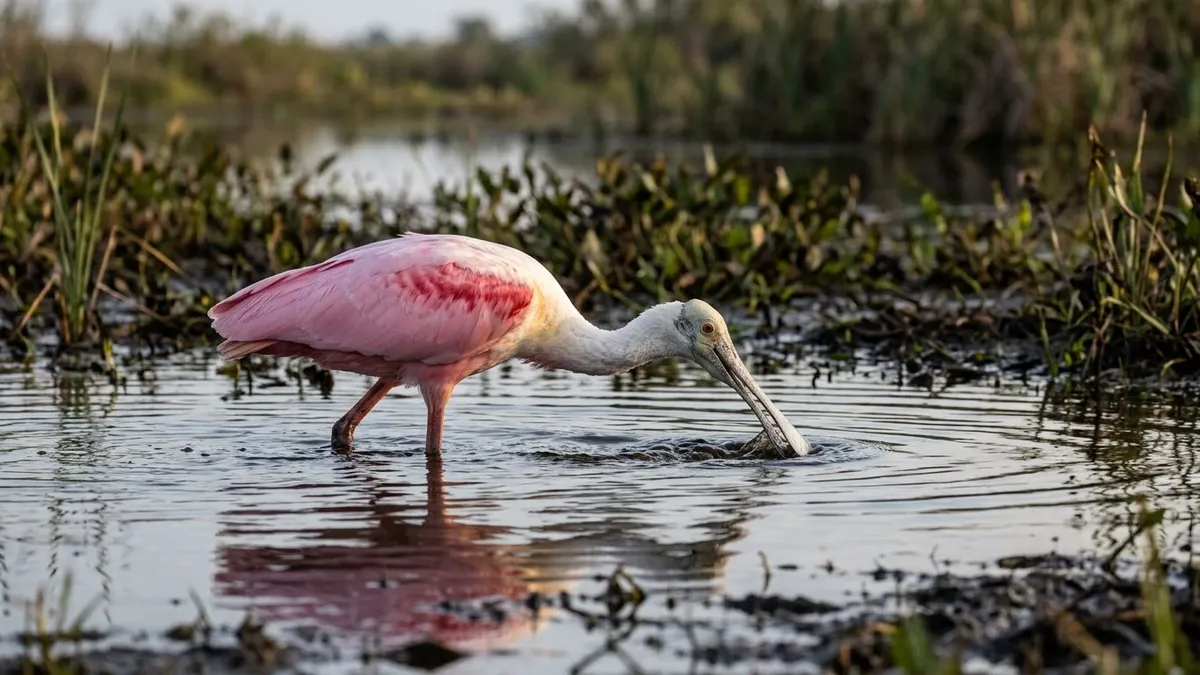
Roseate Spoonbill Sweeps Its Bill Through Murky Water and Snaps Shut at a Touch

October 17, 2026 by Anne Silva
Colhereiro varre a água com o bico e fecha por toque para capturar presas em águas turvas

The roseate spoonbill, called colhereiro in Brazil, sweeps its spoon-shaped bill through murky water and closes it by reflex when it touches prey. Its pink color comes from its diet.

Categories Wildlife Leave a comment

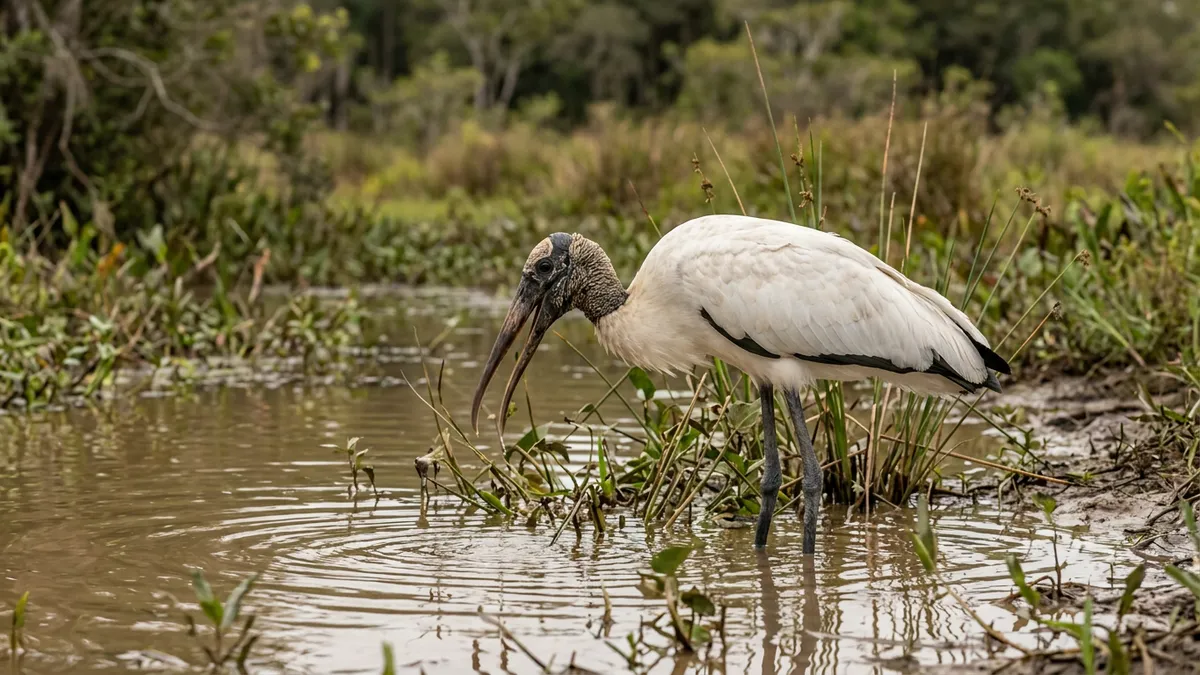
Wood Stork Fishes With an Open Bill That Snaps Shut in a Fraction of a Second

October 17, 2026 by Anne Silva
Cabeça-seca pesca de bico aberto e fecha ao tocar na água em fração de segundo

The wood stork, called cabeça-seca in Brazil, keeps its bill open underwater and shuts it by reflex when a fish touches it. The method works in shallow, murky water.

Categories Wildlife Leave a comment
Older posts
Newer posts
← Previous Page1 … Page7 Page8 Page9 … Page27 Next →

Recent Posts

  • Cuíca-lanosa, the woolly opossum, forages in the canopy at night and helps spread forest seeds
  • Two toninha pups, the franciscana dolphin, travel under police escort in a rare rescue in Brazil
  • Why the jabuticaba tree flowers on its trunk, and where the buds come from, according to USP
  • Pinheirão, a 500-year-old araucária, fell unseen in Brazil and scientists rushed to clone it
  • Albino veado-campeiro, a pure white pampas deer, spotted in Brazil’s Pantanal grasslands
About · Contact · Privacy Policy
© 2026 Amazonia Mag · International edition of Revista Amazônia · Published by Editora Círios, Belém, PA, Brazil