
Igarape: the Tupi word that mapped the waters of the Amazon
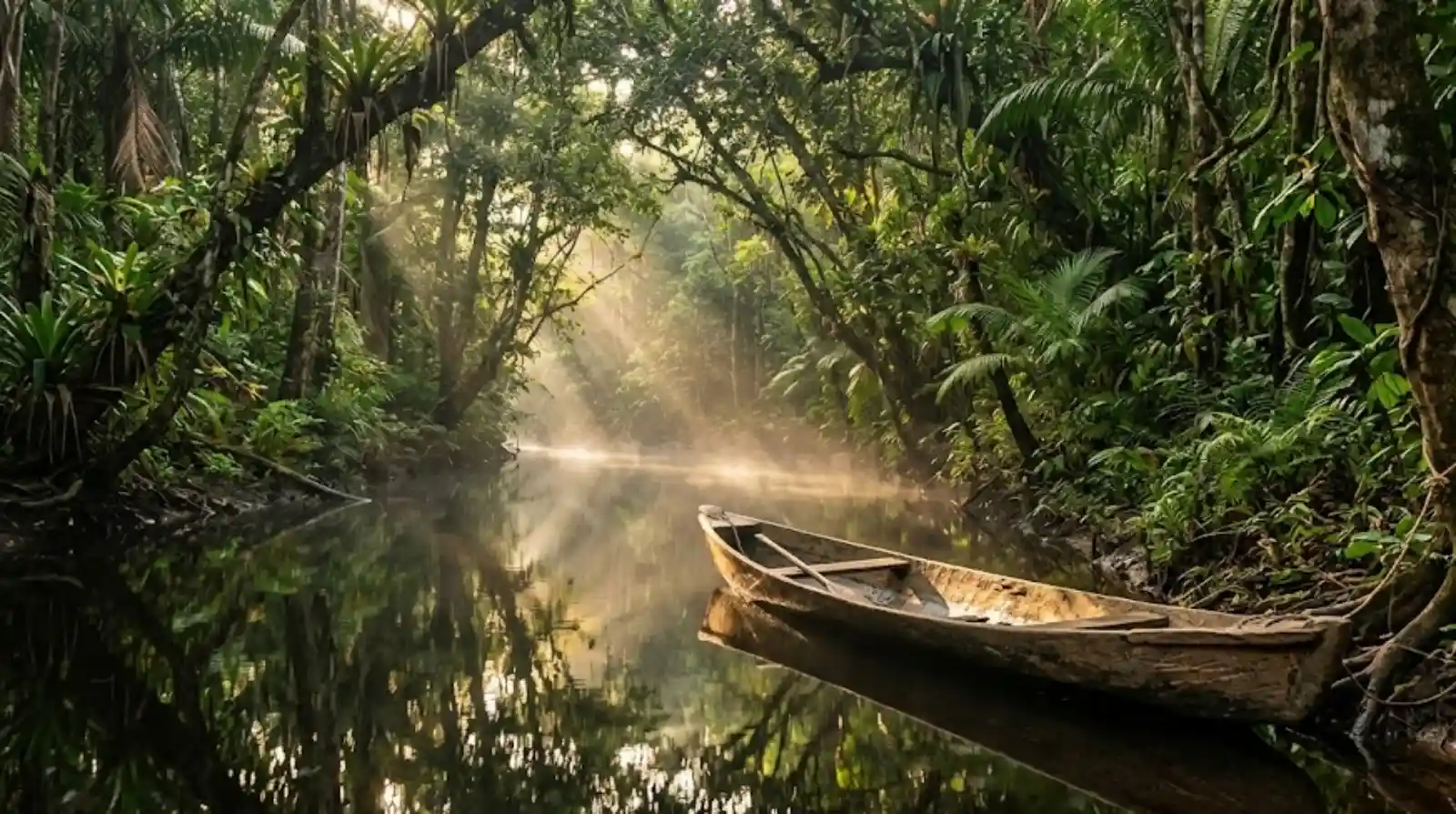
Igarape means canoe path in Tupi. The word reveals an Indigenous system that classified Amazonian watercourses by function, navigability and even natural chemistry.
Igarape means canoe path in Tupi. The word reveals an Indigenous system that classified Amazonian watercourses by function, navigability and even natural chemistry.
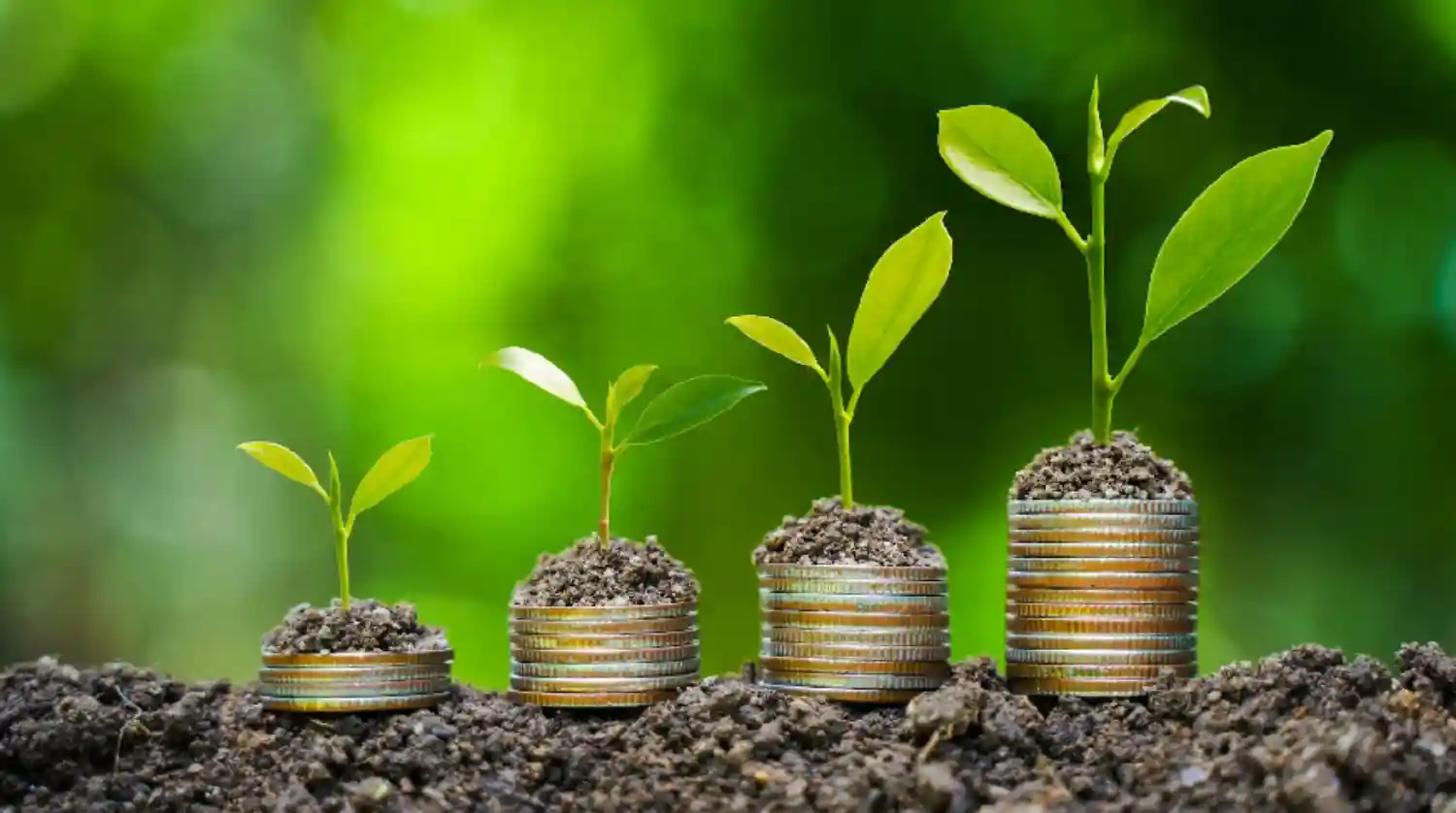
Embrapa workshops link science and traditional knowledge to triple extractivist community income without cutting down a single tree in the Amazon rainforest.
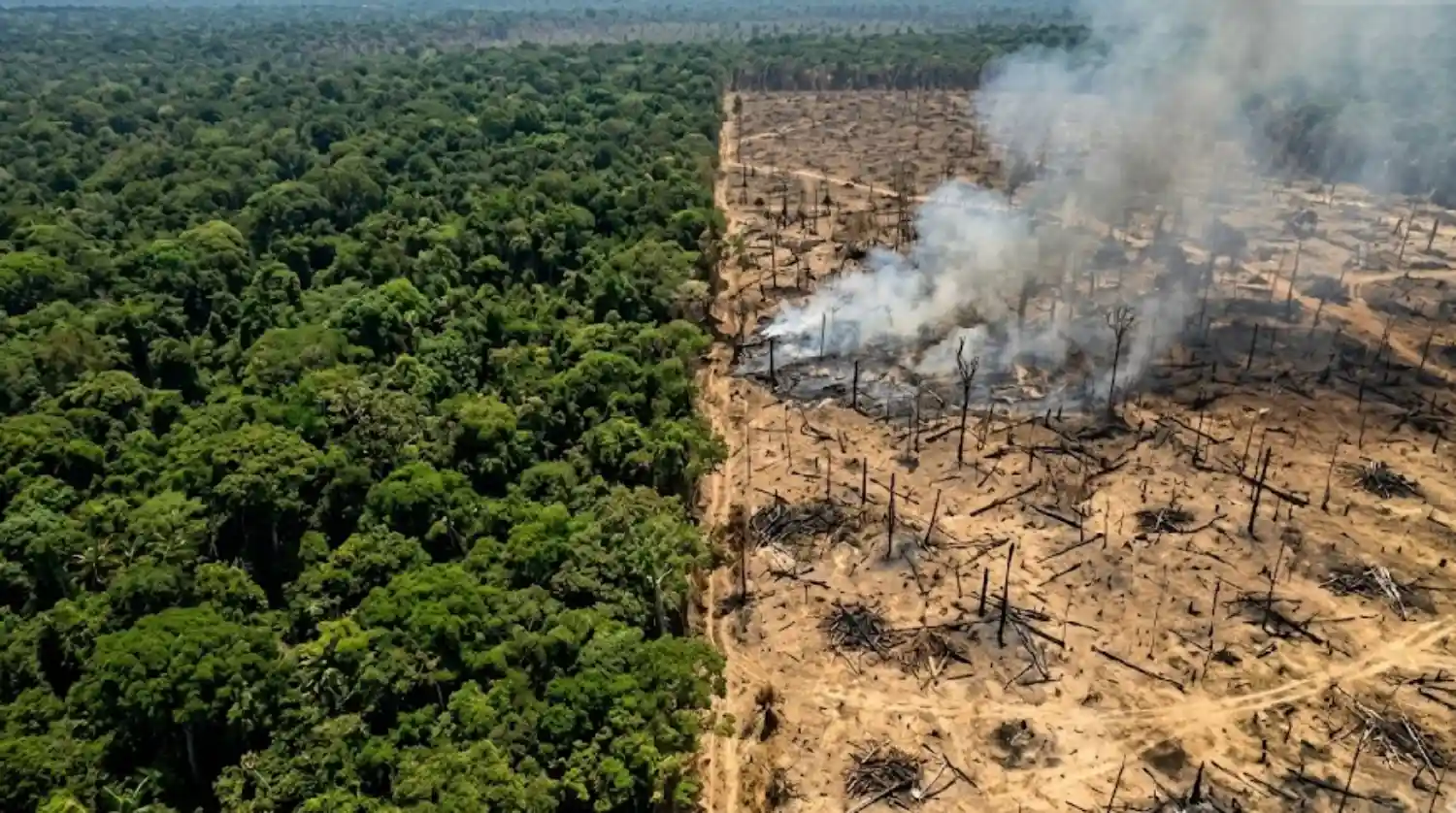
Parts of the Amazon, especially in the southeast, are already returning more carbon to the atmosphere than they capture. Scientists describe a collapse without smoke, driven by deforestation, degradation and extreme drought, and estimate how little margin is left before the tipping point.
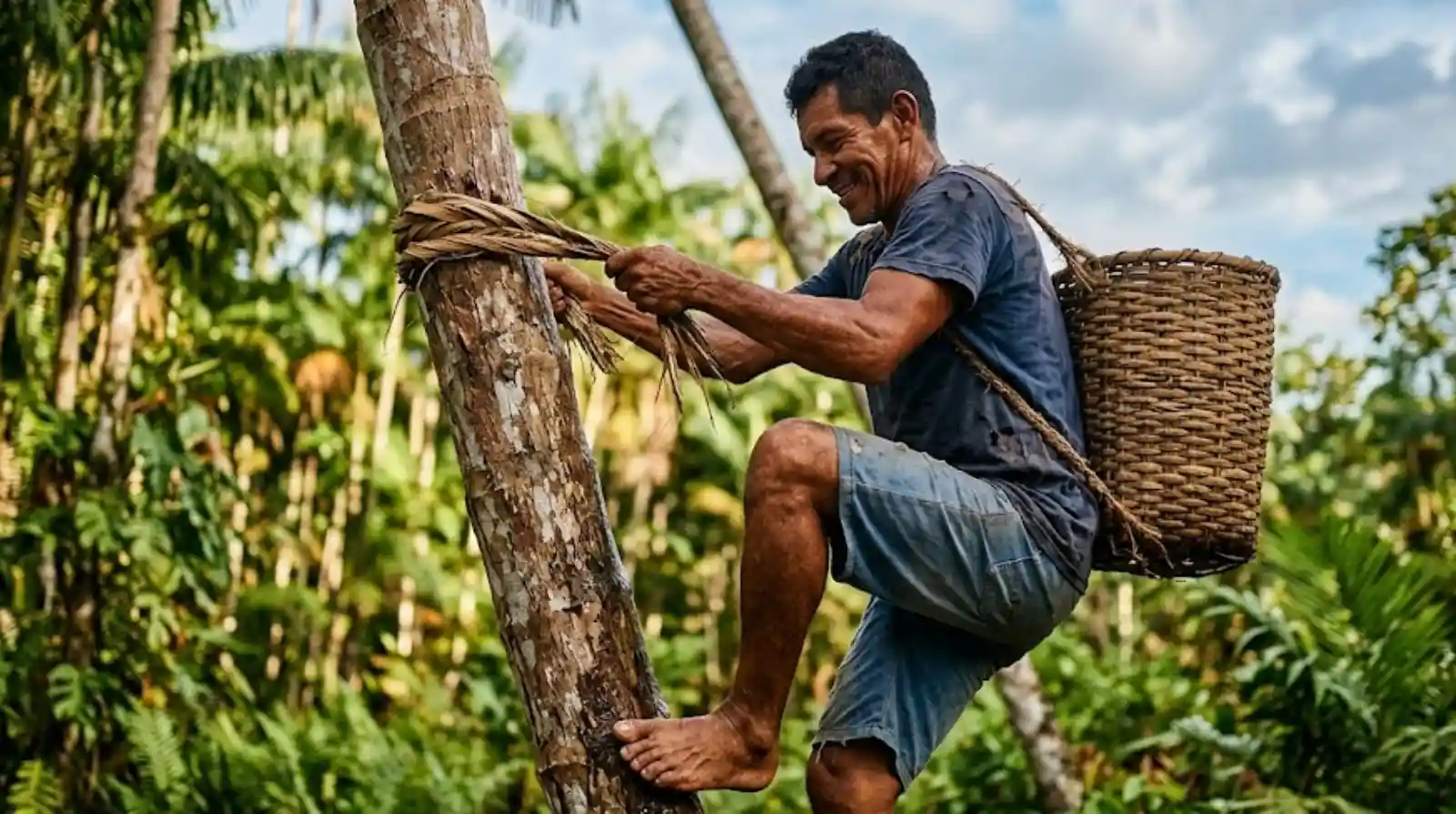
They harvest the fruit that drives a billion-real economy in Para by climbing palms up to 20 metres tall with a rope called a peconha, without harness or safety net.
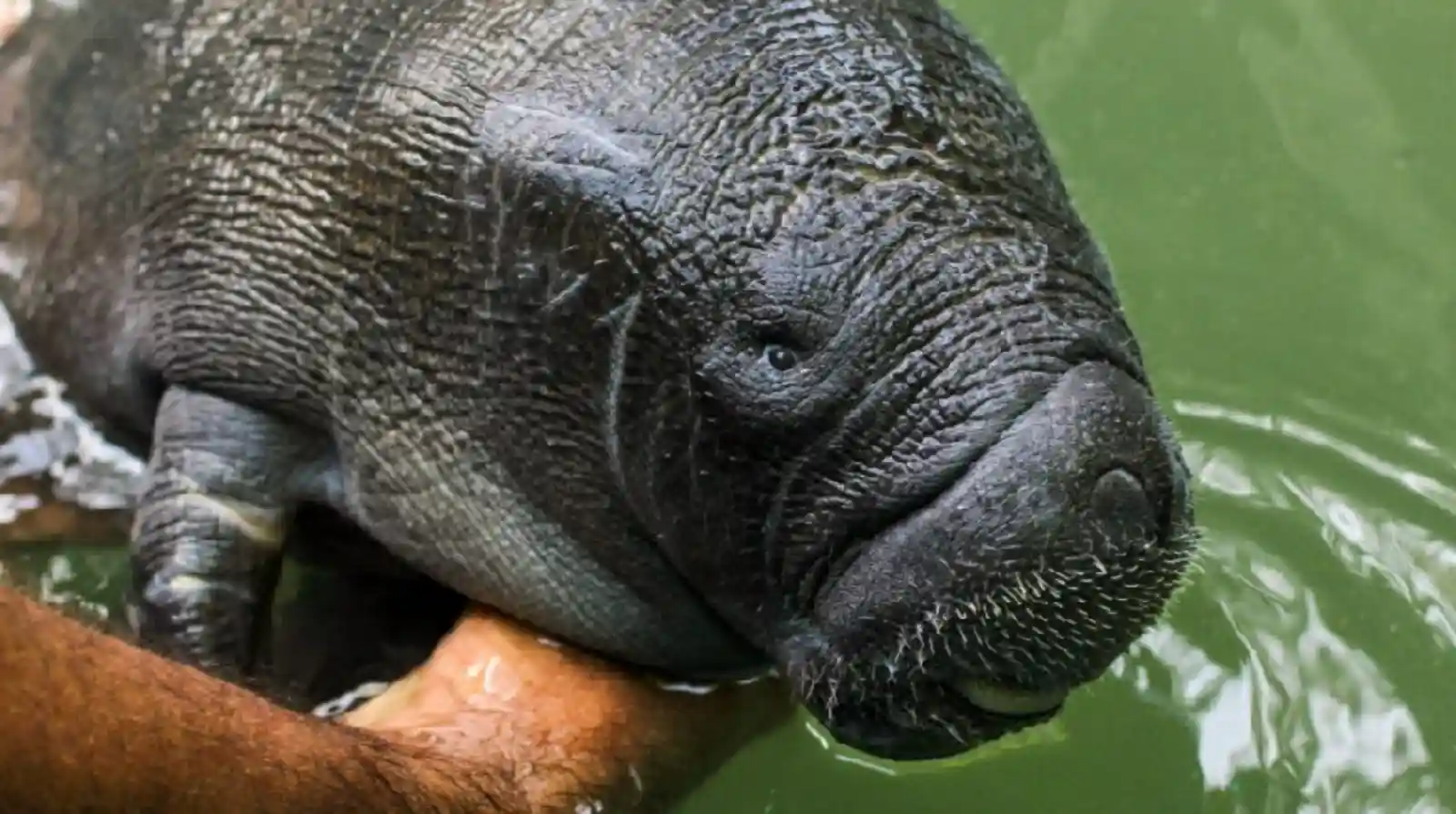
With river water climbing past 39 °C during the extreme droughts, dolphins, manatees, tapirs and jaguars are pressing against their physiological ceiling. Amazon megafauna has become the most visible thermometer of the climate crisis.
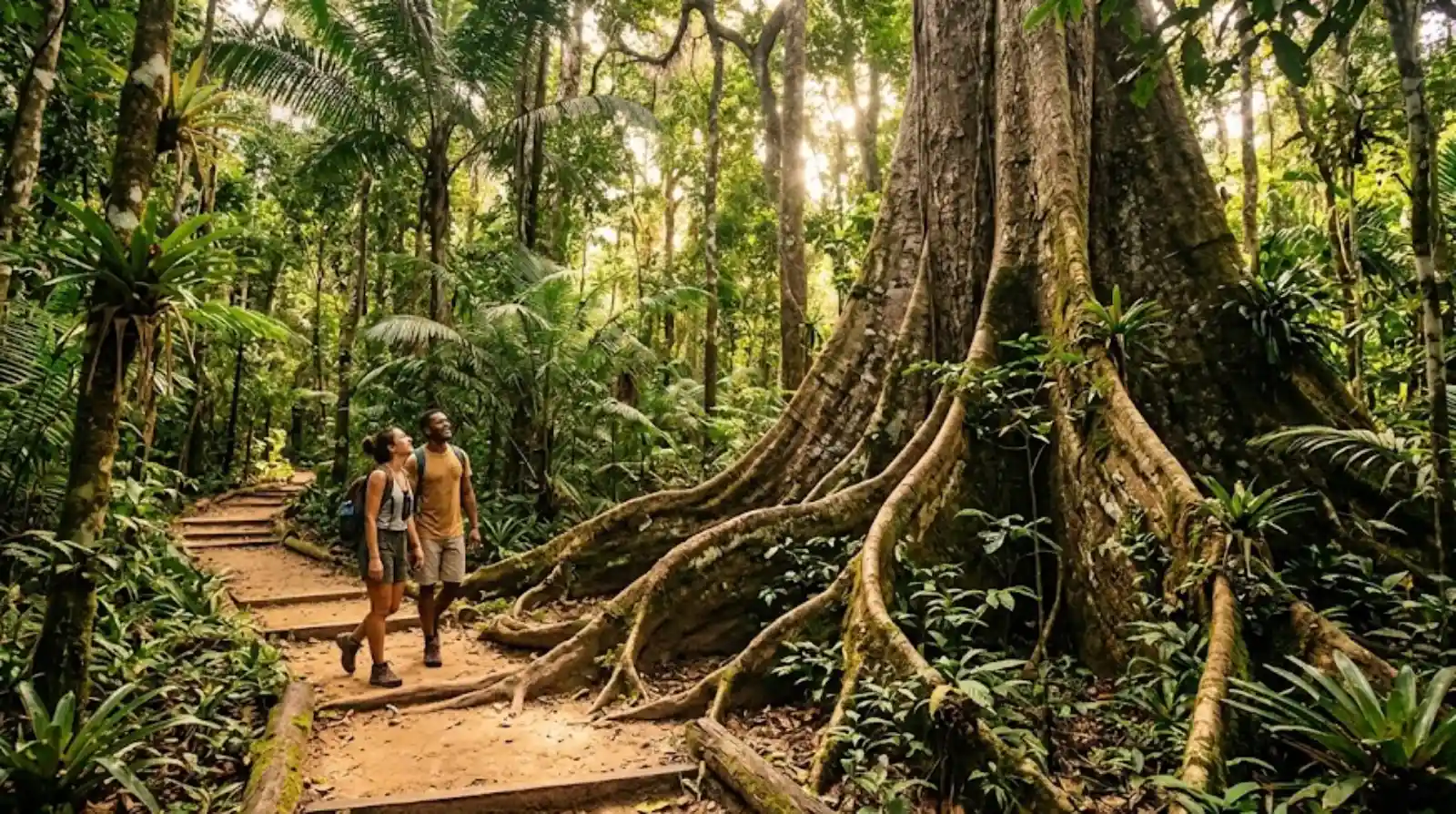
In western Pará, the Tapajós National Forest protects 527,000 hectares and trees older than 500 years. There, community based ecotourism funds conservation and supports 28 communities.
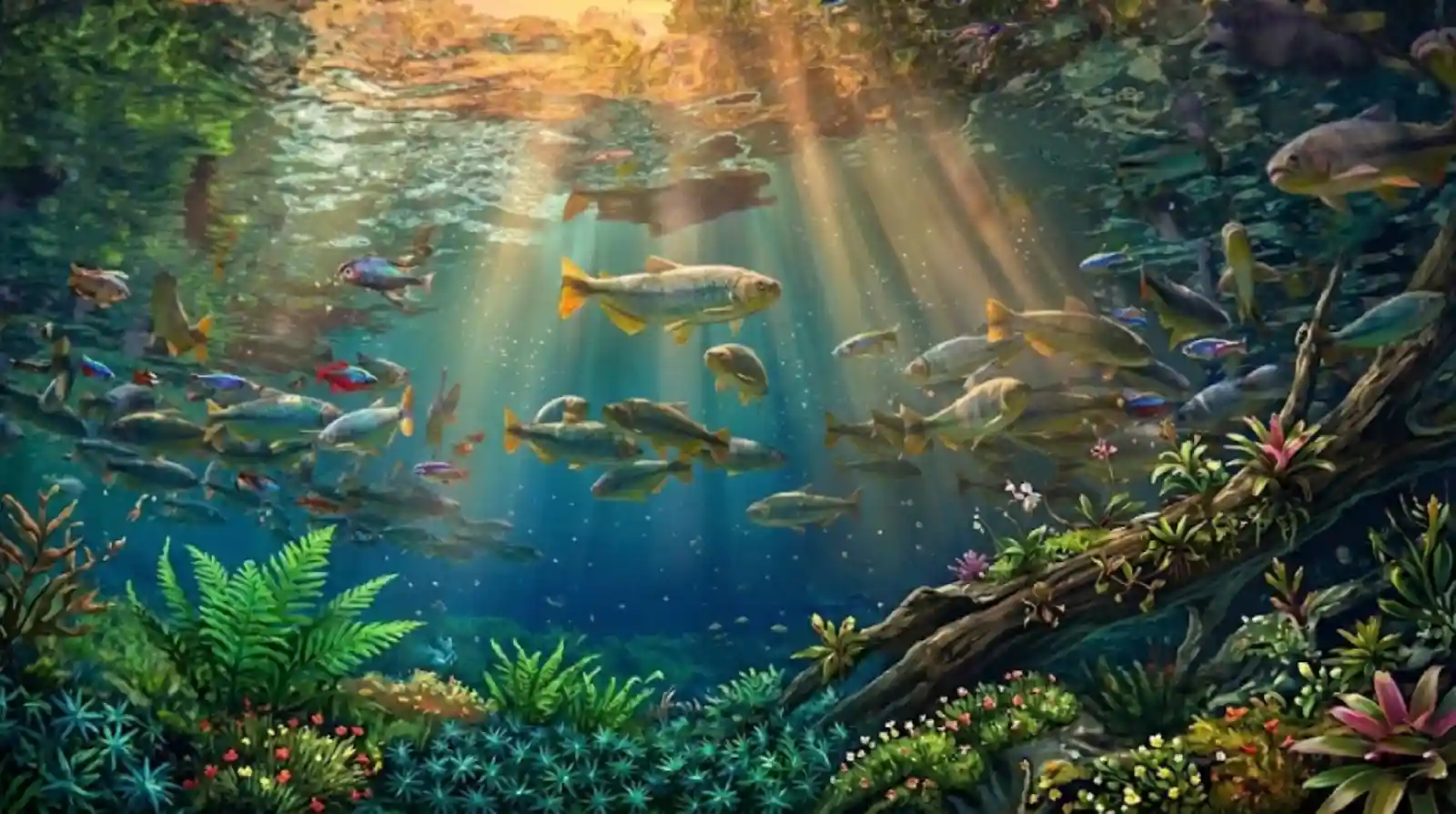
Along the Tapajos basin and the headwaters of Mato Grosso and Rondonia, underwater visibility can pass ten metres. These clearwater rivers behave like open windows, and the filter that keeps them clear sits on the bank, not in the channel.
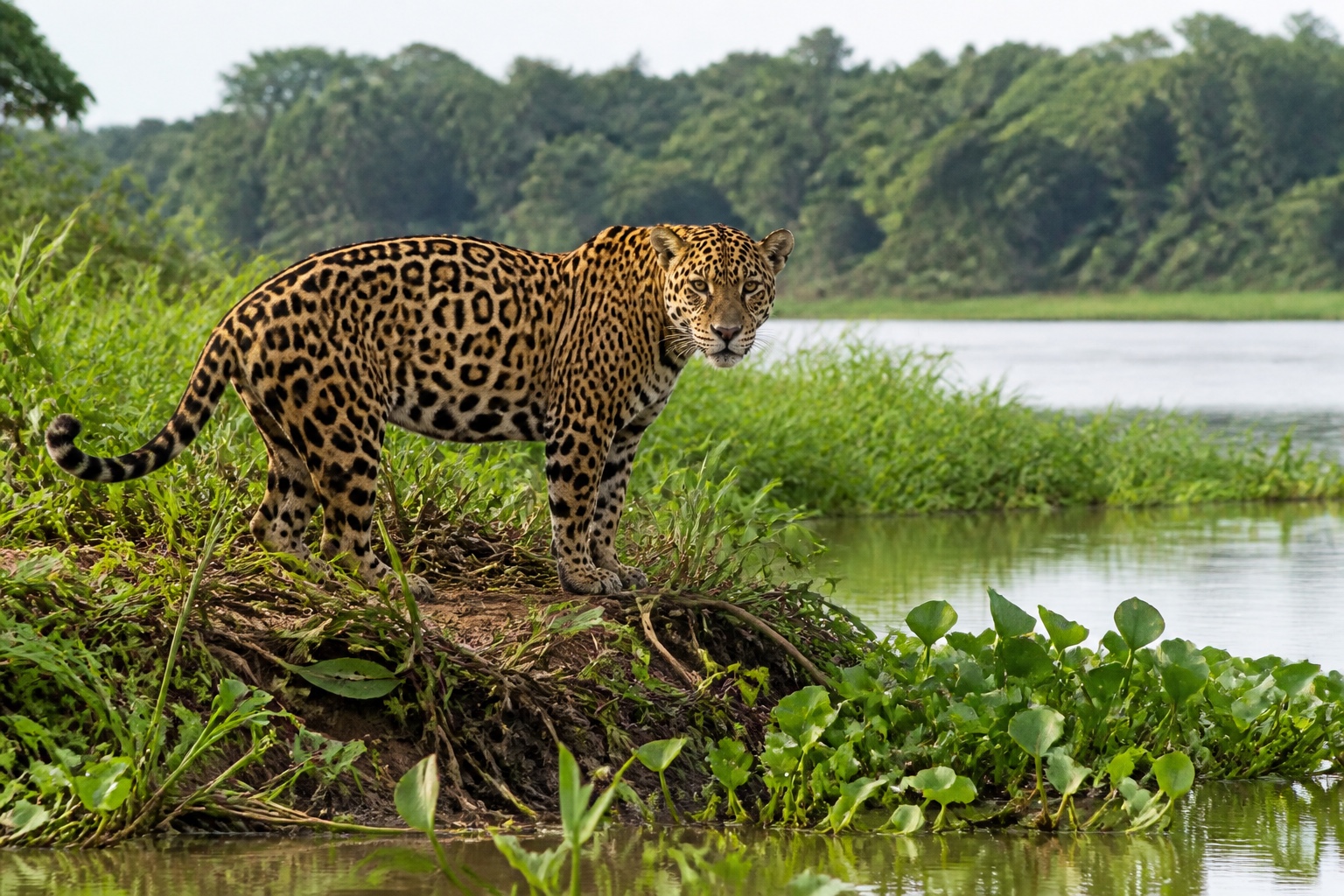
When the top predator stops patrolling a stretch of forest, the change does not begin with the species list. It begins with the invisible map of fear, and the trophic cascade ends at the riverbank, among seedlings, birds and people nobody links to the cat.
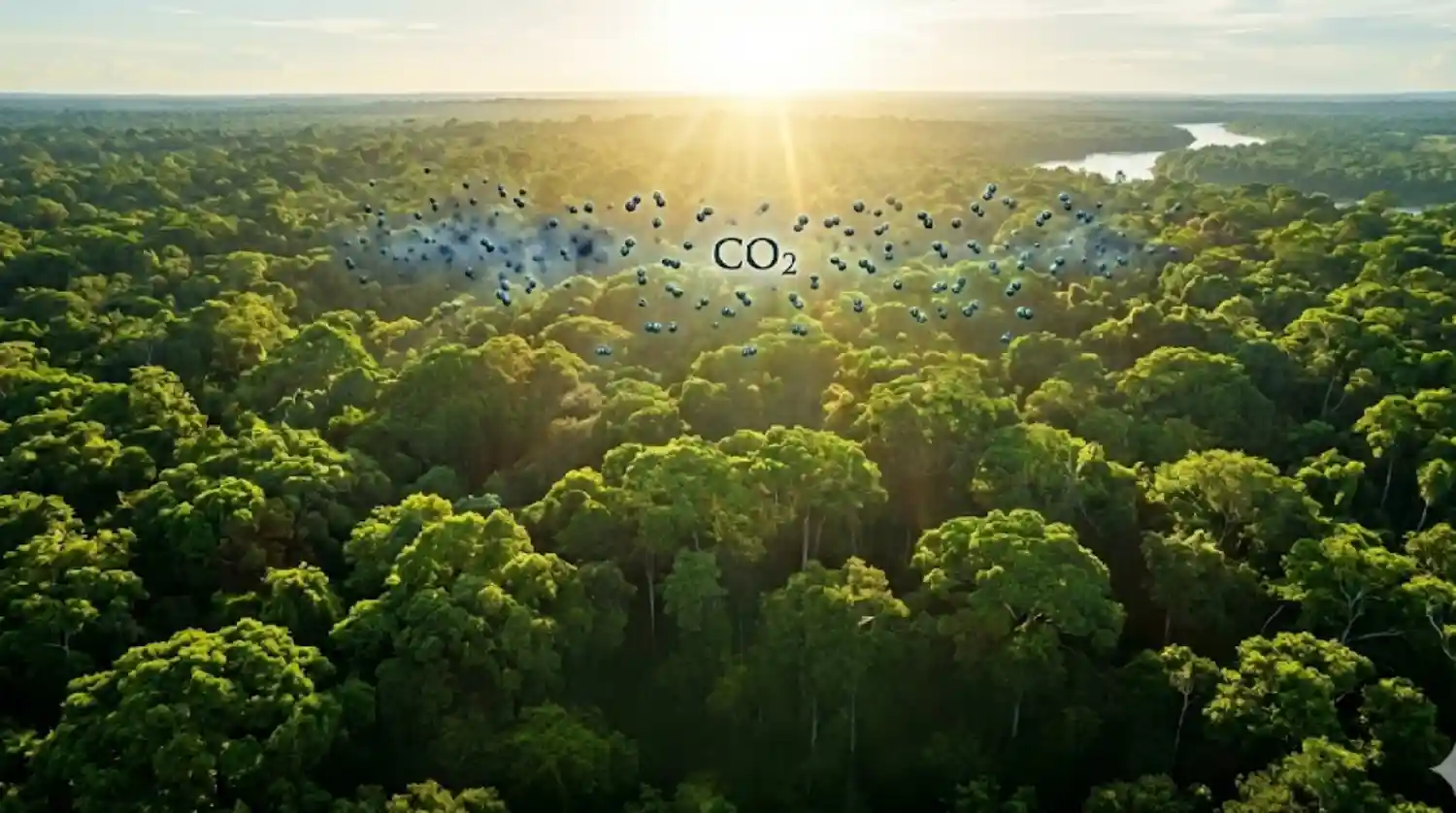
Standing rainforest captures each year what a fleet of more than one billion cars would emit, and holds between 150 and 200 billion tonnes of carbon.
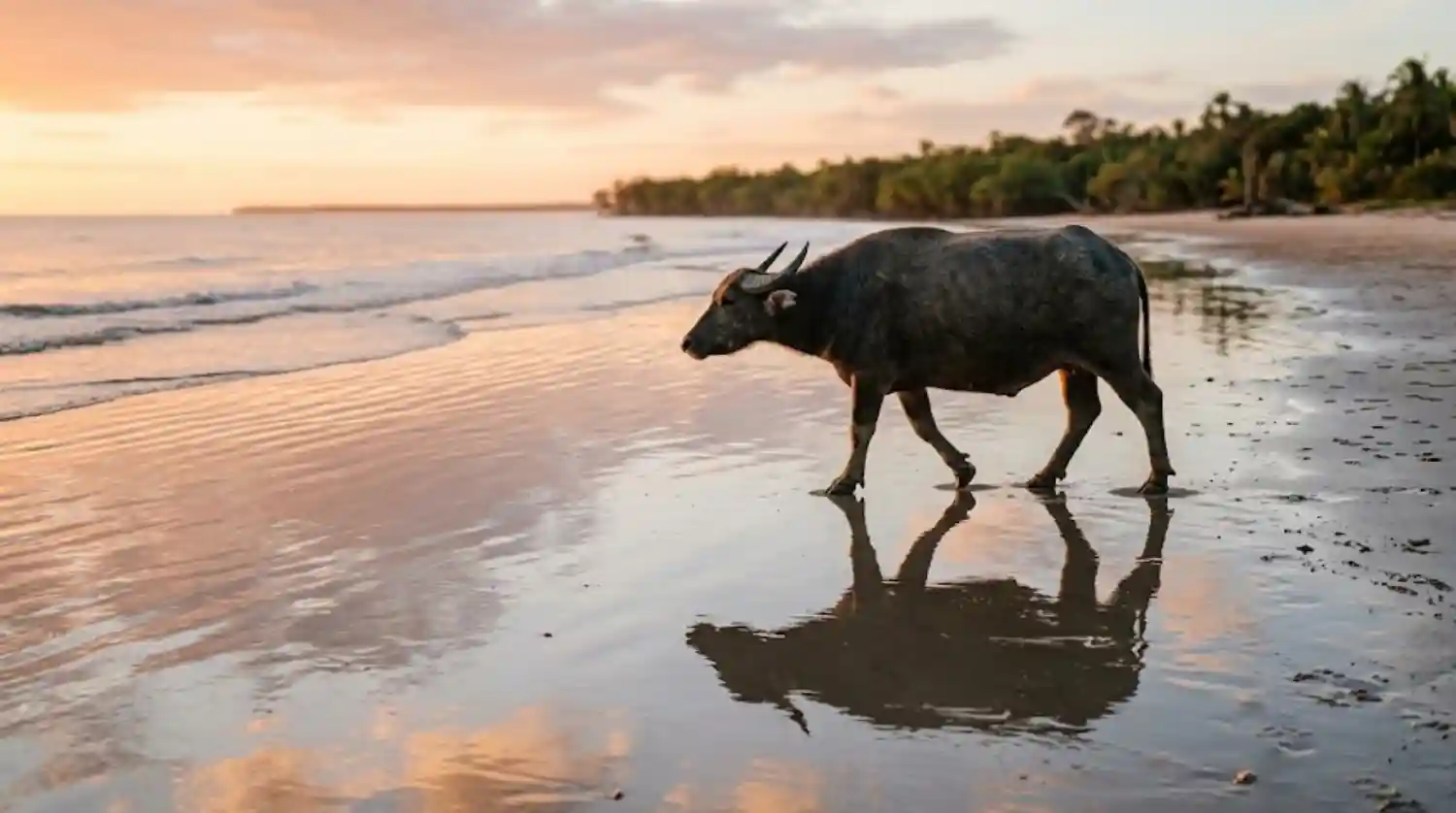
At the mouth of the Amazon, the world’s largest fluvio-marine island pairs Brazil’s biggest buffalo herd with fresh water ocean beaches, mangroves and a ceramic tradition more than a thousand years old.