
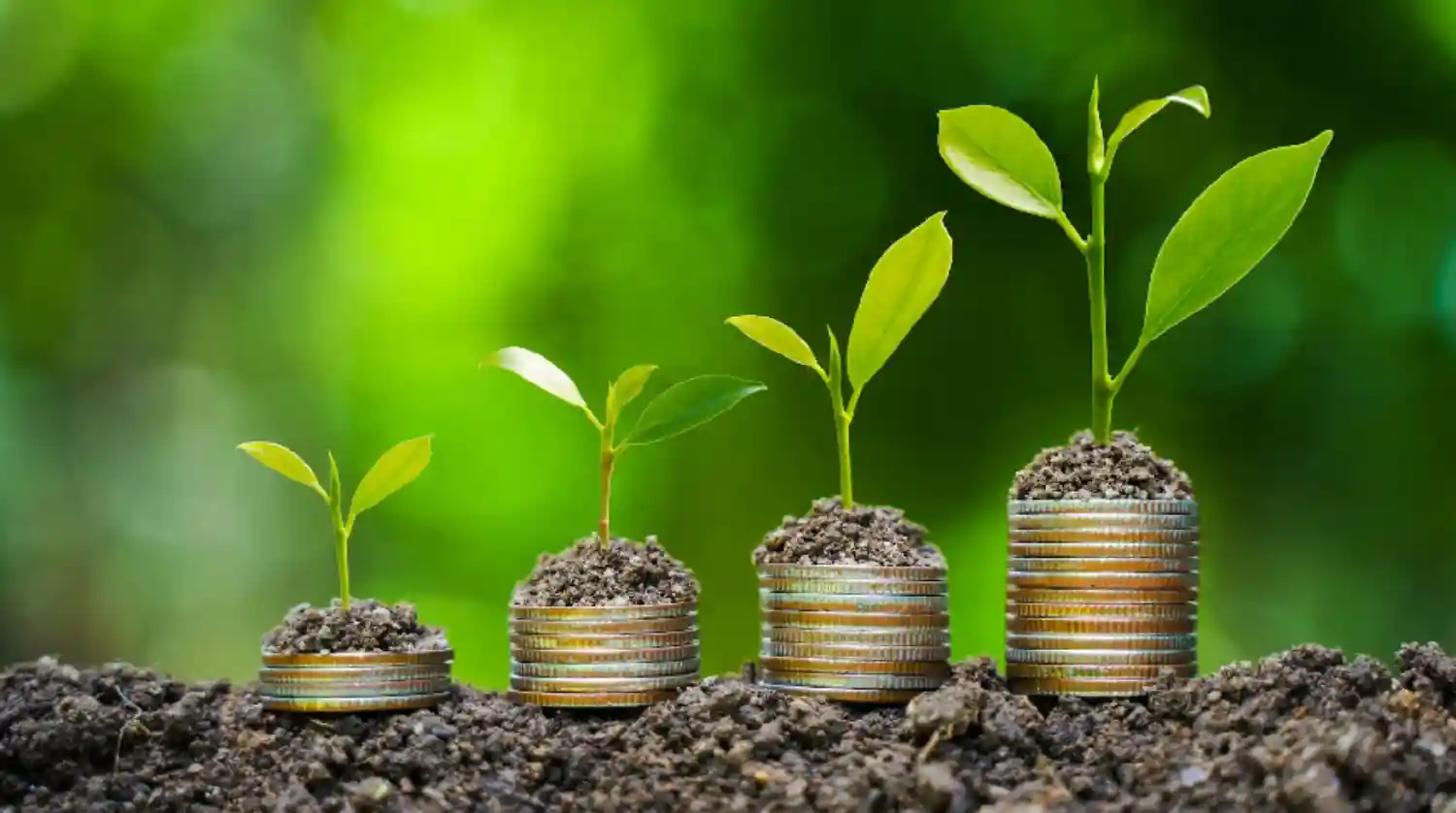
Bioeconomy is emerging as the most promising frontier for development in northern Brazil, and its premise breaks the old trade off between growing and conserving. In this model, economic growth and keeping the forest standing are not merely compatible: they depend on each other. The starting point is a verifiable biological fact. The Amazon holds the greatest diversity of microorganisms and higher plants on the planet, and many of those organisms produce unique chemical compounds with the potential to reshape the pharmaceutical and cosmetics industries without a single tree being cut down. That natural capital is the foundation of the workshops now being led by Embrapa, the Brazilian Agricultural Research Corporation, a state owned research body created to develop science and technology for Brazilian farming, forestry and food production, with research centres across the country and a dedicated unit for the eastern Amazon.
Science working for traditional communities
The workshops focus on strengthening the value chains of sociobiodiversity products: açaí (Euterpe oleracea), the Brazil nut (Bertholletia excelsa), native cocoa (Theobroma cacao) and the plant oils harvested along the rivers and in community managed forests. According to Embrapa research, applying management and local processing technologies can triple the income of extractivist communities while still guaranteeing the natural regeneration of the harvested species. More money staying in the community, and more trees left alive, at the same time.
These gatherings work as spaces of social technology, where scientific rigour meets the ancestral knowledge of the people who actually live inside the forest. Studies cited in the discussions indicate that the Amazon bioeconomy has the potential to become one of the main engines of the region’s economic output, provided it rests on applied science and on respect for the ecological limits of the biome. By training producers and extractivists, Embrapa helps build an innovation network that uses the intelligence accumulated by nature to generate sustainable wealth instead of exhausting it.
Value chains and where the profit stays
One of the hardest problems in the bioeconomy is making sure the added value of a product stays in the region that produced it. Today, many Amazonian raw materials leave the territory in natura, and the chance to process them near the harvest leaves with them. The workshops address exactly that question: how to install processing units that can actually operate inside the complex logistics of a region where transport often depends on rivers rather than roads.
Cocoa illustrates the argument well. Controlled fermentation and drying techniques can turn ordinary beans into fine flavour cocoa, a product that commands far higher prices on the international market. The leap in value requires no extra planting and no extra clearing: it requires technical knowledge applied at the right point in the chain. According to economic feasibility studies presented in the debate, investing in small community processing plants is the key to transforming the social and economic reality of municipalities that today record low human development indicators despite being surrounded by environmental wealth.
Biotechnology and new markets
The Amazon bioeconomy reaches well beyond food. Biotechnology is one of the areas drawing the most interest in the discussions led by Embrapa. Microorganisms found in Amazonian soil and living in symbiosis with plants can be used to develop biological fertilisers and new classes of industrial enzymes. These are products the final consumer never sees, yet they are capable of supporting entire industries and of replacing inputs that today depend on fossil chemistry.
Researchers warn that prospecting for biological assets is a race against time, given the speed of deforestation. Every hectare lost may carry away molecules that science has not yet described, and that no laboratory can recover afterwards. The workshops therefore also serve as a mapping exercise: identifying opportunities and connecting producers with innovation companies looking for renewable raw materials. The goal is to create an ecosystem in which the forest is treated as a high technology asset, able to supply answers to the climate crisis and to the global energy transition.
Governance, credit and conservation
Consolidating a bioeconomy agenda demands robust governance. The workshops bring together very different actors, from Indigenous leaders to government and private sector representatives. The central debate revolves around three practical points: legal security for those who produce, access to credit for smallholders, and logistics infrastructure that does not repeat the destructive pattern of the past.
One finding shifts the tone of the environmental conversation entirely. Studies indicate that areas where the bioeconomy is strong show lower rates of illegal deforestation, because the community itself becomes the main protector of the resource that generates its income. Conservation stops being an external imposition and becomes a logical, economic choice for the people who live in the Amazon. Seen that way, the agenda led by Embrapa is also a national and environmental security strategy, since it strengthens the presence of the state and of science in critical parts of the biome.
Management is applied mathematics
Sustainable management, the foundation of the whole bioeconomy, is applied ecology in its most direct form. Unlike predatory extraction, management uses mathematical models to determine how much of a resource can be removed without compromising the population of the species. Academic studies by Embrapa show, for instance, that managing native açaí groves requires maintaining a minimum diversity of other trees around them, because without that neighbourhood there is neither adequate pollination nor proper nutrient cycling. The equation does not balance with monoculture: it balances with diversity.
That detail matters far beyond the technical literature, because it decides who profits. A community that understands the model can harvest year after year from the same area. A buyer who ignores it will exhaust the grove and then move on to the next stretch of river, leaving behind an impoverished landscape and a community with nothing left to sell. Training, in this context, is not an accessory to the bioeconomy. It is the mechanism that keeps both the resource and the income alive.
The integration of science, technology and traditional knowledge promoted by these workshops signals a paradigm shift, from an economy of destruction to an economy of creative preservation. The success of the model depends on continued support for research and on the opening of consumer markets that genuinely value the origin and the social and environmental impact of what they buy. Protecting the bioeconomy means protecting the intellectual and biological capital accumulated over millennia along the banks of the Amazon rivers, and turning it into real solutions for the twenty first century. The Amazon of the future is being drawn right now, between microscopes and collective harvest days, proving that knowledge is the most valuable seed the forest can offer.
Reporting: Anne Silva / Amazonia Mag. Source: Embrapa Amazônia Oriental; Brazil’s Ministry of the Environment and Climate Change; Revista Amazônia.

Editor · Amazonia Mag
Anne Silva is the editor of Amazonia Mag, the English-language edition of Revista Amazônia. She curates, translates and adapts the outlet's science and environment coverage for an international audience, reporting on Amazon wildlife, flora, rivers, climate and research. Every story she edits is grounded in peer-reviewed studies, official data and on-the-ground reporting from the Revista Amazônia newsroom in Belém, Pará, Brazil. More by Anne Silva →