How giant anteaters help keep the Cerrado in balance
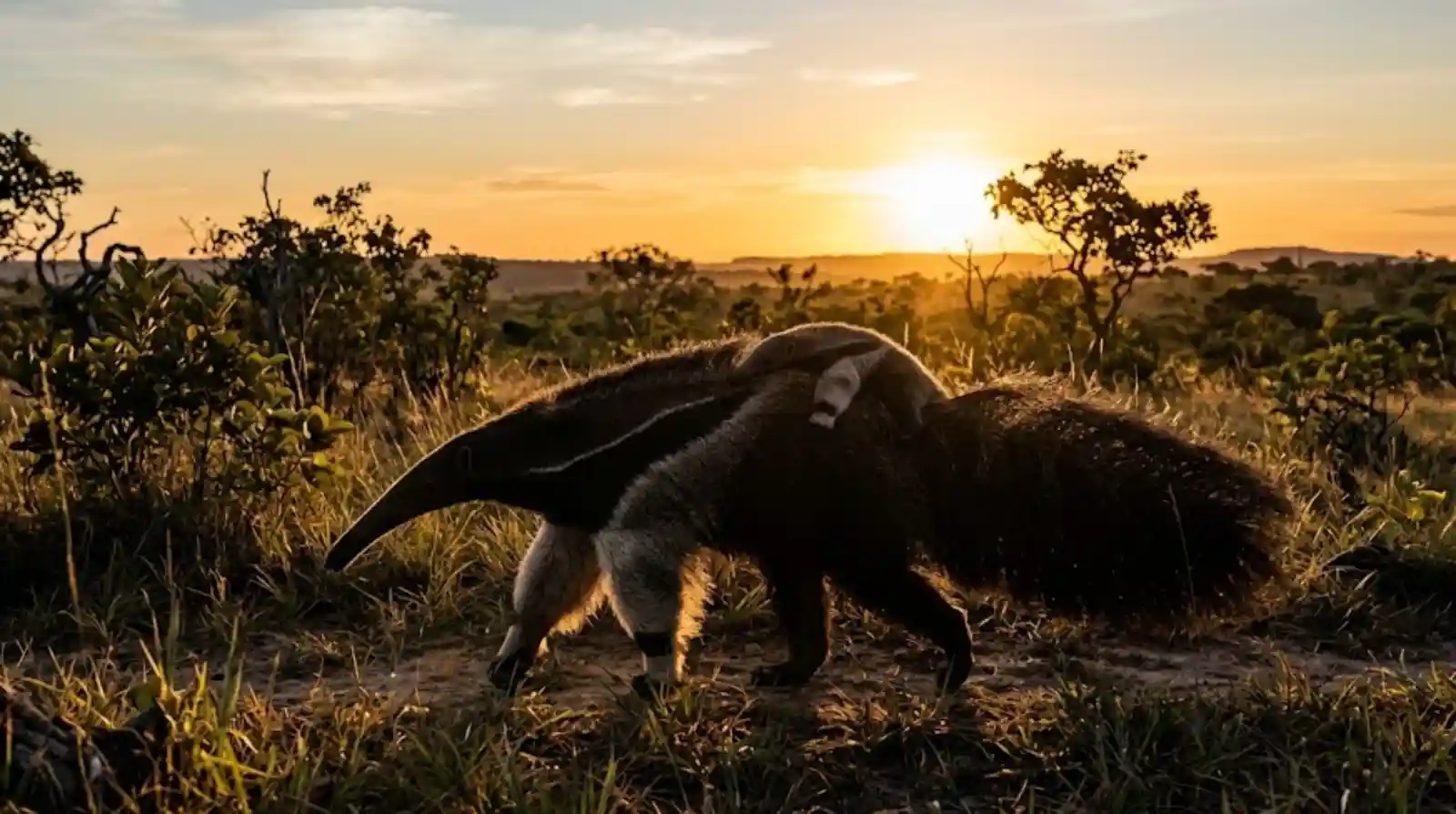
Giant anteaters visit hundreds of termite mounds and ant nests without destroying their colonies. Their feeding habits help regulate social insects and support biodiversity in the Cerrado.
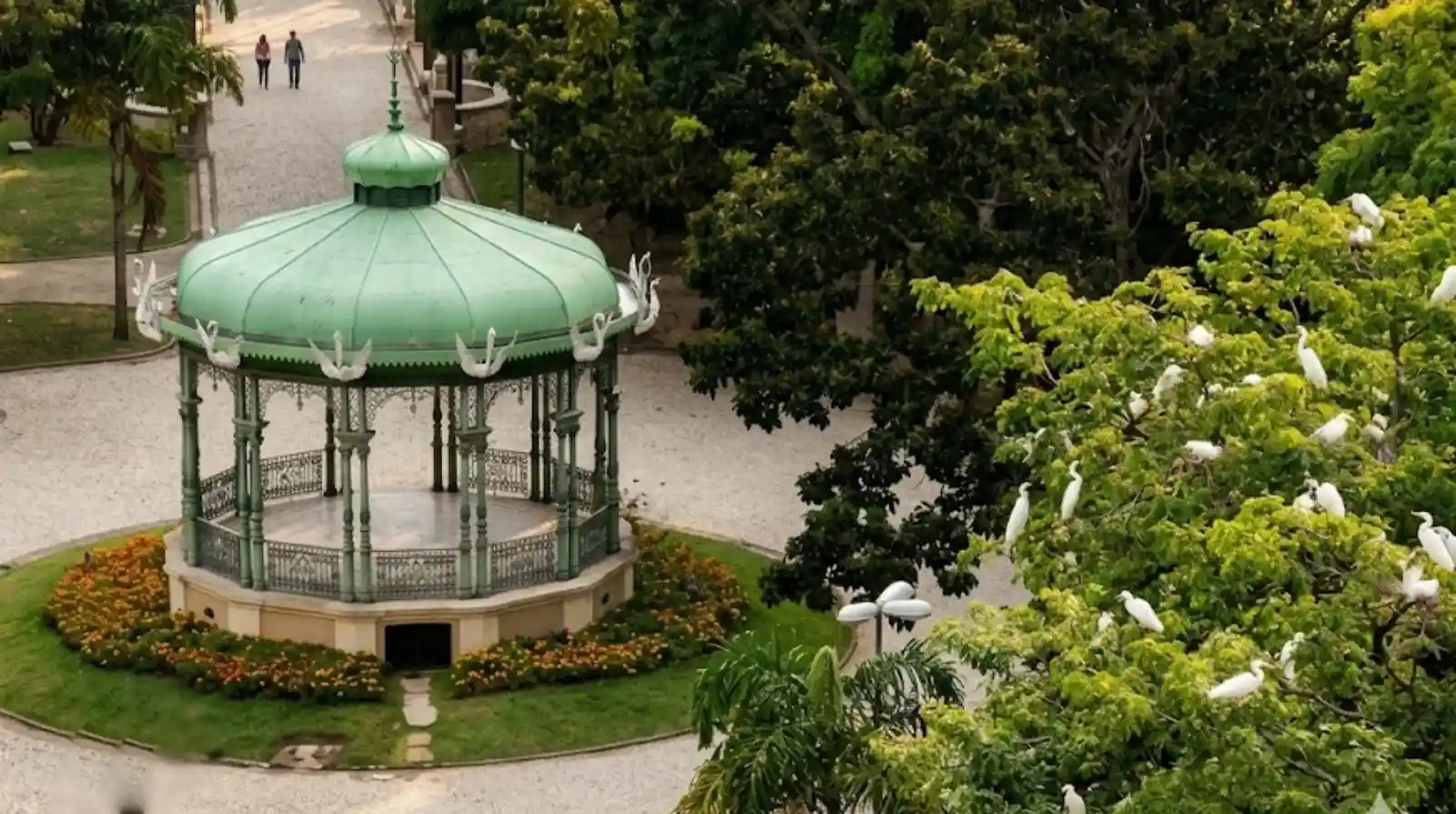

A large heron colony at Batista Campos Square in Belém is linked to the buildup of droppings and the airborne spread of Cryptococcus. A researcher recommends cleaning, bird management and masks.
On Pará’s northeastern coast, Salinópolis brings together ocean beaches, dramatic tidal changes and mangroves that sustain marine life. About 4 hours from Belém by car, the destination reveals the energy of the Amazonian coast.
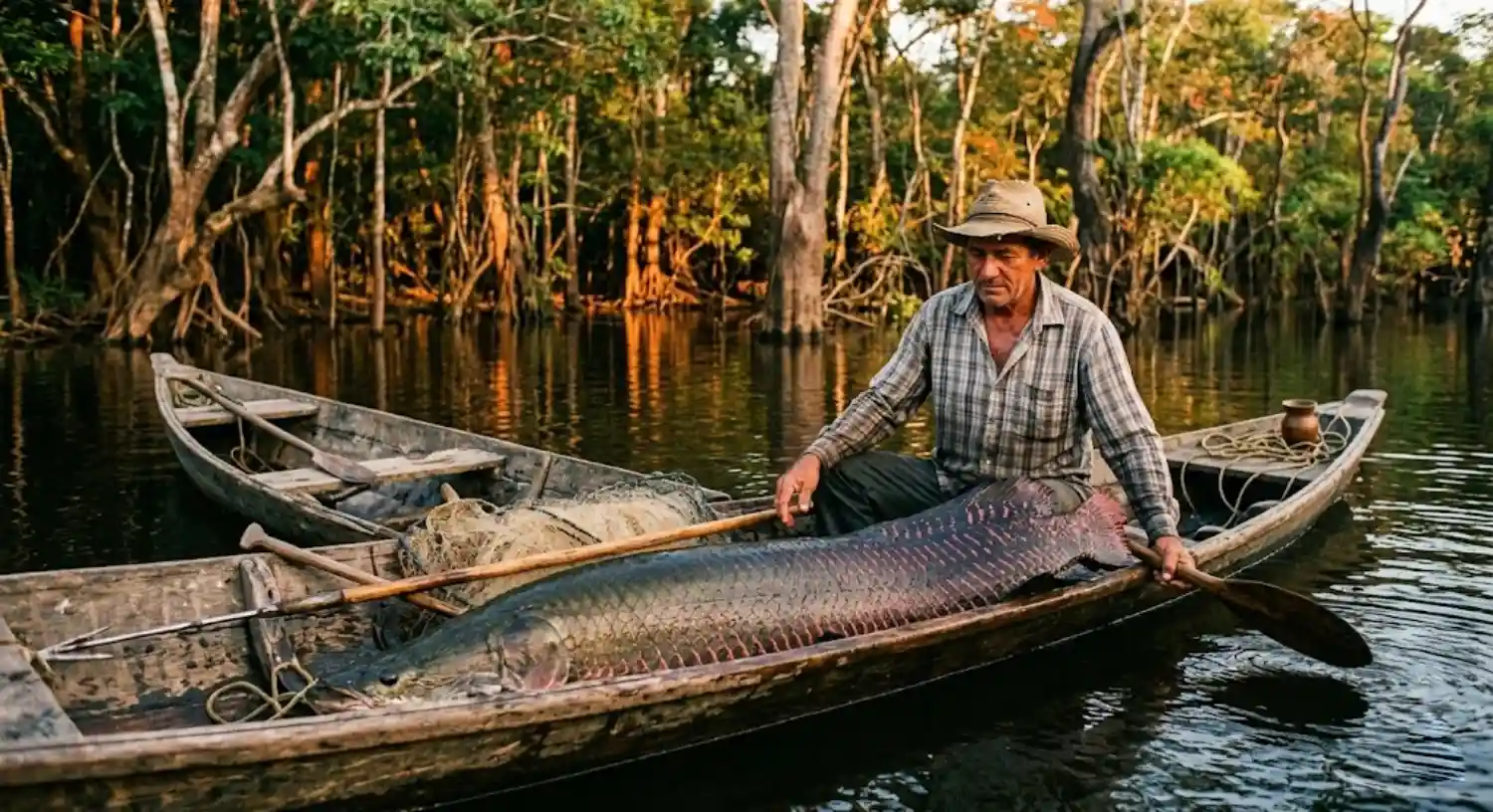
Community management has turned the arapaima’s vulnerability into an opportunity for conservation and sustainable development in Amazon lakes. Annual counts and strict fishing quotas protect the species while strengthening local economies.
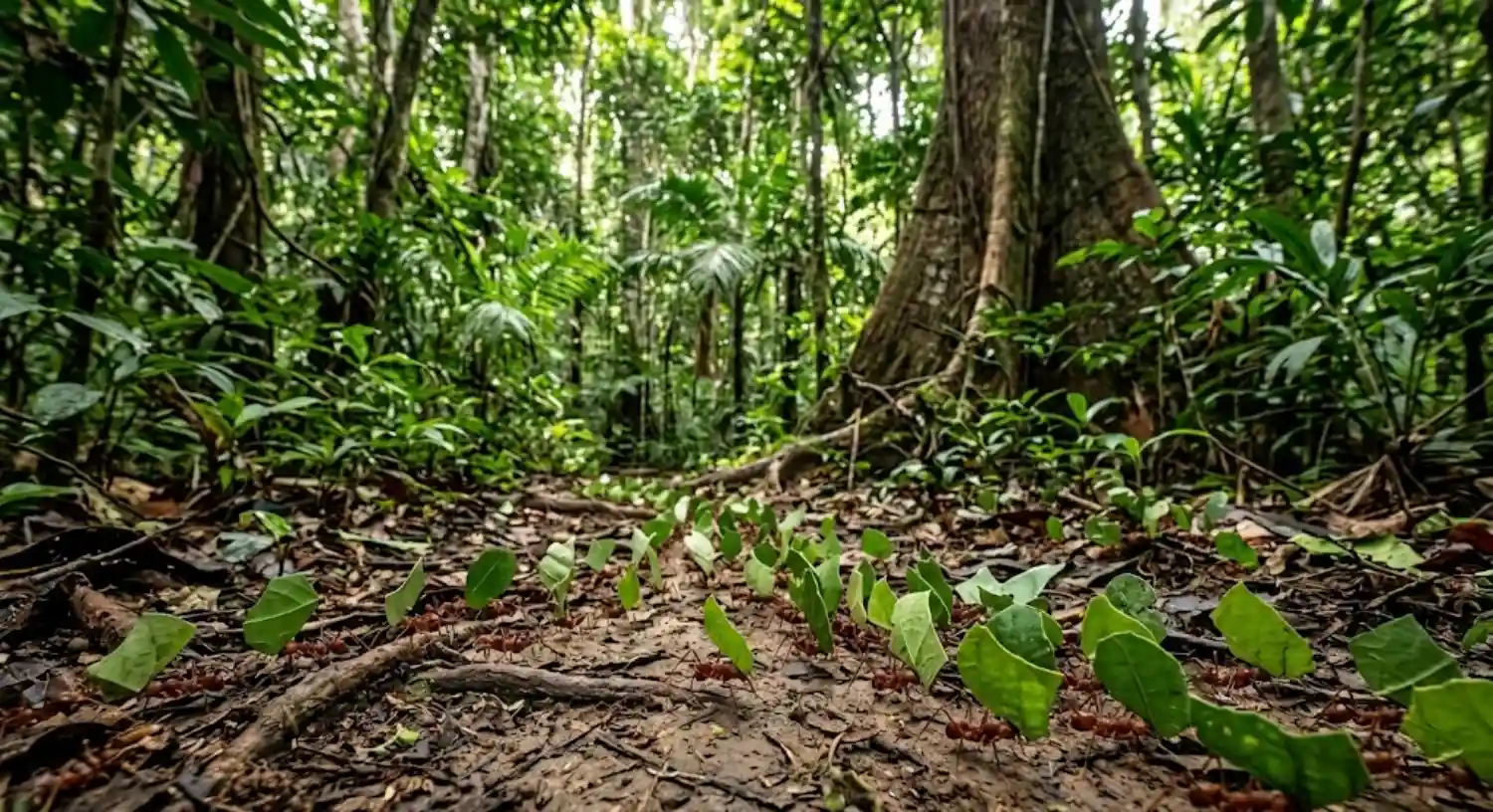
Saúva ants carry leaves along roads hundreds of meters long, direct traffic with pheromones, and grow a fungus that sustains the colony.
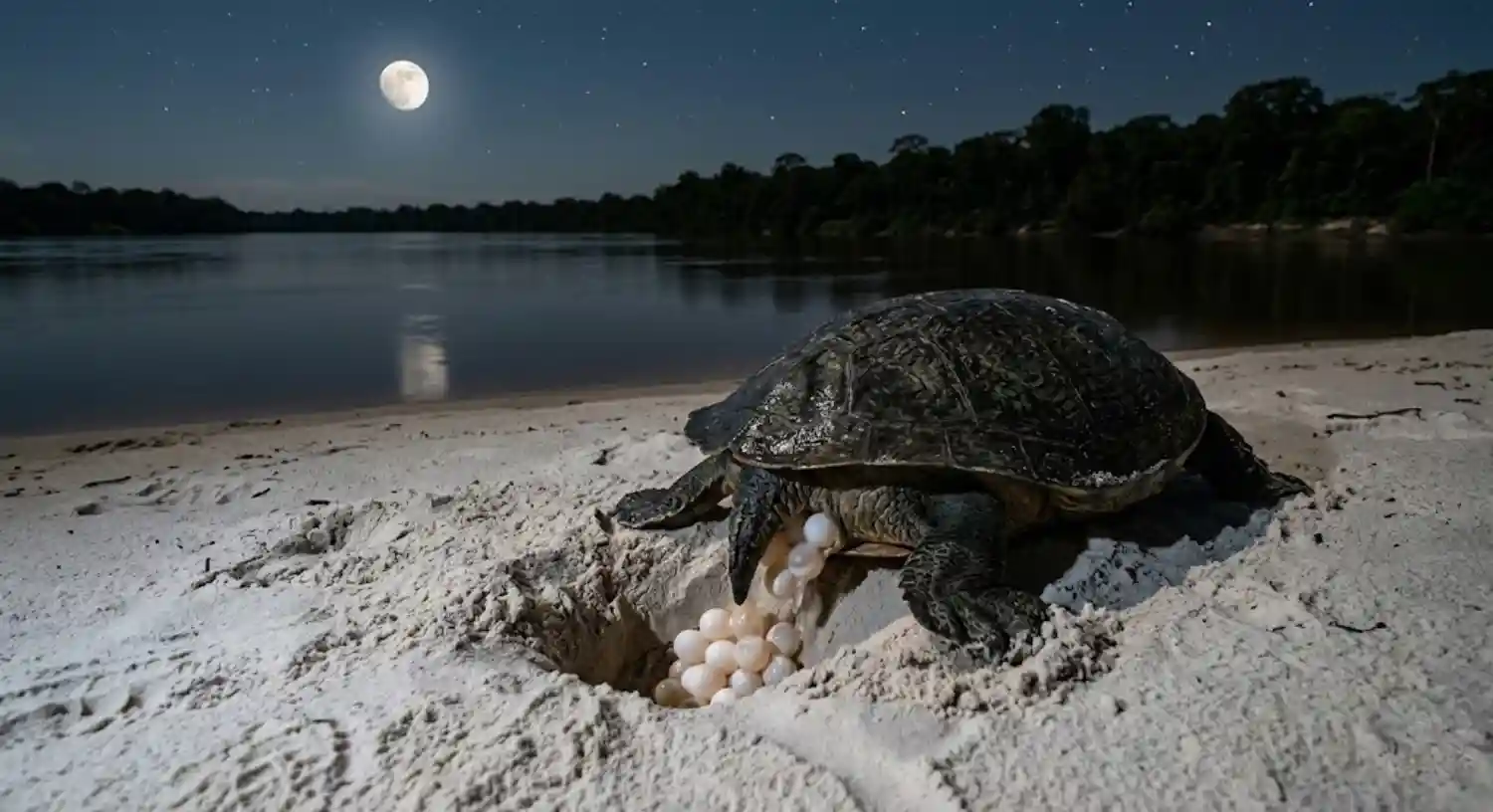
The giant Amazon river turtle can travel thousands of miles and return to the beach where it hatched by reading Earth’s magnetic field. That remarkable loyalty also makes the species vulnerable when nesting beaches and river ecosystems are altered.
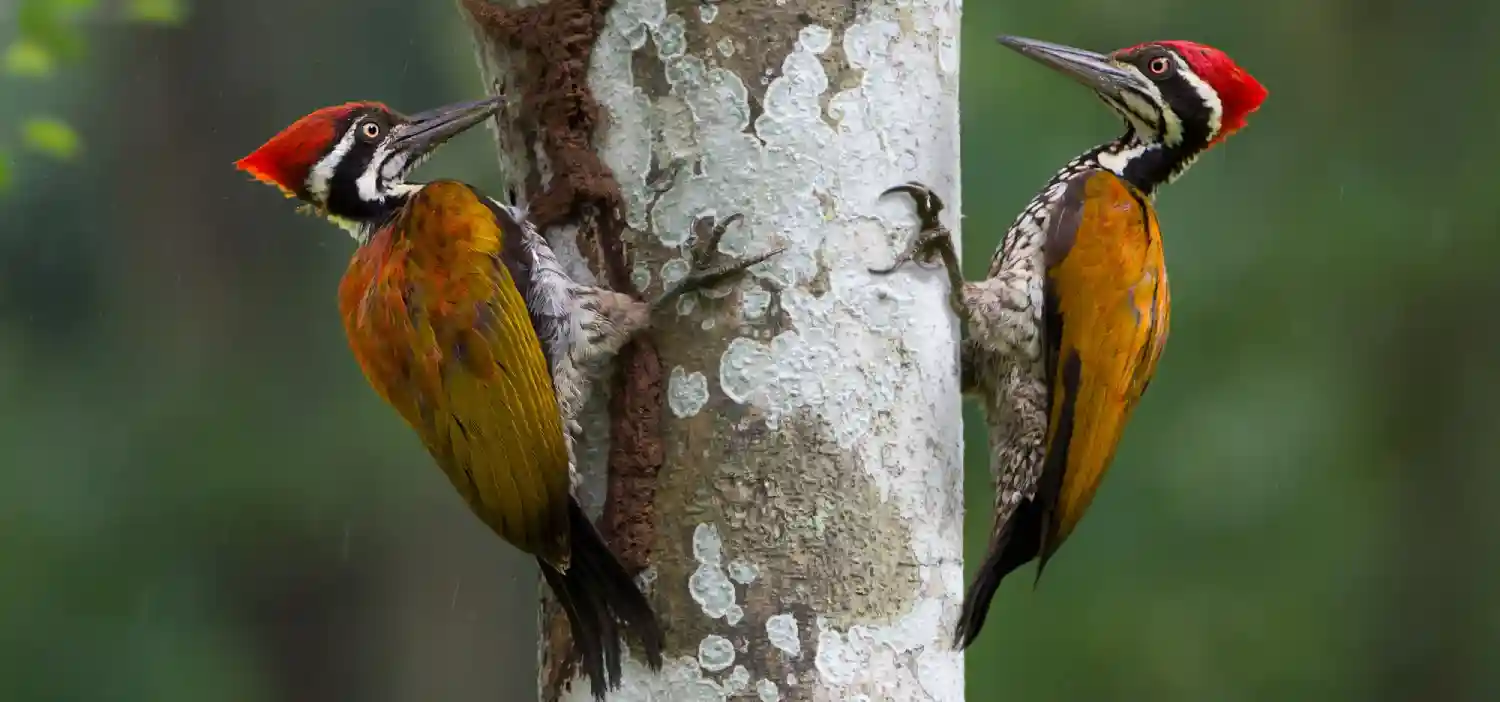
Woodpeckers can strike hard tree trunks up to 20 times per second without suffering brain injuries. Their skull, bill, tongue and neck muscles work together as a natural impact-absorption system.
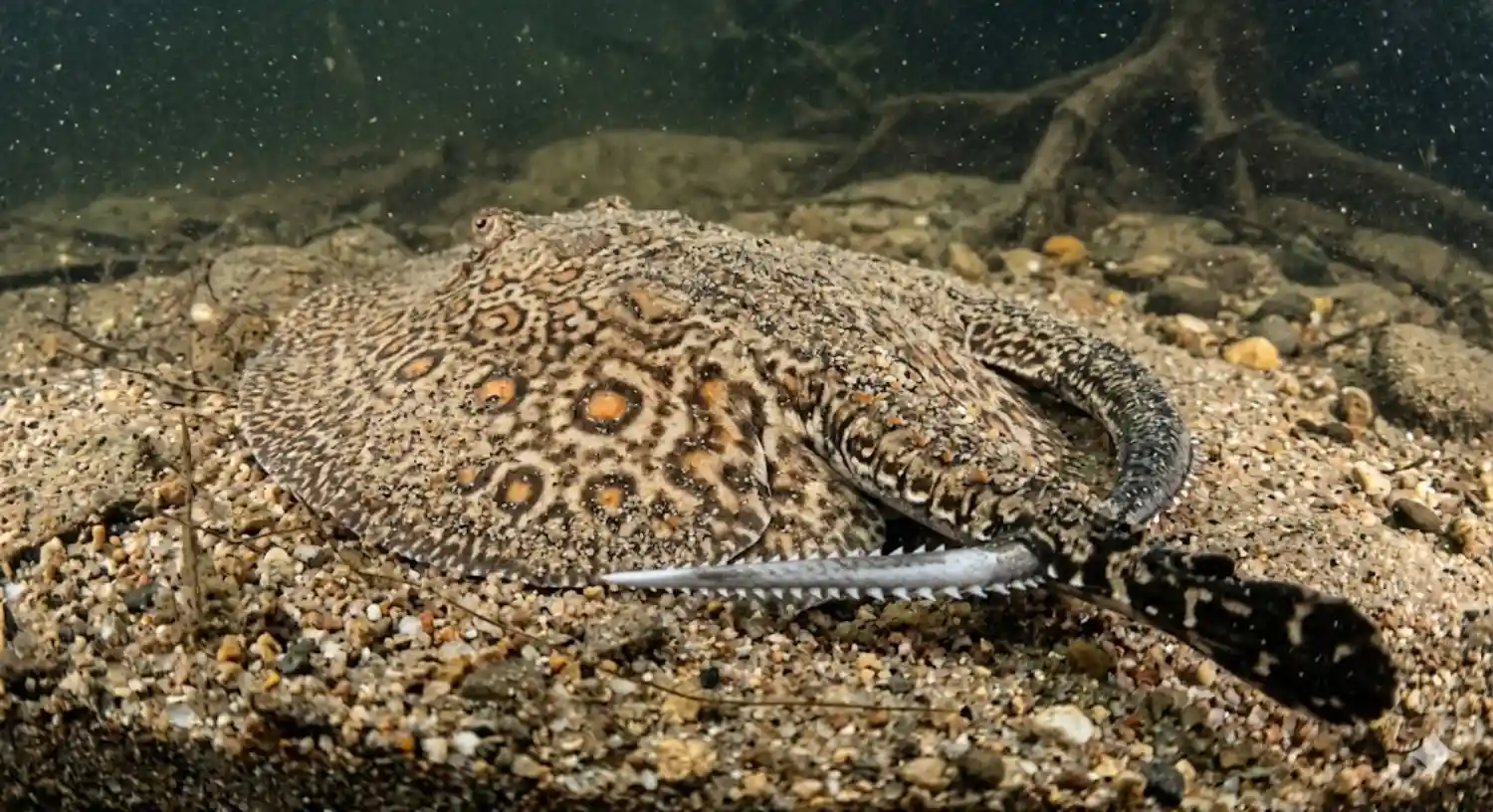
Freshwater stingrays in the genus Potamotrygon bury themselves in Amazonian river sand and use a venomous barb as a defense. Understanding their behavior helps reduce accidents while encouraging respect for their habitat.
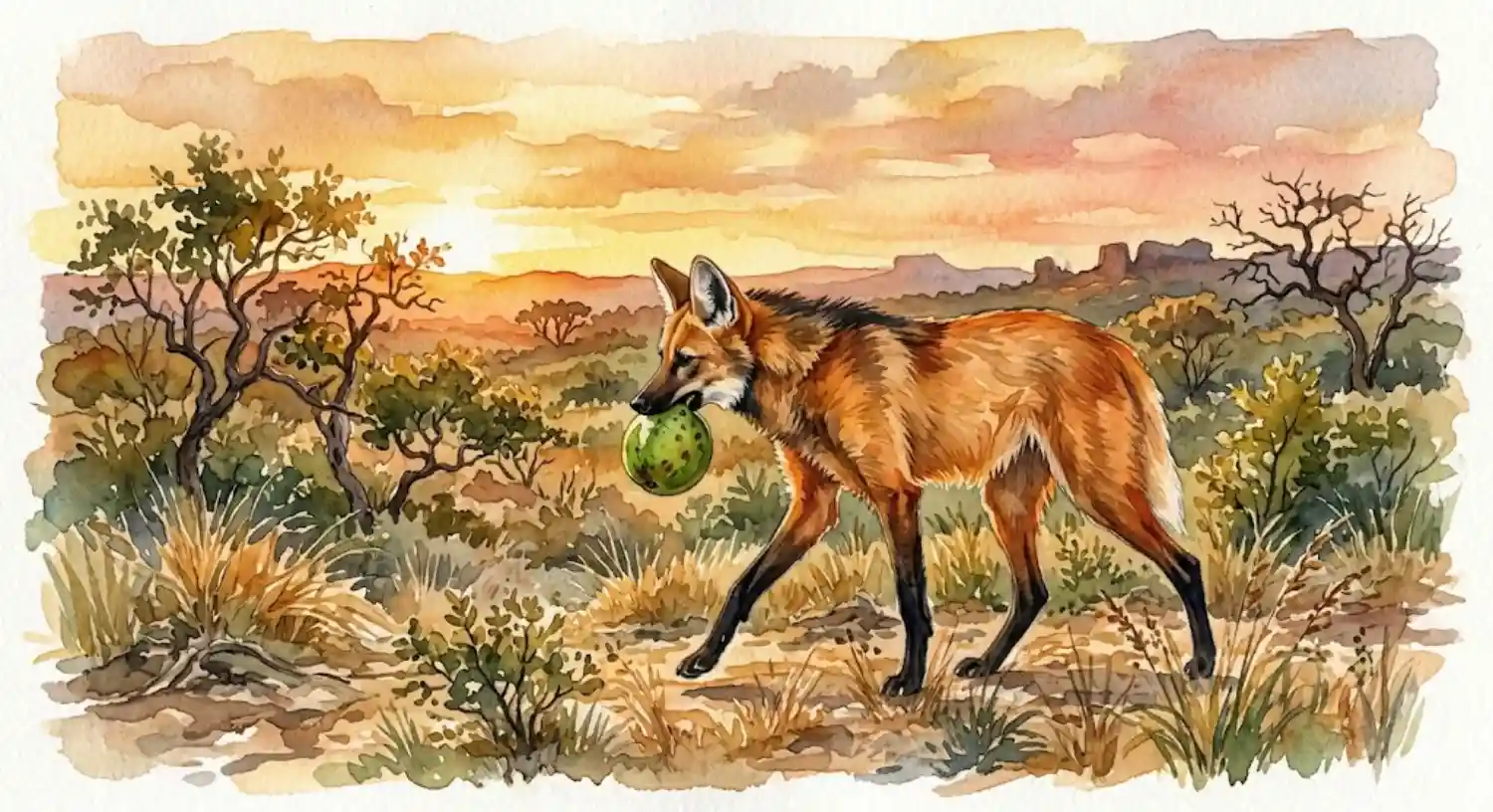
The maned wolf spreads lobeira seeds across Brazil’s Cerrado and helps restore areas affected by fire. Their partnership shows how the loss of one species can disrupt an entire ecosystem.
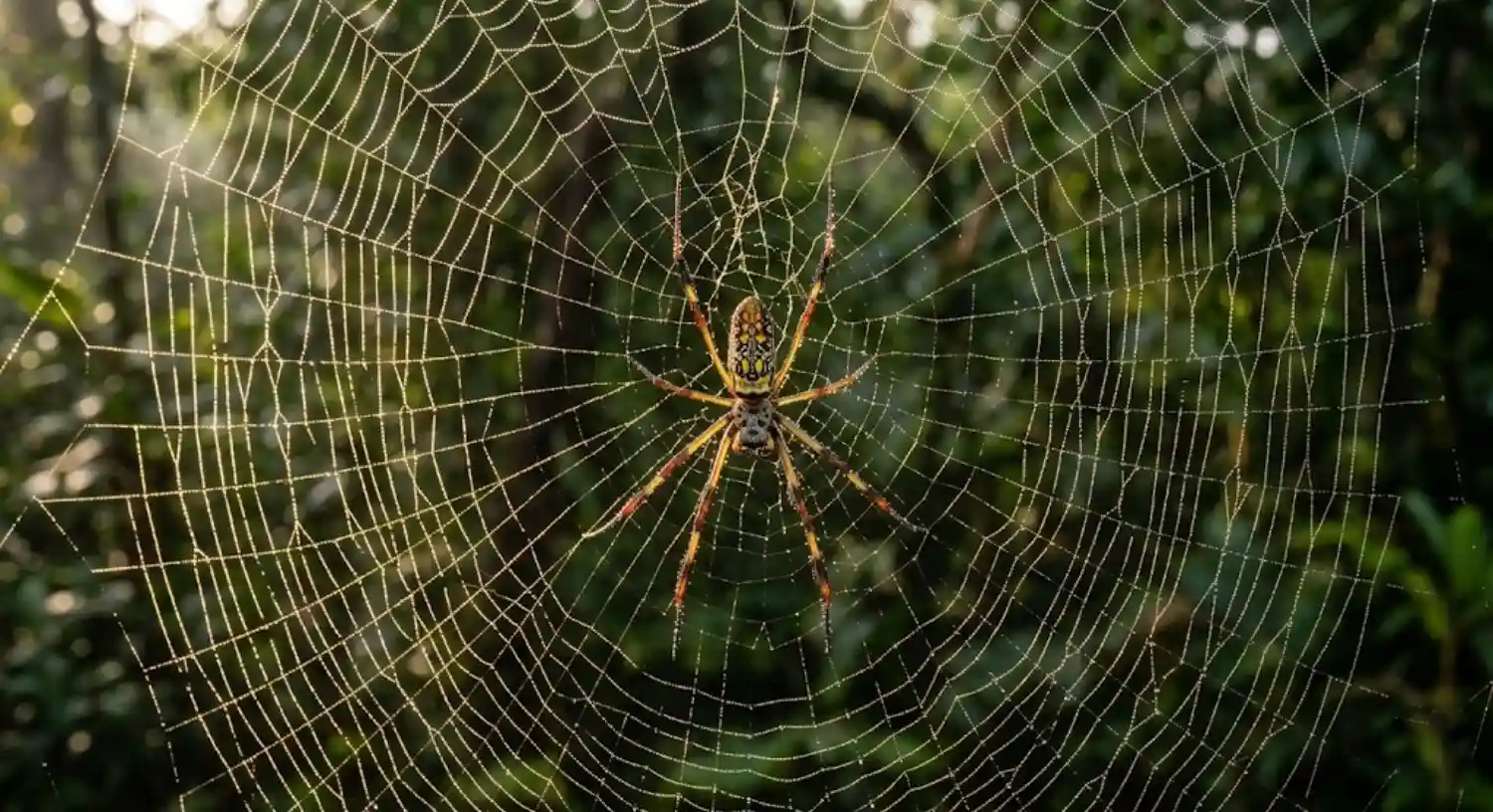
The Amazonian spider Nephila produces several kinds of silk and builds a web that combines remarkable strength, elasticity and impact absorption.