
The electric eel that talks in the black waters of the Rio Negro
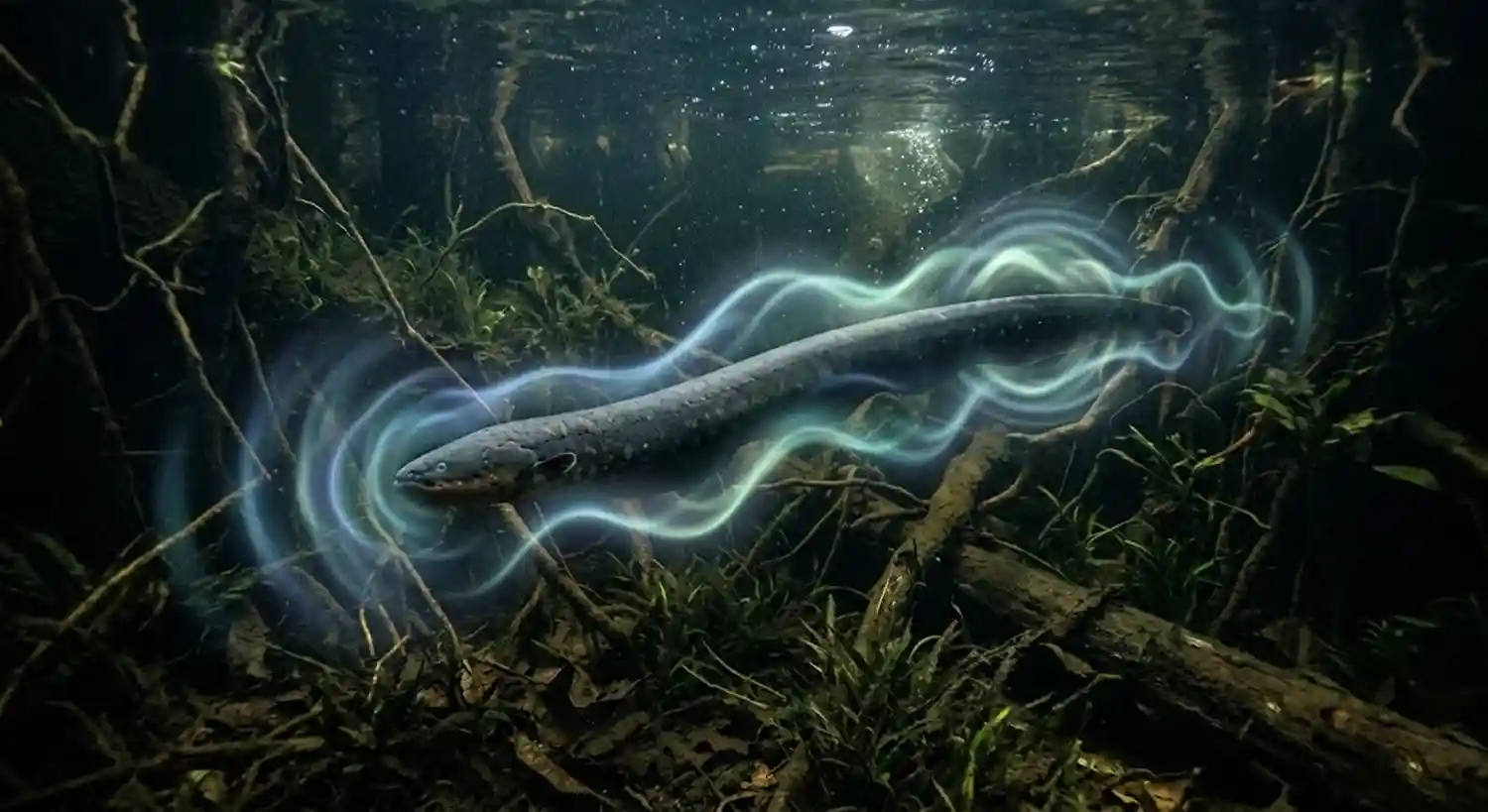
The Amazon’s electric eel does more than deliver eight hundred and sixty volts: it uses weak pulses to converse, court and mark territory where eyesight is useless.
The Amazon’s electric eel does more than deliver eight hundred and sixty volts: it uses weak pulses to converse, court and mark territory where eyesight is useless.
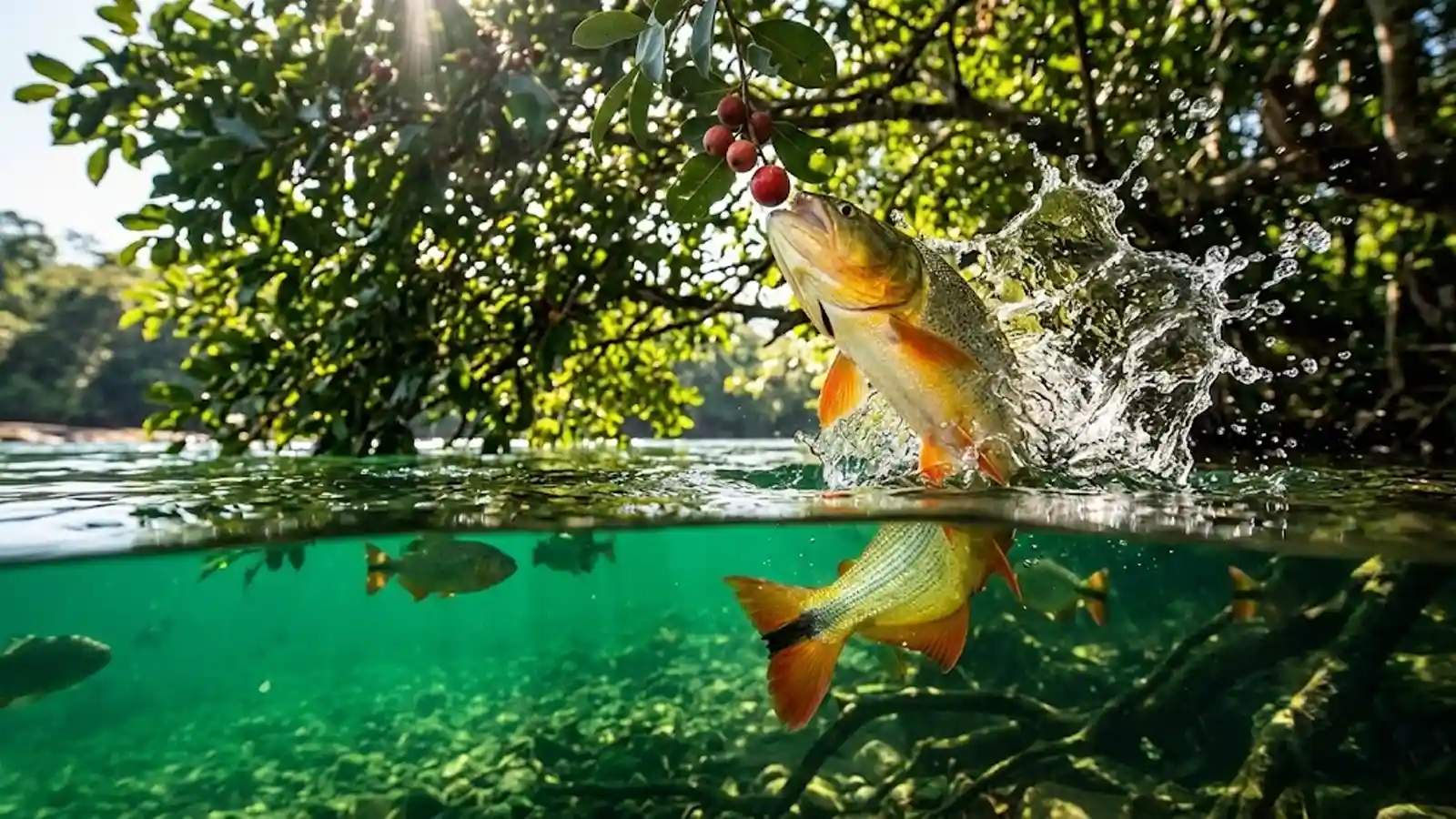
Silver scaled and red finned, the piraputanga anchors observation tourism in the transparent rivers of the Pantanal and works as a live gauge of the biome’s health.
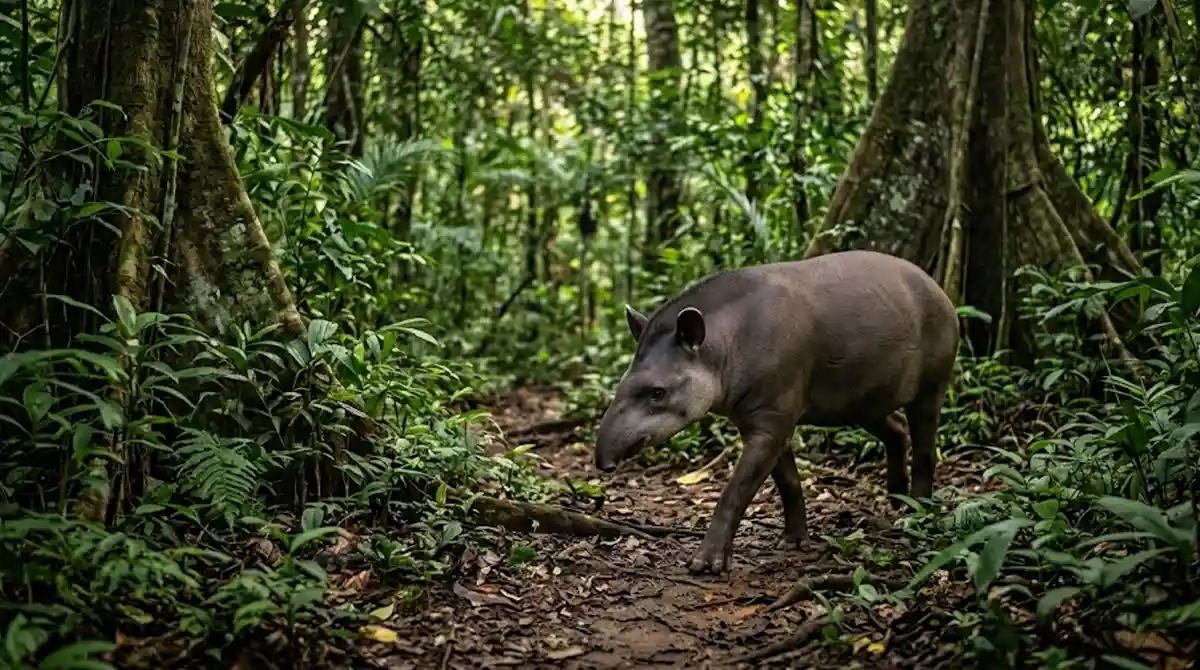
A single tapir can carry more than ten thousand seeds through the forest in one day of walking. It is the only Amazon animal able to swallow the biggest seeds of all and return them to the ground ready to sprout.
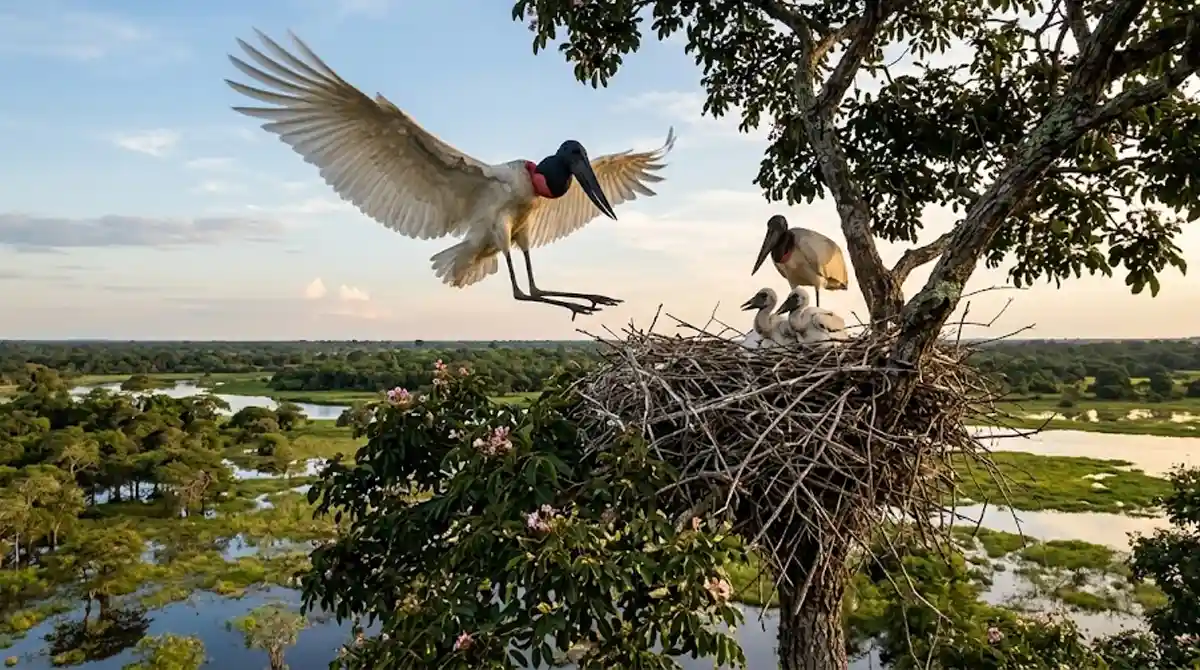
South America’s giant stork is gaining ground again across the Pantanal floodplain and pockets of the Cerrado, and its active nests signal wetlands moving back toward health.
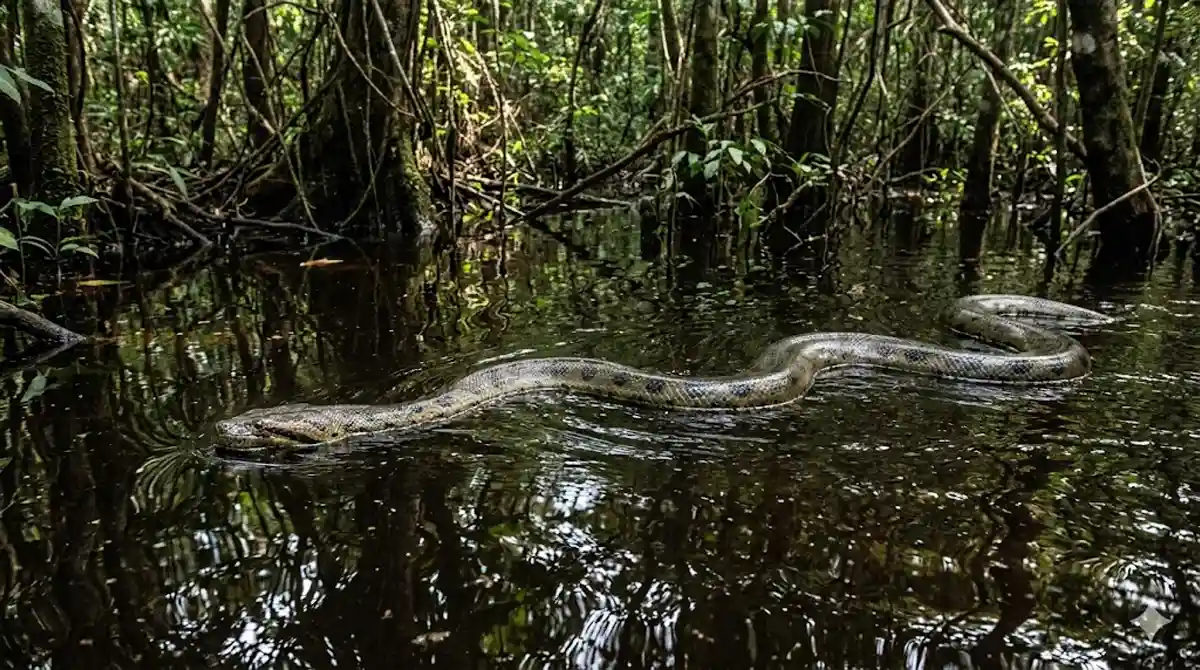
The heaviest snake on Earth is not the monster of folklore: it regulates prey, recycles nutrients and holds the chemical balance of Amazon rivers together.
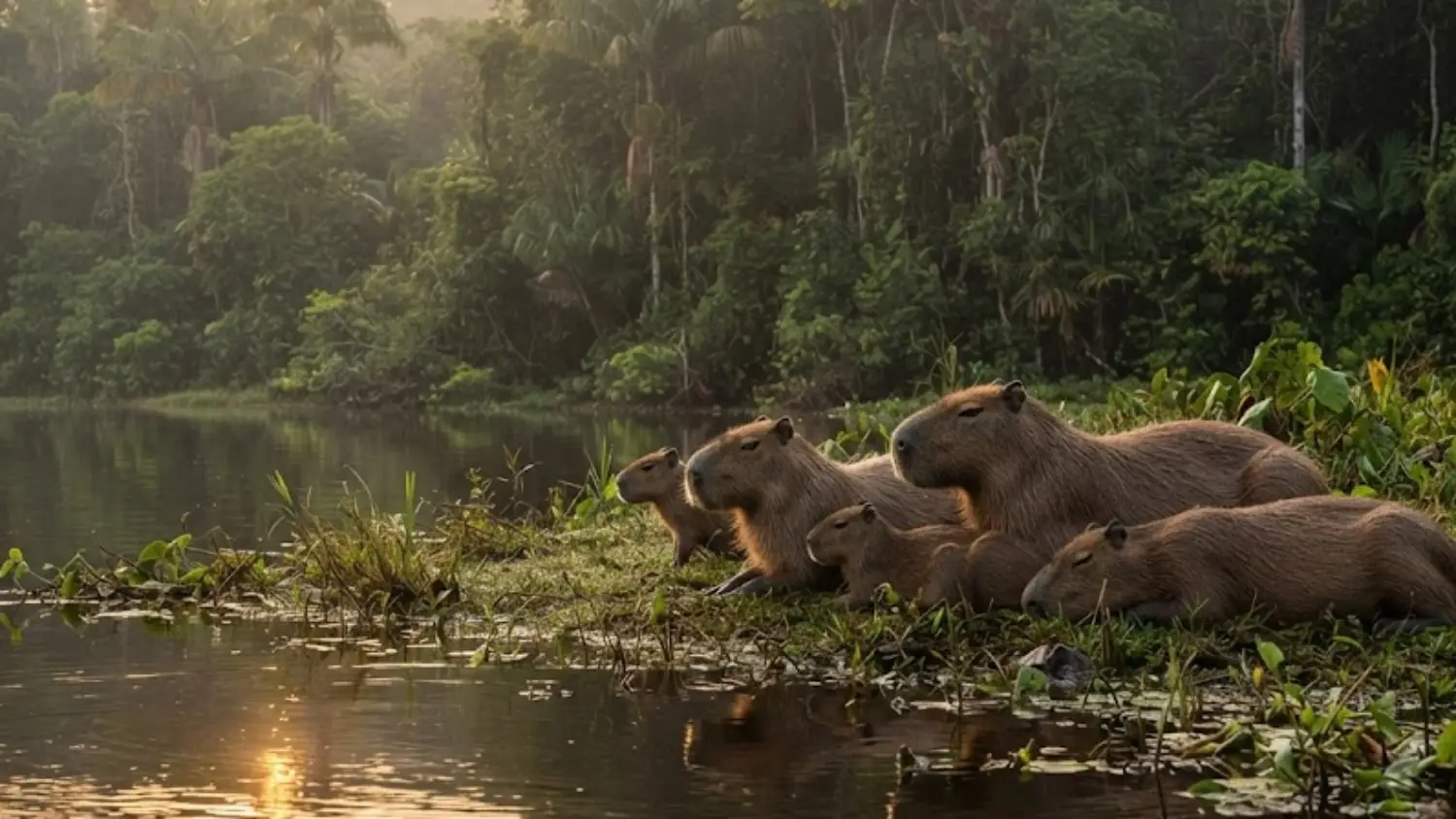
Contact whistles, alarm clicks and soft maternal calls: the world’s largest rodent holds its social groups together with a surprisingly rich vocal repertoire.
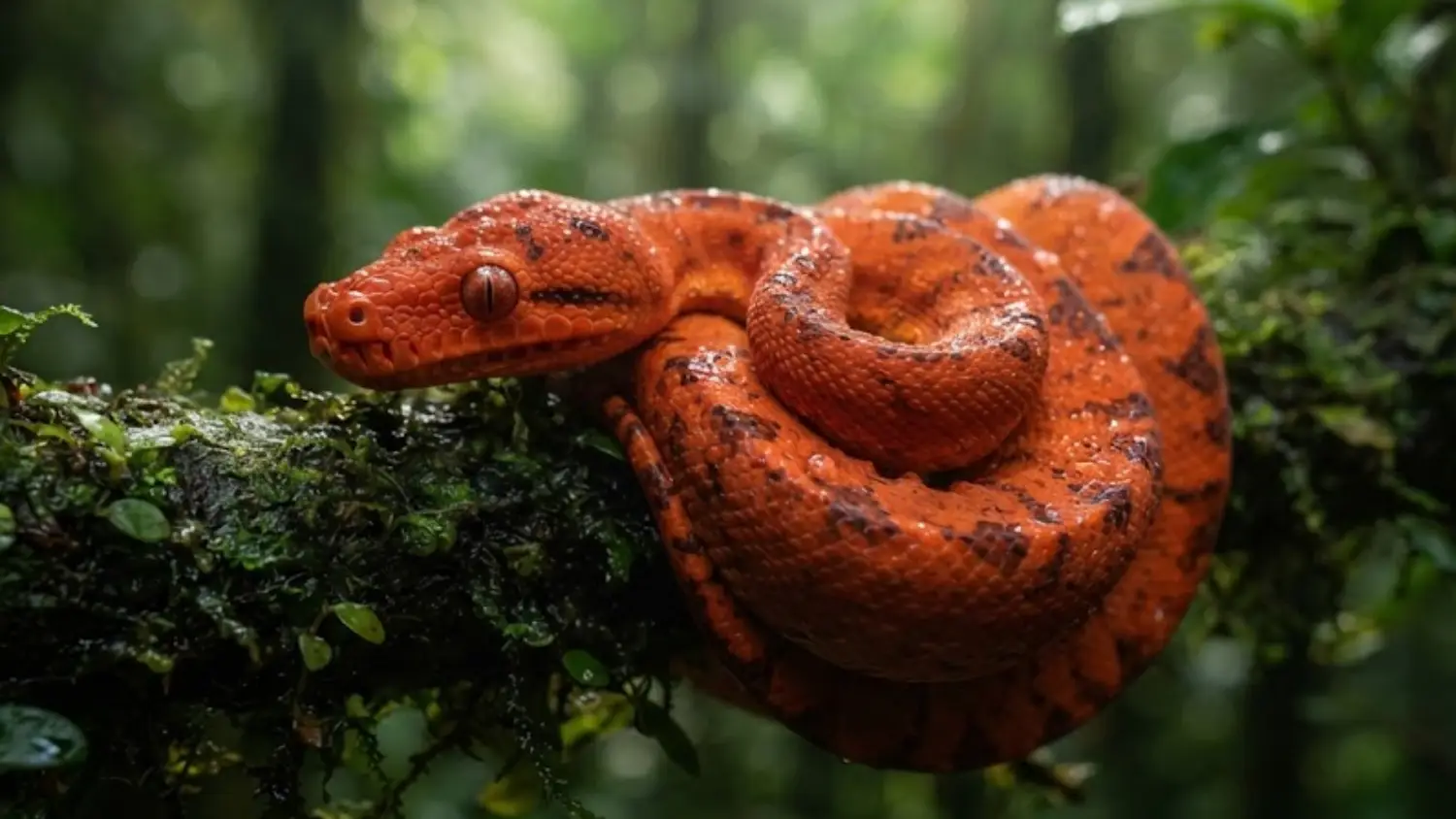
Deep in the Amazon rainforest lives a tree-dwelling snake that hatches bright red and matures into brilliant emerald green: the remarkable story of how the parrot snake rewrites its own camouflage as it grows.
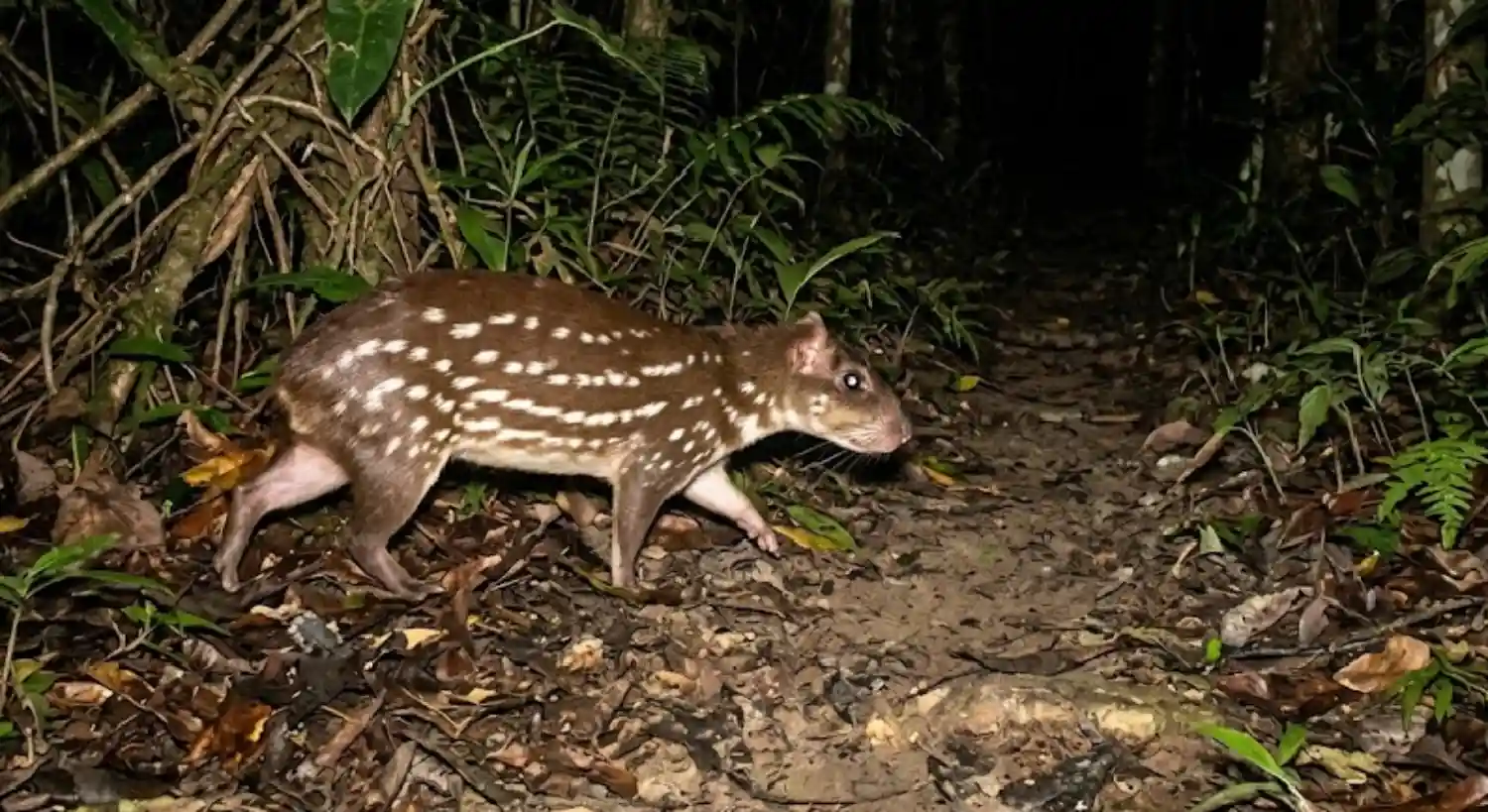
The paca, Brazil’s second largest rodent, walks fixed forest trails at night, buries seeds and quietly sustains the regeneration of the Amazon.
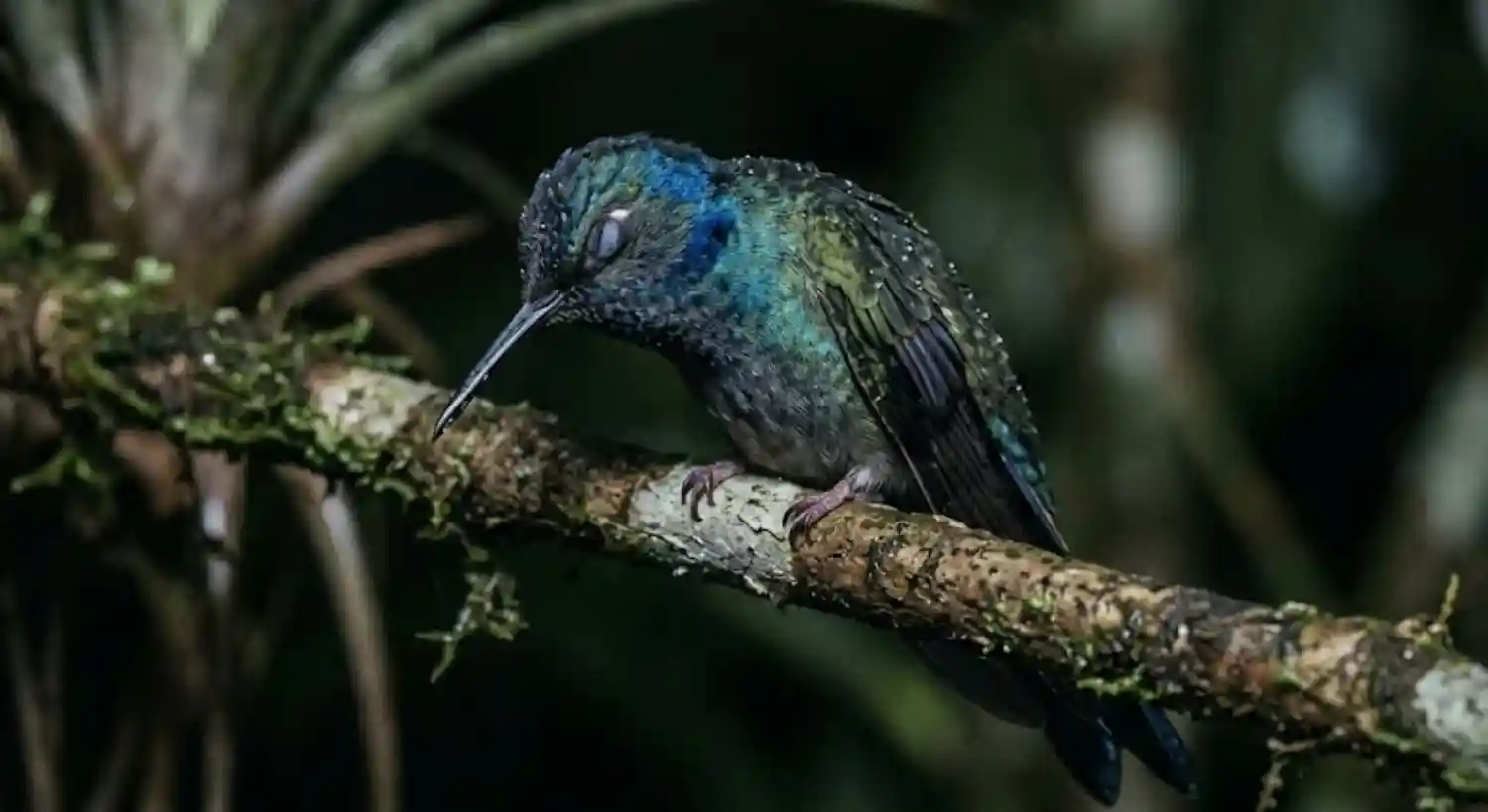
The smallest bird in the Americas slips into torpor at dusk, dropping its temperature and heartbeat to save up to ninety-five percent of its daily energy.
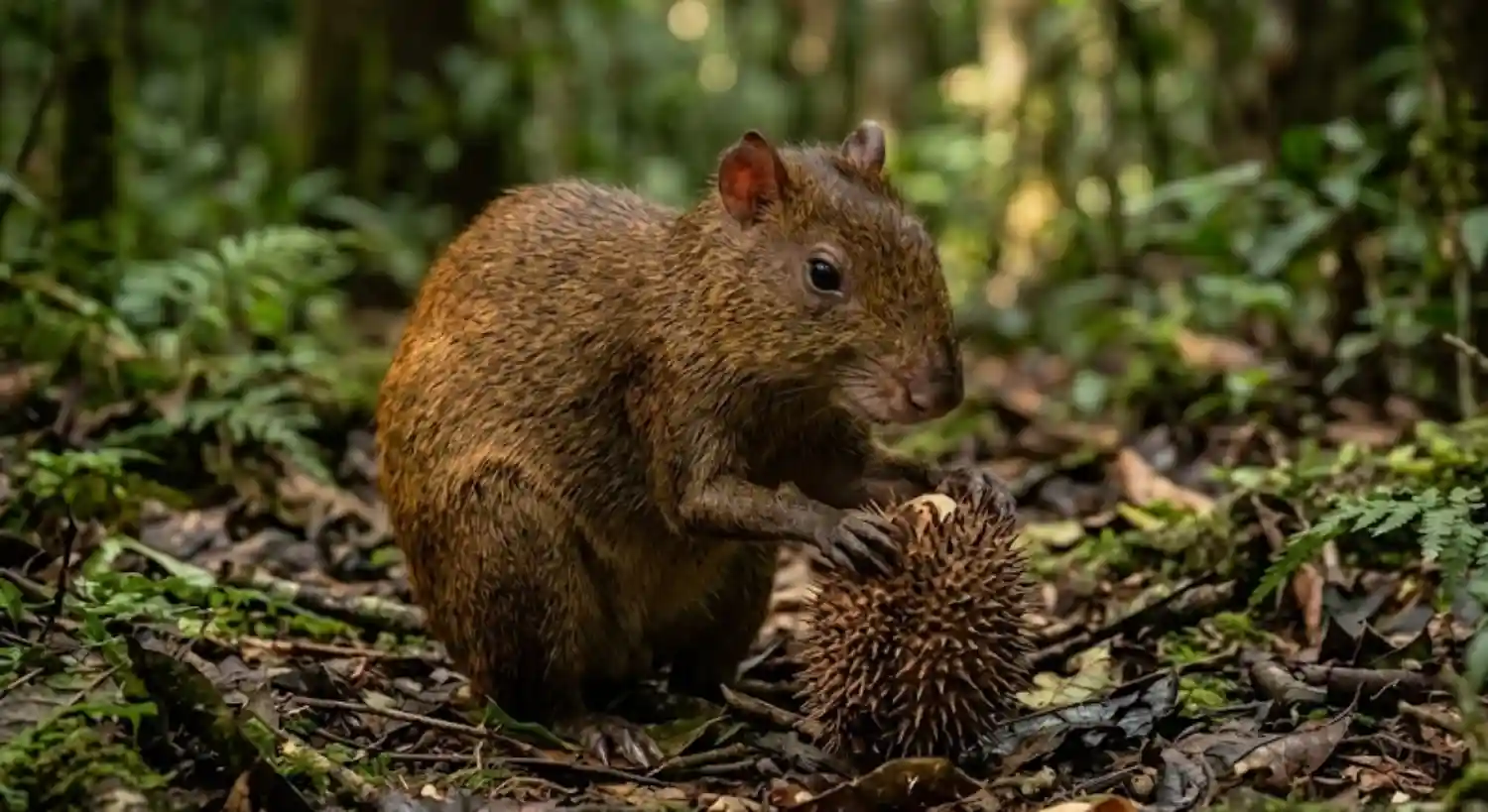
The agouti buries Brazil nuts to eat later and forgets where it hid them. That forgetting germinates and regenerates the tallest trees in the Amazon rainforest.