
How jaguars rule Amazon rivers and hunt caimans
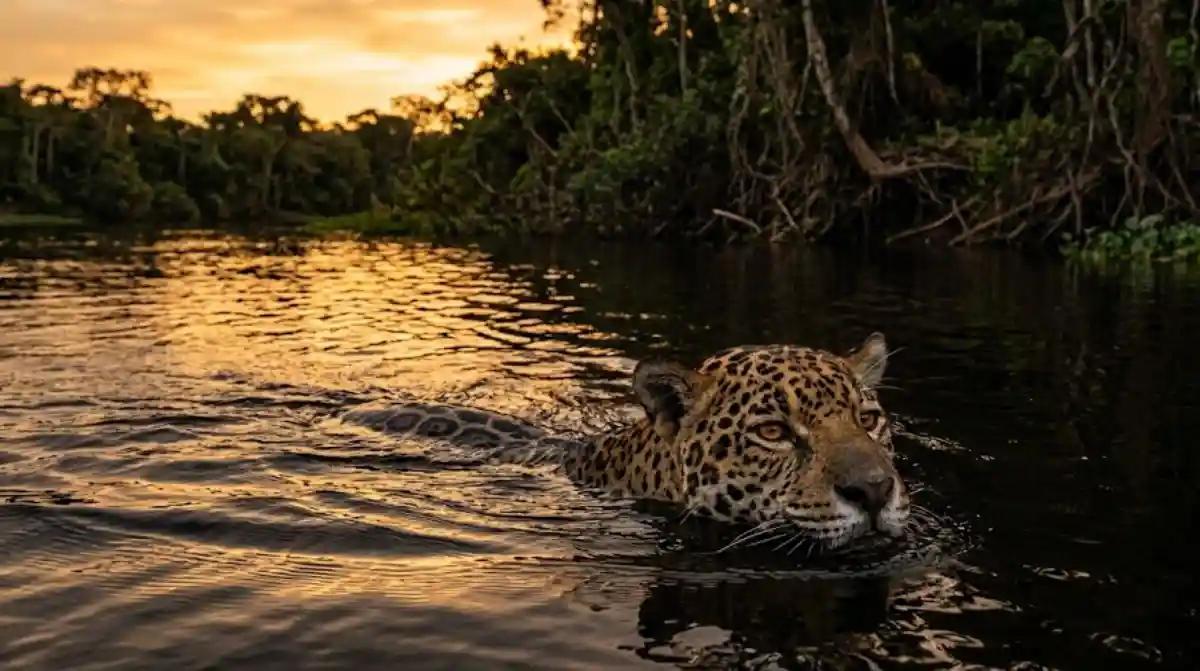
Jaguars have turned Amazon rivers into a second hunting ground, using powerful bites and unusual swimming skills to catch caimans, fish and other prey.
Jaguars have turned Amazon rivers into a second hunting ground, using powerful bites and unusual swimming skills to catch caimans, fish and other prey.
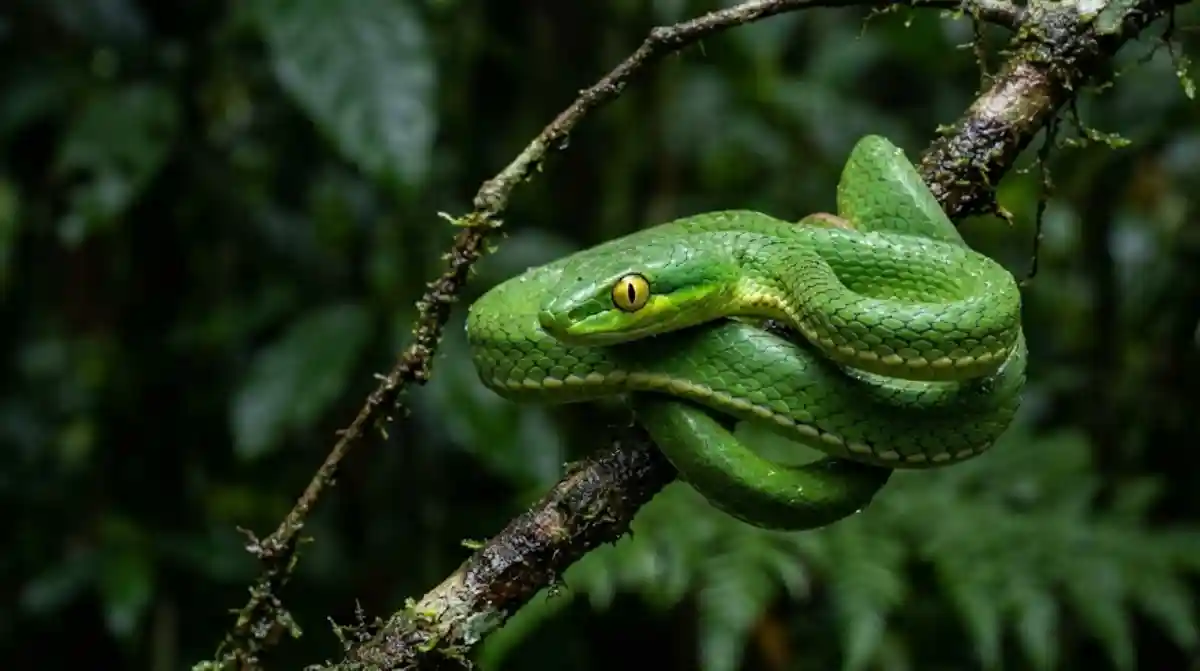
The green parrot snake lives suspended in Amazonian vegetation, combining thermal sensing, camouflage and specialized teeth to hunt birds and small mammals.
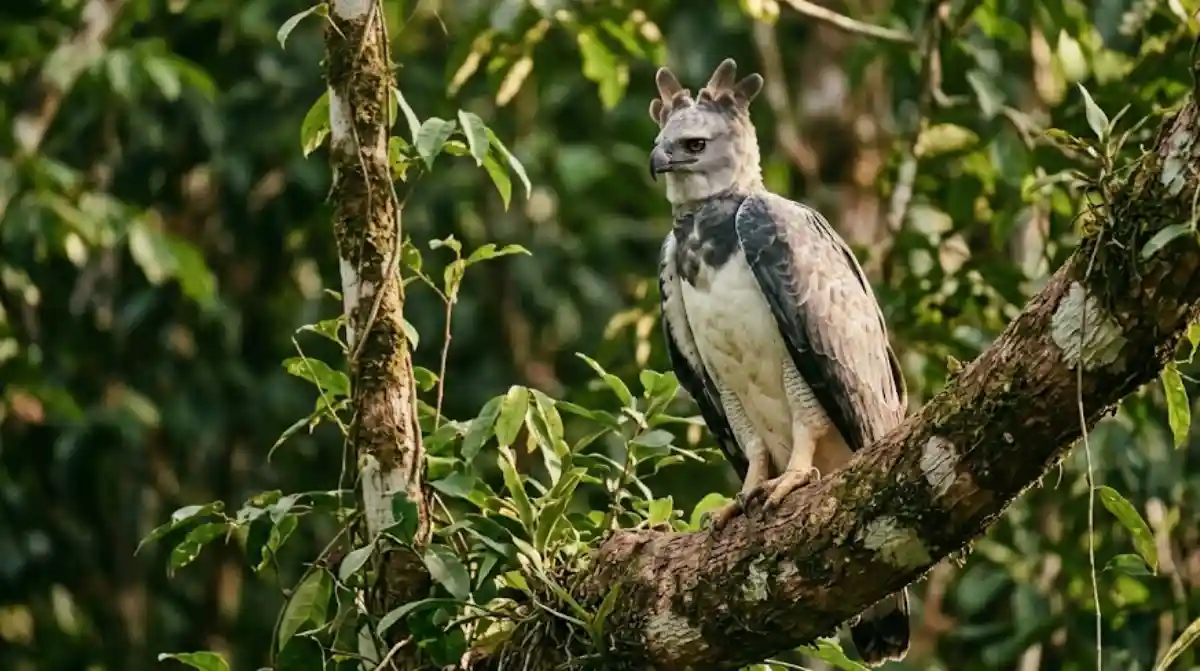
With talons capable of exerting more than 400 kilograms of pressure, the Harpy eagle is one of the Amazon canopy’s greatest predators. Its wait-and-strike hunting strategy reveals an anatomy built for precision.
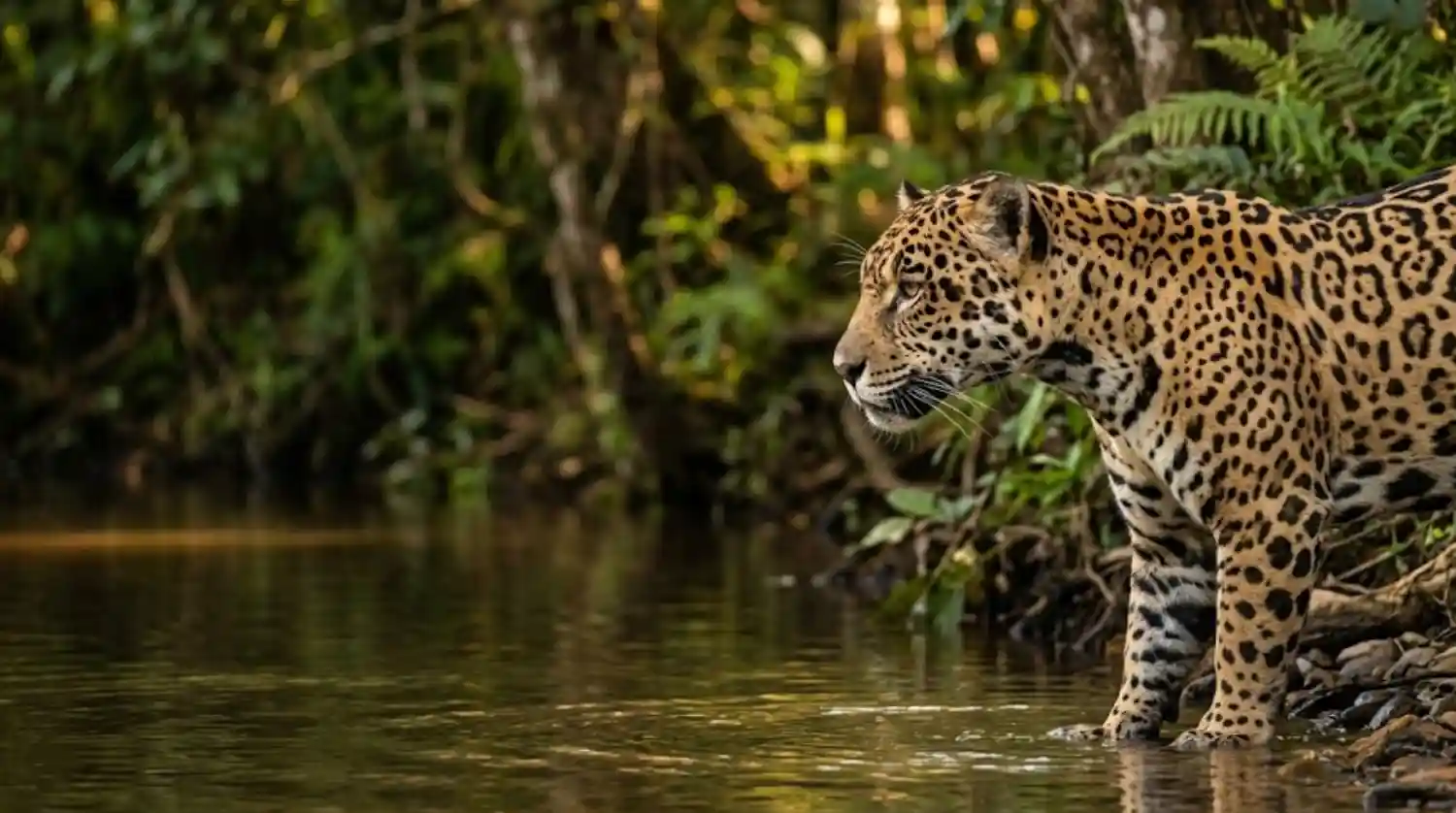
The jaguar can exceed 1,500 PSI of bite pressure, allowing it to pierce skulls, crush carapaces and hunt reptiles. That adaptation also helps regulate Amazonian ecosystems.
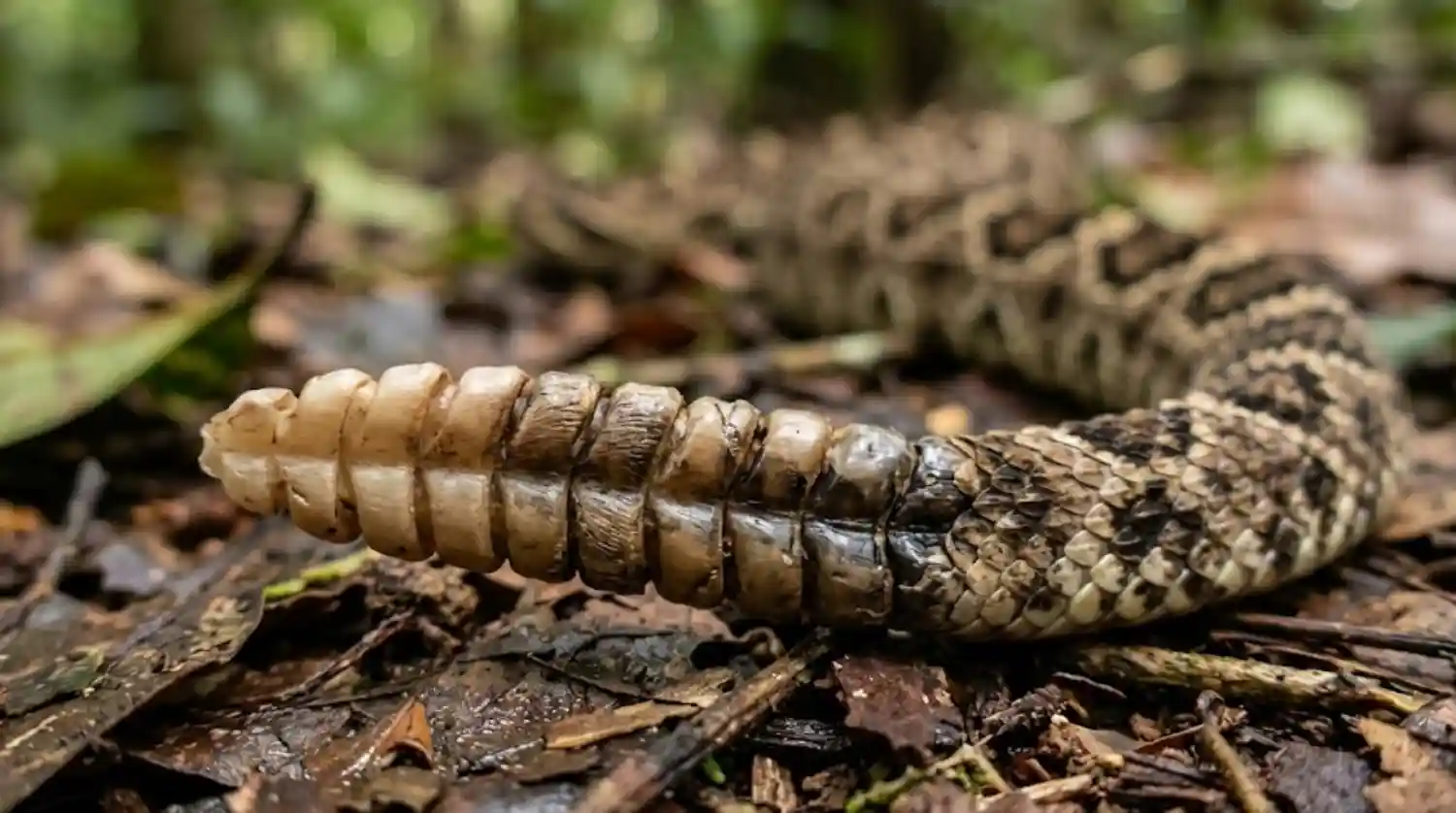
Each rattle segment records a stage in the Amazon rattlesnake’s life and creates an efficient warning system. In Brazil’s lavrado landscapes, the snake also helps maintain the ecological balance that supports vegetation.
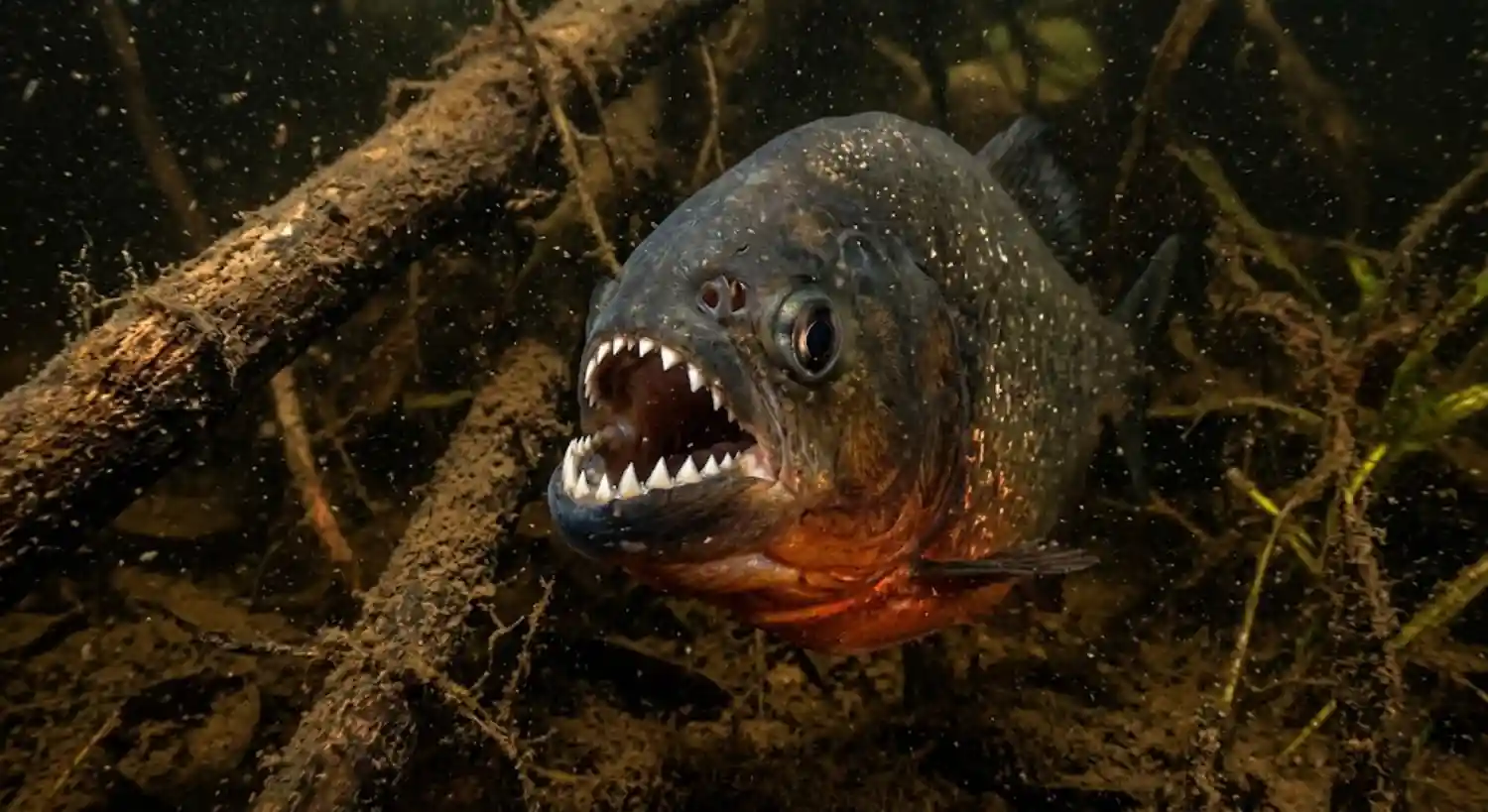
The red piranha has the strongest bite relative to body weight among known fish. Its specialized jaws, social behavior and ecological role reveal an extraordinary form of biological engineering.
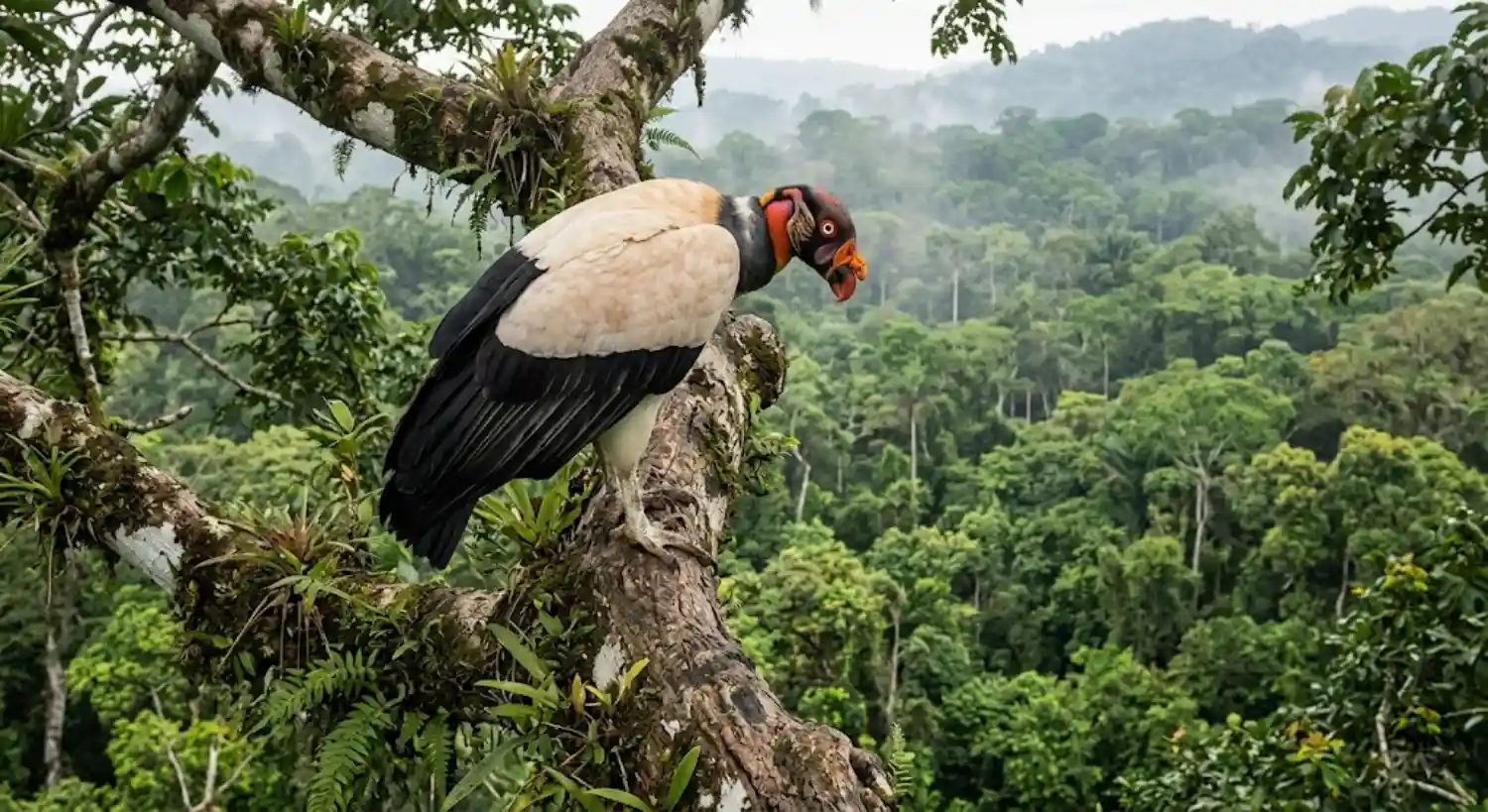
The king vulture opens the carcasses of large animals, allowing other scavengers to complete the forest’s natural cleanup. Its presence also signals a complex and healthy Amazonian ecosystem.
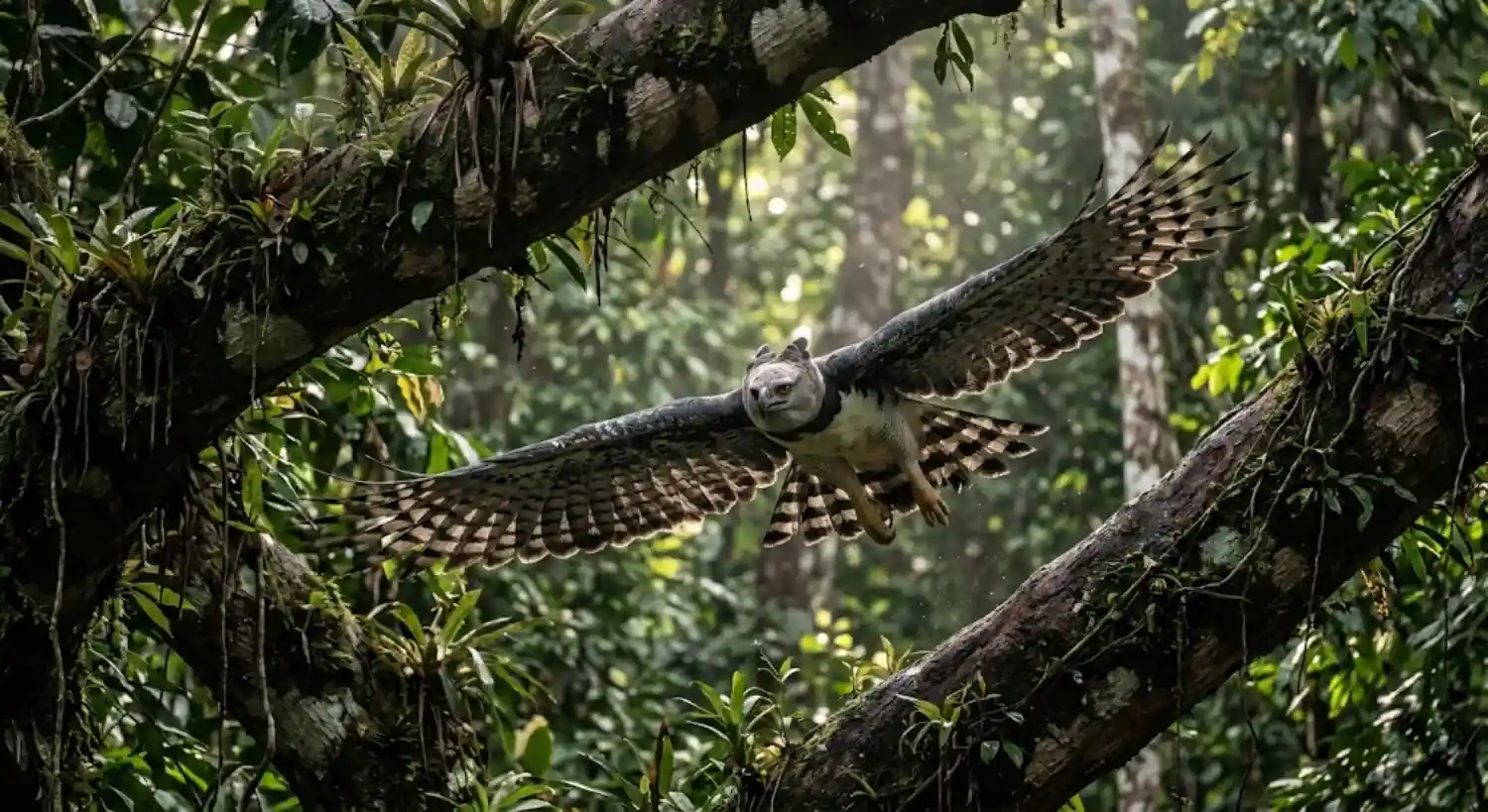
The harpy eagle can carry prey weighing up to 70% of its own body weight while maneuvering through dense forest. Its presence is also a powerful sign of a healthy Amazonian ecosystem.
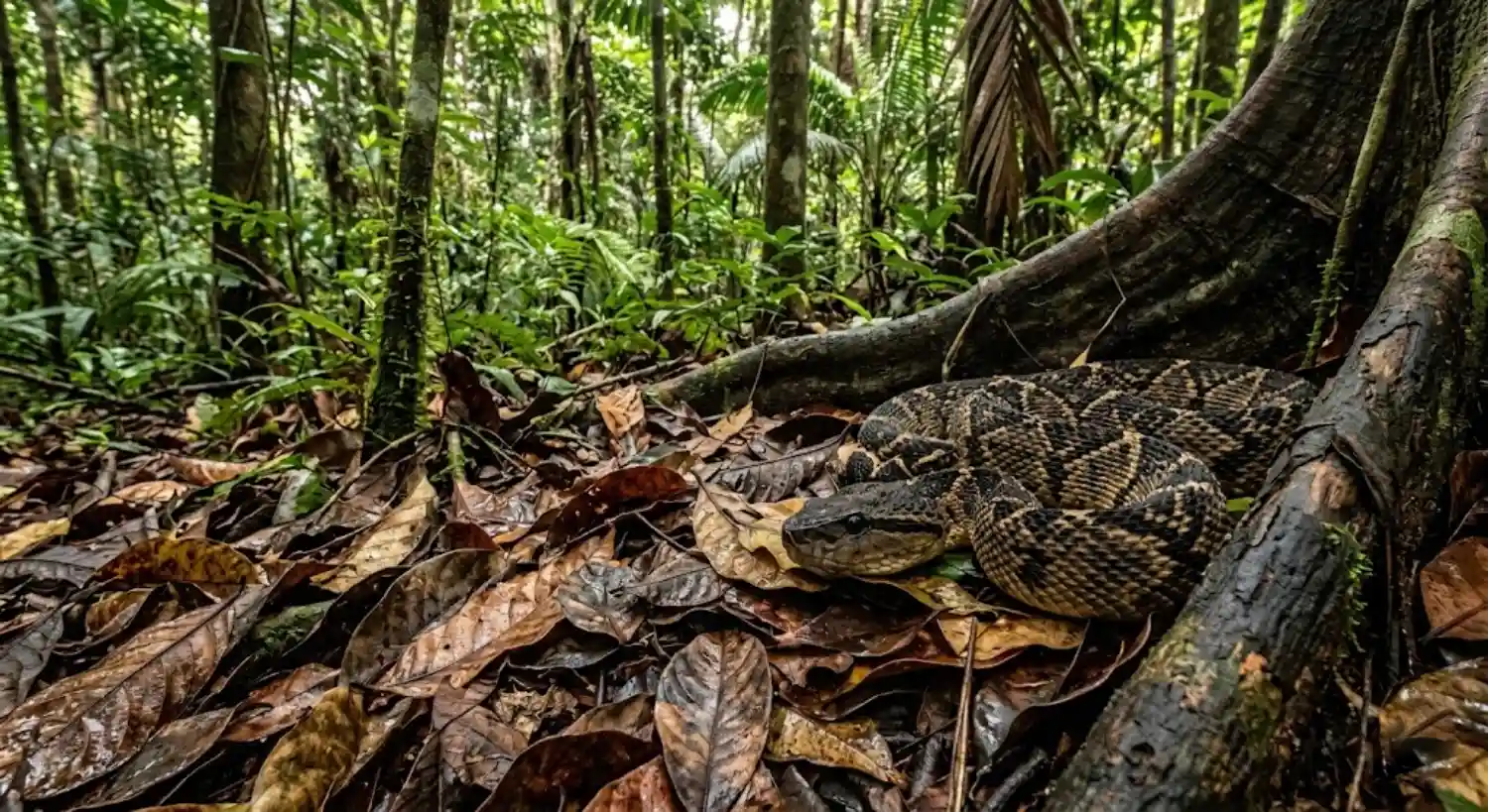
The bushmaster is the largest venomous snake in the Americas, with extraordinary venom glands, specialized fangs and rare parental care. Its presence also signals the health of mature tropical forests.
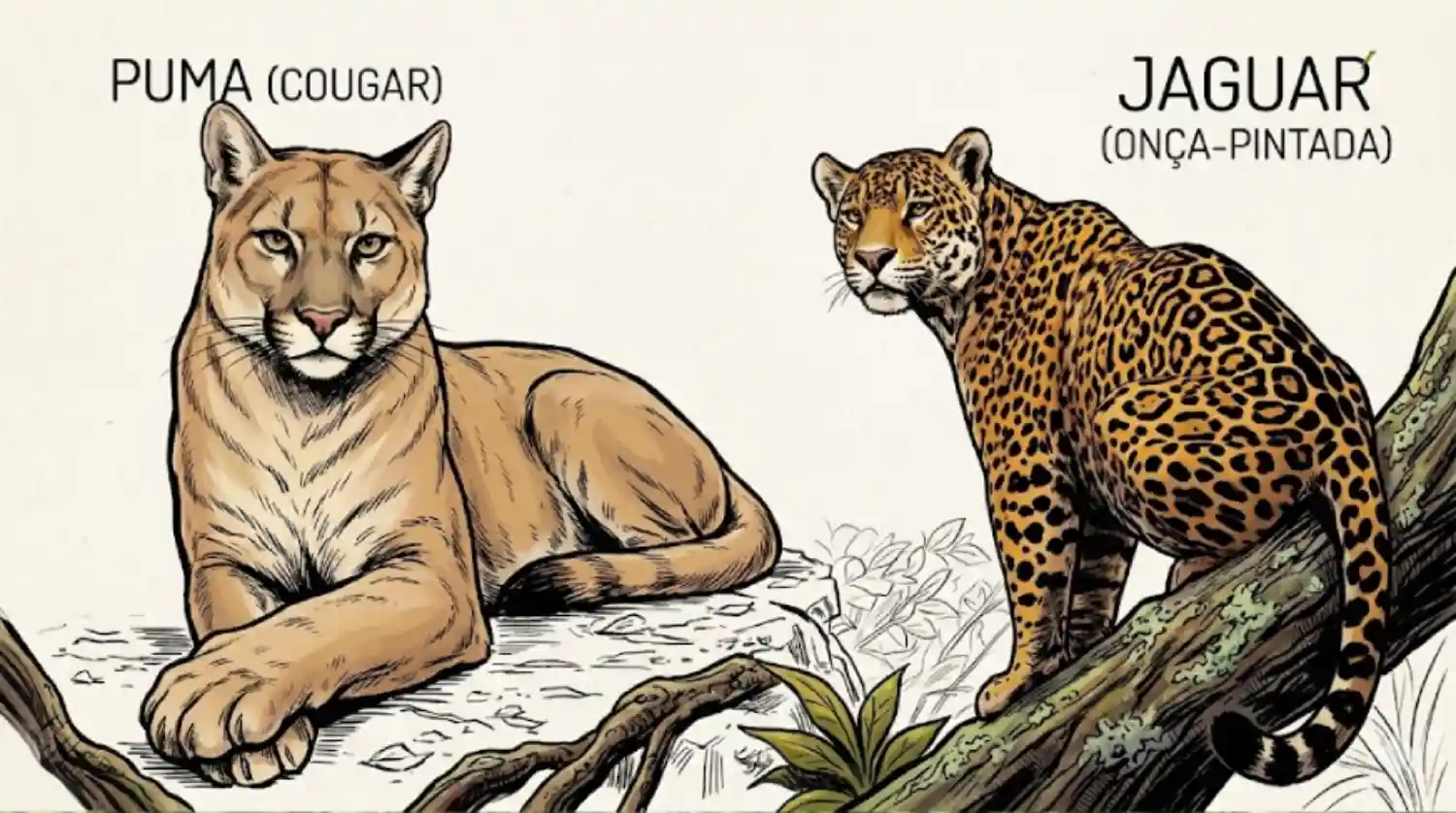
Different schedules, prey preferences and microhabitats allow jaguars and pumas to share many of the same territories in Brazil’s forests. Their coexistence shows how evolution can reduce competition between two of the Americas’ largest cats.