
Ancient Amazonian cities that bury the myth of an untouched rainforest
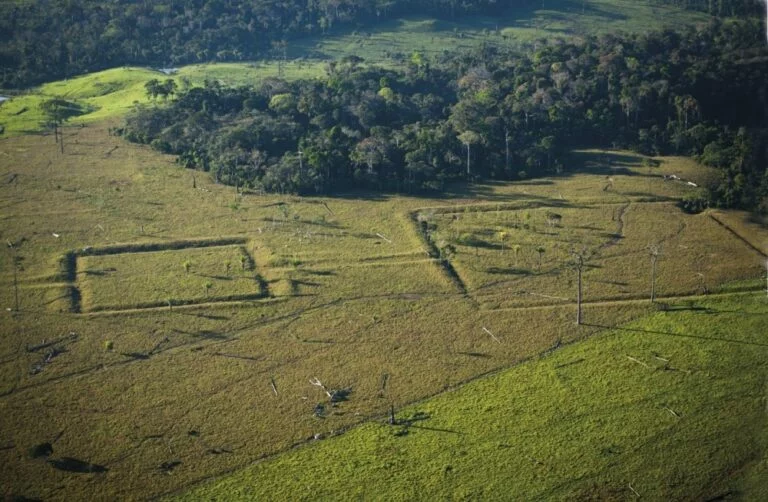
Archaeology confirms urban networks, roads and earthworks across the Amazon centuries before the Portuguese arrived. The forest was never an empty wilderness.
Archaeology confirms urban networks, roads and earthworks across the Amazon centuries before the Portuguese arrived. The forest was never an empty wilderness.
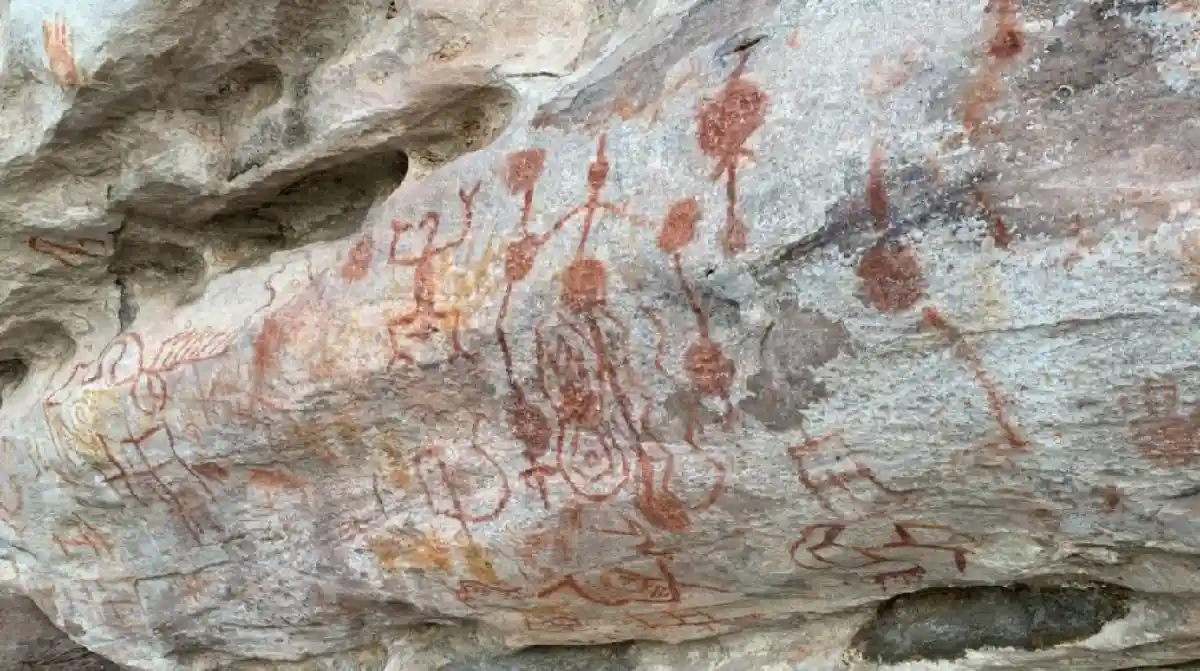
In northern Pará, on the left bank of the Amazon River, Monte Alegre State Park holds rock paintings tied to a human occupation more than 11,000 years old, among the oldest in the Americas.
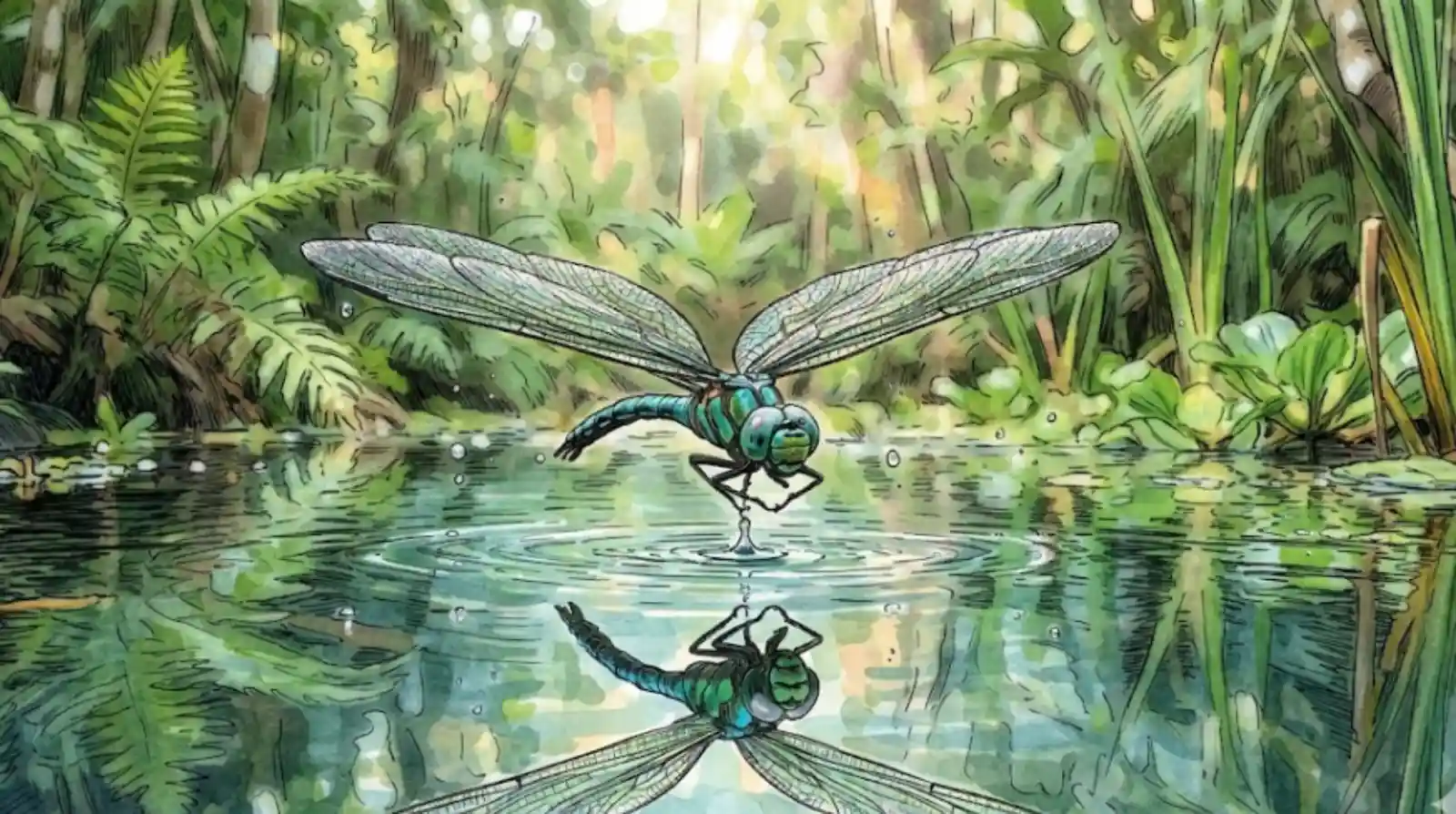
It steers each of its four wings separately, sees almost 360 degrees and hits its target in more than nine out of ten attempts. The Amazon dragonfly is a flight manual that drone designers are still trying to read.
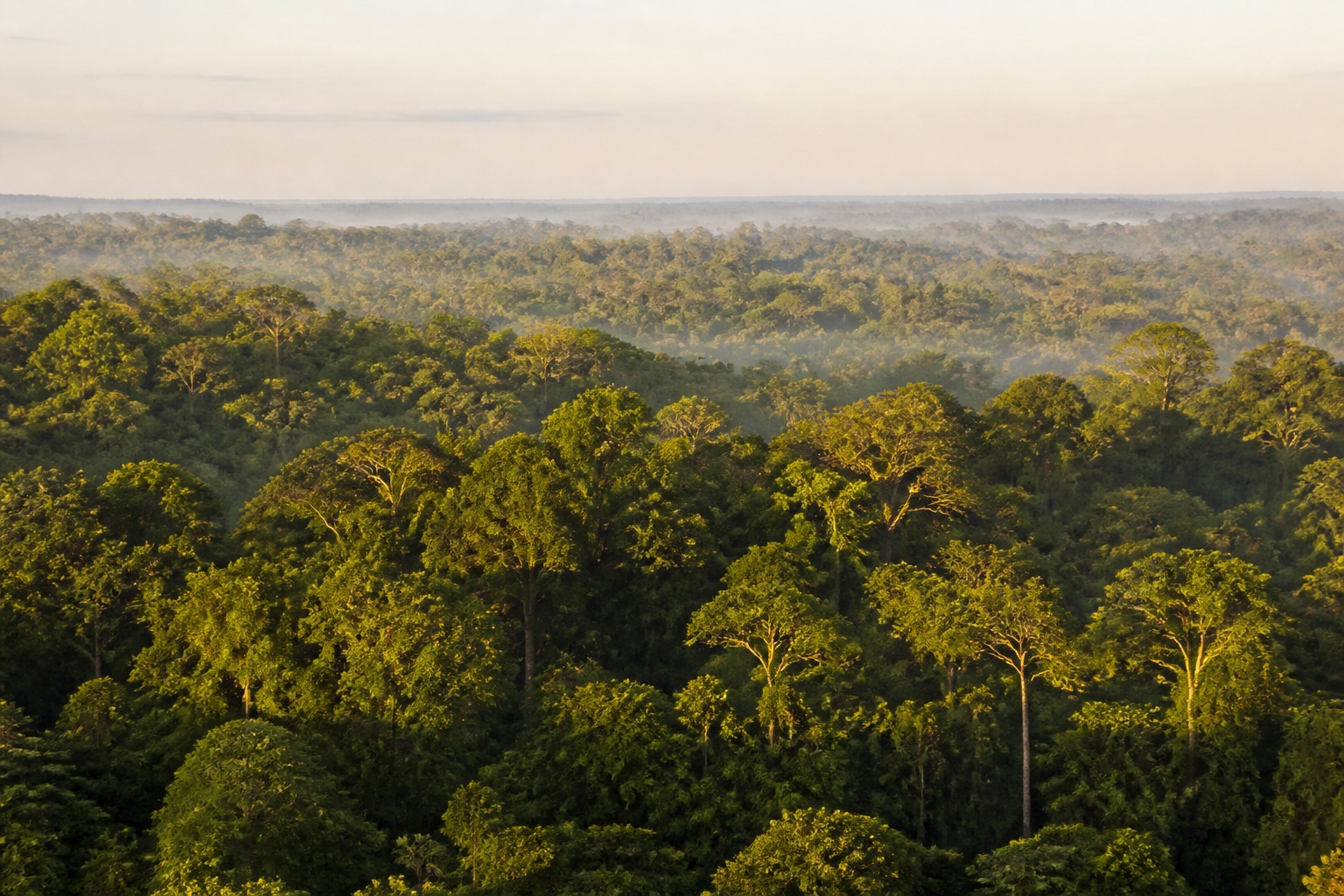
Under the water stress of El Niño, Amazonian trees altered the mixture of volatile molecules they release into the air. The chemical signature of the forest changed before the landscape showed any visible sign.

The trailing edge of an owl feather frays into a fringe of fine filaments that breaks up turbulence before it can turn into sound. Engineers are now copying that comb to quieten wind turbines and cooling fans.
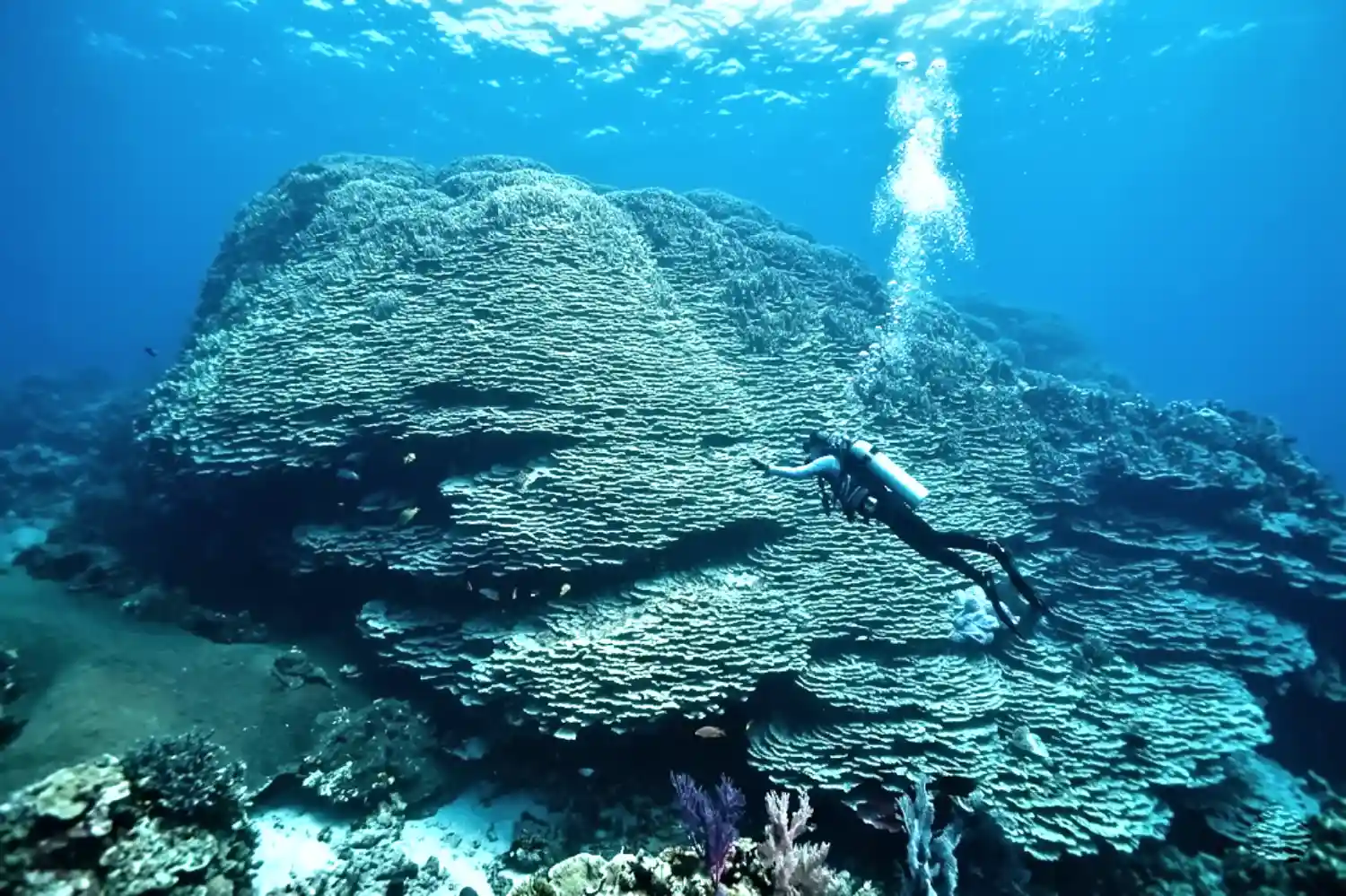
NOAA mapped a Porites rus colony covering 1,347 square meters in the Maug Islands, in the western Pacific. It grows one centimeter a year, started around 25 BC and thrives inside a volcanic caldera where carbon dioxide vents make the water extremely acidic.
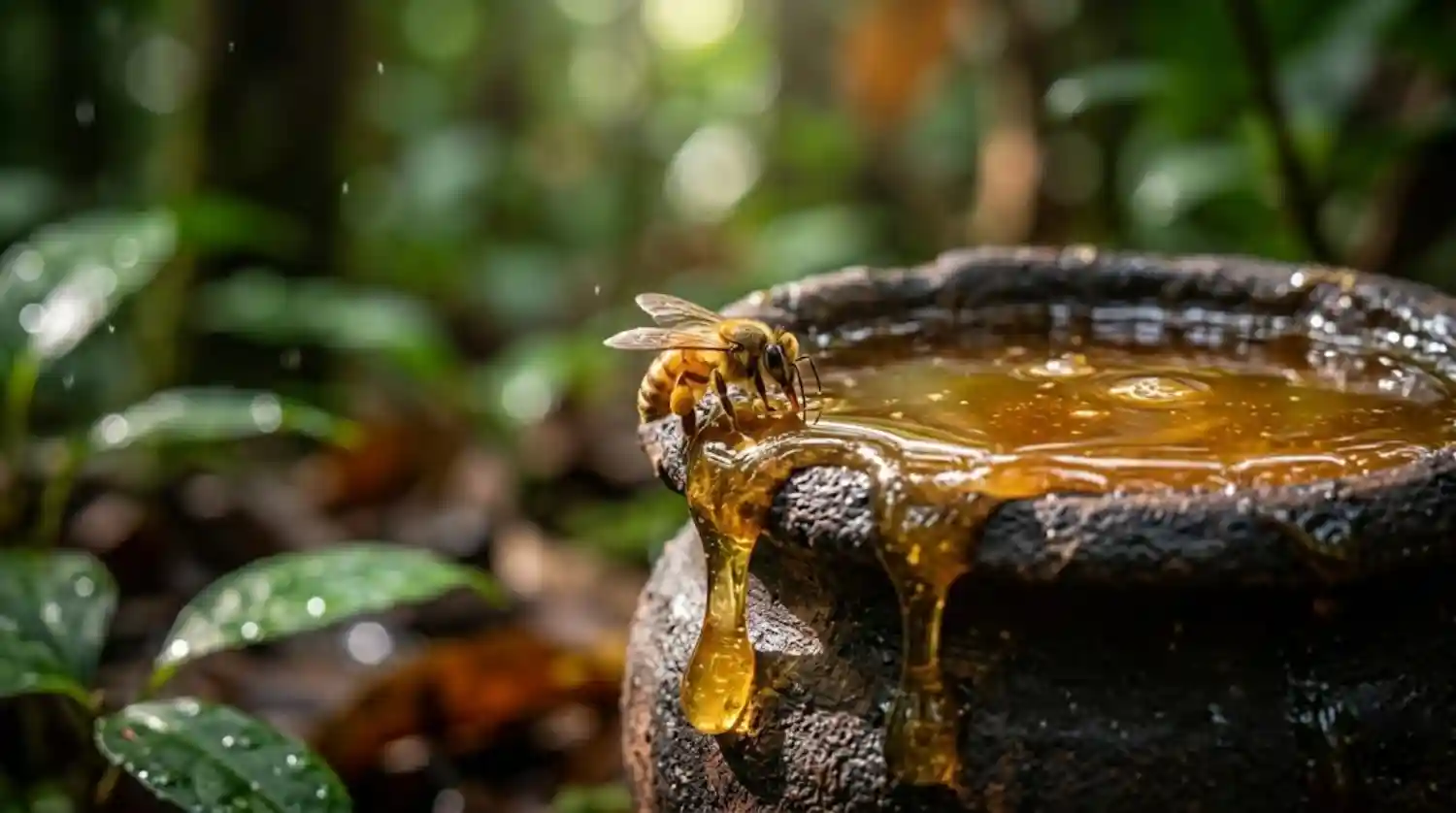
A 99 percent bacterial inhibition rate recorded in the lab against resistant strains of Staphylococcus aureus has put honey from Amazonian stingless bees under scientific scrutiny. Research in the state of Para is now testing what traditional communities have long known.
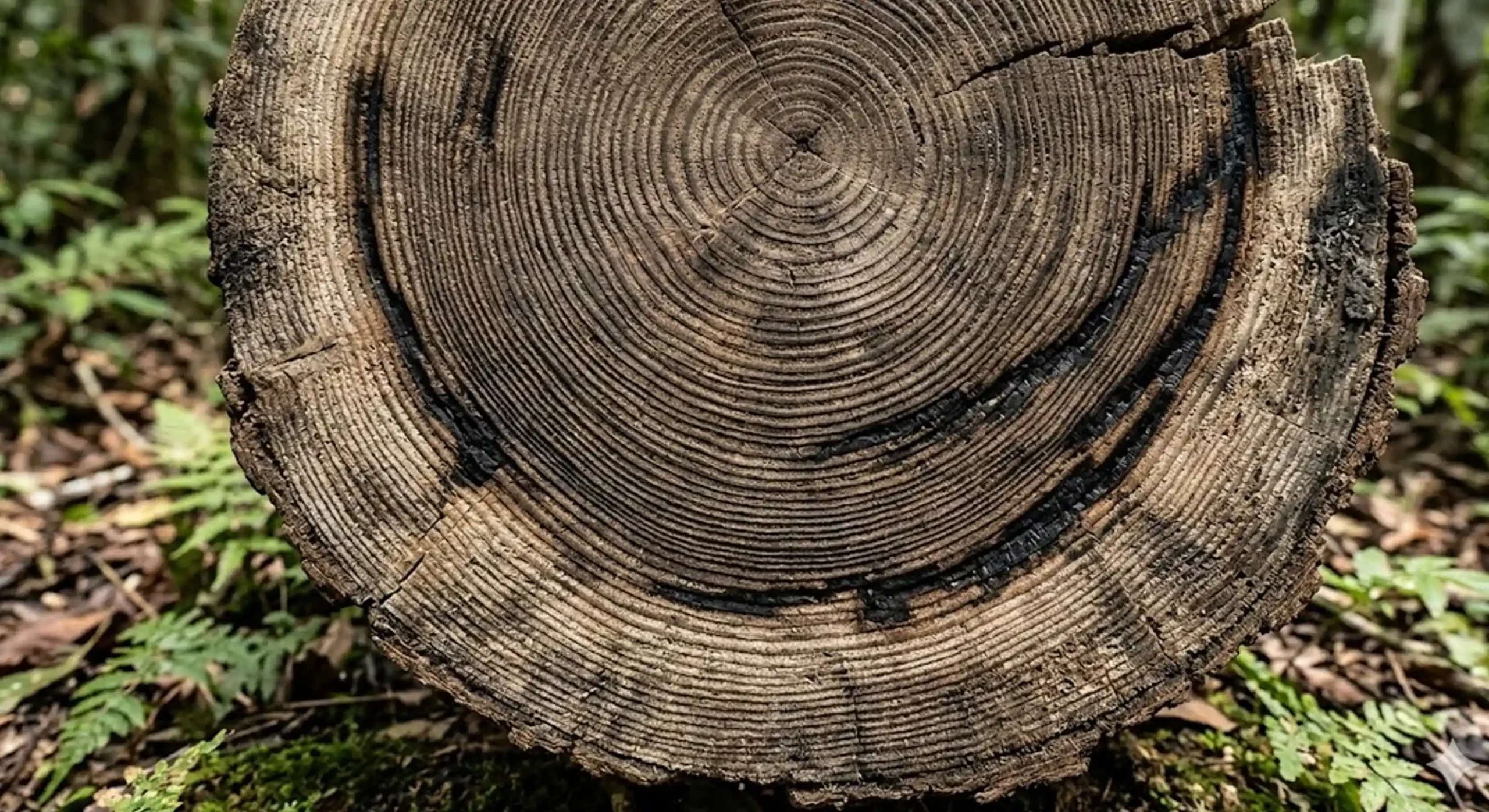
The trunks of Amazonia’s giants work as a climate archive spanning half a millennium. Dendrochronology reads the width and density of every ring to reconstruct droughts, floods and El Nino episodes that predate the first European expeditions.
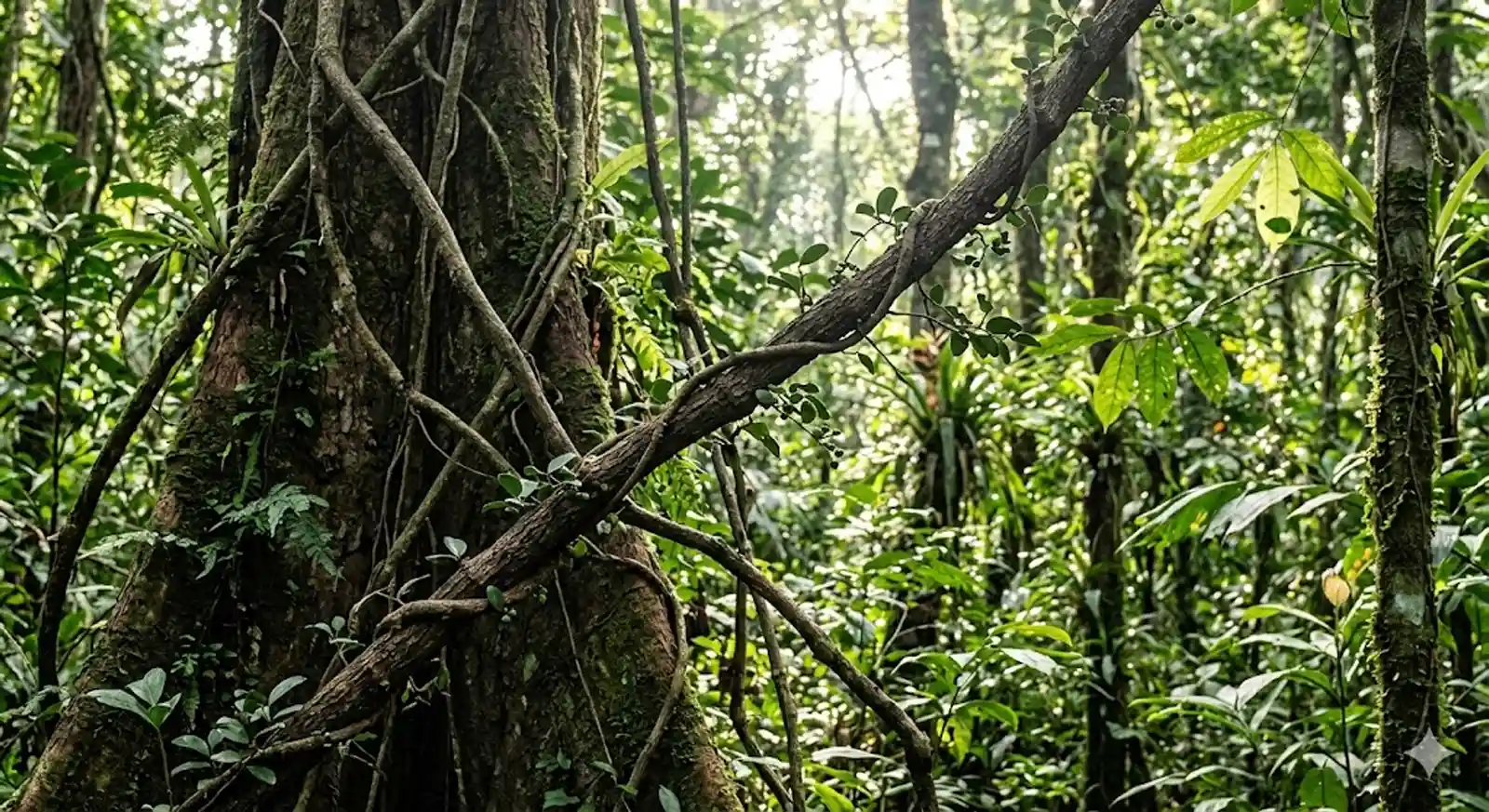
One drop of curare, boiled from Amazonian Strychnos vines, paralyses skeletal muscle without stopping the heart. Indigenous knowledge of a hunting poison now underpins modern anaesthesia and complex surgery.
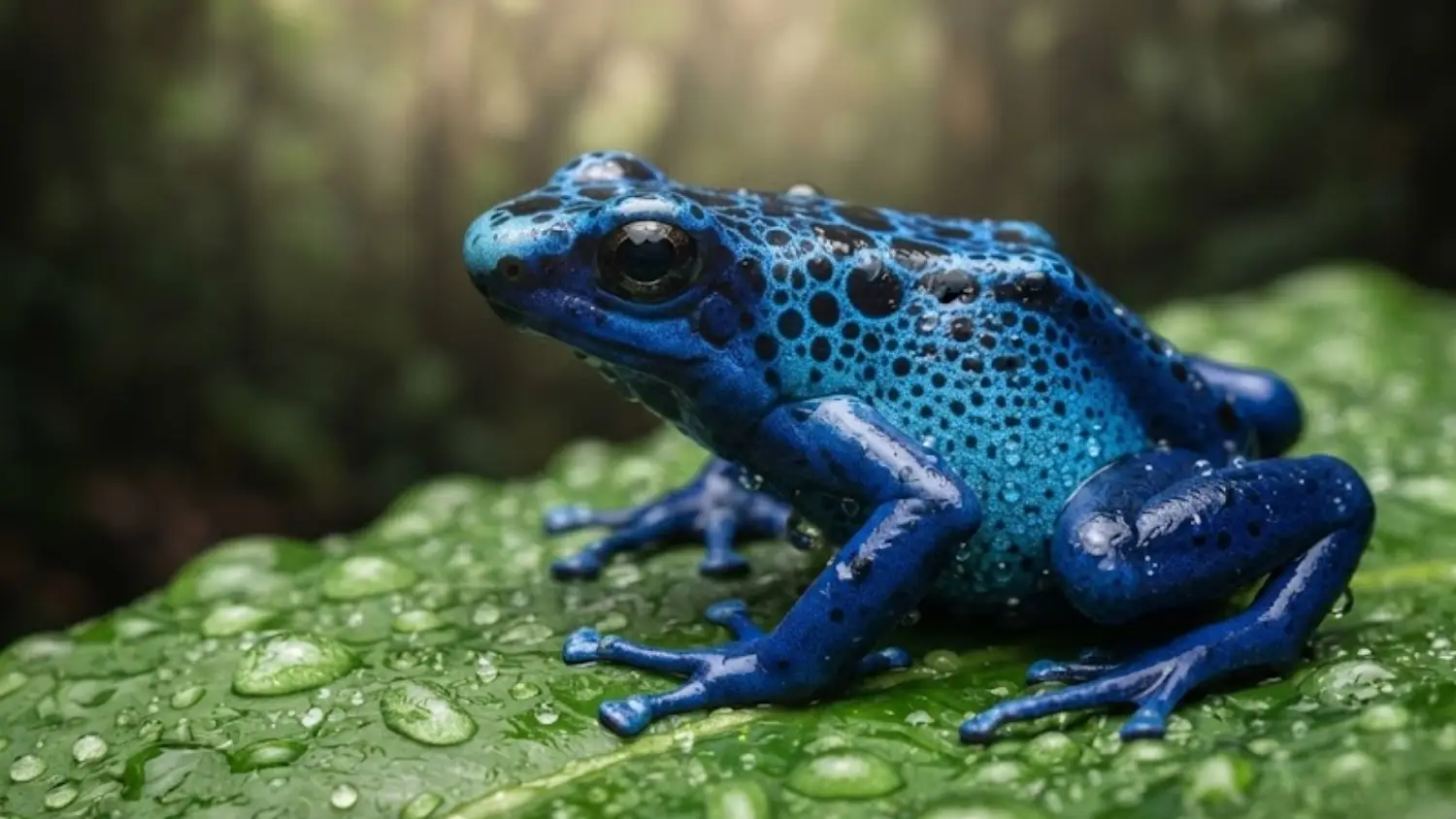
Skin toxins from Amazonian toads and frogs carry peptides that block pain without the side effects of synthetic opioids, pointing to a new route for pharmacology.