
The toco toucan bill works as a precision thermal radiator
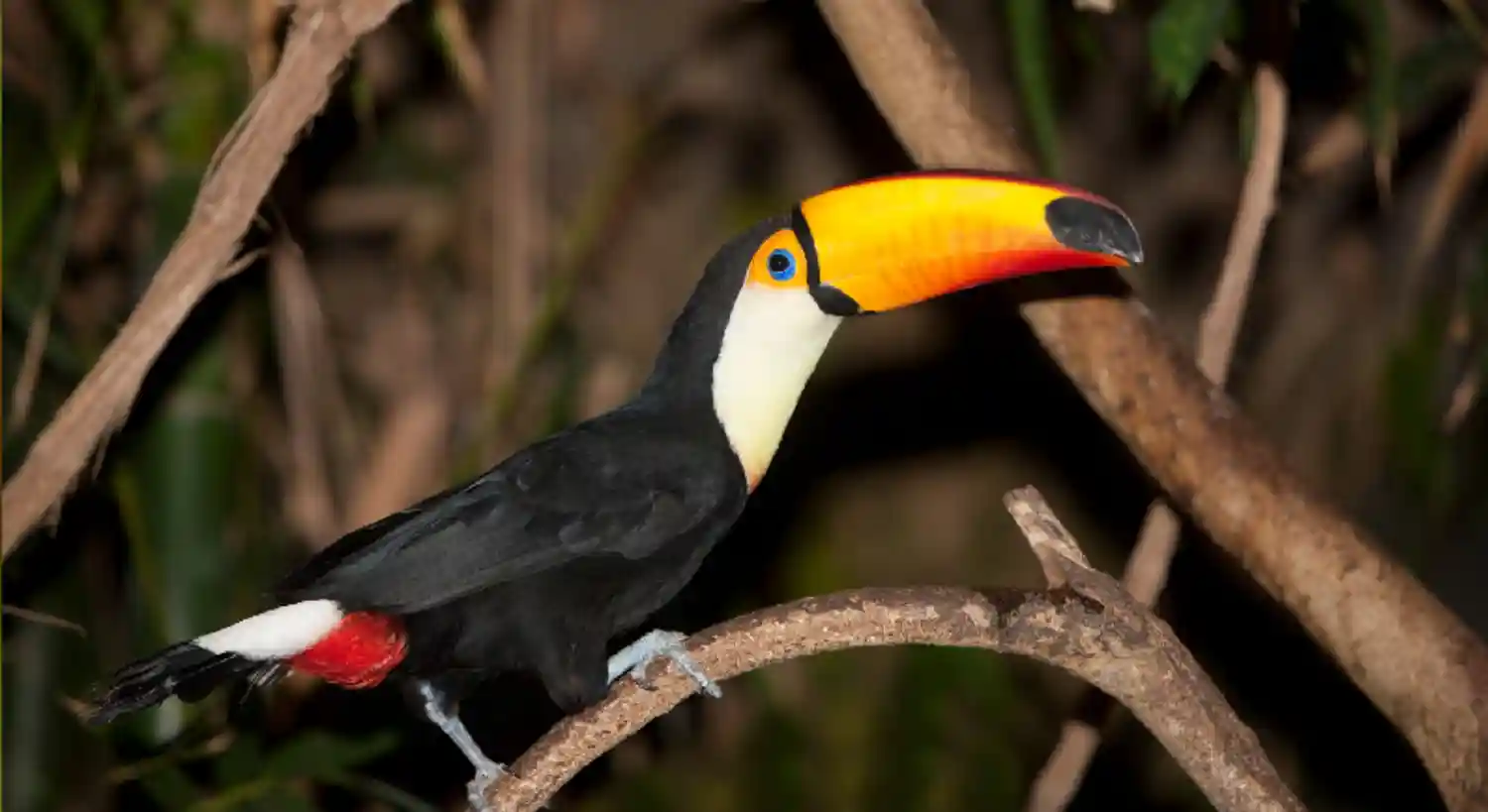
The toco toucan controls its body temperature by opening and closing blood vessels in its huge bill, shedding up to sixty percent of resting heat without losing water.
 Anne Silva
The toco toucan controls its body temperature by opening and closing blood vessels in its huge bill, shedding up to sixty percent of resting heat without losing water.
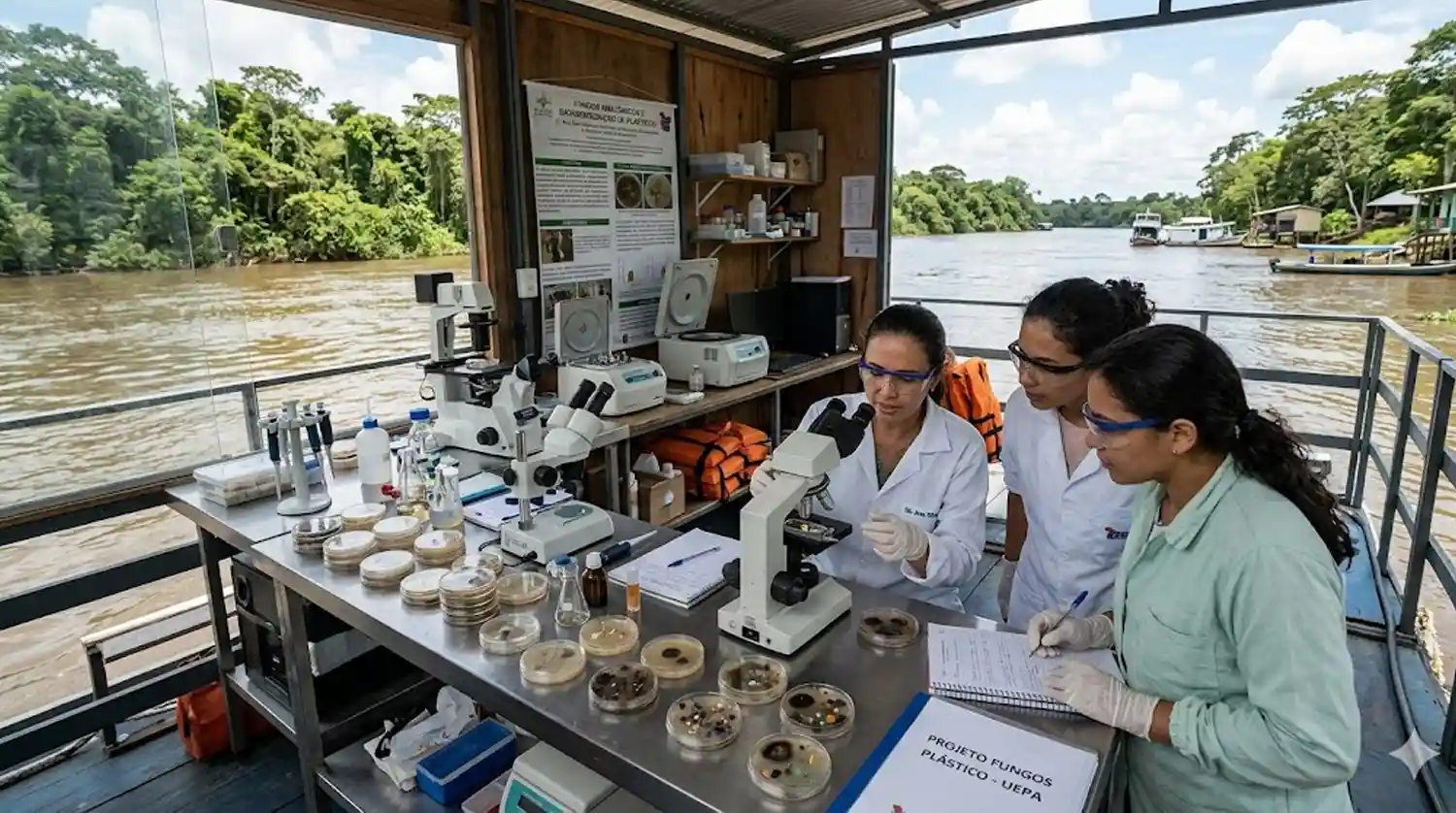
Brazilian scientists have already cataloged 120 strains of fungi that digest synthetic polymers in the soil of Pará, turning river plastic into fertilizer and cementing the Amazon as the planet’s biggest biotech pharmacy.
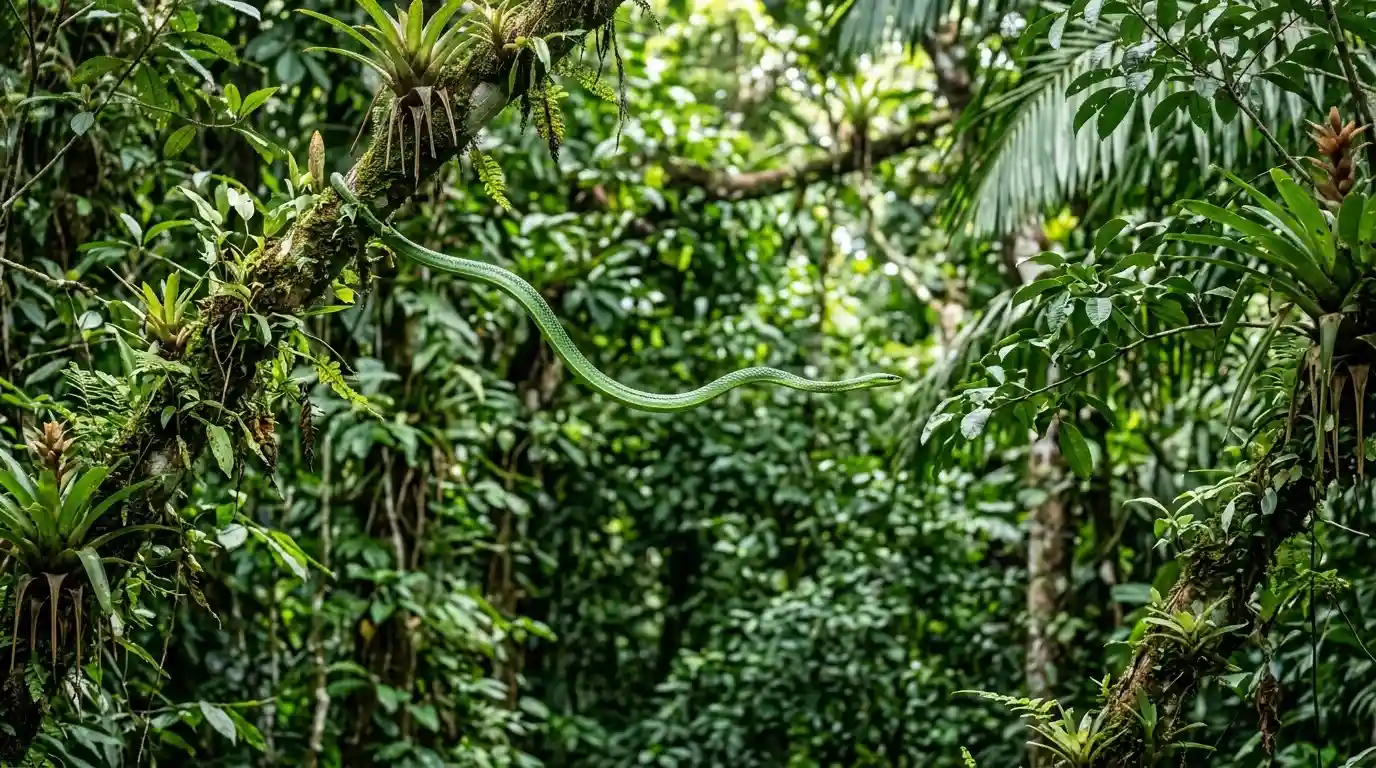
High in the Amazon canopy lives a snake that glides between treetops with an efficiency that stuns aerospace engineers. It does not fall: it navigates the air.
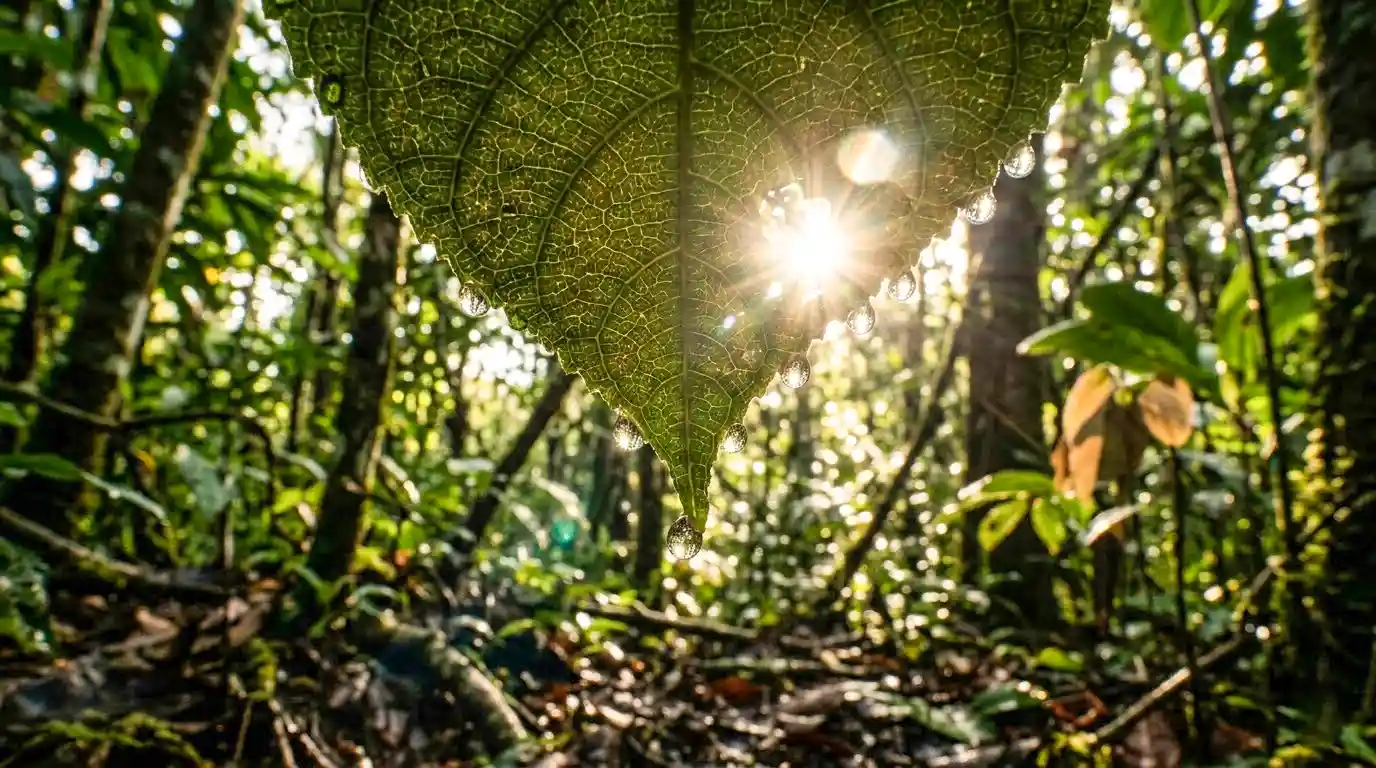
A single molecule from the bark of an Amazon tree shrank solid tumors by 70% in recent lab tests, as Brazilian science probes its potential against cancer.
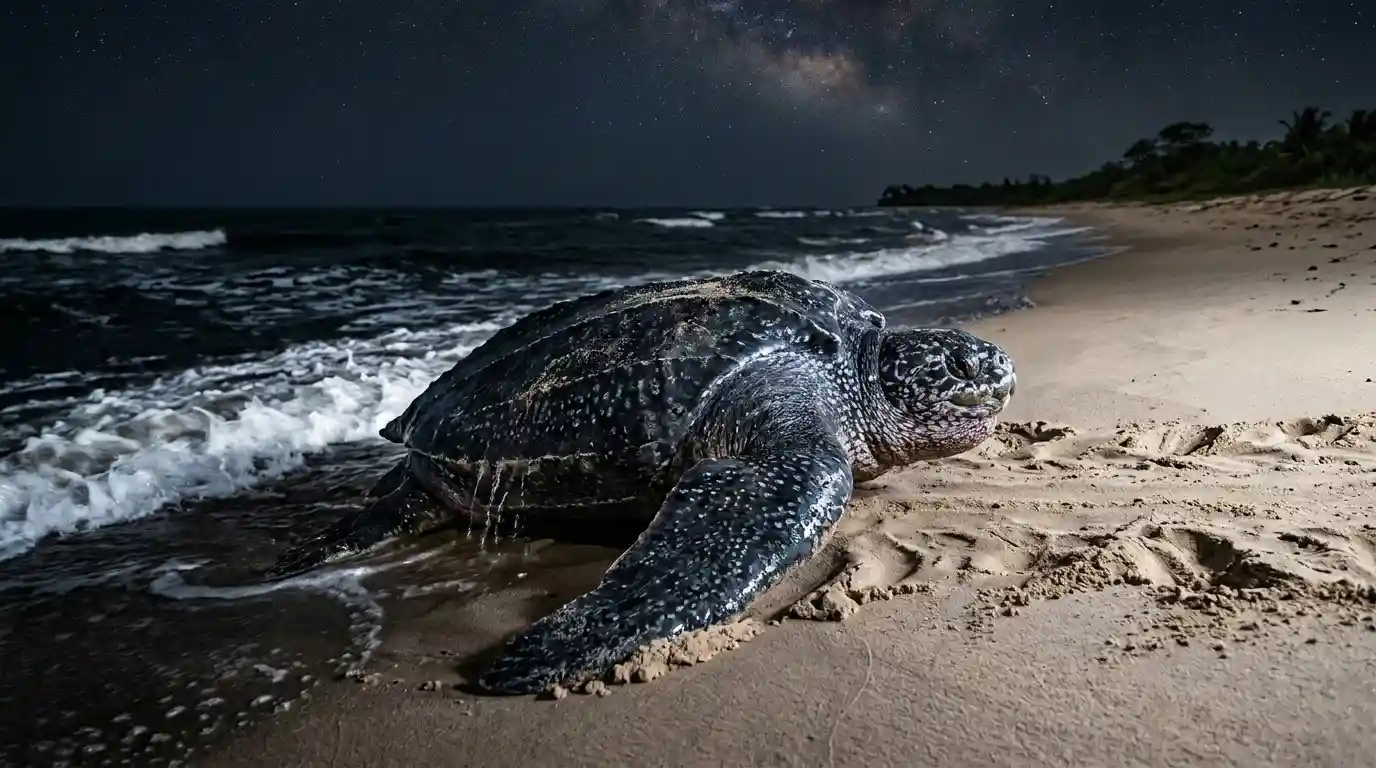
An animal that has swum the oceans since the age of the dinosaurs chose the remote beaches of Amapá to breed, and this season delivered one of the highest nest counts recorded there in decades.
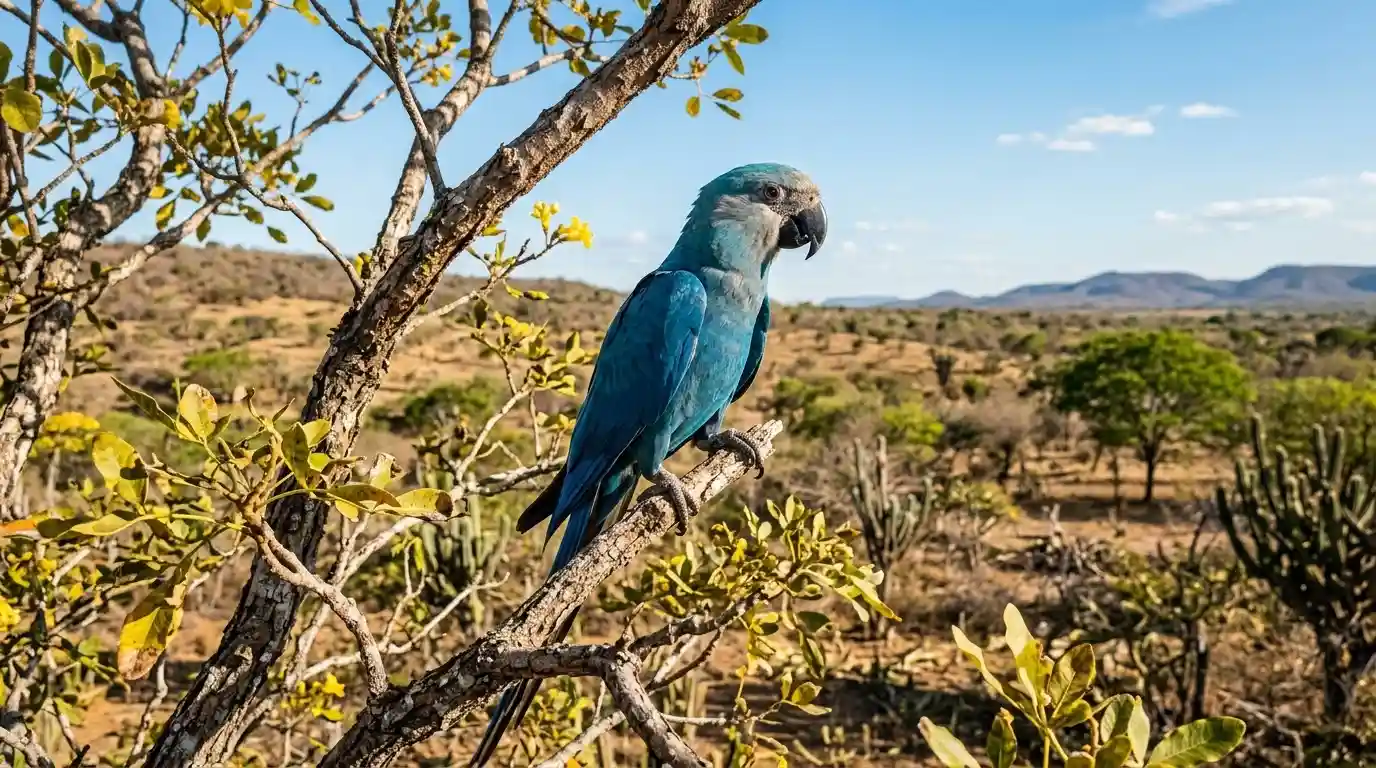
The last wild Spix’s macaw vanished in 2000. Today, captive-bred birds are relearning how to survive in the wild in Curaçá, in Brazil’s Bahia state.
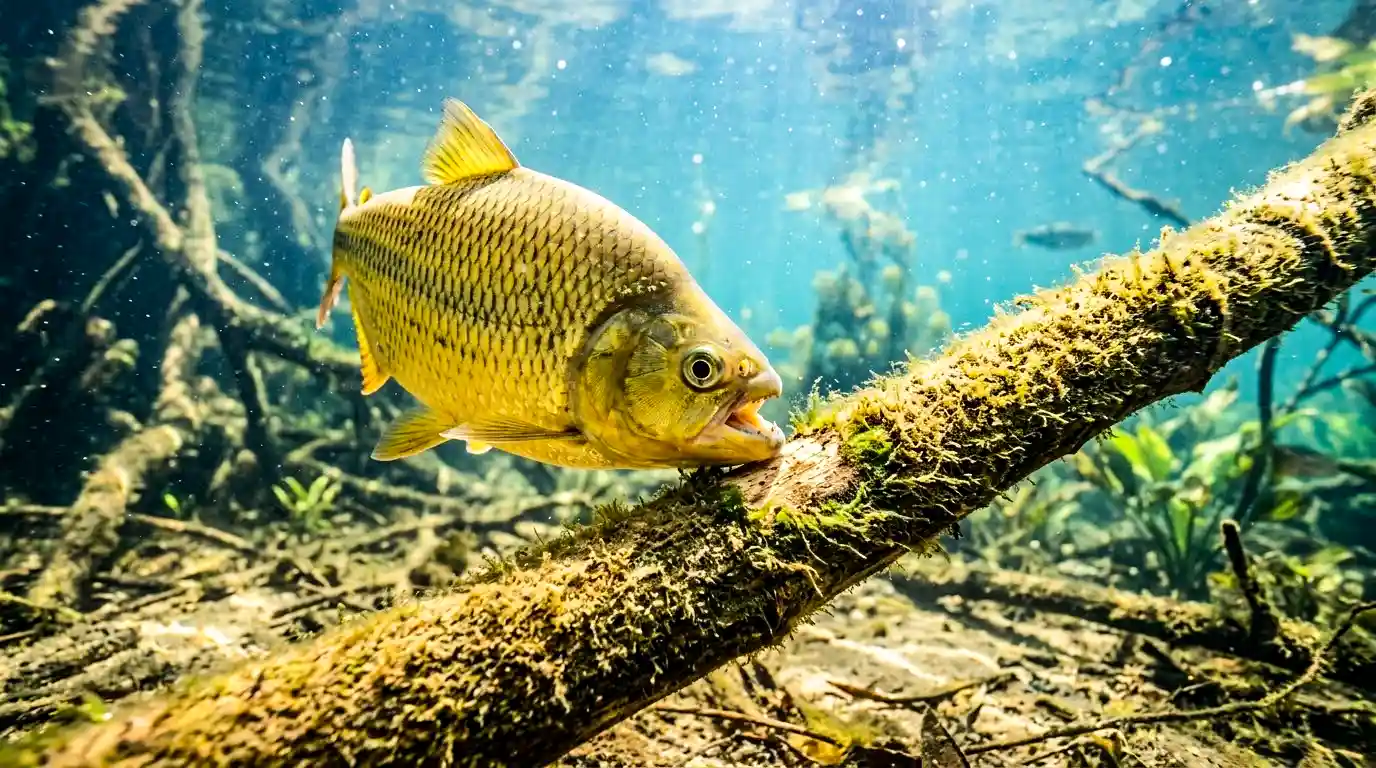
A single school of filter-feeding fish processes truckloads of organic debris each low-water season. Meet the pacu-bosta, the invisible worker keeping Amazon rivers alive.
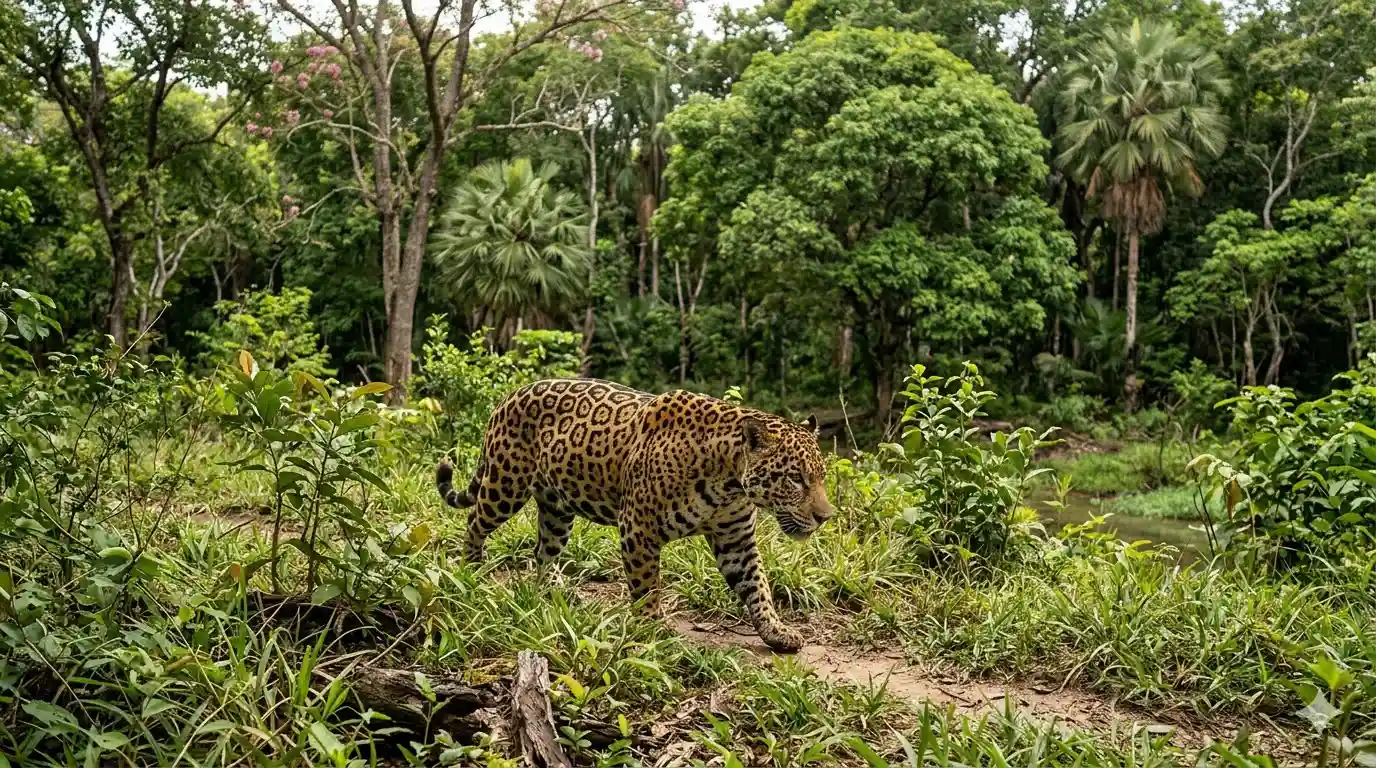
Animals once considered locally extinct are reappearing in Brazil’s Pantanal, where sightings of rare species have jumped 40% in just five years.
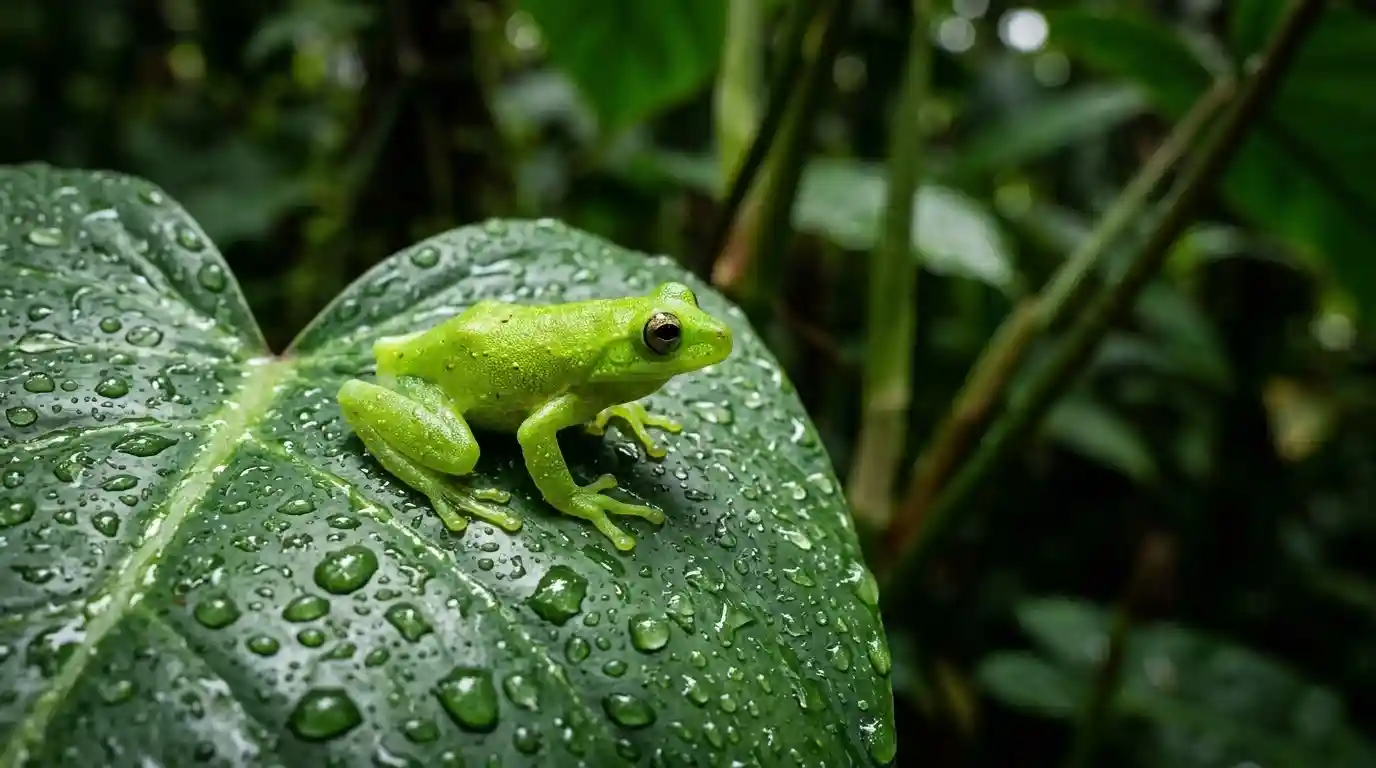
A field expedition in the Alto Solimoes region found a small, vivid green frog that defies known classifications. Its metallic call gave away an unlikely home: bromeliads suspended high in the canopy.
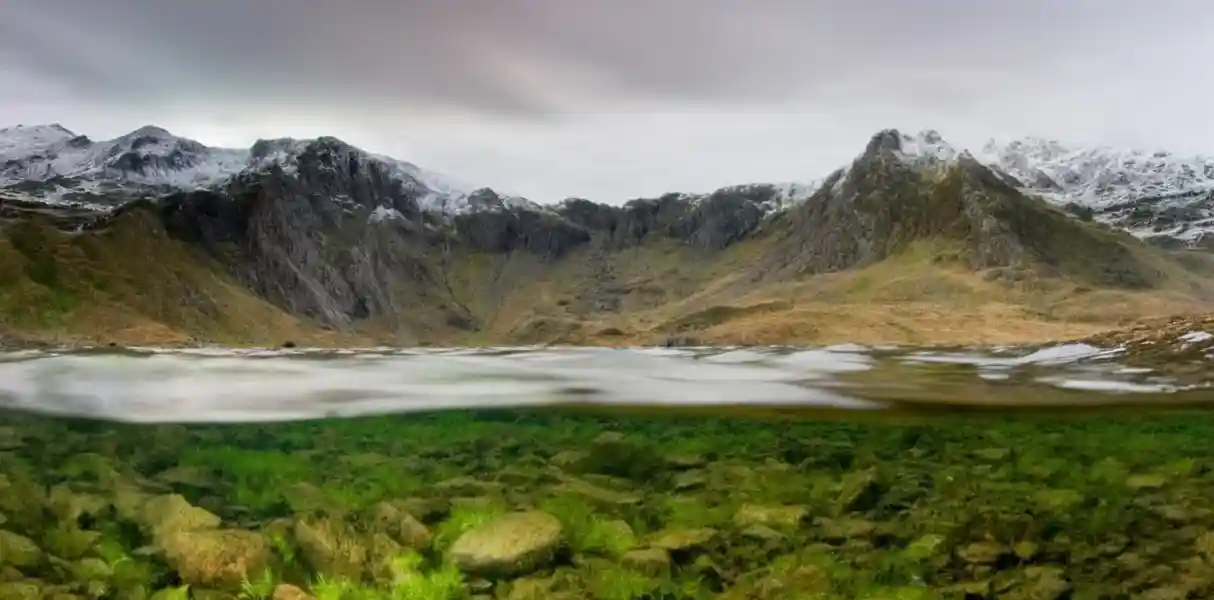
About 470 million years ago, the first plants left the water for a world of bare rock. In doing so they reshaped the atmosphere, built the soil and turned Earth green.