
Wildfires Threaten Drinking Water Long After the Flames Die
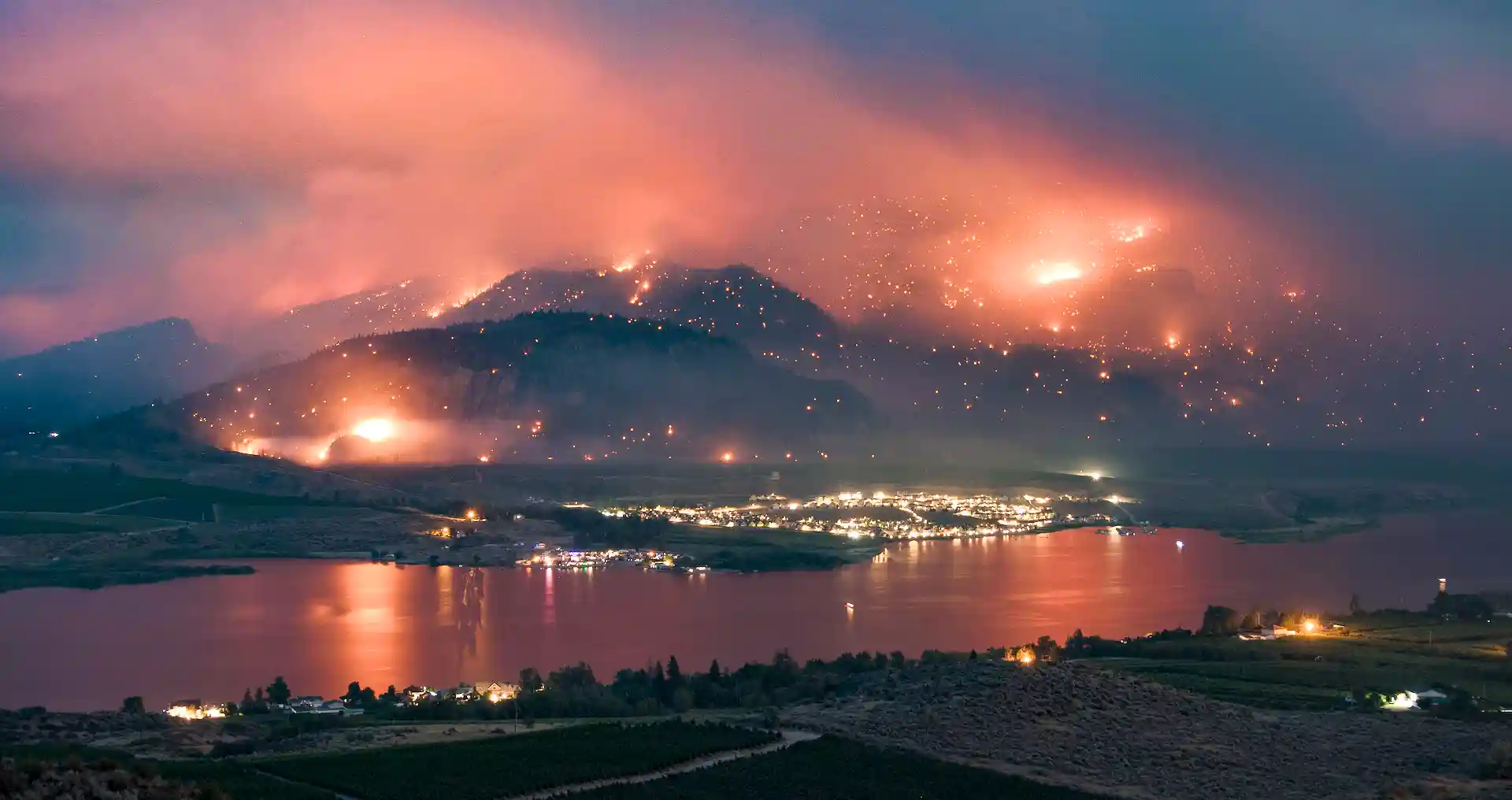
A global UBC review reveals that wildfires can keep Canada’s drinking water contaminated for months or years, long after the flames have died down.
 Anne Silva
A global UBC review reveals that wildfires can keep Canada’s drinking water contaminated for months or years, long after the flames have died down.
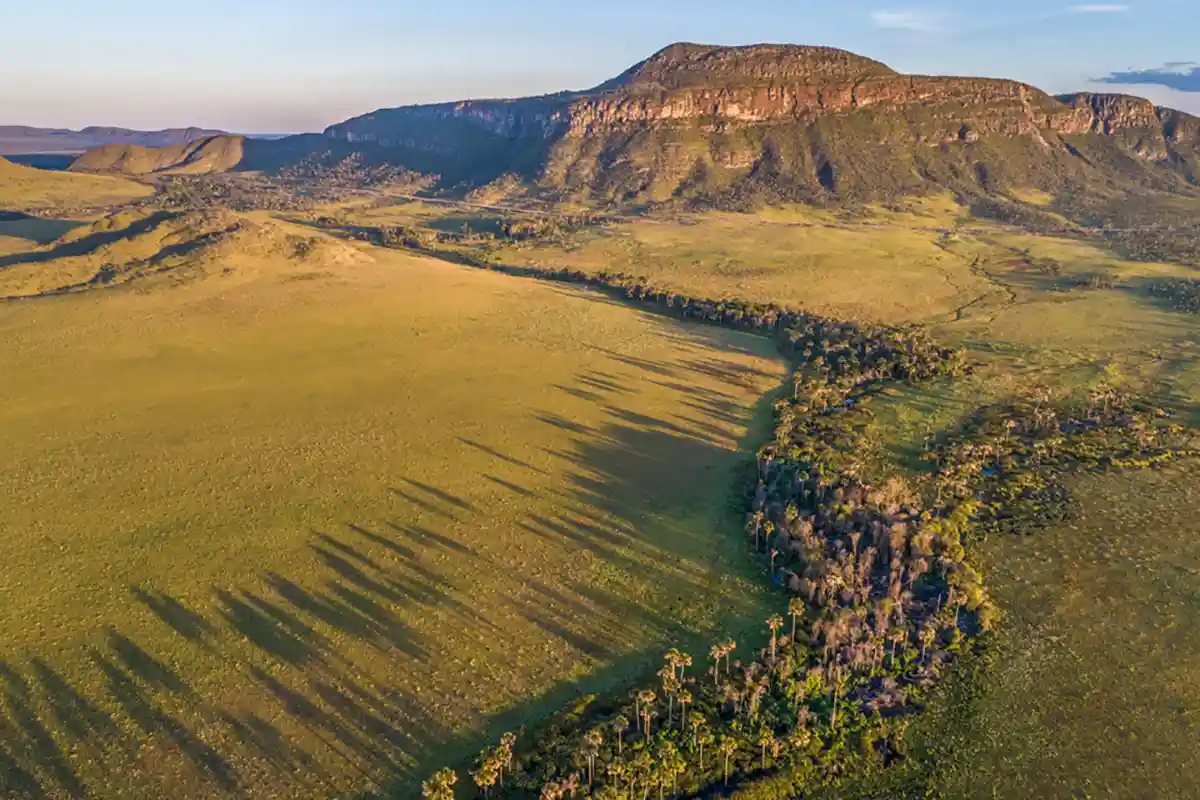
A New Phytologist study finds the Cerrado’s overlooked peatlands hold six times more carbon per hectare than the Amazon, a climate vault that global carbon accounting missed entirely.
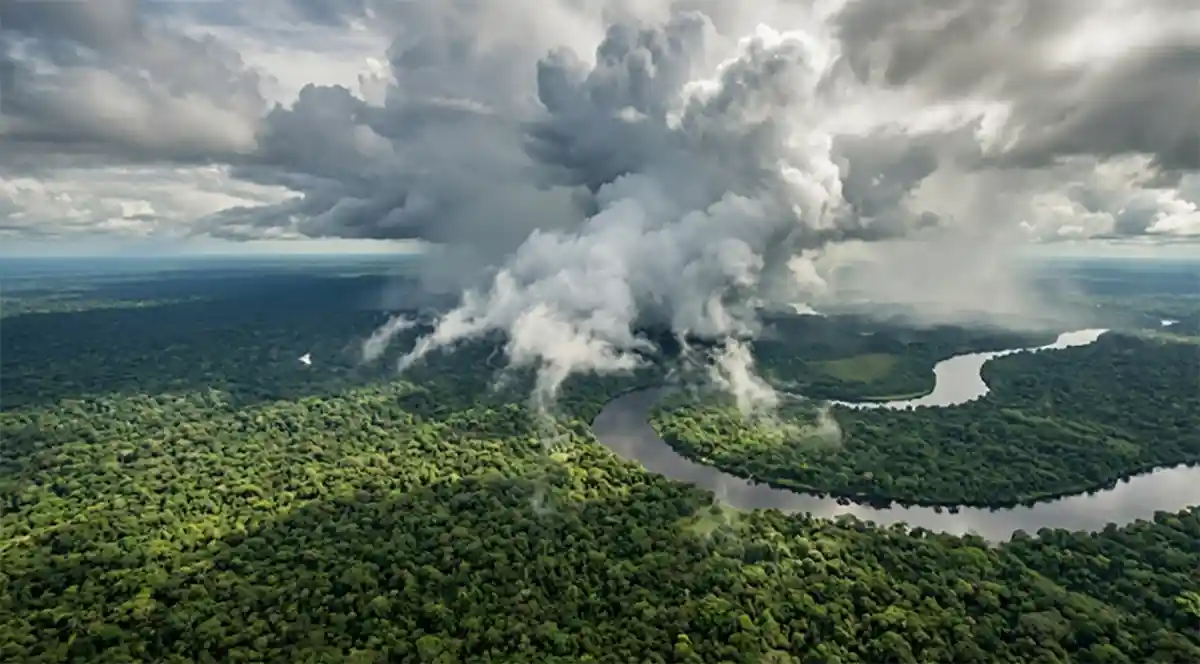
On the International Day of Forests, professor Leandro Juen (UFPA) explains why the loss of the Amazon rainforest threatens the water, climate, and food of every Brazilian.

The European Union is studying whether to let international carbon credits fund clean cookstoves for millions of families in developing countries, framing a market tool as a way to protect forests and human health.
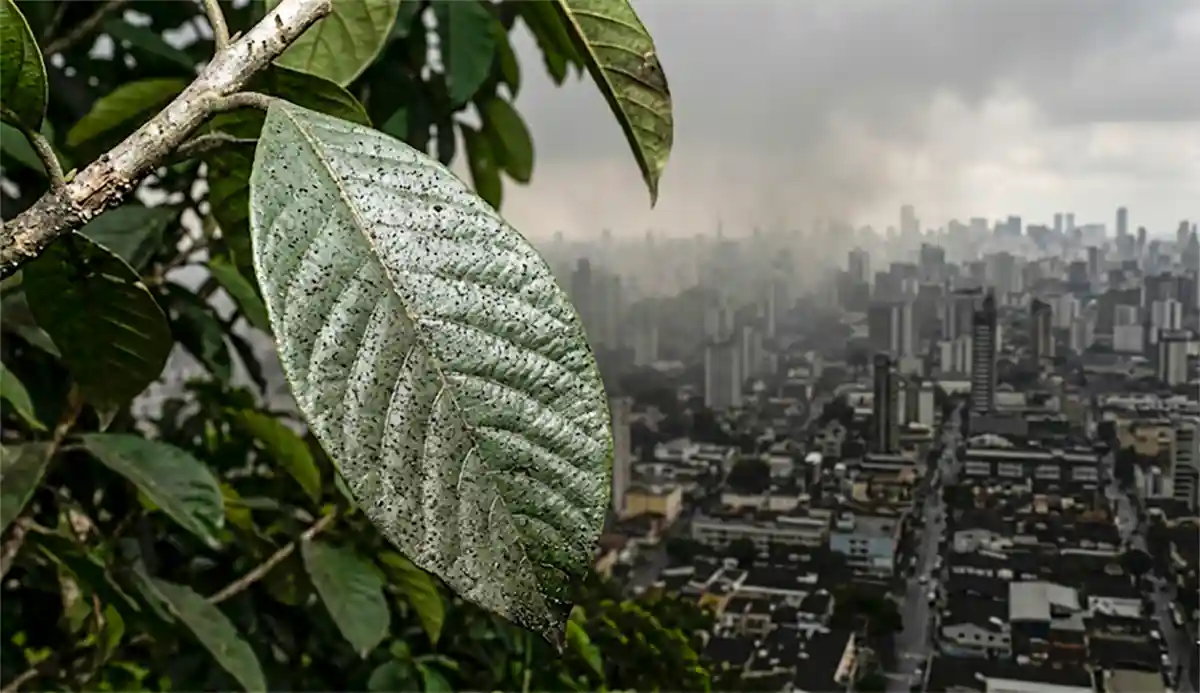
Instituto Ar has launched the Air Quality Communication guide to translate complex pollution data into clear messages, linking human health to the future of the Amazon.
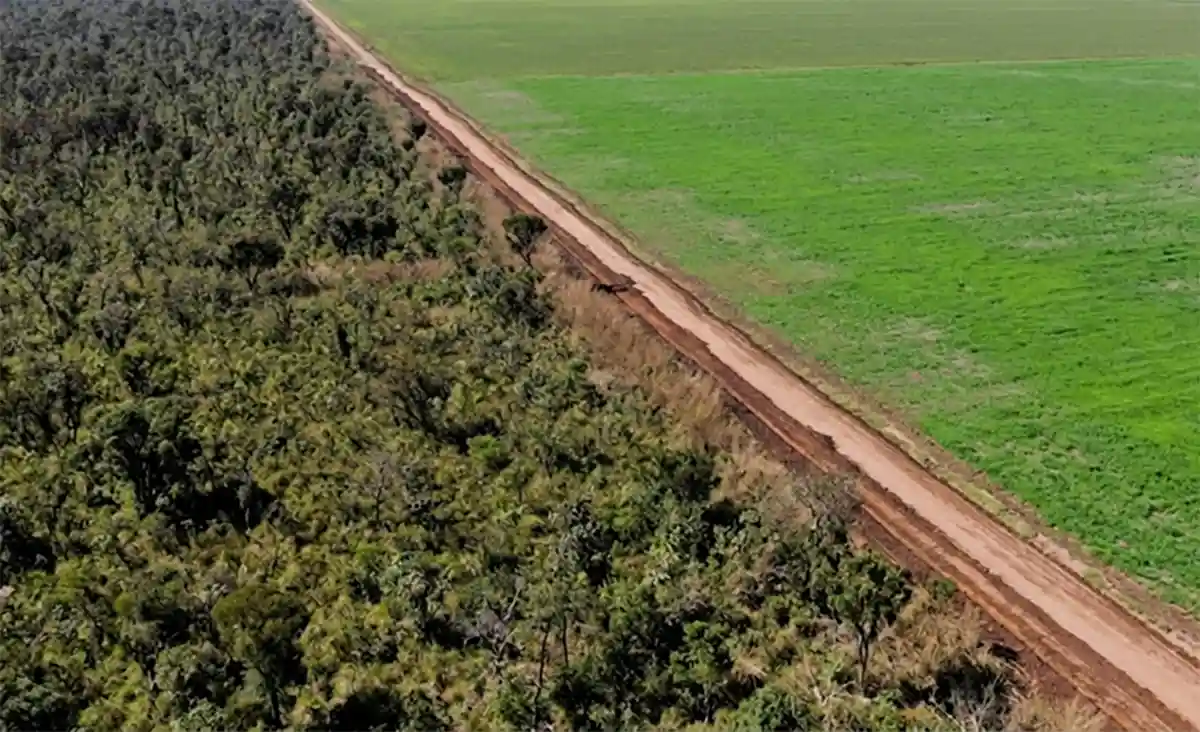
After nearly two decades holding back the chainsaws, Brazil’s Soy Moratorium has ended. More than 32 million acres of native Amazon vegetation are now exposed, and European buyers are threatening to shut the door on Amazon soy.
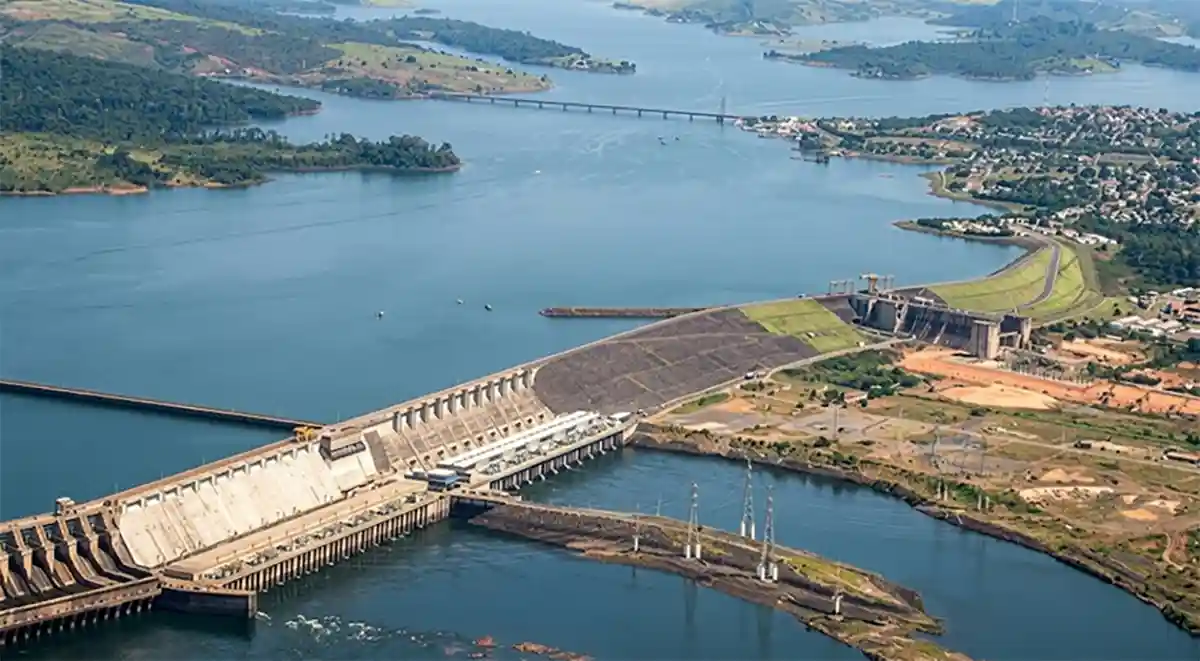
A high-precision engineering operation using LiDAR and bathymetry is mapping the Tucuruí reservoir in Pará to recalculate its true water storage capacity.
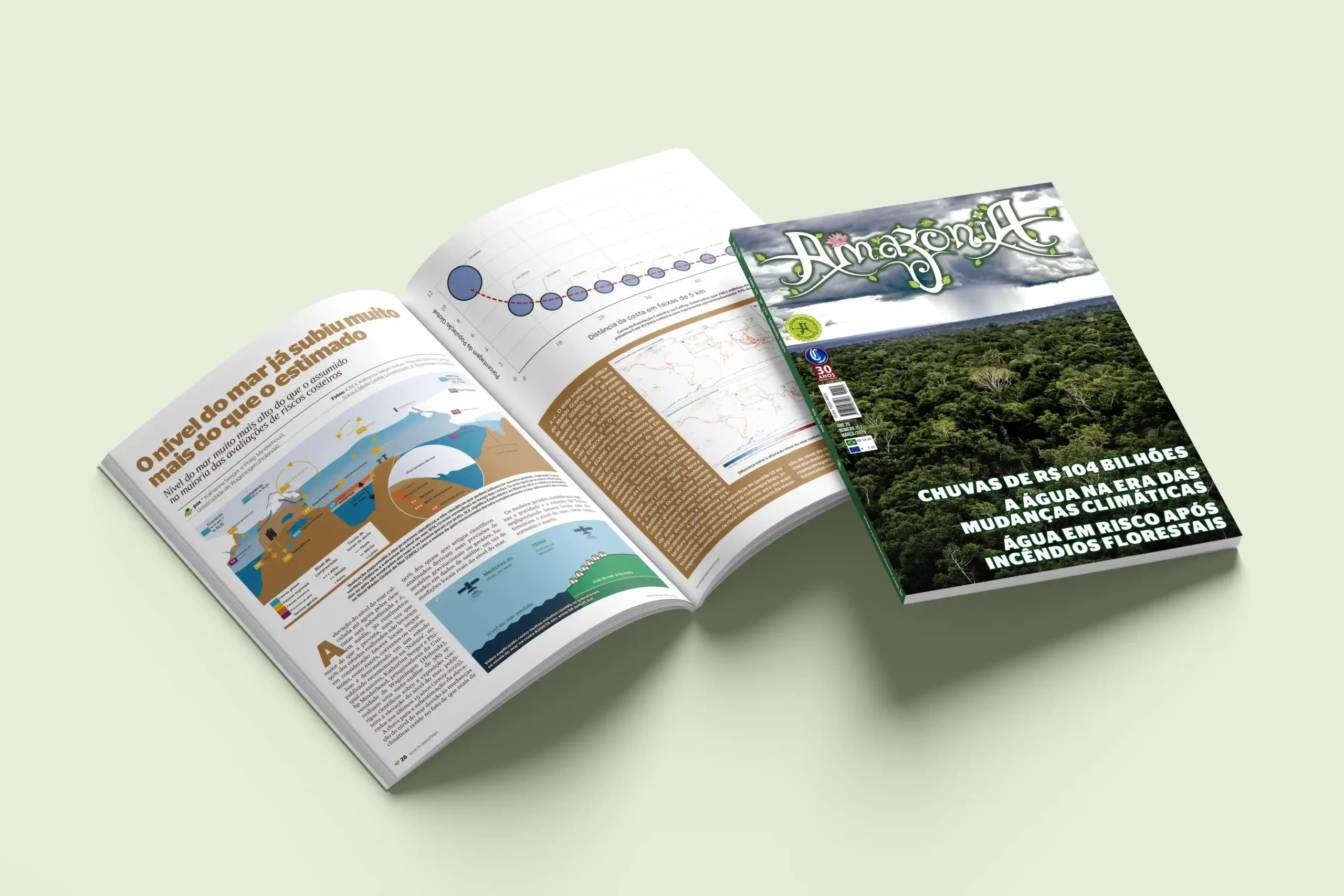
Scientists call it the hypertropical climate: droughts more severe than any record of the past millions of years, tree mortality up to 55 percent higher, and a rainfall service worth 104 billion reais a year that is starting to fail.
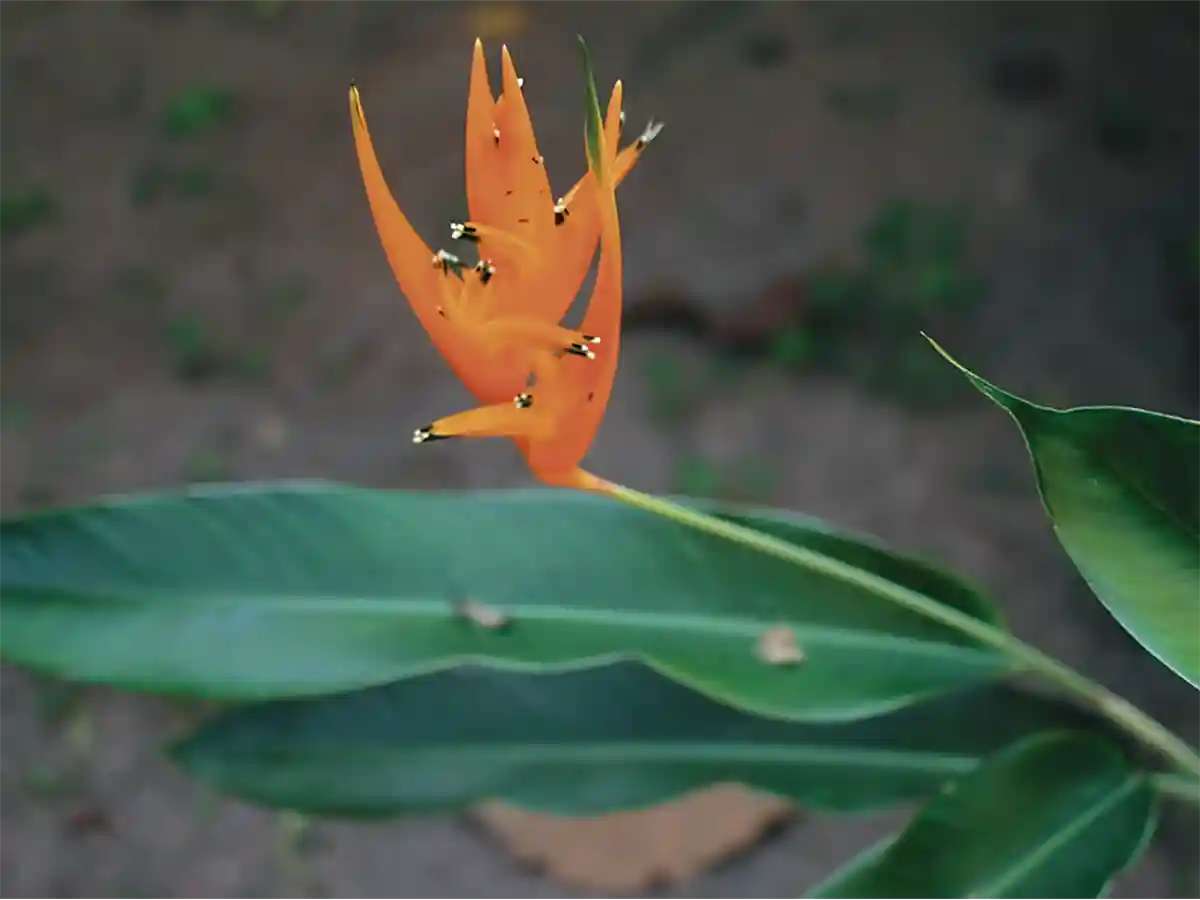
Naturalist João Batista Fernandes launches in Brasília the book Onde andei valeu a pena, gathering 100 Amazonian plant species he identified across more than four decades of expeditions in the world’s largest tropical rainforest.
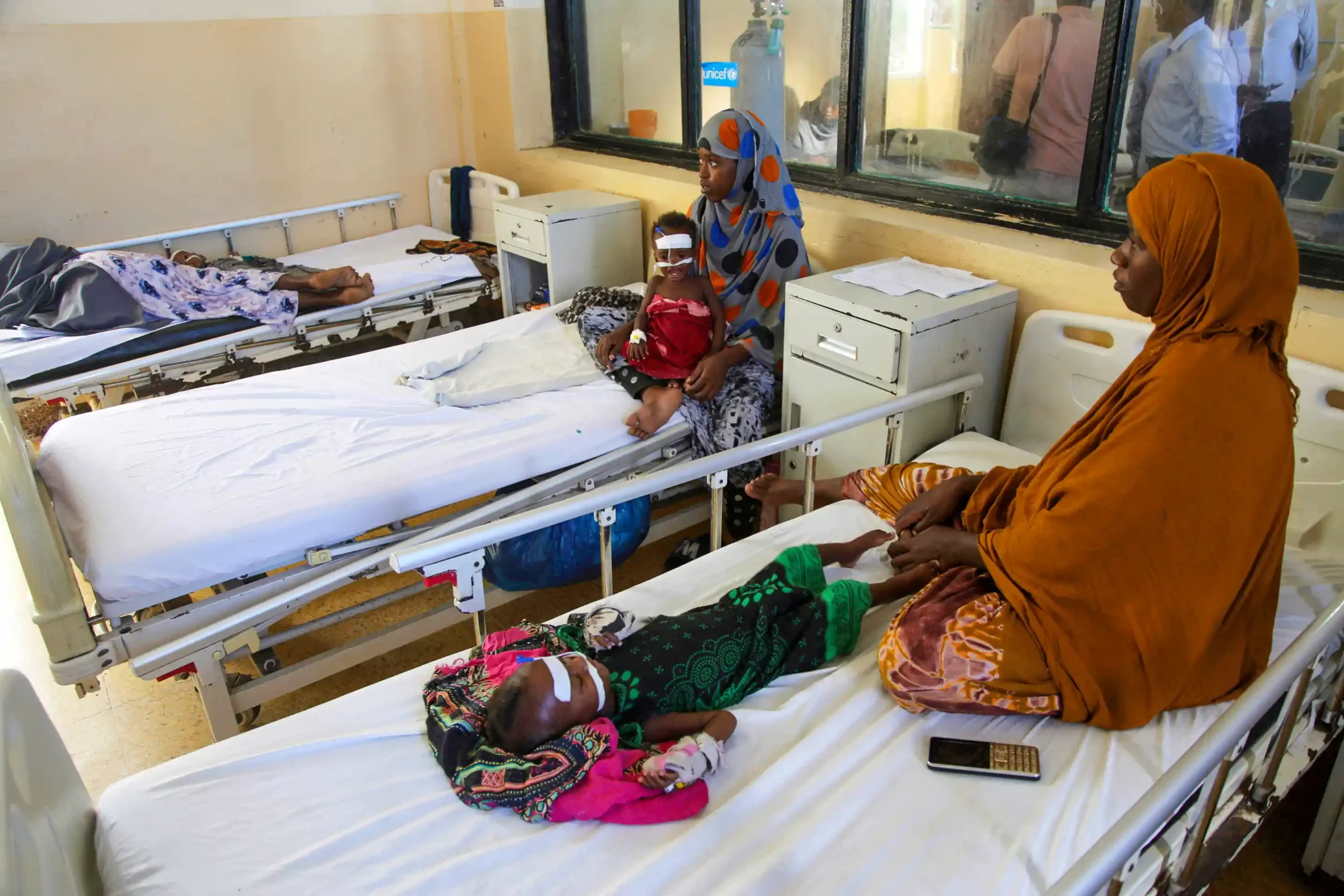
Nearly 6.5 million people in Somalia face severe hunger as worsening drought, conflict and aid cuts deepen the crisis, the federal government and UN agencies warned. The report estimates 1.84 million children will face acute malnutrition in 2026.