The toucan is the Amazon’s most productive tree planter
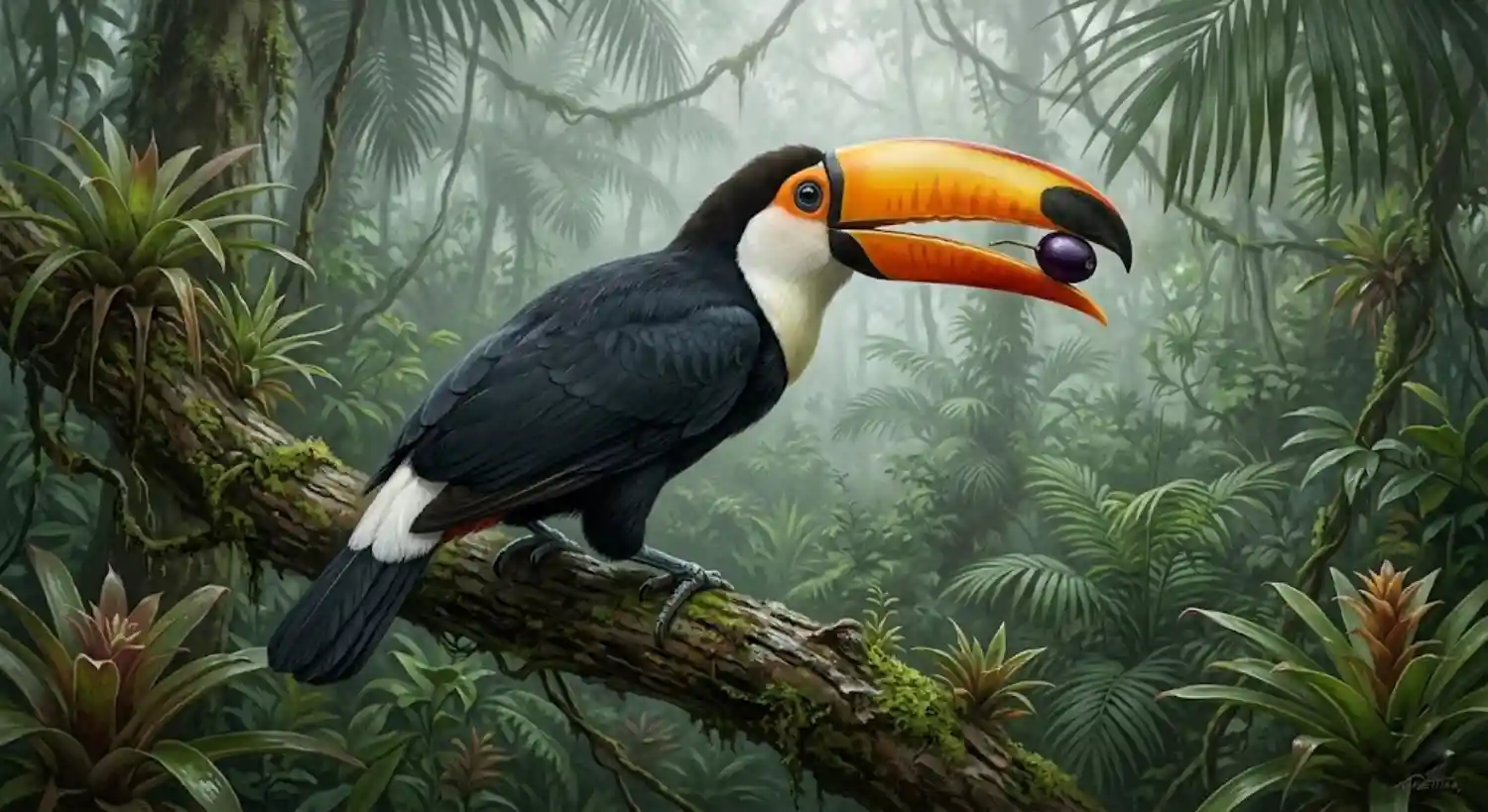
Toucans swallow palm fruits whole, carry the seeds intact for more than five kilometres and drop them where new trees can grow. It is the quietest reforestation programme in the Amazon.
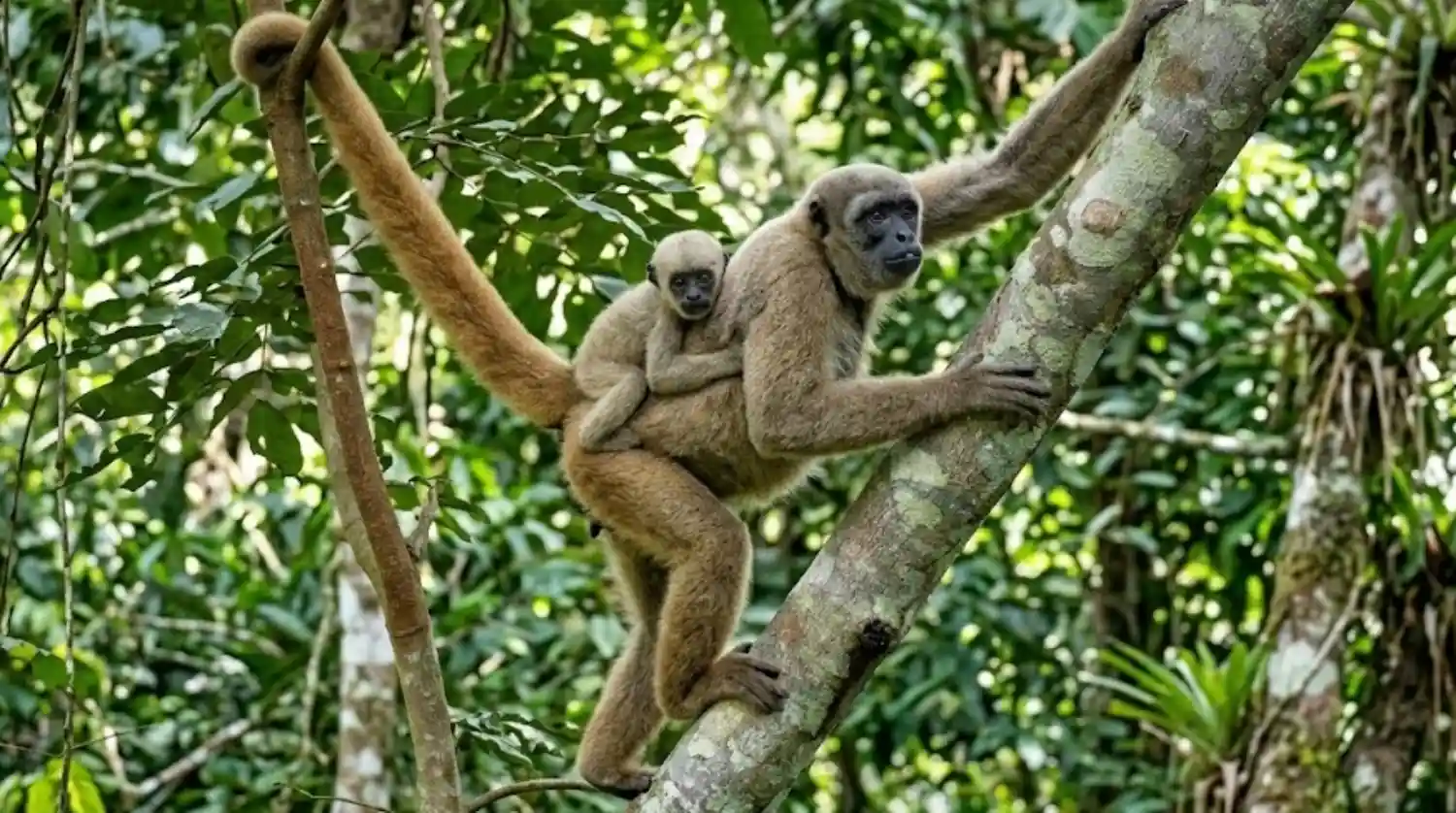
The northern muriqui is the largest primate in the Americas and lives only in Brazil’s Atlantic Forest. It has no large canines, no alpha male and a group life built on tolerance and cooperation.
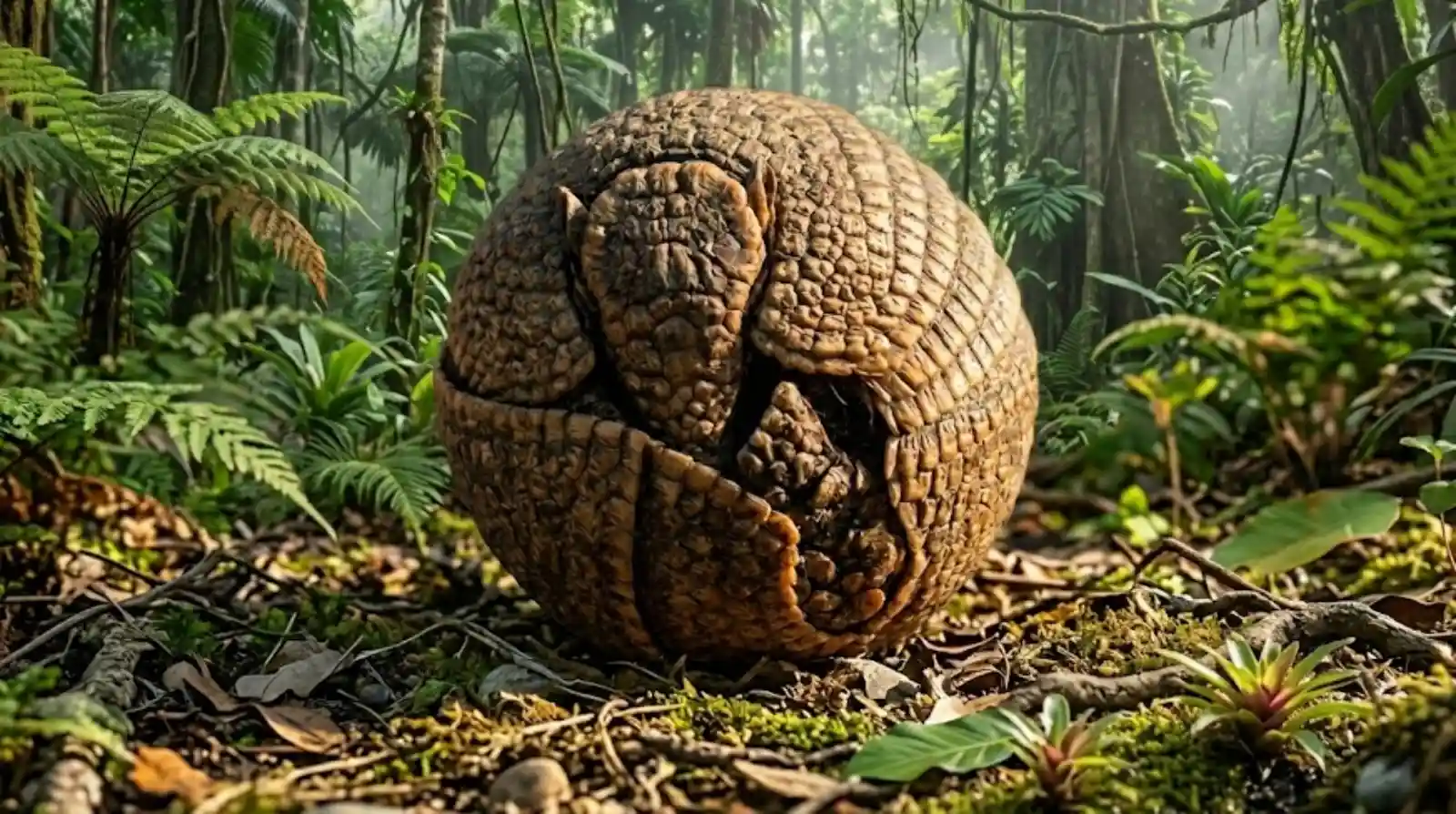
Faced with a threat, the Brazilian three banded armadillo seals itself into a ball with no edges and no gaps. What stops a jaguar is not the hardness of the bone but the geometry of the sphere, held shut by the animal’s own abdominal muscles.
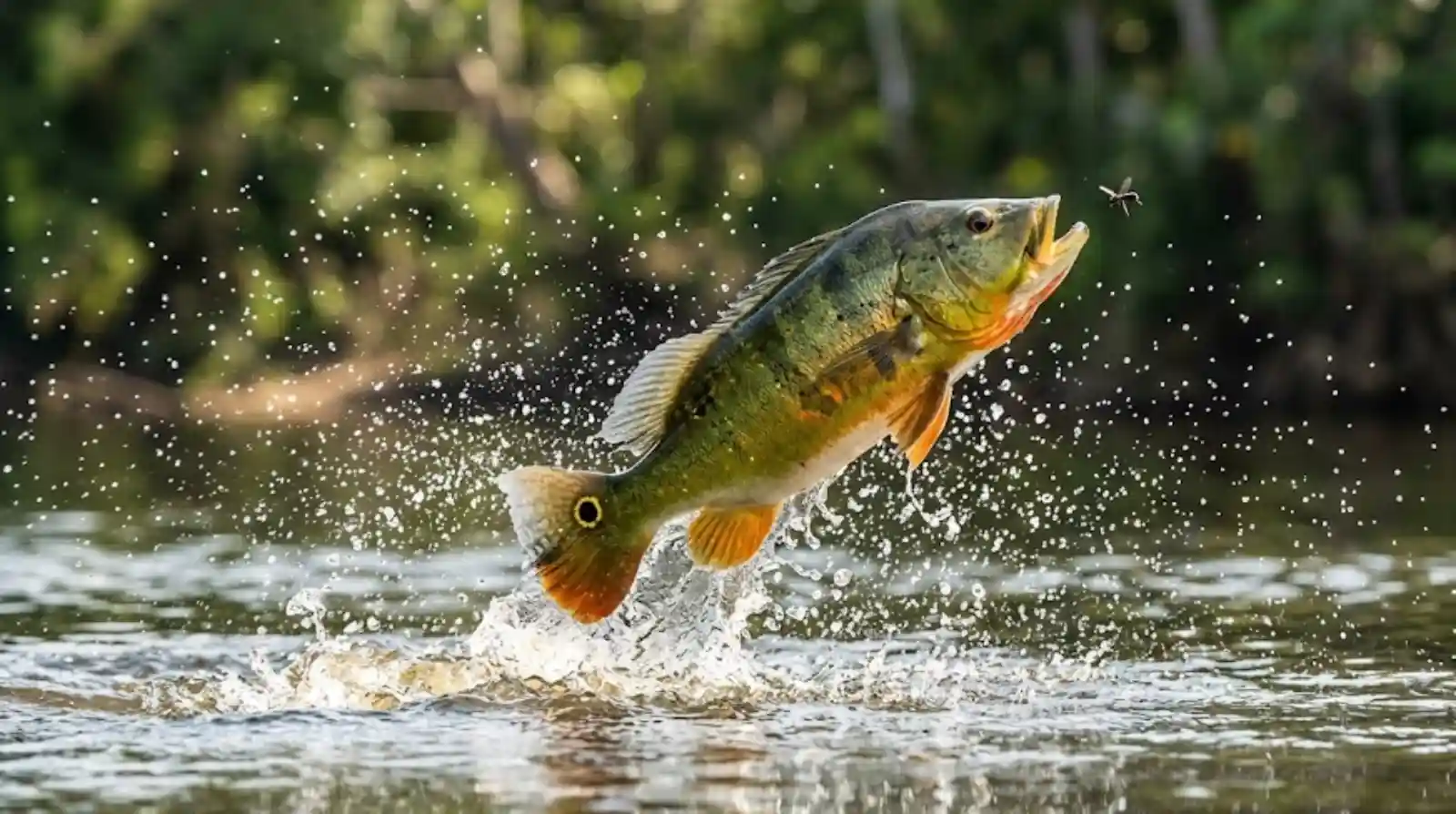
The peacock bass leaps clear of the river to catch insects and birds in flight. To hit the target, its visual system first corrects for water refraction.
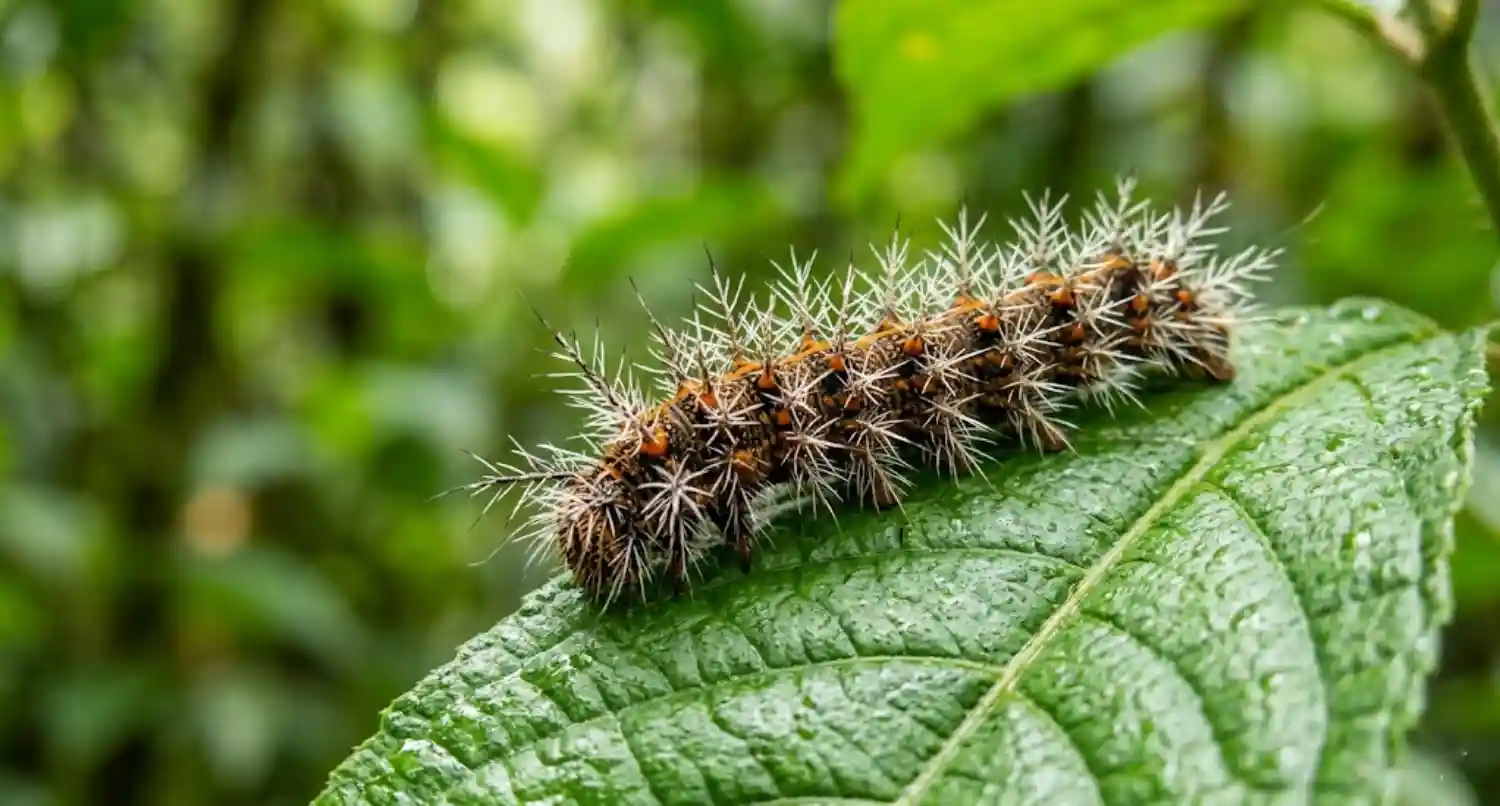
The hollow bristles of fire caterpillars work as hypodermic microneedles. How the venom is injected, why Lonomia obliqua is a medical emergency and what to do after contact.
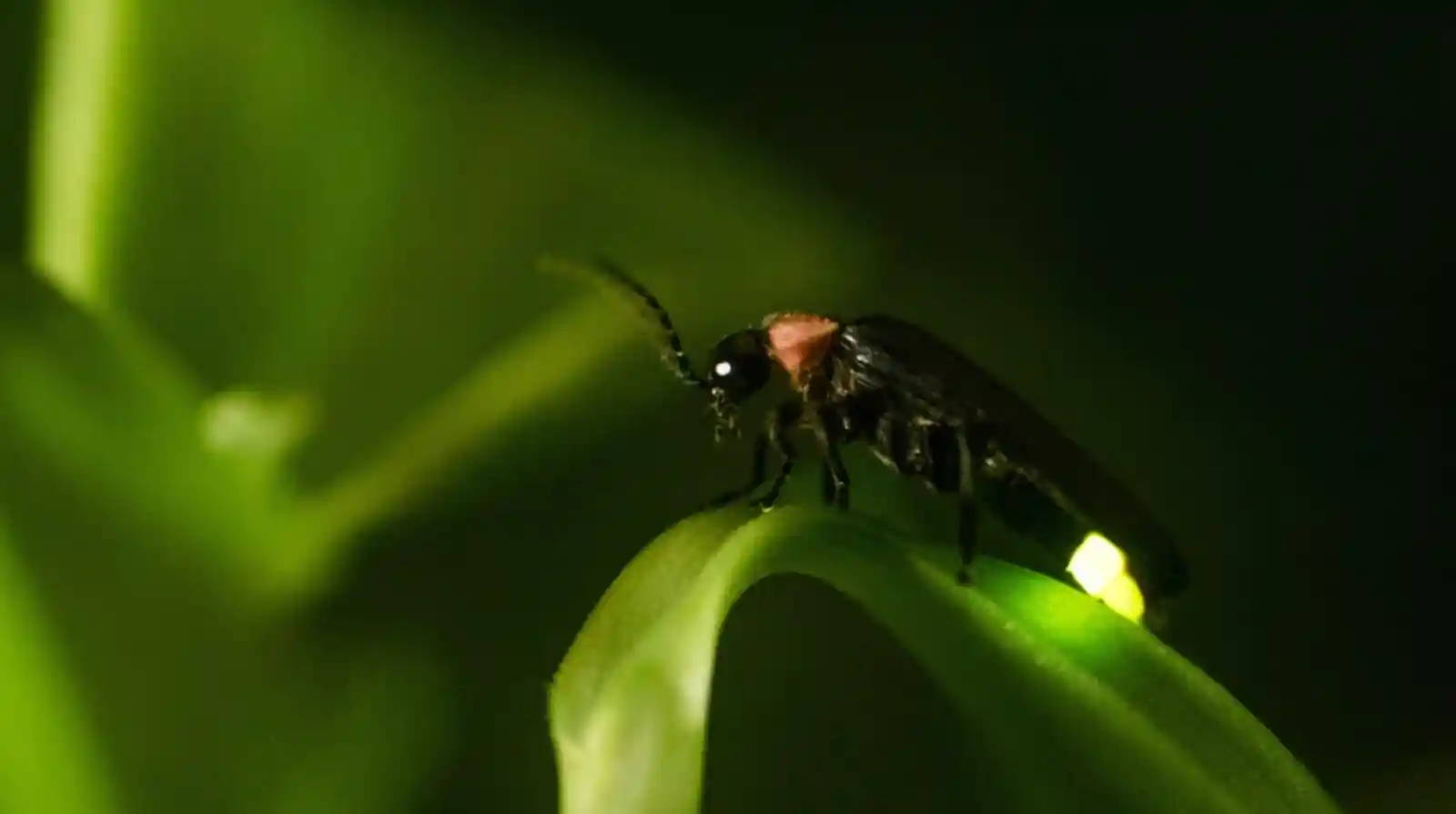
In the Amazon rainforest, a tiny beetle turns almost one hundred percent of its energy into visible light and almost none into heat. Its bioluminescence remains the benchmark the lighting industry still hopes to copy.
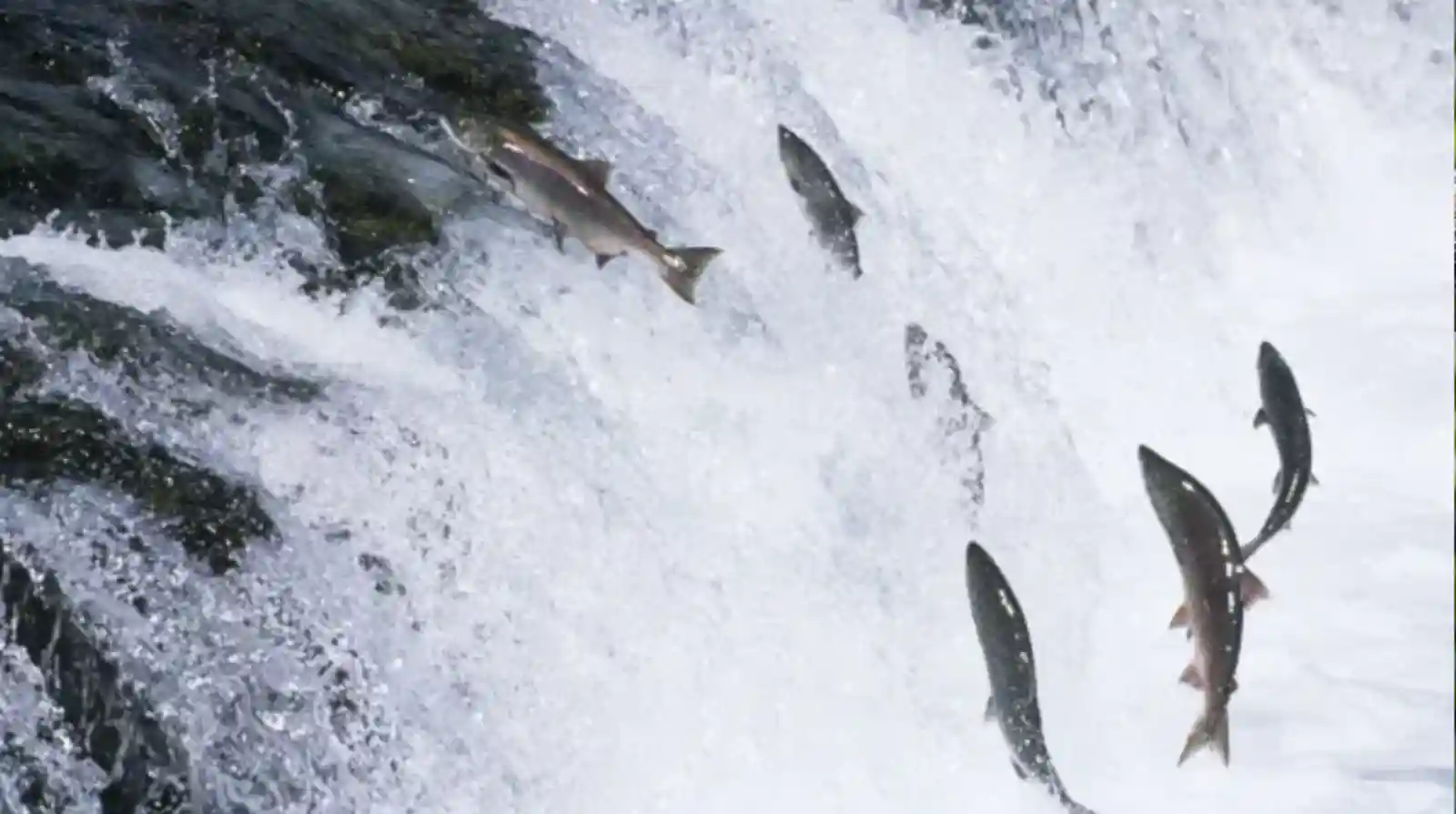
During the piracema, the matrinxã swims hundreds of kilometres against the Amazon current to spawn in the headwaters. The journey renews fish stocks, feeds the river food web and sustains thousands of riverside families.
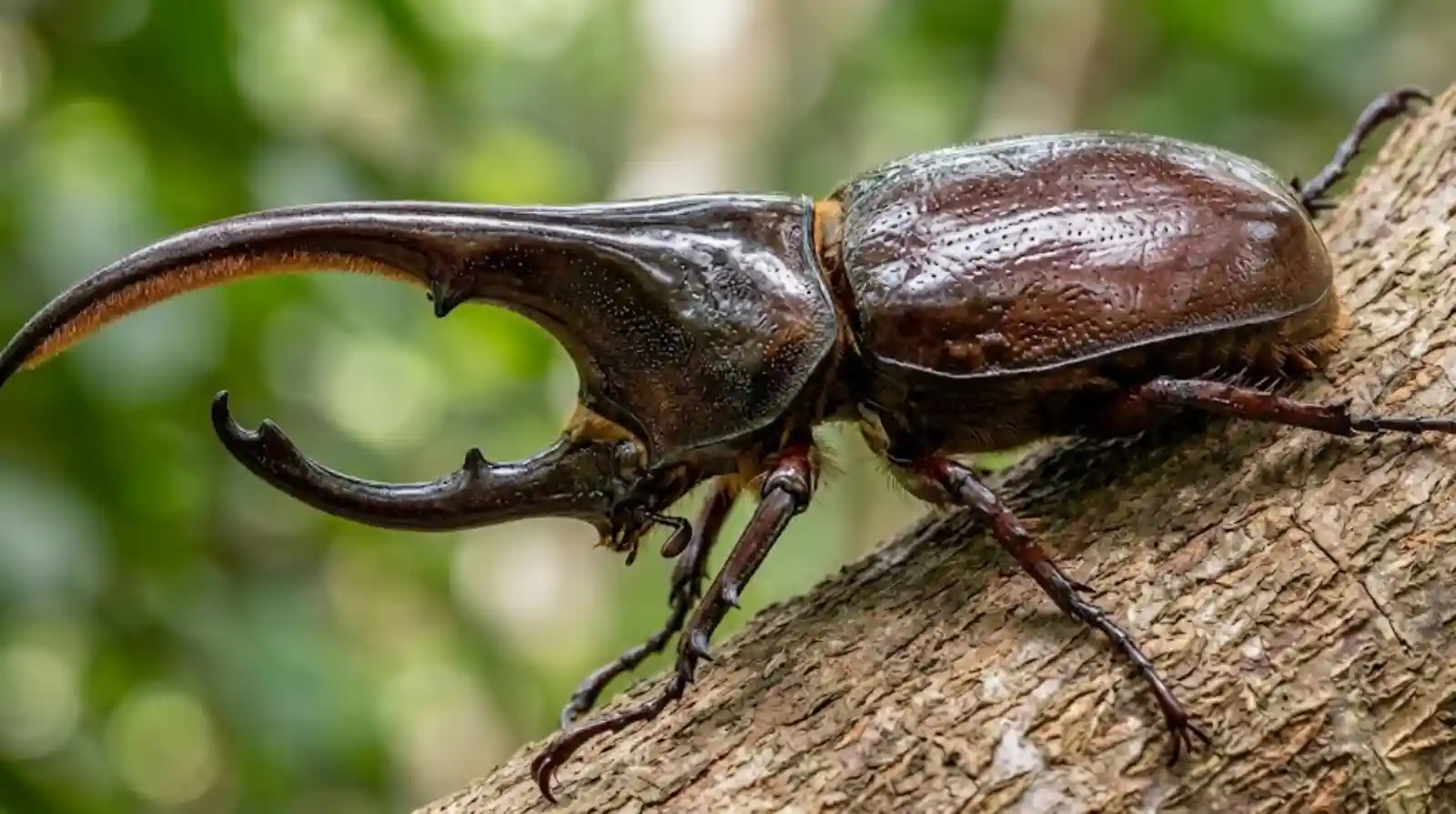
Able to lift hundreds of times its own body mass, the rhinoceros beetle holds the greatest relative strength of any animal on the planet. The explanation lies in a chitin exoskeleton, in the physics of small scales and in millions of years of male rivalry inside the Amazon rainforest.
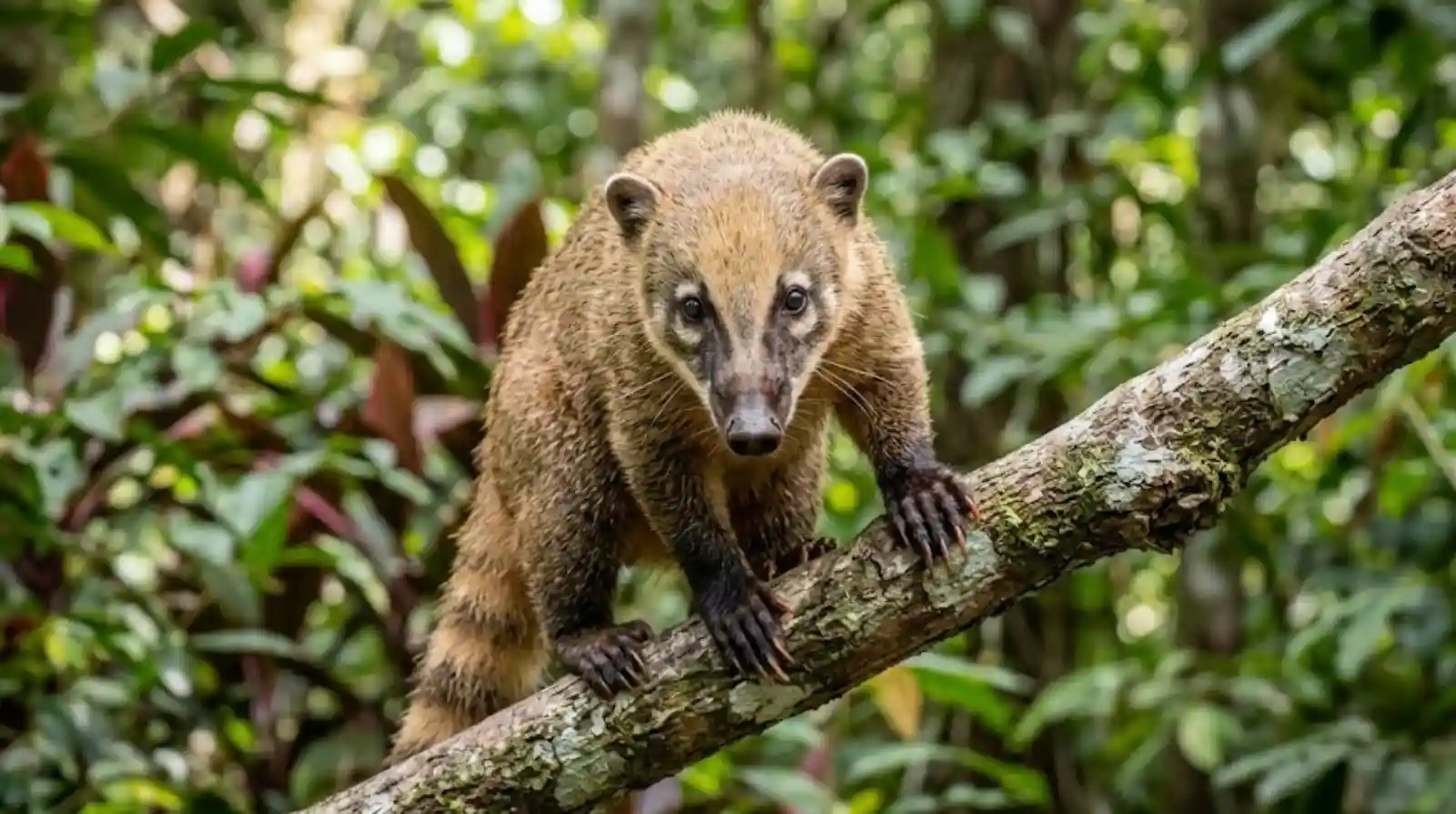
Unusually flexible wrists and long, sharp claws turn the front paws of the coati into hands that open fruit most other Amazon animals cannot break.
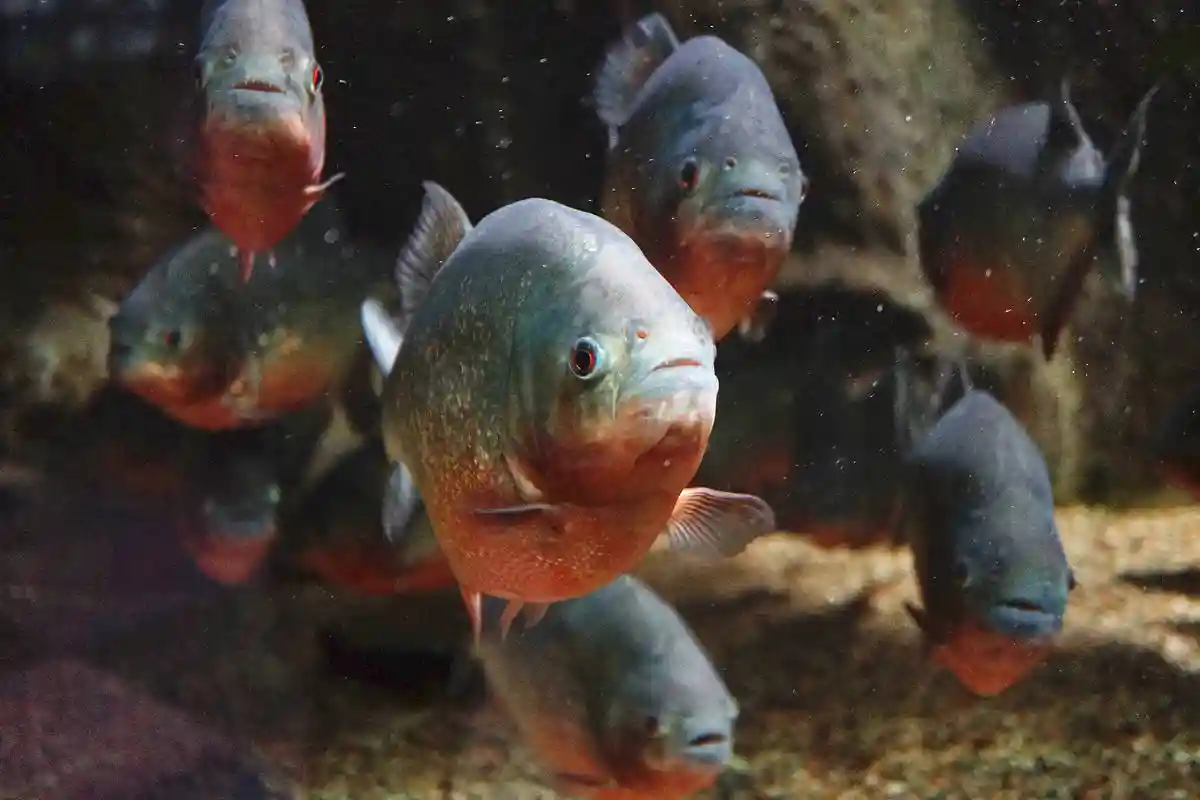
Far from the flesh stripping monster of the movies, the red piranha works as a scavenger and a recycler in the Amazon basin. Field biology describes a shy fish that schools for protection and keeps river ecosystems healthy.