
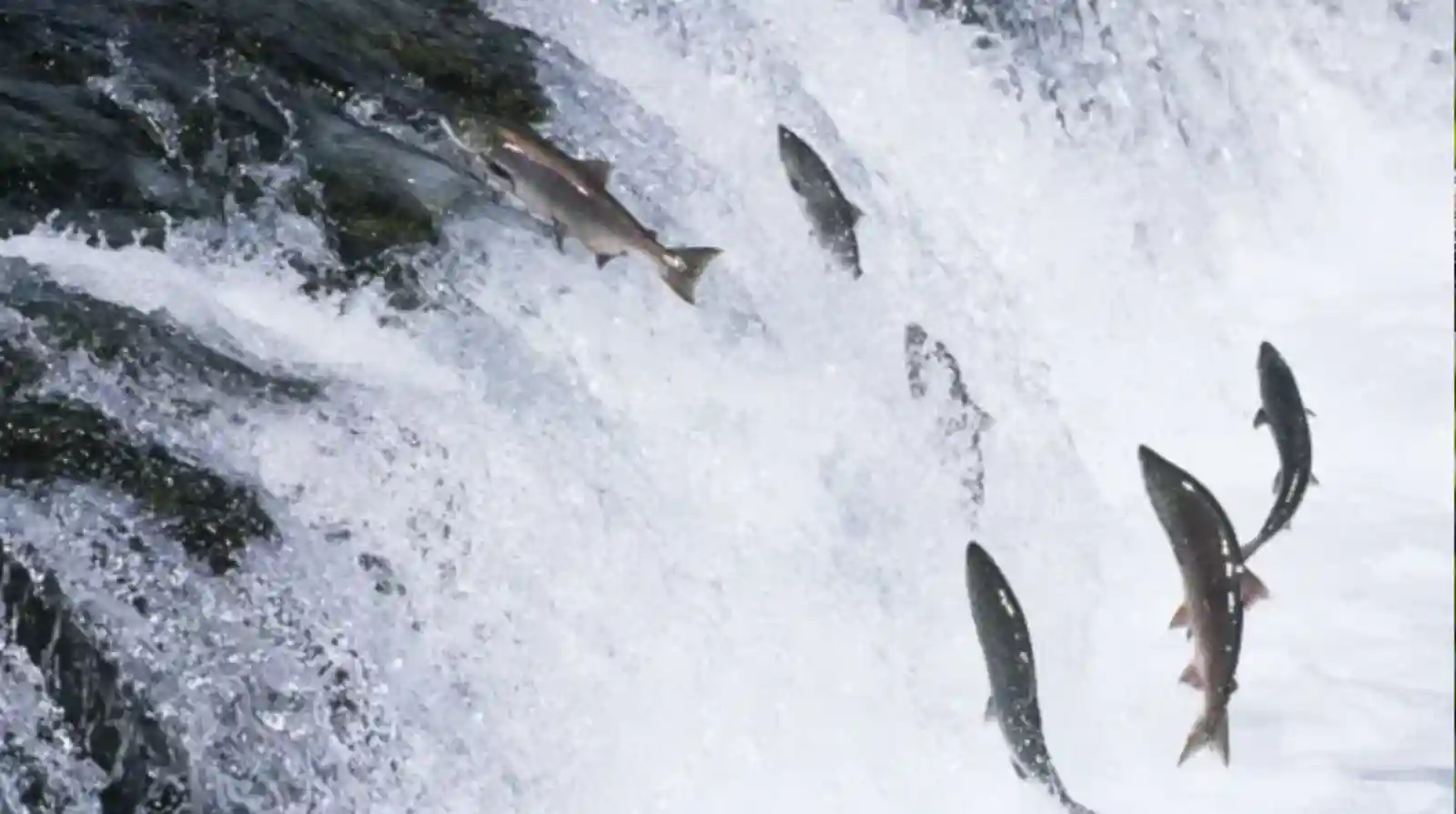
Every year, when the waters of the Amazon River start to rise, a phenomenon known in Brazil as piracema sets millions of fish in motion. The word comes from the Tupi language and means, literally, the exit of the fish: it describes the reproductive migration in which entire shoals leave the flooded areas and swim upstream, against the current, until they reach the headwaters where they spawn. Among all the protagonists of that aquatic exodus, few are as powerful and as stubborn as the matrinxã, Brycon amazonicus, one of the most determined swimmers in the Amazon basin. During the piracema, this fish covers hundreds of kilometres against the colossal force of the Amazon and its tributaries. The exhausting journey is not only a display of physical strength: it is the vital mechanism that drives the renewal of life in the rivers and sustains local ecosystems and economies.
A body built to beat the current
The migration does not begin at random. The phenomenon is triggered by precise environmental cues, such as the start of the rising water season and changes in river temperature. Before setting off, the matrinxã feed voraciously in the flooded areas, where they find fruits, insects and small fish, and build up large reserves of fat. When the reproductive instinct takes over, they stop feeding altogether and channel all of that stored energy into a single task: swimming upstream without rest. The hydrodynamic body and the powerful musculature of the species are perfect evolutionary adaptations to overcome the resistance of the water in a continuous effort that can last for weeks.
A chemical compass in a maze of water
Finding the way in an environment as vast and as changeable as the largest river network on the planet is, in itself, a sensory marvel. Science recognises that the matrinxã navigates using a combination of chemical and olfactory signals. Studies indicate that these fish are able to detect the unique chemical signatures of specific rivers, which allows them to recognise and locate the exact tributaries where they were born. Reaching the right place is not a minor detail. The reproduction of Brycon amazonicus depends on very specific conditions of oxygenation, temperature and turbulence for the eggs to survive and hatch successfully.
The final destination of the journey is the headwaters, stretches of faster and better oxygenated water. It is there that collective spawning takes place. The fertilised eggs do not stay put: the current itself carries them back downstream towards the várzea and igapó, the seasonally flooded plains that work as the natural nurseries of the river. When the larvae hatch, they find shelter and abundant food in those nutrient rich areas.
That cycle guarantees the development of a new generation of matrinxã, able to replenish the populations that keep the Amazonian food web moving. The young fish become prey for larger predators, feed birds and river dolphins, and secure the continuity of the species itself. In other words, a single migration season echoes through the whole river system, from the smallest invertebrate in the flooded forest to the fishermen who set out at dawn in their canoes.
From the river to the table: the economy of the piracema
The importance of this event goes far beyond ecology. The relationship between the matrinxã, fishing and the piracema is fundamental for food security and for the economy of the region. For riverside communities, the return of the shoals marks a season of abundance that is awaited all year long. The matrinxã is one of the most valued species in Amazonian markets because of the quality and the flavour of its meat, and it represents a significant source of income for thousands of families of small scale fishermen. Traditional knowledge about the routes and the timing of the migration is passed on from generation to generation and connects local culture to the rhythms of the river.
That is exactly why the sustainable management of the resource is so vital. Since the year 2000, we at Revista Amazônia have reported on the importance of respecting the closed fishing seasons during the piracema. Studies indicate that a temporary ban on fishing in strategic places allows a sufficient number of breeding adults to complete the journey, which translates into healthier fish stocks in the following years. The matrinxã, with its remarkable capacity for recovery, responds positively to those conservation measures. It is concrete proof that the sustainable use of Amazonian resources is possible when scientific knowledge is combined with respect for natural cycles.
Protecting the piracema means protecting the soul of the river
Watching the determination of a shoal of matrinxã fighting against the force of a colossal river to secure the future of their species is a lesson in perseverance and in harmony with nature. The Amazon beats to the rhythm of those silent yet massive migrations, which renew the promise of life every season. When the fish move up, the entire river reorganises itself: predators follow them, fishermen adjust their calendars, and the flooded plains get ready to receive the young.
Brycon amazonicus, popularly known as matrinxã, is essential for food security in the Amazon. Its upstream migration is crucial for reproduction and renews fish stocks that are fundamental for thousands of riverside families. Sustainable fishing of the matrinxã, with full respect for the piracema period, guarantees that this valuable resource remains available for future generations. Protecting that journey is, in the end, a way of protecting the soul of the river itself and the prosperity of everyone who depends on it.
Reporting: Anne Silva / Amazonia Mag. Source: Revista Amazônia.

Editor · Amazonia Mag
Anne Silva is the editor of Amazonia Mag, the English-language edition of Revista Amazônia. She curates, translates and adapts the outlet's science and environment coverage for an international audience, reporting on Amazon wildlife, flora, rivers, climate and research. Every story she edits is grounded in peer-reviewed studies, official data and on-the-ground reporting from the Revista Amazônia newsroom in Belém, Pará, Brazil. More by Anne Silva →