Skip to content
Amazonia Mag

Amazonia Mag

  • Privacy Policy
  • About Amazonia Mag
  • Contact
  • Home

Science

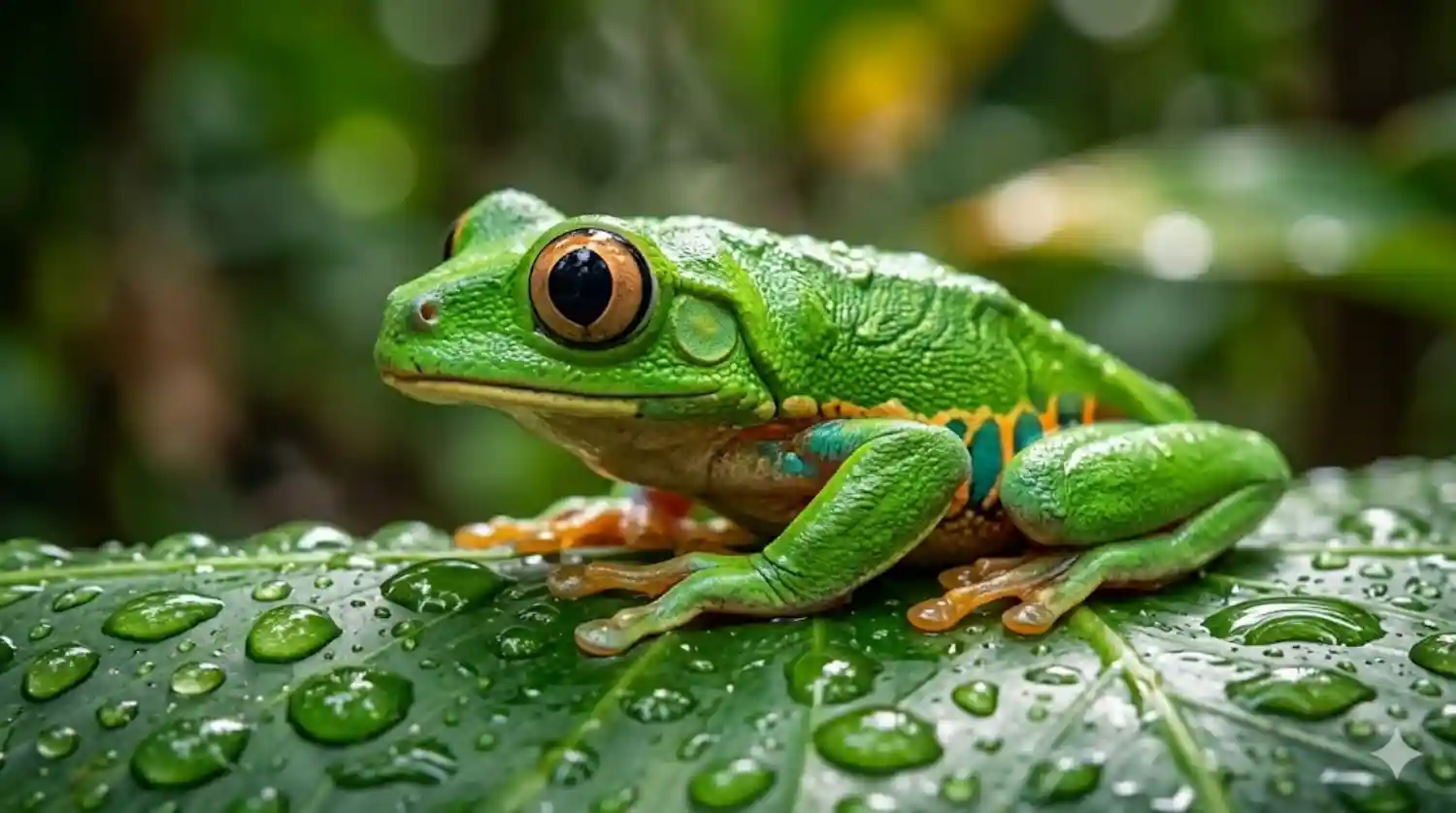
The skin of an Amazonian frog inspires new depression treatments
September 25, 2026 by Anne Silva
A cura que vem da pele anfíbios da Amazônia revolucionam a psiquiatria

The skin secretion of Phyllomedusa bicolor contains peptides being studied for their possible antidepressant effects. Researchers are seeking to turn Kambô molecules into compounds synthesized in the laboratory.
Categories Science Leave a comment

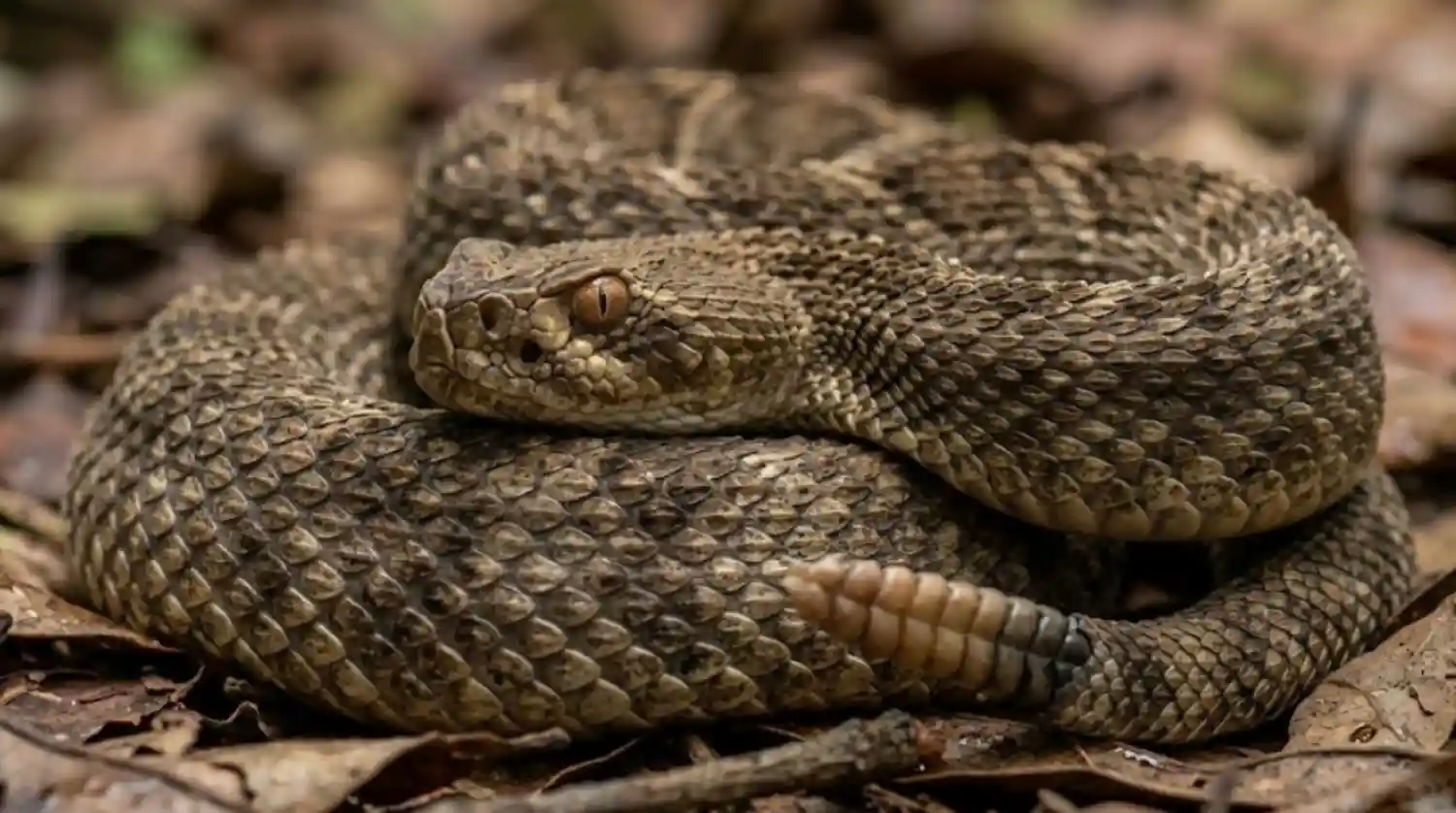
Crotalaria venom molecule crotoxin opens a path against cancer

September 25, 2026 by Anne Silva
Pesquisadores brasileiros usam a crotoxina, do veneno da cascavel, para destruir células de câncer resistentes à quimioterapia

Brazilian researchers are studying how crotoxin, a protein from South American rattlesnake venom, can target tumor cells while sparing healthy tissue in controlled doses.

Categories Science Leave a comment

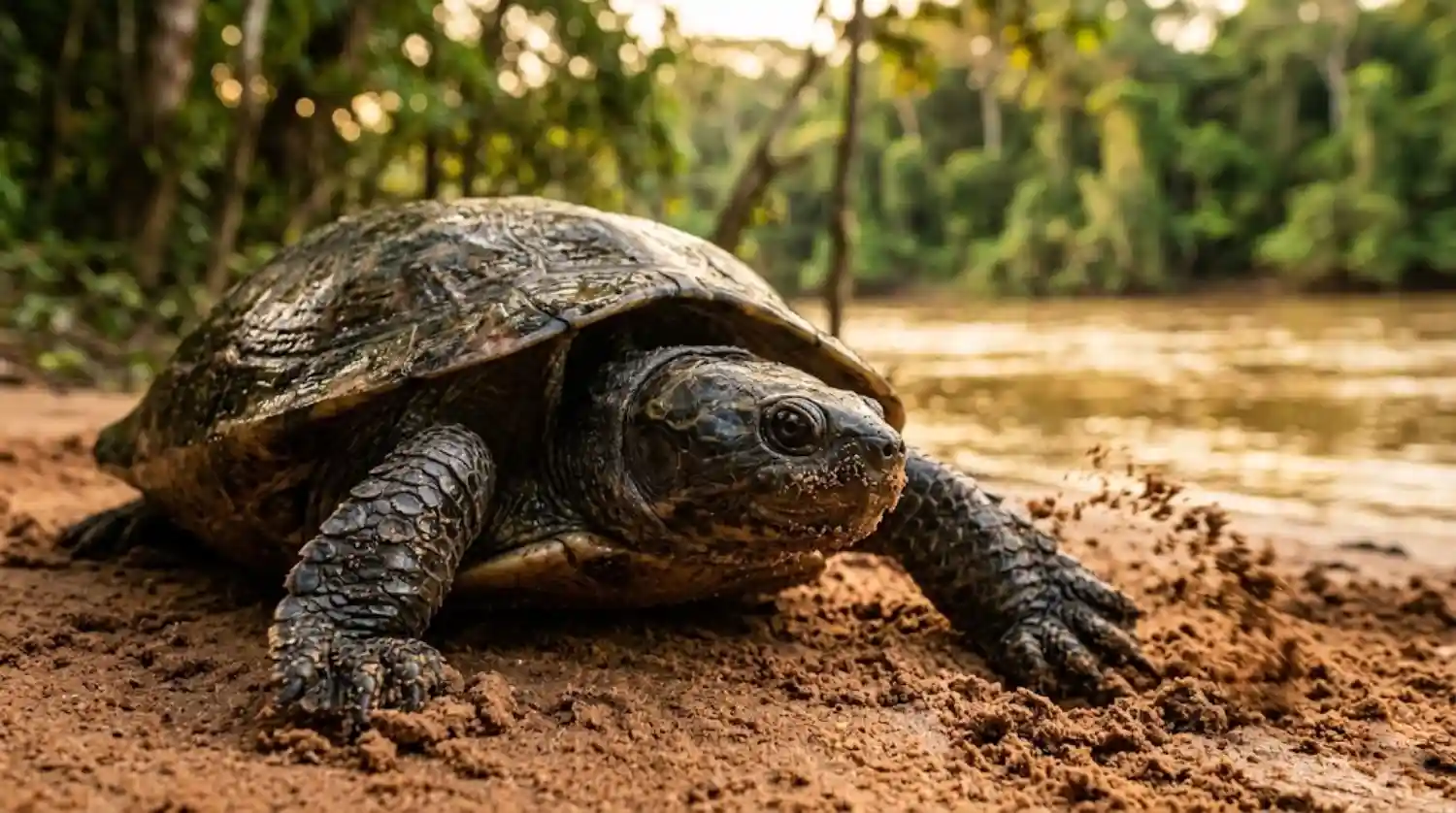
Amazon turtle hatchlings get their sex from the sand

September 25, 2026 by Anne Silva
Pesquisa do INPA nas praias do Solimões revela como a temperatura da areia define o sexo dos filhotes de tartaruga-da-amazônia e como o clima pode desequilibrar

For 50 days of incubation, sand temperature determines whether Amazon turtle hatchlings develop as males or females. INPA researchers are tracking nests, migrations and the climate pressures affecting the species.

Categories Science Leave a comment

How quantum physics could transform the Amazon bioeconomy

September 24, 2026 by Anne Silva
A bioeconomia do futuro já começou e ela depende dos mistérios da física quântica aplicados à nossa floresta

Quantum physics already powers everyday devices and could reshape environmental monitoring, biotechnology, solar energy and biodiversity protection in the Amazon.

Categories Science Leave a comment

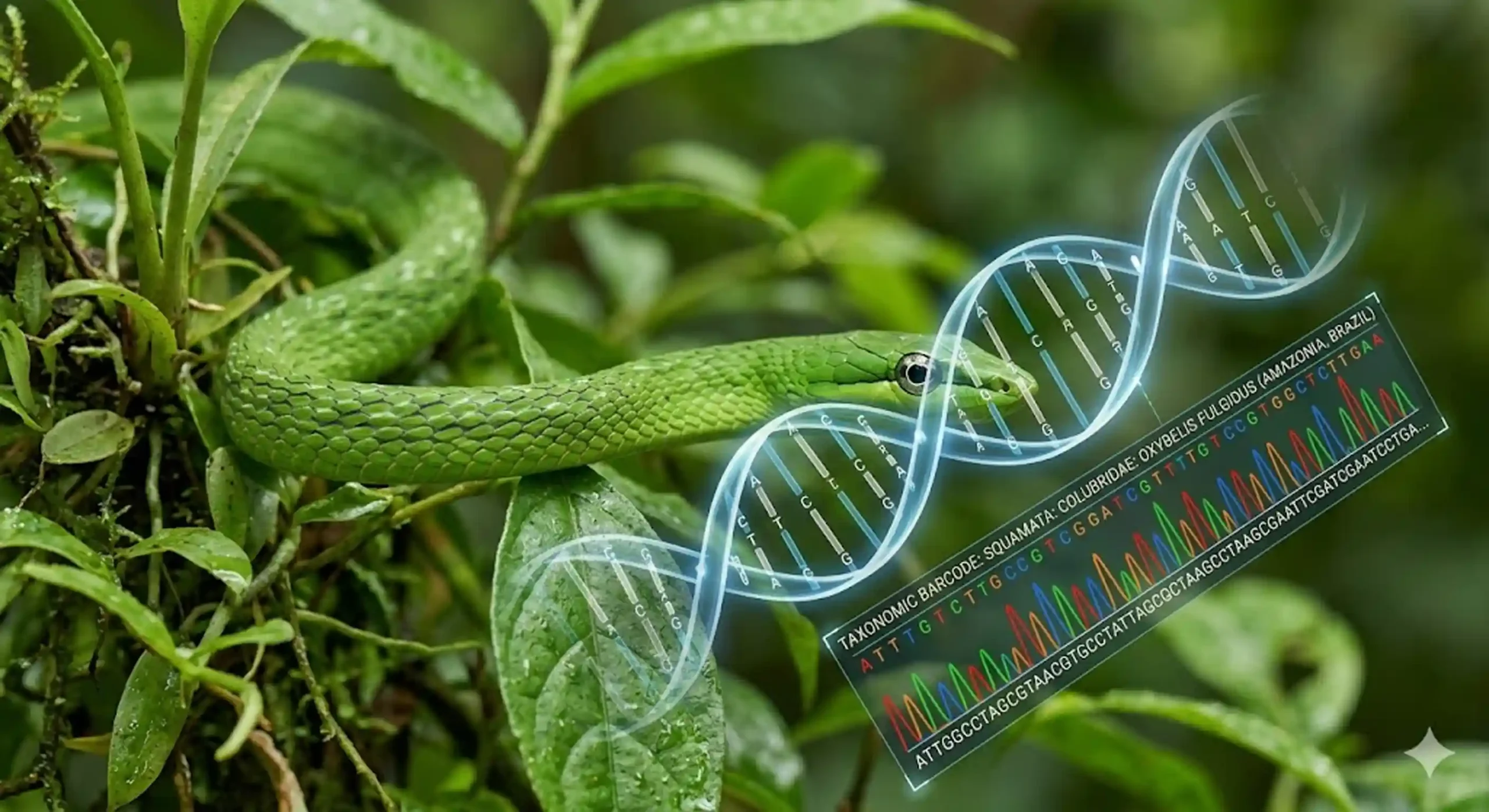
DNA reveals Amazon snakes invisible to traditional science

September 24, 2026 by Anne Silva
O DNA revela serpentes invisíveis que vivem na Amazônia

Genetic analysis is uncovering Amazon snake lineages hidden beneath the appearance of familiar species. These cryptic species could reshape conservation, antivenom production and biodiversity research.

Categories Science Leave a comment

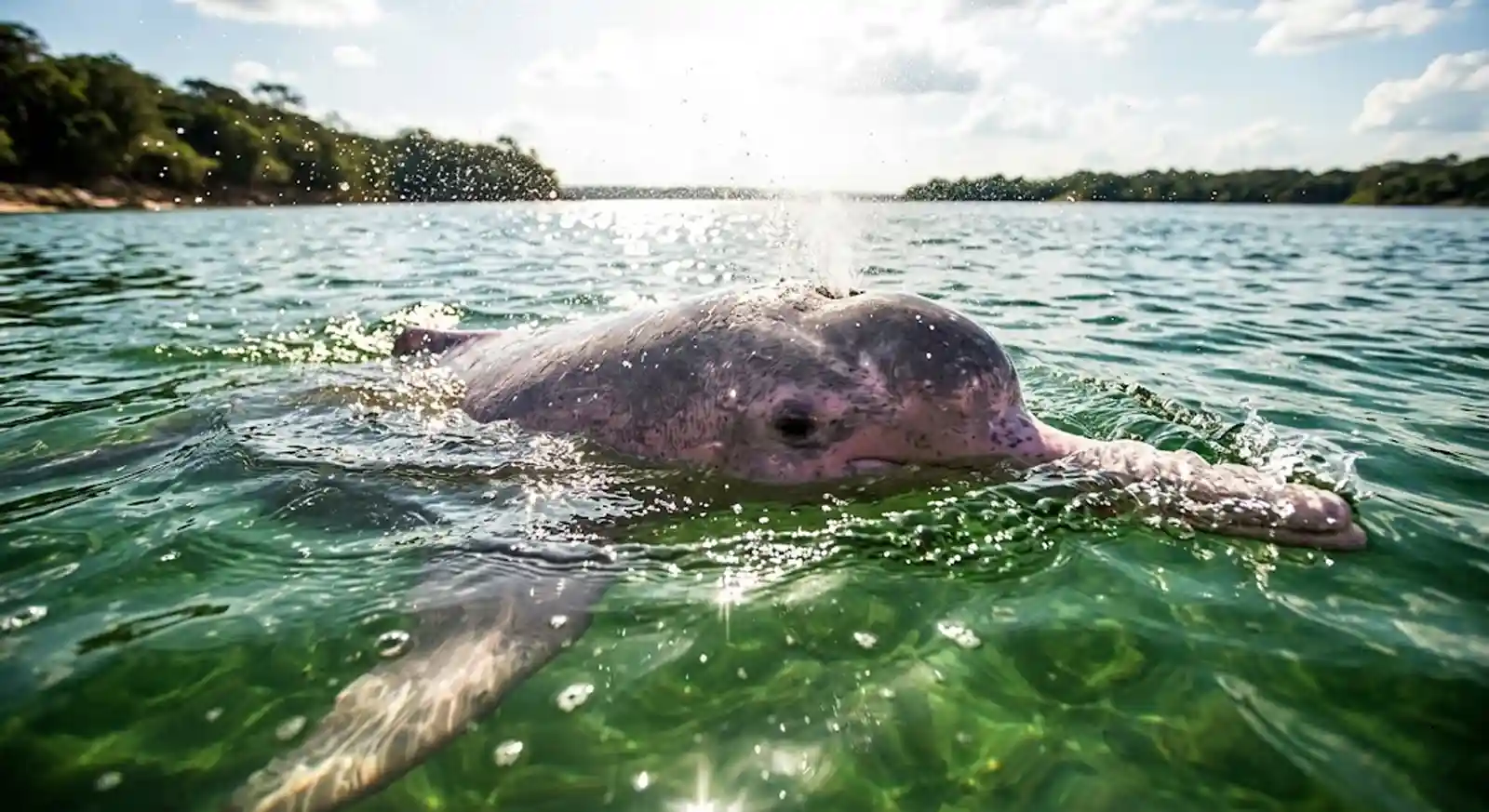
DNA sets Tapajós river dolphin apart as a unique species

September 23, 2026 by Anne Silva
DNA revela novo golfinho raro nas águas do Rio Tapajós

A unique genetic signature separates Tapajós river cetaceans from every other record on Earth. The finding raises the stakes for protecting a possible new Amazonian dolphin.

Categories Science Leave a comment

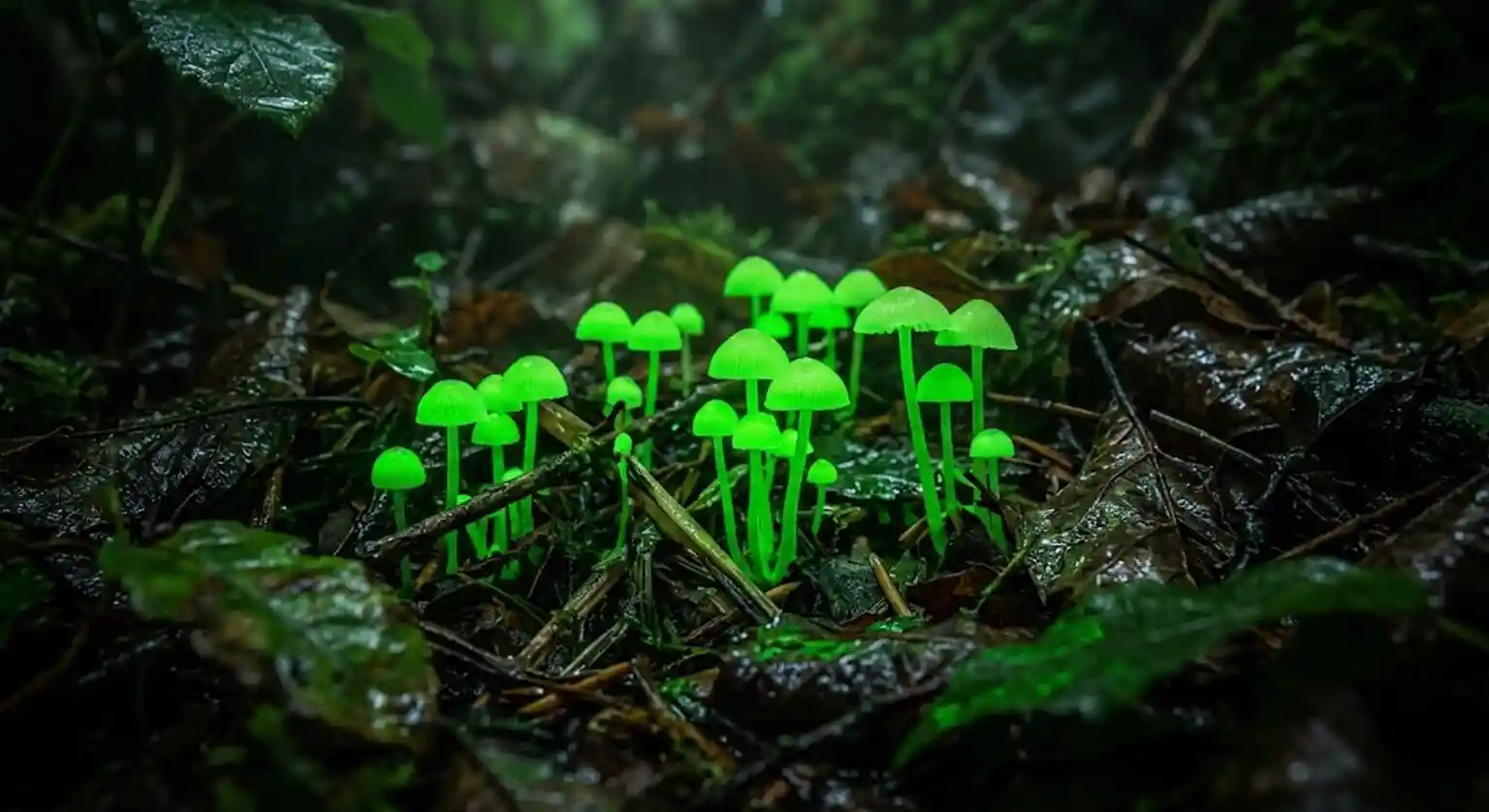
Why These Fungi Light Up the Amazon Forest Floor

September 23, 2026 by Anne Silva
pequenos cogumelos de cor neon esverdeada brilhando intensamente sobre folhagens escuras e úmidas

Only 100 of the more than 150,000 known fungal species can produce their own light. In the Amazon, their green glow may reveal clues about reproduction, climate and biotechnology.

Categories Science Leave a comment

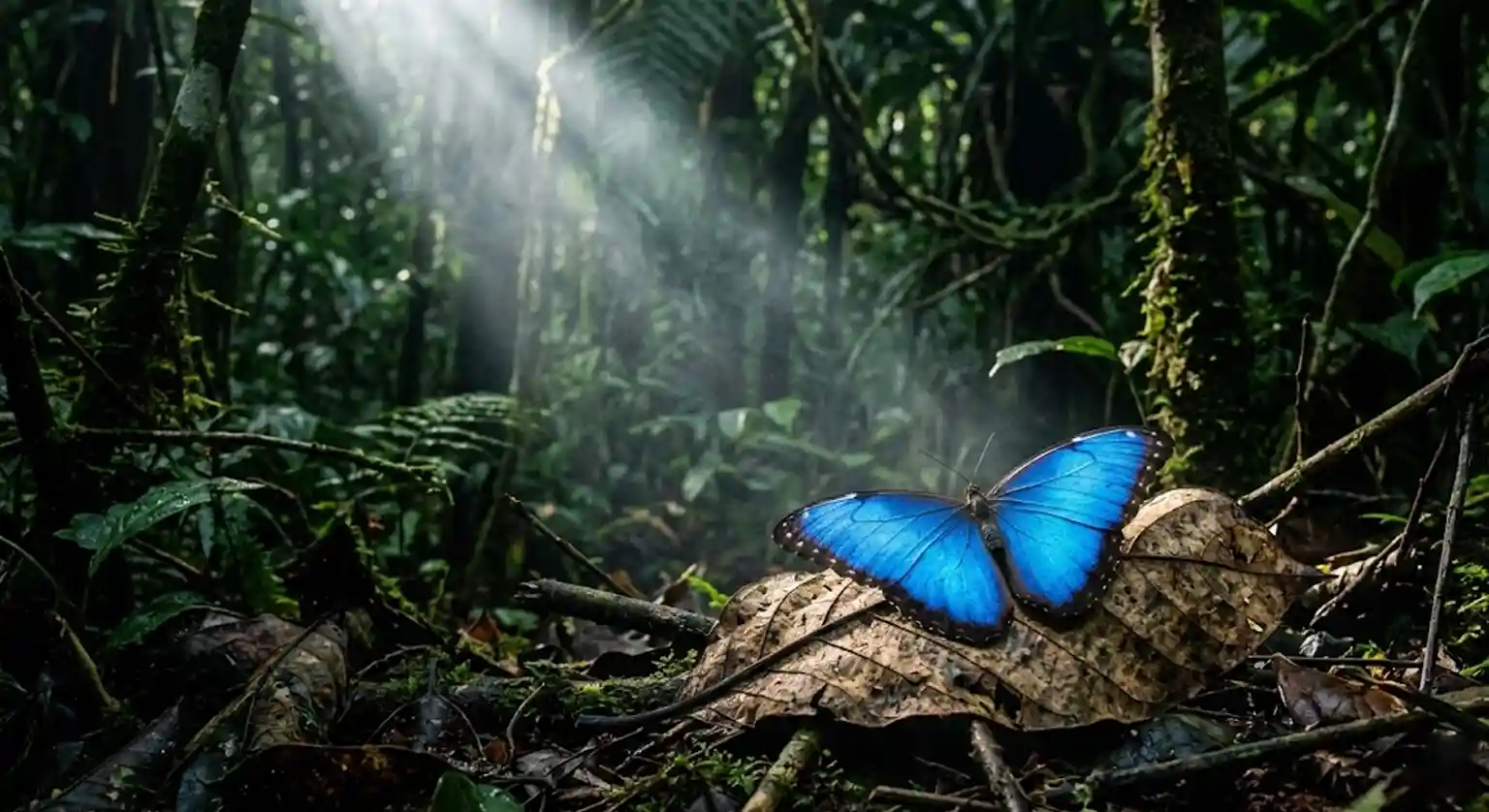
Amazon butterflies reveal an invisible climate collapse

September 23, 2026 by Anne Silva
Borboleta Morpho azul vibrante pousada em uma folha seca na floresta amazônica iluminada por feixe de luz solar denso e esfumaçado

Amazon butterflies are declining even in forests that remain intact. Their disappearance reveals how heat, fragmentation, and the loss of forest microclimates can disrupt an entire ecosystem.

Categories Science Leave a comment

Amazon snakes: how dangerous venom is helping medicine

September 23, 2026 by Anne Silva
O equilíbrio entre o medo e a cura: o papel das serpentes na Amazônia

The 189 snake species recorded in the Brazilian Amazon help control pests and may support medical advances. Understanding their habits and responding correctly to bites can reduce risks.

Categories Science Leave a comment

Climate change could turn polar phytoplankton into fast food

September 22, 2026 by Anne Silva
Proliferação de fitoplâncton (azul claro) vista através de uma abertura nas nuvens... O fitoplâncton é composto por algas microscópicas encontradas tanto em água doce quanto em água salgada – organismos unicelulares, que flutuam nos primeiros 100 metros do mar produzindo energia e forma a base de muitas cadeias alimentares aquáticas

An MIT model suggests that ocean warming could make polar phytoplankton lower in protein and richer in carbohydrates and lipids. Signals of the shift are already visible in Arctic and Antarctic samples.

Categories Science Leave a comment
Older posts
Newer posts
← Previous Page1 Page2 Page3 Page4 … Page8 Next →

Recent Posts

  • Black-faced lion tamarin (mico-leão-caiçara) followed five days after a yellow fever vaccine
  • Golden lion tamarins (mico-leão-dourado) crossed BR-101 bridges 1,300 times, now São Paulo gets one
  • Tmesipteris oblanceolata: The Tiny Fern With 50 Times More DNA Than Humans
  • Crotalaria maypurensis: The Native Plant That Could Help Heal Mined Land in Carajás
  • Tambaqui and the Gut Parasite: How Genes Help This Amazon Fish Fight Back

Recent Comments

No comments to show.
About · Contact · Privacy Policy
© 2026 Amazonia Mag · International edition of Revista Amazônia · Published by Editora Círios, Belém, PA, Brazil