Amazon Carnivorous Plants: The Forest’s Quietest Hunters
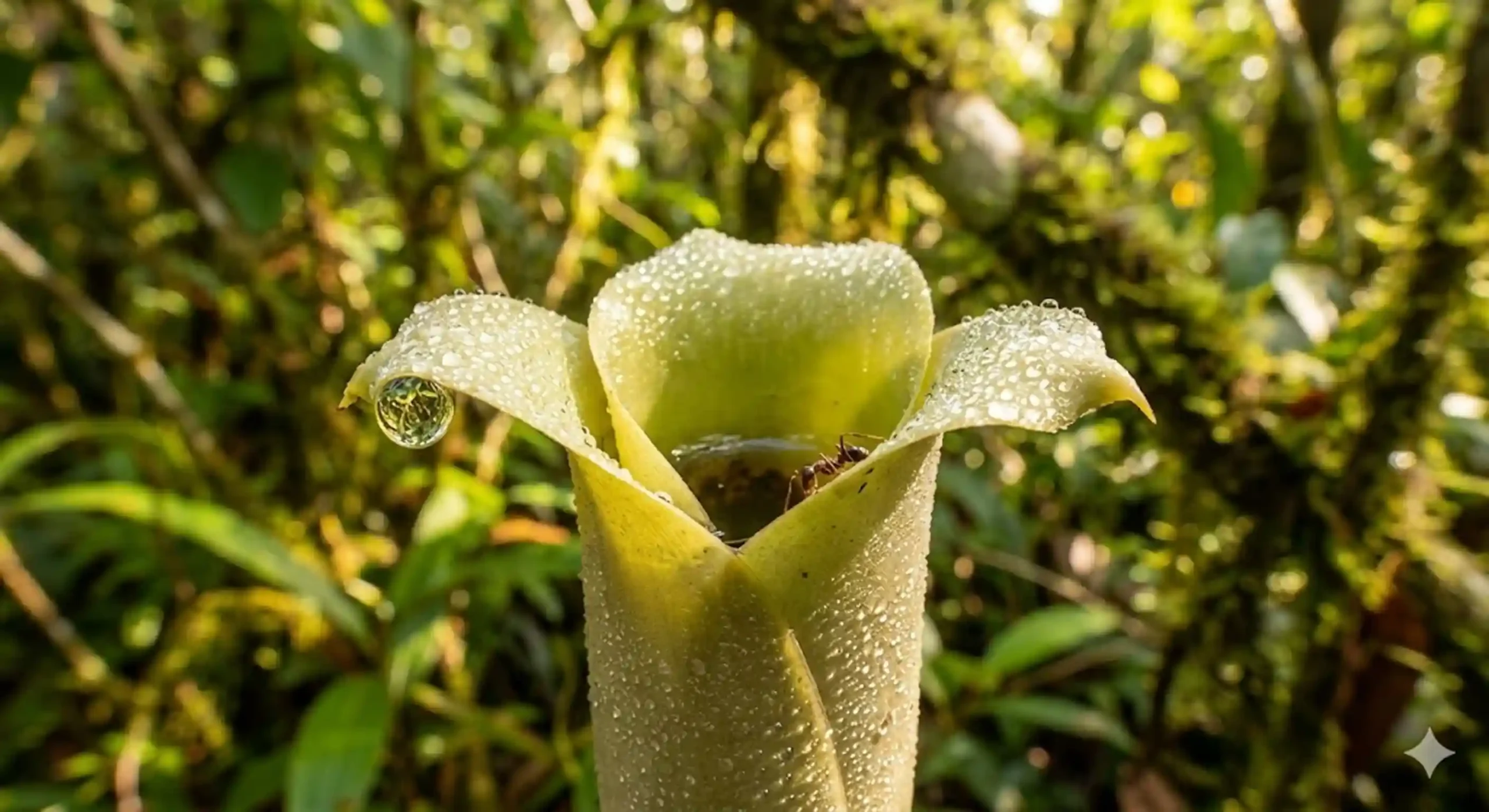
In white sand campinas and flooded igapós, where the soil offers almost no nitrogen, a group of Amazonian plants flipped the food pyramid and learned to capture animals in order to survive.
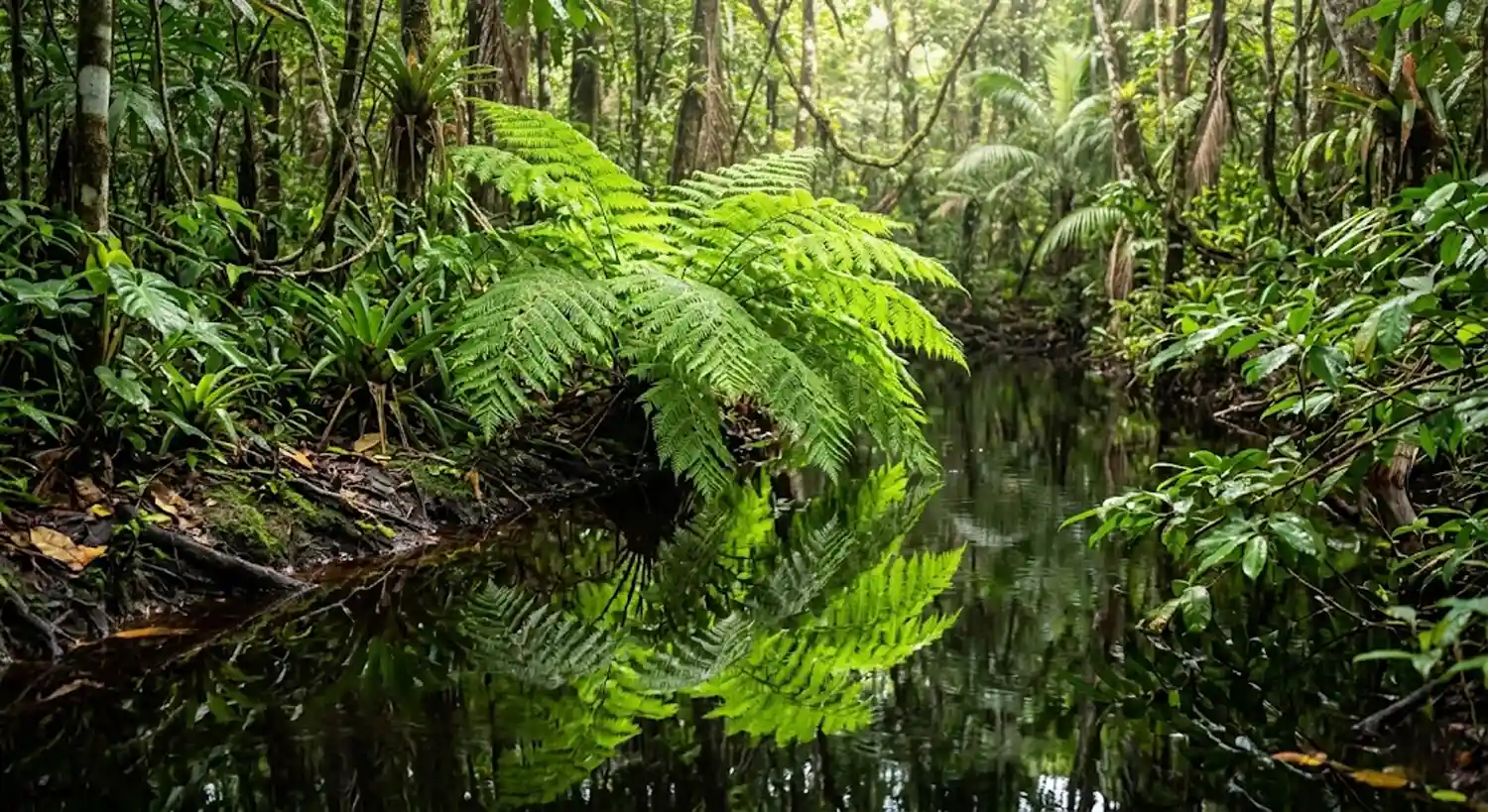
Brazilian researchers found that a giant fern growing along Amazonian creek banks absorbs arsenic and heavy metals, turning riverside vegetation into a living water filter.
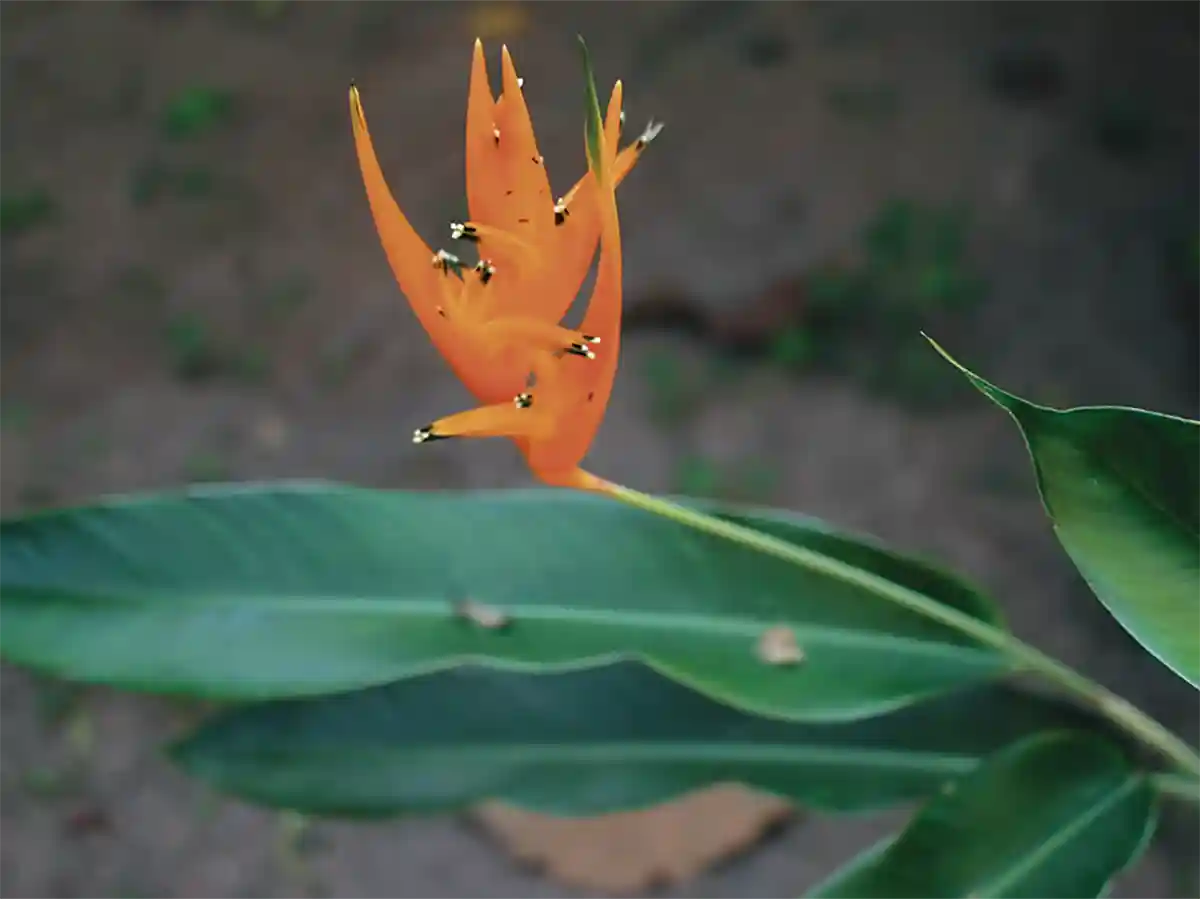
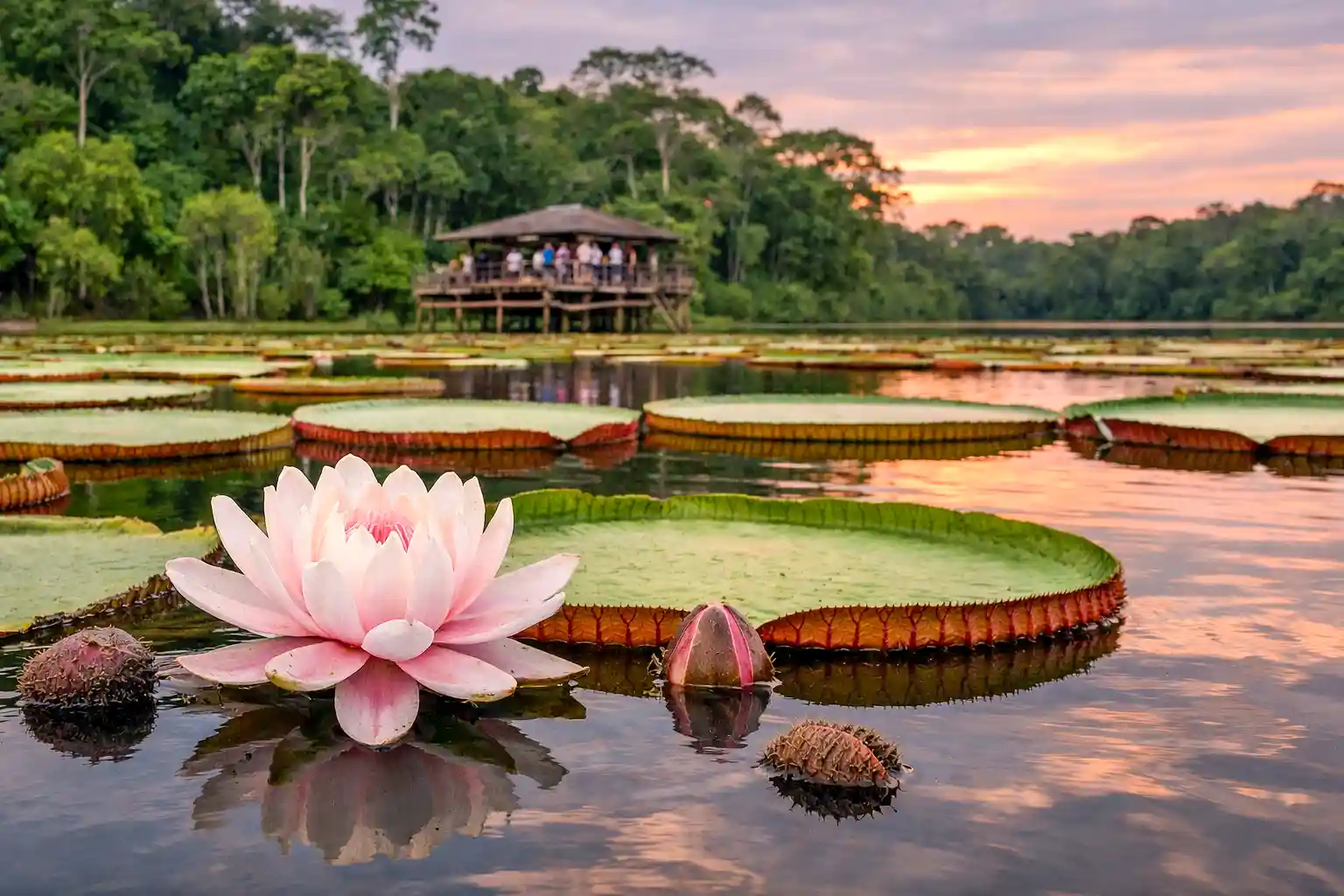
A single flower can reach 40 centimetres across and open for only one or two nights a year. That fleeting cycle has turned lakes and creeks in Para into the stage for a community based ecotourism that spreads income and eases pressure on the forest.
The andiroba tree and the flooded varzea forest sustain an extractive economy that keeps the rainforest standing and yields a natural repellent oil.
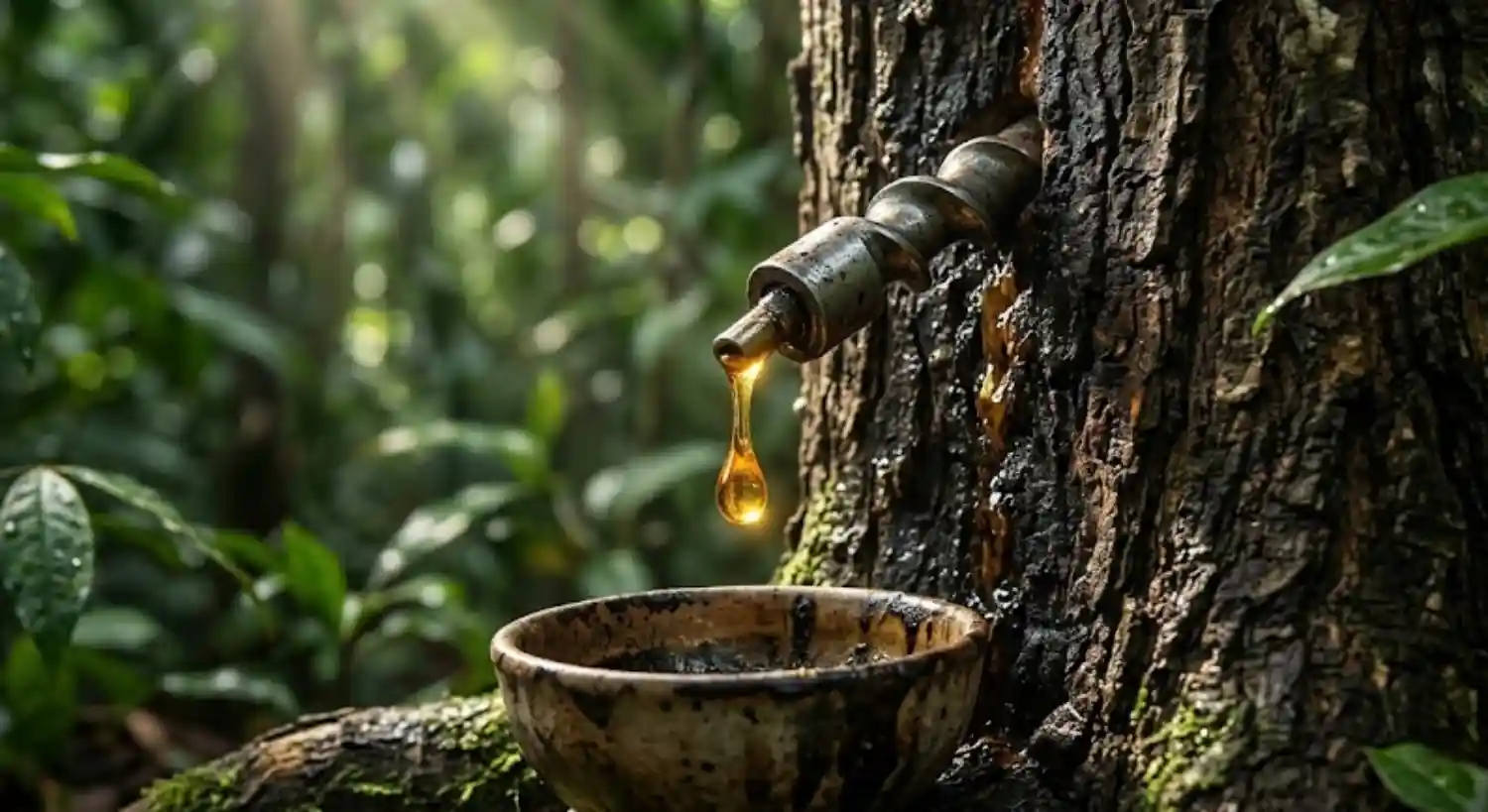
Copaiba oil is tapped without felling the tree and feeds a global chain of natural cosmetics, sustaining the income of thousands of Amazonian families.
A single adult Ceiba pentandra sends more than a thousand liters of water from deep soil into the sky each day, feeding the flying rivers that carry rain across South America.
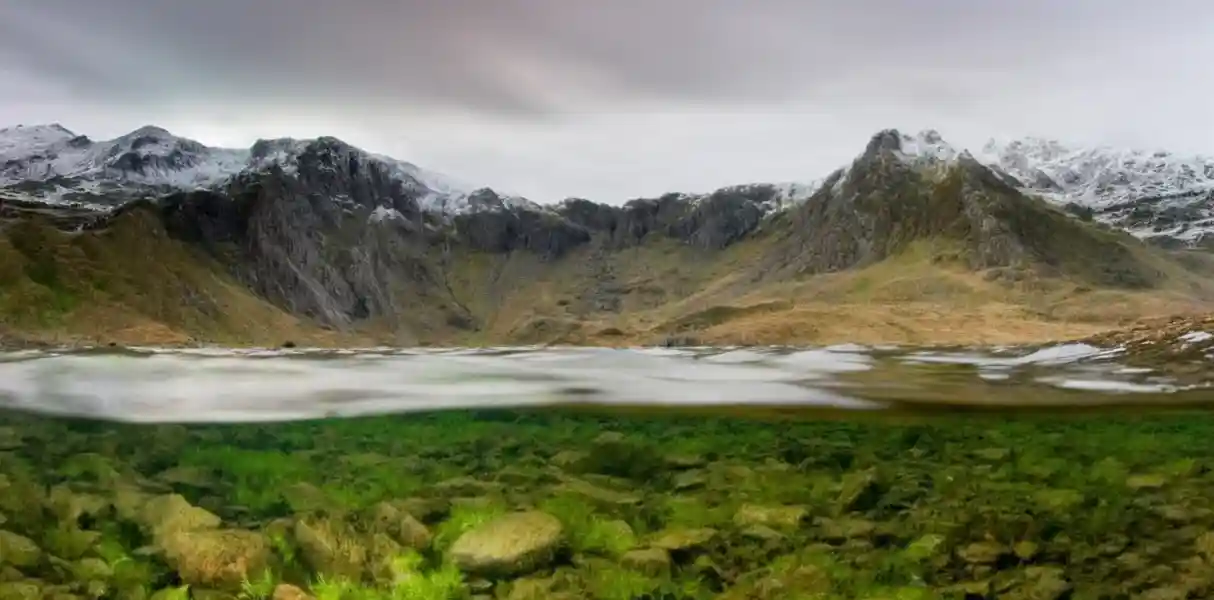
About 470 million years ago, the first plants left the water for a world of bare rock. In doing so they reshaped the atmosphere, built the soil and turned Earth green.
Naturalist João Batista Fernandes launches in Brasília the book Onde andei valeu a pena, gathering 100 Amazonian plant species he identified across more than four decades of expeditions in the world’s largest tropical rainforest.
A study in the Peruvian Amazon shows the largest trees store up to 93% of the carbon, and they are exactly the ones the logging industry prefers to cut.