
At the height of the rainy season in the Amazon Basin, one of Earth’s most extraordinary ecological transformations takes place. Vast stretches of forest known as igapó become completely submerged as the water rises many meters and covers tree trunks almost to their crowns.
At that moment, the boundary between the aerial and underwater worlds disappears. Fish swim where birds once flew, using the flooded igapó forest as both habitat and food source. This annual flood cycle defines life in these areas and creates a unique, dynamic ecosystem.
Survival there depends on remarkable adaptations by both plants and animals. Amazonian igapó is characterized by black or dark water, rich in organic acids and poor in nutrients, flowing through plant formations rooted in ancient, sandy soils.
A forest that spends months underwater
Science recognizes the survival of trees in this demanding environment as a fascinating evolutionary mystery. The trees spend as many as seven months each year with their roots and trunks submerged, enduring conditions that would restrict growth in many other forests.
During the flood phase, oxygen availability in the inundated soil drops sharply. To cope with this hypoxic condition, igapó trees enter a state of induced dormancy, lowering their metabolism and suspending the production of new leaves and flowers.
This strategic pause allows the trees to conserve energy until the water falls and the soil becomes aerated again. Once that happens, they resume vigorous growth, while the terrestrial forest returns to the spaces that had been dominated by water.
As the vegetation slows down, aquatic life enters a frenzy of activity. Flooding opens vast new territories for fish, which move from the rivers’ main channels to explore the resources of the submerged forest.
The seasonal change turns the forest into an aquatic landscape. Trunks become underwater structures, the spaces between branches become routes for movement, and the canopies provide the setting for a feeding relationship that depends on the timing of the flood.
When fish feed among the treetops
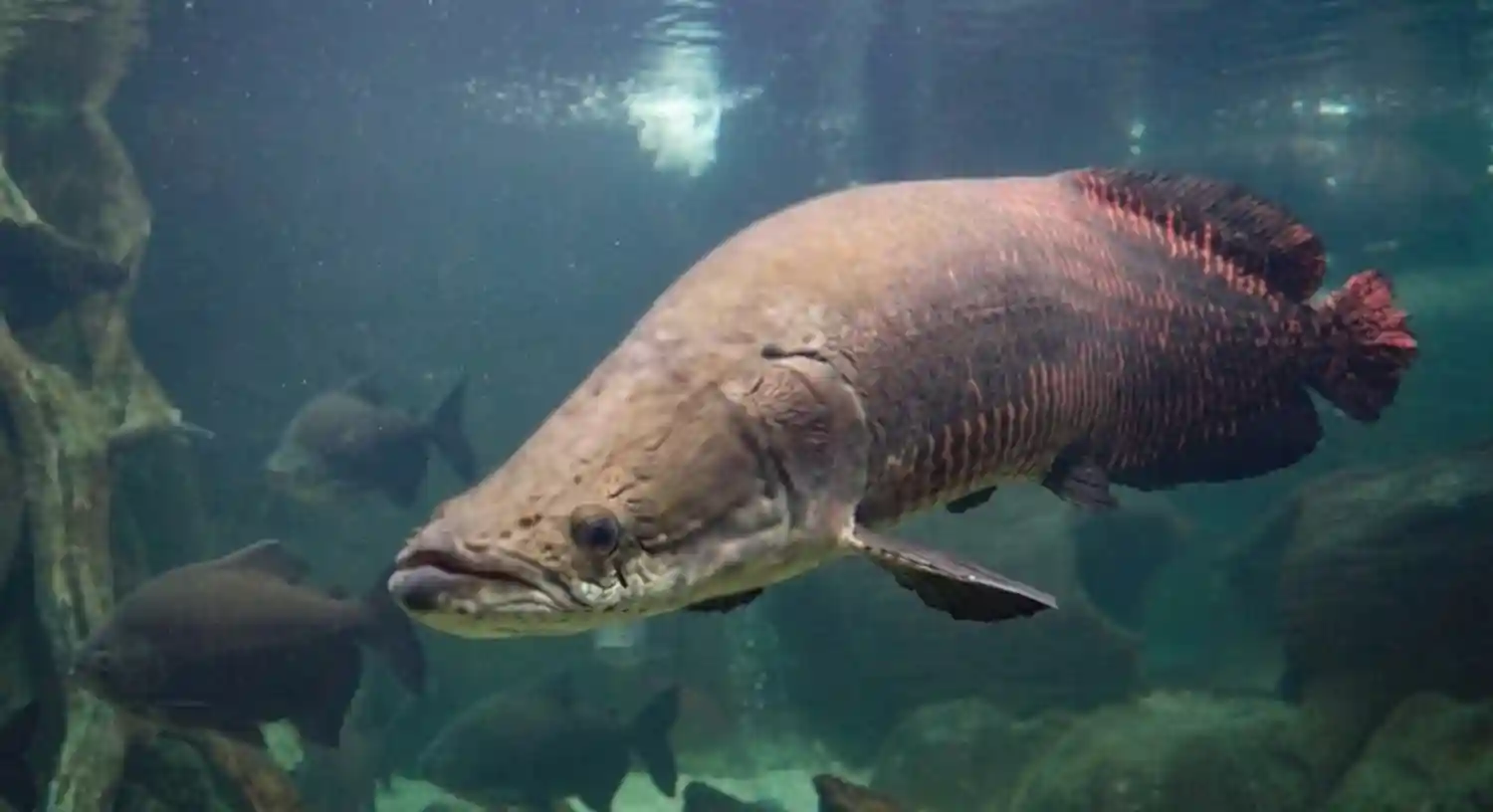
This is where fruit-eating igapó fish play a crucial ecological role. Many species, including tambaqui and pirapitinga, have powerful jaws and teeth adapted to breaking the hard shells of fruits and seeds that fall from the treetops into the water.
Studies indicate that hundreds of fish species feed on fruit and seeds during the flood season. The flooded forest therefore becomes a temporary food source, giving fish access to resources that are unavailable or difficult to reach during the dry phase.
Tambaqui can swallow large seeds and carry them for miles (kilometers) before defecating them. The seeds remain viable for germination, allowing fish to connect different parts of the igapó and increasing the chances that plants will establish in new locations.
Seed dispersal by fish, scientifically known as ichthyophobia, is a vital phenomenon in the Amazonian igapó. The animals do more than consume fruit. They transport seeds to new places and deposit them as the water recedes, helping plants colonize additional areas.
The forest’s underwater gardeners
Science recognizes these fish as essential underwater gardeners for forest regeneration. By carrying seeds over long distances within the igapó ecosystem, they help spread plants beyond the places where the fruit first fell.
The relationship between the forest and igapó fish is a clear example of coevolution and mutualism. Trees provide food and shelter for fish, while the fish ensure the dispersal of the trees’ seeds. The partnership operates within the rhythm set by alternating floods and droughts.
Studies indicate that the survival of many igapó tree species depends directly on the presence of healthy and abundant fruit-eating fish. Without these animals, seeds may be less likely to reach places where they can germinate and become established.
Overfishing these species can therefore have profound consequences for the long-term health of the forest itself. By reducing the number of fish able to disperse seeds, fishing pressure can weaken the ecosystem’s capacity to regenerate.
Seed dispersal directly links the health of rivers to the survival of trees. Maintaining aquatic biodiversity is inseparable from conserving plant biodiversity in the igapó, a reminder of the complex interconnection among all living beings in the world’s largest tropical forest.
The pulse of flood and drought
The cycle of flooding and drought also shapes the landscape and human life in the region. During the dry phase, as the water retreats, the igapó’s sandy soil is exposed and reveals the twisted, adapted forms of the trees.
At that time, terrestrial forest returns to dominance. Many species of land animals and birds use the area to forage and nest, taking advantage of ground that had recently been covered by water.
Igapó is not a static environment. It is a stage of constant transformation, where life has learned to thrive through the alternation between aquatic and terrestrial worlds. This resilience is a testament to nature’s ability to find creative solutions under extreme conditions.
The stillness of the dark water can conceal intense biological activity. Beneath the reflections of submerged crowns, fish move around trunks, find fruit, transport seeds and participate in a process that continues long after they leave the place where they fed.
Protecting an essential connection
Understanding how igapó works is fundamental to conserving the Amazon. Protecting these unique ecosystems helps ensure the survival of rare plant and animal species, as well as the maintenance of vital ecosystem services such as the water cycle and climate regulation.
Preserving the Amazonian flooded igapó forest is a commitment to the future of global biodiversity and to the sustainability of communities that depend on the forest for subsistence and culture.
The submerged forest is not merely a biological curiosity. It is an essential component of the vibrant heart of the Amazon, pulsing to the rhythm of the water and the deep connection among all the beings that inhabit it.
Looking across the dark, tranquil waters of the igapó, where the beauty of submerged tree crowns is reflected, reveals the strength and complexity of life. Even in the most improbable environments, nature finds ways to flourish, reminding us of our responsibility to protect this invaluable natural legacy.
Reporting: Anne Silva / Amazonia Mag

Editor, English Edition — Amazonia Mag
Anne Silva is the editor of Amazonia Mag, the English-language edition of Revista Amazônia. She curates, translates and adapts the outlet's science and environment coverage for an international audience, reporting on Amazon wildlife, flora, rivers, climate and research. Every story she edits is grounded in peer-reviewed studies, official data and on-the-ground reporting from the Revista Amazônia newsroom in Belém, Pará, Brazil. More by Anne Silva →