
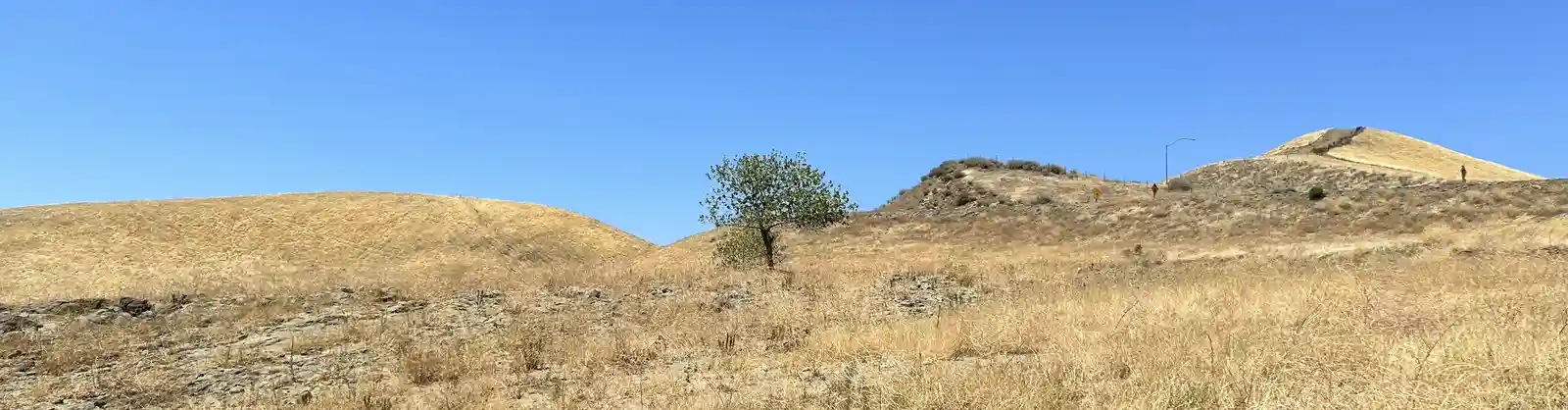
Antibiotic resistance is often attributed to excessive clinical use, which selects for resistant strains. A study from Caltech now identifies another possible driver: drought appears to increase the abundance of microorganisms in soil that can withstand antibiotics.
Across different geographic regions and soil types, the researchers consistently found metagenomic signatures showing an enrichment of antibiotic producers under dry conditions. Using clinical surveillance data from 116 countries, they also found that the average frequency of antibiotic resistance in hospitals was strongly correlated with the local aridity index, even after regional income differences were controlled for.
What happens as soil dries
The study was led by Xiaoyu Shan, a Caltech postdoctoral researcher, and conducted in the laboratory of Dianne Newman, the Gordon M. Binder/Amgen Professor of Biology and Geobiology. A paper describing the research was published in Nature Microbiology.
The team developed an explanation for why dry soils contain more antibiotic-producing microbes. As soil loses water, the volume of space available to microorganisms decreases. That change may increase bacterial contact with naturally occurring antibiotic compounds, killing sensitive strains and enriching bacteria that are better able to resist them.
The survivors can include the organisms that produce antibiotics themselves, as well as other strains carrying resistance genes. In this way, drought may intensify the selection of microbes already able to persist in an environment where antibiotic compounds become more concentrated.
The findings establish drought as a determining factor in antibiotic resistance in soil, with potentially broad public health consequences. They also reveal a climate-related connection that has received less attention in discussions of antimicrobial resistance.
Soil as an evolutionary battleground
Many antibiotics originate with soil microorganisms. Bacteria naturally produce compounds that help them defend themselves against competing microbes, among other functions. Synthetic chemists have used these natural compounds as structures for building modern clinical antibiotics, and soil remains a natural reservoir for the discovery of new antibiotic candidates.
But soil bacteria can develop resistance in much the same way that infectious pathogens can become resistant to clinical antibiotics. The result is a constantly changing competition among microorganisms. Resistance may be intrinsic or acquired, and it can spread through mutation and horizontal transfer, including through plasmids.
To study this process, Shan developed a computer program to examine public datasets of microbial sequences. The program searched soil samples from around the world for genes that enable the production of different antibiotics. The researchers found that microbes producing antibiotic compounds are more abundant in drier soils.
The team hypothesized that the shrinking volume of water-filled space in dry soil increases the contact between bacteria and antibiotic compounds. Those conditions can eliminate sensitive organisms while leaving behind bacteria with greater resistance, including producers and other strains that harbor resistance genes.
From dry soils to hospital infections
The researchers then asked whether a greater presence of antibiotic-resistant microbes in soil could be associated with more resistant infections in hospitals in the same regions. They compared datasets tracking resistant infections in hospitals with geographic information about aridity.
The analysis found a strong correlation between higher rates of antibiotic-resistant infections in hospitals and greater aridity. That result indicates that drought-driven selection for resistance in soil may affect human populations.
The connection is possible because people remain in frequent contact with soil. “We are constantly in contact with soil, whether for recreation or simply through inhaling dust,” Shan said. Bacteria can transfer genes to one another, and antibiotic resistance genes are known to have a high rate of transfer.
With trillions of bacteria in the environment, Shan said, that represents a significant event. The data also showed that regions with greater aridity, meaning hotter and drier regions, have higher levels of antibiotic-resistant infections.
A climate and public health concern
Droughts are becoming more frequent and longer-lasting around the world because of climate change. Many studies have examined how microorganisms tolerate the stress of aridity, but researchers had not previously investigated what happens to natural soil antibiotics during dry periods.
Dianne Newman emphasized that the work illustrates how climate, the environment and human health are interconnected. “Droughts are creating the same effects as excessive antibiotic use in the clinic: both drive the selection of antibiotic resistance,” she explained.
Newman said the striking correlation identified by Xiaoyu Shan motivates the development of better and faster diagnostics in clinical settings, along with new therapeutic approaches. The interdisciplinary approach at Caltech generates tools for faster diagnosis and new treatments, positioning institutions to address antimicrobial resistance.
Antibiotic resistance is already a major public health problem. The World Health Organization estimates that, in 2019, antibiotic-resistant pathogens directly caused 1.27 million deaths and contributed to another 4.95 million.
Although antibiotics kill microorganisms, the medicines used in medicine are also derived from microorganisms or fungi, as in the well-known case of penicillin. Microbes synthesize antibiotics as part of an evolutionary strategy against competitors and potential threats, making soil one of the main battlegrounds in that continuing biological conflict.
Research across continents
Newman and Xiaoyu Shan first found a clue that drought could worsen antibiotic resistance while examining five metagenomic databases. The databases bring together genetic information from soil microbes living in different environments and on continents around the world.
Some of those databases contained samples from the same locations before and after drought. That comparison helped point toward a relationship between drying conditions and the enrichment of antibiotic producers and resistant organisms in soil.
Infections resistant to medicines know no borders, which means that no single country can fight antimicrobial resistance alone. The hospital findings do not replace clinical surveillance, but they add an environmental dimension to a problem usually discussed in terms of prescriptions, pathogens and healthcare facilities.
The researchers now plan to use artificial intelligence tools to discover and understand the mechanisms bacteria use to resist and modify antibiotics. That work could help clarify how resistance develops and moves through microbial communities.
The study expands the view of antibiotic resistance beyond clinical overuse. In dry soil, reduced water availability can change microbial relationships, concentrate natural antibiotic compounds and favor organisms able to survive them, linking climate conditions, soil ecosystems and human health.
Reporting: Anne Silva / Amazonia Mag

Editor, English Edition — Amazonia Mag
Anne Silva is the editor of Amazonia Mag, the English-language edition of Revista Amazônia. She curates, translates and adapts the outlet's science and environment coverage for an international audience, reporting on Amazon wildlife, flora, rivers, climate and research. Every story she edits is grounded in peer-reviewed studies, official data and on-the-ground reporting from the Revista Amazônia newsroom in Belém, Pará, Brazil. More by Anne Silva →